Top 20 Waterfalls in the Carpathian Mountains
Waterfalls in the Carpathian Mountains offer diverse natural landscapes across Central and Eastern Europe. This mountain range features a variety of geological formations, including deep gorges and dense forests, which contribute to numerous waterfall formations. The region is characterized by its extensive trail networks and natural monuments. Visitors can explore these areas to experience the unique hydrological features of the Carpathians.
Best waterfalls in the Carpathian Mountains
- The most popular waterfalls include Skok Waterfall, a waterfall located on the Młynica stream. This waterfall is approximately 25 m high and is accessible all year round.
- Another must-see spot is Suchá Belá Gorge, a gorge known for its high concentration of waterfalls and exposed sections. Crossing the gorge typically takes about 2 hours.
- Visitors also love Studený Potok Waterfalls, a series of waterfalls formed on a triple glacial valley threshold. These waterfalls, including the Long, Great, Hidden, and Little Waterfall, are a popular hiking destination.
- Carpathian Mountains is known for its cascades, multi-tiered waterfalls, and waterfalls within gorges. The variety of waterfalls to see and explore ranges from accessible family-friendly options to more intermediate trails.
- The waterfalls in the Carpathian Mountains are appreciated by the komoot community, with more than 90 highlights, over 130 photos, and more than 770 upvotes.
Last updated: August 30, 2026
Wodogrzmoty Mickiewicza Waterfalls
Highlight • Waterfall
Translated by Google •
Tip by

Suchá Belá Gorge
Highlight (Segment) • Gorge
Source: Wikipedia
Translated by Google •
Tip by

Sign up now to discover places like this
Get recommendations on the best single tracks, peaks, & plenty of other exciting outdoor places.
Sign up for free
Studený Potok Waterfalls
Highlight • Waterfall
Translated by Google •
Tip by
Siklawica Waterfall
Highlight • Waterfall
Translated by Google •
Tip by

Sliezsky House
Highlight • Mountain Hut
Source: Wikipedia
Translated by Google •
Tip by
Skok Waterfall
Highlight • Waterfall
Translated by Google •
Tip by
Studený Potok Waterfall
Highlight • Waterfall
Translated by Google •
Tip by
Bystra Stream and Waterfall Below Nosal
Highlight • Waterfall
Translated by Google •
Tip by

Giant Waterfall
Highlight • Waterfall
Tip by

Seven Ladders Canyon
Highlight • Canyon
Translated by Google •
Tip by

Sign up for free to discover even more waterfalls in the Carpathian Mountains.
Sign up for free
Already have an account?
Start today with a free account
Your next adventure awaits.
Login or Signup
Popular around Carpathian Mountains
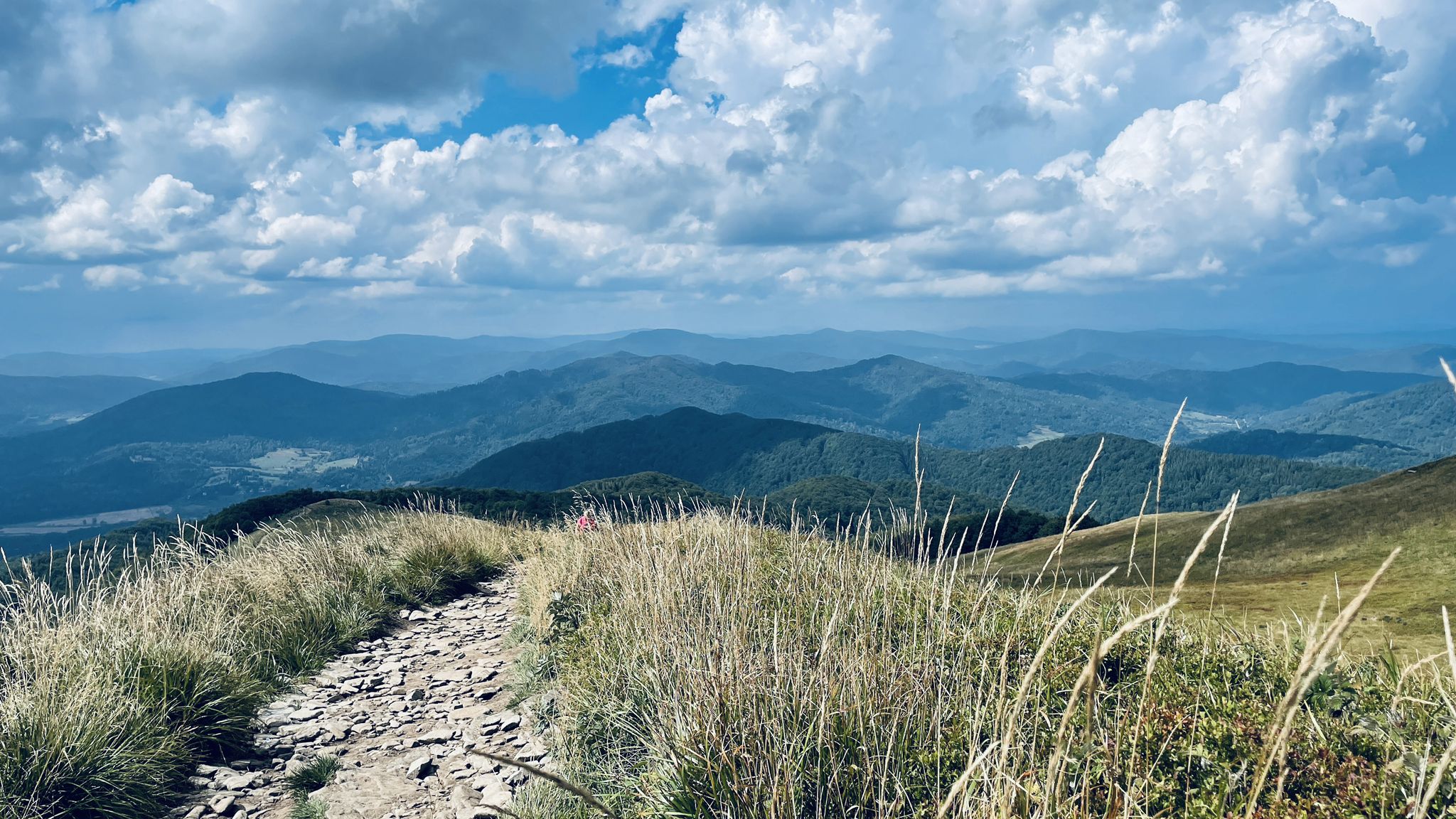
Main Beskids Trail — the longest Polish Mountain Trail
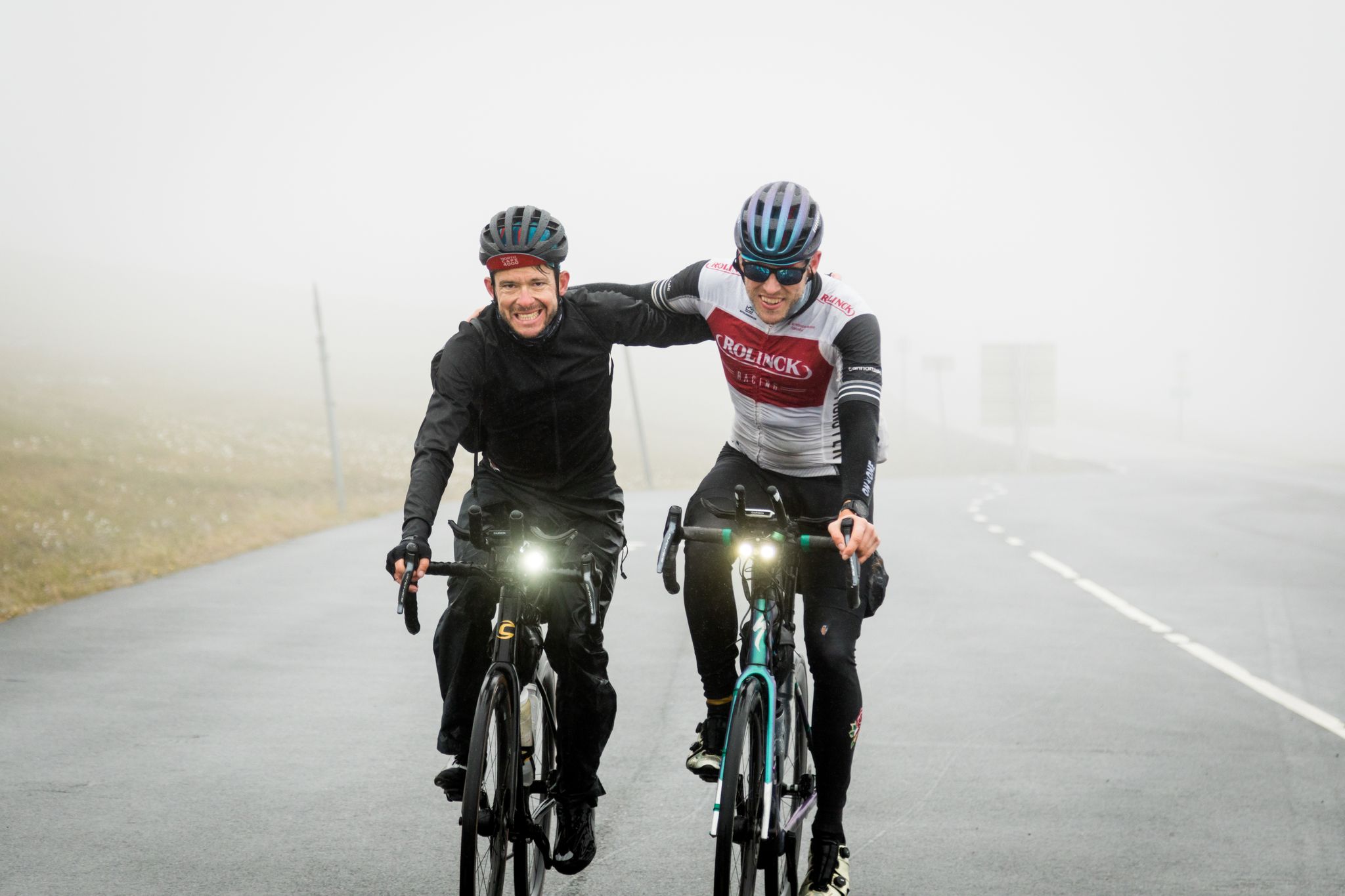
NorthCape4000 – 12 days from Lake Garda to the North Cape
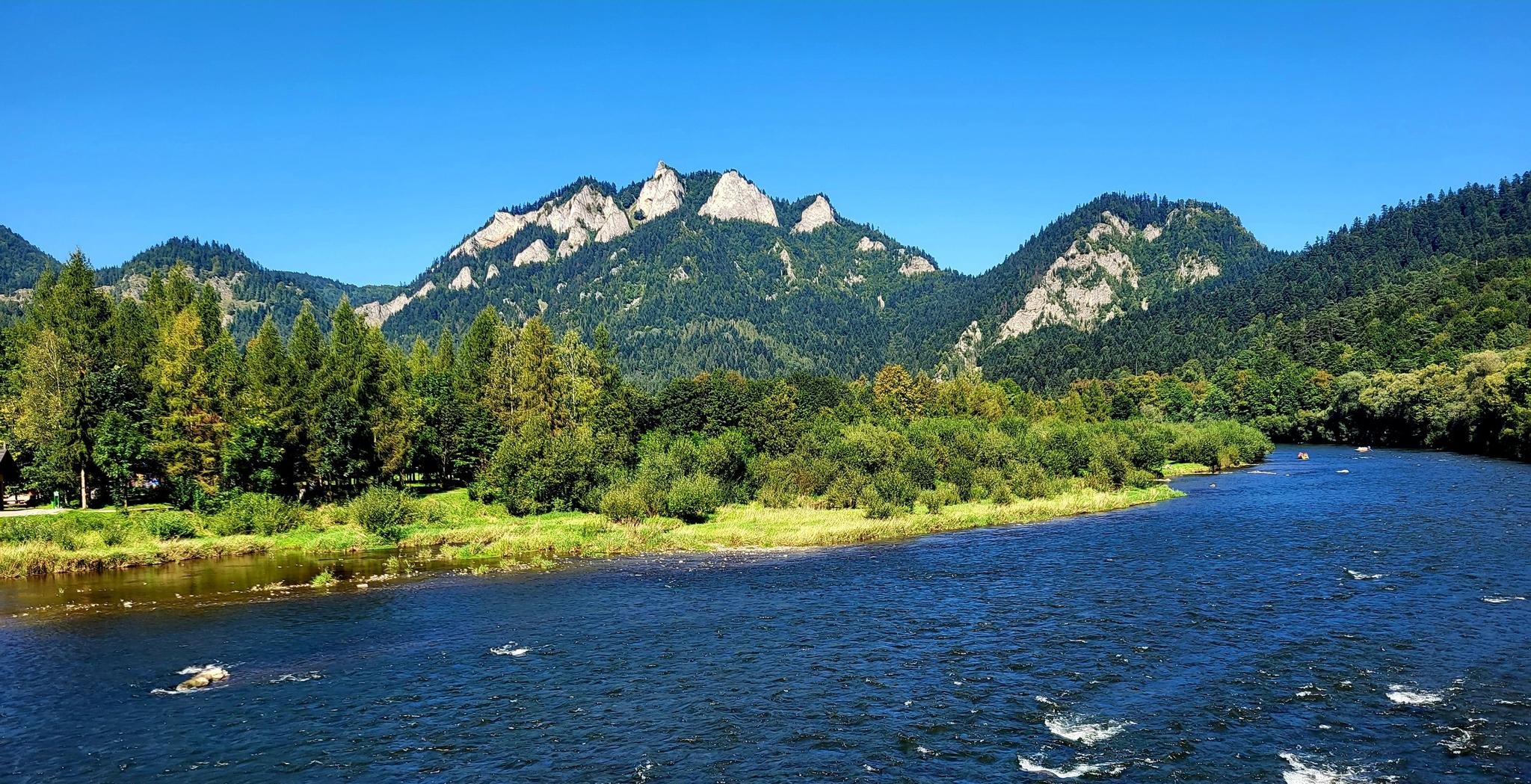
From Zakopane to Nowy Sącz along the river - Velo Dunajec
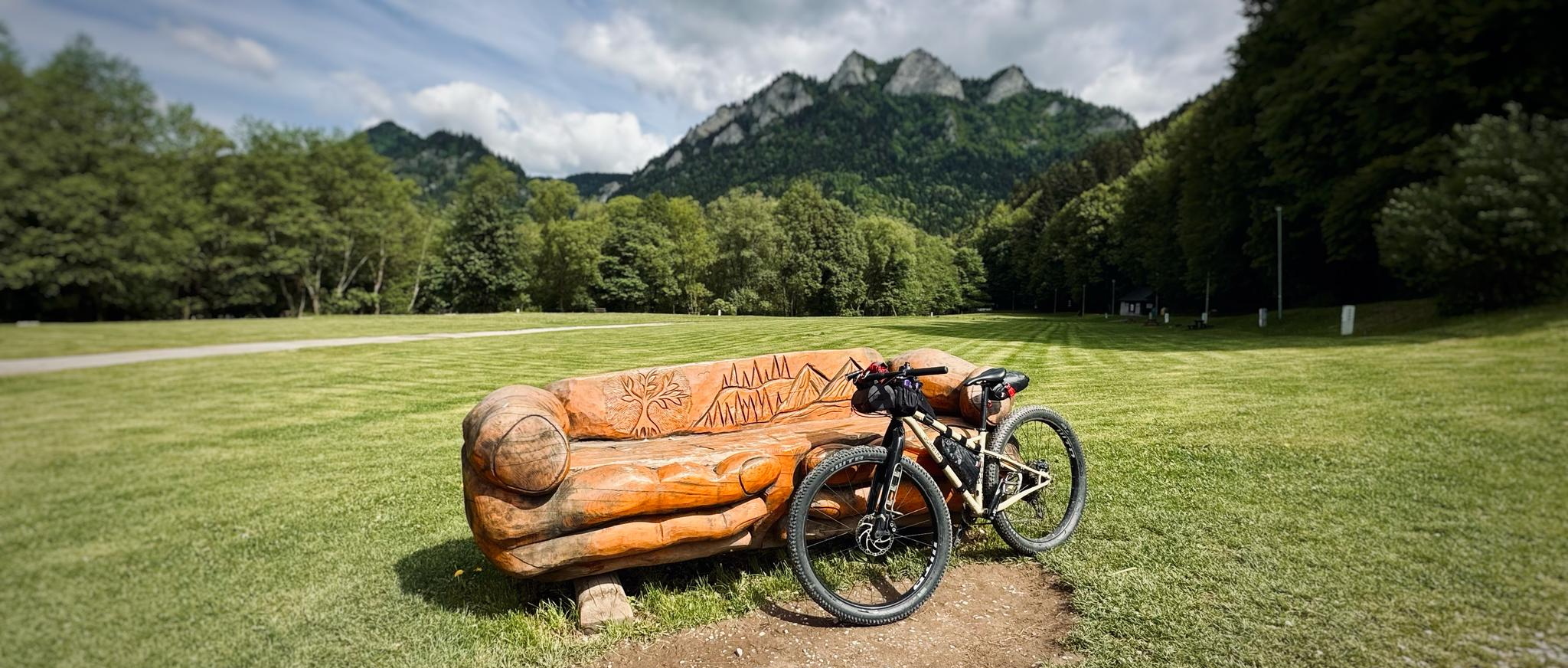
Between the Vistula & the High Tatras – bikepacking through Małopolska
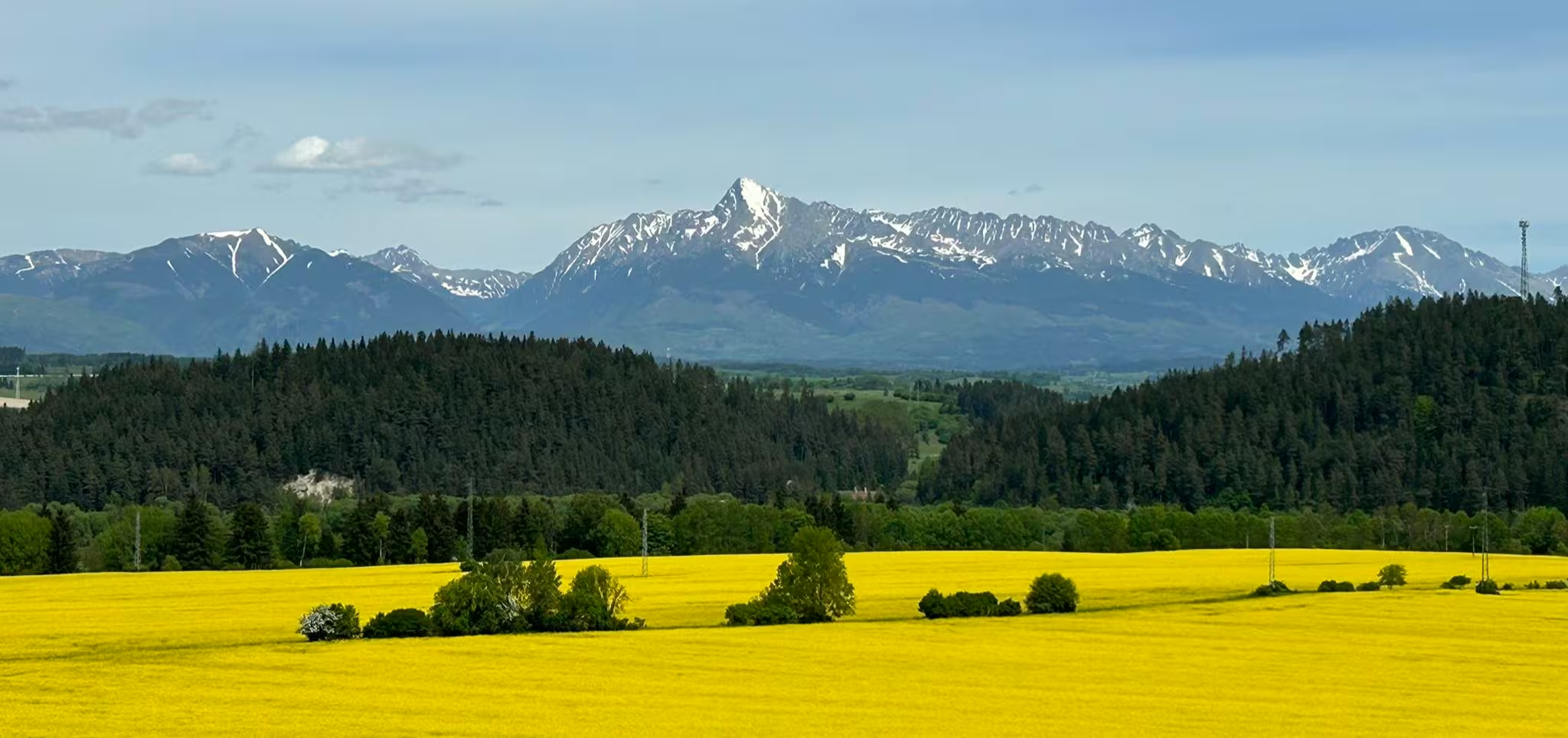
Discover the majesty of the mountains - Tour Around the Tatra Mountains (SWT)
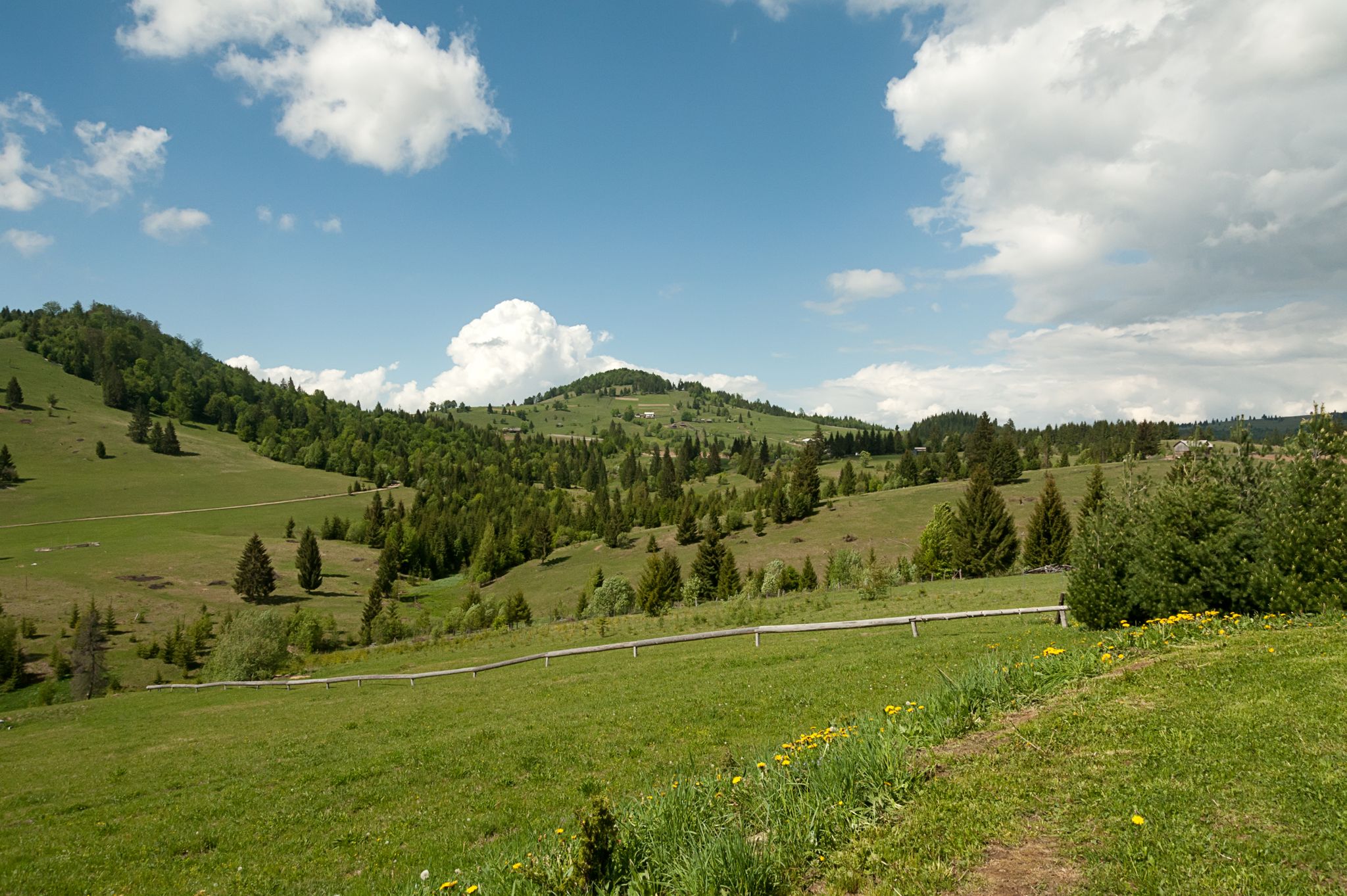
Via Transilvanica (second section) – Highlands
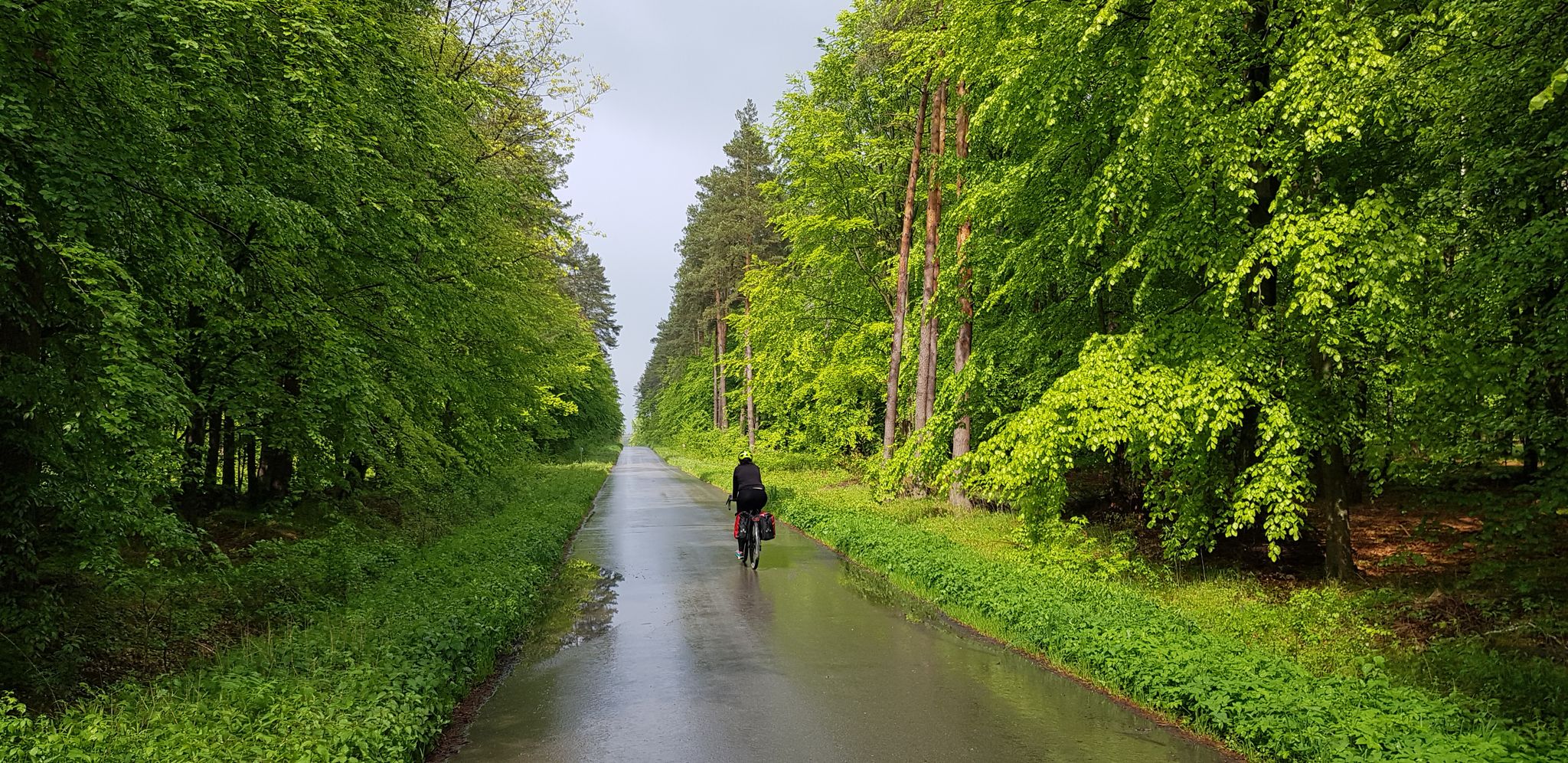
To the east, Eden – La Green Velo Szlak (part one)
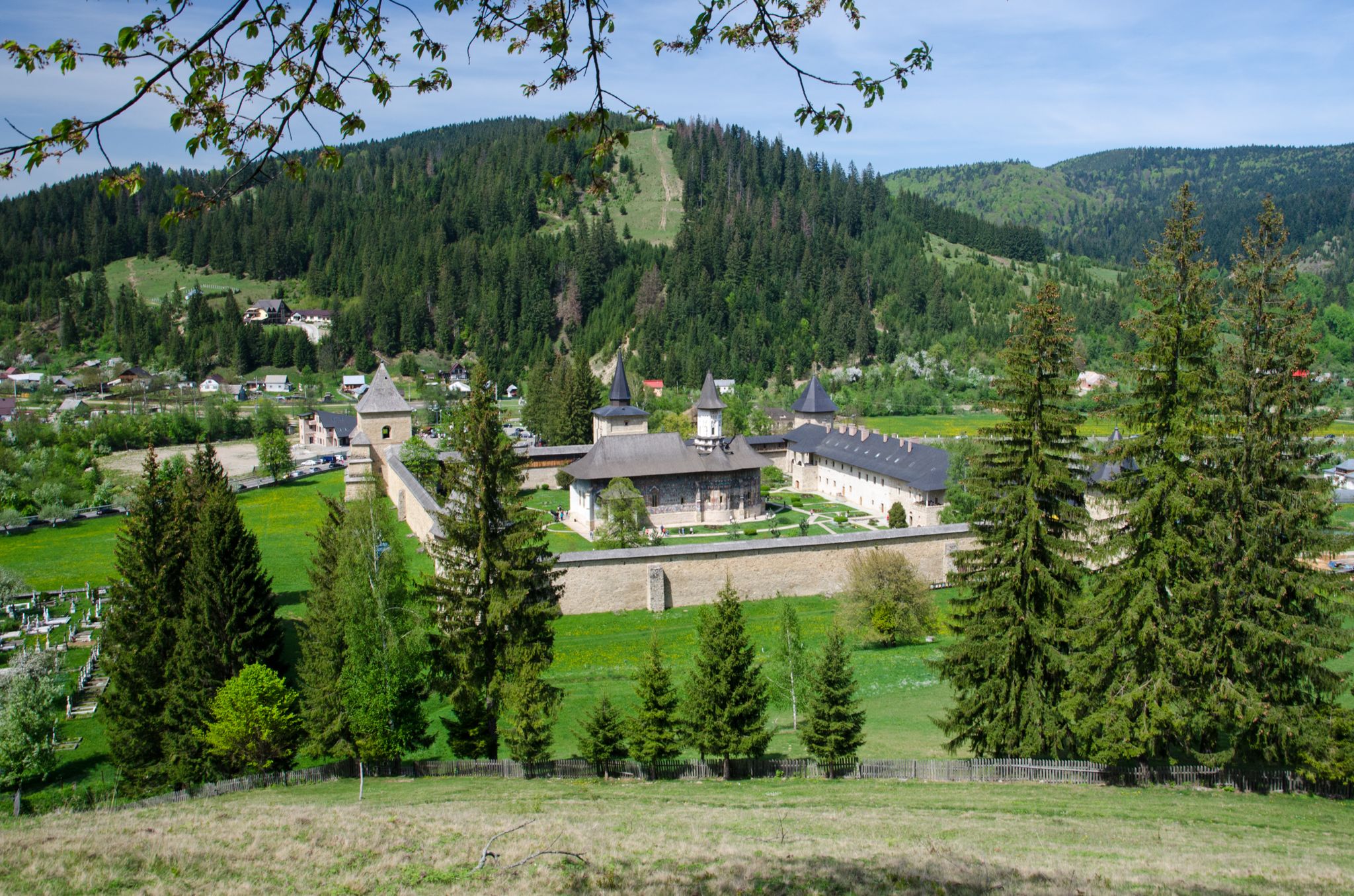
Via Transilvanica (first section) – Bucovina
Where Poland's wild soul lives – explore five regions by bike
TCR No. 8 — racing across Europe
Other adventures in the Carpathian Mountains


Tips from the Community

Za mokra je to nebezpečné. Nad Capím plesom sú skaly bez istenia reľazmi a dosť to tam šmýka. Inak celodenná dokonalá túra. Túra je nevhodní pre menšie deti.
0
0

Here you get very close to the waterfall. The view down from the bridge is impressive.
1
0


The Șurii de Piatră mountain stream plunges spectacularly 58 meters into the Seven Ladders Gorge (Canionul Șapte Scări) over seven steps carved into the Jurassic limestone. Visitors, who are literally within touching distance of the waterfalls, negotiate the stone steps, which are between two and a half and fifteen meters high, using steel ladders connected by metal mesh walkways. The most dramatic ladder is the third: it rises fifteen meters almost vertically and is secured with bars to prevent anyone from falling backward. But that's the only safety feature in the gorge. Right next to the left handrail, the water roars impetuously into the depths. An experience!
18
0

A beautiful waterfall with an even more beautiful name :-) a nice stop on the asphalt trail ;-)
0
0


This waterfall is made up of three other cascades, flowing from the Five Lakes. The name "Wodogrzmoty" (although sometimes these waterfalls are simply called Mickiewicz Waterfalls) comes from the fact that the water makes a terrible roar as it falls (and it's cool).
0
0

Without much effort, you can get here in a few minutes from Polana Strążyska. A picturesque place hidden in the forest, worth seeing.
1
0
Frequently Asked Questions
What are some family-friendly waterfalls in the Carpathian Mountains?
Many waterfalls in the Carpathian Mountains are suitable for families. For example, Wodogrzmoty Mickiewicza Waterfalls are accessible via a comfortable tar track with a low gradient. The Studený Potok Waterfalls are also a popular hiking destination for all ages, featuring a series of cascades. Additionally, Siklawica Waterfall and Kaskady Rodła Waterfalls are categorized as family-friendly.
What is the best time to visit the waterfalls in the Carpathian Mountains?
The best time to visit Carpathian waterfalls is typically during late spring, summer, and early autumn (May to October). During these months, the weather is generally mild, trails are clear of snow, and the water flow is robust due to snowmelt and rainfall. Some trails, like the one to Skok Waterfall, are available all year round, but sections above the waterfall may be closed from November to early June for nature conservation.
Are there any waterfalls in gorges or canyons in the Carpathians?
Yes, the Carpathian Mountains feature several impressive waterfalls within gorges and canyons. Suchá Belá Gorge is particularly known for its high concentration of waterfalls and exposed sections, taking about 2 hours to cross. Another notable location is Seven Ladders Canyon, which also features waterfalls within its dramatic landscape.
What kind of natural features can I expect to see around the waterfalls?
Beyond the waterfalls themselves, you'll encounter diverse natural features. Many waterfalls are nestled within dense forests, offering scenic views and a tranquil atmosphere. You might also find viewpoints overlooking valleys, rivers, and natural monuments. For instance, near Sliezsky House, you can enjoy views of a lake and the Felker waterfall.
Are there places to eat or rest near the waterfalls?
Yes, some waterfall areas offer facilities for rest and refreshments. For example, Sliezsky House is a mountain hotel located near a waterfall and lake, offering a place to take a break and enjoy a meal or drink on its terrace. The former Rainer shelter near Studený Potok Waterfalls now serves as a buffet and museum.
What outdoor activities can I do near the Carpathian waterfalls?
The Carpathian Mountains offer a wide range of outdoor activities near its waterfalls. You can explore various hiking trails, from easy walks to more challenging mountain hikes. For example, there are many waterfall hikes, easy hikes, and mountain hikes available. Some areas also offer opportunities for mountain biking, such as near Suchá Belá Gorge where you can rent bikes.
What should I wear for hiking to waterfalls in the Carpathians?
For hiking to waterfalls in the Carpathians, it's advisable to wear sturdy, waterproof hiking boots, as trails can be wet and slippery, especially near the cascades. Layered clothing is recommended to adapt to changing weather conditions, and a waterproof jacket is essential. Depending on the season, consider bringing a hat, gloves, and sun protection. Always check the local weather forecast before your trip.
Are there any hidden or less-known waterfalls worth exploring?
While the guide highlights popular spots, the vastness of the Carpathian Mountains means there are many smaller, less-frequented cascades to discover. Exploring trails off the main tourist paths or consulting local guides can lead you to more secluded waterfalls. The region's extensive trail networks often reveal such natural gems for those willing to venture further.
What do visitors enjoy most about the Carpathian Mountains waterfalls?
Visitors frequently praise the natural beauty and the immersive experience of the Carpathian Mountains waterfalls. Many appreciate the powerful roar of cascades like Wodogrzmoty Mickiewicza Waterfalls and the unique geological formations found in gorges like Suchá Belá. The opportunity to hike through diverse landscapes, from dense forests to glacial valleys, and enjoy stunning viewpoints is also a major draw.
Can I visit waterfalls in the Carpathian Mountains during winter?
Visiting waterfalls in the Carpathian Mountains during winter is possible, but requires careful planning. While some trails, like the one to Skok Waterfall, remain open year-round, higher sections or more challenging routes may be closed due to snow and ice. Frozen waterfalls offer a unique and beautiful spectacle, but winter conditions demand appropriate gear, such as crampons or snowshoes, and awareness of avalanche risks. Always check local trail conditions before heading out.
Are there any waterfalls with historical significance in the region?
While the primary appeal of Carpathian waterfalls is their natural beauty, some have historical connections. For instance, the Studený Potok Waterfalls were among the oldest tourist destinations in the Tatra Mountains, made famous by early vacationers. The first Rainer shelter, now a buffet and museum, was built nearby to serve these visitors, highlighting their long-standing appeal.
Most popular routes in the Carpathian Mountains
Most popular attractions in the Carpathian Mountains

Get inspired with the komoot mobile app


