Top 6 Lakes around Weare
Lakes around Weare, Somerset, are characterized by their wetland ecosystems and historical significance. The region features extensive marshlands and peat diggings, now restored into nature reserves. These areas are known for diverse wildlife, including various bird species and mammals. The landscape is shaped by waterways and ponds, some with historical structures like 19th-century chapels.
Best lakes around Weare
- The most popular lakes is Shapwick Heath National Nature Reserve Trail, a trail that crosses the Avalon marshes. It is known…
Last updated: August 22, 2026
Shapwick Heath National Nature Reserve Trail
Highlight (Segment) • Trail
Tip by

Cheddar Reservoir
Highlight • Lake
Tip by

Sign up now to discover places like this
Get recommendations on the best single tracks, peaks, & plenty of other exciting outdoor places.
Sign up for free
Rickford Chapel and Pond
Highlight • Historical Site
Rickford Pond used to feed a …
Tip by

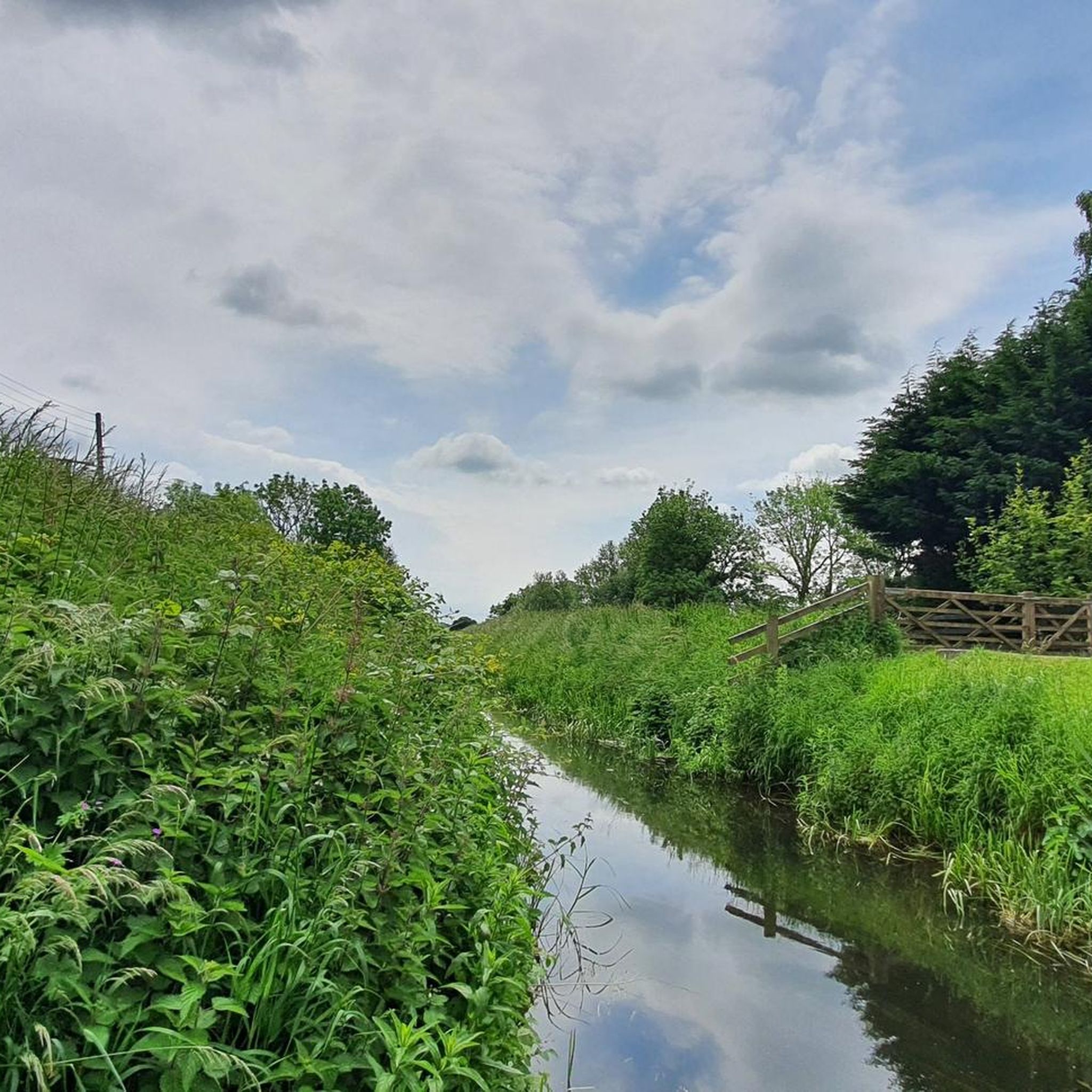
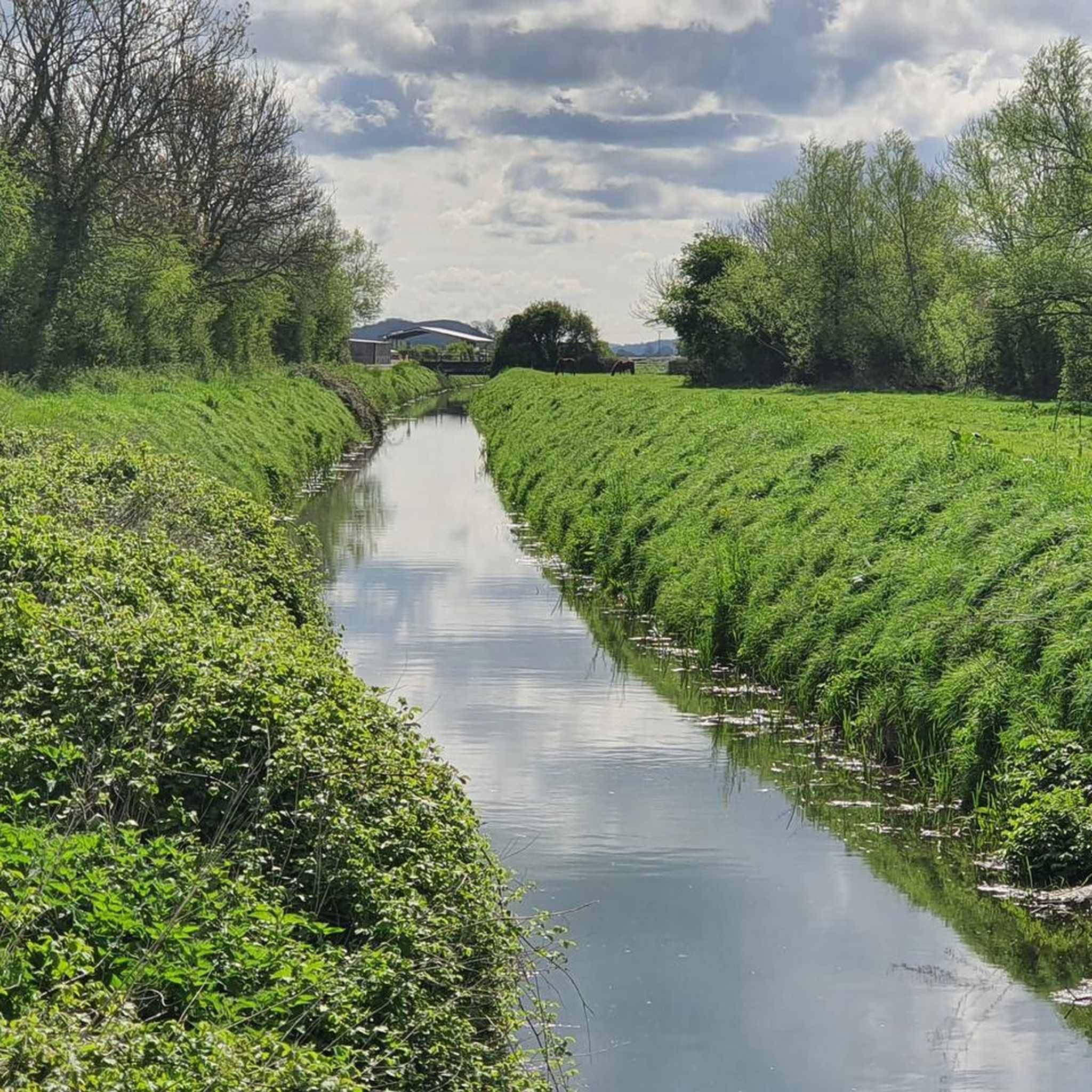
Somerset Levels Wetlands
Highlight • Natural
Tip by

Start today with a free account
Your next adventure awaits.
Login or Signup

Tips from the Community

awesome hidden pump track is really worth the journey guys
0
0

An excellent route with all tarmac roads (apart from one very small minor main road section), rest all small side roads with very little car traffic. A number of pubs and eating places along the way, especially Sweets Tea Rooms near Wedmore - seems a favourite for cyclists. Good route for spotting wetland wildlife - especially Egrets and Swans.
0
0

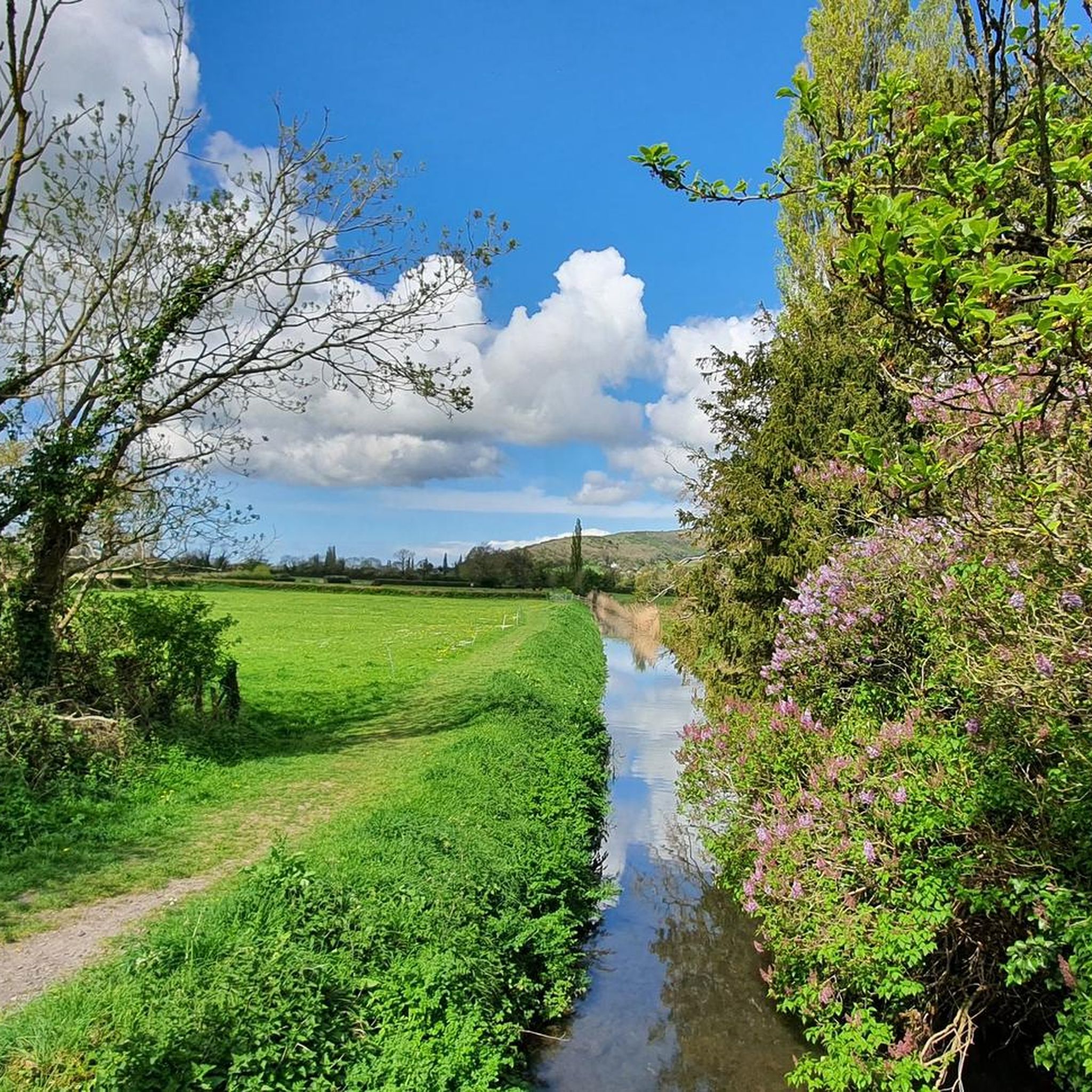
A protected conservation site for wildlife managed by Bristol Water. Dating from the 1930s, Cheddar Reservoir has a capacity of 135 million gallons. The reservoir is supplied with water taken from the Cheddar Yeo river in Cheddar Gorge. It Panoramic views of the Somerset levels and Mendip Hills. Wildlife consists of Swans and various wildfowl, also visiting cormorants out for a spot of fishing. Very accessible walking route right around the edge of the lake.
2
1

Stunning Swiss-style chocolate box chapel on the edge of pond, built in 1888. Well worth stopping but mind the traffic - it's on a national speed limit road.
0
0

Really enjoyed this tranquil bike path. Plenty of places to stop, have a break and check out the wildlife. Everyone seemed so happy to be there; definitely a good place for a family ride.
0
0

Rickford Chapel is a 19th century "Swiss style" Grade II listed Methodist chapel built in 1888 which sits on the edge of Rickford Pond. Rickford Pond used to feed a paper mill and flour mill which were both built in the 18th century. The paper mill produced handmade paper until 1895 and the flour mill was unfortunately destroyed by fire. It's on the main road so take care if stopping.
0
0


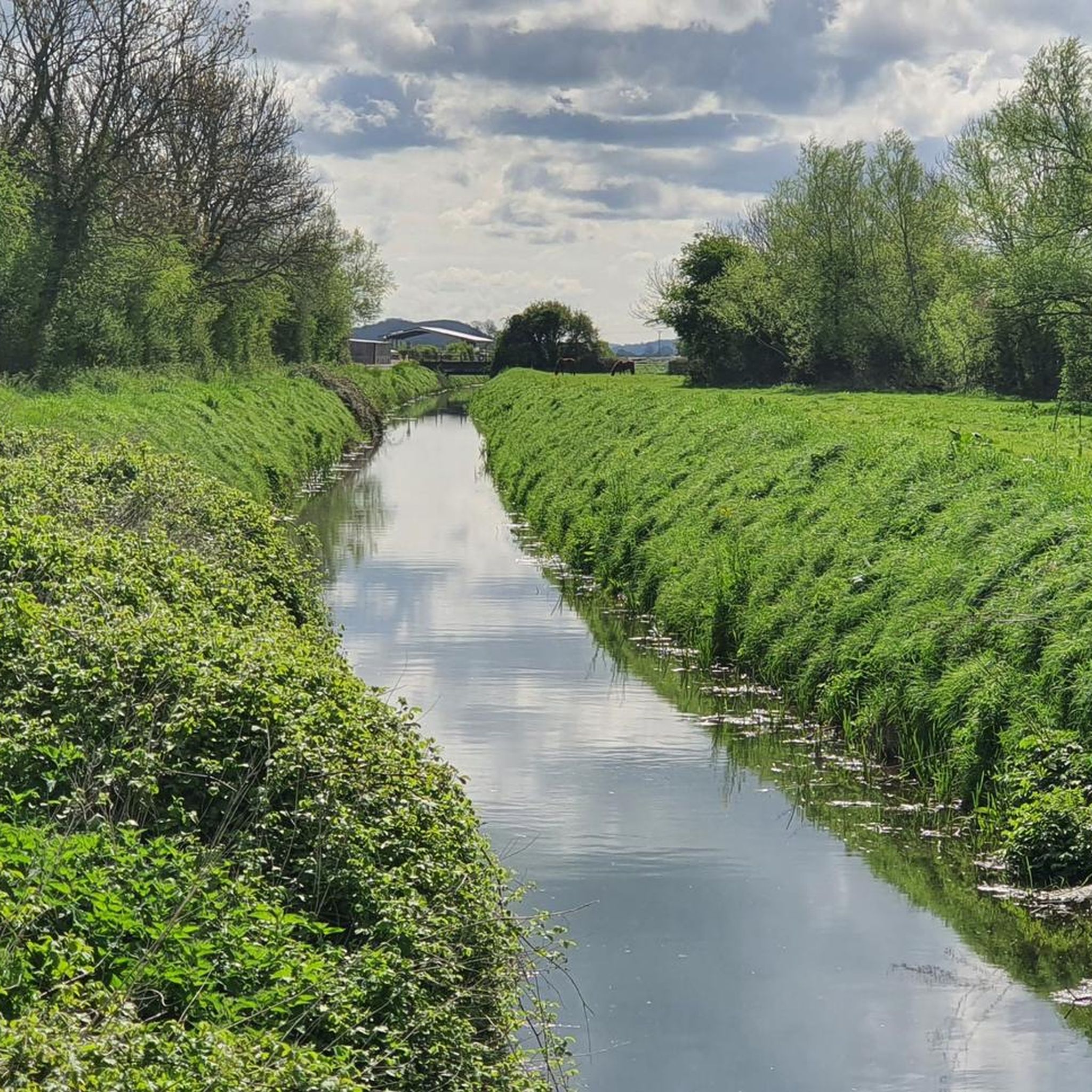
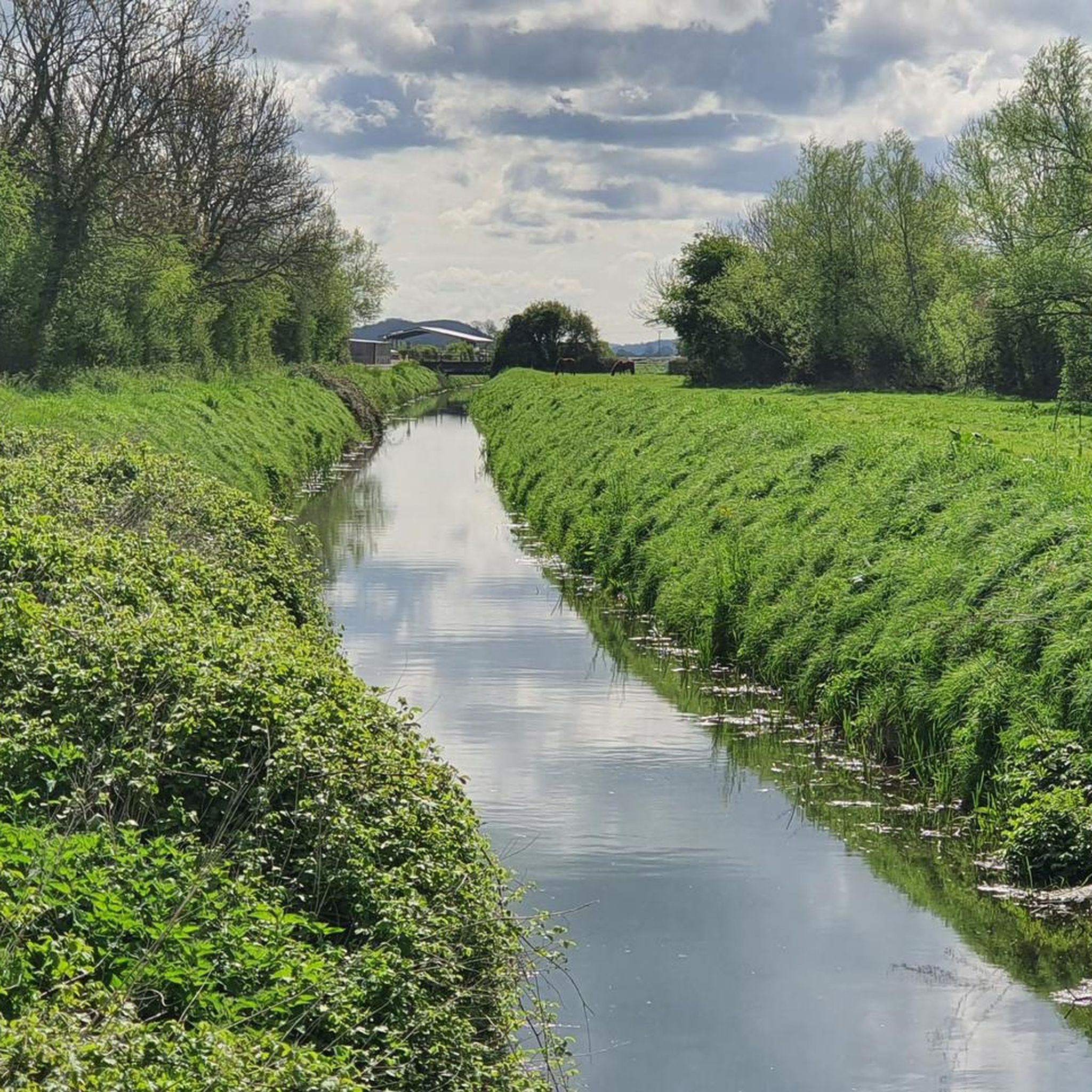
A fantastic gravel trail across the Avalon marshes. Quiet in the morning but can get busy with walkers on a sunny afternoon. It’s part of national cycle route 3 so cyclists are more than entitled to use it, but bear in mind that it is a shared path and most people come here to enjoy the nature in peace. There are lots of bird watchers and if you come just before dusk you’ll see some amazing starling murmurations. Good surface of fine, hard packed gravel with a few non-threatening potholes.
4
0
Frequently Asked Questions
What are the main lakes to visit in Weare, New Hampshire?
Weare, New Hampshire, is home to two significant lakes: Lake Horace (also known as Weare Reservoir) and Everett Lake. Both offer distinct recreational opportunities for visitors.
What activities can I do at Lake Horace?
Lake Horace is a popular spot for fishing and boating. Anglers can find diverse species like rainbow trout, brown trout, smallmouth and largemouth bass, chain pickerel, horned pout, and black crappie. Public access is available at Chase Park, which also features a public beach. The Lake Shore Village Resort on Lake Horace offers activities such as water skiing, tubing, and snow sports in winter.
Are there family-friendly options at Everett Lake?
Yes, Everett Lake is very family-friendly, primarily due to Clough State Park located on its shore. The park boasts a 900-foot sandy beach, picnic areas with grills, and play fields. Families can enjoy swimming, picnicking, fishing, kayaking, boating, and walking trails.
What kind of wildlife can be observed at Lake Horace?
Lake Horace is known for being a habitat for loons. Additionally, its classification as a warmwater fishery means you can observe various fish species, including rainbow trout, brown trout, smallmouth and largemouth bass, chain pickerel, horned pout, and black crappie.
Is there public access to Lake Horace?
Yes, public access to Lake Horace is available at Chase Park, which also provides a public beach for visitors to enjoy.
What are the water quality efforts for Lake Horace?
The Lake Horace Landowners' Corporation actively works to preserve the lake's water quality and natural habitat, ensuring a healthy environment for both wildlife and visitors.
What is the history behind Lake Horace (Weare Reservoir)?
Lake Horace was originally constructed between 1910 and 1913 as the Weare Reservoir. Its primary purpose was to supply power and maintain water levels for downstream operations on the Piscataquog River.
Are there walking trails around Everett Lake?
Yes, Clough State Park, situated on the shore of Everett Lake, features walking trails that offer scenic views, providing a relaxing outdoor experience for all ages.
What outdoor activities can I do near the lakes in Weare?
The Weare area offers a variety of outdoor activities. You can find options for easy hikes, running trails, and gravel biking. These routes often provide opportunities to explore the natural beauty surrounding the lakes.
What is the average and maximum depth of Lake Horace?
Lake Horace has an average depth of 14 feet and reaches a maximum depth of 32 feet.
Can I boat on Everett Lake?
Yes, boating is a popular activity on Everett Lake, with Clough State Park providing convenient access for visitors.
Most popular attractions around Weare

Get inspired with the komoot mobile app


Explore more
Still not found your perfect lake around Weare? Check out the guides of these regions to see even more beautiful places.
