Top 5 Caves around Upper Arley
Best caves around Upper Arley are found in a region characterized by its picturesque village setting and the River Severn. The area features historic rock dwellings and natural sandstone formations, offering insights into centuries of human habitation and geological processes. These unique sites provide a blend of natural beauty and cultural heritage. Visitors can explore formations carved into soft sandstone, reflecting both natural erosion and human modification.
Best caves around Upper Arley
- The most popular caves is Nanny's Rock and…
Last updated: May 16, 2026
Kinver Edge
Highlight • Historical Site
Tip by

Redstone Caves
Highlight • Natural Monument
Tip by

Sign up now to discover places like this
Get recommendations on the best single tracks, peaks, & plenty of other exciting outdoor places.
Sign up for free
Holly Austin Rock Houses
Highlight • Natural Monument
Tip by

Vale's Rock (Crow's Rock)
Highlight • Structure
Vale's Rock, also known as Crow's Rock, later turned into a house on two levels. It is thought that the last tenant was Jack Leyland, who lived there until the early 1960
Tip by

Nanny's Rock and Cliff Edge View
Highlight • Viewpoint
Tip by

Start today with a free account
Your next adventure awaits.
Login or Signup
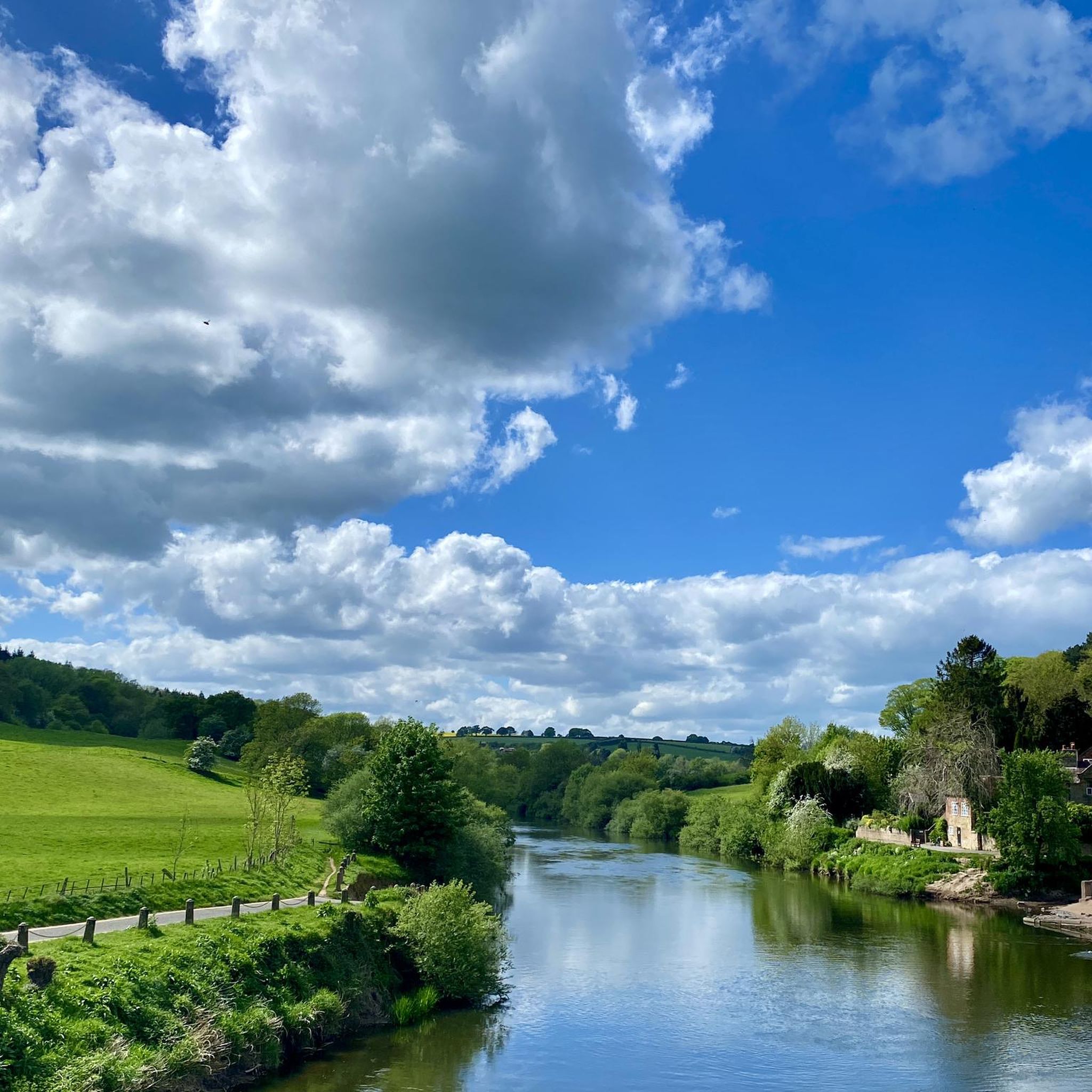
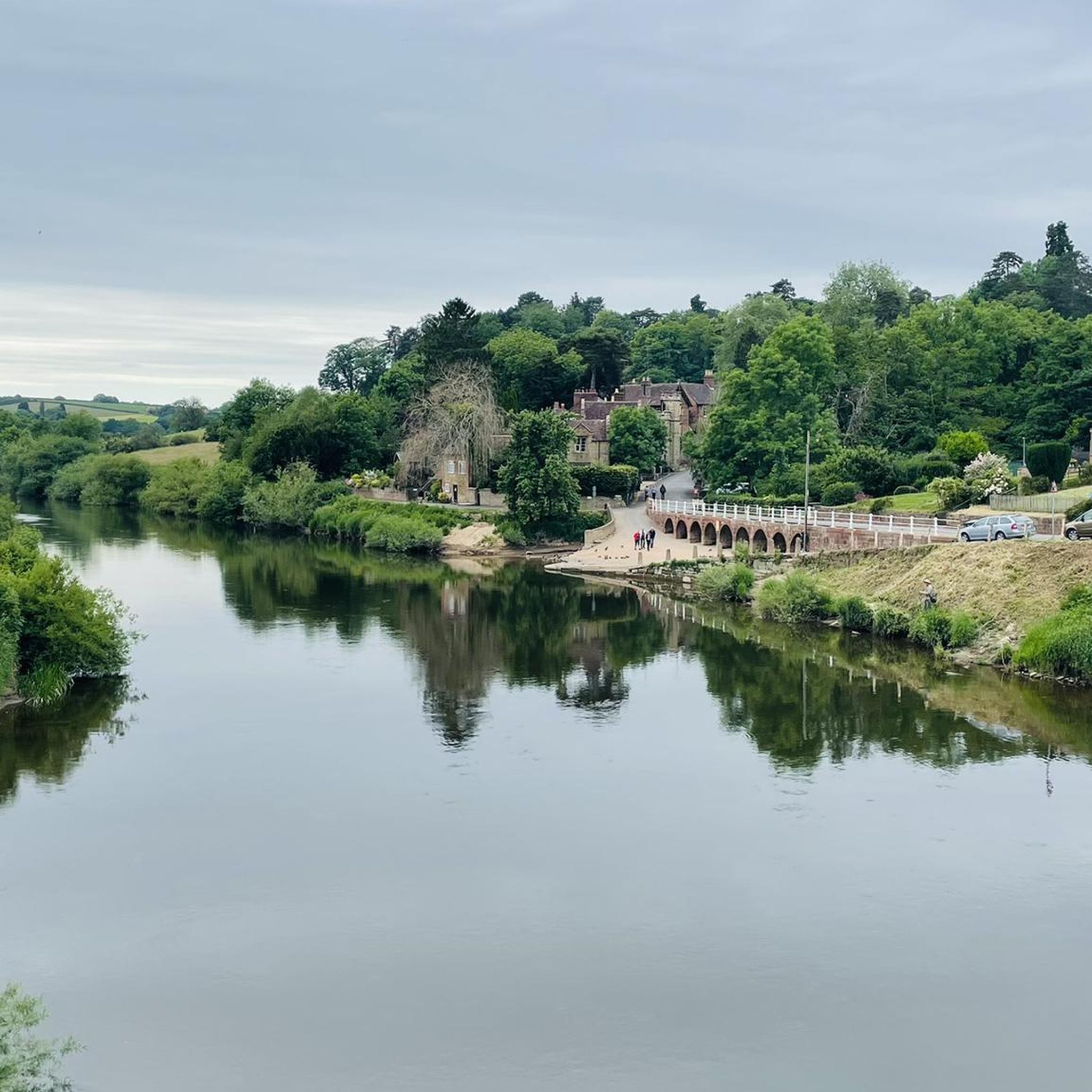
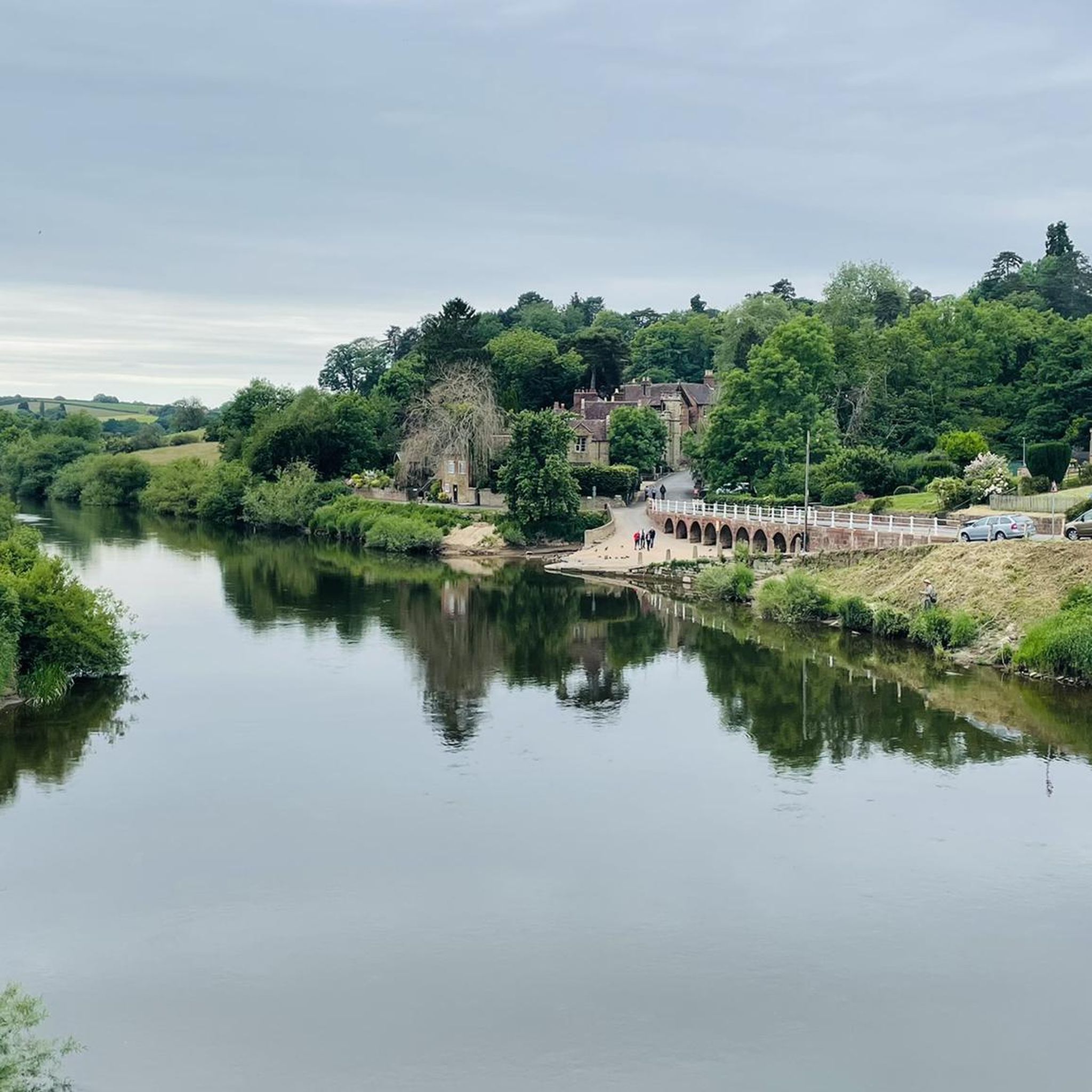
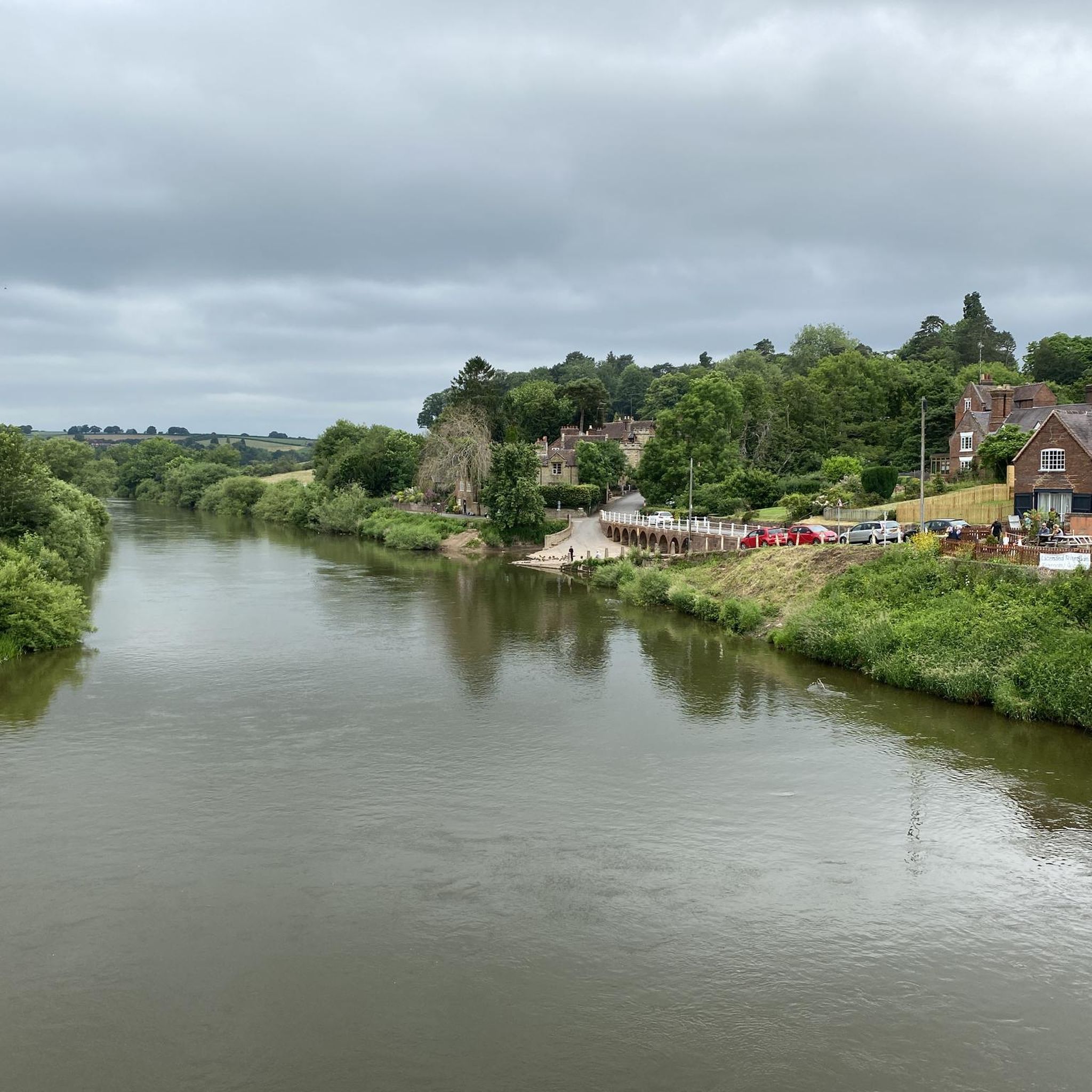

Tips from the Community


📌 Vale's Rock Vale's Rock, also known as Crow's Rock, later turned into a house on two levels. It is thought that the last tenant was Jack Leyland, who lived there until the early 1960
1
0

Nanny's Rock, a large cavern with five compartments which was apparently never converted into a house. For many years it was known as 'Meg-o-Fox-Hole'; the parish register records the death on 8 June 1617 of one 'Margaret of the fox earth' who may have lived there.
0
0


Great walks. Different routes for everyone. We did cliff edge with our one year old in December.
0
0

Geological overview Just south of Stourport a magnificent river cliff of fine grained red sandstone is seen. Although mainly homogenous in terms of geology, there are white streaks and thin bands of coarse material running throughout the section. The soft sandstone of Redstone Rock is easily carved and there is evidence of human-made habitation in the cliff face since Stone Age times. The caves that can be seen today were mostly made in the 12th century, when a hermitage was established there, conveniently located for the hermits to be on hand to offer blessings and prayers for passers-by in return for alms. It was said to house up to 500 men, who may have also manned the ferry crossing, which was there due to the presence of a ford until the river was dredged. The caves were later used as domestic dwellings and were inhabited almost continuously until the mid twentieth century. Source: Geopark.org
0
0

Yeah - If you are here - You went wrong! Wicked View though!
0
0
Frequently Asked Questions
What is the historical significance of the caves around Upper Arley?
The caves in this region boast a rich history. The Redstone Caves, for instance, show evidence of human use dating back to the Stone Age, later serving as a 12th-century hermitage and continuously inhabited dwellings until the mid-20th century. Similarly, the Holy Austin Rock Houses at Kinver Edge are significant as the last inhabited troglodyte homes in England, with documented habitation since 1617 and potentially much earlier.
Are there any unique rock dwellings to explore near Upper Arley?
Yes, the Holy Austin Rock Houses at Kinver Edge are a must-see. These are man-made structures carved into soft red Bunter sandstone, representing the last inhabited troglodyte homes in England. Now managed by the National Trust, visitors can explore restored homes depicting life in the early 1900s and 1930s.
What geological features can I expect to see at the caves near Upper Arley?
The area is characterized by natural sandstone formations. The Redstone Caves are carved into a magnificent cliff of fine-grained red Triassic sandstone, showcasing striking red geology. Kinver Edge also features a high sandstone ridge, with its rock houses carved into the soft red Bunter sandstone.
What makes Kinver Edge a notable site in the region?
Kinver Edge is a significant natural monument featuring a high sandstone ridge, heathland, woodlands, and an Iron Age hillfort. It offers dramatic views across surrounding counties and is home to the unique Holy Austin Rock Houses. It's a valuable destination for history, nature, and walking enthusiasts.
Are the caves around Upper Arley suitable for families?
Yes, several sites are family-friendly. The Holy Austin Rock Houses at Kinver Edge, managed by the National Trust, offer an engaging historical experience with restored homes and gardens. Nanny's Rock and Cliff Edge View is also listed as family-friendly, offering views and a glimpse into the area's past.
How long does it typically take to explore the main cave sites?
Exploring the Holy Austin Rock Houses at Kinver Edge, including the restored homes and gardens, can take 1-2 hours. For the Redstone Caves, a visit might be shorter, perhaps 30 minutes to an hour, especially if combined with a walk along the Geopark Way.
Are there facilities like cafes or restrooms near the cave attractions?
Yes, at Kinver Edge, there is a tea-room available on-site, providing refreshments with expansive views. Restroom facilities are typically available at National Trust properties like the Holy Austin Rock Houses.
What are the parking options for visiting the caves?
For Kinver Edge and the Holy Austin Rock Houses, parking is available through the National Trust. For Redstone Caves, visitors often park in nearby Stourport-on-Severn or designated areas along the Geopark Way.
What outdoor activities can I combine with a visit to the caves?
The region offers various outdoor activities. You can enjoy hiking on trails around Kinver Edge or along the Geopark Way near Redstone Caves. For more extensive options, explore the many hiking routes in the area, or try cycling and gravel biking. Find more details on routes in the Hiking around Upper Arley, Cycling around Upper Arley, and Gravel biking around Upper Arley guides.
Are there hiking trails around the caves near Upper Arley?
Yes, there are numerous hiking opportunities. Kinver Edge features trails through heathland and woodlands, including an Iron Age hillfort. The Redstone Caves are situated along the Geopark Way, a long-distance footpath highlighting geological marvels. You can find detailed routes in the Hiking around Upper Arley guide.
What do visitors particularly enjoy about the caves and rock houses in this area?
Visitors appreciate the unique historical insights offered by the rock dwellings, especially the restored homes at Holy Austin Rock Houses. The stunning views from places like Kinver Edge and Nanny's Rock and Cliff Edge View are also highly rated. The blend of natural beauty and rich human history makes these sites particularly engaging.
What is Vale's Rock (Crow's Rock) and can I visit it?
Vale's Rock, also known as Crow's Rock, is another historical cave dwelling in the area. It was later converted into a two-level house, with the last known tenant living there until the early 1960s. While it offers a glimpse into the region's troglodyte past, its accessibility and current visitor information may vary compared to National Trust sites.
Most popular routes around Upper Arley
Most popular attractions around Upper Arley

Get inspired with the komoot mobile app


Explore more
Extend your search for the best caves by checking out these guides of the top ones around Upper Arley:
