Top 5 Caves around Stone
Best caves around Stone are found within the surrounding Staffordshire region, offering a diverse range of geological and historical sites. The area features natural limestone formations, ancient rock shelters, and man-made cave dwellings excavated into sandstone escarpments. This landscape provides opportunities for exploring unique geological features and historical human interaction with the environment. The region's varied terrain includes river valleys, heathlands, and sandstone ridges.
Best caves around Stone
- The most popular caves is Kinver Edge, a historical site featuring…
Last updated: August 22, 2026
Kinver Edge
Highlight • Historical Site
Tip by

Redstone Caves
Highlight • Natural Monument
Tip by

Sign up now to discover places like this
Get recommendations on the best single tracks, peaks, & plenty of other exciting outdoor places.
Sign up for free
Holly Austin Rock Houses
Highlight • Natural Monument
Tip by

Vale's Rock (Crow's Rock)
Highlight • Structure
Vale's Rock, also known as Crow's Rock, later turned into a house on two levels. It is thought that the last tenant was Jack Leyland, who lived there until the early 1960
Tip by

Nanny's Rock and Cliff Edge View
Highlight • Viewpoint
Tip by

Start today with a free account
Your next adventure awaits.
Login or Signup
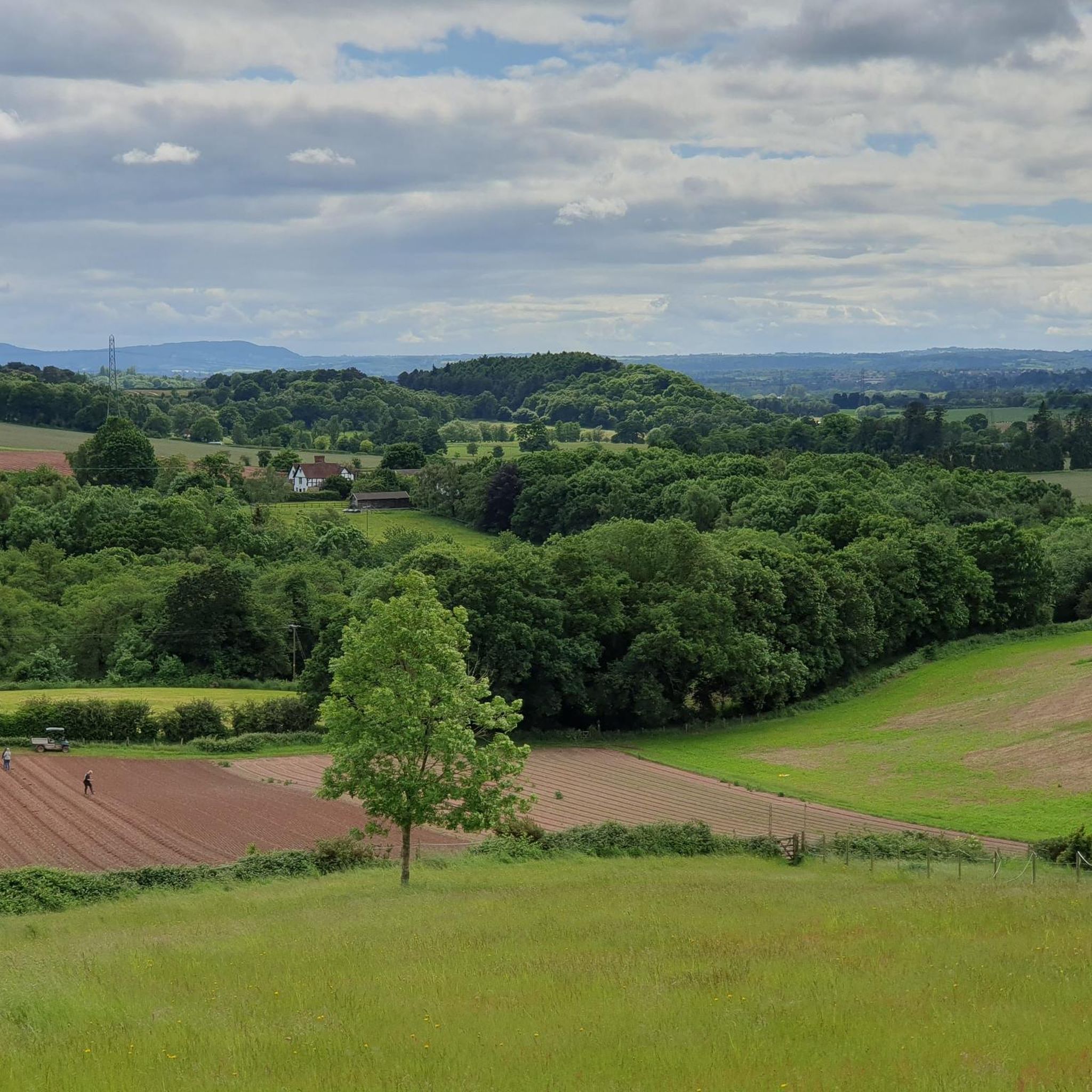
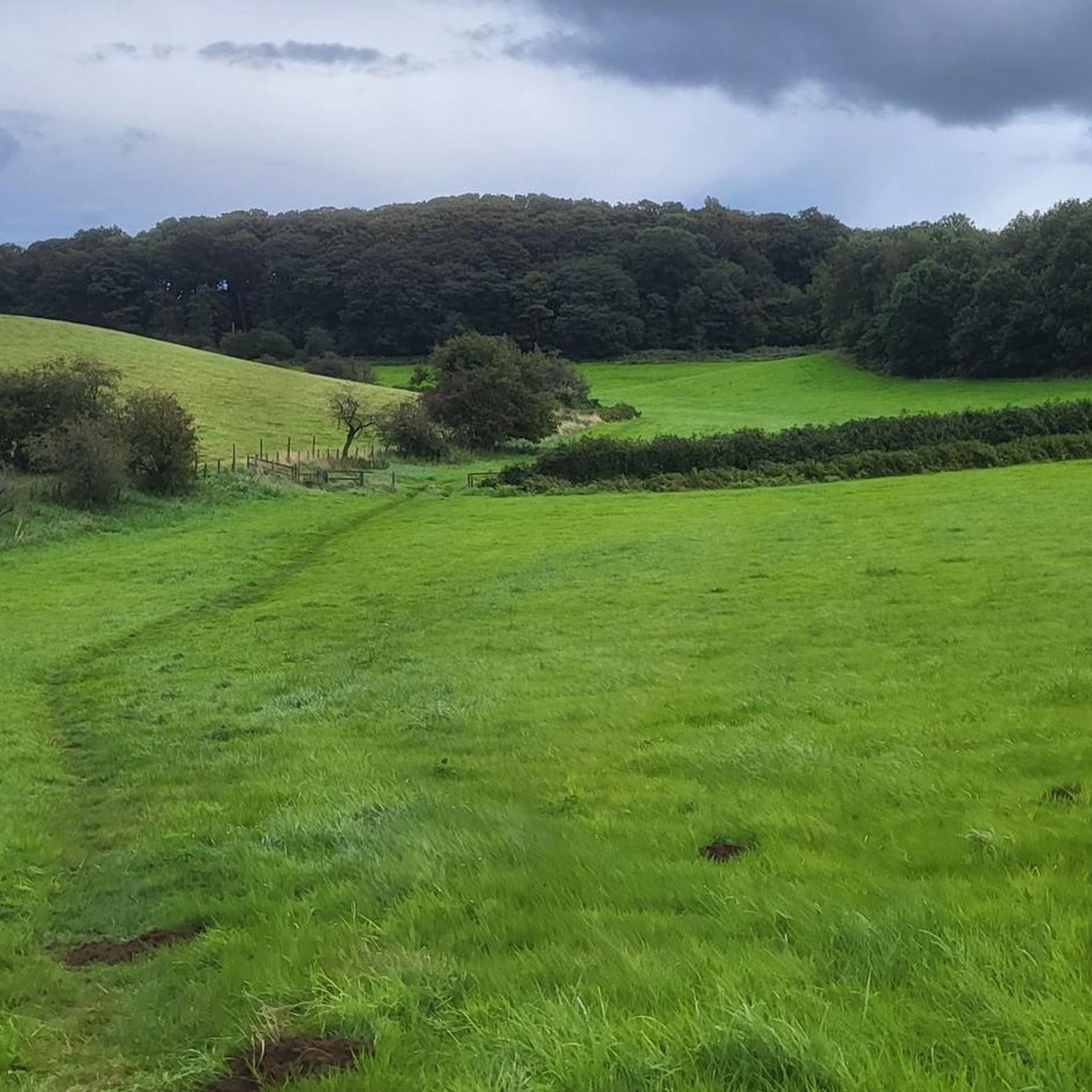

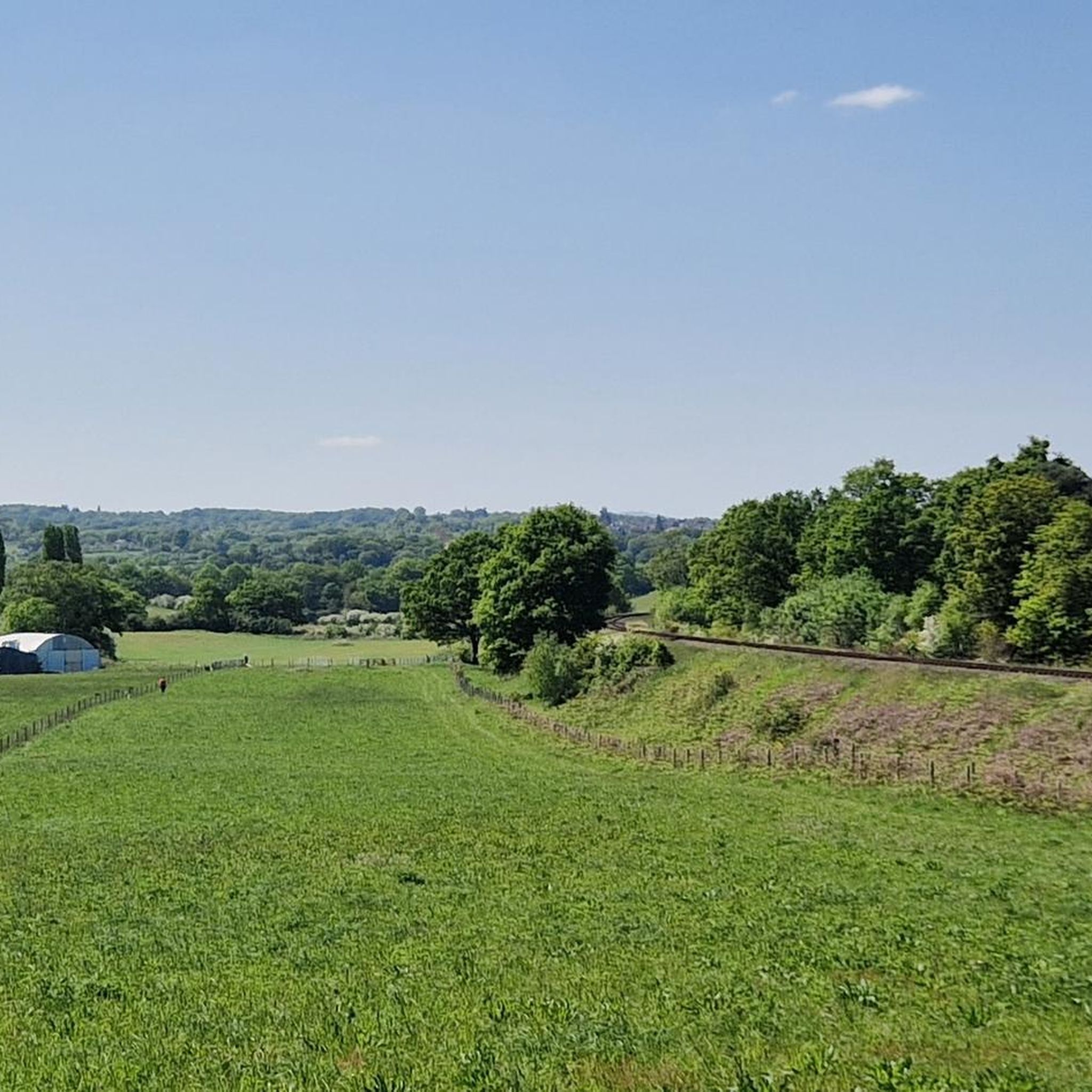
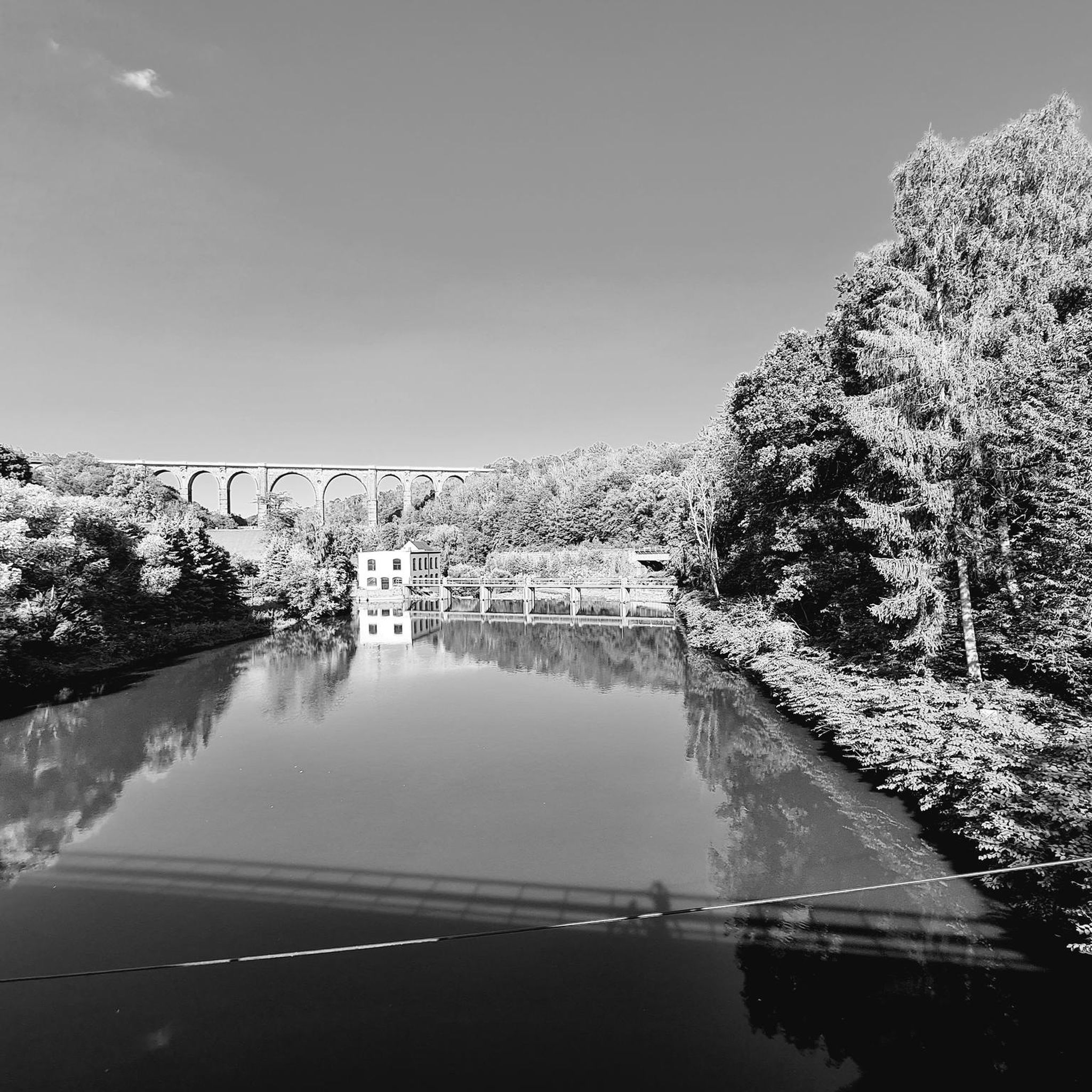

Tips from the Community


📌 Vale's Rock Vale's Rock, also known as Crow's Rock, later turned into a house on two levels. It is thought that the last tenant was Jack Leyland, who lived there until the early 1960
1
0

Nanny's Rock, a large cavern with five compartments which was apparently never converted into a house. For many years it was known as 'Meg-o-Fox-Hole'; the parish register records the death on 8 June 1617 of one 'Margaret of the fox earth' who may have lived there.
0
0


Great walks. Different routes for everyone. We did cliff edge with our one year old in December.
0
0

Geological overview Just south of Stourport a magnificent river cliff of fine grained red sandstone is seen. Although mainly homogenous in terms of geology, there are white streaks and thin bands of coarse material running throughout the section. The soft sandstone of Redstone Rock is easily carved and there is evidence of human-made habitation in the cliff face since Stone Age times. The caves that can be seen today were mostly made in the 12th century, when a hermitage was established there, conveniently located for the hermits to be on hand to offer blessings and prayers for passers-by in return for alms. It was said to house up to 500 men, who may have also manned the ferry crossing, which was there due to the presence of a ford until the river was dredged. The caves were later used as domestic dwellings and were inhabited almost continuously until the mid twentieth century. Source: Geopark.org
0
0

Yeah - If you are here - You went wrong! Wicked View though!
0
0
Frequently Asked Questions
What historical significance do the caves around Stone hold?
The caves in the region offer a rich history. Redstone Caves, for example, were carved out in the 12th century and once housed a hermitage, with evidence suggesting up to 500 men lived there. The Kinver Edge Rock Houses are unique cave dwellings excavated into sandstone, with some inhabited as recently as the 1960s. Further afield, Thor's Cave in the Peak District has yielded prehistoric tools and Roman artifacts, indicating ancient human activity.
Are there any unique cave dwellings near Stone?
Yes, the area is notable for its historical cave dwellings. The Kinver Edge Rock Houses, including the famous Holy Austin Rock House, are fascinating examples excavated into the Triassic sandstone escarpment. These are now owned by the National Trust and offer insight into a unique way of life. Vale's Rock, also known as Crow's Rock, was also turned into a house and was inhabited until the early 1960s.
What kind of natural cave formations can be found near Stone?
While Stone itself doesn't have many natural caves, the surrounding region, particularly the Peak District, offers impressive natural formations. Thor's Cave in the Manifold Valley features a dramatic 10-meter high arch-shaped entrance. Dove Holes Caves, beside the River Dove, are a series of three impressive caves formed by glacial meltwater. The wider Peak District also boasts show caves like Treak Cliff Cavern and Blue John Cavern, known for their stalactites and unique minerals.
Are there family-friendly caves to visit near Stone?
Many caves in the wider region are suitable for families. The Holy Austin Rock Houses at Kinver Edge are a National Trust attraction that offers an engaging historical experience. The hike to Thor's Cave, while involving a climb, is popular with families for its adventure and views. Show caves in the Peak District like Speedwell Cavern (with its underground boat trip) and Treak Cliff Cavern are also designed for family visits.
What outdoor activities can I combine with a visit to the caves near Stone?
The region around Stone offers numerous outdoor activities. You can enjoy hiking to natural caves like Thor's Cave or exploring the heathland around Kinver Edge. The Wolfscote Dale, near Dove Holes Caves, provides scenic riverside walks. For more structured activities, there are various routes for running, mountain biking, and gravel biking. You can find detailed routes in the Running Trails around Stone, MTB Trails around Stone, and Gravel biking around Stone guides.
What is the best time of year to visit the caves around Stone?
The best time to visit depends on the type of cave experience you seek. For natural caves that involve hiking, like Thor's Cave or Dove Holes, spring and autumn offer pleasant weather for outdoor exploration. Summer is also good, though trails can be busier. For the historical rock houses at Kinver Edge or the show caves in the Peak District, which are often indoors or well-maintained, visits are possible year-round, though checking opening times is always advisable.
Are there any large man-made caves to explore near Stone?
Yes, the Beech Caves in Stoke-on-Trent are extensive man-made caves, spanning 2,400 square meters. They date back to at least 1633 and were created for stone extraction. These caves feature huge archways and multiple rooms, offering a unique historical and geological exploration of early quarrying efforts.
Can I find caves with unique geological features or minerals in the area?
Yes, particularly in the wider Peak District, which borders Staffordshire. The Blue John Cavern and Treak Cliff Cavern in Castleton, Derbyshire, are renowned for their deposits of the semi-precious Blue John stone and impressive stalactite formations. The Redstone Caves are also notable for being formed from Triassic sandstone.
How long does it typically take to explore the caves near Stone?
The duration varies greatly by location. Exploring the Kinver Edge Rock Houses might take 1-2 hours, including time to walk around the heathland. A hike to Thor's Cave could be a half-day excursion. For the larger show caves in the Peak District, guided tours typically last 45 minutes to an hour, but you might spend more time exploring the surrounding area. Man-made caves like Beech Caves can also take an hour or two to walk through.
Are there guided tours available for any of the caves?
Yes, particularly for the show caves in the wider Peak District. Treak Cliff Cavern, Peak Cavern, Speedwell Cavern, and Blue John Cavern all offer guided tours, providing insights into their geology, history, and unique features. The Holy Austin Rock Houses at Kinver Edge are also managed by the National Trust and offer interpretive displays.
What kind of wildlife might I encounter near the caves?
The areas surrounding the caves are rich in wildlife. Around Kinver Edge, the heathland is home to adders, common lizards, skylarks, and buzzards. The scenic Wolfscote Dale near Dove Holes Caves offers abundant flora and various bird species. While inside the caves, you might occasionally spot bats, especially in less disturbed natural formations.
Are the caves near Stone dog-friendly?
Many natural outdoor cave sites, like the hike to Thor's Cave or the walks around Dove Holes Caves and Kinver Edge, are generally dog-friendly, provided dogs are kept on a lead and owners clean up after them. However, specific rules may apply to managed attractions like the National Trust's Holy Austin Rock Houses or the commercial show caves in the Peak District, where dogs might not be permitted inside. Always check individual venue policies before visiting.
Most popular attractions around Stone

Get inspired with the komoot mobile app


Explore more
Extend your search for the best caves by checking out these guides of the top ones around Stone:
