Top 5 Caves around Kidderminster
Best caves around Kidderminster are found in a region characterized by its varied natural landscape, including sandstone ridges and river valleys. The area offers a blend of historical significance and geological interest, with many sites carved directly into soft red sandstone. These natural and man-made features provide unique opportunities for exploration and insight into past ways of life. The landscape around Kidderminster is notable for its ancient dwellings and geological formations.
Best caves around Kidderminster
- The most popular caves is Kinver Edge, a historical site that features a high sandstone ridge with heathland, woodland, and ancient hill forts. It is known for its dramatic views and the famous Holy Austin Rock Houses, which are cave dwellings excavated into the sandstone.
- Another must-see spot is Holly Austin Rock Houses, a natural monument and historical site. These are National Trust attractions built into the side of a sandstone cliff, offering a glimpse into historical cave living.
- Visitors also love Redstone Caves, ancient caves carved from Triassic sandstone. These caves were initially carved out in the 12th century and historically served as a hermitage, with evidence suggesting up to 500 men once lived there.
- Kidderminster is known for historical cave dwellings, natural sandstone formations, and ancient hermitages. The region offers a variety of caves to see and explore, from restored homes to geological marvels.
- The caves around Kidderminster are appreciated by the komoot community, with 90 upvotes and 24 photos shared by users.
Last updated: October 1, 2026
Kinver Edge
Highlight • Historical Site
The escarpment's heathland is inhabited by all manner of flora and fauna. You can often spot adders and common lizards, as well as bird species such as skylarks, buzzards and great spotted woodpeckers.
The Edge's famous rock houses are cave dwellings that were excavated into the scarp's sandstone. One of the rocks, known as Holy Austin, was inhabited as recently as the 1960s. Today, they are owned by the National Trust and are open to the public.
Tip by

Redstone Caves
Highlight • Natural Monument
The Geopark Way, a long-distance footpath specialising in geological marvels in the area, runs unsurprisingly right past these caves.
Tip by

Sign up now to discover places like this
Get recommendations on the best single tracks, peaks, & plenty of other exciting outdoor places.
Holly Austin Rock Houses
Highlight • Natural Monument
Tip by

Vale's Rock (Crow's Rock)
Highlight • Structure
Vale's Rock, also known as Crow's Rock, later turned into a house on two levels. It is thought that the last tenant was Jack Leyland, who lived there until the early 1960
Tip by

Nanny's Rock and Cliff Edge View
Highlight • Viewpoint
Tip by

Start today with a free account
Your next adventure awaits.

Tips from the Community


📌 Vale's Rock Vale's Rock, also known as Crow's Rock, later turned into a house on two levels. It is thought that the last tenant was Jack Leyland, who lived there until the early 1960
1
0

Nanny's Rock, a large cavern with five compartments which was apparently never converted into a house. For many years it was known as 'Meg-o-Fox-Hole'; the parish register records the death on 8 June 1617 of one 'Margaret of the fox earth' who may have lived there.
0
0


Great walks. Different routes for everyone. We did cliff edge with our one year old in December.
0
0

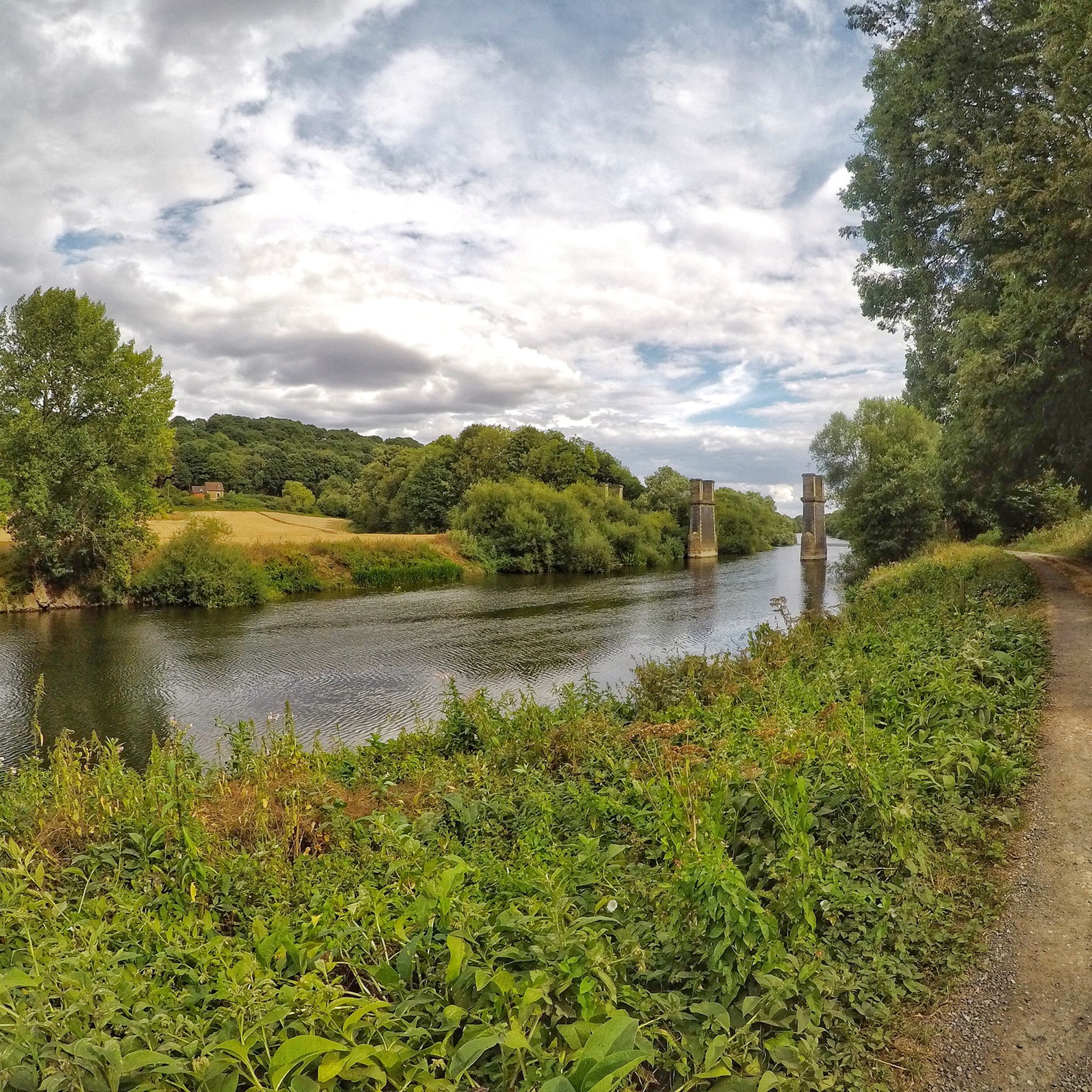
Geological overview Just south of Stourport a magnificent river cliff of fine grained red sandstone is seen. Although mainly homogenous in terms of geology, there are white streaks and thin bands of coarse material running throughout the section. The soft sandstone of Redstone Rock is easily carved and there is evidence of human-made habitation in the cliff face since Stone Age times. The caves that can be seen today were mostly made in the 12th century, when a hermitage was established there, conveniently located for the hermits to be on hand to offer blessings and prayers for passers-by in return for alms. It was said to house up to 500 men, who may have also manned the ferry crossing, which was there due to the presence of a ford until the river was dredged. The caves were later used as domestic dwellings and were inhabited almost continuously until the mid twentieth century. Source: Geopark.org
0
0

Yeah - If you are here - You went wrong! Wicked View though!
0
0
Frequently Asked Questions
What historical cave dwellings can I explore around Kidderminster?
The region is rich in historical cave dwellings. You can visit the Kinver Edge area, which features the famous Holy Austin Rock Houses. These unique homes are carved directly into the soft red sandstone and offer a glimpse into past ways of life, having been inhabited until as recently as the 1960s. Another significant site is Redstone Caves, ancient caves carved from Triassic sandstone that historically served as a hermitage and once housed up to 500 men.
Are there family-friendly caves to visit near Kidderminster?
Yes, the Holy Austin Rock Houses at Kinver Edge are a National Trust attraction and are considered family-friendly. Two of the houses have been restored to represent Victorian and 1930s periods, offering an engaging historical experience for all ages. The site also includes cottage gardens, an orchard, a museum, and a tearoom.
What unique natural features can I find at the caves around Kidderminster?
The caves are primarily carved into soft red Triassic sandstone, creating distinctive formations. At Kinver Edge, you'll find a high sandstone ridge with heathland and woodland, offering dramatic views that include the Clent Hills and Shropshire Hills. The Redstone Caves are also notable for their geological setting along the Geopark Way, highlighting the area's geological marvels.
Can I go walking or cycling near the caves in Kidderminster?
Absolutely. The area around Kidderminster offers various routes for outdoor activities. For walking, the Redstone Caves are located along the Geopark Way, a long-distance footpath. For cycling, you can find numerous options, including gravel biking, road cycling, and general cycling routes. Explore guides like Gravel biking around Kidderminster or Road Cycling Routes around Kidderminster for detailed tours.
What is the significance of the Redstone Caves?
The Redstone Caves are historically significant, having been carved out in the 12th century. They initially served as a hermitage, and remarkably, evidence suggests that up to 500 men once lived within these sandstone caves. They offer a deep dive into the region's ancient past and unique habitation patterns.
Are there any lesser-known or hidden cave sites in the Kidderminster area?
While some sites are well-known, others offer a more secluded experience. Vale's Rock (Crow's Rock), for instance, was another cave dwelling inhabited until the early 1960s. Although now fenced off due to its condition, it represents a lesser-known part of the area's troglodyte history.
What kind of views can I expect from the cave areas?
From Kinver Edge, you can enjoy dramatic panoramic views that stretch across the Clent Hills, Shropshire Hills, Wenlock Edge, and the Malvern Hills. The high sandstone ridge provides excellent vantage points over the surrounding landscape.
Is it possible to explore empty cave chambers in the area?
Yes, at Kinver Edge, you can explore Nanny's Rock. This large cavern features five compartments and, while never converted into a house, it is accessible to visitors who wish to explore its empty rooms.
What is the best time of year to visit the caves around Kidderminster?
The caves and their surrounding natural areas, like Kinver Edge, can be enjoyed year-round. Spring and autumn offer pleasant temperatures for exploring the outdoor trails and enjoying the changing foliage. Summer provides longer daylight hours, while winter can offer crisp views, though some paths might be muddy. Always check local conditions before your visit.
Are there any unique modern cave experiences near Kidderminster?
While not a historical dwelling open for general tours, The Rockhouse Retreat near Kidderminster offers a unique, modern cave experience. It's Britain's first 21st-century cave house retreat, providing a luxurious and secluded romantic getaway, notably featured on Channel 4's "Grand Designs."
Are the cave areas dog-friendly?
Many of the outdoor areas around the caves, such as Kinver Edge, are generally dog-friendly, especially for walks on leads. However, specific attractions like the interior of the Holy Austin Rock Houses may have restrictions. It's always best to check the specific site's visitor information regarding dog access before your visit.
Where can I find parking when visiting the caves?
For sites like the Holy Austin Rock Houses at Kinver Edge, dedicated parking facilities are usually available, often managed by the National Trust. For other, more remote cave locations or trailheads, roadside parking or smaller car parks might be available. It is advisable to check specific location details before your trip.
Most popular routes around Kidderminster
Most popular attractions around Kidderminster

Get inspired with the komoot mobile app


Explore more
Extend your search for the best caves by checking out these guides of the top ones around Kidderminster:
