Top 3 Castles around Queenhill
Best castles around Queenhill are found in the broader Worcestershire area, a region situated within the Malvern Hills District of England. While Queenhill itself is a civil parish and hamlet without prominent castles directly within its boundaries, the surrounding landscape offers several notable historic sites. The area is characterized by its geographic features, including the Malvern Hills, which provide a scenic backdrop to these historical landmarks. Visitors can explore a variety of castles and historic estates within a short distance.
…Last updated: October 1, 2026
Herefordshire Beacon (British Camp)
Highlight • Summit
Tip by

Croome Court
Highlight • Historical Site
Tip by

Sign up now to discover places like this
Get recommendations on the best single tracks, peaks, & plenty of other exciting outdoor places.
Dunstall Castle
Highlight • Historical Site
Tip by

Upton-upon-Severn Castle
Highlight • Castle
Tip by

Start today with a free account
Your next adventure awaits.


Tips from the Community

There are several nice riverside pubs. We used the Swan Hotel. Had nice Wye breweries IPA and fish finger sandwich. Both very nice.
0
0

Wonderful house and gardens, which were designed by Capability Brown. I love this place in the evening when the crowds have gone home.
0
0

Once created as an observation tower for guests of Croome Court to see all the territory of the realm. Nowadays, it is managed by National Trust. Free entry
0
0

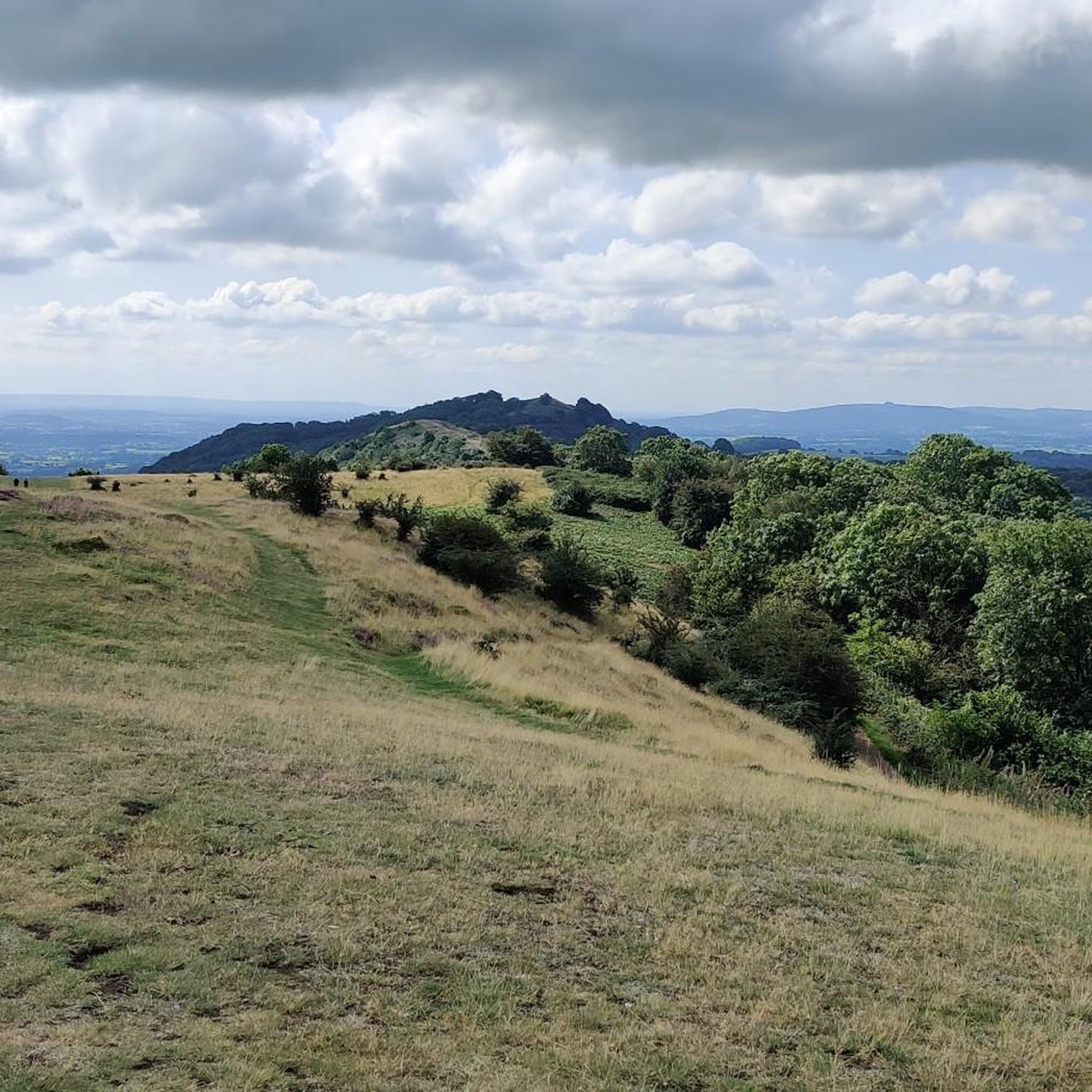
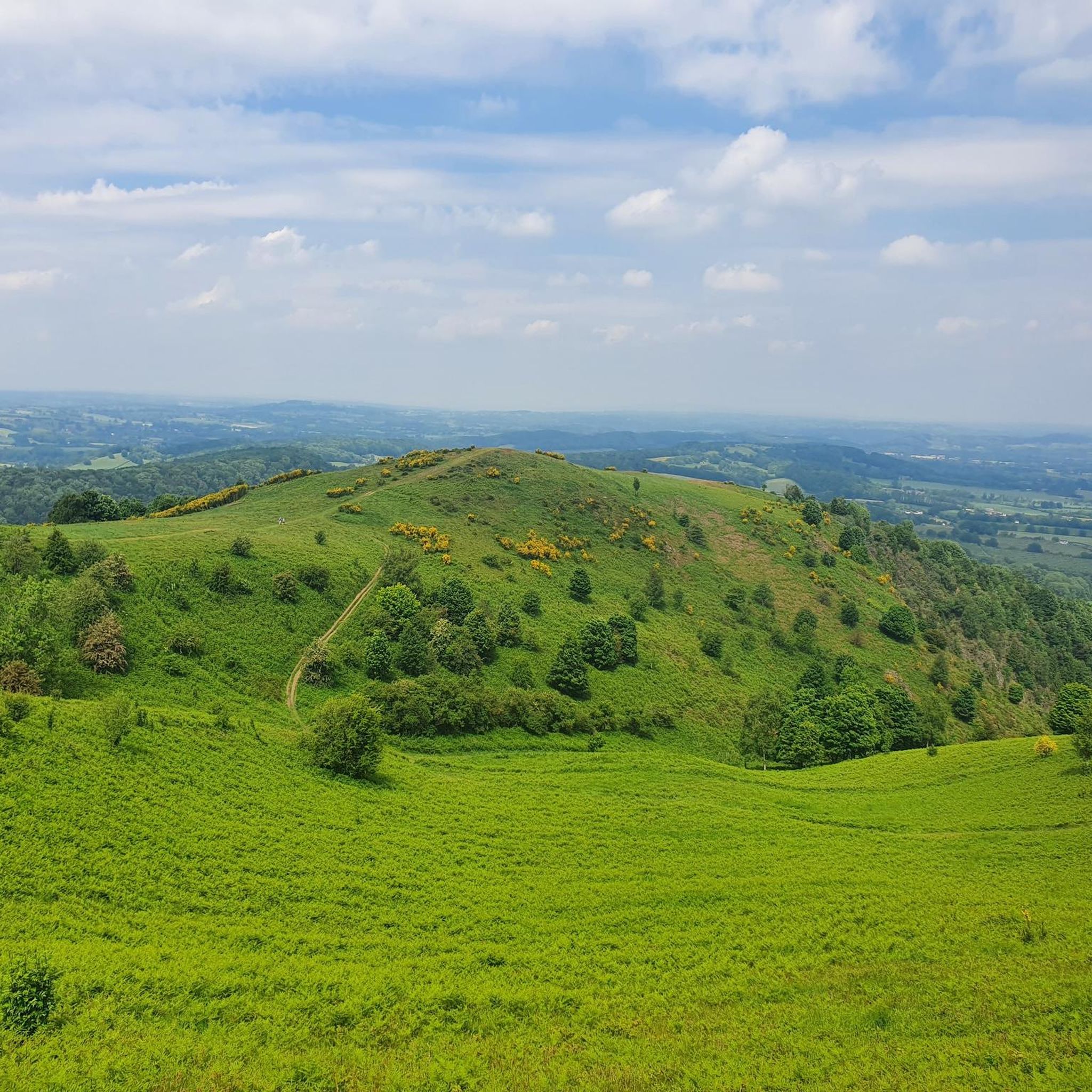
The Herefordshire Beacon is one of the highest peaks of the Malvern Hills. It is surrounded by a British Iron Age hill fort earthwork known as British Camp. The fort subsequently had a ringwork and bailey castle built inside its boundary and there is evidence of 120 huts in the area. British Camp has been a scheduled monument since 1923. On the eastern slope of Herefordshire Beacon, there is a disused reservoir, British Camp Reservoir, which holds approximately 213,000 cubic metres (7,500,000 cu ft) of water. Herefordshire Beacon represents one of the Malvern Hills, 1,109 feet (338 m) high, and is the second highest summit in the hills. It is within the county of Herefordshire, but is directly adjacent to the border with Worcestershire to the east. Atop Herefordshire Beacon, there is an Iron Age hill fort, known as British Camp, and would have held a settlement between 4th century BCE and 1st century CE. A ringwork and bailey castle was built within the site of the hill fort, and there is evidence of 120 huts having been built within the boundaries of the fort. The hill fort received scheduled monument status on 10 August 1923. Nearby to British Camp, on the eastern slope of Herefordshire Beacon, there is a reservoir called British Camp Reservoir. It has a capacity of 213,000 cubic metres (7,500,000 cu ft), although it has not been used for many years. In 2017, Severn Trent proposed to dismantle the treatment plant associated with the reservoir and drain it, leaving an 8,000 cubic metres (280,000 cu ft) pond. source: Wikipedia
0
0

go during the week to miss the many people that walk these hills
0
0

A lot less busy than Worcestershire Beacon. and more interesting archaeology than the remains of an old cafe.
0
0

I am glad to be one of several visitors on this great internet site (:, thank you for posting. https://www.crediblebh.life/
0
0
A fine place to go, particularly in winter when the light is good and there may even be a bit of snow.
0
0
Frequently Asked Questions
What historical castles and sites can I visit near Queenhill?
The area around Queenhill offers several historically significant castles and sites. You can explore the Iron Age hill fort at Herefordshire Beacon (British Camp), which provides splendid views. Croome Court, a mid-18th-century Neo-Palladian mansion with extensive landscaped parkland, is also nearby. Additionally, you can visit Dunstall Castle, a unique folly within the Croome Court grounds, or enjoy views of the impressive 19th-century Eastnor Castle from Midsummer Hill.
Are there family-friendly castles around Queenhill?
Yes, several castles and sites are suitable for families. Croome Court and Dunstall Castle are both listed as family-friendly. Hartlebury Castle, though not directly in Queenhill, is a historic palace that now operates as a museum offering family activities and historic grounds to explore.
What kind of natural features or viewpoints can I expect to see at these castles?
Many of the castle sites offer stunning natural features and viewpoints. Herefordshire Beacon (British Camp), an Iron Age hill fort, provides expansive views of the surrounding landscape. From Midsummer Hill, you can get an excellent view of Eastnor Castle set within its deer park, arboretum, and lake. Dunstall Castle, a folly, also serves as a viewpoint, offering unique perspectives of the local area from its tower.
What outdoor activities can I do near these castles?
The area around Queenhill offers various outdoor activities that can be combined with castle visits. You can find numerous cycling routes, such as the "Upton-upon-Severn Town Centre – Dunstall Castle loop" or the "Croome Court – View of the Malvern Hills loop." For hikers, there are trails like the "Orchard – Upton-upon-Severn Castle loop." Explore more options on the cycling and hiking guides for Queenhill.
How much time should I allocate for visiting castles in the Queenhill area?
The time needed varies by site. For a comprehensive visit to Croome Court, including its mansion and extensive parkland, you might want to allocate half a day. Shorter visits, such as climbing to Herefordshire Beacon (British Camp) or exploring Dunstall Castle, could take 1-2 hours each, depending on your pace and how much you wish to explore the surrounding trails.
Are there any unique or lesser-known castle sites to explore?
Beyond the more prominent sites, Dunstall Castle stands out as a unique folly designed in 1801, modeled on Tempietto Romao in Rome. It's nestled within the grounds of Croome Court and offers a spiral staircase to the top for distinct views. Broadway Tower, a 'Saxon' tower designed like a castle, also offers spectacular views extending into 16 counties and is a unique architectural curiosity.
What do visitors enjoy most about the castles and historical sites near Queenhill?
Visitors frequently praise the stunning views from sites like Herefordshire Beacon (British Camp), especially after the climb. The extensive landscaped parkland and historic mansion at Croome Court are also highly appreciated, with many finding it a worthy addition to the National Trust. The unique architecture and panoramic views from Dunstall Castle are also popular.
What is the best time of year to visit castles around Queenhill?
While castles can be visited year-round, spring and summer months (April to September) generally offer the most pleasant weather for exploring outdoor grounds and enjoying views. During these seasons, gardens are in full bloom, and many sites, like Eastnor Castle, have public access. Autumn also provides beautiful foliage, making for picturesque visits.
Are there any castles near Queenhill that offer guided tours or detailed historical information?
Hartlebury Castle, located in Hartlebury, operates as a museum and offers insights into its history as the residence of the Bishops of Worcester. Croome Court, managed by the National Trust, provides extensive historical information about its design by Lancelot "Capability" Brown and Robert Adam, with restored rooms and ongoing restoration efforts.
Can I combine a castle visit with a longer cycling route?
Absolutely. The region offers several cycling routes that pass by or near historical sites. For example, the "Upton-upon-Severn Town Centre – Dunstall Castle loop" is an easy 22 km cycling route. You can find more options, including moderate routes like the "Croome Court – View of the Malvern Hills loop," in the cycling guide for Queenhill.
Are there any castles or historical sites that are particularly good for photography?
Many sites offer excellent photographic opportunities. The storybook-like appearance of Eastnor Castle, especially from the viewpoint on Midsummer Hill, makes for stunning shots. The panoramic vistas from Herefordshire Beacon (British Camp) are ideal for landscape photography, and the unique architecture of Dunstall Castle provides interesting subjects.
Most popular attractions around Queenhill

Get inspired with the komoot mobile app


Explore more
Looking for the best castles somewhere else? Discover other guides around Queenhill:
