Top 8 Lakes around Norton Subcourse
Lakes around Norton Subcourse are primarily located within the Norfolk Broads National Park, a unique landscape of interconnected rivers and shallow, man-made lakes known as "broads." These broads were formed by medieval peat diggings that subsequently flooded. The Norton Subcourse area provides access to these distinctive natural features, offering opportunities for wildlife observation and water-based recreation. The region is characterized by diverse habitats, including reedbeds and grazing marshes.
Best lakes around Norton Subcourse
- The most popular lakes is RSPB Rockland…
Last updated: May 16, 2026
Breydon Water Nature Reserve
Highlight • Natural
Tip by

RSPB Rockland Marshes Nature Reserve
Highlight • Natural
Tip by
Sign up now to discover places like this
Get recommendations on the best single tracks, peaks, & plenty of other exciting outdoor places.
Sign up for free
Buckenham Marshes Nature Reserve
Highlight • Structure
Tip by

Lound Lakes Nature Reserve
Highlight • Lake
Tip by

Castle Marshes Nature Reserve
Highlight • Viewpoint
Tip by

Sign up for free to discover even more lakes around Norton Subcourse.
Sign up for free
Already have an account?
Start today with a free account
Your next adventure awaits.
Login or Signup


Other adventures around Norton Subcourse

Tips from the Community

Buckenham Marshes is a nature reserve situated on the northern bank of the River Yare. It’s home to a variety of wildlife including wading birds, ducks and geese. The reserve is also an important breeding ground for lapwings, redshanks and other bird species. Visitor Buckenham Marshes to enjoy walking trails and bird hides, as well as the opportunity to see many different bird species.
0
0
Lound Lakes is a nature reserve managed by the Suffolk Wildlife Trust. It’s a beautiful area that’s rich in wildlife with an abundance of damselflies and dragonflies. The Norfolk/Suffolk border runs horizontally through the lake, making this the most northerly spot in Suffolk.
1
0

Buckenham Marshes is a wetland habitat located in the heart of the Norfolk Broads. The marshes are home to a diversity of animal and bird species, and are especially known for their large flocks of wintering wading birds, including lapwings and golden clovers.
0
0

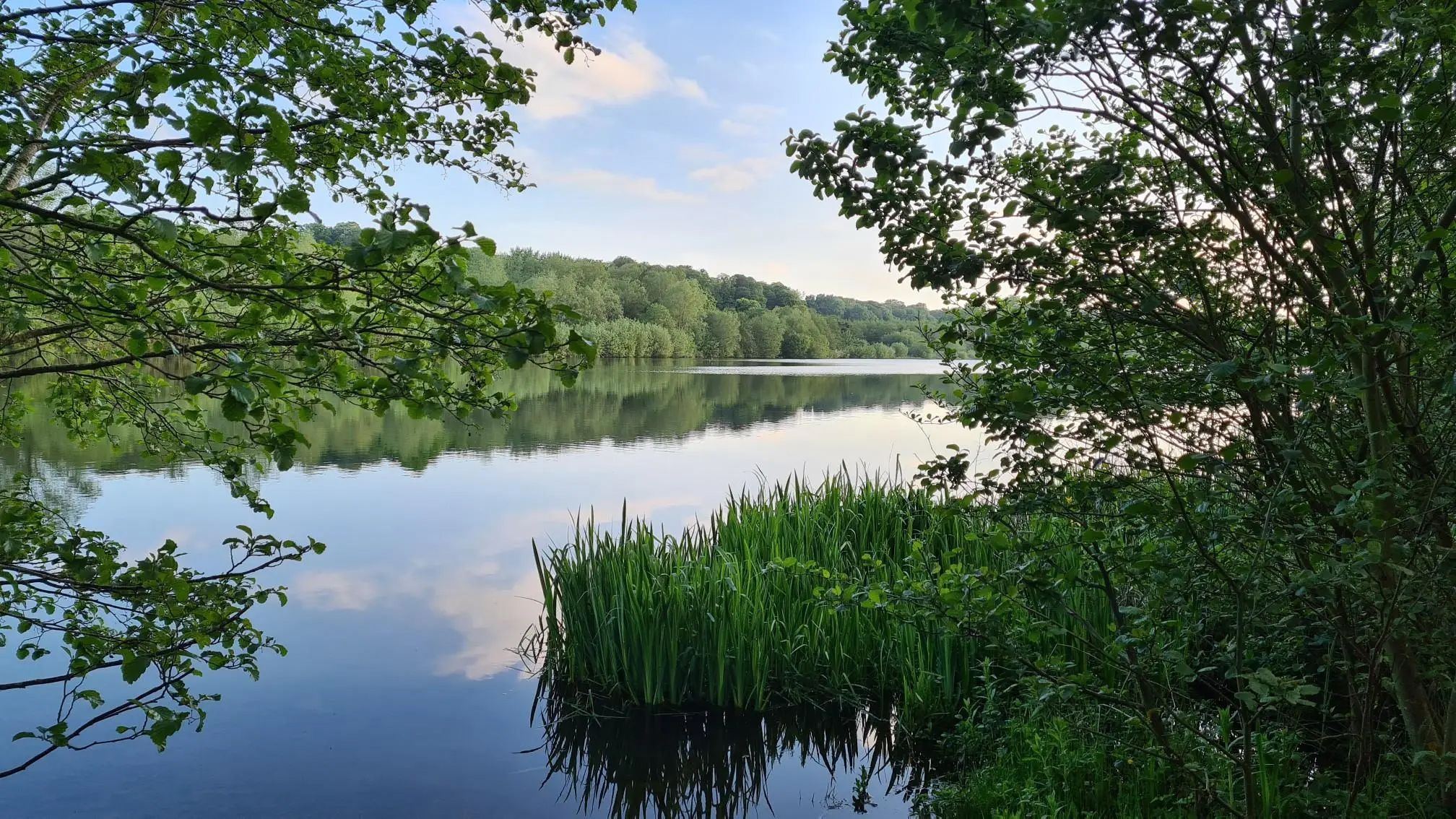
RSPB Rockland Marshes is a nature reserve with wonderful views over Rockland Broad and the River Yare. The reedbeds and open grazing marshes afford year-round displays of wildlife. Keep a look out for bird species including barn owl, great crested grebe, Cetti's warbler, kingfisher, mute swan, tufted duck, pochard, and goldeneye.
1
0

Castle Marshes is a large Broadland nature reserve and home to a huge variety of plant, bird and insect life. Summer brings butterflies and dragonflies, including rare types such as the Norfolk hawker dragonfly. Summer’s birds include several types of warbler as well as lapwings and redshanks. Overhead, birds of prey hover in search of snacks in the tall grasses. Winter transforms these marshes, cared for by the Suffolk Wildlife Trust. While the Angles Way footpath stays high enough to walk along, the marshes themselves are flooded to create an enormous expanse of water for the overwintering wildfowl. Teal, widgeon and gadwall are some of the winter faces you can see here.
1
0

Buckenham marshes is an ideal place to watch for birds of prey, including barn owls, marsh harriers, kestrels and peregrine falcons. Look out for hares, stoats and Chinese water deer in the surrounding fields.
0
0

There's a very well placed bench just up from the visible hide which takes in the hole marsh. Birding for free
1
0
Great place on the footpath to view the RSPB reserve
1
0
Frequently Asked Questions
What kind of natural features can I expect to see around the lakes near Norton Subcourse?
The lakes, often called 'broads,' are part of the unique Norfolk Broads National Park. You'll find a network of shallow, interconnected waterways, reedbeds, and grazing marshes. These habitats support diverse wildlife, including many bird species. For example, RSPB Rockland Marshes Nature Reserve offers views over these landscapes, rich with birdlife.
Which lakes are best for wildlife watching?
For exceptional wildlife watching, consider RSPB Rockland Marshes Nature Reserve, known for year-round displays of barn owls, kingfishers, and other bird species. Breydon Water Nature Reserve is another significant bird habitat, especially in winter, hosting over 64,000 birds annually. Buckenham Marshes Nature Reserve is excellent for spotting birds of prey and wintering wading birds.
Are there good walking trails around the lakes?
Yes, the area offers various walking opportunities. Many nature reserves, like Buckenham Marshes Nature Reserve, feature walking trails and bird hides. For more structured routes, you can explore easy hikes such as the 'Reedham Marshes' family walk, or moderate options like the 'Wherryman's Way: Reedham Circular'. You can find more details on these and other routes in the Easy hikes around Norton Subcourse and Hiking around Norton Subcourse guides.
What other outdoor activities are popular near these lakes?
Beyond walking, the Norfolk Broads are famous for boating, canoeing, kayaking, and paddleboarding on their navigable waterways. Fishing is also popular, with many dedicated fishing venues in the broader Norfolk area. For land-based activities, there are numerous running trails, such as the 'Running loop from Reedham', which you can find in the Running Trails around Norton Subcourse guide.
Are there family-friendly lakes or activities in the area?
Many areas around the broads are suitable for families. Highlights like RSPB Rockland Marshes Nature Reserve and Rockland Broad are noted as family-friendly, offering opportunities for gentle walks and wildlife spotting. Whitlingham Country Park, though not directly in Norton Subcourse, is a popular family destination with water sports and cycle paths.
When is the best time to visit the lakes near Norton Subcourse?
The best time depends on your interests. Spring and summer are ideal for boating, water sports, and enjoying the lush greenery and active wildlife, including damselflies and dragonflies at places like Lound Lakes Nature Reserve. Autumn offers beautiful scenery, while winter is spectacular for birdwatching, especially at reserves like Breydon Water Nature Reserve, when thousands of migratory birds arrive.
Are any of the lake areas wheelchair accessible?
While specific wheelchair accessibility details for every broad are not available, some nature reserves and country parks within the broader Norfolk Broads area are known to have accessible paths. It's advisable to check the specific reserve or park's website for detailed accessibility information before your visit. For instance, the National Trust Wildlife Centre at Ranworth Broad is designed to be accessible.
Can I find cafes and pubs near the lakes?
Yes, many villages located along the broads offer amenities such as pubs and cafes. These spots often provide moorings for boats and are popular stopping points for visitors exploring the waterways and surrounding areas.
What makes Rockland Broad a popular spot?
Rockland Broad is cherished for its tranquil atmosphere, tucked away behind the River Yare. It's a peaceful spot where you can often enjoy the calm waters without many boats, making it ideal for quiet contemplation and spotting wildlife, such as pike in the clear summer waters.
Are dogs allowed on walks around the lakes?
Many walking trails and public footpaths around the broads are dog-friendly. However, specific nature reserves may have restrictions, especially during nesting seasons, or require dogs to be on leads to protect wildlife. Always check local signage or the reserve's website before visiting with your dog.
What is unique about Lound Lakes Nature Reserve?
Lound Lakes Nature Reserve is managed by the Suffolk Wildlife Trust and is notable for its rich biodiversity, particularly an abundance of damselflies and dragonflies. Uniquely, the Norfolk/Suffolk border runs horizontally through the lake, making it the most northerly point in Suffolk.
Most popular attractions around Norton Subcourse

Get inspired with the komoot mobile app


Explore more
Still not found your perfect lake around Norton Subcourse? Check out the guides of these regions to see even more beautiful places.
