Top 3 Castles around Mobberley
Best castles around Mobberley offer a glimpse into the rich history and architectural heritage of the Cheshire area. The region features historical estates and castle ruins set within diverse landscapes. Visitors can explore grand stately homes, Tudor manor houses, and dramatic castle ruins. These sites are often surrounded by extensive parkland, gardens, and natural features.
Best castles around Mobberley
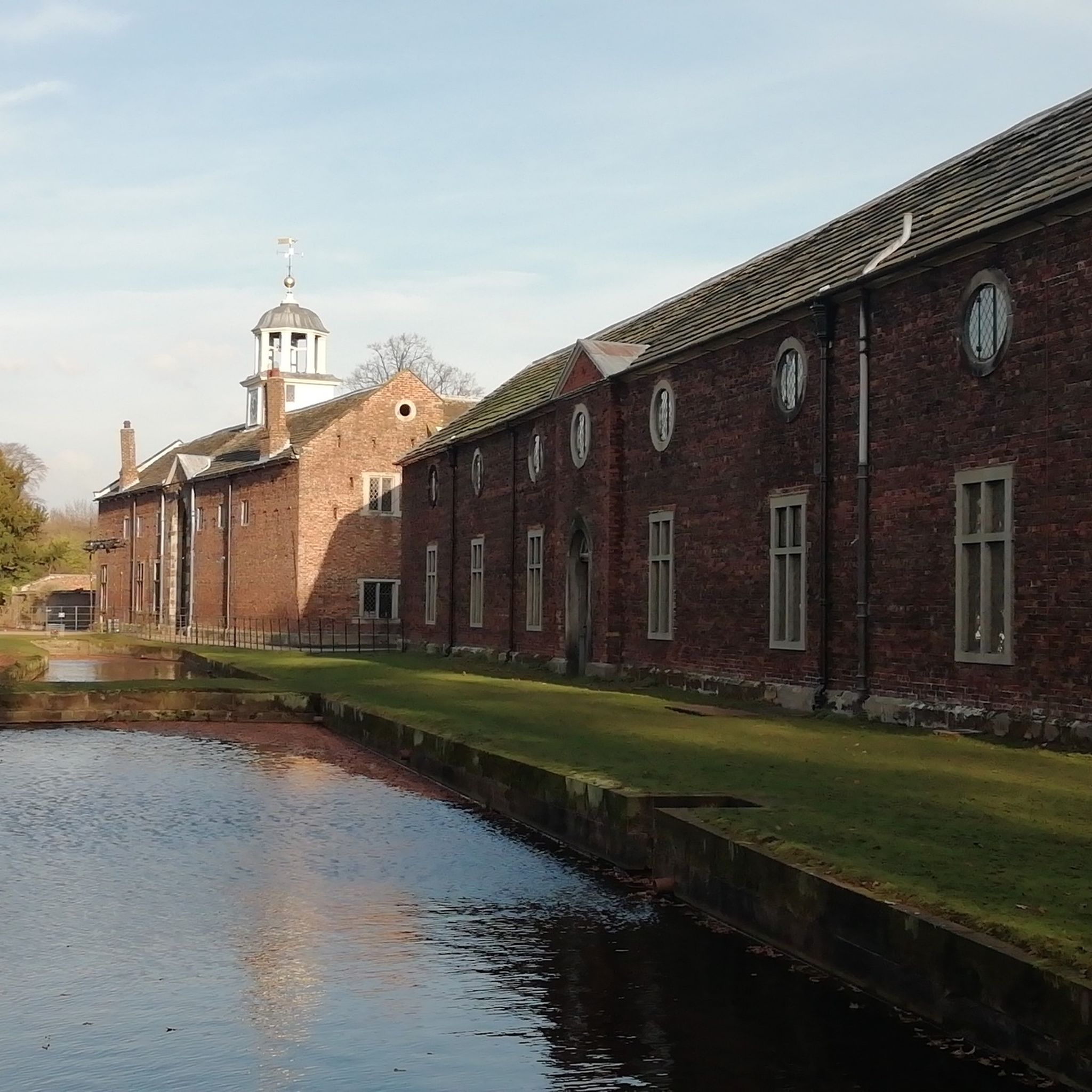
- The most popular castles is Dunham Massey Hall and Deer Park, a castle that features a 400-year-old country mansion, formal gardens, and a 300-acre deer park. This National Trust property is known for its historic house and diverse plant collections.
- Another must-see spot is Bramall Hall, a historical site set within woodland and parkland. This magnificent Tudor manor house has roots tracing back to the Middle Ages, offering well-preserved architecture.
- Visitors also love View of Capesthorne Hall, a castle set on 100 acres of pristine Cheshire countryside. This 18th-century stately home is surrounded by lakes, woods, gardens, and parkland.
- Mobberley is known for historical estates, stately homes, and castle ruins. The area offers a variety of historical sites to see and explore, from well-preserved mansions to dramatic viewpoints.
- The castles around Mobberley are appreciated by the komoot community. The highlights have received 124 upvotes and feature 81 photos from visitors.
Last updated: May 16, 2026
Dunham Massey Hall and Deer Park
Highlight • Castle
Tip by

Bramall Hall
Highlight • Forest
Tip by

Sign up now to discover places like this
Get recommendations on the best single tracks, peaks, & plenty of other exciting outdoor places.
Sign up for free
Arley Hall and Gardens
Highlight • Religious Site
Hall: Open several days each month, please visit the What's On page for dates when the Hall is next open.
Garden entry includes access to 8 acres of formal Gardens, 7 acres of informal Gardens including the Grove & Woodland Walk, access to The Gardener's Kitchen Café, Chapel, and Children's Play Zone. Dogs on a lead are very welcome except in the Children's Play Zone.
arleyhallandgardens.com
Tip by

View of Capesthorne Hall
Highlight • Castle
Tip by

Start today with a free account
Your next adventure awaits.
Login or Signup

Tips from the Community

Great place to visit - worth the entry fee (if not a NT member)
0
0

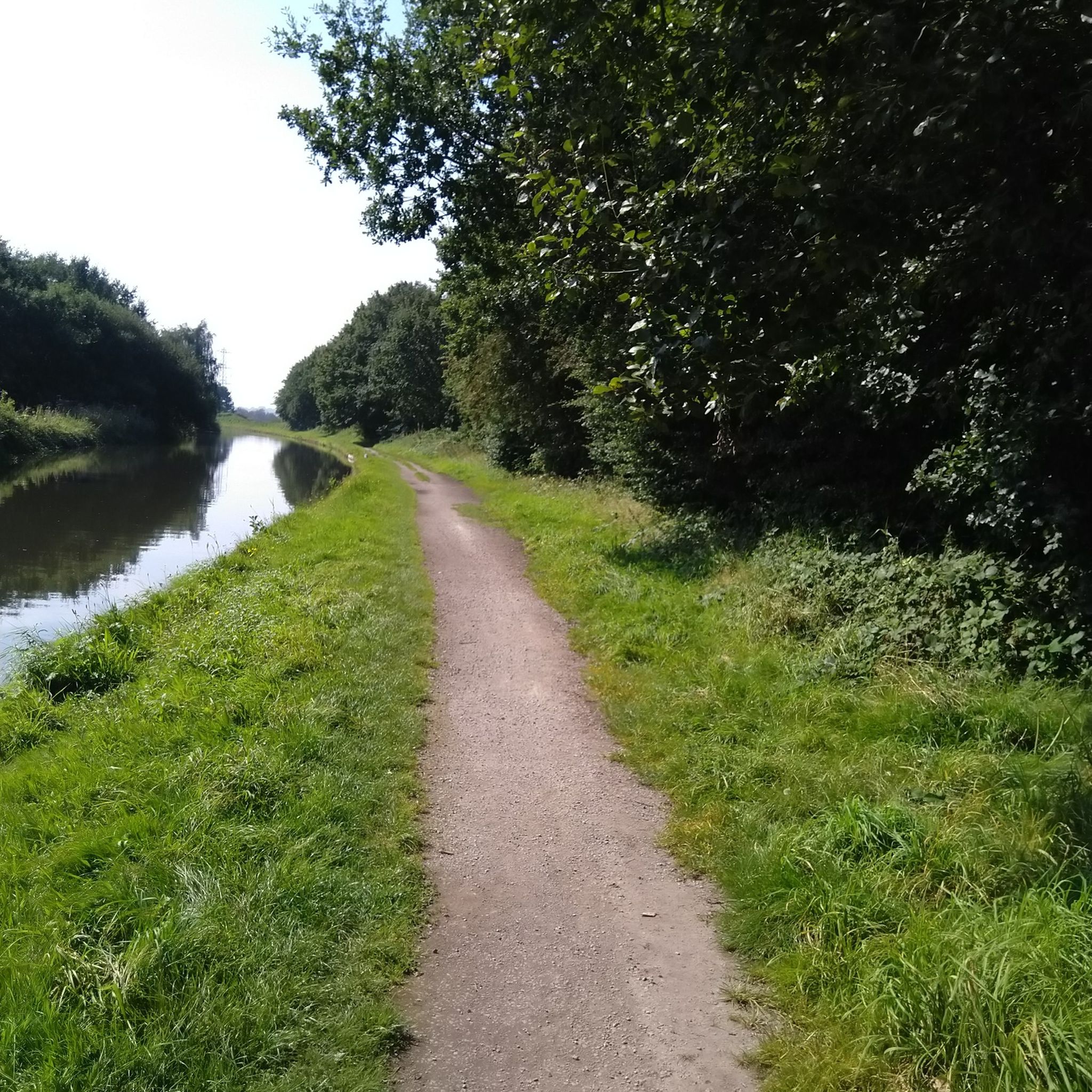
Bramhall Park is a woodland and parkland adjoined to Bramall Hall, a Tudor manor house with a history dating back to the Middle Ages. You can explore the grounds and observe a variety of wildlife along the park's trails.
3
0


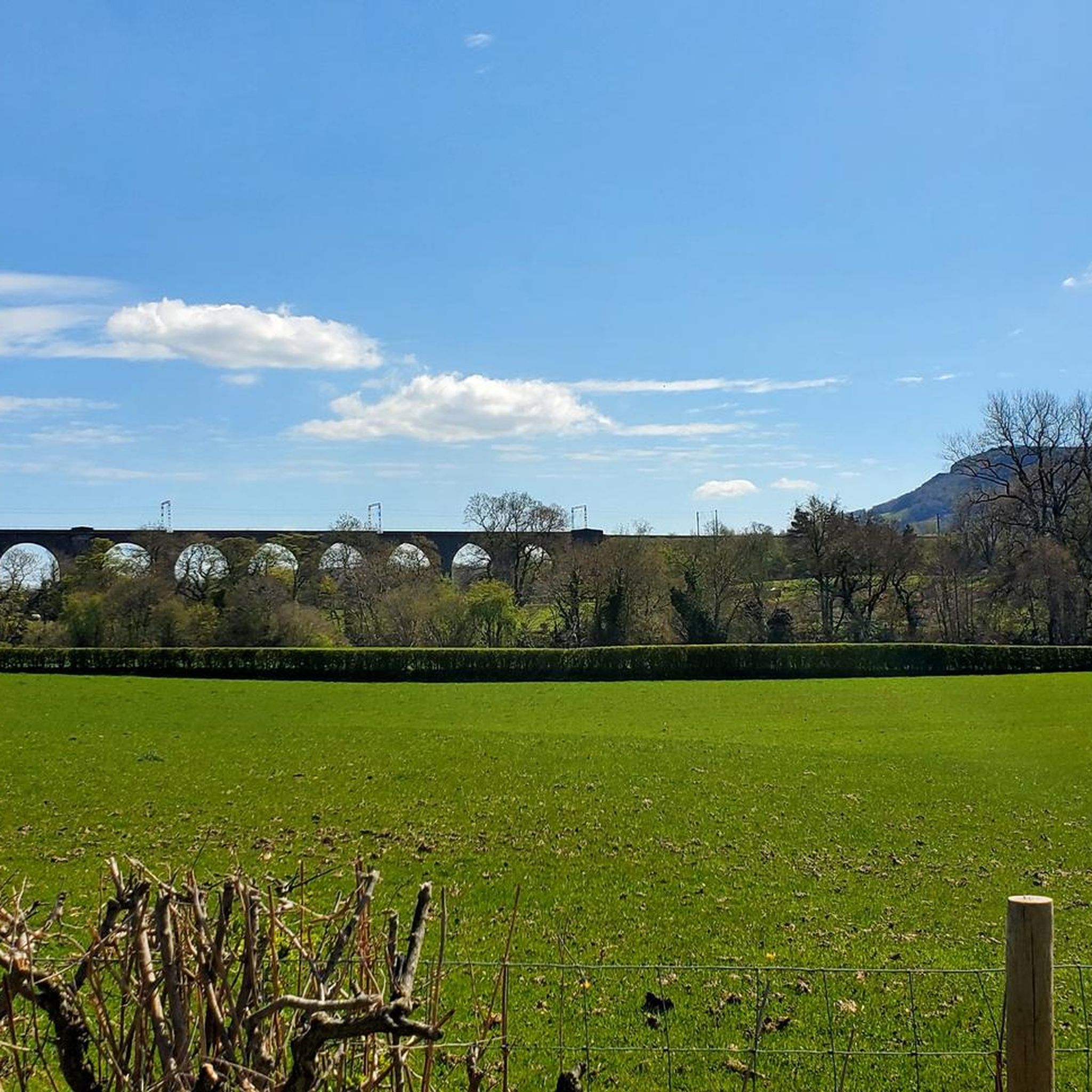
Gardens: Open daily from 10am until 5pm Hall: Open several days each month, please visit the What's On page for dates when the Hall is next open. Garden entry includes access to 8 acres of formal Gardens, 7 acres of informal Gardens including the Grove & Woodland Walk, access to The Gardener's Kitchen Café, Chapel, and Children's Play Zone. Dogs on a lead are very welcome except in the Children's Play Zone. https://www.arleyhallandgardens.com/
0
0

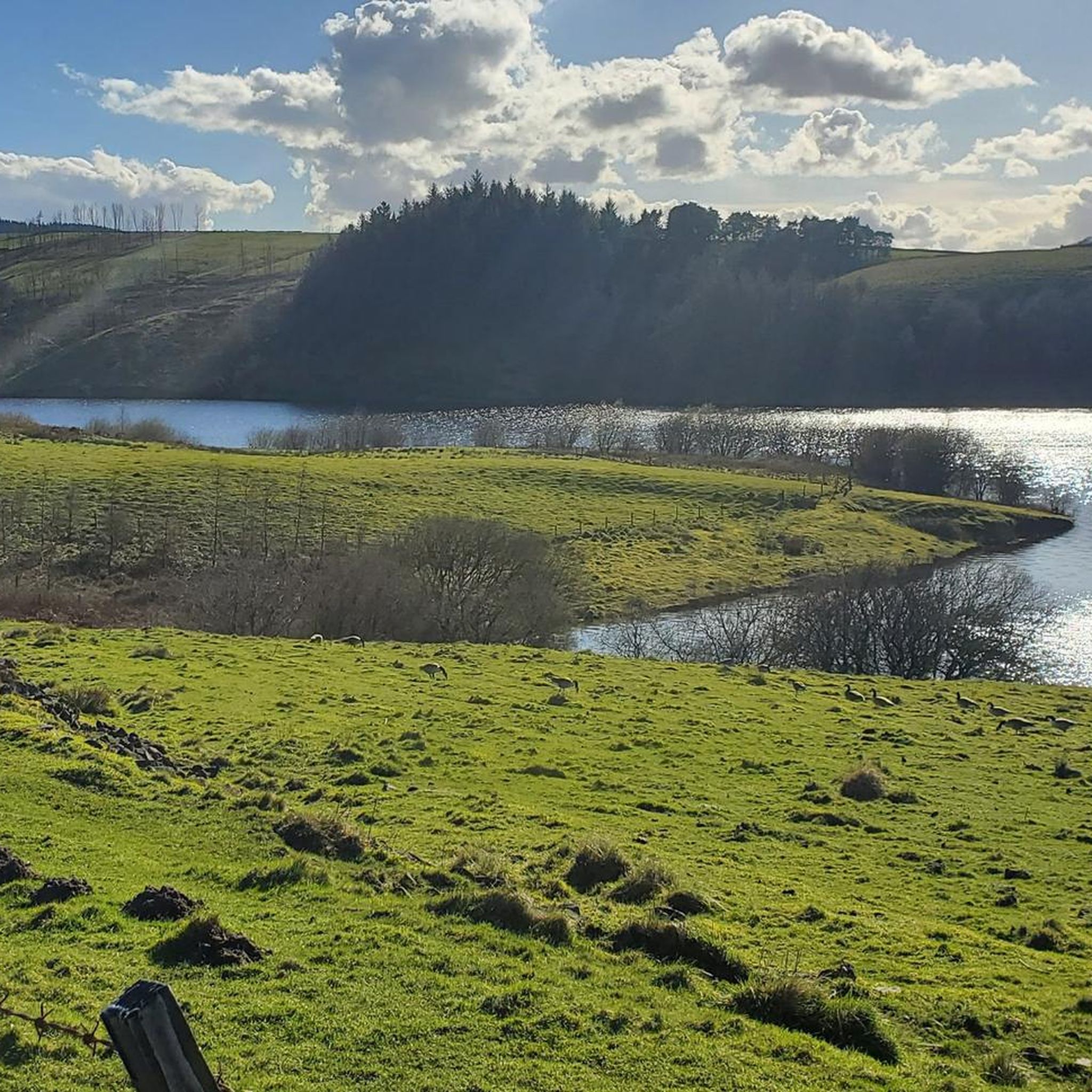
Capesthorne Hall is an 18th century stately home situated near Siddington in Cheshire. It is set on 100 acres of pristine Cheshire countryside filled with lakes, woods, gardens, and parkland.
2
0

Dunham Massey is a 400-year-old country mansion and estate with formal gardens and a 300-acre deer park. National Trust owned and managed members can visit for free, but non-members must pay entry fee for the house, gardens and parkland. There are a couple of footpaths through the deer park so if you aren't a member and would like to walk through without paying stay on the footpaths. There is a cafe, gift shop and toilets on site.
0
0
Dunham Massey is a 400-year-old country mansion and estate with formal gardens and a 300-acre deer park. National Trust owned and managed members can visit for free, but non-members must pay entry fee for the house, gardens and parkland. There are a couple of footpaths through the deer park so if you aren't a member and would like to walk through without paying stay on the footpaths. There is a cafe, gift shop and toilets on site.
3
1
Frequently Asked Questions
What types of historical sites can I explore near Mobberley?
Near Mobberley, you can explore a diverse range of historical sites, including grand stately homes, magnificent Tudor manor houses, and dramatic castle ruins. These sites often feature extensive parkland, formal gardens, and natural landscapes. Examples include Dunham Massey Hall and Deer Park, a 400-year-old country mansion, and Bramall Hall, a well-preserved Tudor manor house.
Which castles or historical estates near Mobberley are particularly good for families?
Several historical sites near Mobberley are family-friendly. Dunham Massey Hall and Deer Park offers a deer park for exploration and diverse plant collections. Bramall Hall is set within woodland and parkland, ideal for observing wildlife. Capesthorne Hall provides 100 acres of countryside with lakes and woods. Additionally, Arley Hall and Gardens features a Children's Play Zone and welcomes dogs on leads in most areas.
Where can I find impressive views or natural features around these castles?
For impressive views, Beeston Castle, though not a highlight in this guide, offers panoramic vistas across the Cheshire Plain from its dramatic sandstone crag. Many estates like Dunham Massey Hall and Deer Park and Capesthorne Hall are set within extensive parkland, featuring deer parks, lakes, and woodlands, providing serene natural environments.
Are there any dog-friendly castle estates near Mobberley?
Yes, Arley Hall and Gardens explicitly states that dogs on a lead are very welcome in its gardens, except for the Children's Play Zone. It's always advisable to check the specific rules for other estates before visiting with your dog.
What outdoor activities can I do near the castles around Mobberley?
The area around Mobberley offers various outdoor activities. You can find easy hikes, such as the 'Mobberley loop' or 'River Bollin Tunnel loop', which are detailed in the Easy hikes around Mobberley guide. For cycling enthusiasts, there are MTB trails like the 'Heritage Loop' in the MTB Trails around Mobberley guide, and running routes like the 'Square Wood loop' are available in the Running Trails around Mobberley guide.
What is the best time of year to visit the castles and stately homes in the Cheshire area?
The best time to visit castles and stately homes in Cheshire is generally during spring, summer, and early autumn. During these seasons, the gardens are in full bloom, and the weather is more conducive to exploring the extensive grounds and parklands. Many estates also host special events during these months. Winter visits can offer a different charm, with festive decorations and quieter surroundings, but some areas or opening hours might be restricted.
Are there accessible castles or historical sites near Mobberley?
While specific accessibility details for all sites are not provided, many larger estates like Dunham Massey Hall and Deer Park, managed by the National Trust, typically offer facilities and routes designed to be accessible. It is recommended to check the individual venue's website for detailed accessibility information regarding paths, buildings, and facilities before your visit.
Can I find food and drink options near these historical sites?
Yes, many of the larger historical estates and castles near Mobberley offer on-site food and drink options. For example, Dunham Massey Hall and Deer Park has a cafe, and Arley Hall and Gardens features The Gardener's Kitchen Café. Additionally, the villages and towns surrounding these attractions, including Mobberley itself, have various pubs and cafes.
How can I reach these castles using public transport?
Public transport options vary for each site. For example, Dunham Massey is near Altrincham, which has good public transport links. Bramall Hall is in Stockport, also well-served. However, many of these historical estates are in more rural settings, so public transport might involve a combination of train/bus and then a walk or taxi. It's best to plan your journey using specific public transport websites for each destination.
Are there any lesser-known or 'hidden gem' castles worth visiting near Mobberley?
While the guide focuses on popular highlights, the broader Cheshire area has many historical sites. Cholmondeley Castle, for instance, is a unique 19th-century romantic/gothic style castle with magnificent grounds open to the public, offering the appearance of a 'fully intact castle' and a different experience from the more common ruins or stately homes.
What do visitors particularly enjoy about the castles and estates near Mobberley?
Visitors frequently praise the beautiful gardens and extensive parklands, often highlighting the opportunity to see wildlife like deer at places such as Dunham Massey Hall and Deer Park. The well-preserved architecture of sites like Bramall Hall and the serene countryside settings of places like Capesthorne Hall are also highly appreciated. The komoot community has contributed 81 photos and 124 upvotes, reflecting the visual appeal and enjoyment of these locations.
Are there walking routes that connect to these castles?
Yes, many of these historical sites are embedded within or adjacent to extensive parklands and woodlands, offering numerous walking opportunities. For example, Bramhall Park, adjoining Bramall Hall, has trails for exploring the grounds. Similarly, Dunham Massey Hall and Deer Park has footpaths through its deer park. You can find various routes, including easy hikes, around Mobberley in the Easy hikes around Mobberley guide.
What are the parking options when visiting castles near Mobberley?
Most major historical estates and castles, such as those managed by the National Trust or English Heritage, provide dedicated parking facilities for visitors. These are typically paid car parks, though members of respective organizations might park for free. For smaller or more remote sites, parking might be more limited, sometimes relying on nearby village parking or roadside spots. Always check the specific venue's website for current parking information and fees.
Most popular routes around Mobberley
Most popular attractions around Mobberley

Get inspired with the komoot mobile app


Explore more
Looking for the best castles somewhere else? Discover other guides around Mobberley:
