Top 5 Castles around Eaton
Best castles around Eaton offers a diverse collection of historical sites, primarily situated within the scenic landscapes of Cheshire and Staffordshire. This area is characterized by its rolling hills and historical significance, providing a backdrop for various architectural styles. Visitors can explore structures ranging from mock castles to grand country houses, each contributing to the region's rich heritage. The natural landscape, including moorlands and parklands, complements these historical attractions.
Best castles around Eaton
- The most popular castles is Mow Cop…
Last updated: June 28, 2026
Mow Cop Castle
Highlight • Viewpoint
Tip by

Little Moreton Hall
Highlight • Historical Site
Tip by

Sign up now to discover places like this
Get recommendations on the best single tracks, peaks, & plenty of other exciting outdoor places.
Sign up for free
Warden's Tower (Knypersley Castle)
Highlight • Monument
It is sometimes referred to as Knypersley Castle.
Tip by

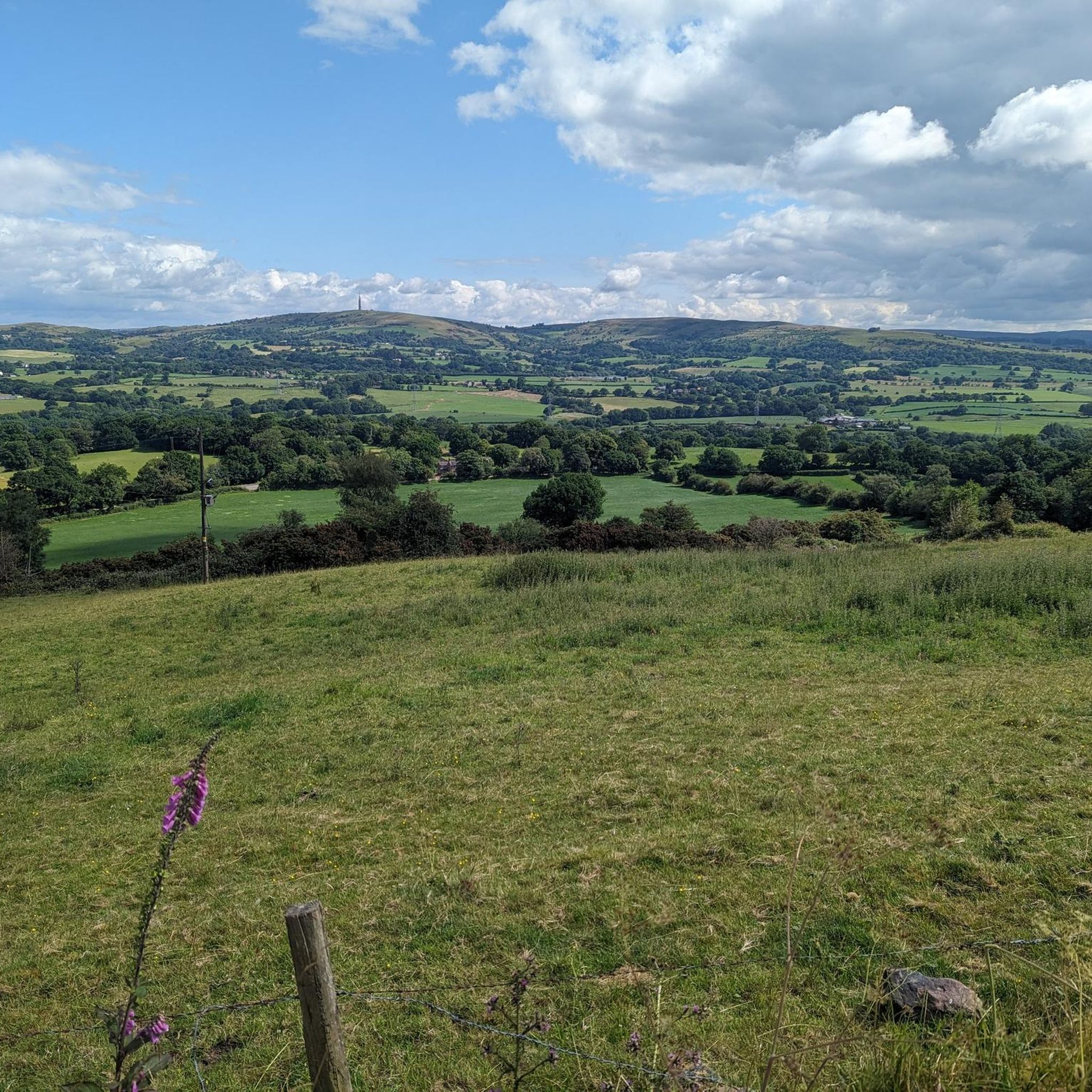
View of Mow Cop Castle from Marton Road
Highlight (Segment) • Viewpoint
Tip by

View of Capesthorne Hall
Highlight • Castle
Tip by

Sign up for free to discover even more castles around Eaton.
Sign up for free
Already have an account?
Start today with a free account
Your next adventure awaits.
Login or Signup
Tips from the Community

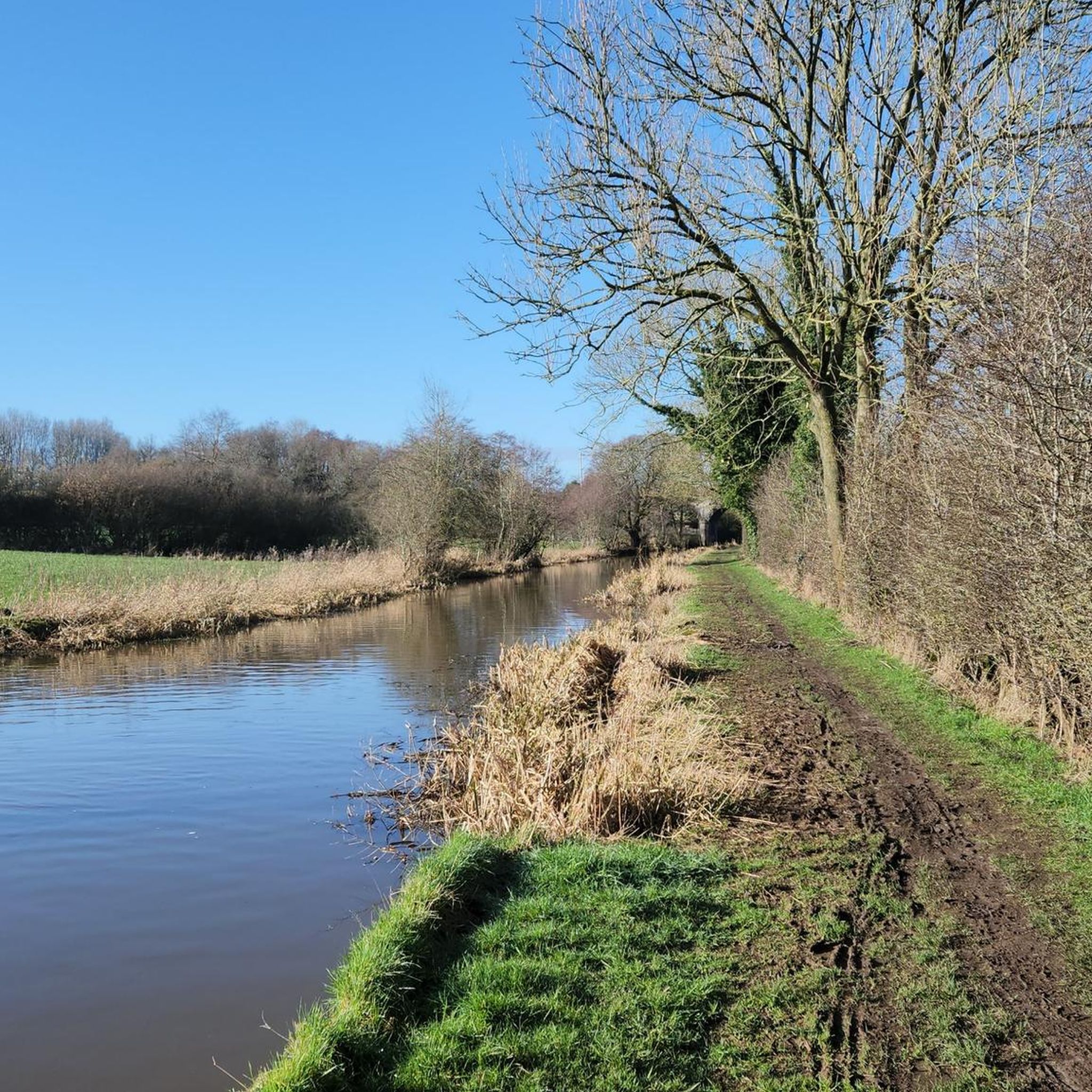
Dogs cannot enter but seating outside small cafe and toilets lovely stop on route
1
0

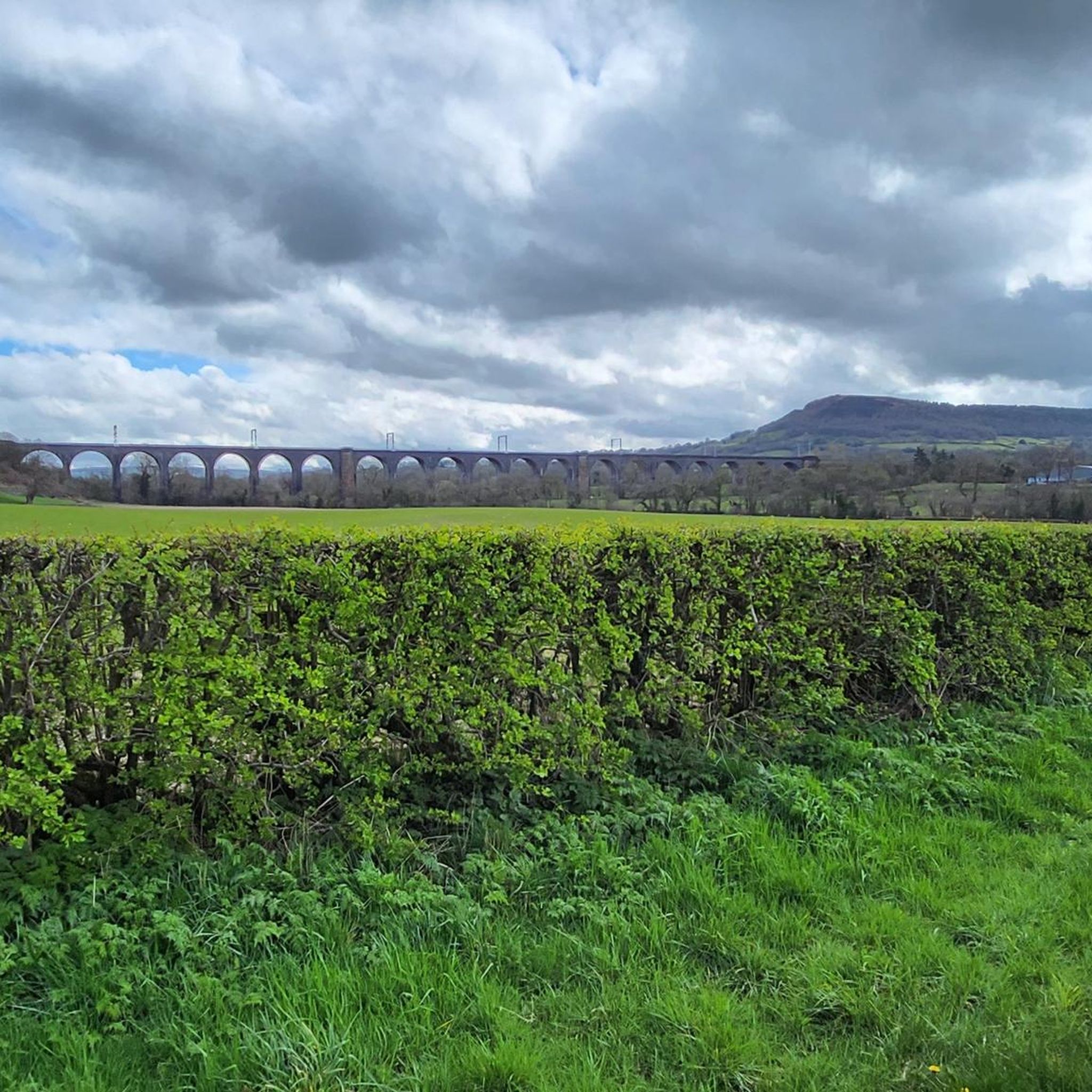
Coming from Marton this road offers some great views
2
0

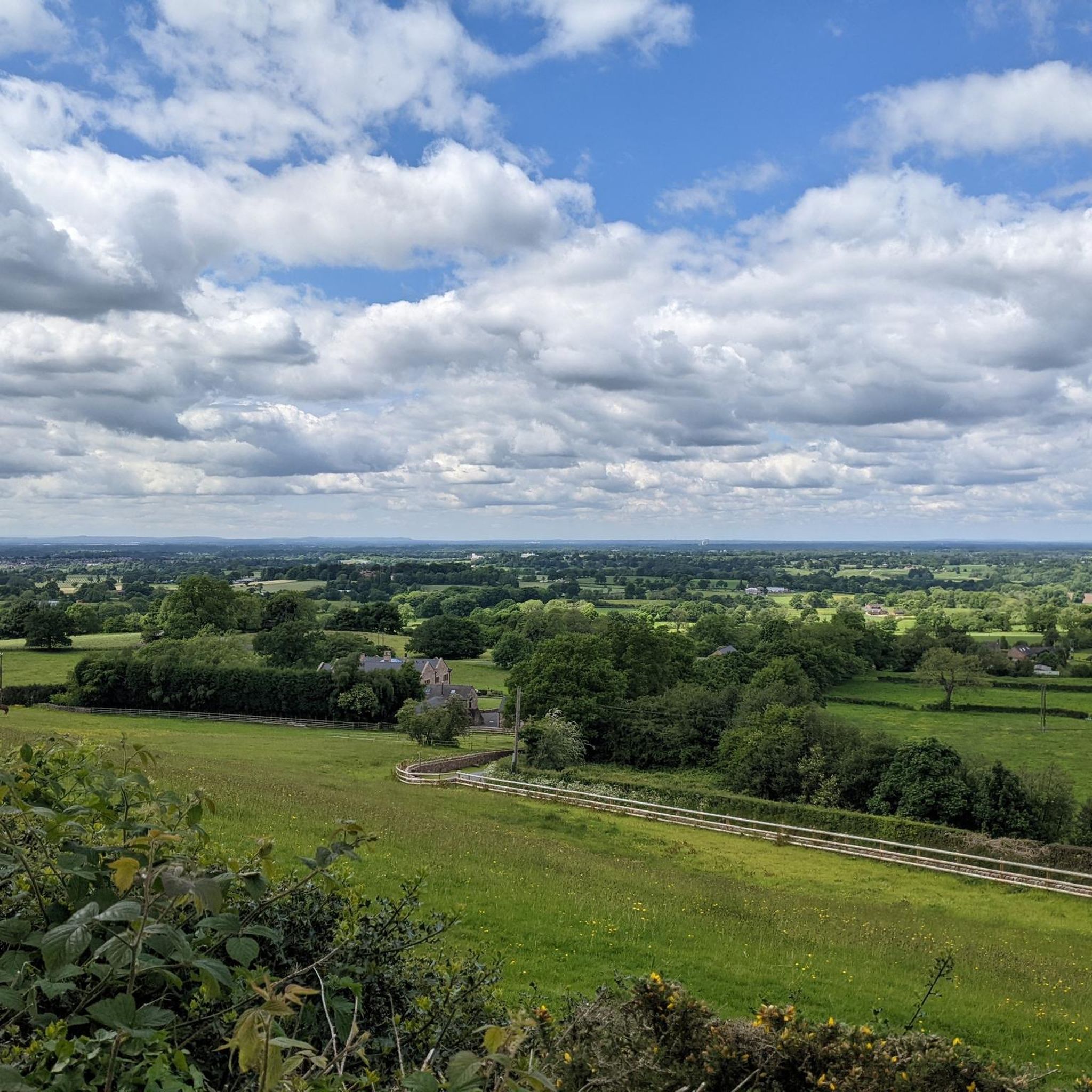
Plenty of good views to be had and a firm tarmac road not to many pot holes,bit twiggy in winter due to hedge cutting and 1 0r 2 narrow spots ,hills not to steep
2
0

Little Moreton Hall is an exquisite Tudor manor house nestled within the Cheshire countryside, just off the South Cheshire Way. This magnificent timber-framed structure, dating back to the 16th century, is renowned for its distinctive black-and-white façade and its charmingly crooked appearance.
2
0

Capesthorne Hall is an 18th century stately home situated near Siddington in Cheshire. It is set on 100 acres of pristine Cheshire countryside filled with lakes, woods, gardens, and parkland.
2
0


Little Moreton Hall, also known as Old Moreton Hall,[a] is a moated half-timbered manor house 4.5 miles (7.2 km) southwest of Congleton in Cheshire, England.[2] The earliest parts of the house were built for the prosperous Cheshire landowner William Moreton in about 1504–08, and the remainder was constructed in stages by successive generations of the family until about 1610. The building is highly irregular, with three asymmetrical ranges forming a small, rectangular cobbled courtyard. A National Trust guidebook describes Little Moreton Hall as being "lifted straight from a fairy story, a gingerbread house".[3] The house's top-heavy appearance, "like a stranded Noah's Ark", is due to the Long Gallery that runs the length of the south range's upper floor.
1
0

Heading towards Marton this section trends downhill but undulates satisfyingly. Welcome to cycling glory. Smooth tarmac and roads wide enough not to be afraid you’ll turn a corner and meet an SUV windshield. Beautiful. Keep going all the way to Swettenham and it’s more of the same!
2
0
Frequently Asked Questions
What kind of historical sites are referred to as 'castles' around Eaton?
The term 'castles' around Eaton encompasses a diverse range of historical structures, including mock castles, grand country houses, and prospect towers, rather than traditional medieval fortresses. For example, Mow Cop Castle is actually a folly summerhouse built in 1754, offering panoramic views. Little Moreton Hall is a stunning Tudor house, and Warden's Tower (Knypersley Castle) is a 19th-century prospect tower.
Are there any traditional medieval castles with visible remains near Eaton?
While several locations named 'Eaton' have historical castle connections, fully intact medieval castles are not found in the immediate vicinity. Eaton Socon Castle and Eaton Bray Castle, for instance, are primarily represented by 'derelict grassy earthworks' or traces of moats and foundations. Castle Eaton also has no visible remains of its 12th-century castle. These sites offer historical context but little in terms of physical structures to explore.
Which castles or historical sites around Eaton are family-friendly?
Several sites are great for families. Little Moreton Hall is a popular Tudor house with extensive gardens, offering a glimpse into 16th-century estate life. Capesthorne Hall, an 18th-century stately home, is set within 100 acres of parkland, lakes, and gardens, providing ample space for exploration. Mow Cop Castle, with its panoramic views, is also a fun outdoor destination for all ages.
Can I bring my dog to the castles and historical sites near Eaton?
Dog policies vary by location. Mow Cop Castle, being an outdoor folly with extensive surrounding moorland, is generally dog-friendly, especially for walks around the area. For sites like Little Moreton Hall (National Trust) and Capesthorne Hall (private estate), it's best to check their official websites for specific rules regarding dogs, as access to indoor areas or formal gardens may be restricted.
What are the best places for scenic views around the castles near Eaton?
For breathtaking panoramic views, Mow Cop Castle is highly recommended. From this mock tower, you can see the Staffordshire moorlands and the Cheshire Plain. Another excellent spot for views of the folly is the View of Mow Cop Castle from Marton Road, which offers great photo opportunities.
What outdoor activities can I do near the castles around Eaton?
The area around Eaton offers various outdoor activities. You can find numerous running trails, including routes like 'Biddulph Valley Way' and 'The Cloud Summit and Trails.' For mountain biking, options include 'Congleton Park – Biddulph Valley Way' and 'The Cloud Summit Trig Point' loops. Cyclists can enjoy routes such as 'Wolstenholme Elmy Way' and 'Swan Pond – Congleton Park.' You can find more details on these activities in the running, MTB, and cycling guides around Eaton.
Is Eaton Hall in Cheshire open to the public?
Eaton Hall in Cheshire is a private residence of the Duke of Westminster and is generally not open to the public. However, its extensive formal gardens are opened on a few specific days each year to raise money for charity. These rare opportunities allow visitors to explore the landscaped grounds, which are listed on the National Register of Historic Parks and Gardens. Check their official website for specific charity open days.
What is the historical significance of Eaton Socon Castle?
Eaton Socon Castle was a Norman motte-and-bailey timber fortification hastily constructed around 1140 during a period of civil war. It was never fully completed and was largely destroyed after 1154. Today, only 'derelict grassy earthworks' known as 'The Hillings' remain, located on private residential grounds. It is a Scheduled Historic Monument, significant for its Norman history, but not publicly accessible.
Are there any accessible castles or historical sites for wheelchairs near Eaton?
Accessibility can vary greatly. For outdoor sites like Mow Cop Castle, the terrain around the folly can be uneven. For stately homes like Little Moreton Hall and Capesthorne Hall, it is advisable to check their official websites or contact them directly for detailed information on wheelchair accessibility, including paths, ramps, and facilities.
What is the best time of year to visit the castles and historical sites around Eaton?
The best time to visit largely depends on your preferences. Spring and summer (April to September) generally offer the most pleasant weather for exploring outdoor sites like Mow Cop Castle and enjoying the gardens of places like Little Moreton Hall and Capesthorne Hall. During these seasons, opening hours are typically longer, and the natural landscapes are at their most vibrant. Always check individual site opening times before planning your visit, as some may have irregular hours or seasonal closures.
Where can I find parking when visiting these historical sites?
Parking availability varies by location. For popular sites like Mow Cop Castle, there is often roadside parking or small car parks nearby. For managed attractions such as Little Moreton Hall and Capesthorne Hall, dedicated visitor car parks are usually provided. It's always a good idea to check the specific venue's website for parking information and any potential fees before your visit.
Most popular attractions around Eaton

Get inspired with the komoot mobile app


Explore more
Looking for the best castles somewhere else? Discover other guides around Eaton:
