Top 8 Caves around South Darley
Best caves around South Darley are situated within the Derbyshire Dales, offering access to notable subterranean and geological sites. The region, partly within the Peak District National Park, is characterized by its limestone geology, which is conducive to cave formation. This area provides a diverse range of natural caverns, historically modified rock shelters, and former mines. Visitors can explore various cave systems that showcase the geological and human history of the region.
Best caves around South Darley
- The most popular…
Last updated: June 28, 2026
High Tor and Giddy Edge
Highlight (Segment) • Viewpoint
Tip by

Rowtor Rocks
Highlight • Structure
Tip by

Sign up now to discover places like this
Get recommendations on the best single tracks, peaks, & plenty of other exciting outdoor places.
Sign up for free
Lathkill Head Cave
Highlight • River
Tip by

Rowtor Rocks and the Druid's Cave
Highlight (Segment) • Natural Monument
Rowtor Rocks consists of numerous interlinked tunnels and caverns, some natural and some man-made. Many of the …
Tip by

Hermit's Cave and Crucifixion Carving
Highlight • Natural Monument
Tip by

Sign up for free to discover even more caves around South Darley.
Sign up for free
Already have an account?
Start today with a free account
Your next adventure awaits.
Login or Signup

Tips from the Community

A short but exciting scramble up the rocky outcrop behind Birchover village leads to Rowtor Rocks, a wonderland of weirdly carved boulders, hidden tunnels, secret steps, and a proper little cave once used by a 17th-century vicar who liked to play at being a druid. Kids from age 4 absolutely love it here – there’s endless climbing, squeezing through narrow gaps, discovering carved chairs and altars, and plenty of “secret cave” excitement without it ever feeling too big or overwhelming. The paths are short, the rocks are grippy, and little legs can explore to their heart’s content while parents keep an easy eye from just a few metres away. Bring wellies or grippy shoes after rain (it can be slippy) and let the kids lead the adventure – they’ll be talking about their “druid cave mission” for weeks
0
0


19th century pleasure ground which exploited the dramatic qualities of the Derwent valley. Peter Arkwright of Willersley Castle enclosed the grounds c 1860 and constructed pedestrian paths from a new entrance on the south side approached from the bridge to Matlock Bath railway station. The entrance from Starkholmes Road was retained and could be used by carriages. A pathway was formed through Fern Cave (scheduled ancient monument) and another on a narrow ledge along part of the cliff face. In 1879 the grounds were leased to the Matlock and High Tor Recreation Grounds Company Ltd and Milner of London was retained to supervise landscaping. Arkwright's Grand Walk, also used by carriages, was created, leading south to the summit from a gateway in Pig Tree Lane, now Pic Tor Lane. A refreshment room was erected near the summit, tennis and quoit or skittle grounds were constructed close to a modified southern entrance and additional paths put in with a broad flight of steps.
0
0
A nice place for a little scramble...and a great view at the top. Rowtor Rocks consists of numerous interlinked tunnels and caverns, some natural and some man-made. Many of the rocks have been carved with symbols and pictures, including serpents, circles and cups. A series of steps, thrones and altars have also been fashioned out of the stone in a number of places.
0
0

The footpath along the summit is commonly known as Giddy Edge, unfenced and not recommended for small children . There is a small metal handrail afixed to the inside edge (of the cliff) totally spectacular.
4
0

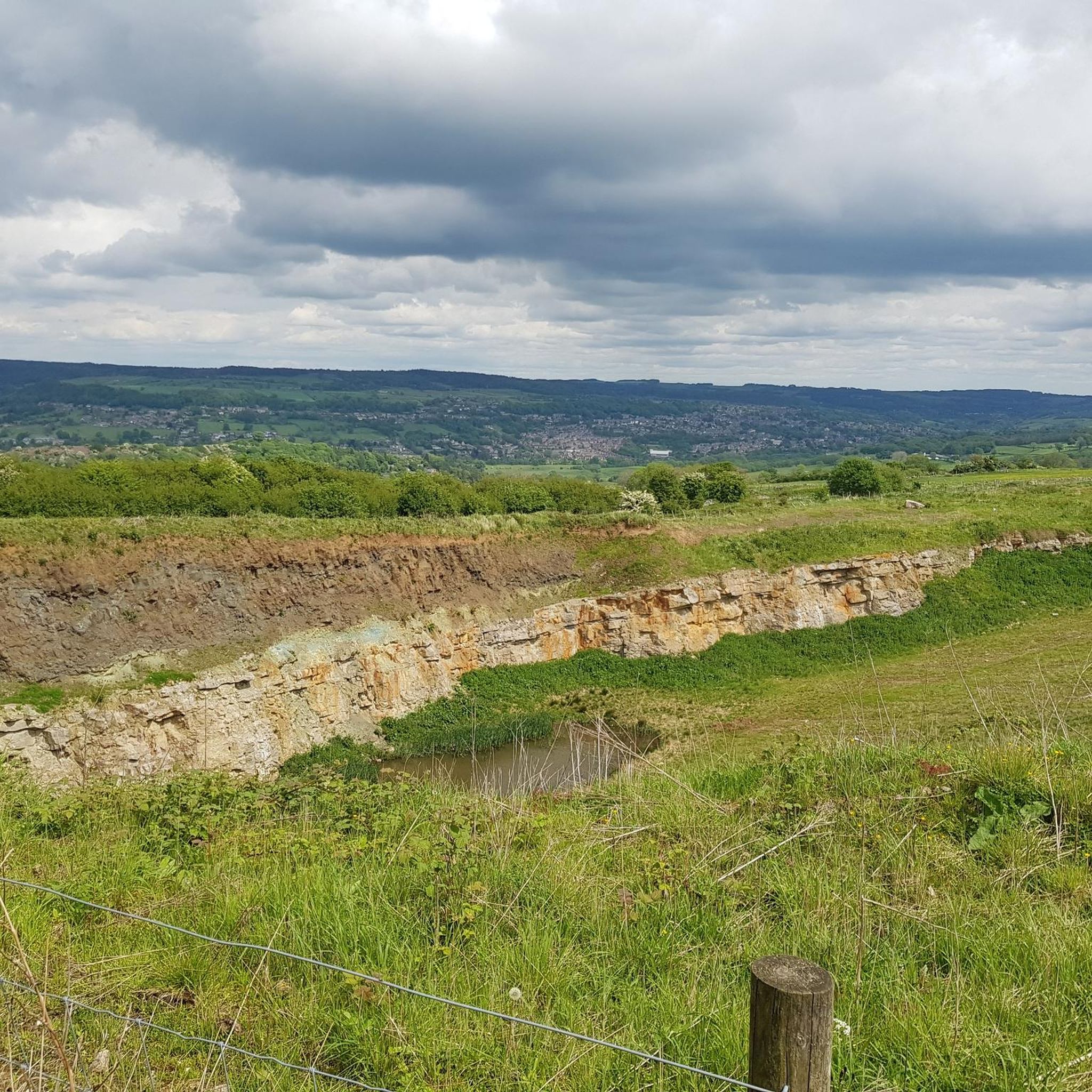
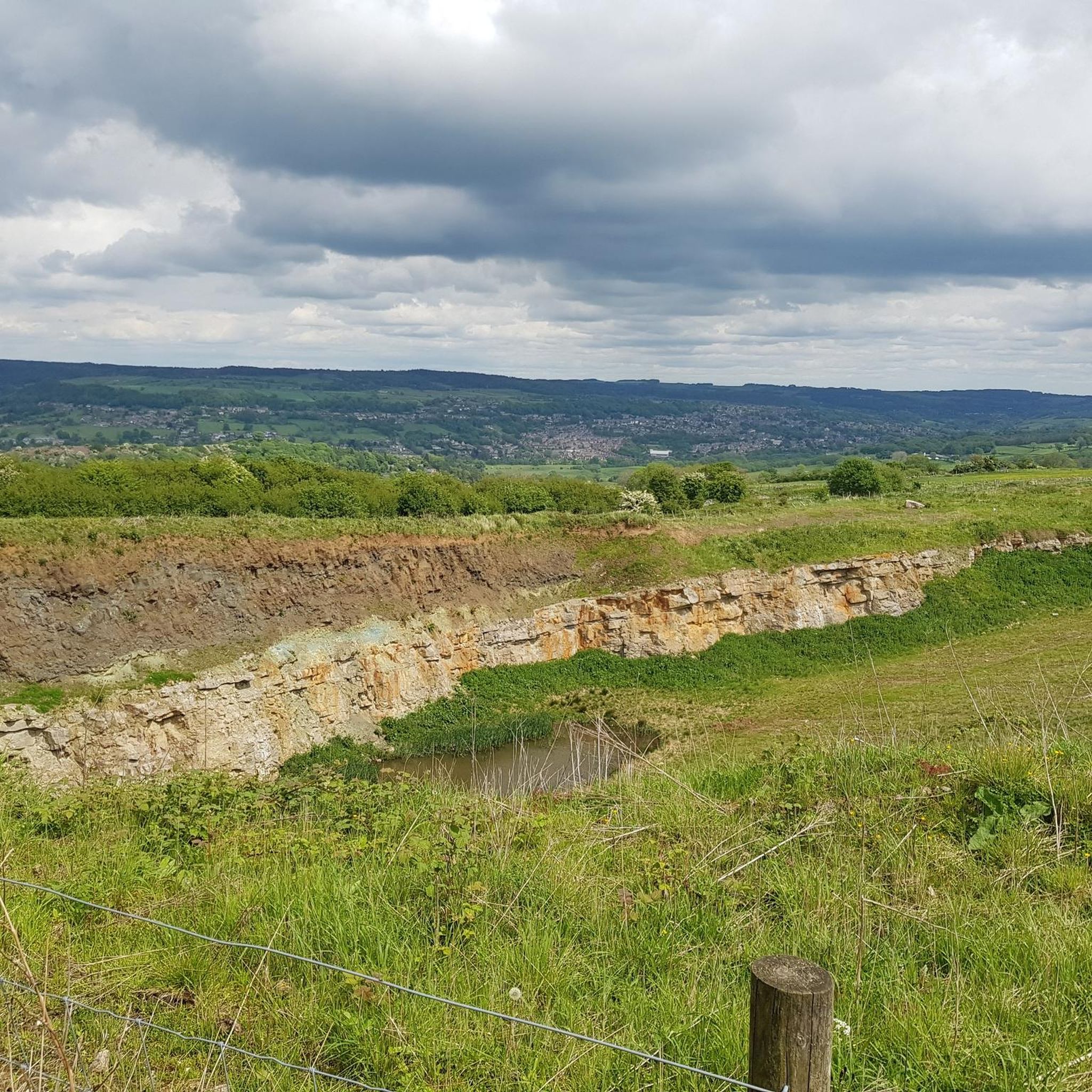
High Tor is the last place in England where eagles nested and is a stunning limestone escarpment which is the site of former lead mines.
0
0

Lathkill Head Cave is a cavern within the limestone of the gorge that forms Lathkill Dale, in the White Peak area of the Peak District, in Derbyshire. The cave mouth is found to the east of Monyash. In wet weather, the water trickling in innumerable rills into the cave creates a stream gushing forth from its mouth to form the River Lathkill, whence the name of the cave. In dry weather the headwater of the river is formed from the springs a little below. The rocks here are fissured and complex. Cavers have found a number of entrances into the cave which are explored by the fearless.
1
0

Hermit's cave dates back to the 14th century and features a 4 foot (1.2 m) high carved crucifixion on the wall and a niche for a lamp or candle. The crucifixion is carved so that the hermit could see it from his sleeping ledge on the west wall. The cave is secured with an iron railing and so can only be viewed from the exterior.
2
0
Frequently Asked Questions
What kind of caves can I explore around South Darley?
The South Darley area, situated within the Derbyshire Dales and partly in the Peak District National Park, offers a diverse range of subterranean sites. You'll find natural caverns, historically modified rock shelters, and former mines, all showcasing the region's unique geological and human history.
Are there any caves with historical significance near South Darley?
Yes, the area is rich in history. You can visit Hermit's Cave and Crucifixion Carving, which dates back to the 14th century and features a carved crucifixion. Another notable site is Rowtor Rocks, where you'll find natural formations intertwined with carvings and sculpted features made by local parson Thomas Eyre centuries ago.
Which caves showcase the natural geological features of the region?
Lathkill Head Cave is an excellent example. Located within the limestone gorge of Lathkill Dale, it's a natural wonder where water trickles into the cave during wet weather, forming the gushing River Lathkill. It highlights the geological processes of the Peak District and the formation of underground rivers.
Are there any family-friendly cave exploration options?
Rowtor Rocks and the Druid's Cave is a fantastic spot for families. It offers a wonderland of carved boulders, hidden tunnels, and secret steps, perfect for scrambling and exploring. Kids can enjoy discovering carved chairs and altars in a safe, engaging environment.
Can I experience caving in a former mine near South Darley?
Yes, Devonshire Mine in Darley Dale offers guided caving experiences. While not a natural cave, it provides an opportunity to explore a former lead mine, offering insights into the region's significant mining heritage from the 17th and 18th centuries.
What outdoor activities can I combine with a visit to the caves?
The area around South Darley is great for various outdoor activities. You can find numerous running trails, road cycling routes, and easy hikes. For example, explore the running trails, or try one of the easy hikes like the Clough Wood loop.
Are there any hidden gem caves worth visiting a short drive from South Darley?
Anchor Church Cave, located near Repton/Ingleby, is considered a hidden gem. Although a short drive away, it's historically significant, believed to have been inhabited as far back as the 8th century, with rooms, windows, and doors carved into the rock. It offers a unique historical perspective and is accessible via a scenic walk along the River Trent.
What should I wear when exploring caves in the South Darley area?
For general cave exploration, especially in natural caverns or former mines, it's advisable to wear sturdy, grippy shoes or boots. Layers of clothing are recommended as temperatures underground can be cooler and consistent. If you plan on scrambling or entering wet areas, waterproofs and appropriate caving gear might be necessary.
What do visitors enjoy most about the caves around South Darley?
Visitors particularly enjoy the blend of natural beauty and historical intrigue. Sites like Rowtor Rocks are praised for being a 'proper playground' where you can spend hours exploring. The unique carvings and the sense of discovery in places like Hermit's Cave also leave a lasting impression.
Are permits required for caving in the South Darley area?
For casual exploration of accessible cave mouths or rock shelters like Lathkill Head Cave or Rowtor Rocks, permits are generally not required. However, for deeper caving experiences, especially in places like Devonshire Mine, guided tours or specific permits from caving organizations may be necessary. Always check with local authorities or tour operators for specific requirements.
Is there public transport available to reach caves near South Darley?
While South Darley itself is a smaller parish, public transport options to the wider Peak District area exist. However, reaching specific cave sites often requires a combination of bus services and walking, or personal transport. It's best to research specific routes and timetables for your chosen destination in advance.
Most popular routes around South Darley
Most popular attractions around South Darley

Get inspired with the komoot mobile app


Explore more
Extend your search for the best caves by checking out these guides of the top ones around South Darley:
