Top 3 Lakes around Lancaster
Best lakes around Lancaster offer diverse natural and man-made water bodies for exploration. The region features a mix of natural lakes, reservoirs, and unique water features, many within an hour's drive. These areas provide opportunities for various outdoor activities and wildlife observation. Lancaster's landscape includes woodlands, rolling hills, and protected natural reserves.
Best lakes around Lancaster
- The most popular lakes is Hawes Water, a lake that is one of two natural freshwater lakes in Lancashire. It reaches a depth of 30 meters and supports diverse birdlife and insects.
- Another must-see spot is Abbeystead Reservoir Dam, a man-made monument. This reservoir was constructed in 1855 to supply water to mills along the River Wyre.
- Visitors also love Leighton Moss Nature Reserve, an other natural area. This reserve, created in 1964, provides saltmarsh habitats for wildlife such as bitterns, red deer, and Greylag geese.
- Lancaster is known for natural lakes, reservoirs, and nature reserves. These areas offer a variety of water-based activities and wildlife viewing opportunities.
- The lakes around Lancaster are appreciated by the komoot community, with more than 20 upvotes and 6 photos shared.
Last updated: July 11, 2026
Hawes Water
Highlight • Lake
Tip by

Abbeystead Reservoir Dam
Highlight • Monument
Tip by

Sign up now to discover places like this
Get recommendations on the best single tracks, peaks, & plenty of other exciting outdoor places.
Sign up for free
Leighton Moss Nature Reserve
Highlight • Natural
Run by the RSPB, the reserve has a visitor centre with a shop and tea room as well as observation hides around the site. The reserve is open from 9am until dusk daily and entrance is free.
Tip by

Start today with a free account
Your next adventure awaits.
Login or Signup
Popular around Lancaster

Lancashire Coastal Way — Hike amidst scenic gold and wildlife treasures
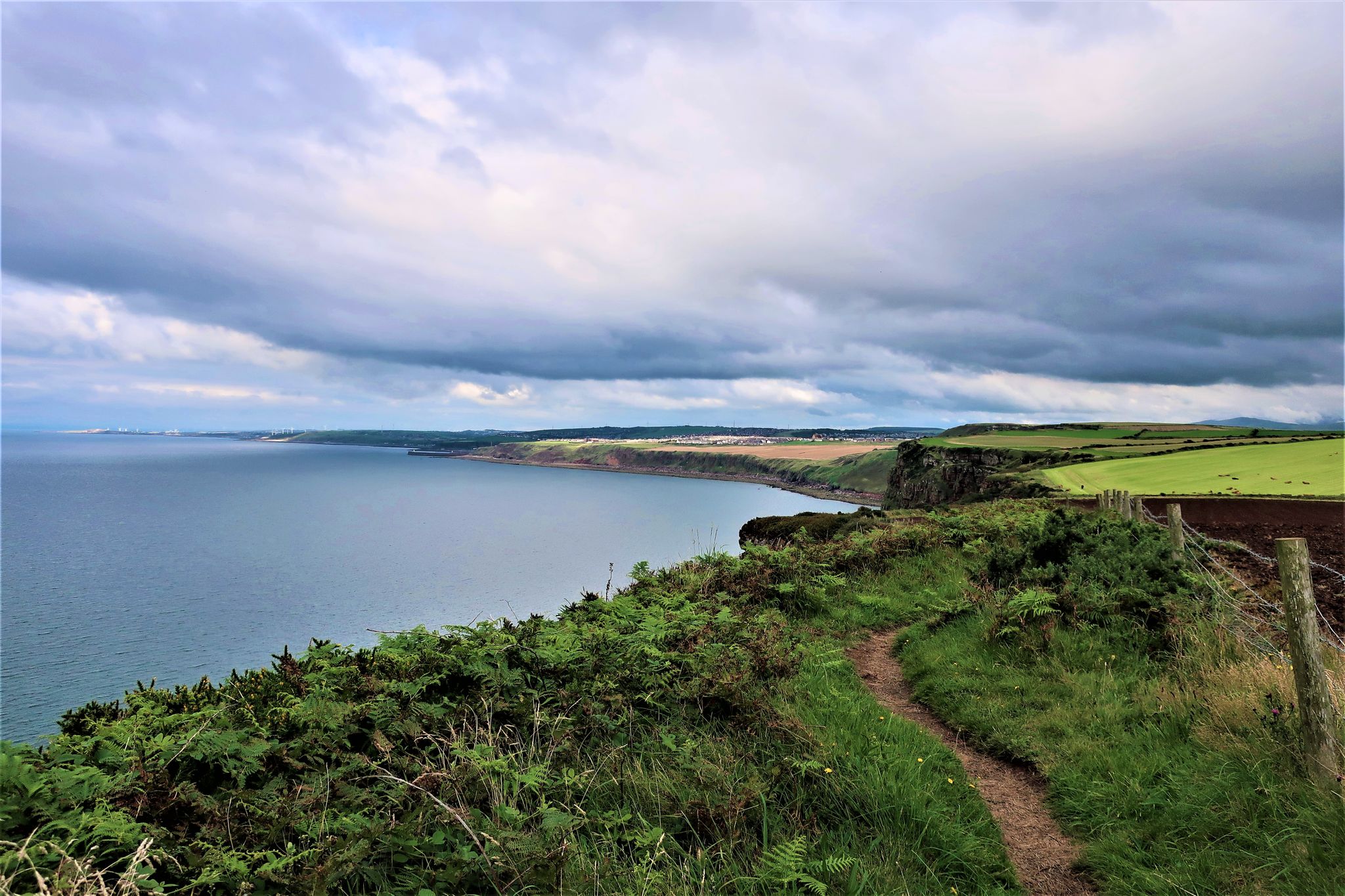
The Cumbria Coastal Way — Hike vibrant estuaries and historic coastline
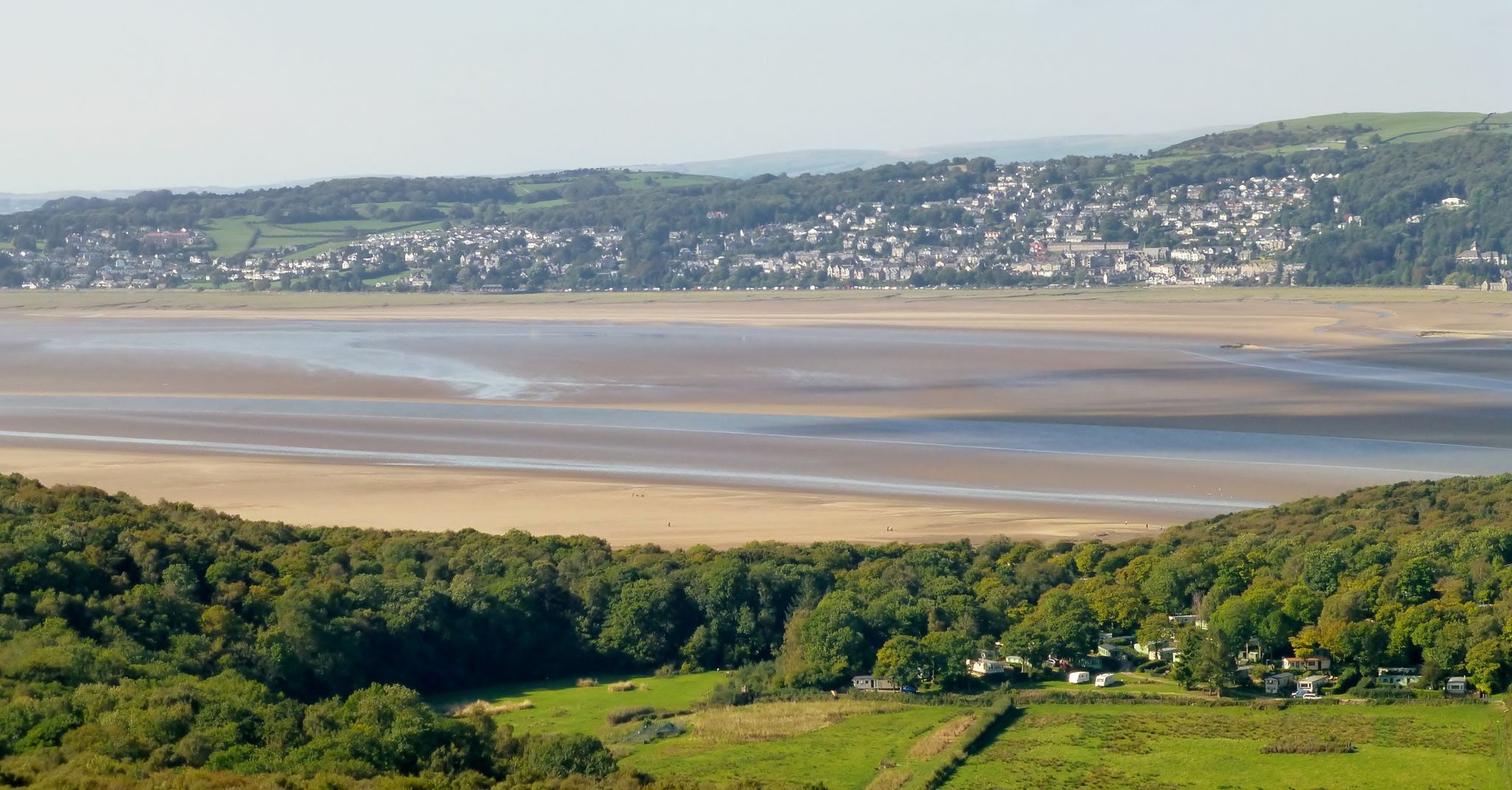
Bay Cycle Way – The perfect ride for first-time adventurers
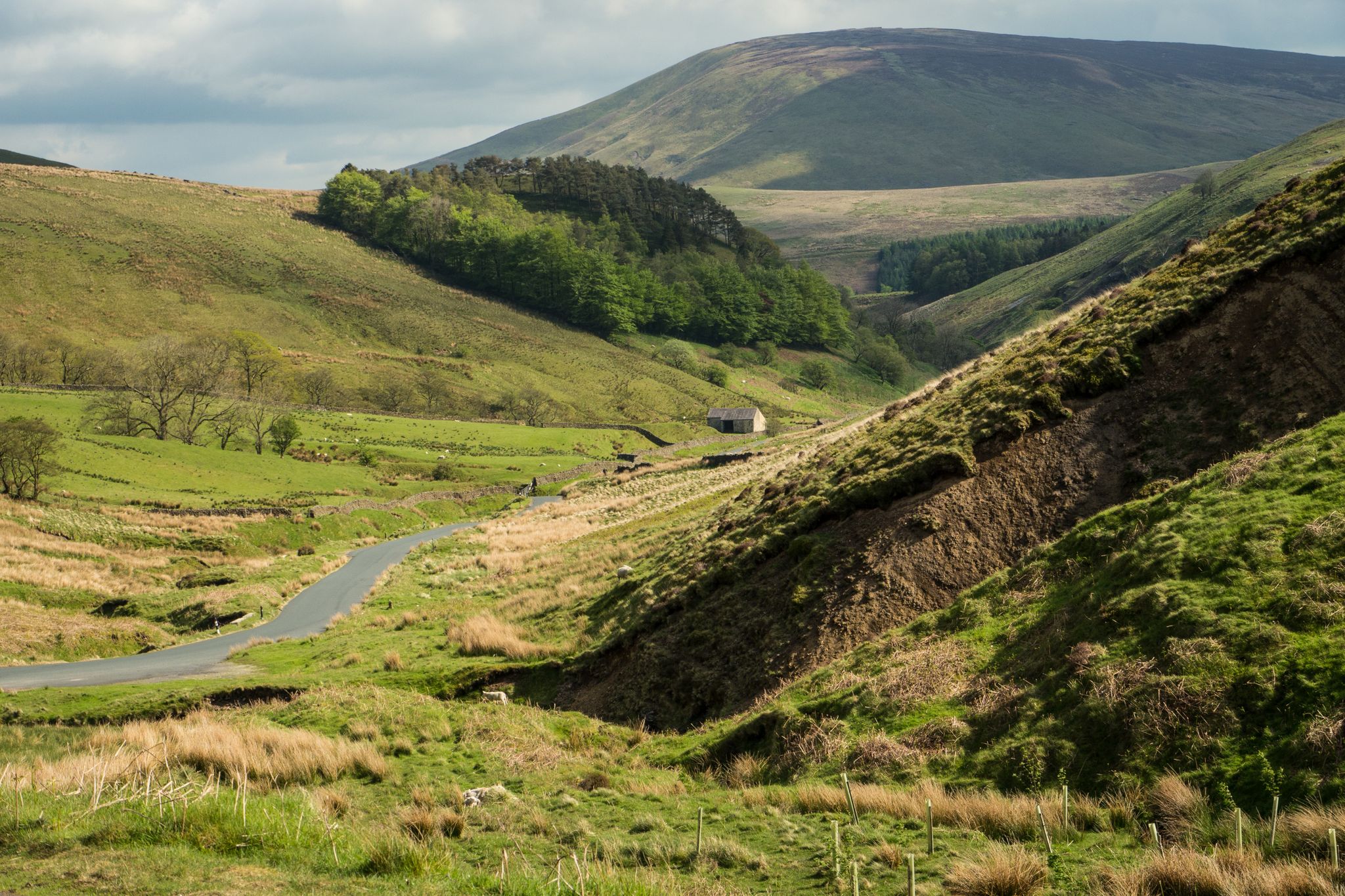
Lancashire Cycleway loop – From the countryside to the coast
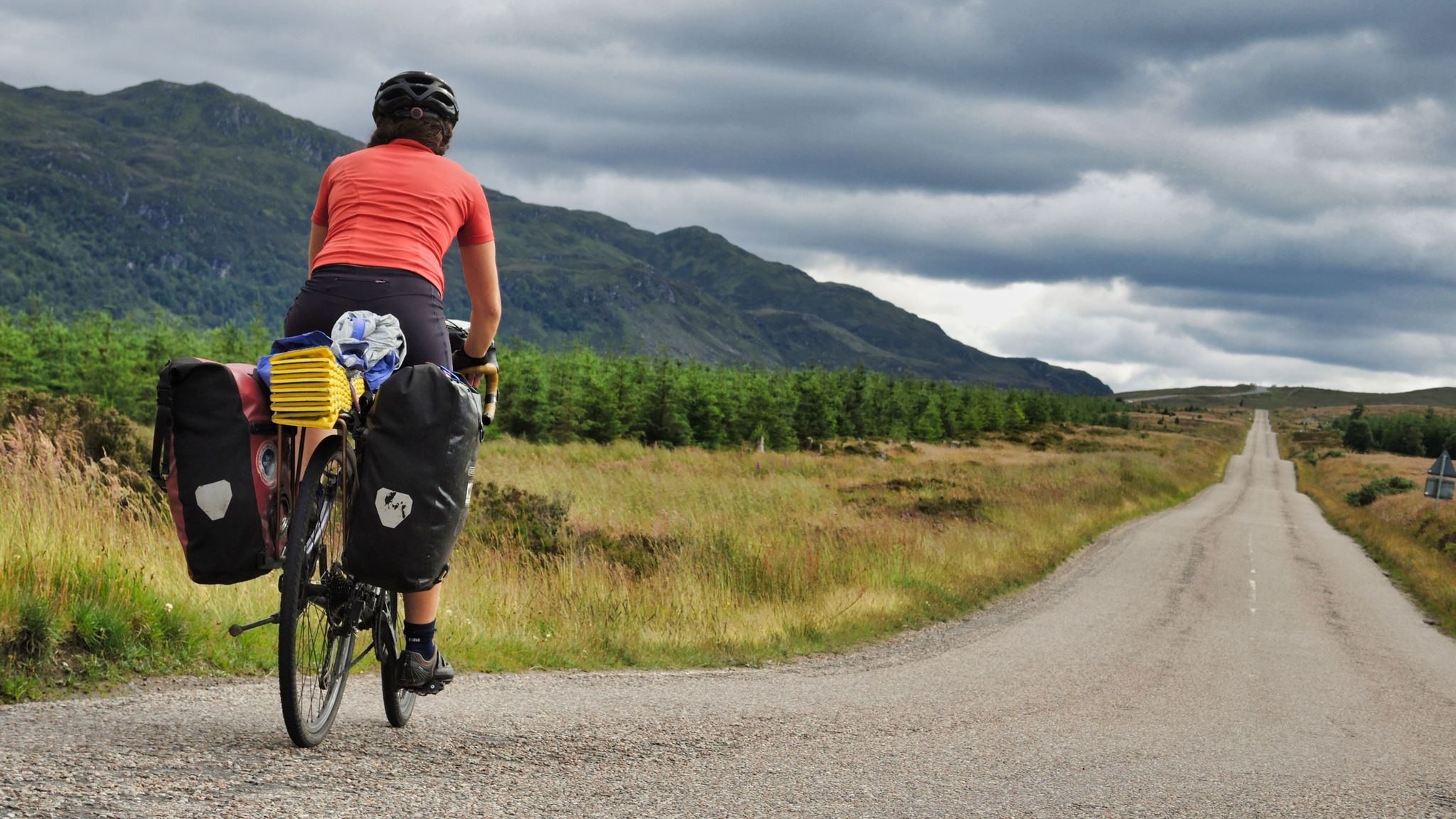
Land's End to John O'Groats – an unforgettable ride
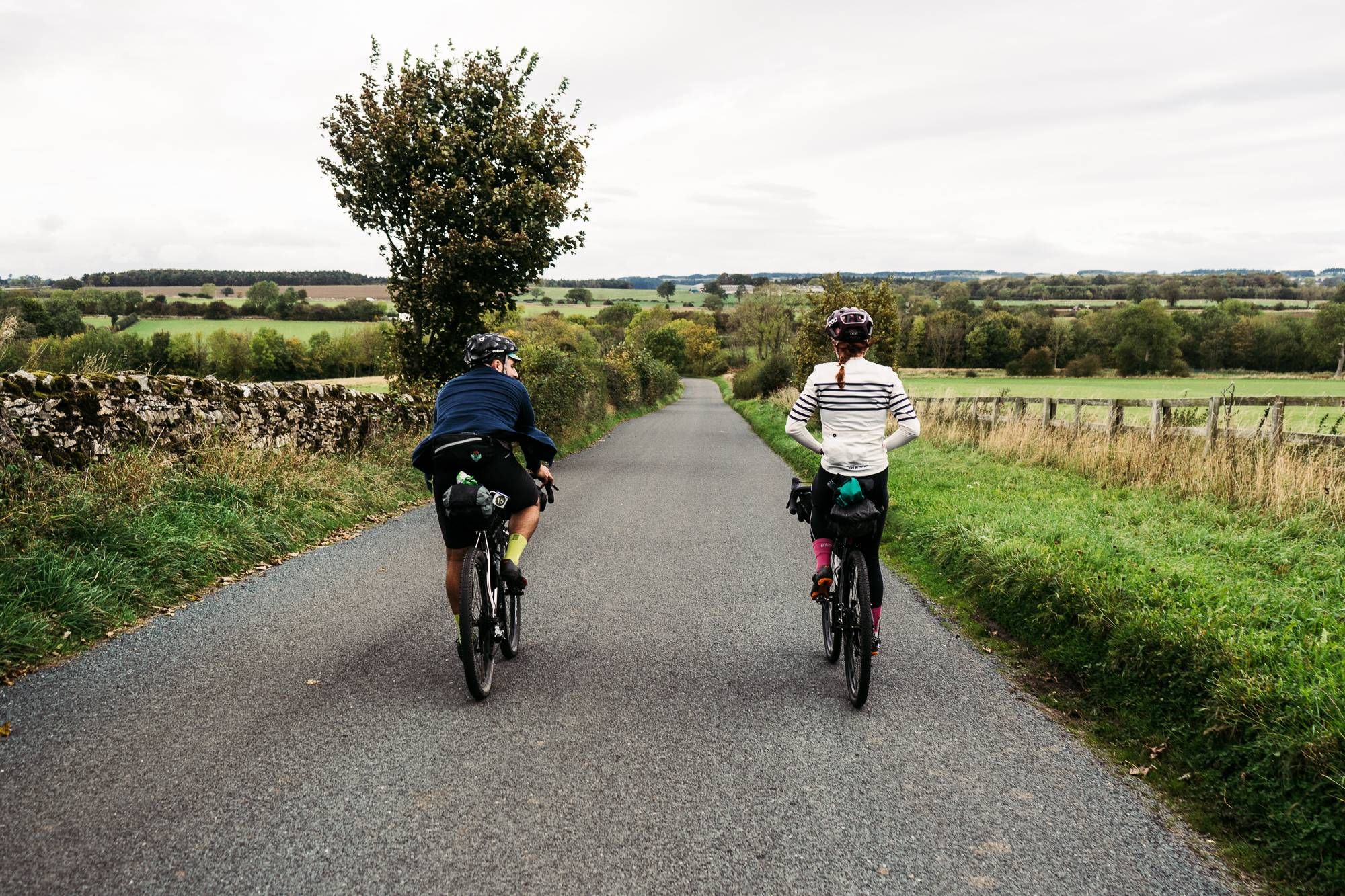
Cycle the Way of the Roses – Historic cities to rolling hills
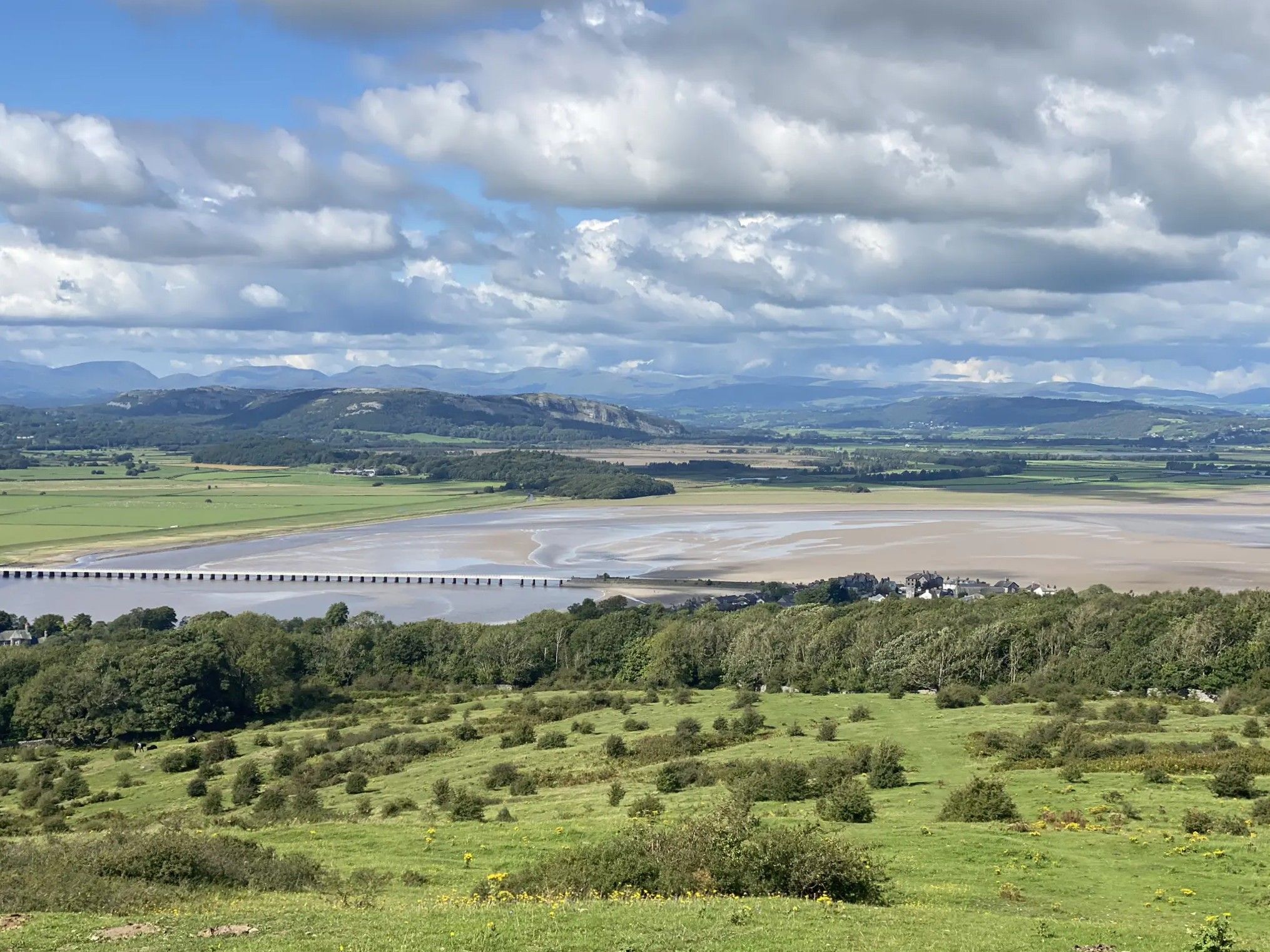
Hiking adventures in South Cumbria along the Furness Line
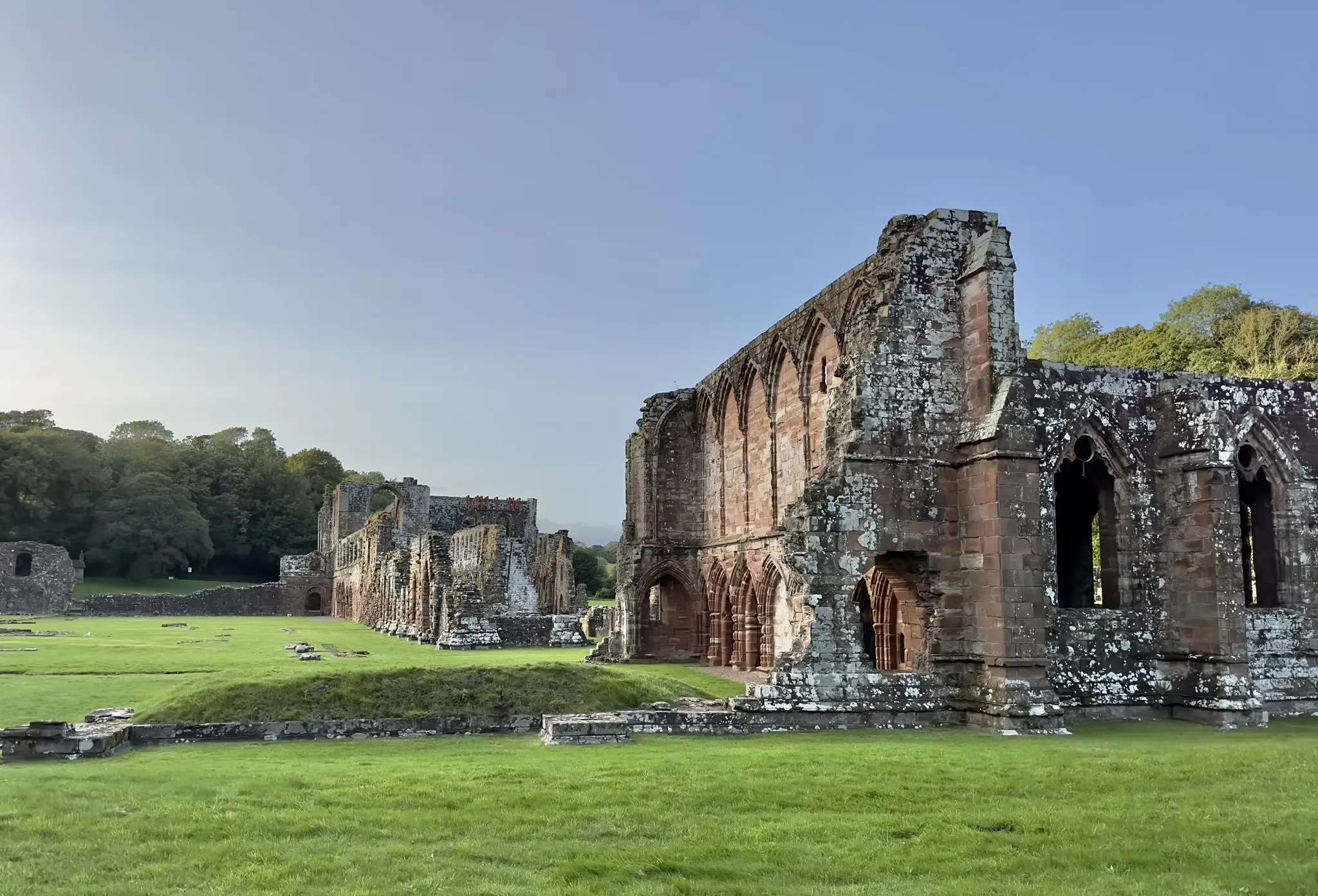
Train and bike in South Cumbria — Cycling along the Furness Line
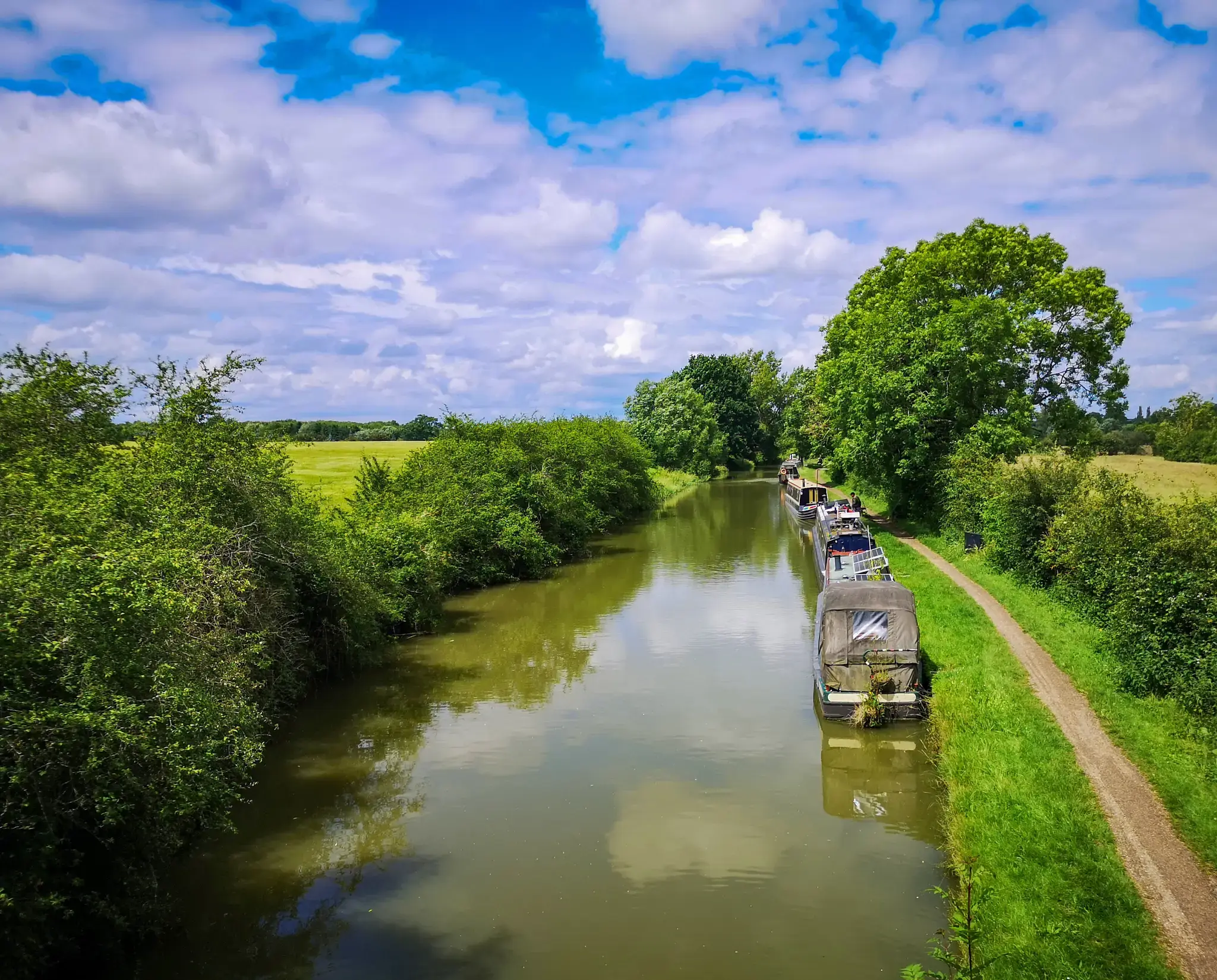
London to Carlisle – National Cycle Network Route 6
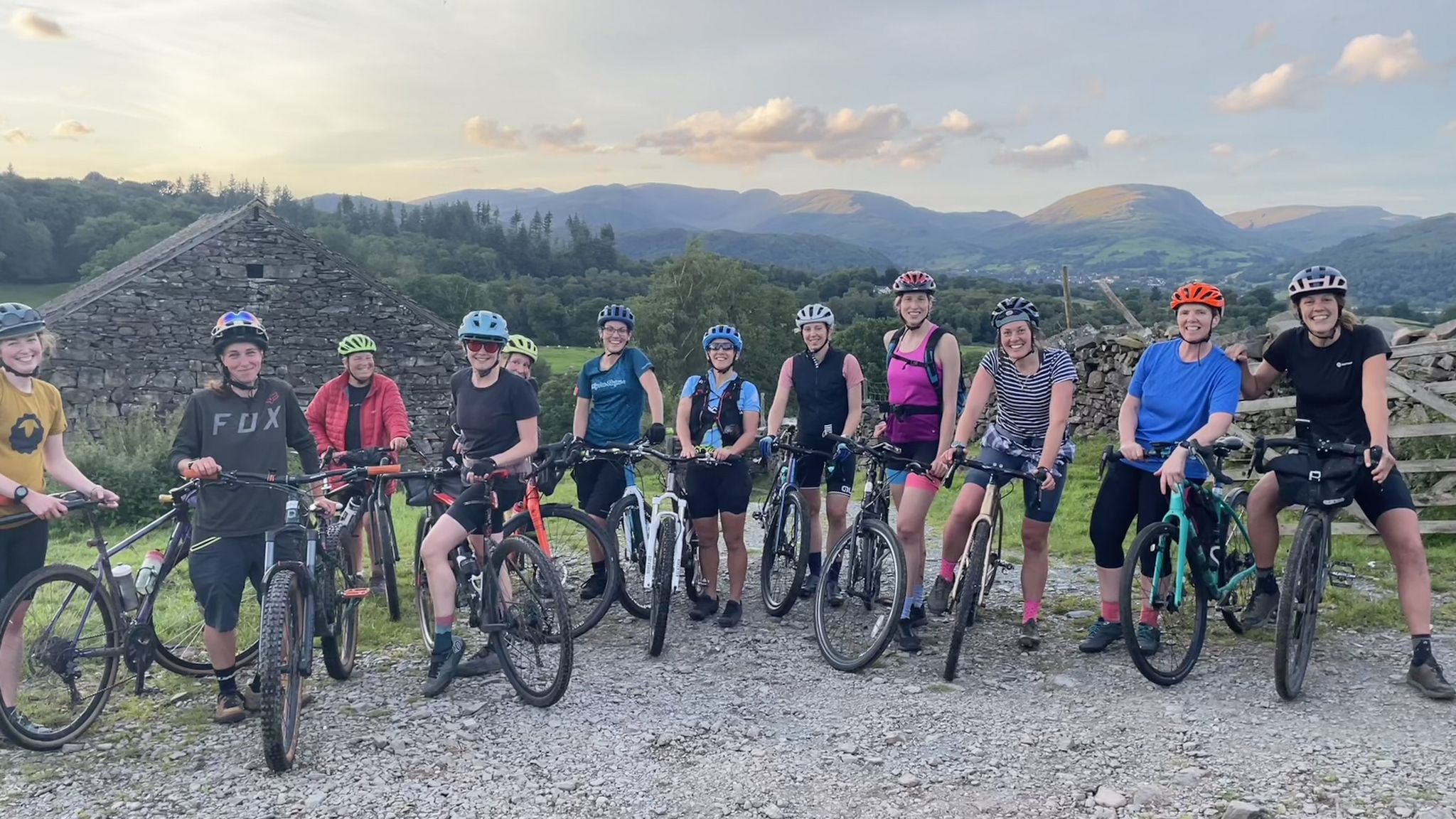
Beginner-friendly gravel rides in the Lake District
Other adventures around Lancaster


Tips from the Community

A visit to the reserve is highly recommended. However, there is now an entry fee: £5 for cyclists.
1
0

The Abbeystead reservoir was built in 1855 by the Corporation of Lancaster to supply mills lower down the River Wyre in the dry season.
0
0
I think Kenny's above tip refers to the Hawes Water in the Lake District.
2
0
Hawes Water, sometimes called Hawes Tarn on the Gait Barrows National Nature Reserve is one of only two natural fresh-water lakes in Lancashire, along with Marton Mere. Unlike its big namesake in the Lake District it is a small lake but quite deep at 30 metres. Great centre for both birdlife and insects.
0
0

Abbeystead Reservoir, constructed in 1855, was originally designed to provide a reliable and robust water source to power the mills downstream along the river Wyre. As the industrial era waned and the need for such water resources diminished, the reservoir ceased its active service. Nevertheless, the weirs that once regulated its flow are still diligently maintained to this day.
2
0
Hawes water, positioned as the easternmost lake within the Lake District, serves a crucial role as a reservoir. In 1940, the eastern side of the lake was dammed, resulting in the flooding of Mardale valley and the submersion of the village of Mardale. During periods of drought, the submerged village resurfaces, a highly anticipated event cherished by both locals and visitors.
1
1

Abbeystead reservoir was built in 1855 to supply a steady and powerful flow of water to the mills down the river Wyre. With the demise of the industry the reservoir is no longer in service but the weirs are still maintained.
1
0

The stunning Leighton Moss Reservoir was created in 1964 to provide saltmarsh habitats for rare and beautiful wildlife. You will find bitterns, red deer and Greylag geese hiding amongst the reed beds. Run by the RSPB, the reserve has a visitor centre with a shop and tea room as well as observation hides around the site. The reserve is open from 9am until dusk daily and entrance is free.
3
0
Frequently Asked Questions
What types of lakes can I find around Lancaster?
Around Lancaster, you'll discover a mix of natural lakes and man-made reservoirs. For example, Hawes Water is one of Lancashire's two natural freshwater lakes, while Abbeystead Reservoir Dam is a historic man-made structure.
Are there any nature reserves or wildlife viewing opportunities near Lancaster's lakes?
Yes, Leighton Moss Nature Reserve is a prime spot for wildlife enthusiasts. This reserve features saltmarsh habitats that attract diverse species like bitterns, red deer, and Greylag geese. It also has a visitor centre and observation hides.
What historical significance do some of the lakes or reservoirs have?
The Abbeystead Reservoir Dam, for instance, was constructed in 1855 to provide a consistent water source for mills along the River Wyre during the industrial era. Although no longer actively in service for that purpose, its weirs are still maintained today.
Are there family-friendly lake destinations around Lancaster?
Yes, both Hawes Water and Leighton Moss Nature Reserve are considered family-friendly. Leighton Moss, in particular, offers a visitor centre and hides which can be engaging for all ages interested in nature.
What outdoor activities can I do near the lakes around Lancaster?
Beyond enjoying the lakes themselves, you can explore various outdoor activities in the surrounding area. There are numerous waterfall hikes, road cycling routes, and mountain biking trails available for different skill levels.
Are there hiking trails near the lakes?
Yes, the region offers a variety of hiking opportunities. For example, you can find several waterfall hikes around Lancaster, ranging from moderate to difficult, which often pass through scenic landscapes near water bodies.
What kind of birdlife can be seen at the lakes?
The lakes and surrounding wetlands are excellent for birdwatching. Leighton Moss Nature Reserve is particularly known for its diverse bird populations, including bitterns and Greylag geese, especially within its reed beds.
How deep is Hawes Water?
Hawes Water, one of Lancashire's natural freshwater lakes, reaches a depth of 30 meters.
When was Abbeystead Reservoir built?
The Abbeystead Reservoir was constructed in 1855.
What do visitors appreciate most about the lakes around Lancaster?
Visitors frequently appreciate the diverse natural and man-made water bodies, the opportunities for various outdoor activities, and the rich wildlife observation. The komoot community has shown its appreciation with over 20 upvotes and 6 photos shared for the highlights in this guide.
Are there facilities available at Leighton Moss Nature Reserve?
Yes, Leighton Moss Nature Reserve, run by the RSPB, provides a visitor centre, a shop, a tea room, and observation hides around the site for a more comfortable visit.
Most popular routes around Lancaster
Most popular attractions around Lancaster

Get inspired with the komoot mobile app


Didn’t find what you were looking for?
Find the best lakes around Lancaster per region:
Explore more
Still not found your perfect lake around Lancaster? Check out the guides of these regions to see even more beautiful places.
