Top 6 Castles around Chichester
Best castles around Chichester are found in a region rich with history, nestled between the South Downs National Park and the coast of West Sussex. This area offers a diverse landscape, from rolling hills to historic market towns. The vicinity of Chichester provides access to numerous historical sites, including remnants of Roman and Norman fortifications. Its strategic location has made it a significant settlement throughout various periods of English history.
Best castles around Chichester
- The most popular castles is Cowdray…
Last updated: August 21, 2026
Midhurst Town Centre
Highlight • Monument
Tip by

Cowdray Heritage Ruins
Highlight • Historical Site
Tip by

Sign up now to discover places like this
Get recommendations on the best single tracks, peaks, & plenty of other exciting outdoor places.
Sign up for free
Folly Tower, South Downs National Park
Highlight • Historical Site
Tip by

Uppark House and Garden
Highlight • Monument
Tip by

Remains of Verdley Castle
Highlight • Castle
Tip by

Start today with a free account
Your next adventure awaits.
Login or Signup
Popular around Chichester
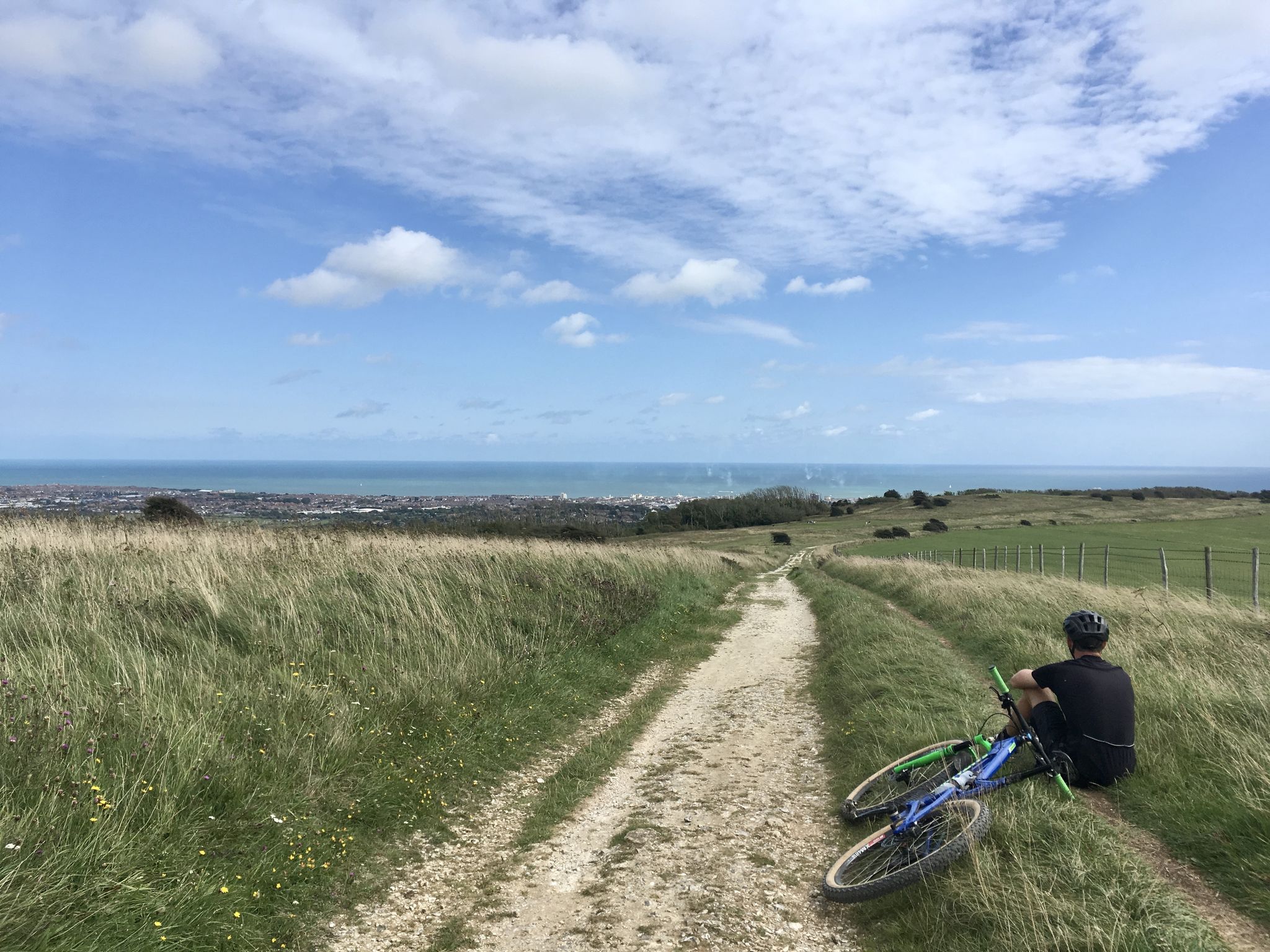
South Downs Way — A Southern off-road utopia
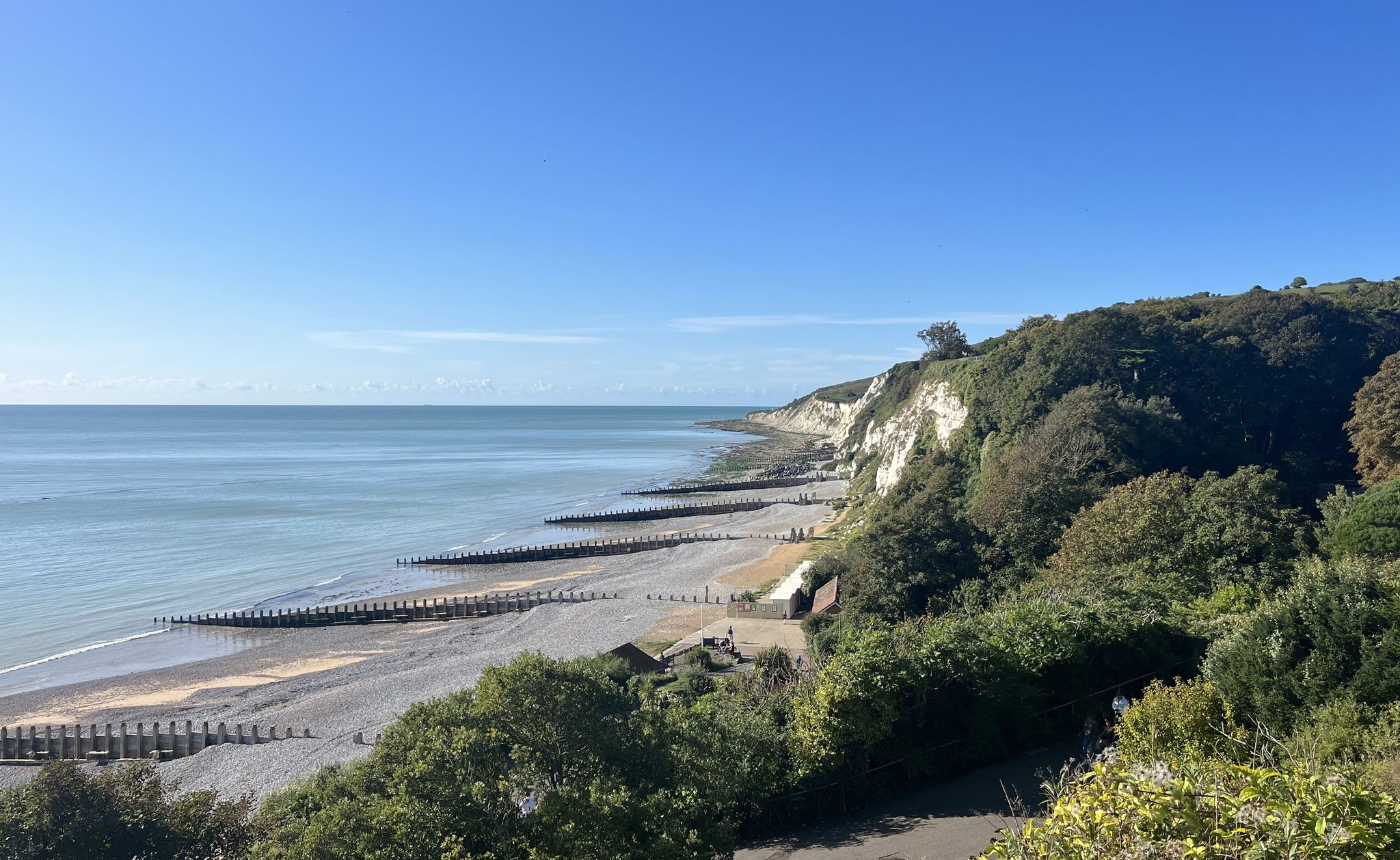
South Downs National Park – A Walk in the Parks
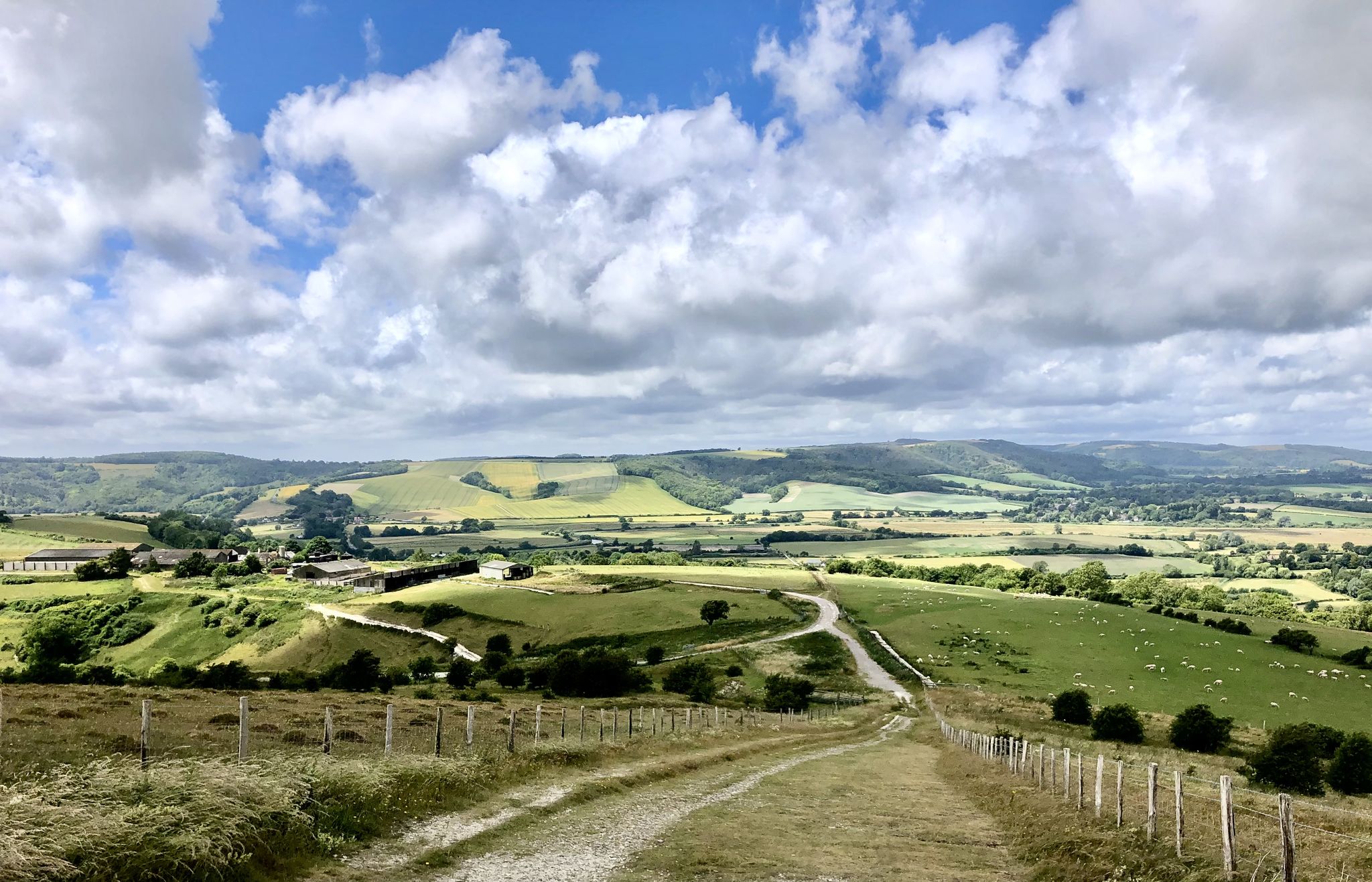
Bikepacking Brighton to Bristol — Ridges, canals and rail paths

South Downs Way – A captivating hike across Southern England
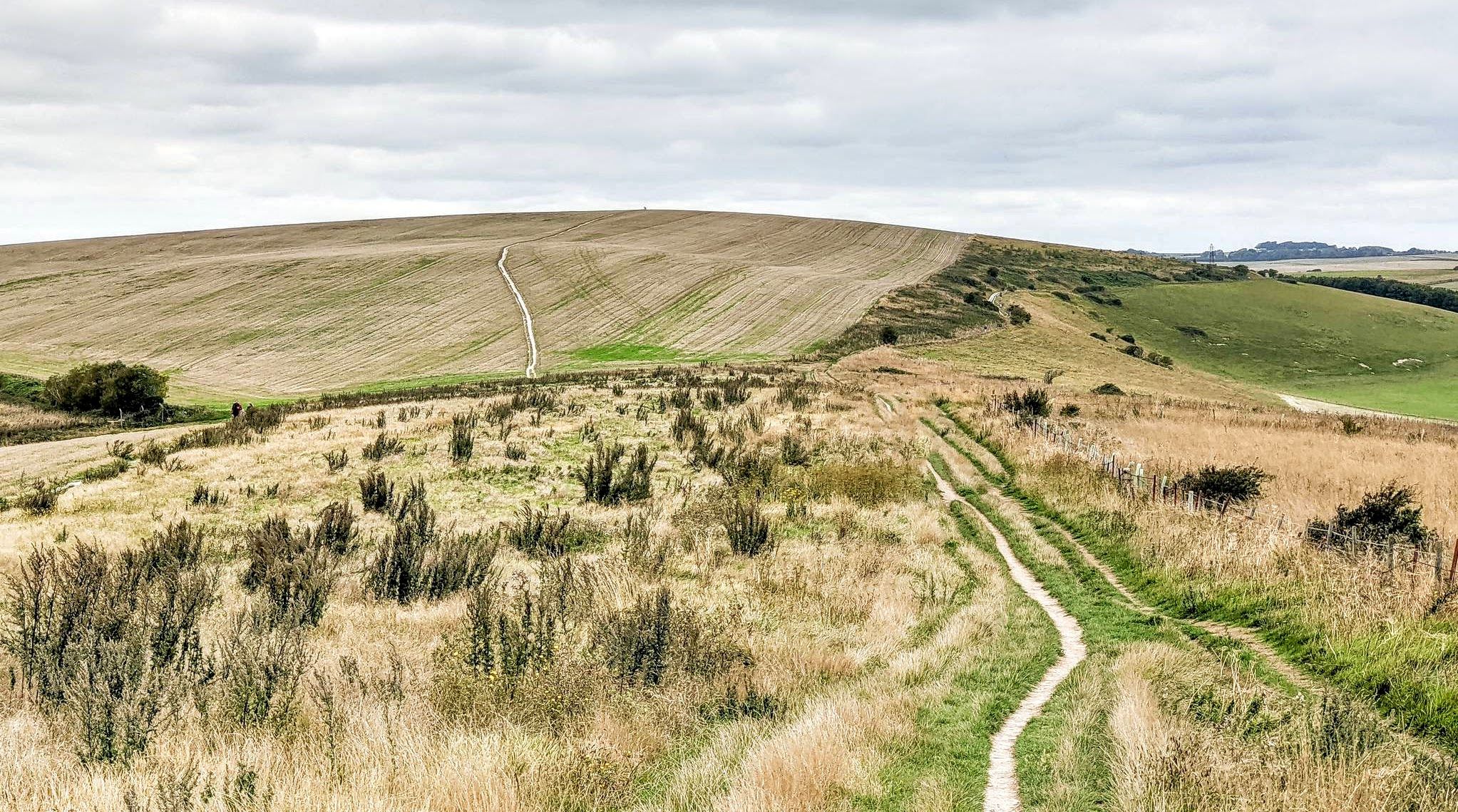
Downs Link and South Downs Way loop from Guildford
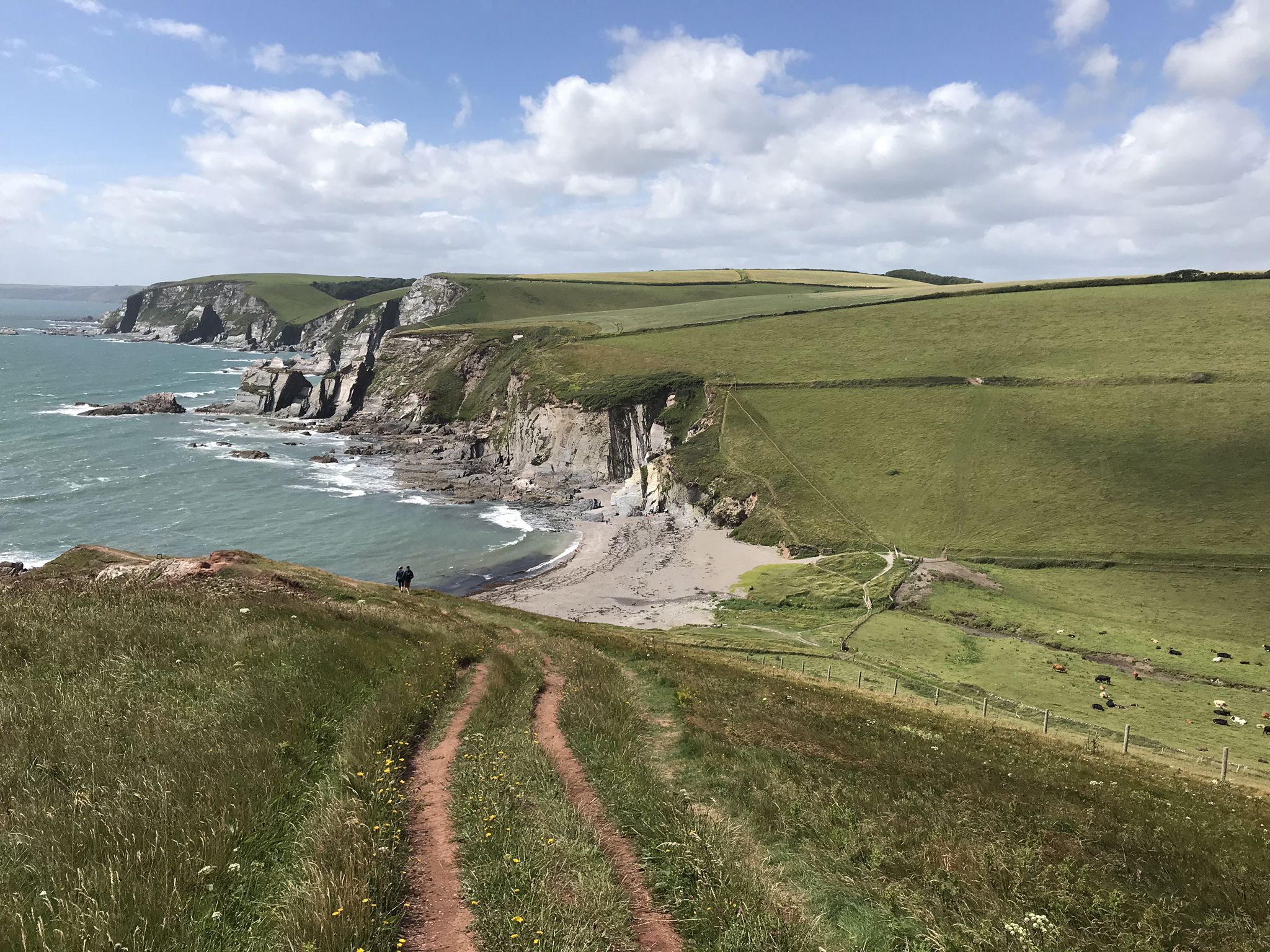
E9 Plymouth to Dover — An epic exploration of England's south coast
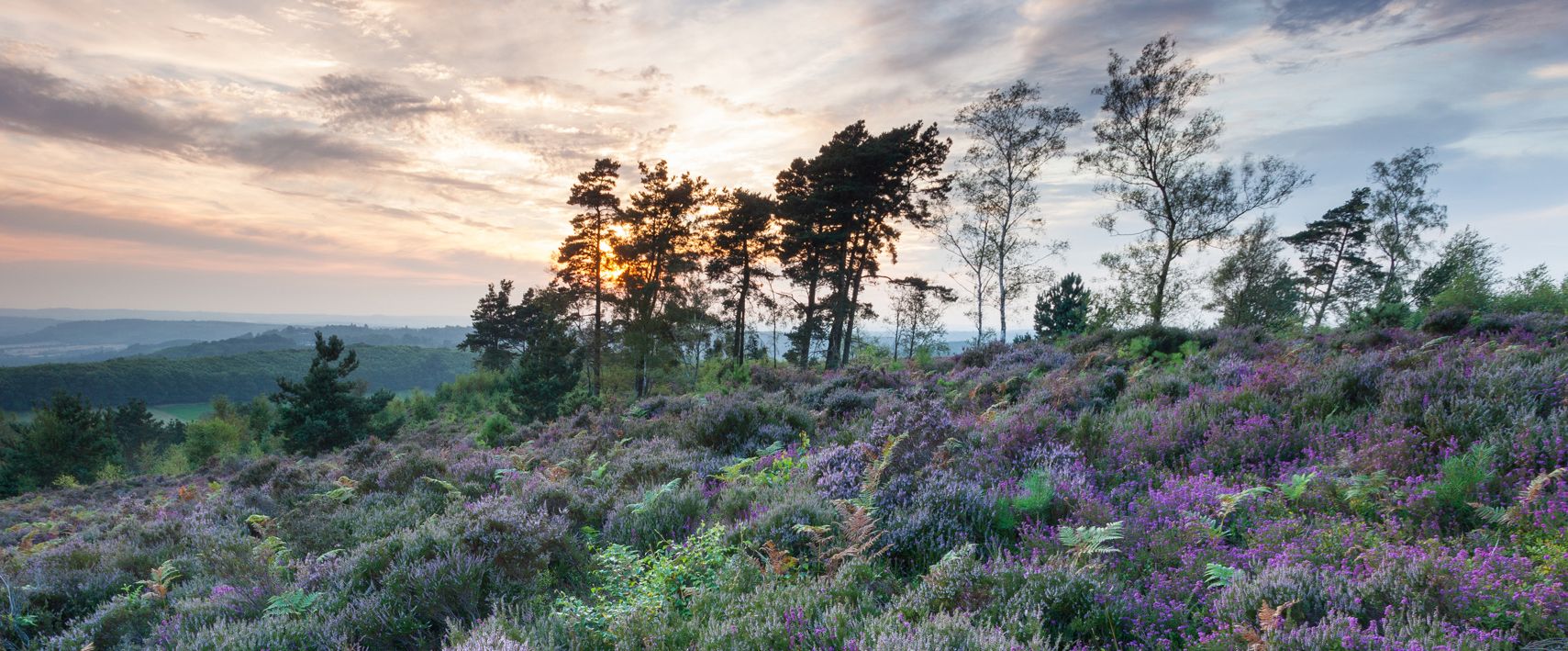
Hiking the Serpent Trail — Snake across Sussex's vibrant Greensand Hills
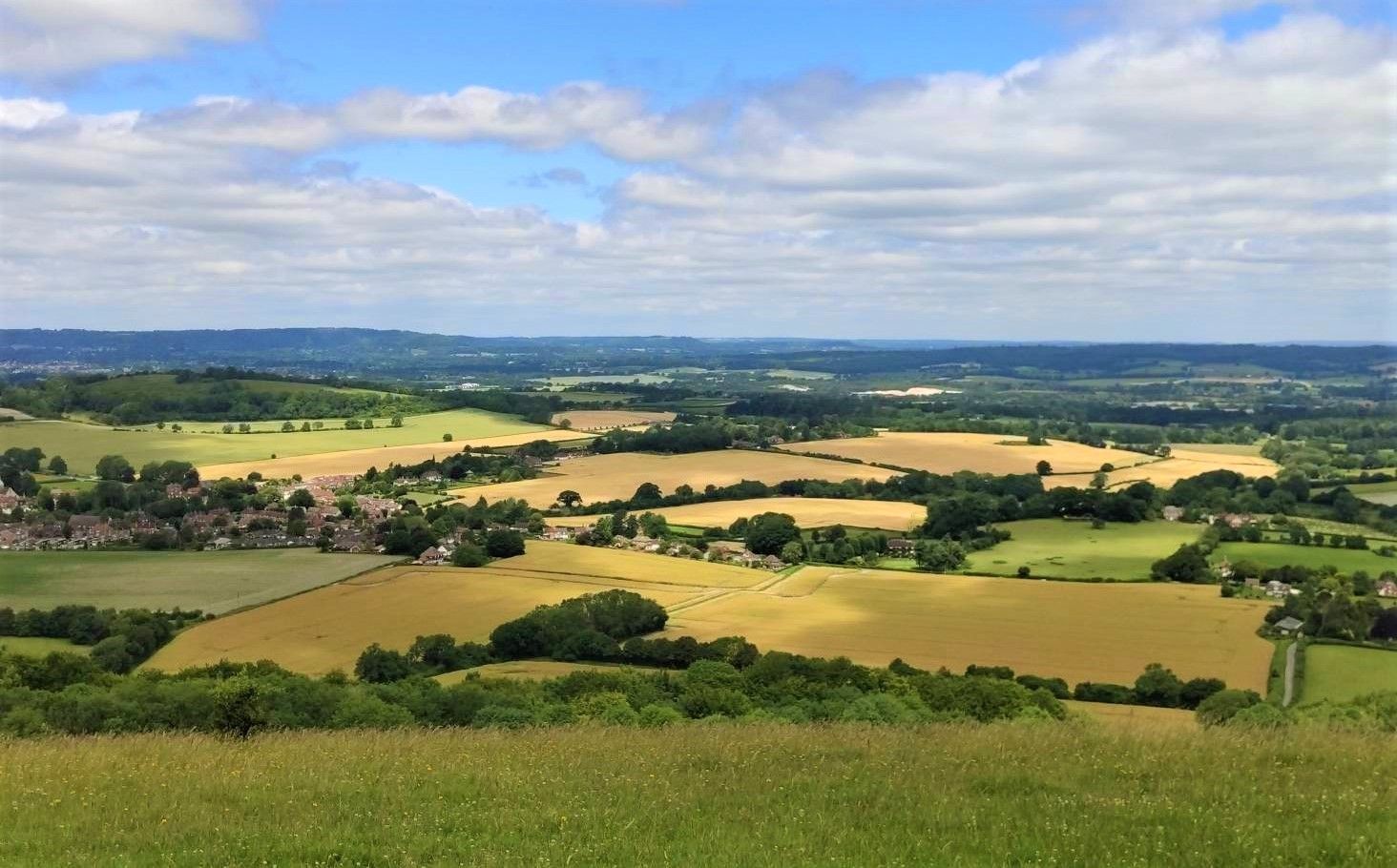
Sussex Border Path — A historic hike through medieval landscapes
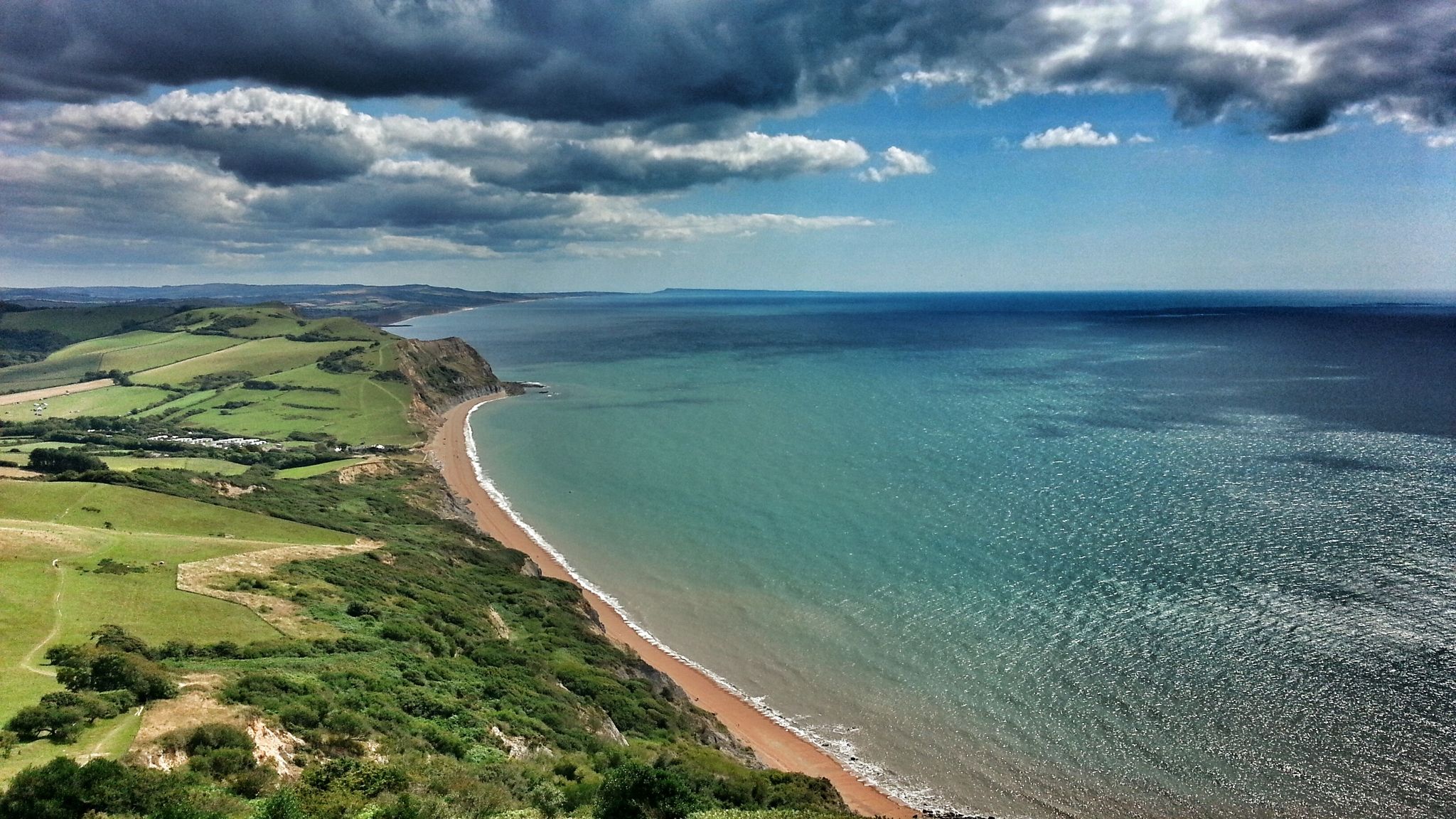
Monarch's Way: Part 3 — Conquer the longest inland trail in England
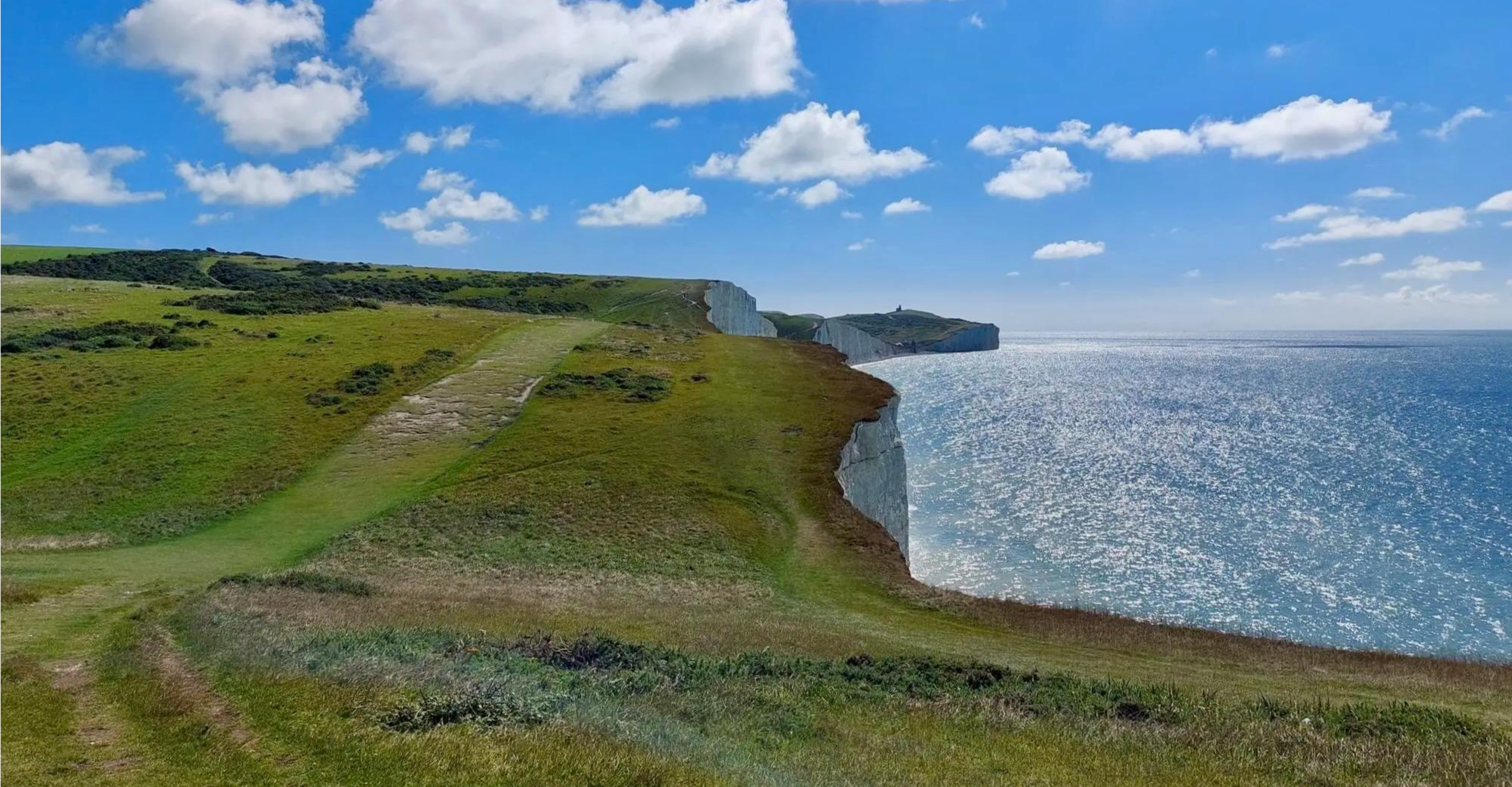
South Downs Way — Hike ancient paths and unique landscapes
Other adventures around Chichester


Tips from the Community

The Cowdray Heritage Ruins are one of England’s most important early Tudor houses and Cowdray is known to have been visited by both King Henry VIII and Queen Elizabeth I. In September 1793, whilst undergoing repairs and refurbishments for the impending marriage of the 8th Viscount Montague, a devastating fire took hold and most of the property was destroyed. The Kitchen Tower is the only part of the mansion to remain intact. https://www.cowdray.co.uk/historic-cowdray/
0
0

Midhurst is a historic market town, parish and civil parish in West Sussex. It lies on the River Rother 20 miles (32 km) inland from the English Channel, and 12 miles (19 km) north of the county town of Chichester. The town has a history that dates back to the Saxon times, and has been the site of a castle, a monastery, a royal residence, and a parliamentary borough. The town is also known for its association with the Cowdray Estate, which includes the ruins of the Tudor Cowdray House and the famous polo club. Midhurst is a charming and picturesque town that offers a wealth of attractions, activities, and amenities for visitors. You can explore the town’s heritage by visiting the parish church of St Mary Magdalene and St Denis, the Norman St Ann’s Castle, the Old Library, and the South Pond. You can also enjoy some retail therapy by browsing the independent shops, galleries, and markets along the town’s streets. You can sample some delicious food and drink at the various pubs, cafes, and restaurants in and around the town.
3
0

In view of the South Downs sits Midhurst, a town rich in architectural history with Tudor, Georgian and Victorian buildings all through the streets. You might also notice the yellow painted wnidow frames on houses in the town and the surrounding area. These properties below to the Cowdray Estate and a visit to the Cowdray Farm Shop and Cafe to the north of the town is well worth it. The town also boasts two ruined castles, Cowdray Castle and a motte and bailey castle on St Ann's Hill. HG Wells attended Midhurst Grammar School and returned to teach there as an adult. 'The Invisible Man' is set in the town. Look out for the blue plaque showing where he worked in a chemists.
2
0

You will find this quaint little castle off the beaten track at the top of the park. It is occupied, so don't stray too close.
1
0

Uppark House is a magnificent stately home perched high on the South Downs ridge. The Grade I-listed property dates to the 17th century and is surrounded by beautiful gardens. Uppark is in the care of the National Trust. Entry cost £5 for adults, £2.50 for children, £12.50 for families, and £7.50 for a one-adult family. For more information, visit: https://www.nationaltrust.org.uk/uppark-house-and-garden.
2
0

I couldn't find it I tried all around on triangulation
0
0

The remains of Verdley Castle. It was a 13th-century hunting lodge, which has been lost for hundreds of years. The building is now evidenced only by some dressed stones in the undergrowth.
0
0
Frequently Asked Questions
What are the most historically significant castles near Chichester?
While Chichester itself primarily retains earthworks of its castle, several historically significant castles are within easy reach. These include Arundel Castle, a stunning medieval fortress and ancestral home of the Dukes of Norfolk; Portchester Castle, unique for being a medieval castle built within a remarkably preserved 3rd-century Roman fort; and Lewes Castle, an imposing Norman fortress with a rare double motte design. You can also explore the extensive Roman walls and Norman fortifications at Pevensey Castle, where William the Conqueror landed in 1066.
Are there family-friendly castles or activities near Chichester?
Yes, several castles offer great experiences for families. Arundel Castle frequently hosts engaging live events like medieval tournaments and falconry displays. Portchester Castle, with its vast nine-acre grounds within Roman walls, is perfect for picnics and exploring. The Cowdray Heritage Ruins are also listed as family-friendly, offering a glimpse into Tudor history. Additionally, Uppark House and Garden, a magnificent stately home, is in the care of the National Trust and offers family-friendly entry.
What natural features or viewpoints can I find near these castles?
Many castles are set amidst beautiful natural landscapes. From Arundel Castle's keep, you get panoramic views of the Sussex countryside, the River Arun, and the South Downs. Portchester Castle offers stunning views of Portsmouth Harbour and the coastline from its outer walk. Climbing to the top of Lewes Castle's Norman keep rewards you with extensive views across Sussex. For a unique viewpoint, visit Folly Tower, South Downs National Park, a quaint little castle off the beaten track at the top of the park.
What is the best time of year to visit castles near Chichester?
The spring and summer months (April to September) are generally ideal for visiting, offering pleasant weather for exploring castle grounds and gardens. Arundel Castle, for instance, is known for its annual Tulip Festival in spring and its beautiful formal and informal gardens. However, some castles like Portchester Castle and Pevensey Castle, being English Heritage sites, often have good accessibility year-round, though specific opening hours may vary seasonally. Always check individual castle websites for current opening times.
How can I get to the castles near Chichester, and is parking available?
Most major castles like Arundel, Portchester, Lewes, and Pevensey have dedicated parking facilities for visitors. Public transport options vary; Arundel and Lewes have train stations in their respective towns, making them accessible by rail. Portchester is also reachable by train and bus. For specific details on public transport routes and parking availability, it's best to check the individual castle's official website before your visit. For example, you can find more information about Arundel Castle at historichouses.org.
Are there walking routes near castles around Chichester?
Yes, the area around Chichester and its castles offers numerous walking opportunities. For example, the keep at Arundel Castle offers views of the River Arun, suggesting riverside walks. Portchester Castle's outer walls provide a scenic walk with harbour views. You can find various hiking routes in the region, including easy hikes and more challenging trails. Explore options like the Kingley Vale Trail or the Houghton Forest loop via Bignor Hill in the Hiking around Chichester guide.
What is the difficulty of walking trails near these castles?
Walking trails near the castles vary in difficulty. Many castle grounds offer easy, accessible paths suitable for all ages. However, if you venture into the surrounding South Downs National Park, you'll find a range of difficulties. For instance, the Easy hikes around Chichester guide features routes like the Kingley Vale Trail. More moderate and difficult trails, such as those found in the Hiking around Chichester guide, can involve varied terrain and elevation changes.
Can I find cafes or pubs near the castles for refreshments?
Yes, most major castle attractions have on-site cafes or tea rooms. Additionally, the towns where these castles are located, such as Arundel, Lewes, and Midhurst, offer a selection of pubs, cafes, and restaurants. For example, Midhurst Town Centre, home to the ruins of Cowdray Castle, boasts various independent shops, galleries, and places to eat and drink.
What kind of historical sites can I expect to see in Chichester itself?
Chichester itself has a rich history, though its Norman castle was largely destroyed. Today, you can see the motte (earthwork mound) of the original Norman castle in Priory Park. The city also features remnants of Roman fortifications and a historic city centre. The Guildhall, built in 1282, was originally part of a friary on the castle site, offering a glimpse into the city's medieval past.
Are there any lesser-known castle ruins or historical sites to explore?
Beyond the prominent castles, you can discover more subtle historical sites. The Cowdray Heritage Ruins near Midhurst are the remains of one of England’s most important early Tudor houses. In Midhurst Town Centre, you'll find not only Cowdray Castle ruins but also a motte and bailey castle on St Ann's Hill. For a true hidden gem, the Remains of Verdley Castle, a 13th-century hunting lodge, are evidenced only by dressed stones in the undergrowth, offering a more adventurous historical exploration.
What outdoor activities can I do near these castles, besides walking?
The region around Chichester and its castles is excellent for various outdoor activities. Besides hiking, you can find numerous mountain biking trails. For example, the MTB Trails around Chichester guide features routes like the 'Unicorn MTB Trail – View of Arundel Castle loop from Duncton,' offering a different perspective of the landscape and historical sites.
Most popular routes around Chichester
Most popular attractions around Chichester

Get inspired with the komoot mobile app


Didn’t find what you were looking for?
Explore Chichester’s best castles region by region:
Explore more
Looking for the best castles somewhere else? Discover other guides around Chichester:
