Top 6 Castles around Winchester
Best castles around Winchester include significant historical sites that offer insight into England's medieval past. Winchester, a city with a rich history, features several prominent castle locations. These sites range from well-preserved structures like the Great Hall of Winchester Castle to extensive ruins such as Wolvesey Castle. The area provides a diverse historical landscape for exploration.
Best castles around Winchester
- The most popular castles is Wolvesey Castle (Old Bishop's Palace), a historical site that was the primary residence of the powerful Bishops of Winchester. The surviving ruins primarily date from the 12th-century palace built by Henry of Blois.
- Another must-see spot is Bishop's Waltham Palace Ruins, a man-made monument that was once a grand residence first constructed in the 12th century. Today, the site is managed by English Heritage and is free to explore.
- Visitors also love Merdon Castle Lane, a castle site that features a half-kilometer hill leading up to the location of an Iron Age hill fort and later Norman castle. Merdon Castle is the site of an Iron Age hill fort and later Norman castle.
- Winchester is known for its medieval castles, fortified palaces, and historic castle ruins. The area offers a variety of castle types to see and explore, from royal residences to episcopal strongholds.
- The castles around Winchester are appreciated by the komoot community, with 39 upvotes and 61 photos shared across 6 highlights.
Last updated: August 21, 2026
Wolvesey Castle (Old Bishop's Palace)
Highlight • Historical Site
Tip by

Bishop's Waltham Palace Ruins
Highlight • Monument
In the 14th century, the palace was taken over by William of Wykeham, the Bishop of Winchester and Chancellor of England. He had the tower built, the great hall rebuilt and other extensions constructed. In the 17th century, the palace was severely damaged in the Civil War, with much of its materials scavenged for other construction work.
Today, the site is managed by English Heritage and is free to explore.
Tip by

Sign up now to discover places like this
Get recommendations on the best single tracks, peaks, & plenty of other exciting outdoor places.
Sign up for free
King Arthur's Round Table, The Great Hall, Winchester Castle
Highlight • Monument
In 1222, Henry III began the construction of one of the earliest Gothic styled medieval halls. Dominating the Great Hall is the iconic Round Table, linked to the ancient legends of King Arthur and his Knights.
The Great Hall is normally open every day from 10am-4.30pm. For more information, visit: hants.gov.uk/thingstodo/greathall.
Tip by
Merdon Castle Lane
Highlight (Segment) • Castle
Merdon Castle is the site of an iron age hill fort and later Norman castle.
Tip by

Fort Nelson
Highlight • Historical Site
Today, the fort houses a fascinating array of cannons and other weapons, with live firing demonstrations and guided tours. You can also explore the tunnels within but don't forget a jumper because they can get rather chilly, so thick are the walls.
Tip by
Start today with a free account
Your next adventure awaits.
Login or Signup
Popular around Winchester

Bedtime Adventure Stories for Grown Ups

King Alfred's Way — History, chalk, grassland and forest
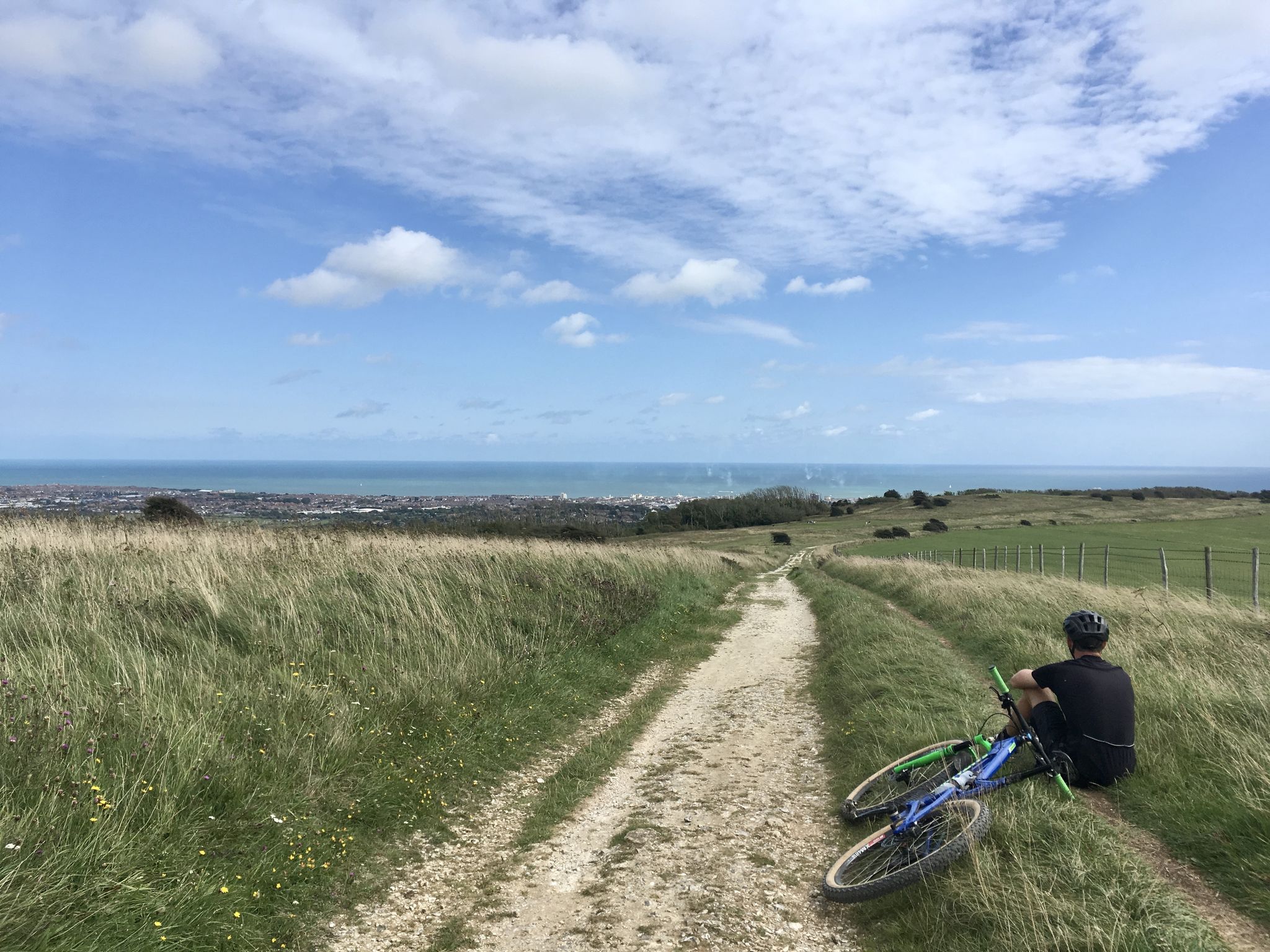
South Downs Way — A Southern off-road utopia
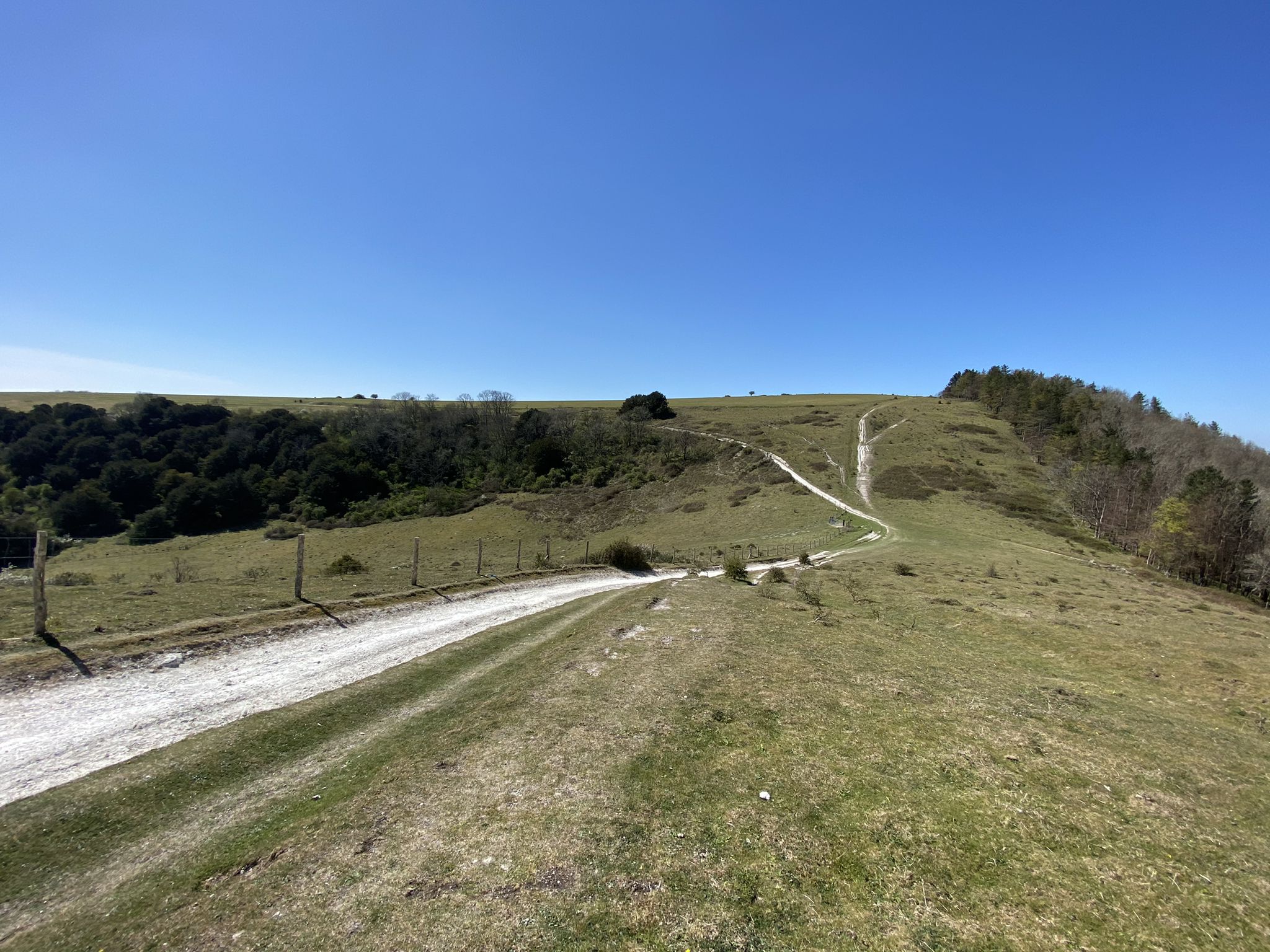
South Downs Way – a 100-mile run across the national park
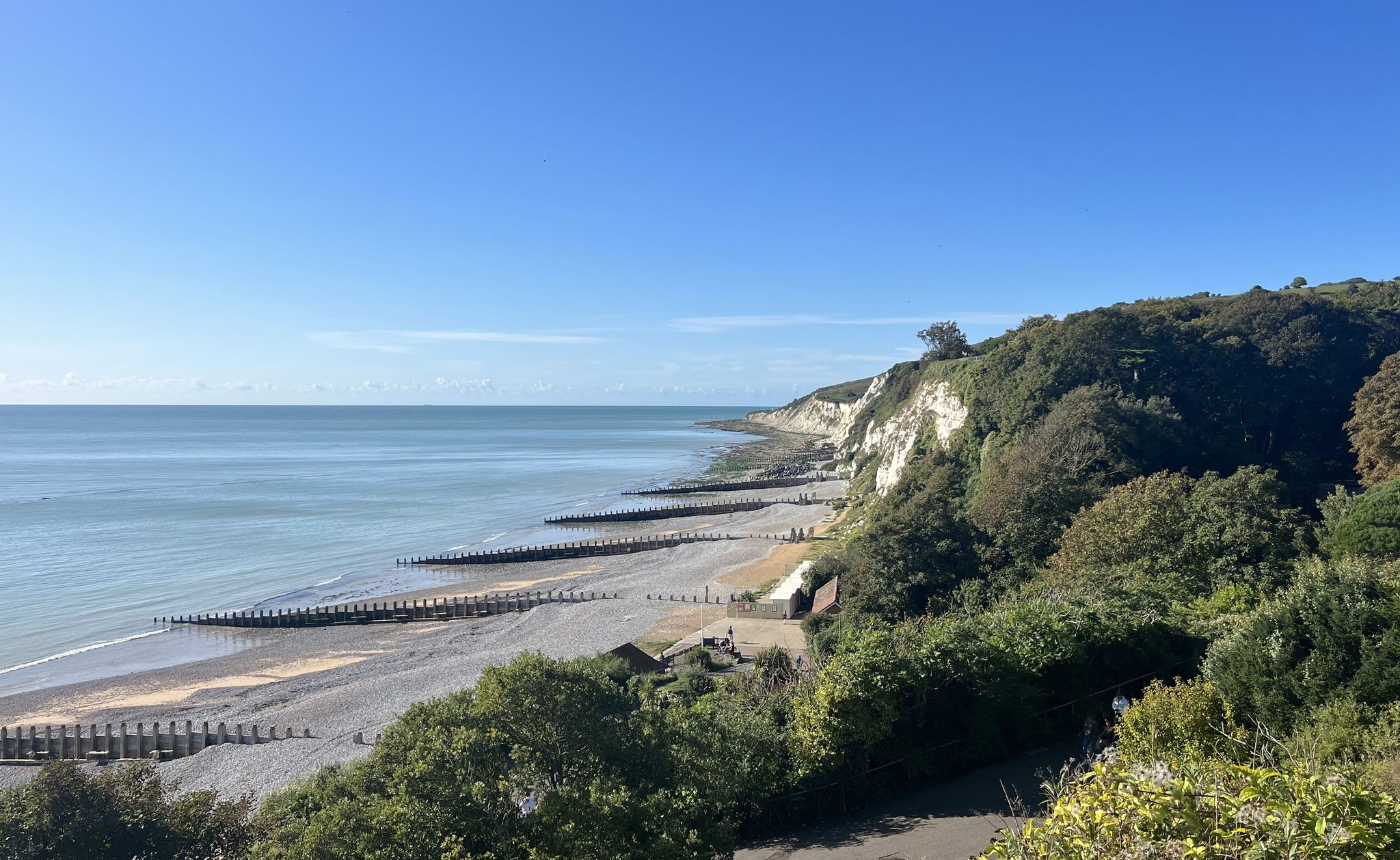
South Downs National Park – A Walk in the Parks
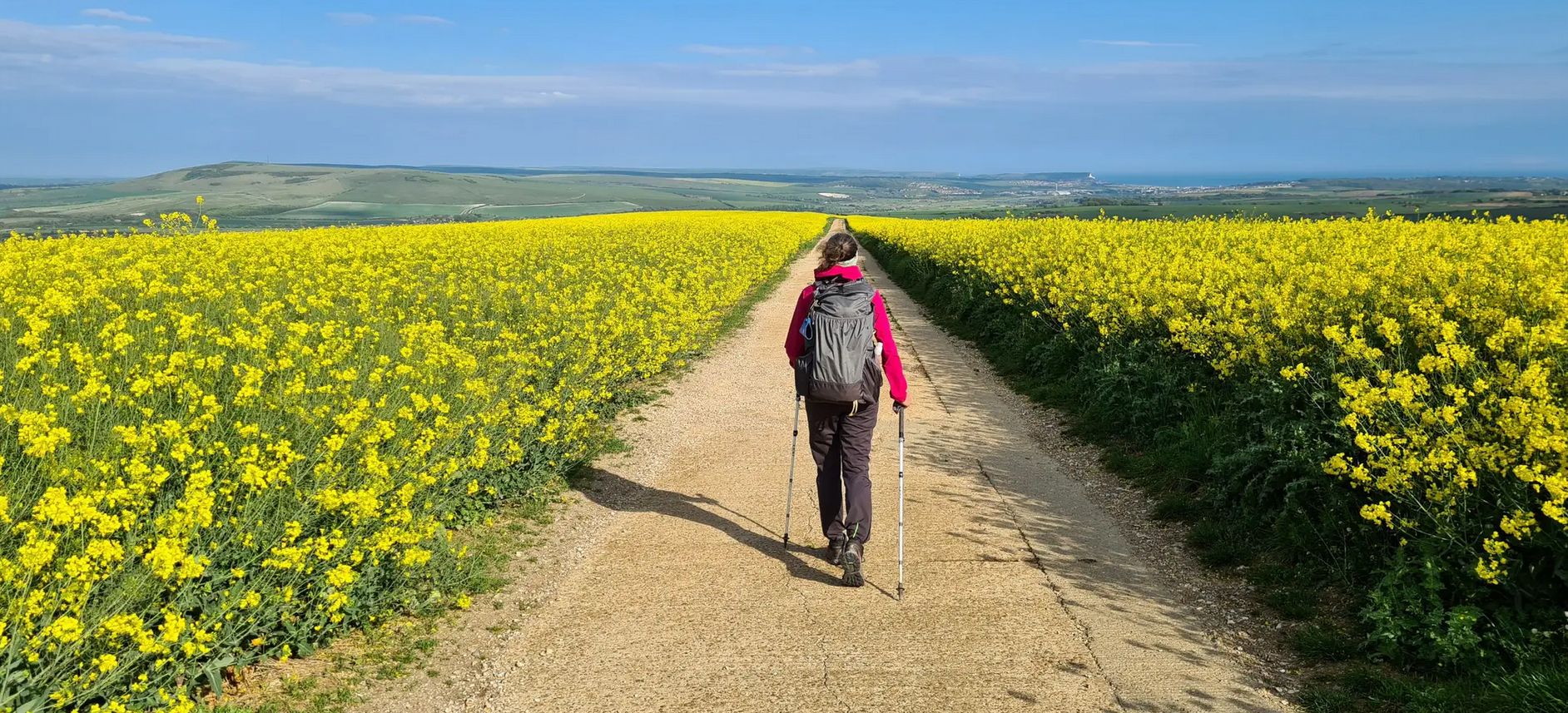
South Downs Way – A captivating hike across Southern England
Wayfarer's Walk — Hike an old drovers' road from hills to coast
Monarch's Way: Part 3 — Conquer the longest inland trail in England
South Downs Way — Hike ancient paths and unique landscapes
Spectacular ascents in the South Downs – Brighton to Winchester
Other adventures around Winchester


Tips from the Community

Winchester Castle was one of the most important royal fortresses in England during the medieval period, though today, only a magnificent part of it remains.
1
0
The Round Table in Winchester's Great Hall is an iconic artifact often associated with the legend of King Arthur and his Knights. Location: It hangs on a wall in the Great Hall, which is the last remaining part of the medieval Winchester Castle. Actual Date: Despite the legend, carbon dating proves the table is a medieval creation, made from English oak between 1250 and 1280 AD. It was likely commissioned by King Edward I for an Arthurian-themed tournament or feast.
1
0
Wolvesey Castle (also known as the Old Bishop's Palace) was the medieval residence of the extremely wealthy and powerful Bishops of Winchester.
0
0
Queen Eleanor's Garden: Outside the Hall is a tranquil recreated medieval garden, named after Eleanor of Provence (wife of Henry III) and Eleanor of Castile (wife of Edward I). The Westgate: The imposing Westgate, a surviving medieval fortified gate, is located nearby and was once the main entrance to the castle complex.
0
0
Gothic Architecture: The Hall is a stunning example of 13th-century Gothic architecture. It is an immense, aisled hall featuring elegant Purbeck marble columns and soaring pointed archways. Hammer-Beam Roof: It is topped with a magnificent hammer-beam roof, which creates a large, unobstructed open space. Judicial History: For centuries, the Great Hall served as the primary law court for Hampshire, hosting Assize Courts until 1974. Notable trials held here include that of Sir Walter Raleigh (1603) and the "Bloody Assizes" under Judge Jeffreys (1685).The Great Hall is most famous for housing the Winchester Round Table, which is prominently displayed on the west wall. The Legend: This enormous circular wooden tabletop is strongly linked to the legendary King Arthur and his Knights of the Round Table, symbolizing equality as it has no "head." The Reality: The table is a genuine medieval artifact, but it is not from King Arthur's time. Carbon dating suggests the wood was cut in the late 13th century (around 1250-1280), approximately 600 years after Arthur is traditionally thought to have lived. Purpose: Historians believe it was likely created for a lavish "Round Table" tournament, possibly hosted by King Edward I in 1290 to celebrate a royal betrothal. The Painting: The famous painted design, which features the Tudor rose in the centre and a figure resembling a young King Henry VIII as Arthur, was commissioned by King Henry VIII in the early 16th century (c. 1522) to reinforce his connection to the legendary king.
0
0
The Great Hall is all that remains of the vast Winchester Castle, which was founded by William the Conqueror in 1067 as a seat of royal power and government. The present Great Hall was built between 1222 and 1235 during the reign of King Henry III, who was born in Winchester Castle. It is regarded as one of the finest surviving medieval great halls in England. While the rest of Winchester Castle was largely destroyed in 1649 following the English Civil War on the orders of Oliver Cromwell, the Great Hall was spared, possibly for use as a courthouse.
0
0
Features: The medieval complex included two great halls (East and West), a huge kitchen block, a keep, and one of the earliest known piped water supply systems in medieval Britain. Royal Connections: Due to the decline of Winchester Castle, Wolvesey became the favoured lodging for royalty visiting the city. The most famous event was the wedding banquet of Queen Mary I and Philip II of Spain in 1554, which took place in the East Hall before their marriage ceremony in Winchester Cathedral. Destruction: Wolvesey Castle was significantly damaged and largely stripped of its fortifications by the Parliamentarians (Roundheads) in 1646 during the English Civil War. Replacement Palace: The medieval palace was eventually abandoned in the 17th century. The site's fortunes changed with the Restoration of the Monarchy: Bishop George Morley (1662–1684) commissioned the construction of a new, smaller Baroque palace right next to the ruins. This palace was later partially demolished but its surviving West Wing remains the current private residence of the Bishop of Winchester today.
0
0
It was the principal residence of the immensely wealthy and powerful Bishops of Winchester throughout the Middle Ages, and is now a spectacular ruin managed by English Heritage. The extensive ruins visible today are largely the work of Bishop Henry of Blois (1129–1171), the brother of King Stephen. Henry was a dominant political and religious figure who built a magnificent, fortified palace to reflect his status. Although often referred to as a castle, it was primarily a lavish palace built in the style of a castle (fortified) due to the turbulent political period of the 12th century known as The Anarchy.
0
0
Frequently Asked Questions
Which castles around Winchester are most popular with visitors?
Among the castles around Winchester, Wolvesey Castle (Old Bishop's Palace) is highly popular, known for its extensive 12th-century ruins and historical significance as the residence of powerful bishops. Another must-see is the Great Hall of Winchester Castle, home to the legendary King Arthur's Round Table, offering a direct link to royal history and medieval grandeur.
Are there family-friendly castles to visit near Winchester?
Yes, several castles around Winchester are suitable for families. Wolvesey Castle (Old Bishop's Palace) and Bishop's Waltham Palace Ruins are both listed as family-friendly. The Great Hall of Winchester Castle, with its impressive architecture and the famous King Arthur's Round Table, also offers an engaging experience for all ages. Additionally, Fort Nelson provides interactive exhibits and live firing demonstrations that can be very exciting for children.
What historical insights can I gain from visiting Winchester's castles?
Winchester's castles offer a deep dive into England's medieval past. The Great Hall of Winchester Castle, built by Henry III, showcases stunning Gothic architecture and the legendary King Arthur's Round Table, reflecting centuries of royal power. Wolvesey Castle (Old Bishop's Palace), though in ruins, reveals the immense wealth and influence of medieval bishops, with its advanced 12th-century design and historical events like the wedding breakfast of Queen Mary I. Bishop's Waltham Palace Ruins also tells a story of episcopal power and its eventual destruction during the Civil War.
What is the best time of year to visit the castles around Winchester?
The period from spring to autumn (April to October) is generally ideal for visiting the castles around Winchester. During these months, sites like Wolvesey Castle are typically open for free entry, and the weather is more conducive for exploring ruins and outdoor areas. The Great Hall of Winchester Castle is open year-round, but the adjacent Queen Eleanor's Garden is best enjoyed in warmer months.
Are there any castles near Winchester that are free to enter?
Yes, several significant castle sites around Winchester offer free entry. The Great Hall of Winchester Castle is typically free to enter, though donations are appreciated. Wolvesey Castle (Old Bishop's Palace) is managed by English Heritage and is free to enter, usually from April to October. Similarly, Bishop's Waltham Palace Ruins, also managed by English Heritage, is free to explore. Fort Nelson also offers free entry, though parking may have a charge.
Can I find hiking trails near the castles around Winchester?
Absolutely! The Winchester area is rich with outdoor activities. You can find numerous hiking trails, including easy and moderate options, near these historical sites. For example, you can explore routes like the 'River Itchen loop from Saint Giles Hill Winchester' or 'Hinton Ampner and Joan's Wood loop from Bramdean'. For more detailed information and routes, check out the Hiking around Winchester guide or the Easy hikes around Winchester guide.
What is Merdon Castle Lane and what can I see there?
Merdon Castle Lane leads to the site of an Iron Age hill fort and a later Norman castle. While not a standing castle, it offers a historical landscape to explore. The lane itself is a half-kilometer hill with an 8-10% gradient, providing a good climb for cyclists and walkers, leading to the location of these ancient fortifications south of Winchester.
Are there any castles with good viewpoints or natural features nearby?
While many castles are historical sites, Fort Nelson, located atop Portsdown Hill, offers excellent viewpoints across Portsmouth Harbour and the Solent to the Isle of Wight from its outdoor seating area. For natural features, the area surrounding the castles, particularly those further out like Merdon Castle, often connects to the wider Hampshire countryside, offering scenic walks and views.
Is Winchester Castle (The Great Hall) wheelchair accessible?
The Great Hall of Winchester Castle aims to be accessible. For specific details on wheelchair access, facilities, and any potential limitations, it's always best to check their official website directly. You can find more information on accessibility at Historic Winchester's Great Hall page.
What is the significance of King Arthur's Round Table at Winchester Castle?
The King Arthur's Round Table, housed in the Great Hall of Winchester Castle, is an iconic wooden tabletop traditionally associated with the Arthurian legend. While investigations suggest it dates from the 13th century and was repainted for Henry VIII, its presence deeply enriches the historical narrative of the castle and connects visitors to one of England's most enduring myths. It's a central feature of the Great Hall.
Can I visit castles around Winchester during the winter months?
Yes, you can visit some castles around Winchester during winter. The Great Hall of Winchester Castle is open year-round. However, sites like Wolvesey Castle (Old Bishop's Palace) are typically open from April to October, so they may be closed or have limited access during the winter. Always check the specific opening hours for each site before planning your visit.
Are there cycling routes near the castles in Winchester?
Yes, the area around Winchester offers various cycling routes, including mountain biking trails. You can find routes like 'Avington Park, King Alfred's Way & Watercress Way loop from Winchester' or 'Winchester, the River Itchen and Cheesefoot Head loop'. For more options and detailed route information, explore the MTB Trails around Winchester guide.
Most popular routes around Winchester
Most popular attractions around Winchester

Get inspired with the komoot mobile app


Didn’t find what you were looking for?
Explore Winchester’s best castles region by region:
