Top 6 Caves in Jurassic Coast
Best caves in Jurassic Coast are found within a UNESCO World Heritage Site, renowned for its dramatic geological formations, including caves, arches, and coves. This coastline offers unique insights into Earth's history and diverse rock structures. Many features provide opportunities for exploration and photography. The area is characterized by its varied geology, from limestone strata to chalk cliffs.
Best caves in Jurassic Coast
- The most popular caves is Stair Hole rock arches, a natural monument that showcases extraordinary folds of limestone strata known as the ‘Lulworth Crumple’. This unique rock structure was created during the Alpine orogeny and exposed by subsequent erosion.
- Another must-see spot is Bat's Head and Butter Rock, a natural monument featuring a small bat's cave at the base of a chalk headland. From atop the cliffs, visitors can view the coastline and the rock arch of Durdle Door.
- Visitors also love Winspit Quarry Caves, a historical site of disused quarries. These caves were used as a stone quarry until around 1940 and later served as naval and air defences during World War II.
- Jurassic Coast is known for natural sea caves, wave-cut notches, and former quarry caves. These formations offer a variety of geological features and historical significance to see and explore.
- The caves in Jurassic Coast are appreciated by the komoot community, with more than 240 upvotes and over 120 photos shared by visitors.
Last updated: June 26, 2026
Stair Hole rock arches
Highlight • Natural Monument
Tip by

Winspit Quarry Caves
Highlight • Cave
Tip by

Sign up now to discover places like this
Get recommendations on the best single tracks, peaks, & plenty of other exciting outdoor places.
Sign up for free
Bat's Head and Butter Rock
Highlight • Natural Monument
Translated by Google •
Tip by

Cave Hole
Highlight • Viewpoint
The Blow Hole of Cave Hole.
Cave Hole was earlier known as Keeve's Hole and regularly featured in recorded history and wider lore of smuggling. It is made up of a series of caves with steep roof sections, tunnels and ledges, and represents the first stage in cave collapse. The cave and its surrounding area is frequently used for deep-water soloing. The cave's blowhole, which stretches far into the solid rock, was formed when the roof of the cave was broken through to the surface. For the protection of people looking down into the cave, an iron grill has been installed across it. Whenever a powerful easterly gale occurs, the sea shoots up through the fissures.
Various small craft have been driven into the cave by east and south easterly gales, the largest of which was a 40-ton vessel from Cowes in 1780. Frank and Ann Davison were shipwrecked at the cave in 1949. The pair had set sail for the West Indies. Frank drowned but Ann managed to scramble ashore. A local tale has long reputed that the cave is home to Roy Dog - a black dog, "as high as man, with large fiery eyes, one green, one red". It is said that the creature emerges from the watery depths to seize any traveler passing by Cave Hole and drags them down into his dark watery domain.
Tip by

Beer Head
Highlight • Cave
Tip by
Sign up for free to discover even more caves in Jurassic Coast.
Sign up for free
Already have an account?
Start today with a free account
Your next adventure awaits.
Login or Signup
Popular around Jurassic Coast
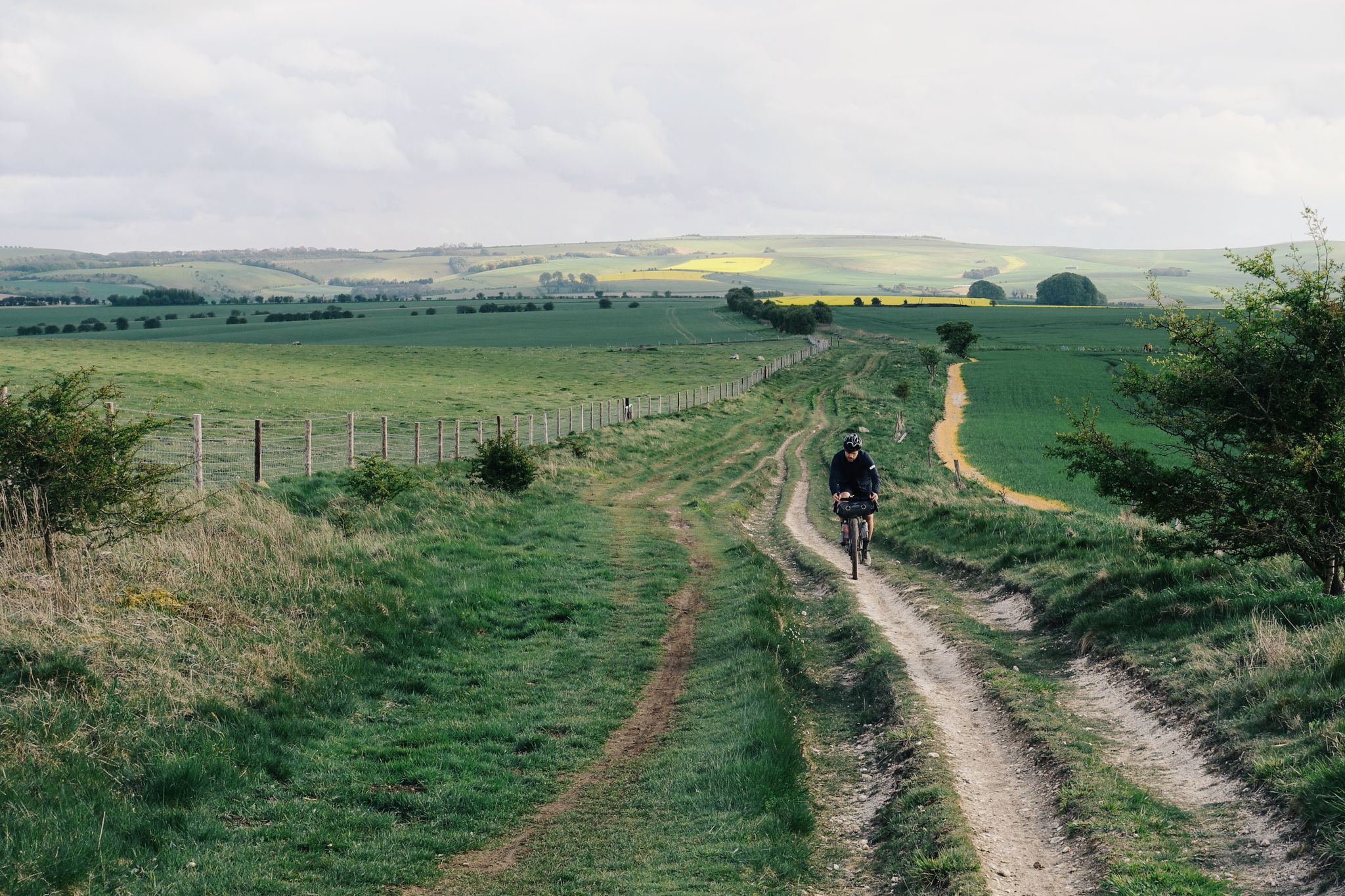
The Old Chalk Way
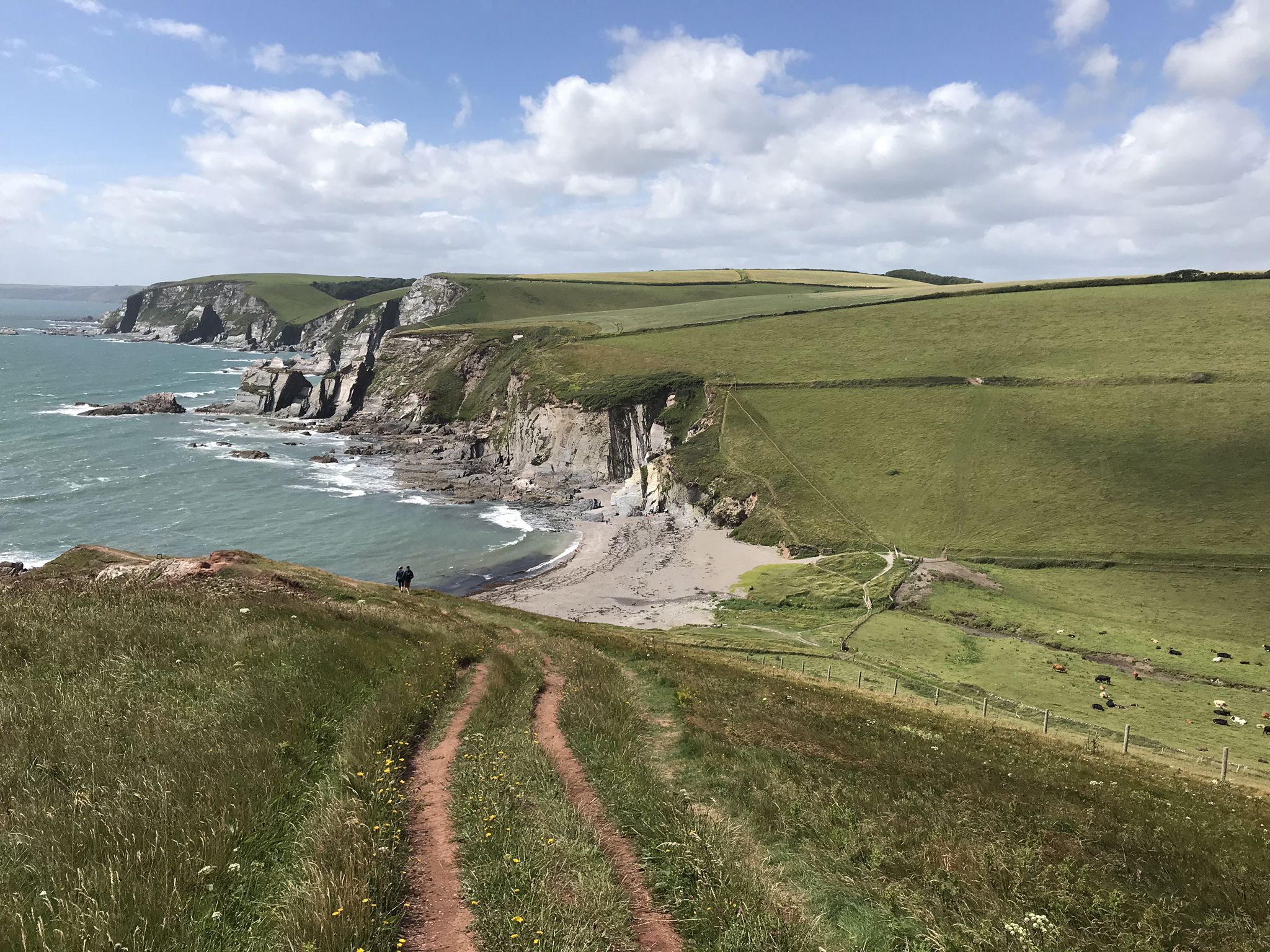
E9 Plymouth to Dover — An epic exploration of England's south coast
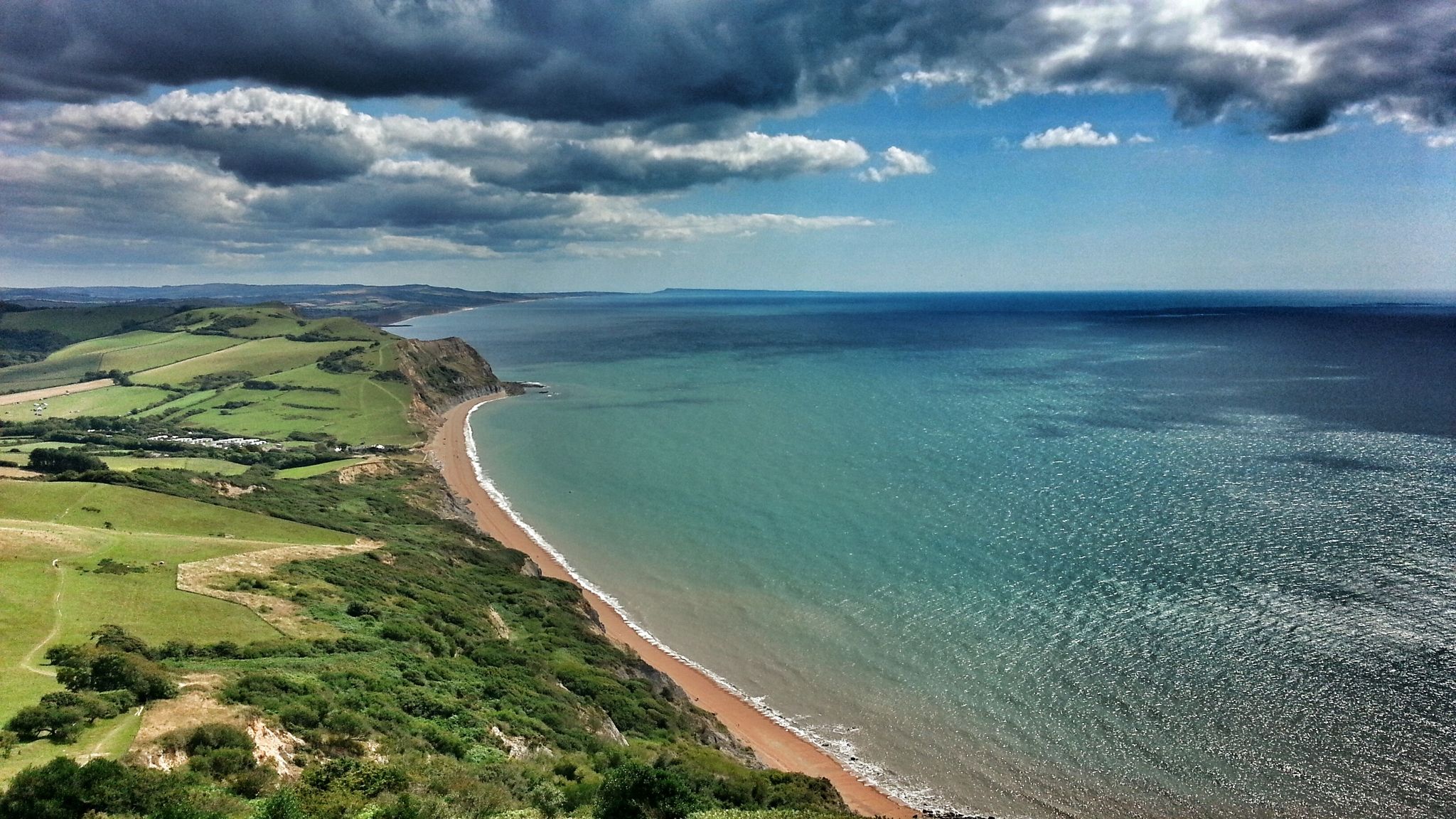
Monarch's Way: Part 3 — Conquer the longest inland trail in England
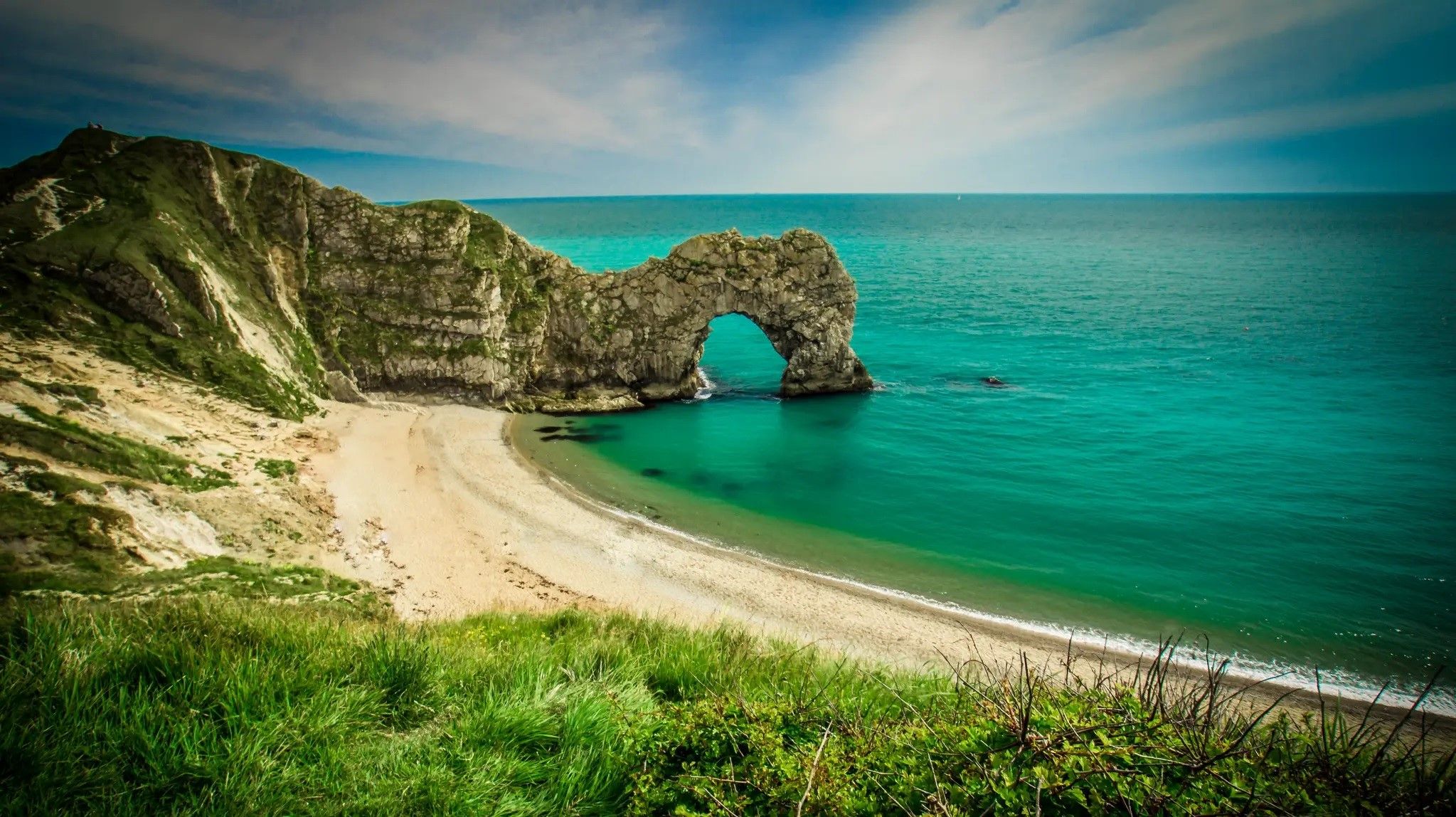
South West Coast Path — Part 4 — Conquer Britain's longest trail
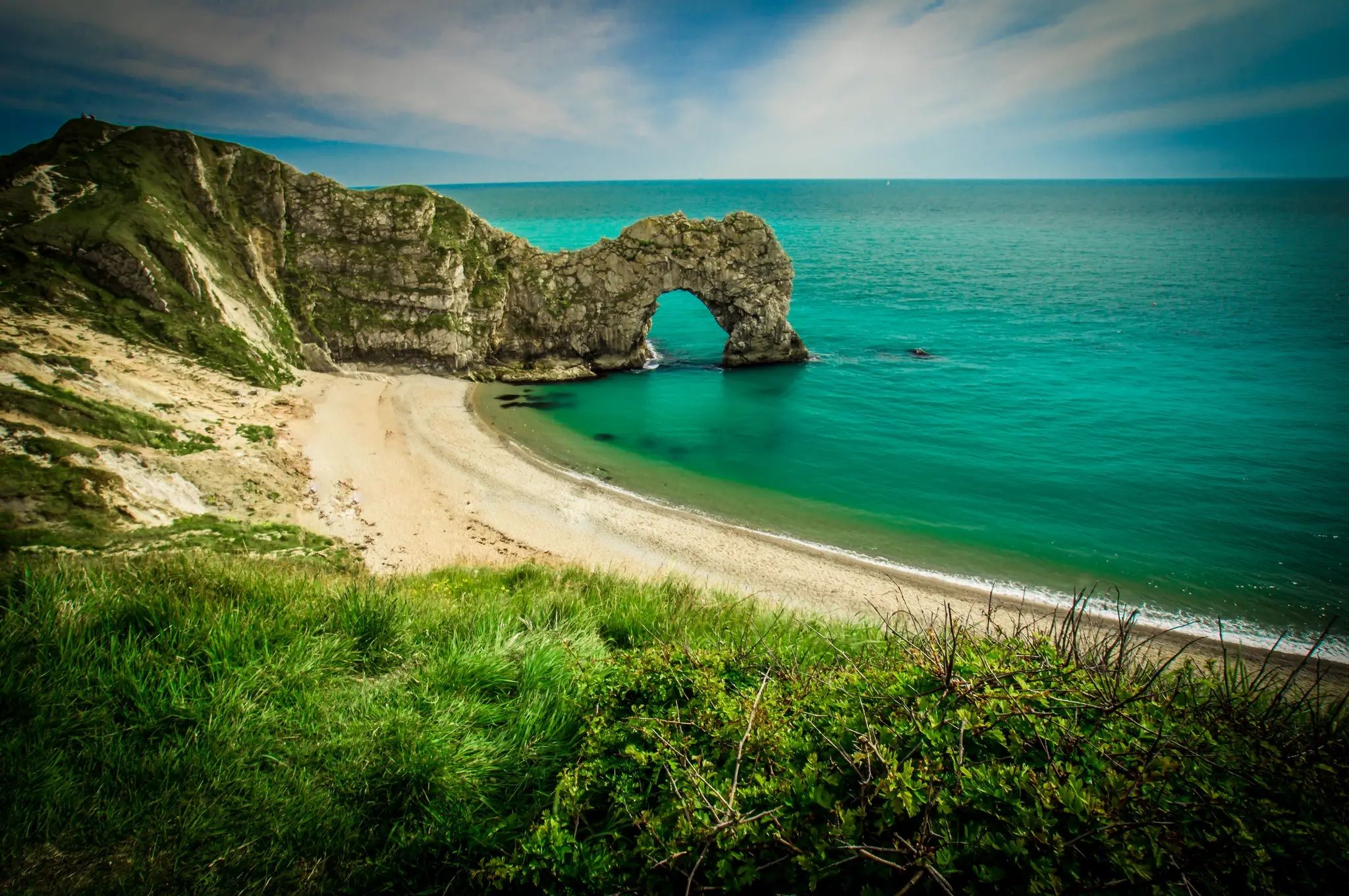
South West Coast Path — Explore Britain's longest trail
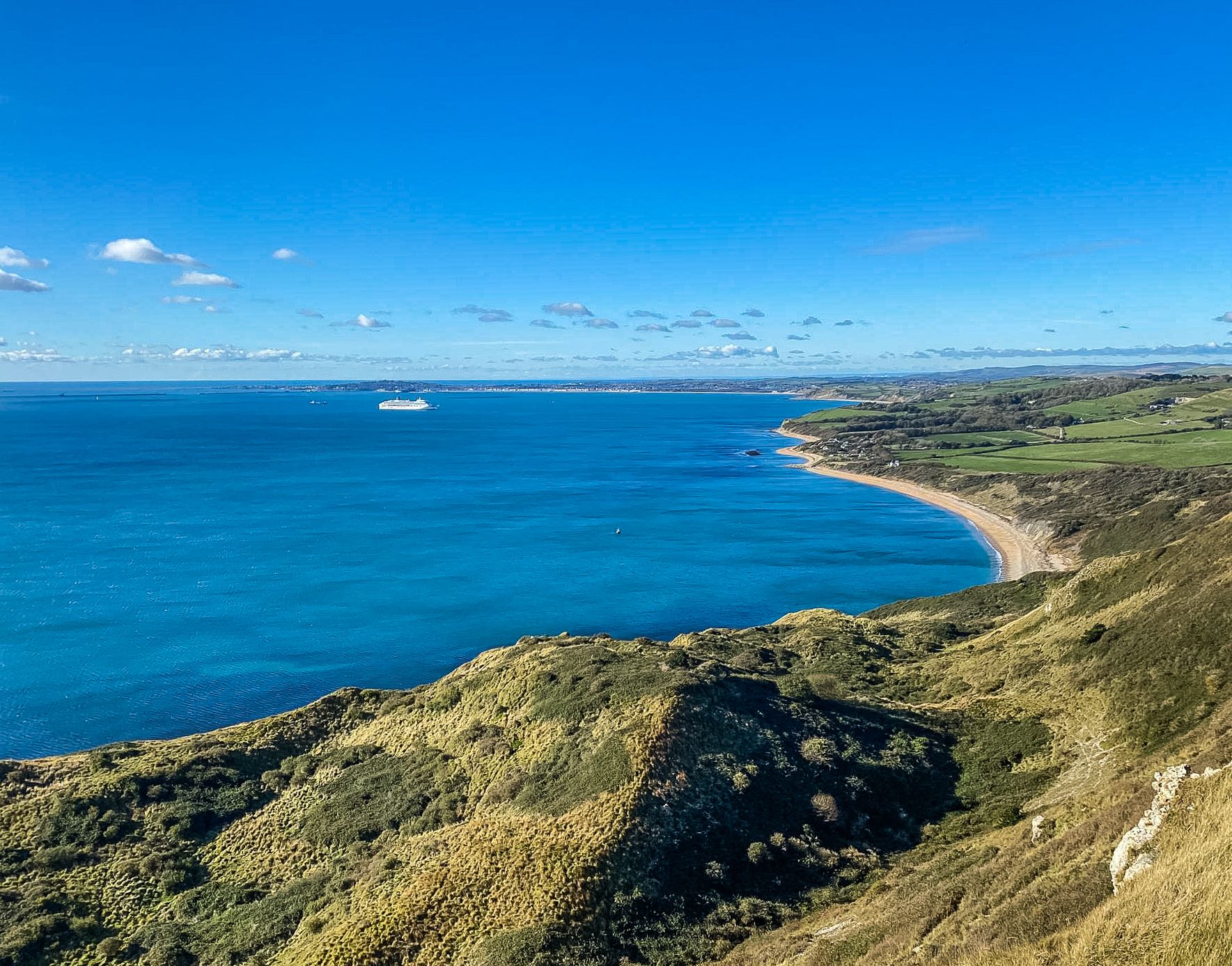
20 fantastic trails in North & West Dorset — National Trust
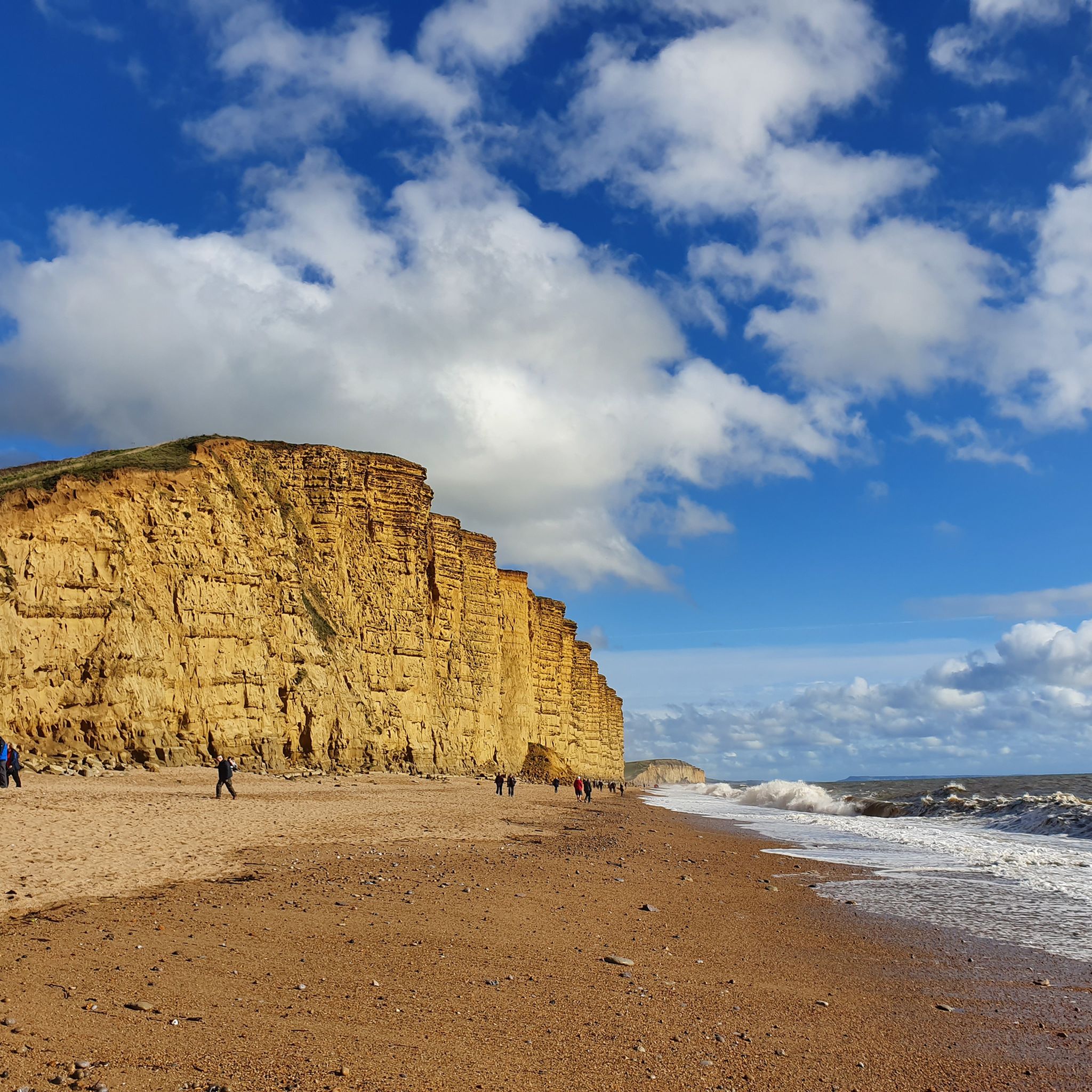
Hiking in Jurassic Coast
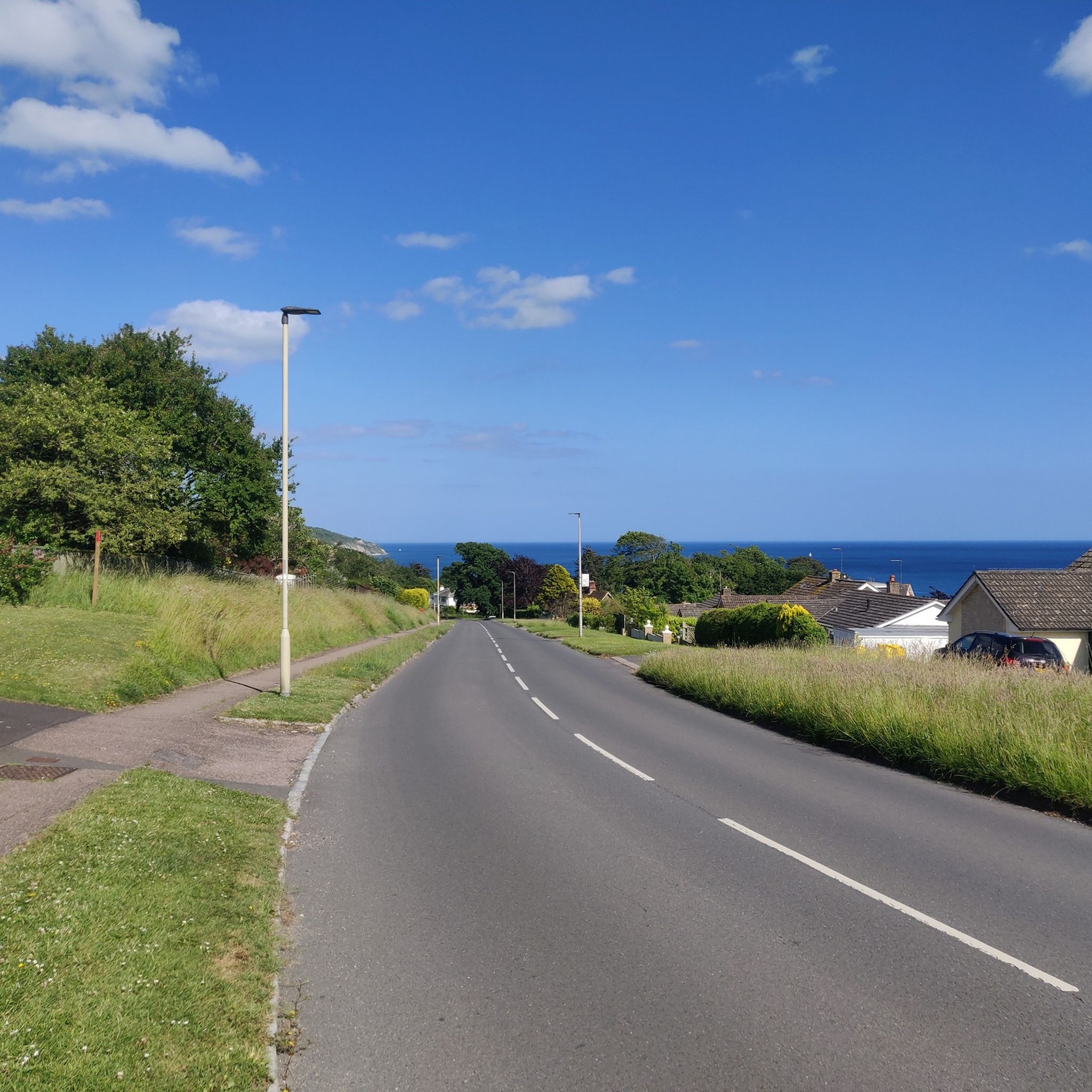
Road Cycling Routes in Jurassic Coast
Running Trails in Jurassic Coast
Cycling in Jurassic Coast
Other adventures in Jurassic Coast


Tips from the Community

A short detour to Stair Hole is worthwhile. The bizarrely shaped rock blocks and the limestone formation eroded by the sea offer a fascinating insight into the forces of erosion. The viewpoints also offer beautiful photo opportunities of the rugged coast and the turquoise water.
2
0

A great space for lunch and to explore for heading back up onto the coast path
0
0

Stair Hole is a fascinating and impressive place on the Jurassic Coast in southern England that is definitely worth a visit. The cliffs and rocks that jut out into the sea here are breathtakingly beautiful and provide a dramatic backdrop for photographers and nature lovers. Particularly impressive is the natural rock formation that leads into the water like a staircase (hence the name) – a real highlight for any visitor. The area is perfect for coastal walks, where you can enjoy the fresh sea air and admire the impressive natural surroundings. Stair Hole is a place that combines tranquility and beauty and leaves a lasting impression. An absolute must for anyone who wants to experience the wild beauty of the English coast!
3
0

A wonderful area. Breathtaking views of the cliffs and the sea; it's worth coming here for hiking and, in the summer, definitely for swimming. I recommend staying at the nearby Durdle Door Holiday Park.
0
0


The quarry caves are closed now due to rock falls. And if you weren't aware, there is a bat cave located just off the main path as you go up the steep hill to the east, home to the Greater Horseshoe bat.
0
0

Kayakers often drive through the small cave. It is beautiful to look at and the colorful kayaks with the turquoise sea make a beautiful photo opportunity
5
0

Old disused quarry
0
0
Frequently Asked Questions
What unique geological features can I see in the Jurassic Coast caves?
The Jurassic Coast is renowned for its geological diversity. At Stair Hole rock arches, you can observe the extraordinary folds of limestone strata known as the 'Lulworth Crumple'. Near Durdle Door, you'll find wave-cut caves and the iconic natural limestone arch itself. Cave Hole on the Isle of Portland features a blowhole and represents an early stage of cave collapse, while Old Harry Rocks illustrates the formation of caves, arches, and stacks from chalk cliffs.
Which caves offer a glimpse into the region's history and past industries?
Several sites highlight the region's history. Winspit Quarry Caves are disused quarries that provided stone for London buildings and served as WWII defenses. Dancing Ledge also features former mining caves. Cave Hole on the Isle of Portland was historically associated with smuggling. Further afield, Beer Quarry Caves are extensive man-made underground quarries from over 2,000 years of Beer Stone extraction.
Are there family-friendly caves or formations to explore on the Jurassic Coast?
Many of the coastal formations are accessible for families, though some cave interiors may be challenging. Stair Hole rock arches, with its 'Lulworth Crumple' geological feature, is easily accessible via a short walk from Lulworth Cove. The area around Durdle Door also offers stunning views and opportunities for walking and rock-pooling, where you can observe smaller wave-cut caves.
What outdoor activities can I do near the caves on the Jurassic Coast?
The Jurassic Coast offers a variety of outdoor activities. Near Dancing Ledge, coasteering, climbing, and scrambling into caves are popular. The dramatic coastline is excellent for walking, with many trails offering views of the caves and arches. You can find numerous hiking routes in the area, such as 'A loop of Portland from Chesil Beach' or 'Burton Bradstock coastal walk from Hive Beach'. For more options, explore hiking in Jurassic Coast, gravel biking in Jurassic Coast, or running trails in Jurassic Coast.
When is the best time to visit the caves along the Jurassic Coast?
The Jurassic Coast can be visited year-round, but spring and autumn generally offer pleasant weather for exploring without the peak summer crowds. Always check local tide times before visiting coastal caves and formations, as some may only be accessible at low tide. Be mindful of weather conditions, especially strong winds or heavy rain, which can affect cliff stability and sea conditions.
What should I consider when preparing to visit caves on the Jurassic Coast?
When visiting coastal caves, wear sturdy footwear suitable for uneven terrain and potentially wet surfaces. Be aware of tide times, as some caves are only accessible at low tide. Always be cautious near cliff edges due to potential rockfalls. Some deeper areas of caves, like Winspit Quarry Caves, may be closed off for safety or bat conservation.
Are there any caves on the Jurassic Coast known for wildlife or conservation efforts?
Yes, some caves are important for wildlife. Deeper areas of Winspit Quarry Caves are closed off due to being home to rare Greater Horseshoe bats. Similarly, some mining caves at Dancing Ledge have been sealed to protect bat colonies. Bat's Head also features a small bat's cave at its base.
Can I find any caves or formations that have been used as filming locations?
Yes, the dramatic landscapes of the Jurassic Coast have attracted filmmakers. Winspit Quarry Caves were used as filming locations for episodes of classic British television shows like 'Blake's 7' and 'Doctor Who', and also for the Disney film 'John Carter'.
Are there any caves associated with local folklore or smuggling stories?
The Jurassic Coast has a rich history of folklore and smuggling. Cave Hole on the Isle of Portland, historically known as Keeve's Hole, regularly featured in accounts of smuggling. Local legends also suggest that pirate Harry Paye used to hide his loot in the tidal sea caves around Old Harry Rocks. Bacon Hole Cave, near Durdle Door, is also believed to have been used by smugglers.
Where can I see a natural arch formation on the Jurassic Coast?
The most famous natural arch is Durdle Door, a magnificent limestone arch formed when the sea pierced through Portland limestone. You can observe several visible caves and rock arches from the seaward side at Stair Hole rock arches, including 'Cathedral Cavern'. Old Harry Rocks also illustrates the process of coastal erosion where caves evolve into arches and eventually stacks.
What is the significance of Beer Quarry Caves?
Beer Quarry Caves, located in East Devon, are extensive man-made underground caves resulting from over 2,000 years of quarrying Beer Stone. This stone was highly valued and used in the construction of many cathedrals and historic buildings across England, making the caves a significant historical and industrial site.
Most popular routes in Jurassic Coast
Most popular attractions in Jurassic Coast

Get inspired with the komoot mobile app


Explore more
Extend your search for the best caves by checking out these guides of the top ones in Jurassic Coast:
