Top 8 Caves in the Northwest Highlands
Best caves in the Northwest Highlands are found within a region characterized by its rugged mountains, ancient geology, and dramatic coastline. This area features a unique karst landscape, formed by the dissolution of Durness dolomite, which has created numerous cave systems. These natural formations offer insights into Scotland's geological past and have provided shelter for prehistoric life. The Northwest Highlands present a diverse range of subterranean explorations.
Best caves in the Northwest Highlands
- The most popular caves is Smoo Cave, a cave that is the largest sea and freshwater cave of its kind in Britain. It features a 60-meter-long main chamber and a 25-meter waterfall plunging through a blowhole.
- Another must-see spot is Inchnadamph Bone Caves, a historical site and cave. Excavations have uncovered bones of extinct animals and evidence of prehistoric hunters, dating back more than 8,000 years.
- Visitors also love Stone Cave, a cave that offers shelter. It is noted as a useful spot during adverse weather conditions.
- Northwest Highlands is known for sea caves, limestone caves, and extensive cave systems. The region offers a variety of natural formations to see and explore.
- The caves in the Northwest Highlands are appreciated by the komoot community. More than 140 users have upvoted these routes, and over 210 photos have been shared.
Last updated: September 28, 2026
Smoo Cave
Highlight • Cave
Translated by Google •
Tip by

Inchnadamph Bone Caves
Highlight • Historical Site
Translated by Google •
Tip by

Sign up now to discover places like this
Get recommendations on the best single tracks, peaks, & plenty of other exciting outdoor places.
Lower Traligill Cave
Highlight • Cave
The entrance is visible from the Glenbain track, a broad arch with gravel and boulders on the floor.
Tip by

Livingstone Walk, Isle of Ulva
Highlight (Segment) • Natural
Tip by

Stone Cave
Highlight • Cave
Tip by

Waterslide Cave
Highlight • Cave
Don't try to enter the cave as the ground is steep and slippery - this is a dangerous place.
Tip by
Uamh an Tartair Cave
Highlight • Cave
Further progress, strictly for equipped and experienced cavers only is made by crawling to the right under a section of low roof.
Tip by
Start today with a free account
Your next adventure awaits.
Popular around Northwest Highlands
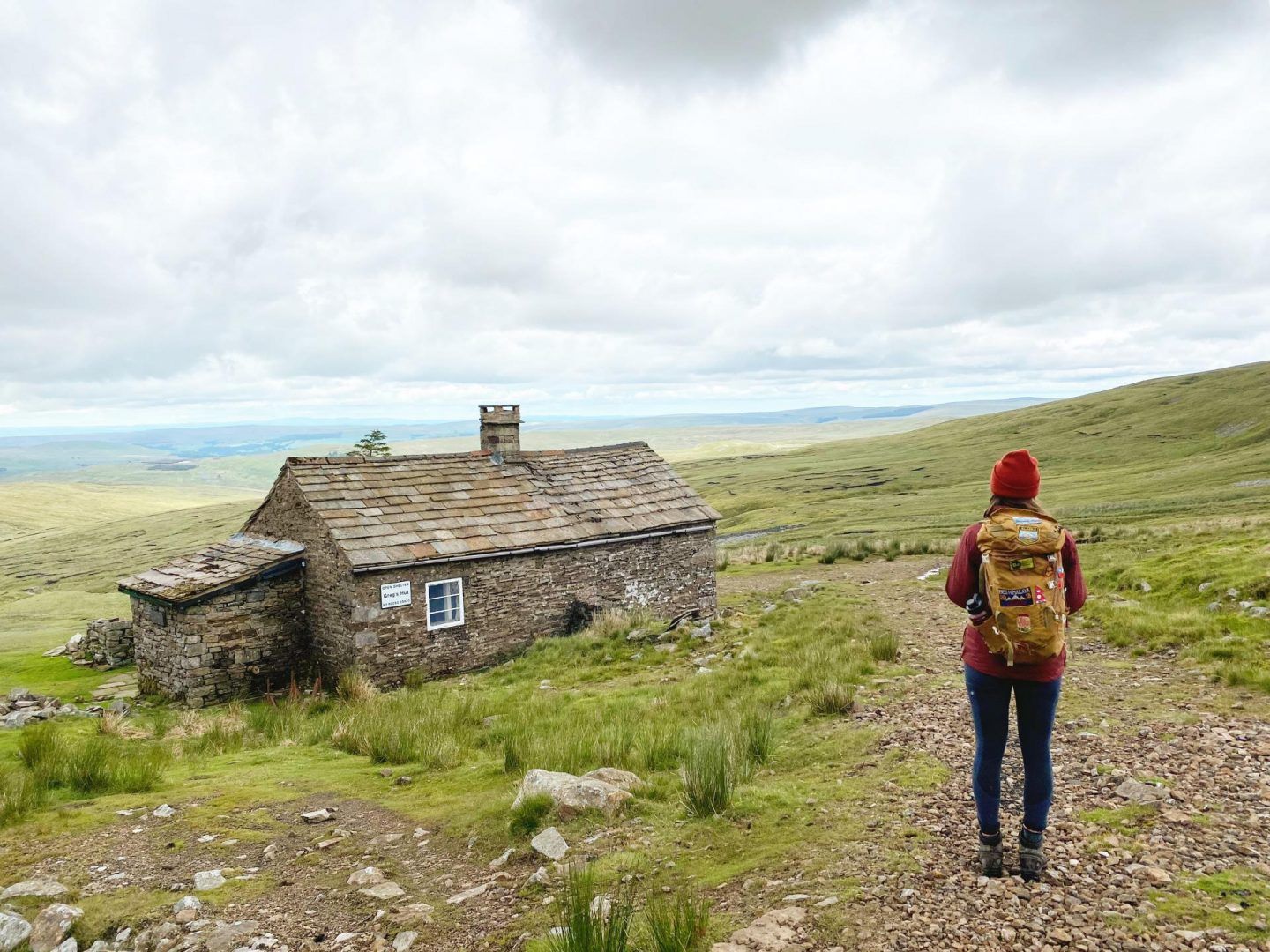
Bothies of Britain: hiking and biking adventures to unique mountain shelters
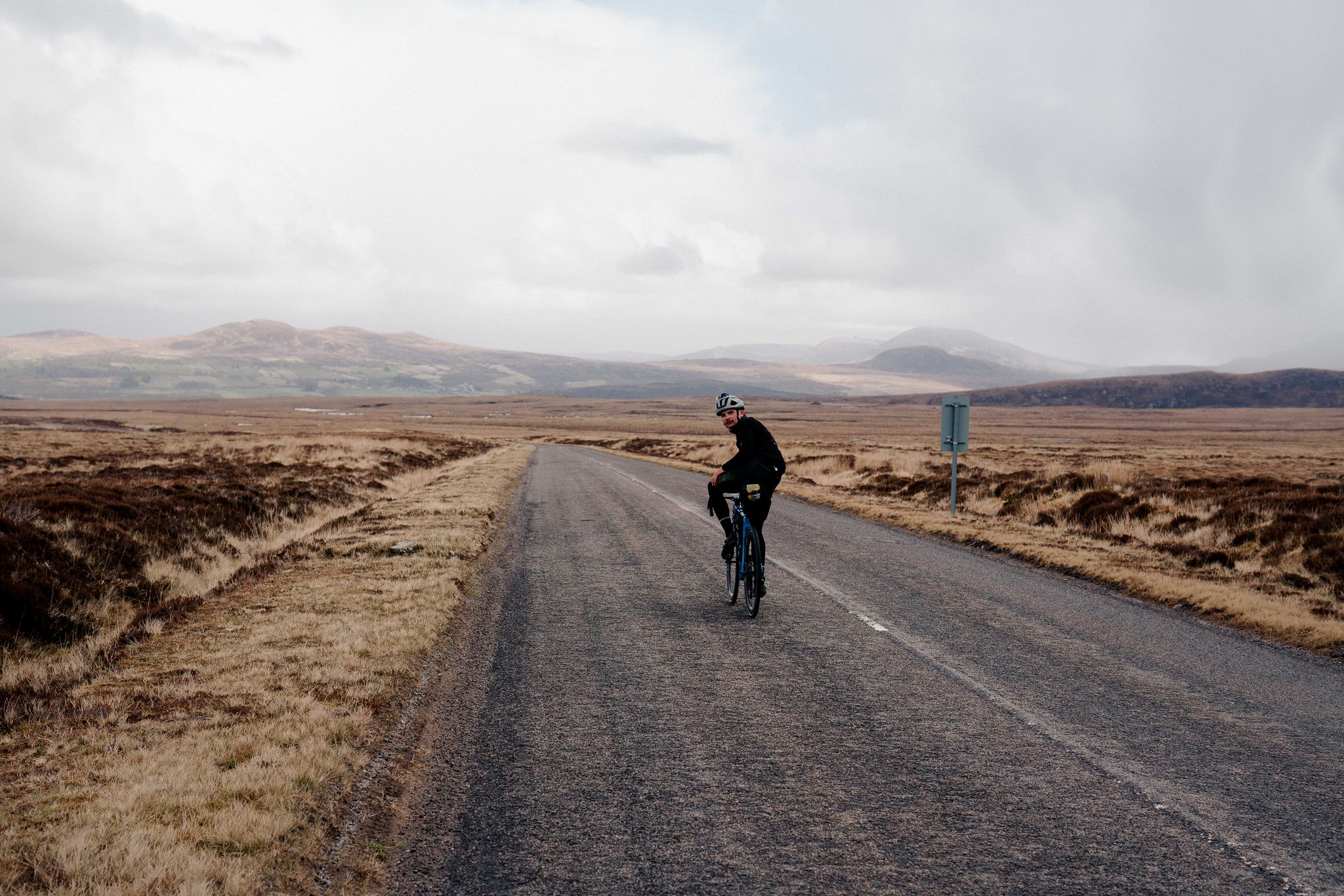
North Coast 500 – Escape to the Highlands
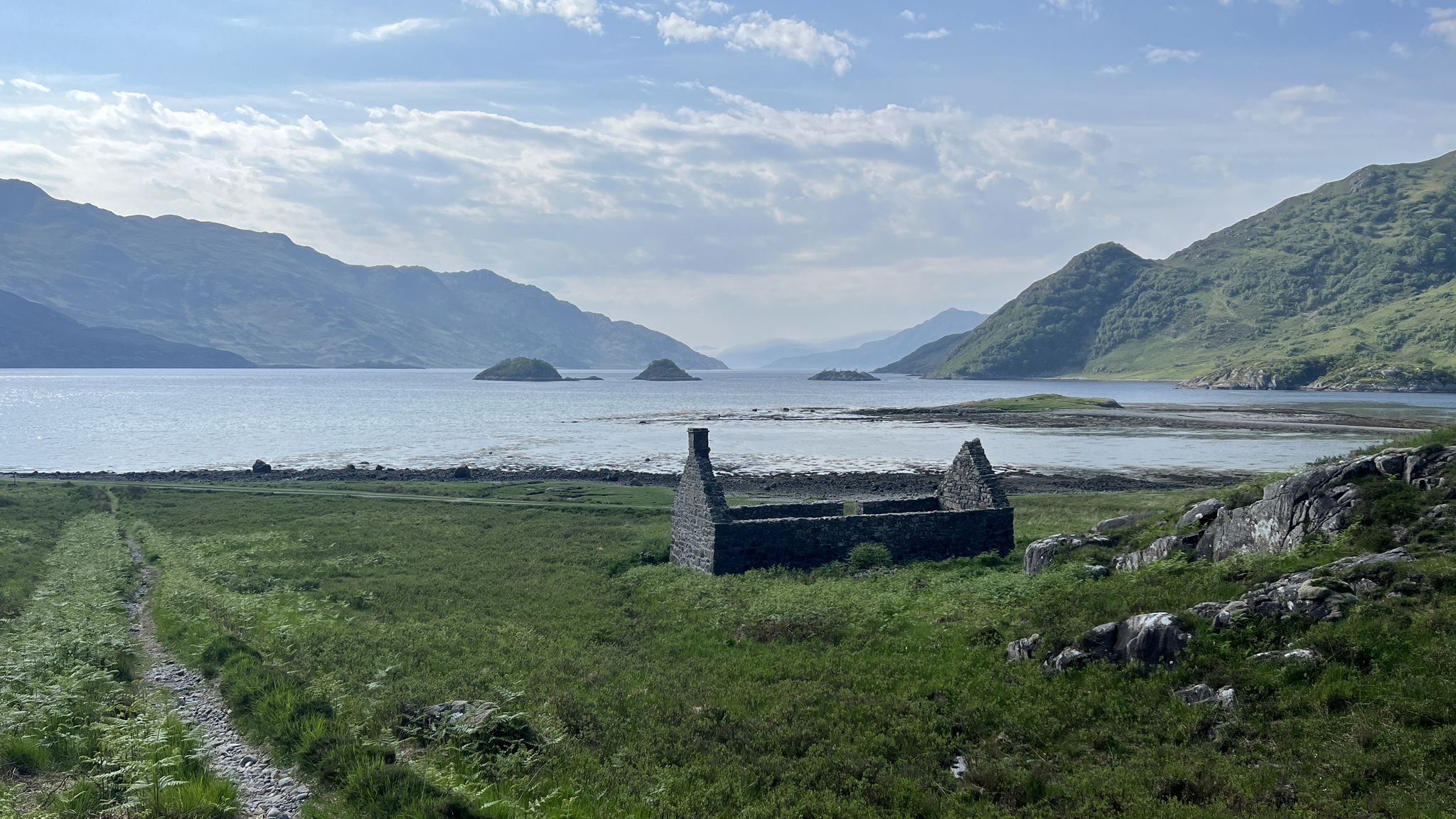
Cape Wrath Trail – Scotland’s wildest and most spectacular hiking route
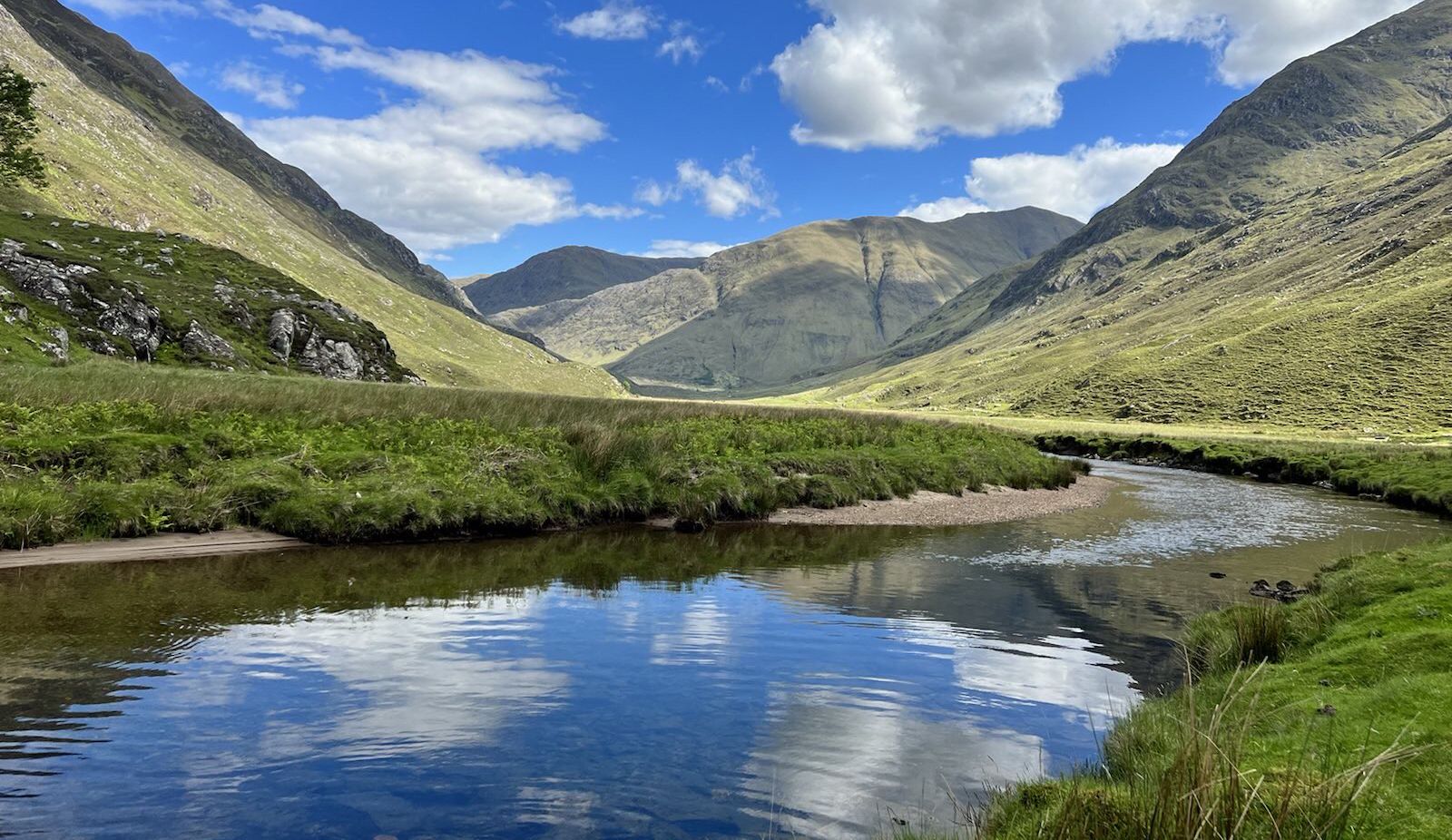
Affric Kintail Way – Hike across the magical Northwest Highlands
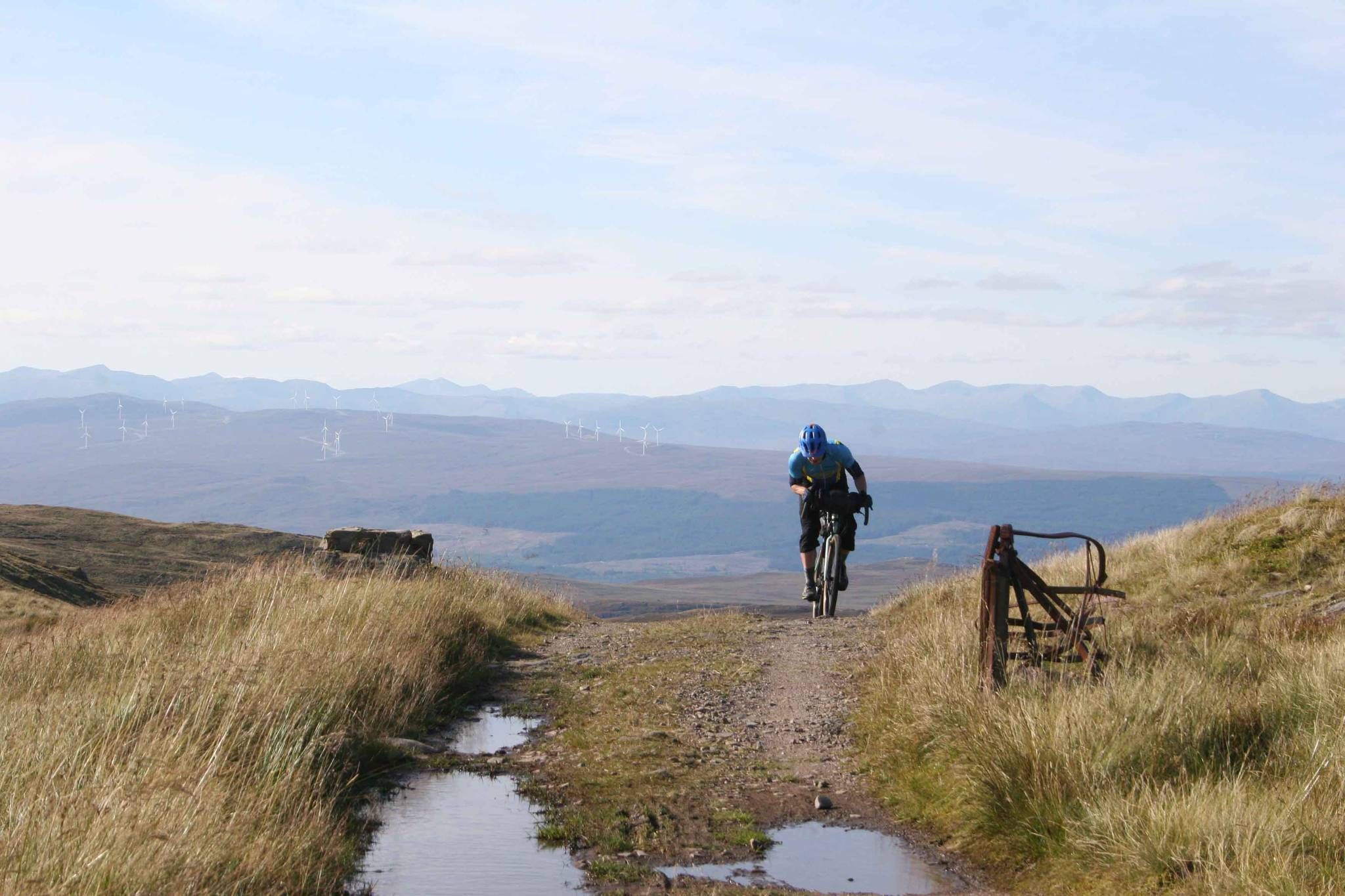
GB Divide — Great Britain end to end off-road on GBDURO
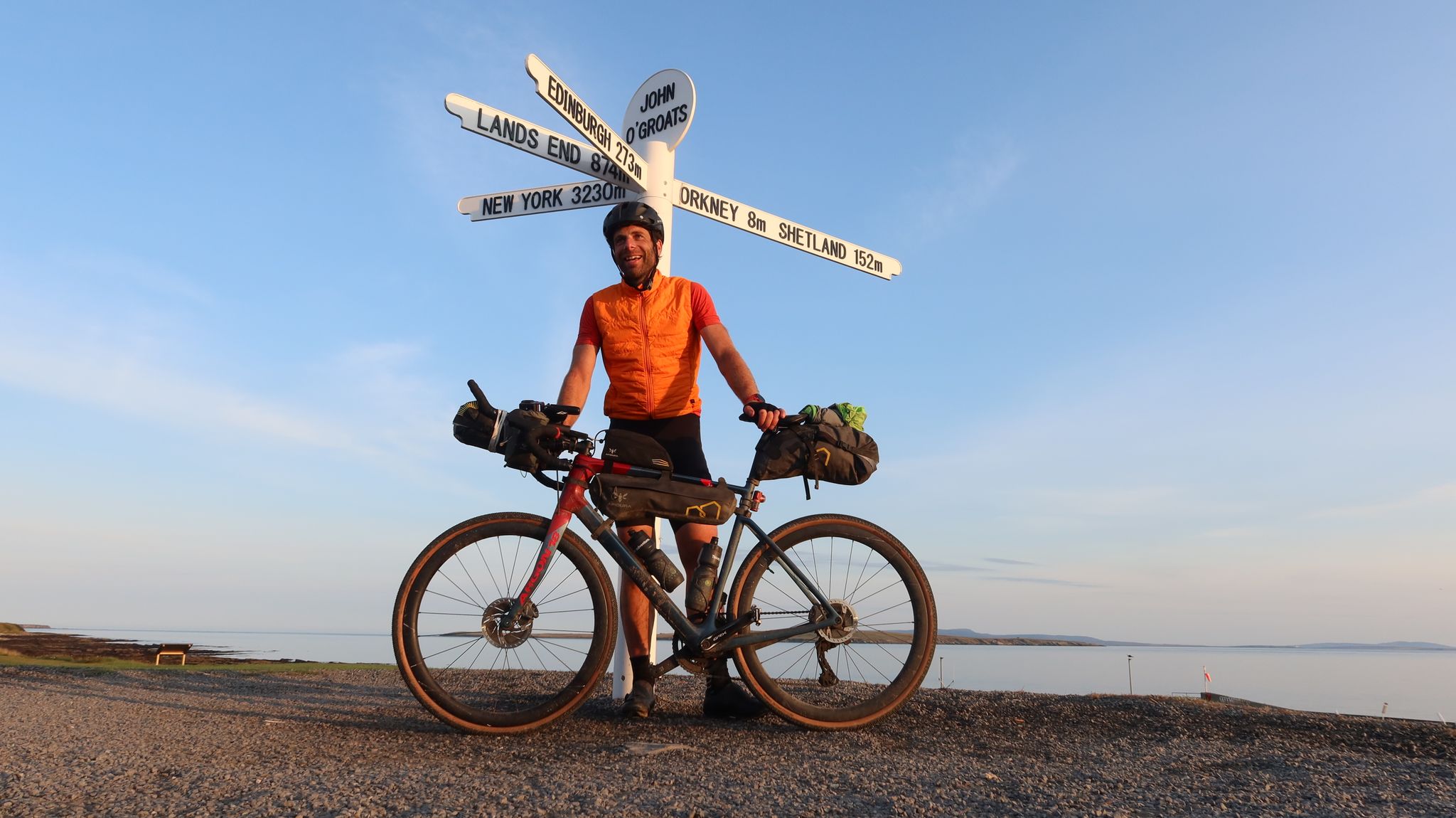
GBDURO 2021 — Gravel racing Land's End to John O'Groats
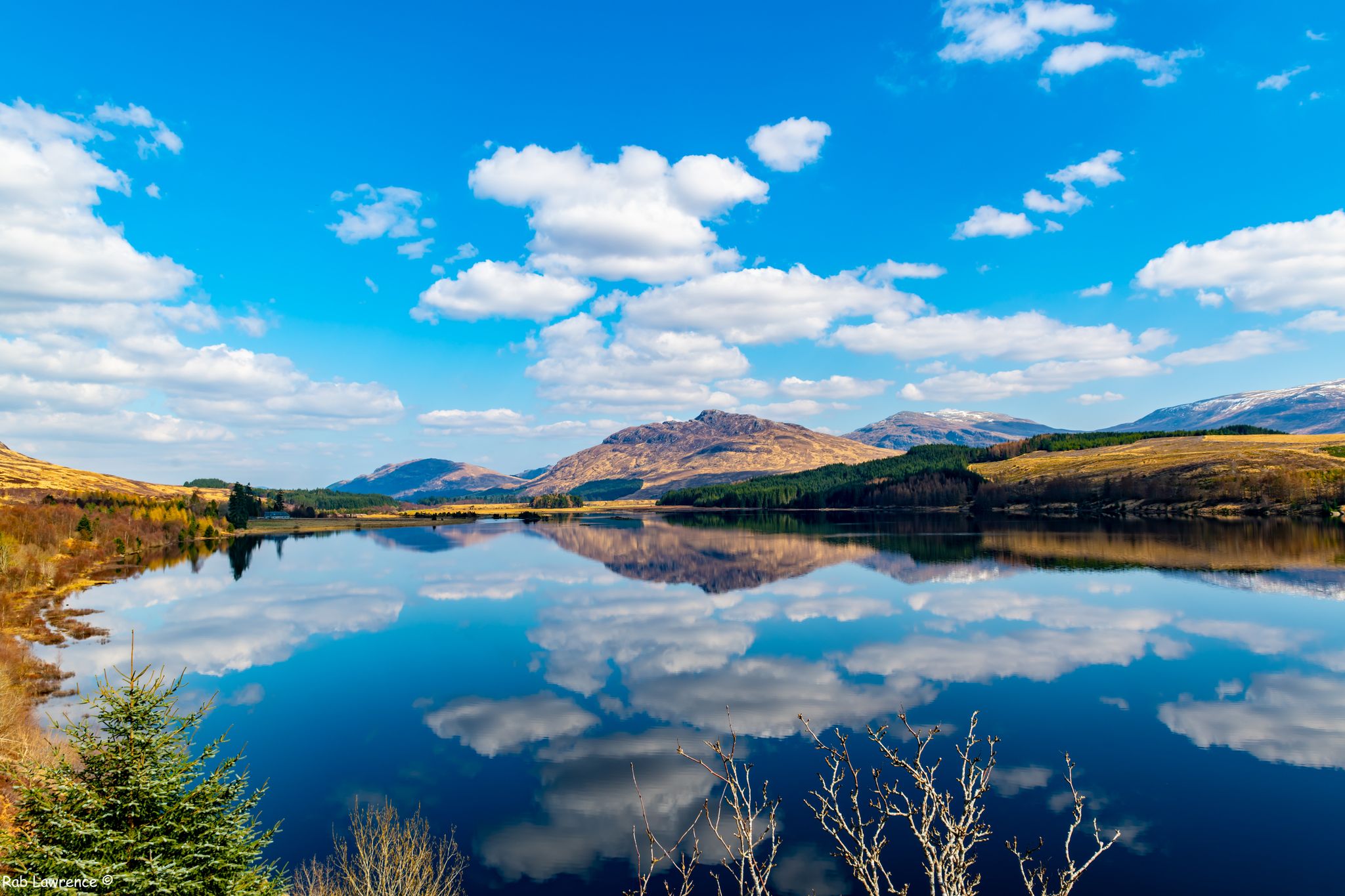
East Highland Way — Hike through Scotland's remote, mountainous heart
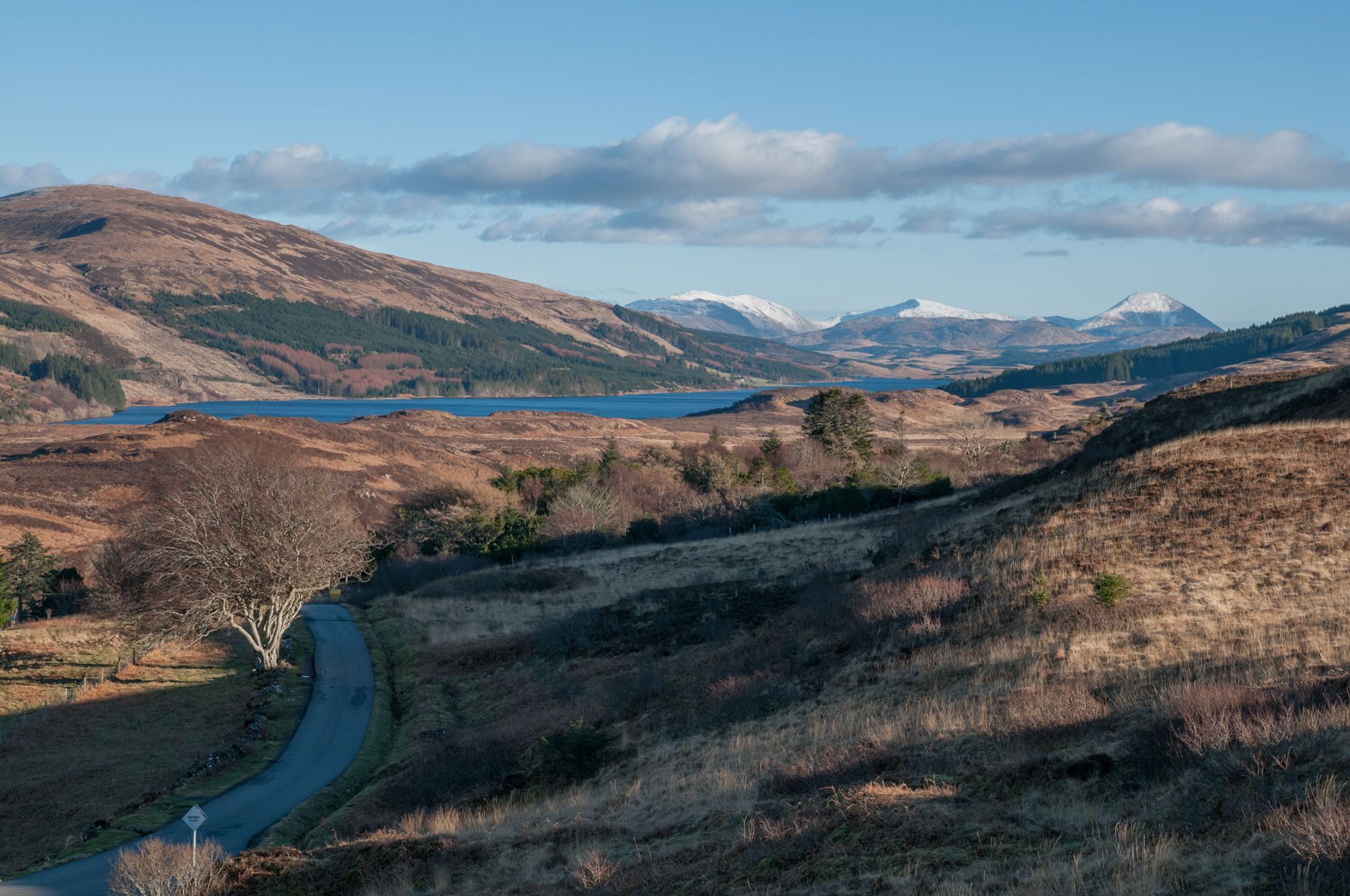
West Island Trail – Island hopping by bike in the Inner Hebrides
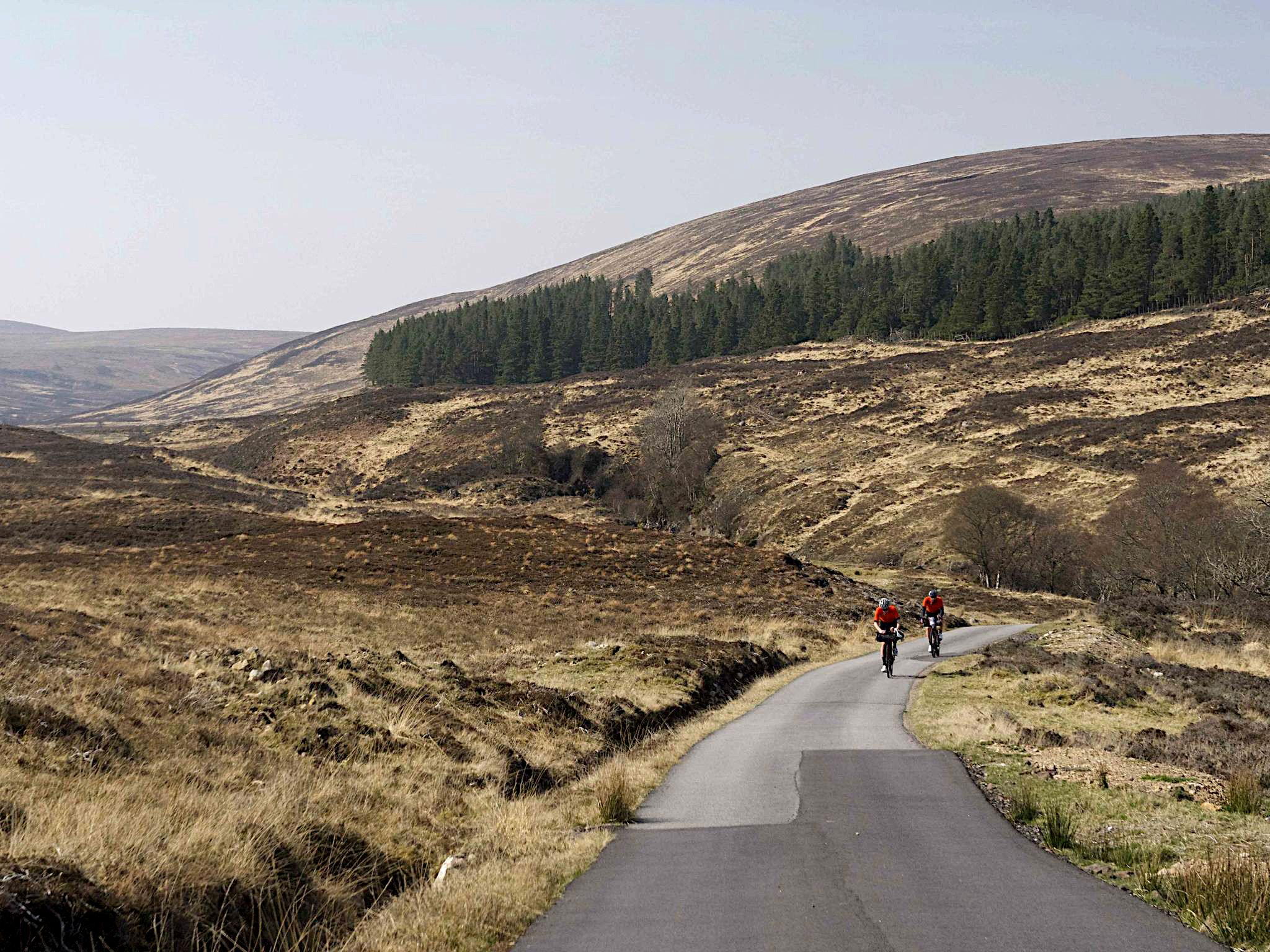
North Coast 500 Cycle Route – Scottish bikepacking adventure
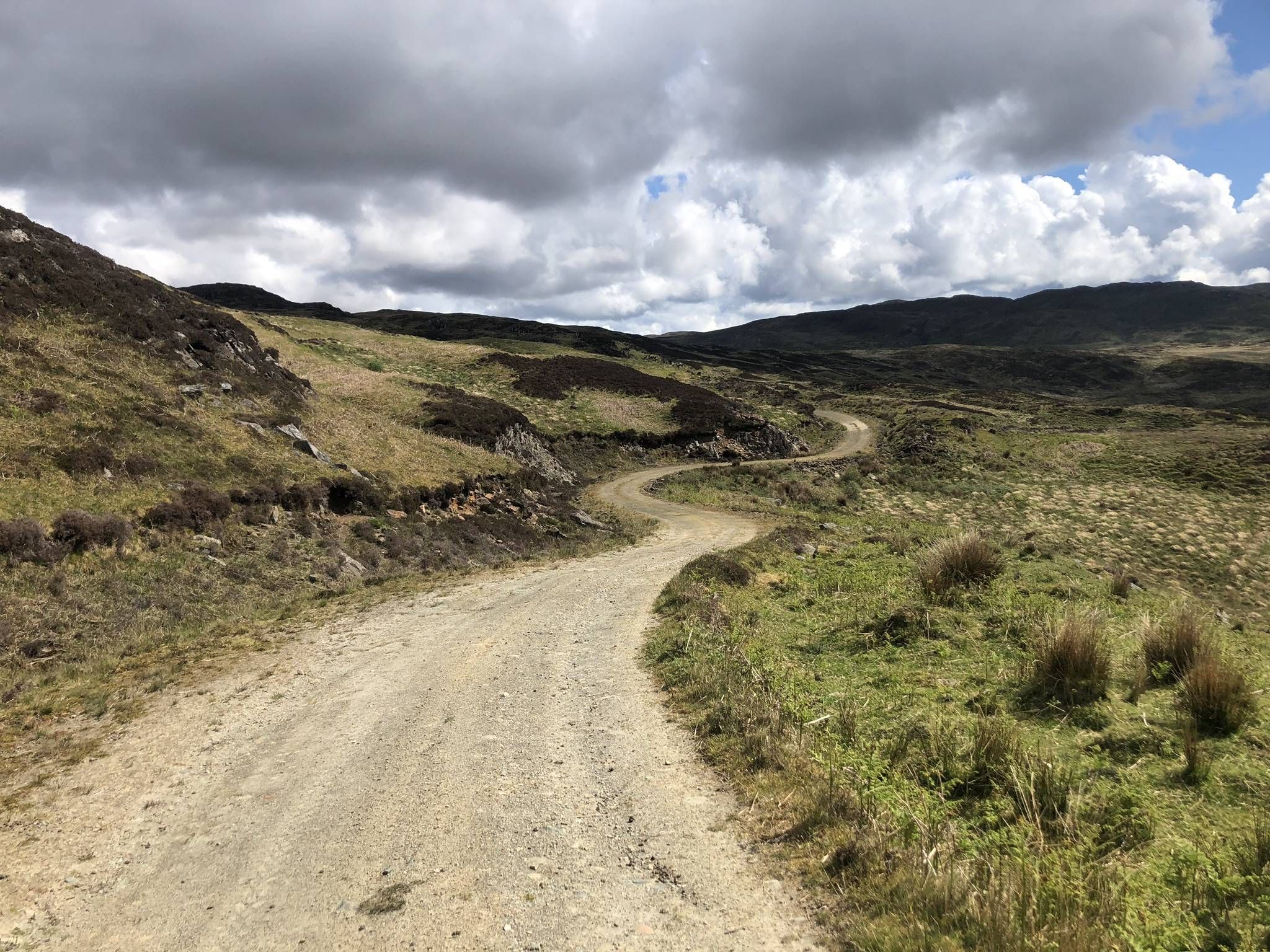
The Faultline Trail — Scotland tip to tip
Other adventures in the Northwest Highlands


Tips from the Community

a nice spot for a snack break. eneterance is quite low so you might need to take your rucksack off before entering.
0
0

Quite a popular little hike, so it's quite busy. The caves aren't really that impressive - apart from their age and the finds, they're quite small - but there's a really strong spring on the way, which basically creates a fairly large stream on the side of the path.
1
0

The wonderful Livingstone Walk takes you around the eastern side of the Isle of Ulva - which has been inhabited since prehistoric times! The walk incorporates old ruins, caves, and basalt columns, along with fantastic views across Lock Na Keal.
1
0

Great caves! They're obviously part of a system that you can descend into when you have experience.
0
0

The large opening reveals a waterslide with a river flowing from a pothole above and leaving through the cavern to the right (where it ends in a sump). Don't try to enter the cave as the ground is steep and slippery - this is a dangerous place.
1
0
The water can't be seen but it can be heard - the large chamber is a dead-end. Further progress, strictly for equipped and experienced cavers only is made by crawling to the right under a section of low roof.
1
0
Lower Traligill Cave is the main sink for the River Traligill from Gleann Dubh. In wet weather the cave overflows and resurges, rapidly flooding the valley below. The entrance is visible from the Glenbain track, a broad arch with gravel and boulders on the floor.
2
0

Frequently Asked Questions
What are the most popular caves to visit in the Northwest Highlands?
Beyond the well-known Smoo Cave and Inchnadamph Bone Caves, the region offers other notable subterranean experiences. Stone Cave is appreciated by the komoot community as a useful spot for shelter during adverse weather. The Traligill Caves system, including Waterslide Cave, Lower Traligill Cave, and Uamh an Tartair Cave, is Scotland's largest cave system, though primarily for experienced cavers.
Are there family-friendly caves or walks near caves in the Northwest Highlands?
Yes, Smoo Cave is generally accessible for families, with a walk-in main chamber and a wooden walkway to view the waterfall. The path to Inchnadamph Bone Caves is also considered a fairly easy 2km path from the car park, making it suitable for families interested in history and nature.
What historical or archaeological significance do the caves in the Northwest Highlands hold?
The Inchnadamph Bone Caves are particularly significant. Excavations have unearthed bones of extinct animals like lynx, polar bears, and arctic foxes, along with evidence of prehistoric hunters and gatherers, dating back 47,000 to 8,300 years. Smoo Cave also has archaeological finds suggesting human activity from Neolithic, Norse, and Iron Age periods.
What unique geological features can be found in the Northwest Highlands caves?
The region's unique karst landscape, formed by the dissolution of Durness dolomite, has created numerous cave systems. Smoo Cave is a magnificent sea and freshwater cave, unique for being the largest of its kind in Britain, featuring a dramatic 25-meter waterfall plunging through a blowhole. The Traligill Caves system showcases impressive underground formations and waterways, including the 'waterslide' feature in Waterslide Cave.
What is the best time of year to visit the caves in the Northwest Highlands?
The best time to visit is generally during the warmer, drier months, typically from late spring to early autumn (May to September). This period offers more stable weather conditions, making access to caves and surrounding trails more comfortable. Boat trips into the inner chambers of Smoo Cave are usually available during the summer months, depending on conditions.
Are there any challenging caves for experienced cavers in the region?
Yes, the Traligill Caves system, including Waterslide Cave, Lower Traligill Cave, and Uamh an Tartair Cave, represents Scotland's largest cave system and is primarily a destination for experienced cavers. Access to deeper parts is restricted due to inherent dangers like steep, slippery ground and strong river flows.
What outdoor activities can I do near the caves in the Northwest Highlands?
The area around the caves offers excellent opportunities for hiking. You can find various routes, including waterfall hikes and mountain hikes. For example, there's an 'Inchnadamph Bone Caves loop' which is an easy hike. You can explore more options on the Hiking in the Northwest Highlands guide or the Waterfall hikes in the Northwest Highlands guide.
What should I wear when exploring caves in the Northwest Highlands?
When exploring caves, it's advisable to wear sturdy, waterproof footwear with good grip, as surfaces can be wet and slippery. Layers of warm clothing are recommended, as cave temperatures can be cooler than outside. For more adventurous explorations, a headlamp or torch is essential, and waterproof outer layers are beneficial, especially near waterfalls or in wet cave environments.
Is there parking available near the main cave attractions?
Yes, parking is generally available near popular cave attractions. For instance, there is a car park for the Inchnadamph Bone Caves, from which the path to the caves is about 2km. Smoo Cave also has nearby parking facilities, making it easily accessible for visitors.
Are there any specific access rules or permits required for visiting caves?
For easily accessible caves like Smoo Cave and the initial sections of Inchnadamph Bone Caves, no special permits are typically required for general public access. However, for deeper or more challenging cave systems like the Traligill Caves, special equipment and experience are necessary, and it's recommended to go with experienced cavers or guided tours, which may have their own access protocols.
Can I take a boat trip inside any of the caves?
Yes, at Smoo Cave, guided geological tours by boat are offered into the third, inner chamber, depending on conditions. This provides a unique perspective on the cave's formations and its impressive waterfall.
What kind of wildlife might I encounter near the caves?
The Northwest Highlands are rich in wildlife. While direct cave encounters might be limited to bats or small invertebrates, the surrounding areas are home to various species. The Inchnadamph Bone Caves themselves are famous for the bones of extinct animals like lynx and polar bears found there, offering a glimpse into ancient wildlife. The coastal areas near Smoo Cave might offer sightings of seabirds and marine life.
Are there accommodations or places to eat near the caves?
The Northwest Highlands offer various accommodations, pubs, and cafes in nearby towns and villages. For instance, Durness, where Smoo Cave is located, has options for visitors. Similarly, areas around Inchnadamph provide facilities for those exploring the Bone Caves and the wider Assynt region.
Most popular routes in the Northwest Highlands
Most popular attractions in the Northwest Highlands

Get inspired with the komoot mobile app


Explore more
Extend your search for the best caves by checking out these guides of the top ones in the Northwest Highlands:
