Top 6 Gorges in the Shetland Islands
Best canyons in the Shetland Islands are characterized by dramatic coastal geology, featuring impressive cliff formations, narrow inlets known as "geos," sea stacks, and sea caves. The islands' unique landscape is a result of millions of years of erosion by the North Atlantic, showcasing volcanic history and ancient rock formations. Recognized as a Geopark since 2010, the Shetland Islands offer a diverse geological environment. This region provides opportunities to explore striking natural monuments and coastal features.
Best canyons in the…
Last updated: June 24, 2026
Holes of Scraada
Highlight • Natural Monument
Tip by

Calder's Geo
Highlight • Gorge
Tip by
Sign up now to discover places like this
Get recommendations on the best single tracks, peaks, & plenty of other exciting outdoor places.
Sign up for free
Holes of Burra
Highlight • Gorge
Tip by
Big Geo of Strom Ness
Highlight • Natural Monument
Tip by
Holm of Noss Cliffs
Highlight • Gorge
Tip by
Helli Ness Headland
Highlight • Viewpoint
Tip by

Start today with a free account
Your next adventure awaits.
Login or Signup


Tips from the Community

Located right next to the lighthouse to the north
0
0
Here you can clearly see the power of the sea
0
0

Beautiful island. If you love Batur, you've come to the right place. You can walk a trail around the outside of the island once. Past collapsed buildings, sheep, lots of birds, seals and much more. It's worth it. A great trip.
0
0

A prominent headland on the east coast of the South Mainland of Shetland, Helli Ness lies 2 miles (3 km) east of Cunningsburgh and is trimmed by cliffs which reach 20m (65 feet) in height. On the coastal side you will see large glacial erratic rocks and the remains of an old croft house.
1
0

The path takes you to a ruined building at Burg, but the real gems lie just beyond in Qui Ness geo to the North and the Big Geo of Strom Ness to the West - a huge chasm!
2
0
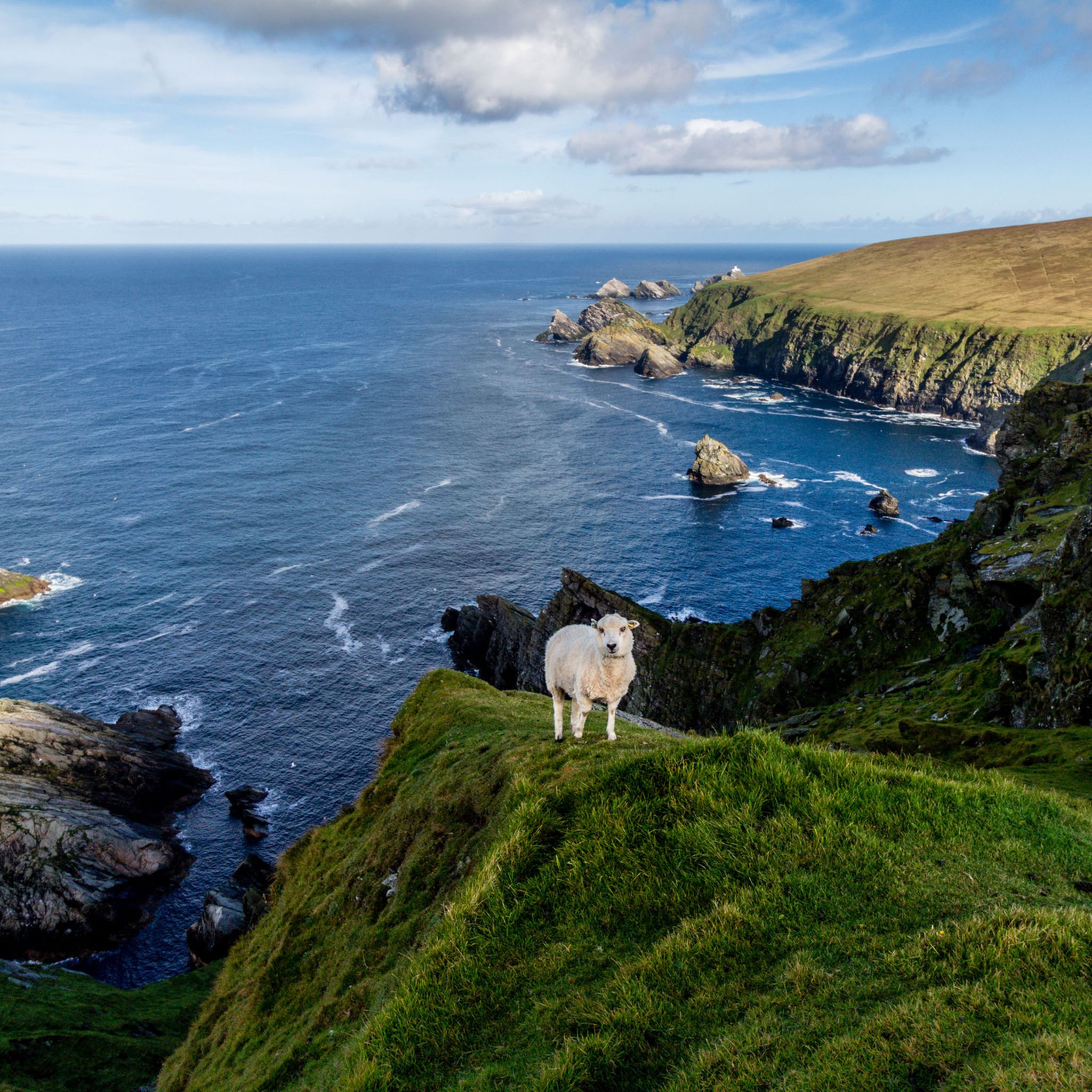
The cliffs in this area provide nesting for Fulmar and Shag. You may also spot Black Guillemot fishing offshore. Don't wander off the path around the RSPB reserve, as it should be kept too. Perie Bard lighthouse can be seen down the coast.
1
0
Dramatic cliffs supporting an incredible number of nesting seabirds. Porpoises and otters might be spotted offshore.
2
0
The Holes of Scraada (the Holes of old "Scratch," i.e., the Devil), named after a formation no longer seen: when a natural bridge fell down - so the story goes, just after a boy had walked over - and one "hole" was formed out of the two original old ones. This narrow opening approximately 100 metres from end to end, descends to a beach to which the sea flows, through a tunnel in the cliff.
1
0
Frequently Asked Questions
What kind of natural formations are referred to as 'canyons' in the Shetland Islands?
In the Shetland Islands, 'canyons' typically refer to the dramatic coastal features carved by the North Atlantic. These include narrow inlets known as 'geos,' impressive sea stacks, natural arches, and sea caves, rather than traditional inland river-carved canyons. The islands' unique geology, shaped by millions of years of erosion and volcanic history, creates these striking landscapes.
What are some of the most dramatic geological formations to visit in the Shetland Islands?
The Shetland Islands boast several spectacular geological formations. The Eshaness Cliffs are renowned for their volcanic rock formations and numerous geos, including Calder's Geo. Other notable features include the narrow granite sea stacks of Da Drongs, the unique rock arch of Dore Holm, and the dramatic cliff tunnel at the Holes of Scraada.
Which 'geo' is known for potentially housing the largest natural cave chamber in the UK?
Calder's Geo, located in the cliffs of Eshaness, is an inlet where a cave on its north side is believed to house the largest natural cave chamber in the UK. This cave is only accessible by watercraft during calm seas.
Where can I find a dramatic cliff tunnel that descends to a beach?
You can experience this at the Holes of Scraada. This natural monument features a narrow opening, approximately 100 meters long, that descends through a cliff tunnel to a beach, powerfully demonstrating the sea's erosive force.
Are there any easy walks to access these coastal formations?
Yes, there are several easy walks that allow you to experience the Shetland Islands' coastal beauty. For example, the Eshaness area offers popular cliff walks with spectacular views. You can find more options for gentle exploration in the Easy hikes in the Shetland Islands guide, which includes routes like the Lerwick Coastal Walk and the St Ninian's Isle circular.
What outdoor activities can I do near these coastal 'canyons'?
Beyond exploring the geos and cliffs, the Shetland Islands offer a range of outdoor activities. You can enjoy hiking along coastal paths, with options from easy strolls to more challenging routes. Cycling is also popular, with various routes available across the islands. For detailed information on routes, check out the Hiking in the Shetland Islands and Cycling in the Shetland Islands guides.
What is the best time of year to visit the Shetland Islands for exploring its coastal features?
The best time to visit the Shetland Islands for exploring its coastal features is generally during the late spring and summer months, from May to August. During this period, the weather is milder, days are longer, and seabird colonies are at their most active, offering spectacular wildlife viewing opportunities alongside the dramatic landscapes. However, be prepared for changeable weather conditions at any time of year.
Are there any family-friendly options for exploring the coastal areas?
Many of the coastal walks, especially those with well-maintained paths and stunning viewpoints, can be enjoyed by families. While sea cave tours might require specific operators and calm conditions, exploring the cliff tops and geos like those around Eshaness or the Holes of Burra can be a memorable experience for all ages, provided appropriate care is taken near cliff edges.
What should I wear for coastal walks in the Shetland Islands?
Given the often unpredictable weather in the Shetland Islands, it's advisable to dress in layers. Waterproof and windproof outer layers are essential, even in summer. Sturdy, waterproof walking boots with good grip are highly recommended for uneven and potentially muddy coastal paths. Don't forget a hat, gloves, and sun protection, as conditions can change rapidly.
Can I bring my dog on trails around the Shetland Islands' cliffs?
Many outdoor trails in the Shetland Islands are dog-friendly, but it's crucial to keep dogs on a lead, especially near cliff edges, nesting birds, and livestock. Always follow local signage and be mindful of wildlife. For example, around the Holes of Burra, it's advised to keep to the path around the RSPB reserve to protect nesting birds.
What makes the Shetland Islands a Geopark?
The Shetland Islands were recognized as a Geopark in 2010 due to their complex and diverse geology. The islands showcase a remarkable geological history spanning nearly three billion years, including ancient volcanic landscapes, metamorphic rocks, and evidence of powerful glacial and marine erosion. This rich geological heritage is visible in the dramatic cliffs, geos, and other coastal formations across the archipelago.
Are there any hidden gem walks to discover the unique coastal formations?
For those seeking a more remote and rewarding experience, the challenging nine-mile circular hike over Ronas Hill to reach Da Lang Ayre is highly recommended. This spectacular beach is backed by striated cliffs and unique rock formations, offering an almost surreal, otherworldly landscape with red granite and rare arctic alpine plants. It provides a sense of remoteness and unique beauty.
Most popular routes in the Shetland Islands
Most popular attractions in the Shetland Islands

Get inspired with the komoot mobile app


Explore more
Already discovered everything in this region? See additional gorges in the Shetland Islands for your next adventure:
