Top 4 Caves in Carmarthenshire
Best caves in Carmarthenshire are found within a region of Wales characterized by diverse natural landscapes, from the Black Mountain to river valleys. This area is known for its historical significance, including ancient castles and Roman-era sites. Carmarthenshire offers a range of underground experiences, from natural limestone caverns to historical mining operations.
Best caves in Carmarthenshire
- The most popular caves is Carreg Cennen Castle, a castle with a cave that served as a water supply. Visitors can access this limestone cavern via a vaulted passageway and explore it with a torch.
- Another must-see spot is Twm Siôn Cati's Cave, a historical site. This cave is believed to be the 16th-century hideout of Twm Siôn Cati, often referred to as the "Welsh Robin Hood."
- Visitors also love Llygad Llwchwr (Source of the River Loughor), a natural monument and cave. This spot is where the River Loughor emerges from an underground lake at the western end of the Black Mountain.
- Carmarthenshire is known for its natural caves, historical hideouts, and ancient mining tunnels. The region offers a variety of underground sites to explore, from river sources to Roman-era gold mines.
- The caves in Carmarthenshire are appreciated by the komoot community. Users have contributed 55 photos and given more than 60 upvotes to these highlights.
Last updated: August 18, 2026
Carreg Cennen Castle
Highlight • Castle
Tip by

Twm Siôn Cati's Cave
Highlight • Historical Site
Check out more about the RSPB Nature Reserve that it's in and what species you might find here at rspb.org.uk/reserves-and-events/reserves-a-z/gwenffrwd-dinas
Tip by

Sign up now to discover places like this
Get recommendations on the best single tracks, peaks, & plenty of other exciting outdoor places.
Sign up for free
RSPB Gwenffrwd-Dinas Nature Reserve
Highlight • Forest
Tip by
Llygad Llwchwr (Source of the River Loughor)
Highlight • Cave
The cave contains a dry high level series and an active river level. Beyond the fourth river chamber exploration is only possible by cave diving.
Tip by

Dolaucothi Gold Mines
Highlight • Cave
Tip by
Start today with a free account
Your next adventure awaits.
Login or Signup
Popular around Carmarthenshire
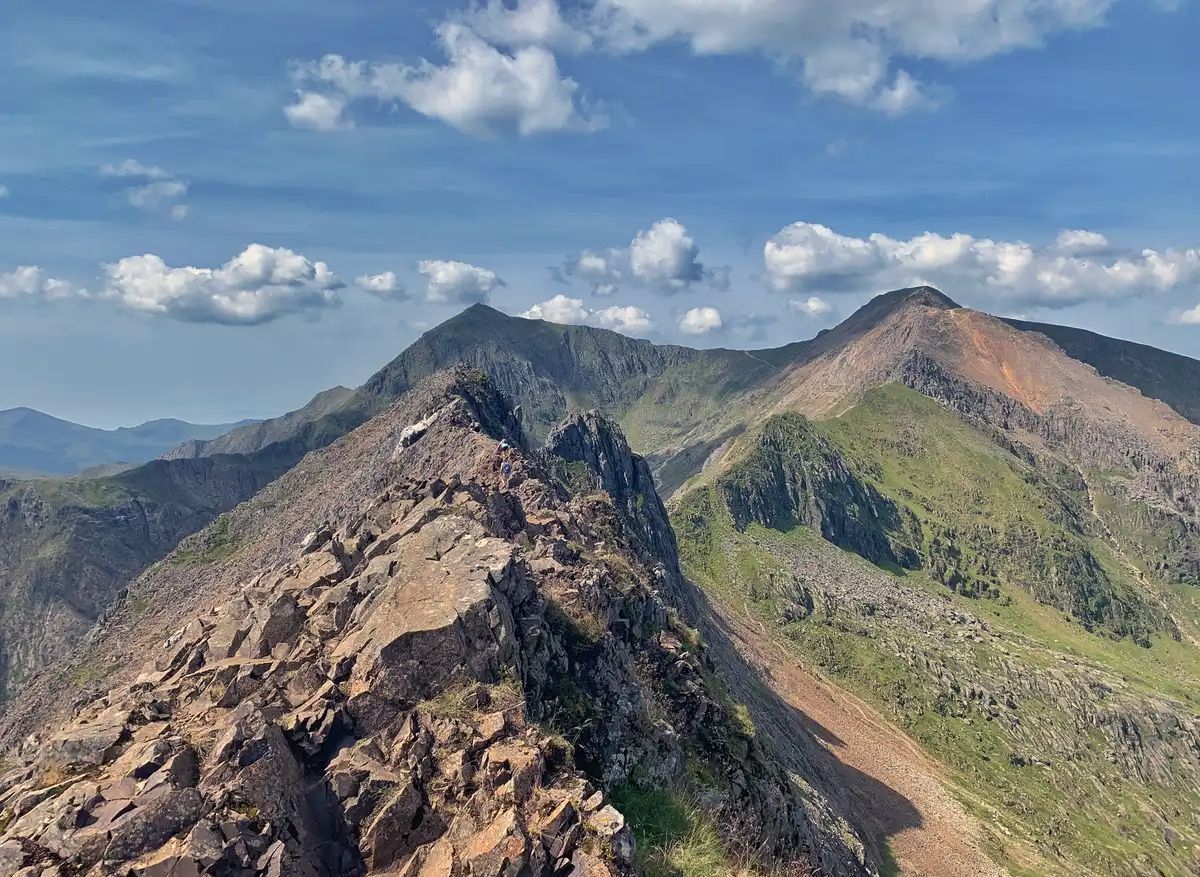
The Dragon's Back – running the spine of Wales
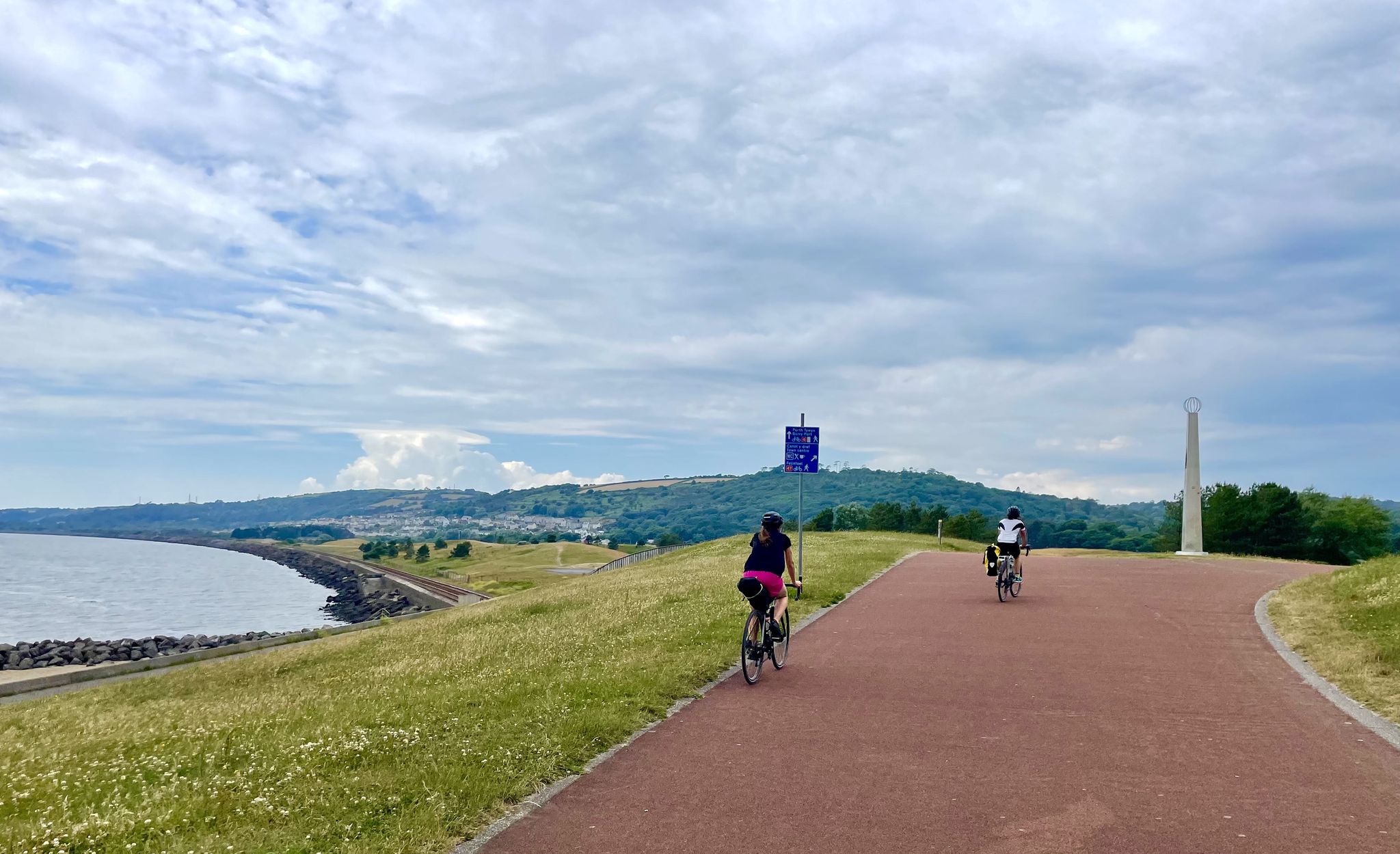
National Cycle Network Route 4 — Greenwich to Fishguard
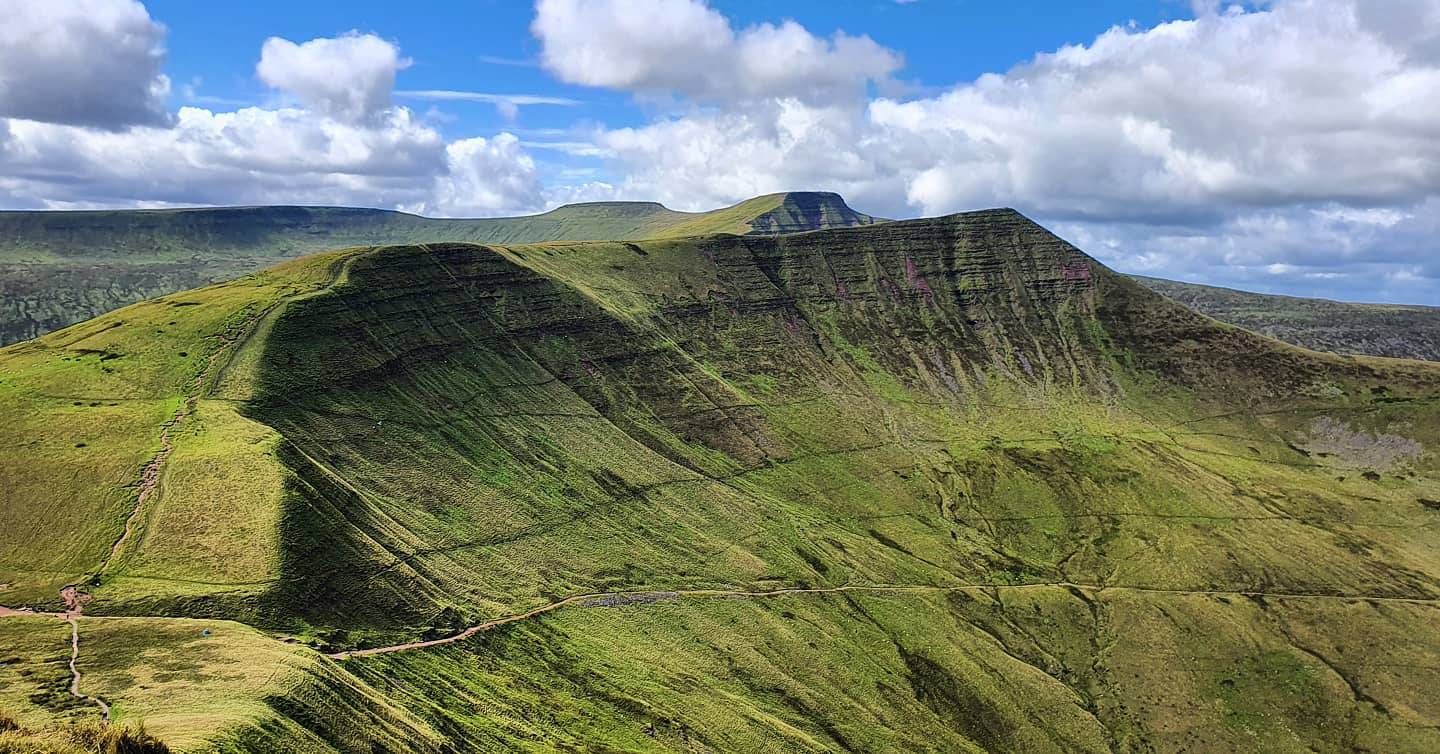
Beacons Way — Hike the high, emerald spine of South Wales
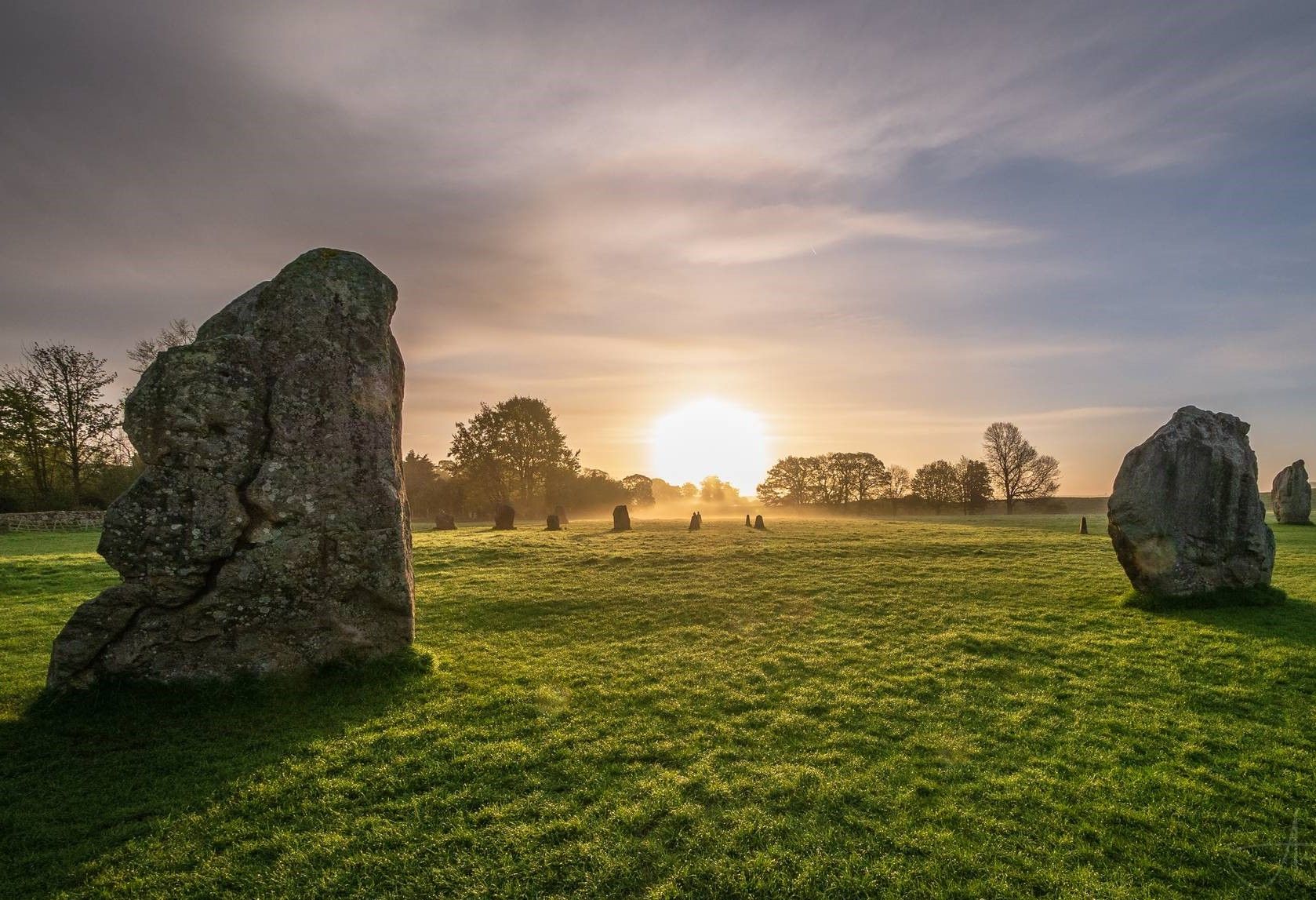
Celtic Way — An epic pilgrimage through prehistory and wild beauty
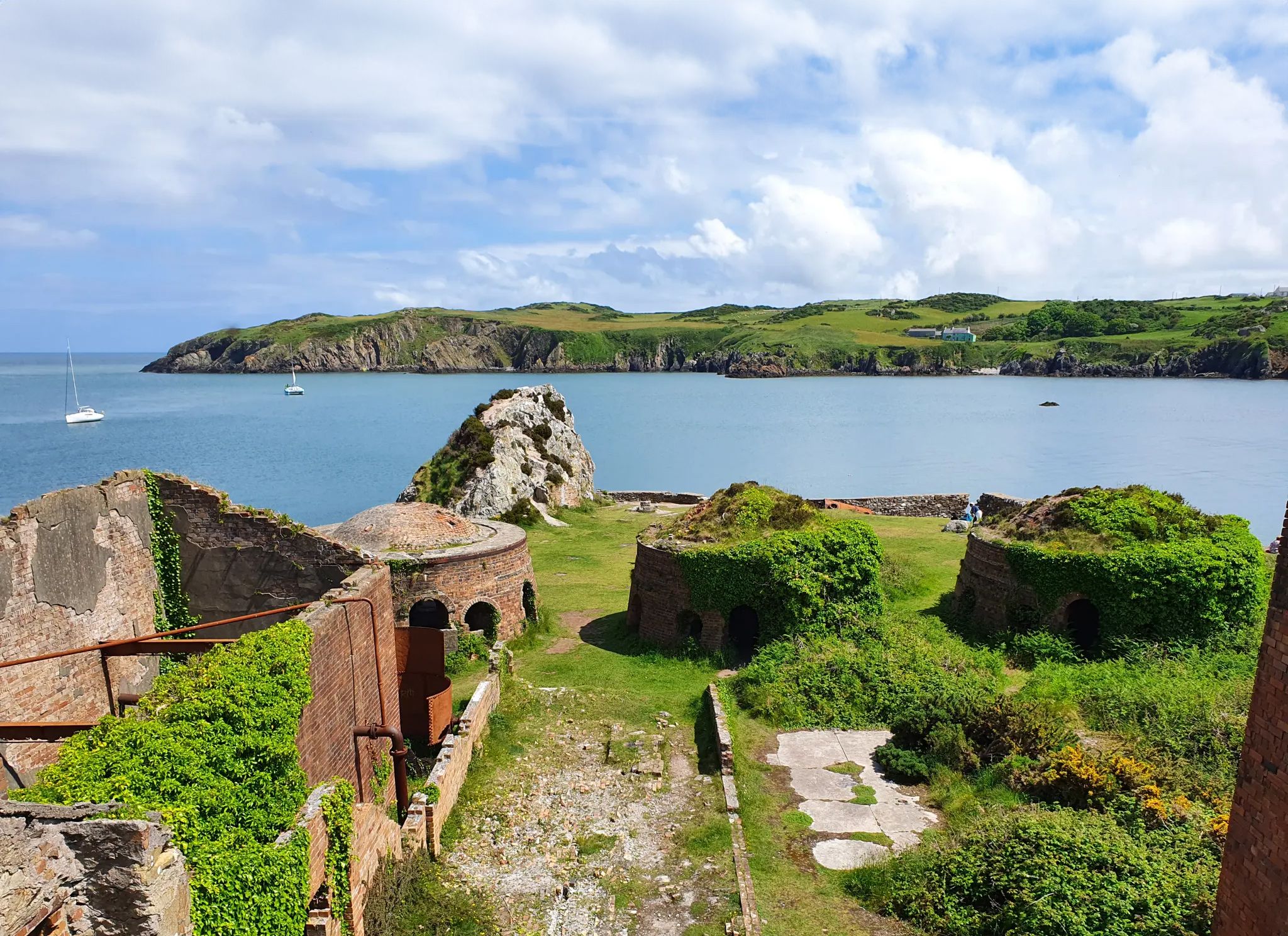
O Fon i Fynwy — Exploring Wales on foot from top to bottom
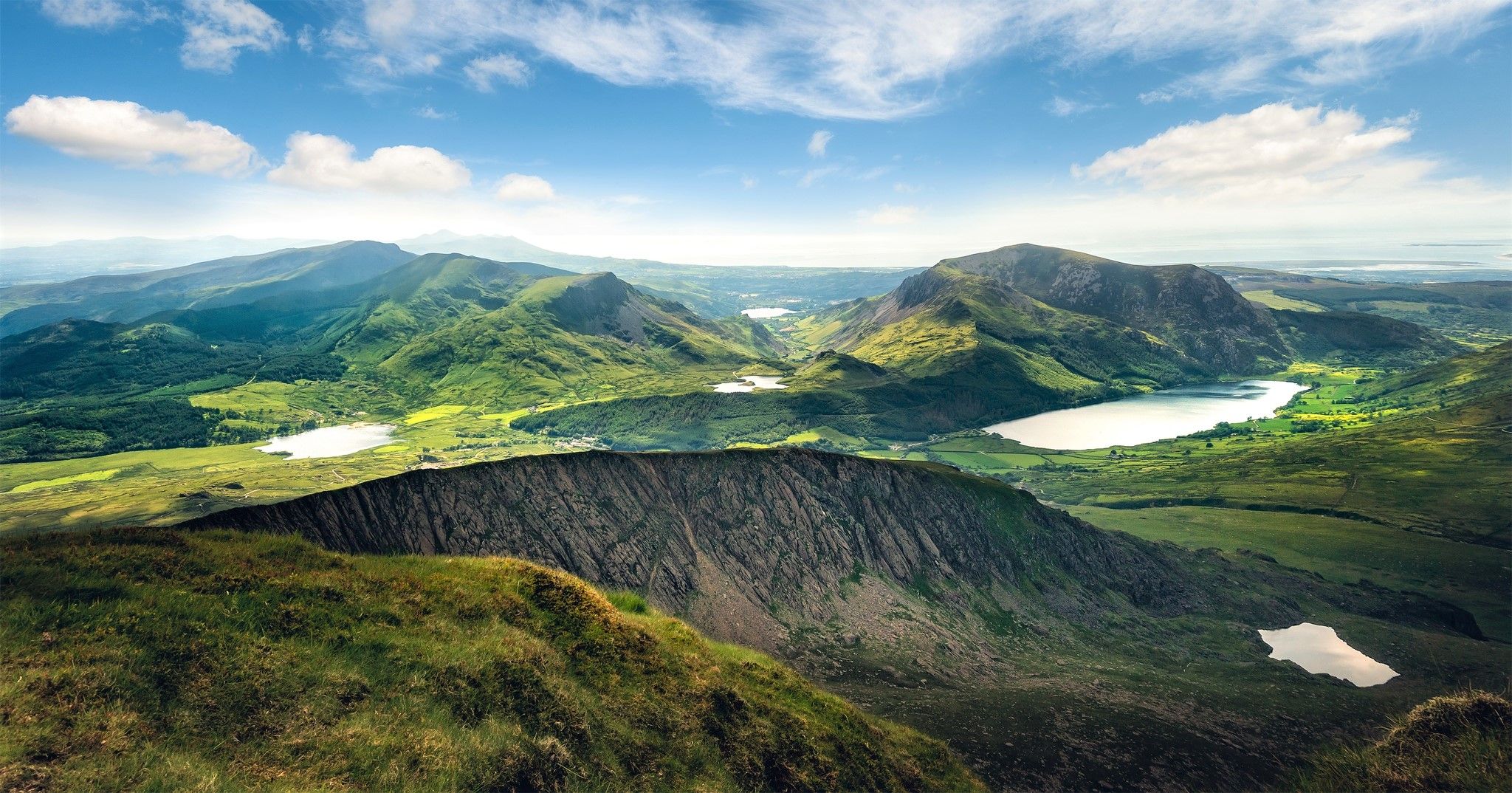
Cambrian Way — Hike the highest, wildest and most beautiful trail in Wales
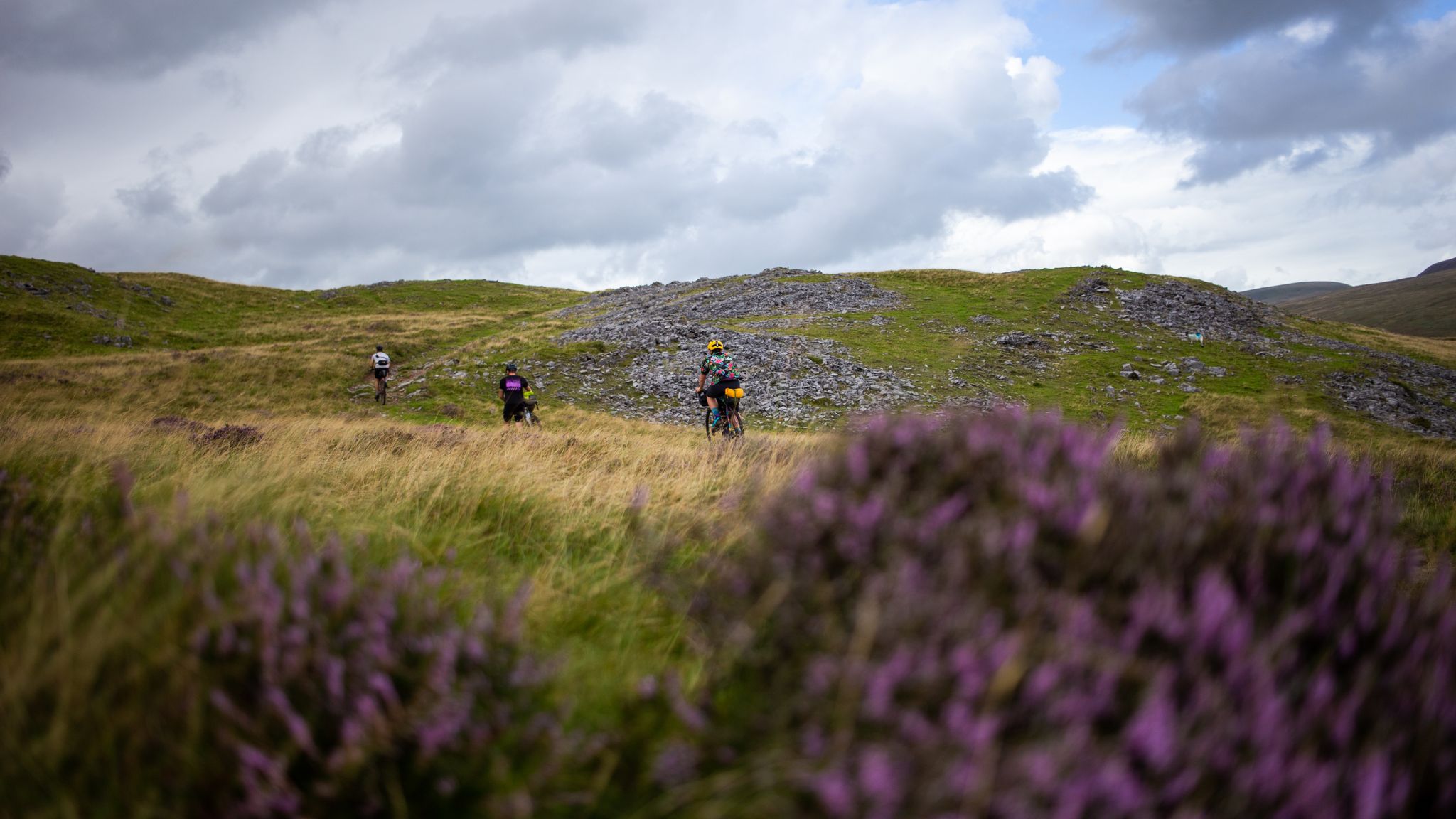
Riding into the storm — Black Mountain crossing
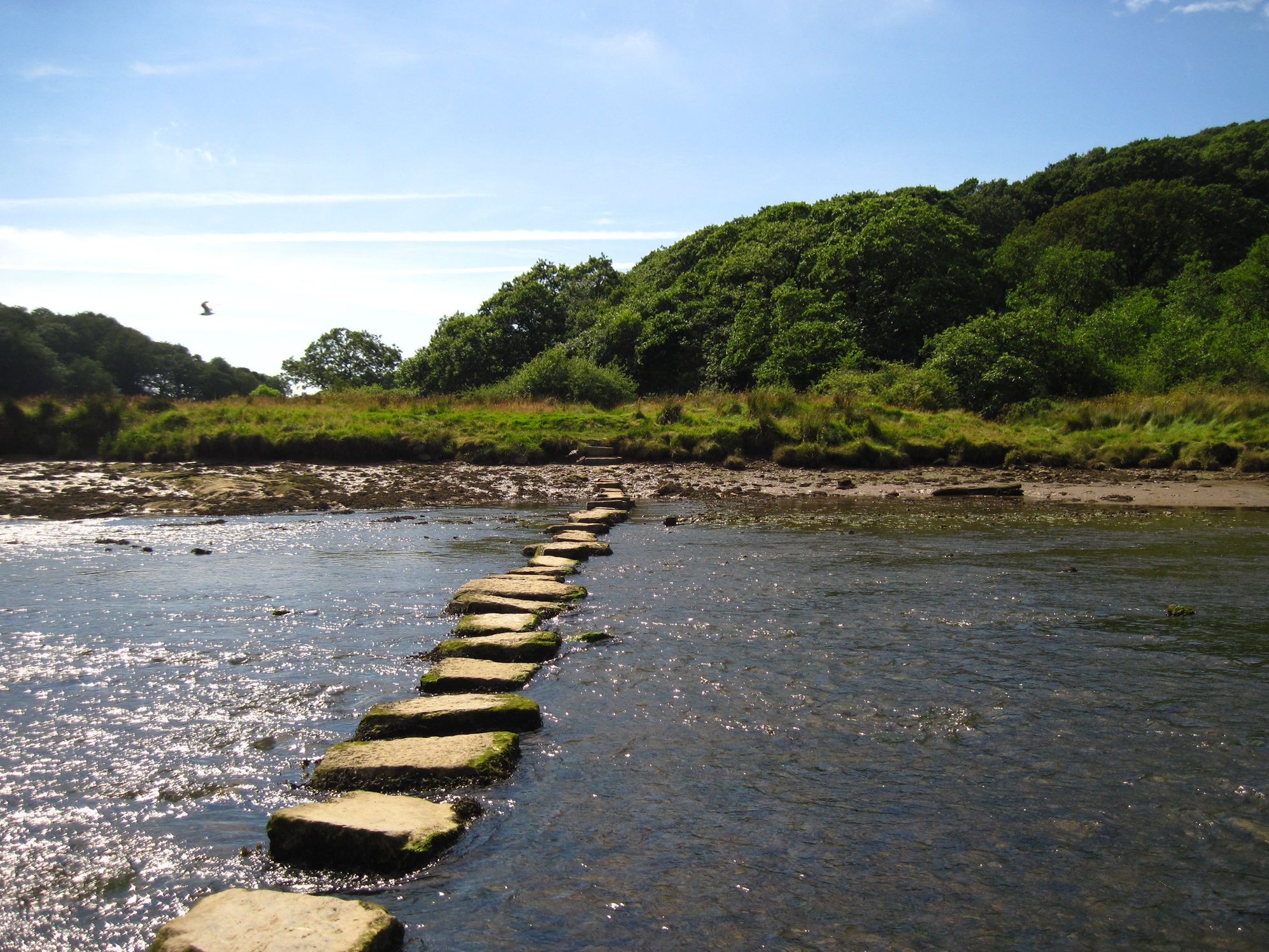
Frontier hiking in South West Wales — Landsker Borderlands Trail
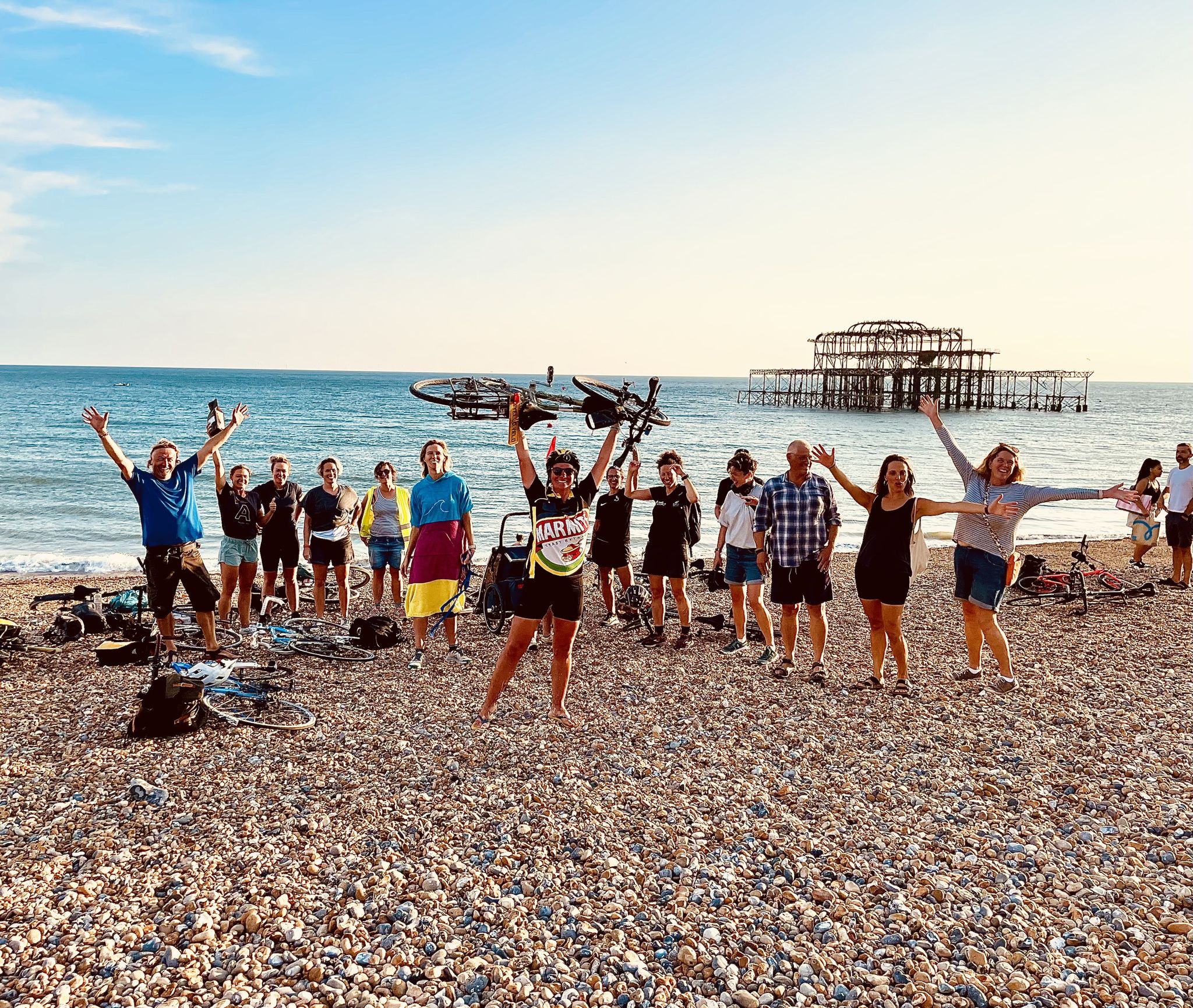
Around the edge in 80 days — cycling the coastline of Britain
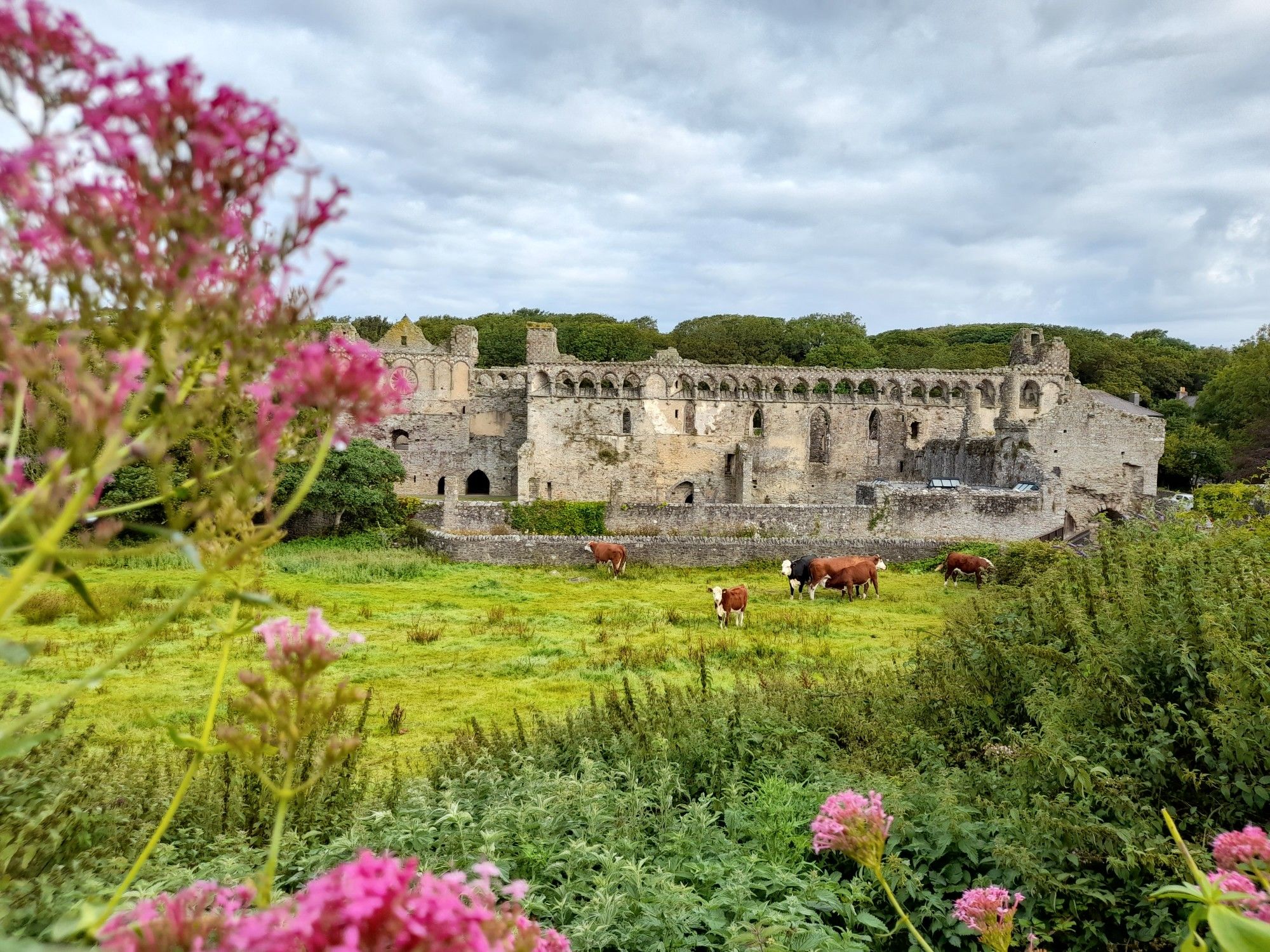
The glorious South Wales coastline by bike — Celtic Trail
Other adventures in Carmarthenshire


Tips from the Community

Wow just wow, didn’t expect the cave below the castle !!!
0
0

The River Loughor is a river in Wales that marks the border between Carmarthenshire & Swansea. The river is sourced from an underground lake at the Black Mountain emerging at the surface from Llygad Llwchwr, which translates from the Welsh as eye of the Loughor😀
2
0
Carreg Cennen Castle is erected sometime after 1284 by Baron John Giffard and his son on the site of an earlier Welsh fortification. In 1462, Carreg Cennen flies the Lancastrian flag. Taken on behalf of the Yorkist king Edward IV, it is slighted by pick and crowbar, ending its life as a stronghold. Carreg Cennen castle is spectacularly located on a great limestone crag about 90m above the river Cennen, offering views miles around.
2
0

THE TALE OF THE WELSH “ROBIN HOOD” Known as Twm Siôn Cati Twm Siôn Cati is a historically known figure in Welsh folklore. A tale recounted by Meyrick recalls how Twm was asked by a poor man to steal a pitcher for him. They went together to a merchant where Twm started belittling the man's wares. Having told his friend secretly to take the pitcher of his choice, Twm distracted the merchant by telling him there was a hole in one of the pitchers, which the man denied. Twm desired him to put his hand in the pitcher to test it and the man still denied there was a hole. Twm then asked him how, if there was no hole, could he have put his hand inside? By this time his friend had disappeared with his pitcher, undetected. A tale from Prichard's book involves an occasion when Twm is staying in an inn overnight and realises other people are planning to rob him the following day after he sets off. He has a large sum of money with him. The following morning he behaves as though his money is in the pack-saddle of his horse. When the highwayman catches up, Twm drops the saddle in the middle of a pool. The highwayman wades into the pool to fetch it, Twm takes the opportunity to make off with the highwayman's horse. A complication arises because the horse responds to the voice of the highwayman crying "Stop!" Luckily Twm, in terror, happens to shout a word which makes the horse gallop on again, and he is conveyed to safety. Another tale recounts how Twm waylaid a rich squire, who was accompanied by his daughter, Twm was so smitten with her that he returned her jewellery to her and attempted to woo her, against her father's opposition and, initially, her own. One full moon shortly after the robbery, he crept to her window, roused her from sleep, caught her hand at the window and kissed it, refusing to let her go until she promised to marry him. She wouldn't promise so Twm drew his dagger, drew blood on her wrist and threatened to sever her hand unless she assented to marriage forthwith. She agreed to marry him and she kept her hand. Their marriage followed soon after, despite her father's views and the directness of Twm's courtship methods. The girl was supposedly the widow of the sheriff of Carmarthen. Through this marriage Twm is supposed to have gained respectability, eventually becoming a justice of the peace, sitting in judgement on others, a position he held until his death aged 79.
1
0

Ruin of a late thirteenth-century castle, on a limestone rock where there may already have been a fort in the Iron Age. The earliest castle was most likely the work of the dynasty of Welsh princes. The oldest found written mention of the castle dates "only" from 1248 when Rhys Fychan (died 1271), great-grandson of Lord Rhys, conquered the castle from the English. In 1277 the castle was captured by Edward I of England in his first campaign against Llewelyn ap Gruffudd of Gwynedd (died 1282).[1] The castle was briefly reconquered in 1282 and 1287. In 1282–83 Edward I completed his conquest of Wales and granted Carreg Cennen Castle in 1283 to his loyal supporter John Giffard (d. 1299), baron of Brimpsfield (Gloucestershire). The current castle was most likely built by Baron Giffard and his son John (died 1322), not too long after 1284. Being a resident of Ghent myself, I thought it was a nice fact that the castle was in the hands of John of Gaunt (yes, John of Gaunt), Duke of Lancaster, for a while in the 14th century. During the War of the Roses (1455-1485), Carreg Cennen Castle was initially in Lancaster hands, but was later conquered by the York supporters. In the late 18th century the castle became popular among amateur archaeologists and artists, with William Turner visiting the castle in 1798. In the 19th century the second Earl of Cawdor began restoration work on Carreg Cennen Castle. In 1932 the castle came under state management. In the 1960s the castle became the property of the Morris family, owners of the Castell Farm farm near the castle. Source: Wikipedia The castle can be visited 364 days of the year. Just not on Christmas Day. 9:30 am - 4:30 pm (from April to October until 5:00 pm) The ticket desk is located at the tea room / gift shop ("downstairs", where the parking is also located). In high season and on weekends, tickets can also be purchased near the entrance to the castle. Entrance prices range from £6.50 for adults, £4.00 for discount holders, to £20.00 for a family ticket.
1
1

This magical spot, Llygad Llwchwr which translates as "eye of the Loughor" is where the River Loughor emerges from its source - an underground lake at the Black Mountain. Below the surface from Llygad Llwchwr is a 1.2 km-long cave system in the Black Mountain. The cave contains a dry high level series and an active river level. Beyond the fourth river chamber exploration is only possible by cave diving.
3
0

This attractive RSPB site has a circular footpath adjacent to a river with beautiful rock cascades and old mossy trees. It is also home to the Twm Sion Cati's cave. All worth a look off of the bike.
1
0
Tales about him vary on details, but he is usually said to have been born in or very near to Tregaron, in or around 1530, his mother being one Cati Jones of Tregaron. His father was supposed to be Siôn ap Dafydd ap Madog ap Hywel Moetheu of Porth-y-ffin, also near Tregaron. He was an illegitimate son whose mother named him Thomas. The Welsh-language equivalent of Tom is Twm. It was also common practice in rural Wales for children with common names to be nicknamed after their mothers. Thus he became known as Twm Siôn Cati.
1
0
Frequently Asked Questions
What historical mining experiences can I find in Carmarthenshire?
You can explore the Dolaucothi Gold Mines, the only known Roman gold mine in the UK. Guided tours take you through underground workings, showcasing Roman mining techniques, and you can even try gold panning. Pre-booking is essential for tours.
Are there any caves associated with local legends or historical figures?
Yes, Twm Siôn Cati's Cave is famously known as the hideout of the 16th-century Welsh 'Robin Hood'. Reaching it involves a hike through woodlands, adding to its adventurous appeal.
Can I explore a cave within a castle in Carmarthenshire?
Absolutely. Beneath the dramatic ruins of Carreg Cennen Castle, there's a natural cave passage. It's believed to have served as a water supply for the castle's occupants. You can access it via a vaulted passageway and explore the limestone cavern, though a torch is recommended for navigation.
Where can I see the source of a river emerging from a cave?
Visit Llygad Llwchwr (Source of the River Loughor). This natural phenomenon is where the River Loughor emerges from an underground lake at the western end of the Black Mountain. It's a secluded and picturesque spot.
Are there any adventure caving opportunities in the region?
The Greenbridge Caves near Pendine offer adventure caving experiences, often provided by local activity centers. These caves are steeped in history, with local lore suggesting they were used by smugglers, and feature various speleothems like stalactites and stalagmites.
What kind of natural features can I expect to see when visiting caves in Carmarthenshire?
Beyond the caves themselves, you can encounter diverse natural landscapes. For instance, the area around Twm Siôn Cati's Cave features bluebell-blanketed woodlands and is part of an RSPB reserve, close to the Llyn Brianne Reservoir. Llygad Llwchwr is surrounded by trees and hills, near the Black Mountain.
Are there family-friendly options for exploring caves in Carmarthenshire?
Yes, sites like Carreg Cennen Castle with its accessible cave, and the guided tours at Dolaucothi Gold Mines, which include gold panning, offer engaging experiences for families. The hike to Twm Siôn Cati's Cave can also be a fun adventure for active families.
What outdoor activities can I do near the caves in Carmarthenshire?
Carmarthenshire offers various outdoor activities. You can find numerous hiking trails, including moderate routes like the 'Carreg Cennen Castle loop' or more challenging ones in the Black Mountain. Cycling is also popular, with routes such as the 'Llandovery to Dolaucothi Gold Mine loop'. For more options, explore the Hiking in Carmarthenshire or Cycling in Carmarthenshire guides.
What is the best time to visit the caves in Carmarthenshire?
Spring and summer are generally ideal for visiting, especially for caves like Twm Siôn Cati's Cave, where you can enjoy bluebells in the surrounding woodlands. For underground tours like Dolaucothi Gold Mines, check their specific operating seasons and book in advance.
Are there any specific access requirements or permits needed for caving in Carmarthenshire?
For commercial sites like Dolaucothi Gold Mines, pre-booking tours is essential. For natural caves like Carreg Cennen Castle's cave, access is usually part of the castle visit. For more adventurous or undeveloped cave systems, specific caving permits or guided expeditions might be required, and it's always best to check with local caving groups or adventure providers.
What do visitors enjoy most about the caves in Carmarthenshire?
Visitors appreciate the blend of history and nature. The unique experience of exploring a cave beneath a castle at Carreg Cennen, the historical intrigue of Twm Siôn Cati's hideout, and the fascinating Roman history at Dolaucothi Gold Mines are frequently highlighted. The natural beauty of sites like Llygad Llwchwr also receives high praise.
Are there places to eat or stay near the caves?
Yes, the area around Carreg Cennen Castle has a farm with a tea room offering home cooking. The wider Carmarthenshire region, being a popular tourist destination, offers various amenities including cafes, pubs, and accommodation options in nearby towns and villages.
Most popular routes in Carmarthenshire
Most popular attractions in Carmarthenshire

Get inspired with the komoot mobile app


Explore more
Extend your search for the best caves by checking out these guides of the top ones in Carmarthenshire:
