Attractions and Places To See in the Alexander Archipelago - Top 14
Best attractions and places to see in the Alexander Archipelago encompass a group of approximately 1,100 islands off the coast of southeastern Alaska. This region is primarily part of the Tongass National Forest, characterized by dense rainforests, rugged coastlines, and a vibrant marine environment. The archipelago offers a blend of historical depth, Indigenous cultures, and natural features, making it a destination for exploration. It is known for its diverse wildlife and numerous historical sites.
Best attractions and places to see…
Last updated: May 20, 2026
Southeast Alaska Indian Cultural Center
Highlight • Historical Site
Tip by

Totem Trail
Highlight (Segment) • Trail
You may …
Tip by
Sign up now to discover places like this
Get recommendations on the best single tracks, peaks, & plenty of other exciting outdoor places.
Sign up for free
Bridge over Indian River (a good place to watch salmon in the water)
Highlight • Bridge
Tip by
Russian Memorial Trail
Highlight (Segment) • Trail
Tip by
Sitka Sea Walk
Highlight (Segment) • Trail
Tip by
Saint Michael's Cathedral
Highlight • Religious Site
Translated by Google •
Tip by

Historic Cannery Museum
Highlight • Historical Site
Translated by Google •
Tip by

Sitka National Historical Park
Highlight • Historical Site
Translated by Google •
Tip by
Balls Lake Trail
Highlight (Segment) • Trail
Tip by
Sawmill Creek Road
Highlight (Segment) • Trail
Tip by
Sign up for free to discover even more attractions in the Alexander Archipelago.
Sign up for free
Already have an account?
Start today with a free account
Your next adventure awaits.
Login or Signup
Popular around Alexander Archipelago
Tips from the Community

At the Alaska Raptor Center, you can observe various species of birds of prey up close. Highlights include the various species of eagles, especially bald eagles. The zookeepers are happy to answer visitors' questions. Accessible by bus or a half-hour walk from Sitka. Admission is $16 per person.
0
0
Not far from the harbor, you can visit this beautiful cathedral. Its spire is unmissable and well worth a visit.
2
0

Sawmill Creek Road offers an off-road walking path along much of its length, taking you close to the shore and turning the Thimbleberry Lake and Heart Lake trail into a loop.
1
0
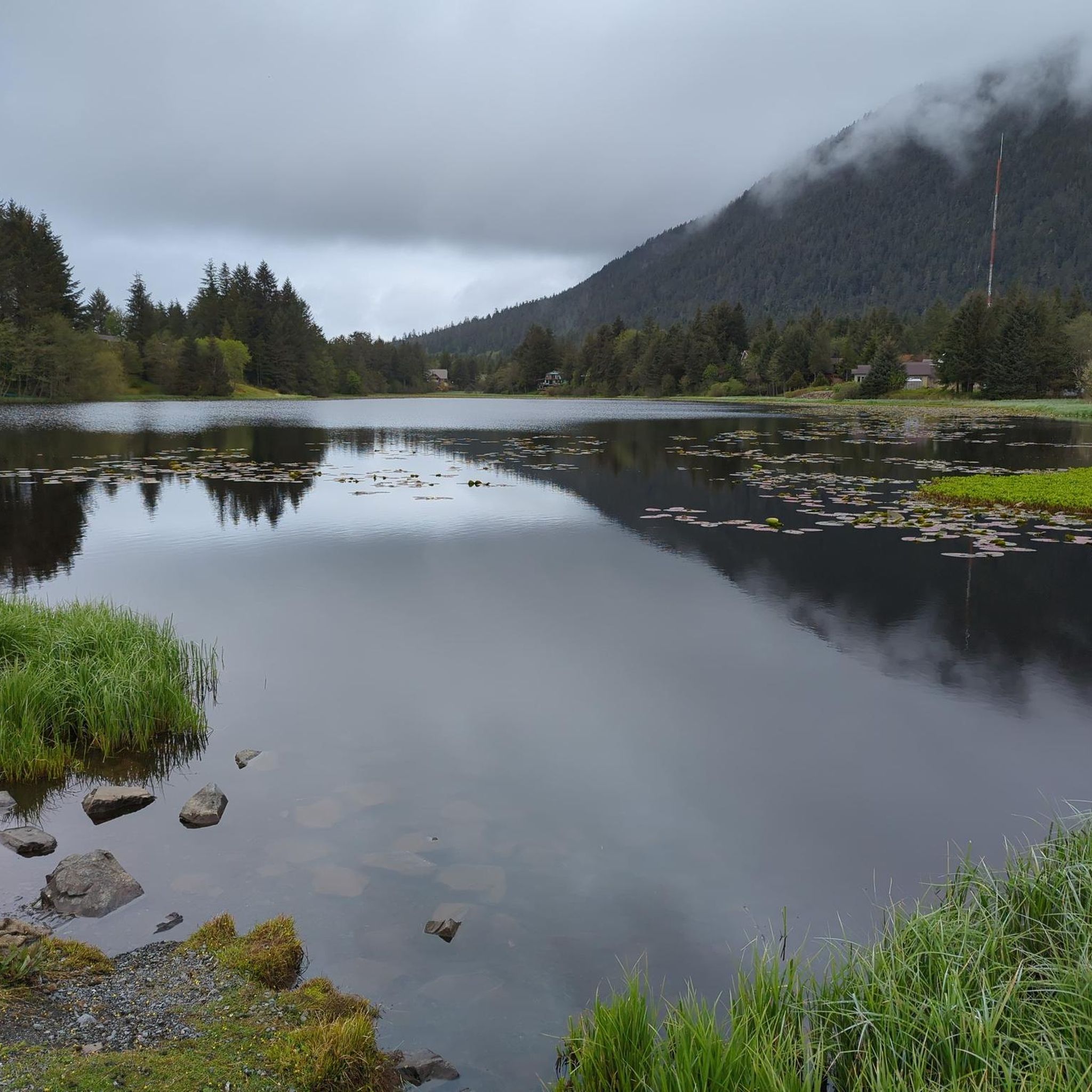
The Balls Lake Trail loops around the north end of the lake, then connects with the Eagles Nest Campground, before returning to the Balls Lake Picnic Area. You can start and end this hike from either the picnic area or the campground. Rubber boots or other waterproof footwear may be a good idea on this hike; parts of the trail are often quite wet. Watch for waterfowl on the lake, bald eagles in the trees, and terrestrial animals like black bears and black-tailed deer.
2
0
The histories of the Russian people, the Aleut people they brought with them, and the Tlingit people indigenous to this land are all inextricably entwined. This trail leads you through the forest to a small, humble memorial that commemorates the Russian and Aleut people who died here while fighting the Tlingit people, the original occupants of this land.
2
0
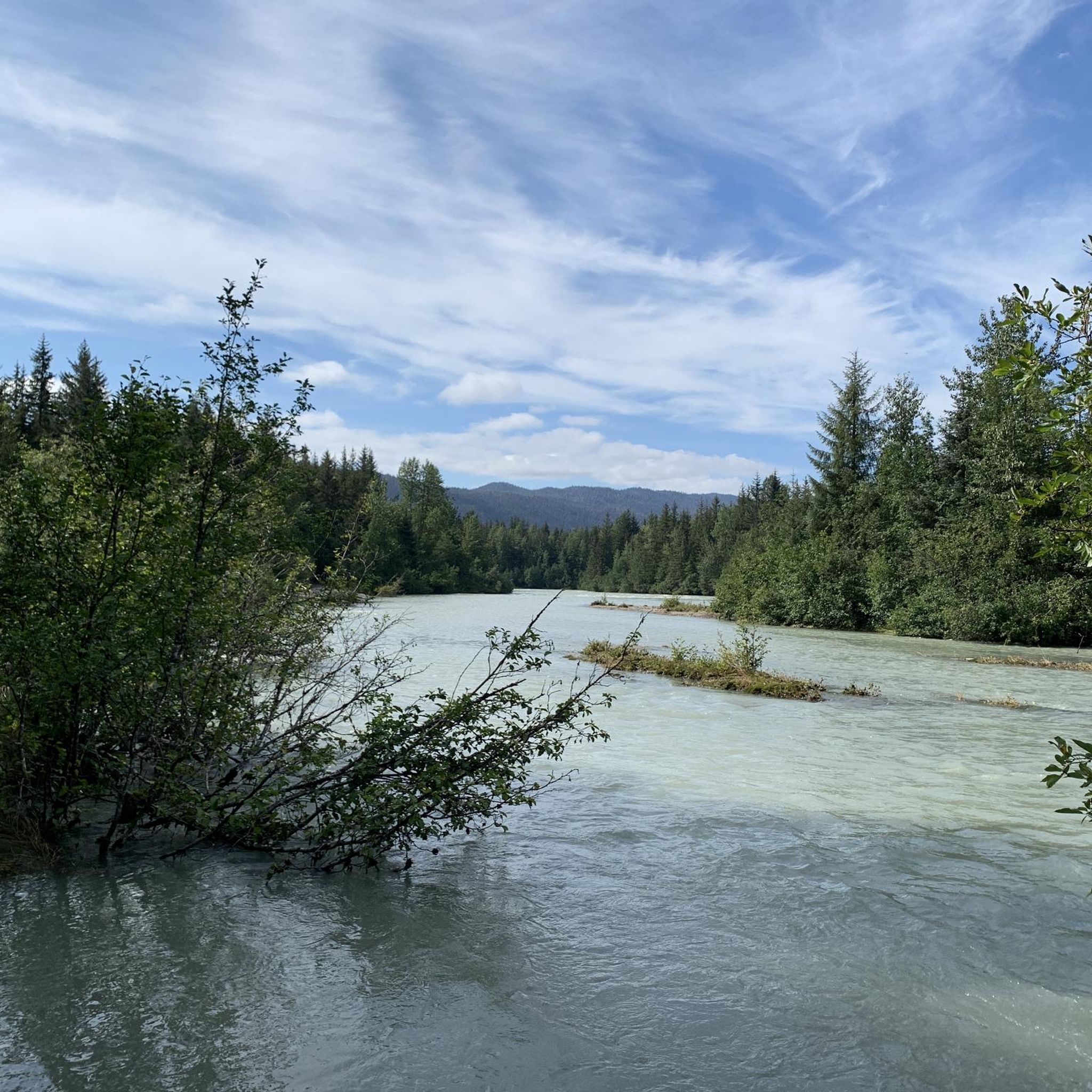
Keep an eye out for spawning salmon in the river under the bridge. The runs tend to be strongest in July and August; if you visit far outside that time, you might not see many fish. Any time you see a river full of fish in Alaska, make sure you keep an eye out for bears as well. They can't resist the allure of such a rich, readily available food source.
2
0
The Southeast Alaska Indian Cultural Center, which doubles as the visitor center for Sitka National Historical Park, is a can't-miss attraction for visitors. This is your opportunity to watch a short video about the story of Sitka's people, past and present; view traditional Tlingit regalia and fine artwork; and sometimes even chat with master artisans as they demonstrate their crafts. The front desk usually has beachcombing kits available for children, too. There is no fee for entry. More information is available from the National Park Service: https://www.nps.gov/sitk/planyourvisit/hours.htm
2
0
The Totem Trail winds through the forest behind the Southeast Alaska Indian Cultural Center. The trail itself is wide and easy, with stately totem poles posted at intervals. You may want to do a bit of exploring here, as sometimes backtracking along your route will let you see a few more totem poles.
2
1
Frequently Asked Questions
What natural features can I explore in the Alexander Archipelago?
The Alexander Archipelago is rich in natural beauty. You can experience the vast Tongass National Forest, which covers most of the islands with dense rainforests. Key natural attractions include the Bridge over Indian River, an excellent spot to observe spawning salmon, and the dramatic LeConte Glacier, known for its icebergs. Many islands also feature rugged coastlines and a vibrant marine environment perfect for exploration.
Where can I see wildlife in the Alexander Archipelago?
The archipelago is a prime destination for wildlife viewing. You can spot humpback whales, orcas, sea otters, Steller's sea lions, and bald eagles, especially during whale watching cruises departing from locations like Juneau. The Bridge over Indian River is ideal for watching spawning salmon in July and August, where bears are also frequently seen. For a closer look at birds of prey, visit the Alaska Raptor Center in Sitka.
What historical and cultural sites should I visit in the region?
The Alexander Archipelago offers a deep dive into history and culture. A must-visit is the Southeast Alaska Indian Cultural Center within Sitka National Historical Park, where you can learn about Tlingit art and history. The park also features the Totem Trail with its stately totem poles. Other notable sites include Saint Michael's Cathedral and the Historic Cannery Museum in Sitka, and the numerous totem poles found in Ketchikan.
Are there family-friendly attractions in the Alexander Archipelago?
Yes, many attractions are suitable for families. The Southeast Alaska Indian Cultural Center offers engaging exhibits and activities for children, including beachcombing kits. The Totem Trail and Russian Memorial Trail provide easy walks through nature with historical context. Watching salmon at the Bridge over Indian River is also a popular family activity.
What outdoor activities can I do near these attractions?
Beyond visiting specific attractions, the Alexander Archipelago is perfect for outdoor enthusiasts. You can explore numerous hiking trails, including easy walks like the Totem Trail or more challenging routes like the Harbor Mountain / Gavan Hill Trail. Kayaking and boating are popular ways to explore the sheltered Inside Passage and its coves. For runners, there are various running trails, such as the Sea Walk and Totem Trail Loop.
Are there accessible trails or attractions for visitors with mobility needs?
Yes, the Sitka Sea Walk is an easy, paved, and wheelchair-accessible trail offering scenic coastal views and interpretive signs. Many cultural centers and museums, such as the Southeast Alaska Indian Cultural Center, are also designed to be accessible.
What is the best time to visit the Alexander Archipelago for wildlife viewing?
The summer months, particularly July and August, are generally considered the best time for wildlife viewing. This period is ideal for observing humpback whales, and it's also when salmon runs are strongest, attracting bears to rivers like the Indian River. Bald eagles and other marine life are abundant throughout the warmer seasons.
What types of hiking trails are available in the Alexander Archipelago?
The Alexander Archipelago offers a variety of hiking trails for different skill levels. You'll find easy, paved walks like the Sitka Sea Walk and the Totem Trail. Intermediate trails include the Russian Memorial Trail and Balls Lake Trail, often leading through dense forests. For more options, explore the Hiking in the Alexander Archipelago guide.
Can I find opportunities for cycling in the Alexander Archipelago?
Yes, there are opportunities for cycling. The Sitka Sea Walk is a paved trail that can be enjoyed by cyclists. Additionally, Sawmill Creek Road offers an intermediate cycling route. For more options, you can look into local guides for cycling routes in the region.
What is unique about the cultural heritage of the Alexander Archipelago?
The cultural heritage of the Alexander Archipelago is a rich tapestry woven from the traditions of the Indigenous Tlingit people, Russian colonial history, and the influence of early American settlers. This unique blend is evident in sites like the Southeast Alaska Indian Cultural Center, the historic Russian Bishop's House, and the numerous totem poles found throughout the islands, particularly in Ketchikan.
Are there any specific viewpoints for scenic photography?
The Alexander Archipelago offers numerous scenic viewpoints. The Bridge over Indian River provides excellent opportunities for capturing salmon and the surrounding natural beauty. The Sitka Sea Walk offers continuous coastal vistas. Whale watching cruises also provide unparalleled opportunities to photograph marine wildlife and the dramatic island landscapes.

Get inspired with the komoot mobile app


Explore more
Still not found the Highlight you’re looking for? See guides of the top attractions in other regions:
