Top 4 Castles around Llantrisant Fawr
Castles around Llantrisant Fawr offer a glimpse into historical fortifications in the broader region. While Llantrisant Fawr itself does not feature prominent castle remains, the surrounding areas provide access to several significant historical sites. This region is characterized by its varied landscape, from coastal views to inland valleys. Visitors can explore a range of historical structures, from well-preserved fortresses to romantic ruins.
Best castles around Llantrisant Fawr
- The most popular castles is Chepstow Castle, a viewpoint that stands on…
Last updated: August 24, 2026
Chepstow Castle
Highlight • Viewpoint
Tip by

Clytha Castle
Highlight • Castle
Tip by

Sign up now to discover places like this
Get recommendations on the best single tracks, peaks, & plenty of other exciting outdoor places.
Sign up for free
Raglan Castle
Highlight • Castle
Tip by

Usk Castle Ruins
Highlight • Castle
Tip by
Start today with a free account
Your next adventure awaits.
Login or Signup

Tips from the Community


Clytha Castle (Welsh: Castell Cleidda) is a folly near Clytha between Llanarth and Raglan in Monmouthshire, south east Wales. Dating from 1790, the castle was built by William Jones, owner of the Clytha Park estate as a memorial to his wife, Elizabeth, who died in 1787. The castle is an example of the Gothic Revival and comprises three towers, of which two are habitable, and linking, castellated curtain walls. Long attributed to John Nash, recent research has confirmed that the architect was John Davenport of Shrewsbury. The folly has views towards the Sugar Loaf and Skirrid mountains on the easternmost edge of the Brecon Beacons National Park. Described by the architectural historian John Newman as one of the two "outstanding examples of late eighteenth century fanciful Gothic in the county", Clytha Castle is a Grade I listed building.
1
0

A fine example of Gothic Revival architecture, Clytha Castle is one of Wales' outstanding 18th-century follies. It forms a part of the Clytha Estate, a tranquil landscaped park containing a Grade I-listed house, as well as the castle. The folly was built in 1790 by William Jones as a memorial to his late wife Elizabeth. It stands proud on Clytha Hill to the backdrop of a grove of chestnut trees.
1
0
A secretive ancient fortress nestled on a promontory above the town, Usk Castle is a romantic ruin. Thought to have been established in the early 12th century on the site of a former Roman fort, it has seen its fair share of conflict. Today, it is Grade I-listed and is open on special occasions, to Usk Castle Friends on set days, as well as to those using the nearby glamping facilities.
0
0

Raglan Castle (Welsh: Castell Rhaglan) is a late medieval castle located just north of the village of Raglan in the county of Monmouthshire in south east Wales. The modern castle dates from between the 15th and early 17th centuries, when the successive ruling families of the Herberts and the Somersets created a luxurious, fortified castle, complete with a large hexagonal keep, known as the Great Tower or the Yellow Tower of Gwent. Surrounded by parkland, water gardens and terraces, the castle was considered by contemporaries to be the equal of any other in England or Wales. During the English Civil War the castle was held on behalf of Charles I but was taken by Parliamentary forces in 1646. In the aftermath, the castle was slighted, or deliberately put beyond military use; after the restoration of Charles II, the Somersets declined to restore the castle. Raglan Castle became first a source of local building materials, then a romantic ruin. It now attracts visitors as a modern tourist attraction.
1
0
Chepstow Castle Wales eldest surviving post Roman stone fortifications in Britain located above the cliffs on the river wye.Construction began in 1067 under the instructions of the norman lord William Fitzosbern. Originally known as Strigull it was southernmost of a chain of castles built in the welsh marches, and with its attached lordship took the name of the adjoining market town in the 14th century. In the 12th century the castle was used in the conquest of Gwent the first independent Welsh kingdom to be conquered by the Norman's. It was subsequently held by two of the most powerful Anglo-normans magnets of medieval England.However in the 16th century its military importance had waned and part of the structure was converted for domestic use.the castle has now become a popular visitor destination.
3
0

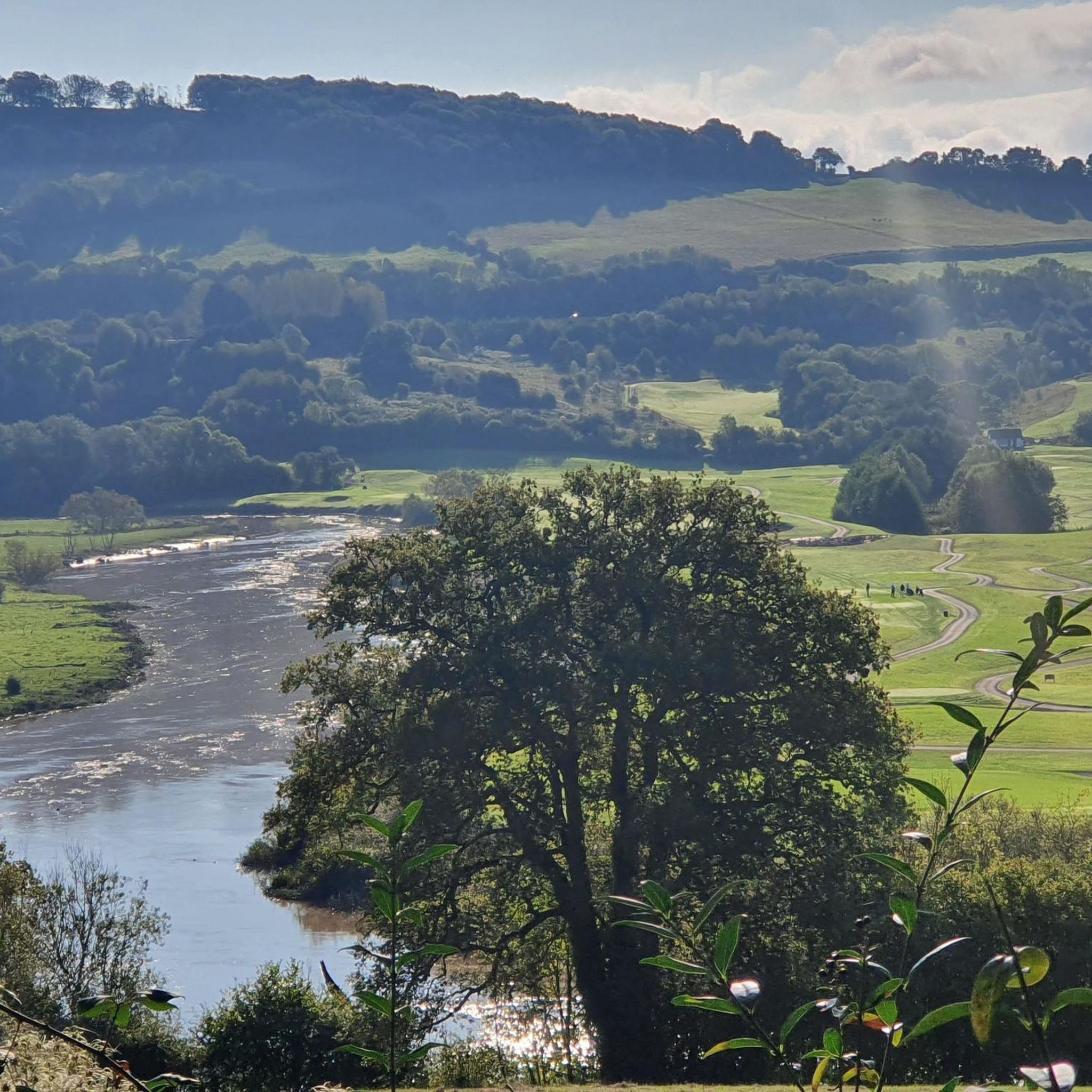
Standing proudly on a limestone cliff above the River Wye, Chepstow Castle is a magnificent fortress with a history that stretches back nearly 1,000 years. Founded in 1067 by Earl William fitz Osbern, a close friend of William the Conqueror, the castle was one of the first Norman strongholds in Wales. These days, it is an interesting place to visit and affords some stunning views.
3
0

Raglan Castle is one of the last medieval castles to be built in England and Wales. The still standing ruins have impressively stood the test of time, and a visit is definitely worth it! Entry costs 6.50 for adults and the castle is open all year.
3
0
Frequently Asked Questions
What types of castles can I explore around Llantrisant Fawr?
Around Llantrisant Fawr, you can explore a range of historical castles, from magnificent medieval fortresses to romantic ruins and unique follies. Examples include the grand Chepstow Castle, the imposing Raglan Castle, the picturesque Usk Castle Ruins, and the distinctive Clytha Castle folly.
Are there family-friendly castles to visit near Llantrisant Fawr?
Yes, several castles in the area are great for families. Chepstow Castle and Raglan Castle are both noted as family-friendly, offering impressive ruins and historical insights that can engage visitors of all ages.
Which castles offer the best views?
Chepstow Castle, perched on a limestone cliff above the River Wye, offers stunning panoramic views. You can also find excellent vantage points, such as the View of Chepstow Castle and the River Wye, to appreciate its dramatic setting. Clytha Castle also provides views towards the Sugar Loaf and Skirrid mountains.
What historical significance do these castles hold?
The castles around Llantrisant Fawr are rich in history. Chepstow Castle is one of the first Norman strongholds in Wales, dating back to 1067. Raglan Castle is a late medieval fortress that played a significant role in the English Civil War. Usk Castle Ruins are thought to be established on a former Roman fort site, while Llantrisant Castle (in Glamorgan, distinct from Llantrisant Fawr) was a 13th-century strategic stronghold where Edward II was briefly imprisoned.
Are there hiking or walking trails near these castles?
Yes, the region offers various outdoor activities. You can find numerous hiking trails around the area. For easy walks, explore options in the Easy hikes around Llantrisant Fawr guide. Many routes, such as those in Wentwood Forest, are within a reasonable distance of these historical sites.
Can I go running or mountain biking near the castles?
Absolutely. The area provides opportunities for both running and mountain biking. Check out the Running Trails around Llantrisant Fawr guide for routes like the Wentwood Forest and Wentwood Ridge loop. For mountain biking, the MTB Trails around Llantrisant Fawr guide offers routes including those near Wentwood Gate and Castell Prin.
What is <a href="https://www.komoot.com/highlight/3155096" target="_blank" rel="noopener">Clytha Castle</a>?
Clytha Castle is an 18th-century Gothic Revival folly, built in 1790 by William Jones as a memorial to his late wife. It's a unique architectural piece, part of the tranquil Clytha Estate, and offers a different kind of historical experience compared to traditional medieval fortresses.
What makes <a href="https://www.komoot.com/highlight/3496668" target="_blank" rel="noopener">Raglan Castle</a> special?
Raglan Castle is one of the last medieval castles built in England and Wales, dating from the 15th to early 17th centuries. It was designed as a luxurious, fortified residence with a distinctive hexagonal keep. Though now a ruin, its impressive scale and history, including its role in the English Civil War, make it a significant site.
Is there a castle actually in Llantrisant Fawr?
While the guide focuses on castles *around* Llantrisant Fawr, historical records suggest that a 'Llantrisant Fawr Castle' is doubtful to have ever existed as a timber castle, and there are no visible remains. The name is often confused with Llantrisant Castle in Glamorgan, which is a distinct 13th-century ruin.
What can I expect when visiting <a href="https://www.komoot.com/highlight/3153606" target="_blank" rel="noopener">Usk Castle Ruins</a>?
Usk Castle Ruins is a romantic, secretive ancient fortress nestled above the town of Usk. Established in the early 12th century, it's a Grade I-listed ruin with a rich history of conflict. It's open on special occasions and to Usk Castle Friends on set days, offering a glimpse into its past.
What is the best time of year to visit these castles?
Visiting during spring or autumn often provides pleasant weather for exploring the outdoor ruins and grounds, with fewer crowds than peak summer. However, the castles are accessible year-round, and each season offers a different atmosphere, from lush summer greenery to dramatic winter landscapes.
Most popular routes around Llantrisant Fawr
Most popular attractions around Llantrisant Fawr

Get inspired with the komoot mobile app


Explore more
Looking for the best castles somewhere else? Discover other guides around Llantrisant Fawr:
