Top 5 Castles around Knighton
Best castles around Knighton are found in this historic border town in eastern Powys, Wales, nestled in the rolling countryside of the Welsh Marches. The area is characterized by its medieval history, with remnants of Norman castles reflecting its turbulent past as a border settlement. Knighton's landscape features wooded hills and the River Teme, offering a blend of natural beauty and historical significance. The region provides a tangible connection to the conflicts that shaped the Anglo-Welsh border.
Best castles around…
Last updated: October 3, 2026
Clun Castle
Highlight • Viewpoint
Tip by

Hopton Castle
Highlight • Historical Site
Tip by

Sign up now to discover places like this
Get recommendations on the best single tracks, peaks, & plenty of other exciting outdoor places.
Brampton Bryan Village
Highlight • Monument
Tip by

Lingen Motte-and-Bailey Castle Earthworks
Highlight • Historical Site
Tip by

Start today with a free account
Your next adventure awaits.
Popular around Knighton
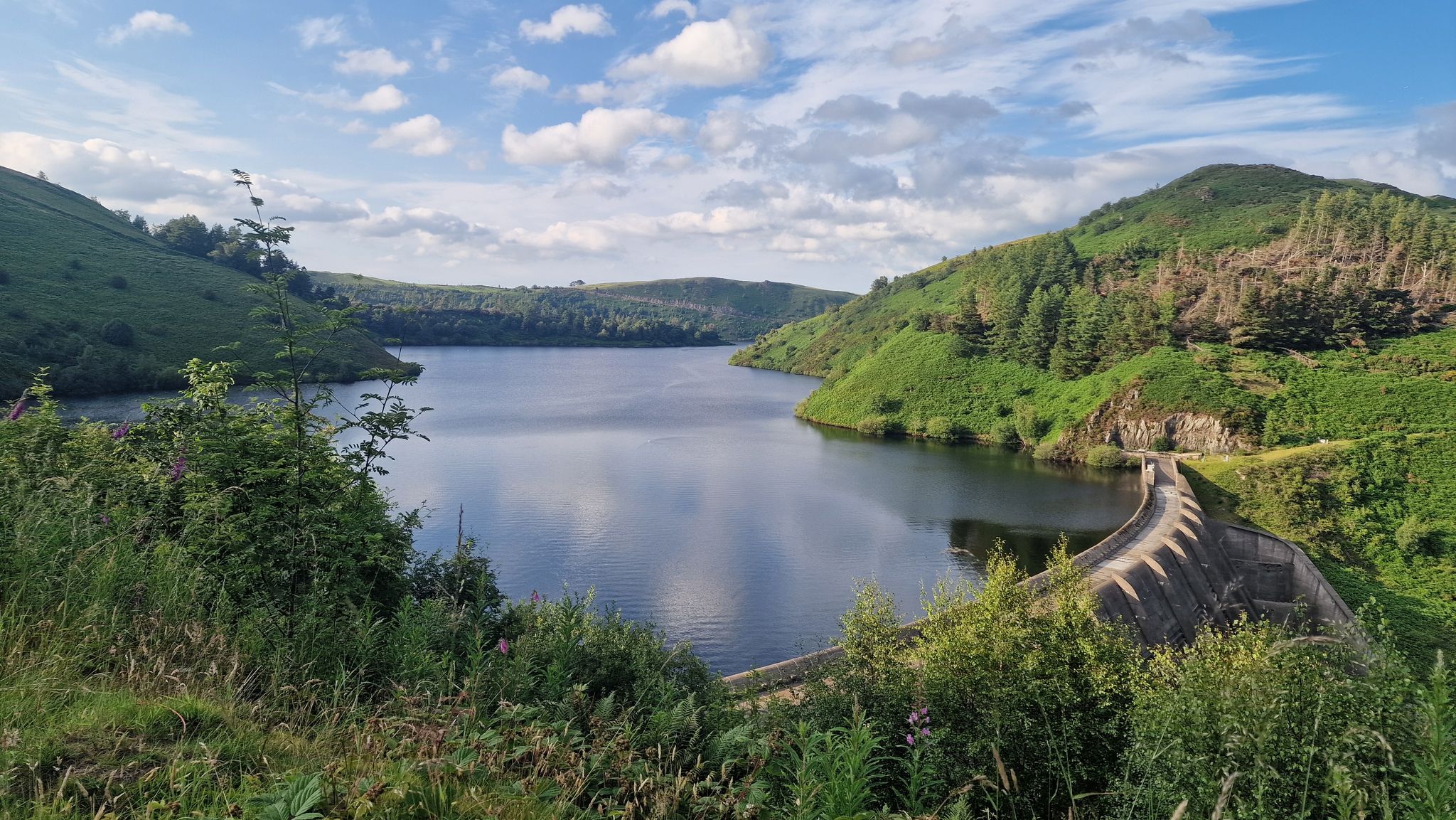
Glyndŵr’s Way – hiking in the footsteps of a Welsh hero
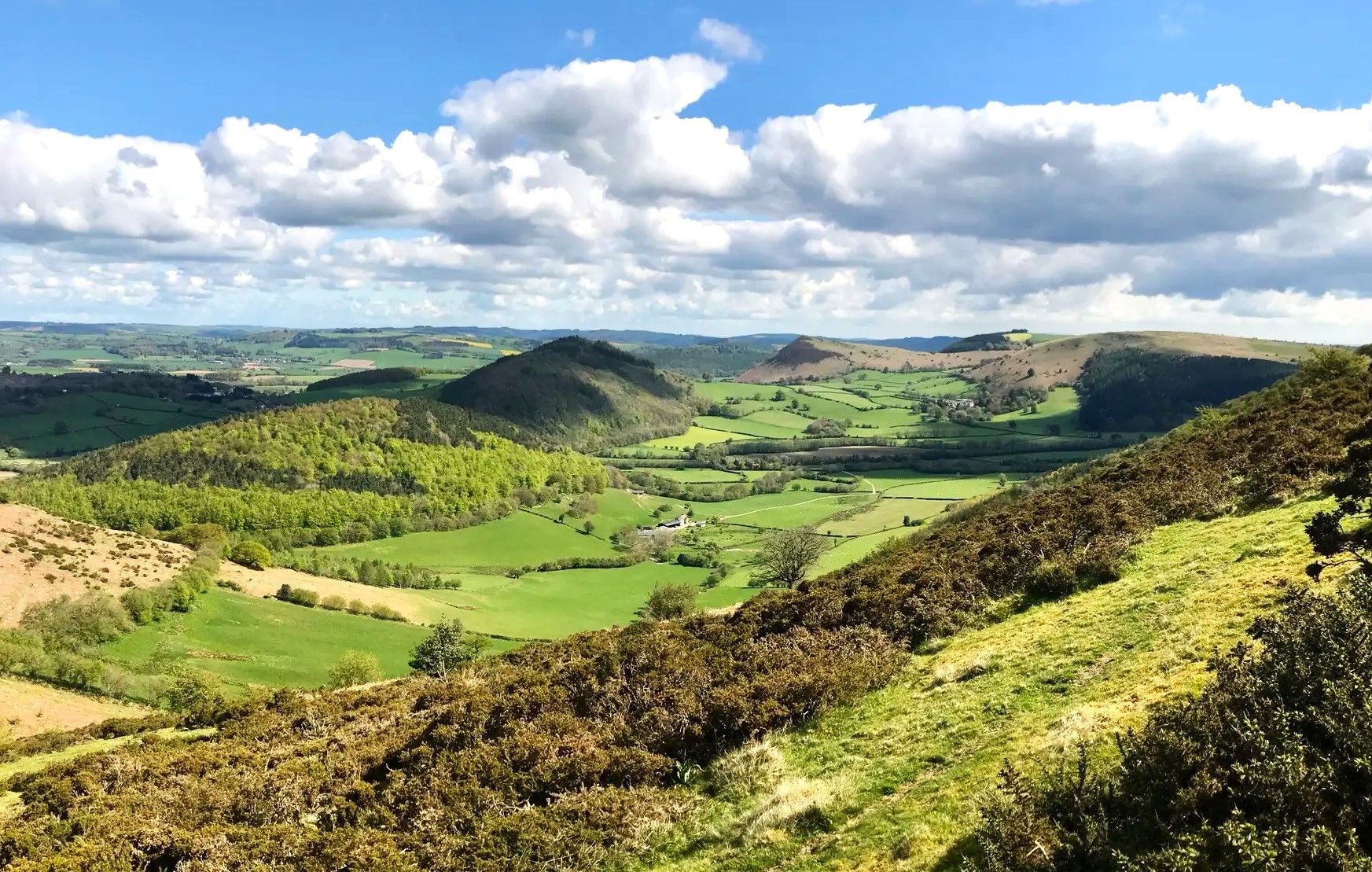
Offa's Dyke Path — Epic coast-to-coast hike along ancient monument
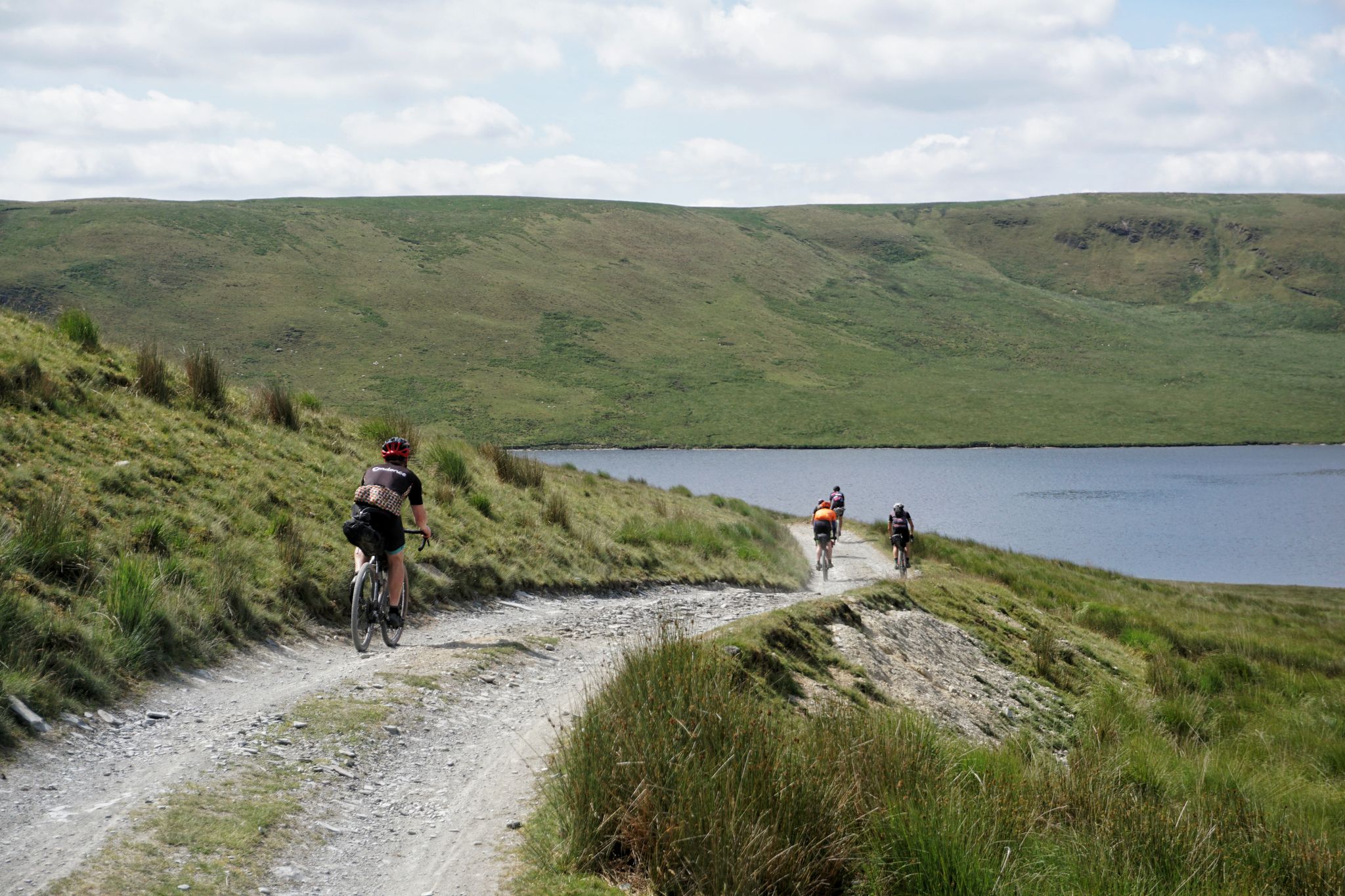
Welsh Border to Irish Sea Bikepacking — Trans Cambrian Way
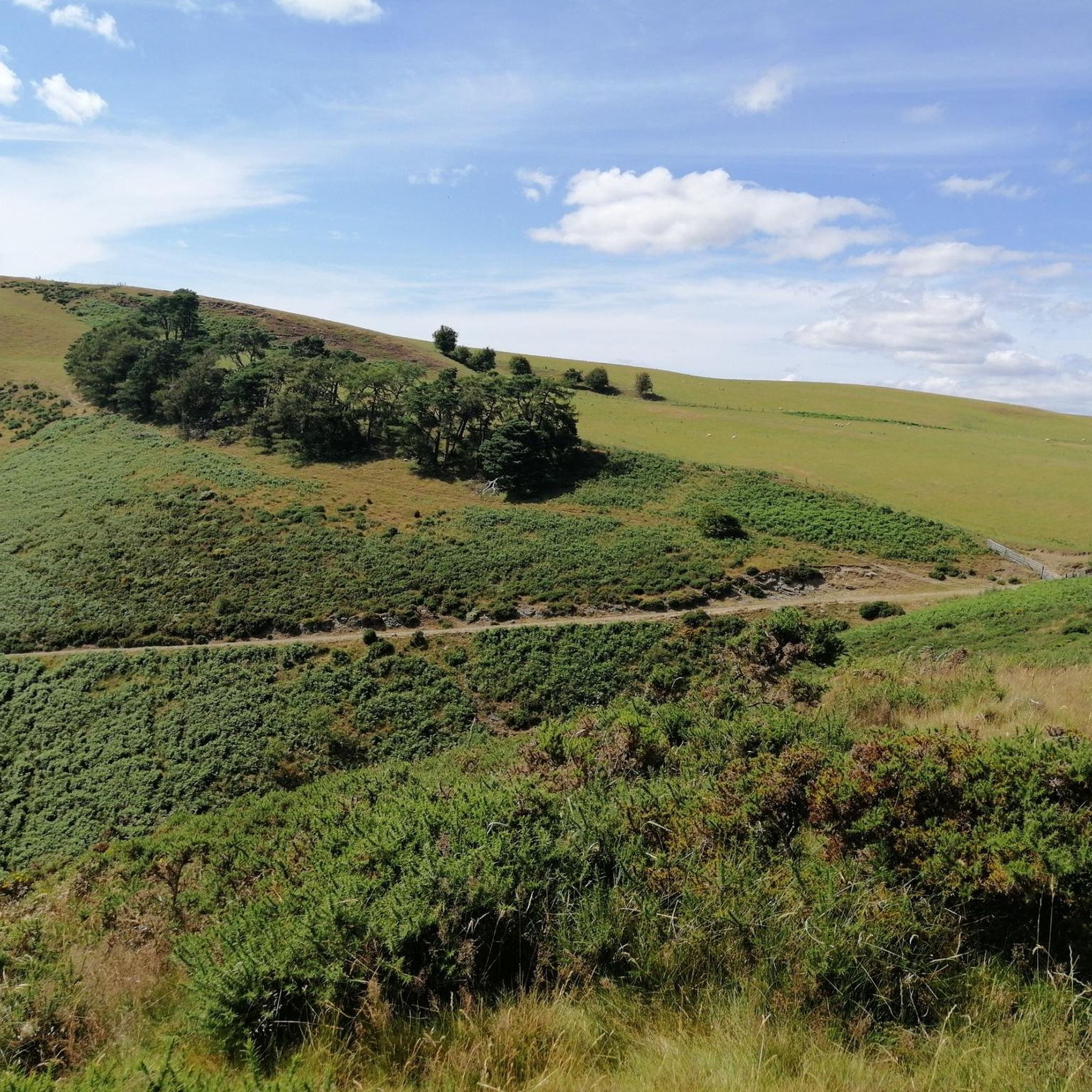
Hiking around Knighton
MTB Trails around Knighton
Cycling around Knighton
Road Cycling Routes around Knighton

Running Trails around Knighton

Gravel biking around Knighton
Other adventures around Knighton


Tips from the Community

If there’s no room in the castle car park, there’s better space around the corner in the village
0
0

A little place with a lot of history, and a spectacular hedge!
0
0

Hopton Castle, located in Shropshire, is a historic fortification that dates back to the 12th century. This medieval castle played a significant role in the English Civil War and was the site of a famous siege in 1644. The castle is surrounded by beautiful countryside making it a great location for a stroll or picnic.
3
0

Hopton Castle refers to a village and a castle of the same name, hidden in the rolling Shropshire countryside between Craven Arms and Knighton. The castle itself has been a ruin since the 18th century, and is a wonderfully atmospheric place to wander around. Grade I listed, it's looked after by the Hopton Castle Preservation Trust, which has overseen recent restoration work and an appearance on Time Team in 2010.
1
0

The run circumnavigates the ruin so you get the full experience of the castle from all sides
0
0

A little village that lies close to the boarder of Wales in the NW corner of Herefordshire. There is a castle but rarely open (scarecrow Sunday). It also has 16 building/ monuments that are listed on the National Heritage List. The white thatch cottages on the green, probably C17 to early C18. And the drinking fountain, mid C19. Cast iron. Fluted column with iron mask to front. It no longer works! Are just 2 of the 16. A remarkable lumpy free-form yew hedge dominates the village. At approximately half a mile in length is reputed to be the longest free-form or cloud yew hedge in England. Saving the best till last if it’s fresh coffee and homemade cake you like then don’t miss Aardvark Books. Closed on a Monday otherwise open from 10:00-16:00.
0
0

Nestled in the rolling countryside of the Marches, Lingen is a pleasant little Herefordshire village. Like many in the region, it was home to a Norman motte-and-bailey castle. All that remains are the earthworks. There is a wealth of hiking potential in the surrounding wooded hills. Real ales, log fires and traditional home cooked food can be sought at the Royal George, the village's pub. It is worth noting that it is only open for lunches on Sundays.
0
0

Clun Castle is a Grade I-listed Norman fortress dating back to the 11th century. A vital line of defence in case of an attack from the Welsh, the castle then lost its importance to Arundel Castle. This historic building was ruined by the 16th century and today is managed by English Heritage and owned by the Duke of Norfolk. Despite its ruined state, it remains very impressive and is free to enter.
1
0
Frequently Asked Questions
What types of castles can I explore around Knighton?
The Knighton area offers a variety of castle types, from impressive ruins like Clun Castle and Hopton Castle to subtle historical earthworks such as Lingen Motte-and-Bailey Castle Earthworks. You can also find the remnants of two Norman motte-and-bailey castles directly within Knighton itself, offering a tangible connection to the region's medieval past.
Are there any castles directly in Knighton that I can visit?
Yes, Knighton is home to the remnants of two Norman motte-and-bailey castles. The Western Castle is largely integrated into private property, but the motte of Bryn y Castell (Eastern Castle) is more accessible, located adjacent to playing fields and public paths. It offers visible earthworks and a connection to the medieval period.
Which castles near Knighton are family-friendly?
Hopton Castle and Clun Castle Ruins are both noted as family-friendly. These sites offer historical exploration in atmospheric settings, with Clun Castle being free to enter and Hopton Castle providing a great location for a stroll or picnic.
Can I bring my dog to the castles or on walks nearby?
While specific dog policies for each castle vary, many of the outdoor castle sites and surrounding walking routes are dog-friendly. For example, the area around Hopton Castle is ideal for strolls. You can find numerous dog-friendly walks around Knighton, including easy hikes and circular routes, which often pass by or near these historical sites. Always check local signage for specific restrictions.
What outdoor activities can I do near the castles around Knighton?
The area around Knighton's castles is excellent for outdoor activities. You can enjoy various easy hikes, including loops around the Wales–England Border. For cycling enthusiasts, there are options for gravel biking and MTB trails, particularly around Hopton Castle, which offers routes like the Blue Trail.
Are there accessible castles for visitors with mobility considerations?
Within Knighton, Bryn y Castell (Eastern Castle) has a more accessible motte situated adjacent to playing fields and public paths, making its earthworks easier to experience. For other castles, accessibility can vary due to their ruined nature and historical settings. It's advisable to check specific site information for detailed accessibility features.
What is the best time of year to visit the castles near Knighton?
The castles and their surrounding areas are enjoyable throughout the year. Spring and summer offer pleasant weather for exploring the ruins and enjoying the countryside. Autumn brings beautiful foliage, and even winter walks can be atmospheric, though paths might be muddy. Always check the weather forecast before your visit.
Are there any pubs or cafes near the castles?
Yes, you can find local establishments near some of the castle sites. For instance, the Royal George pub in Lingen, near Lingen Motte-and-Bailey Castle Earthworks, offers real ales and traditional home-cooked food. Knighton town itself also provides various cafes and pubs for refreshments.
What historical significance do the castles in Knighton hold?
The castles in Knighton, particularly the two Norman motte-and-bailey sites, reflect the town's turbulent past as a border settlement between England and Wales. The Western Castle is thought to have been destroyed by Llewelyn ap Gruffudd in 1262, while Bryn y Castell was captured and demolished by Owain Glyndwr in 1402, highlighting the region's long history of conflict.
Are there any circular walking routes that include castles?
Yes, the area around Knighton offers several circular walking routes. You can find easy hikes that form loops, often incorporating historical landmarks or scenic viewpoints. These routes provide opportunities to explore the countryside and discover castle remnants.
What are some notable natural features or viewpoints near the castles?
The castles are set within the rolling countryside of the Welsh Marches, offering natural beauty. Clun Castle, for example, provides impressive views from its elevated position. Bryn y Castell in Knighton is situated high above the River Teme, offering scenic vistas. The region is characterized by wooded hills and the River Teme itself.
How far is Hopton Castle from Knighton?
Hopton Castle is located in Shropshire, a short distance from Knighton. It's close enough to be easily accessible for a visit and is situated amidst beautiful countryside, making it a convenient historical site to explore from Knighton.
Most popular routes around Knighton
Most popular attractions around Knighton

Get inspired with the komoot mobile app


Explore more
Looking for the best castles somewhere else? Discover other guides around Knighton:
