Top 7 Lakes around Cotes
Best lakes around Cotes offer a landscape characterized by historic reservoirs and ancient woodlands in the heart of Leicestershire. This area features several man-made lakes, originally constructed to supply water, now providing diverse natural habitats. Visitors can explore a mix of open water, dense forests, and protected wildlife areas. The region combines natural beauty with historical engineering, creating unique outdoor experiences.
Best lakes around Cotes
- The most popular lakes is Bradgate Park Deer Park, a lake area that is…
Last updated: June 30, 2026
Bradgate Park Deer Park
Highlight • Lake
Tip by

Swithland Reservoir
Highlight • Viewpoint
Tip by
Sign up now to discover places like this
Get recommendations on the best single tracks, peaks, & plenty of other exciting outdoor places.
Sign up for free
Cropston Reservoir
Highlight • Lake
Most of the land required for the reservoir, dam and waterworks belonged to the Bradgate Estate. …
Tip by

Swithland Wood
Highlight • Forest
Tip by

Cropston Reservoir — Northwest Shore
Highlight • Natural Monument
Tip by

Sign up for free to discover even more lakes around Cotes.
Sign up for free
Already have an account?
Start today with a free account
Your next adventure awaits.
Login or Signup


Tips from the Community

In September 1867, 180 acres of land was purchased for a cost of £24,000. Most of the land required for the reservoir, dam and waterworks belonged to the Bradgate Estate. Lord Stamford insisted that a stone wall be built around the boundary to separate the deer park from the reservoir, instead of the proposed iron railings. This wall, 1,500 yards long was eventually built at a cost of 8s 10d per yard. Joseph Reeves, Head Gamekeeper, outside his house. Some of the Bradgate Estate land was part of the deer park, but most was farmland let out on very long leases. One farmer, Joseph Allen, lost virtually all his farm. Two members of the Matts family had theirs considerably reduced in size. The Gamekeeper’s house and land, together with a nearby bridge, were also in the area to be flooded. The house, together with its stables and outhouses, were demolished and the bricks sold. Part of the footpath between Anstey and Hallgates was submerged, as was the site of the old rabbit warren (or conery).
3
0

This is the Great Pit in Swithland Wood, a site shaped by centuries of slate quarrying, with origins tracing back to Roman times. The quarry was first officially recorded in the 1300s, with activity continuing until the 19th century. Due to the presence of deep water and sheer vertical walls, the quarry is extremely hazardous and completely closed to public access.
2
0

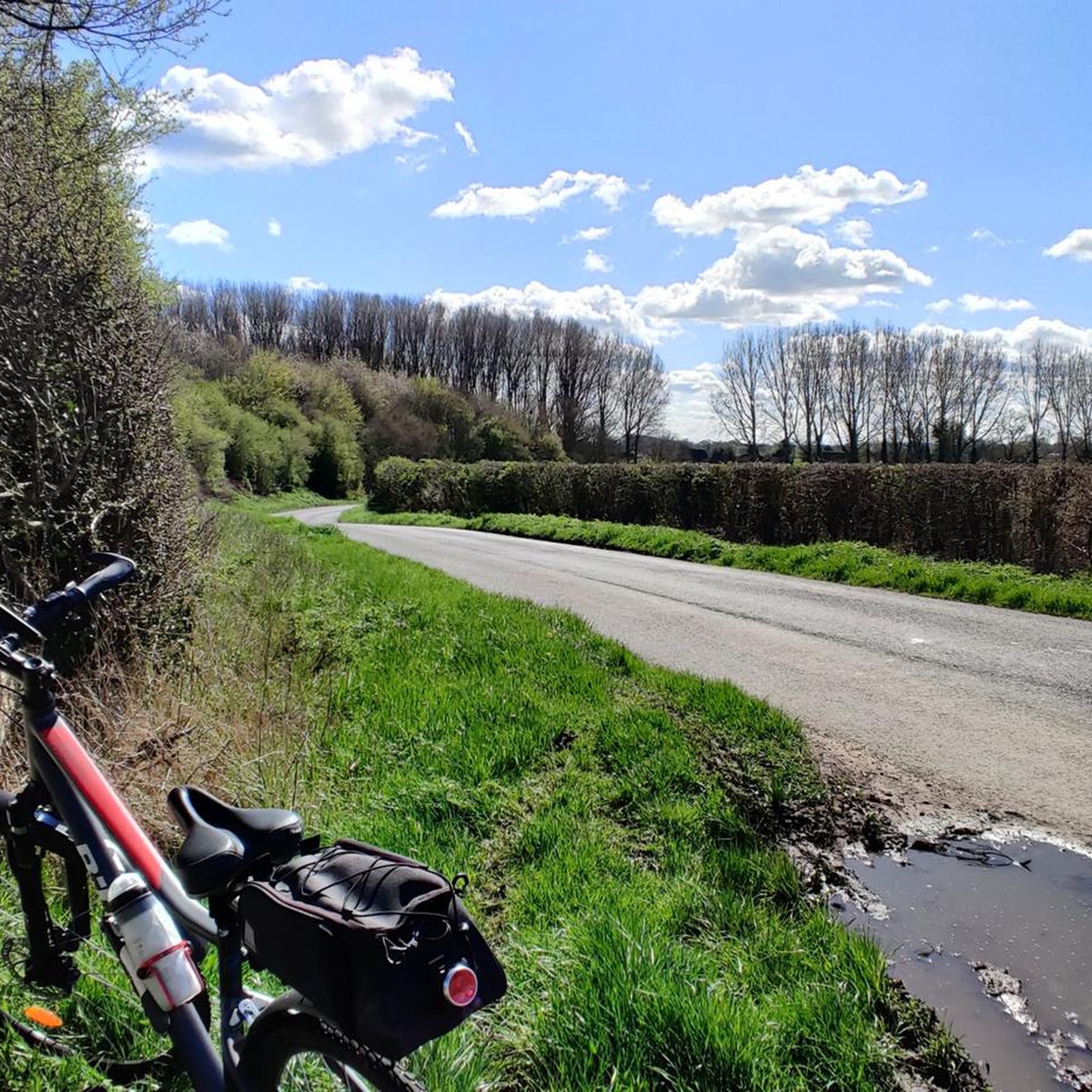
Was pretty mucky and slippy on a gravel bike in June, although it's been a wet year
0
0

Swithland Reservoir, opened in 1896 for Leicester, had a 500 million-gallon capacity but became insufficient. In the early 20th century, a pipeline from Derwent reservoirs in Derbyshire was required. As you pass Buddon Wood, quarried in the early Iron Age for millstones, take a moment to enjoy the scenery, woodland, and water birds. You might also catch sight of steam trains on the viaduct from this spot.
1
0

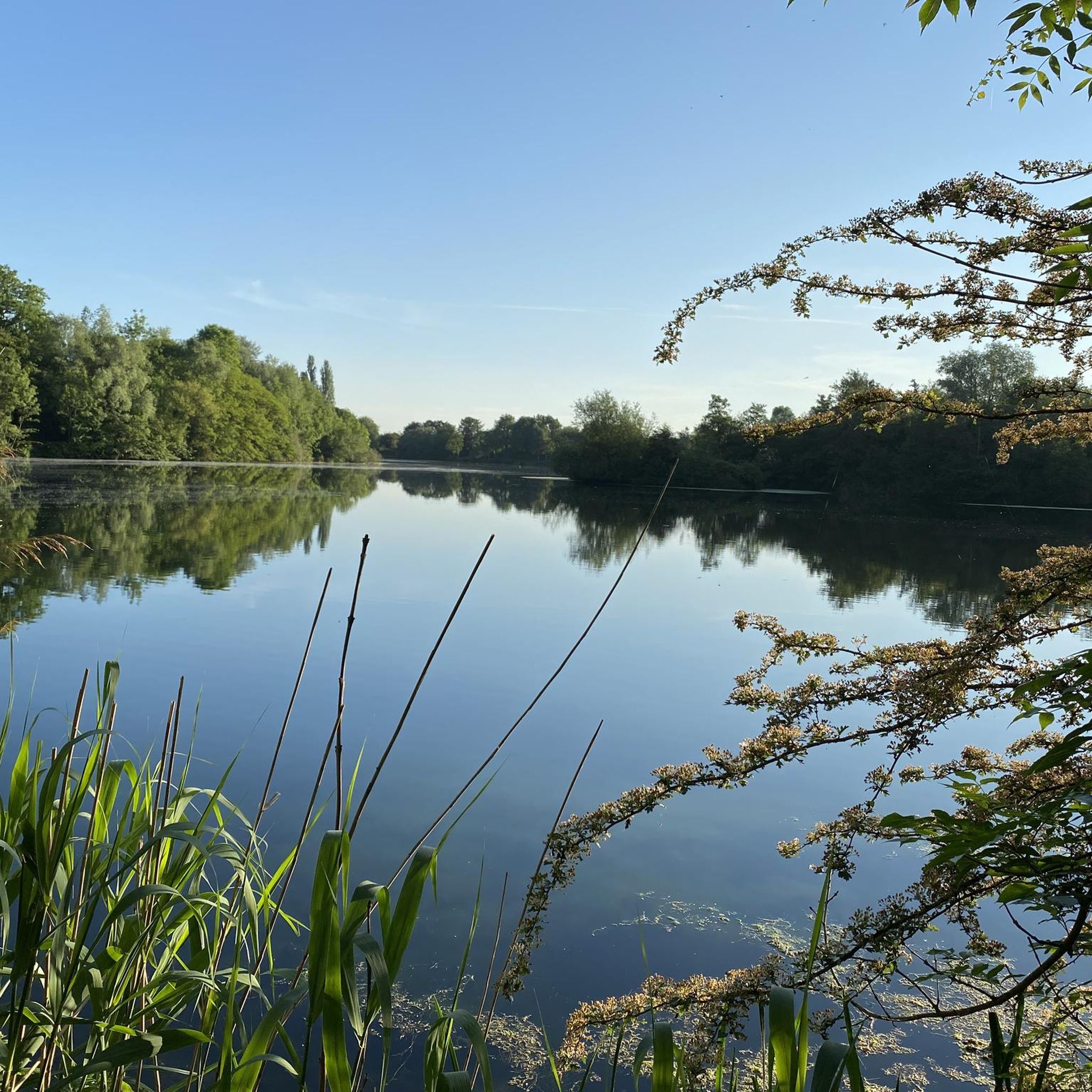
Cropston Reservoir (originally known as Bradgate Reservoir) lies in Charnwood Forest in Leicestershire, England. The dam and associated water works are in Cropston, while the bulk of the reservoir is in the neighbouring Newtown Linford parish. It was opened in May 1871 in a corner of Bradgate Park, a large expanse of open land northwest of Leicester. It is part of the 987-acre (399.3 ha) Bradgate Park and Cropston Reservoir Site of Special Scientific Interest.
0
1
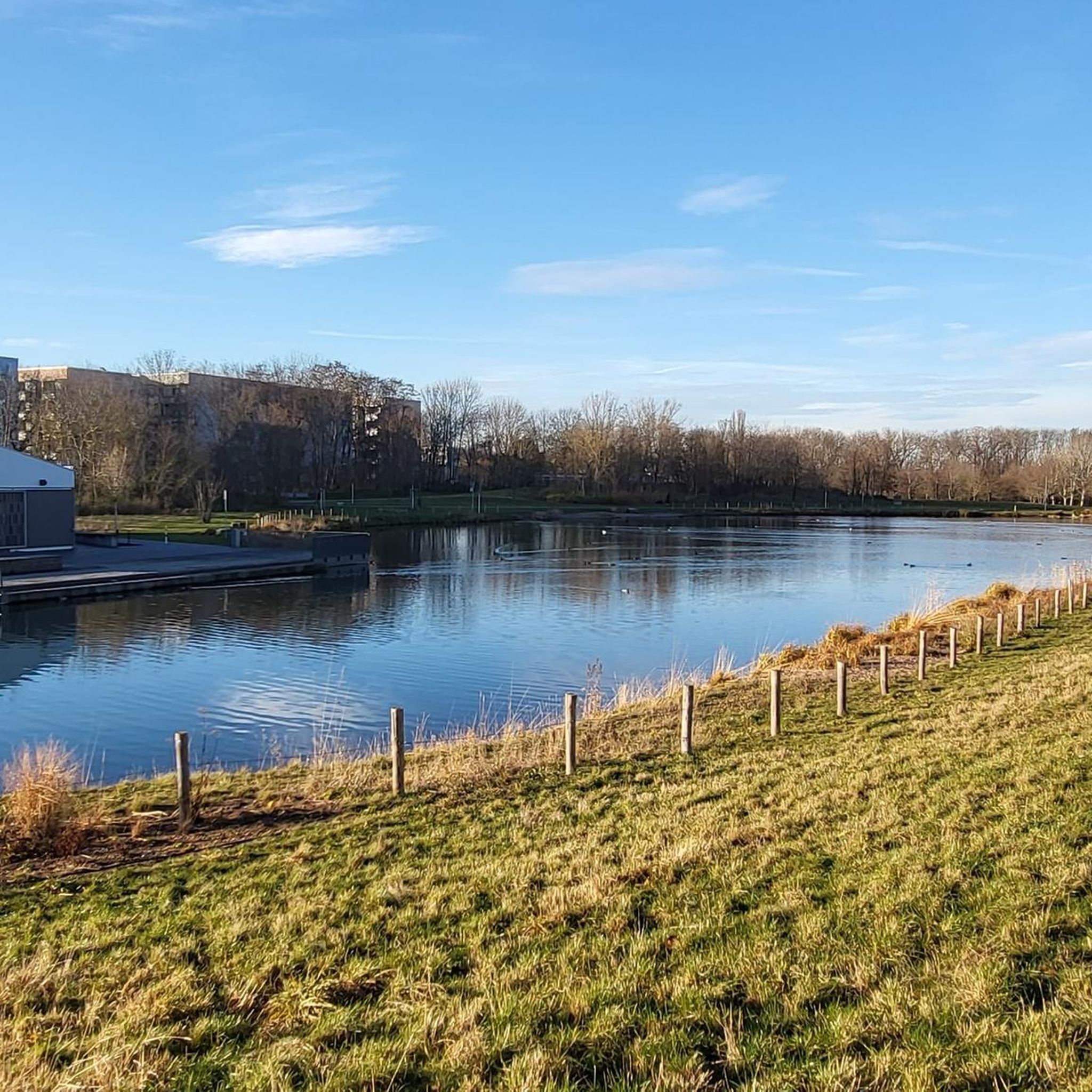
Swithland Reservoir is a reservoir in the English county of Leicestershire. It is north-east of the village of Swithland from which it takes its name, north-west of Rothley and approximately 133 metres (145 yd) south-west of Mountsorrel Quarry. It is part of the 187.1-hectare (462-acre) Buddon Wood and Swithland Reservoir Site of Special Scientific Interest (SSSI).
0
0

Swithland Wood is a small remnant of the original Charnwood Forest managed by part of the Bradgate Estate. As a small chunk of ancient woodland, Swithland consists of mature oak, birch, alder and lime with supports a rich variety of butterflies, moths and birds. This chunk of woodland is the type that would of previously covered all of the British mainland whilst groups of hunter gatherers moved through the landscape.
2
0

A great view over the water and at the passing vintage railway.
0
0
Frequently Asked Questions
What are the most popular lakes around Cotes?
The most popular lakes in the Cotes area include Bradgate Park Deer Park, known for its historical significance and deer population, and Swithland Reservoir, which offers scenic views and the chance to see vintage steam trains. Blackbrook Reservoir is also highly regarded for its unique plant life and native white-clawed crayfish.
Are there family-friendly lakes in the Cotes area?
Yes, several lakes around Cotes are family-friendly. Bradgate Park Deer Park, Swithland Reservoir, Cropston Reservoir, and Blackbrook Reservoir are all suitable for family visits, offering various natural attractions and spaces to explore.
What kind of natural features can I expect to see around the lakes?
The lakes around Cotes offer diverse natural features. You can find ancient woodlands, open water, and protected wildlife areas. For instance, Bradgate Park Deer Park is home to a significant deer population, while Blackbrook Reservoir boasts a unique plant community and native white-clawed crayfish. Swithland Wood, near Swithland Reservoir, is a remnant of ancient woodland with rich biodiversity.
Are there historical sites near the lakes in Cotes?
Yes, the Cotes area combines natural beauty with historical significance. Bradgate Park Deer Park is a notable historical site. Additionally, Swithland Reservoir, built around 1896, has historical ties to Leicester's water supply, and you can often see vintage steam trains passing on the viaduct.
What outdoor activities can I do near these lakes?
The Cotes area offers various outdoor activities. You can enjoy hiking on trails like the 'Lake View loop from Loughborough' or the 'Swithland Reservoir – Barrow Bridge loop'. For mountain biking, consider routes such as 'Beacon Hill Country Park, Swithland Woods and Beaumanor Hall loop'. Gravel biking options include the 'Swithland Reservoir – Swithland Reservoir loop from Loughborough'. Find more details on these activities in the hiking, MTB, and gravel biking guides for Cotes.
Are there hiking trails around the lakes in Cotes?
Absolutely. There are numerous hiking trails available. For example, you can explore the 'Lake View loop from Loughborough' (8.9 km, moderate) or the 'Moat Hill Spinney – Black-a-moors Spinney loop from Stanford on Soar' (8.4 km, moderate). A longer, more challenging option is the 'Swithland Reservoir – Barrow Bridge loop from Loughborough' (23.4 km). You can find more hiking routes in the Hiking around Cotes guide.
Where can I park when visiting the lakes?
When visiting lakes like Cropston Reservoir, you can find toilets and parking facilities at the Bradgate Park car park in Cropston. For other locations, it's advisable to check local signage or specific highlight details for parking information.
What makes Blackbrook Reservoir special?
Blackbrook Reservoir is special for its unique plant community along its margins, which is rare in the Midlands. It is also home to native white-clawed crayfish, isolated from the invasive American signal crayfish, making it an ecologically significant site.
What do visitors enjoy most about the lakes around Cotes?
Visitors particularly enjoy the scenic beauty and wildlife. Many appreciate the chance to see deer at Bradgate Park Deer Park and the unique views over Swithland Reservoir, especially when vintage steam trains pass by. The peaceful environment and opportunities for walking and cycling are also highly valued.
Can I cycle around the lakes in Cotes?
Yes, cycling is a popular activity. While Bradgate Park Deer Park offers a lovely ride, it can get very busy with pedestrians, and cyclists do not have right of way. For other cycling options, explore the MTB Trails around Cotes or the Gravel biking around Cotes guides for specific routes and difficulty levels.
Are there any hidden gems among the lakes in Cotes?
While not strictly 'hidden,' Blackbrook Reservoir could be considered a unique gem due to its specific ecological importance. Its rare plant community and native white-clawed crayfish make it a special place for those interested in natural history and conservation.
Most popular attractions around Cotes

Get inspired with the komoot mobile app


Explore more
Still not found your perfect lake around Cotes? Check out the guides of these regions to see even more beautiful places.
