Top 10 Lakes around Morville
Lakes around Morville, a village in Shropshire, England, offer diverse natural landscapes and recreational opportunities. The area features bodies of water set within wooded parkland and tranquil countryside. These lakes are often associated with historic estates and provide habitats for various wildlife. Visitors can explore walking trails, engage in angling, and appreciate the serene environment.
Best lakes around Morville
- The most popular lakes is Badger Village Ponds, a lake feature within a charming village. Visitors can expect a picturesque…
Last updated: May 2, 2026
Dudmaston Hall
Highlight • Forest
Tip by

Boyne Water Lake
Highlight • Natural Monument
Tip by

Sign up now to discover places like this
Get recommendations on the best single tracks, peaks, & plenty of other exciting outdoor places.
Sign up for free
Badger Village Ponds
Highlight • Lake
Tip by

Neenton Village and Lily Pond
Highlight • Settlement
Tip by

Seggy Pool
Highlight • Lake
Tip by

Sign up for free to discover even more lakes around Morville.
Sign up for free
Already have an account?
Start today with a free account
Your next adventure awaits.
Login or Signup
Tips from the Community


Beautiful thatched cottage next to a lily pond. Ideal for that special ride photo.
0
0

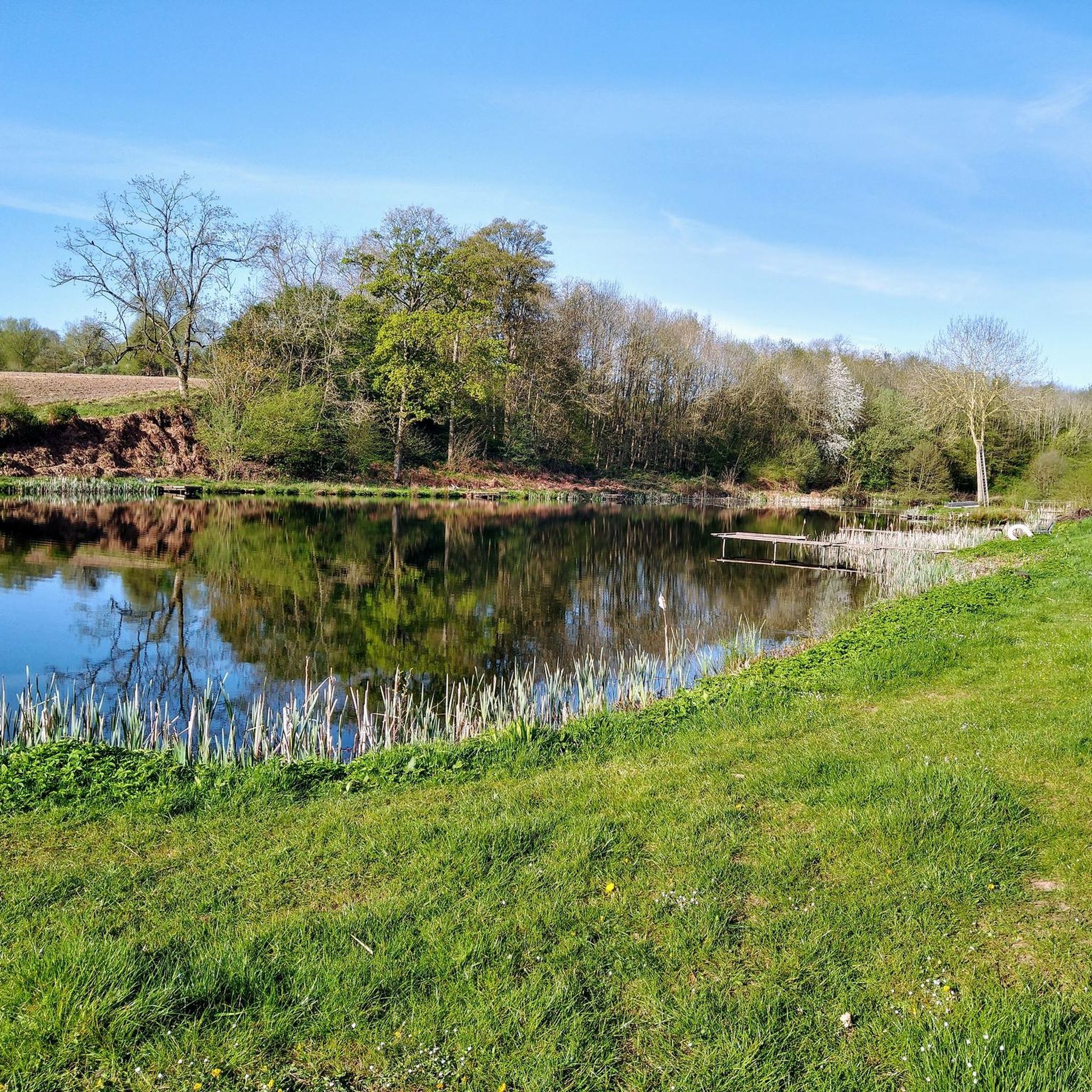
Discover this tranquil little lake tucked away in the Shropshire Hills. The lake makes a great picnic spot, or if you're feeling daring, a wild swimming spot, too.
1
0

Obviously not wild swim today, but a great spot to consider in the summer months, if wild swimming is your thing. https://myoutdoors.co.uk/adventure/dark-adventures-in-the-shropshire-hills-katy-goes-wild-swimming
0
0


Dudmaston Hall is a 17th-century country house in the care of the National Trust in the Severn Valley, Shropshire, England. Parliament and was one of the few royalists not to recover his money at the Restoration in 1660. Sir Thomas's eldest son, Francis (1627–89), the second baronet, was declared a lunatic. It was his fifth son, John Wolryche, who took over the estate in 1668. He began building a new house at Quatt, now the dower house, but died in 1685, before work was finished. John's son, Sir Thomas Wolryche (1672–1701) inherited his uncle's baronetcy and his father's determination to rebuild. However, he embarked on a much more ambitious project, replacing the old manor house with a new sandstone building, the core of the present Dudmaston Hall. The architect appears to have been Francis Smith of Warwick, who provided a substantial, well-built, but not grand residence. Modelled on Belton House in Lincolnshire, it has an H-plan lay-out, a large central entrance hall, backed by a saloon, and flanked by three-roomed wings. Construction probably began before 1700, but Thomas died in 1701 before it was complete. Management of the estate passed to Sir Thomas's widow, Elizabeth Weld. However, their son, Sir John Wolryche (1691–1723), the fourth baronet, came to maturity in 1712 and took over the reins. For a decade he spent heavily on gambling, horses and hunting. In 1723, attempting to ford the Severn after attending races at Chelmarsh, directly opposite Dudmaston, he drowned, leaving no male heir. The estate was burdened by heavy debts and was passed to Sir John's sister, Mary, only on payment of £14,000. She, her mother Elizabeth, and her uncle, Colonel Thomas Weld, resided at Dudmaston, and over the next half century, largely restored it to a sound financial footing by frugal management.
0
0
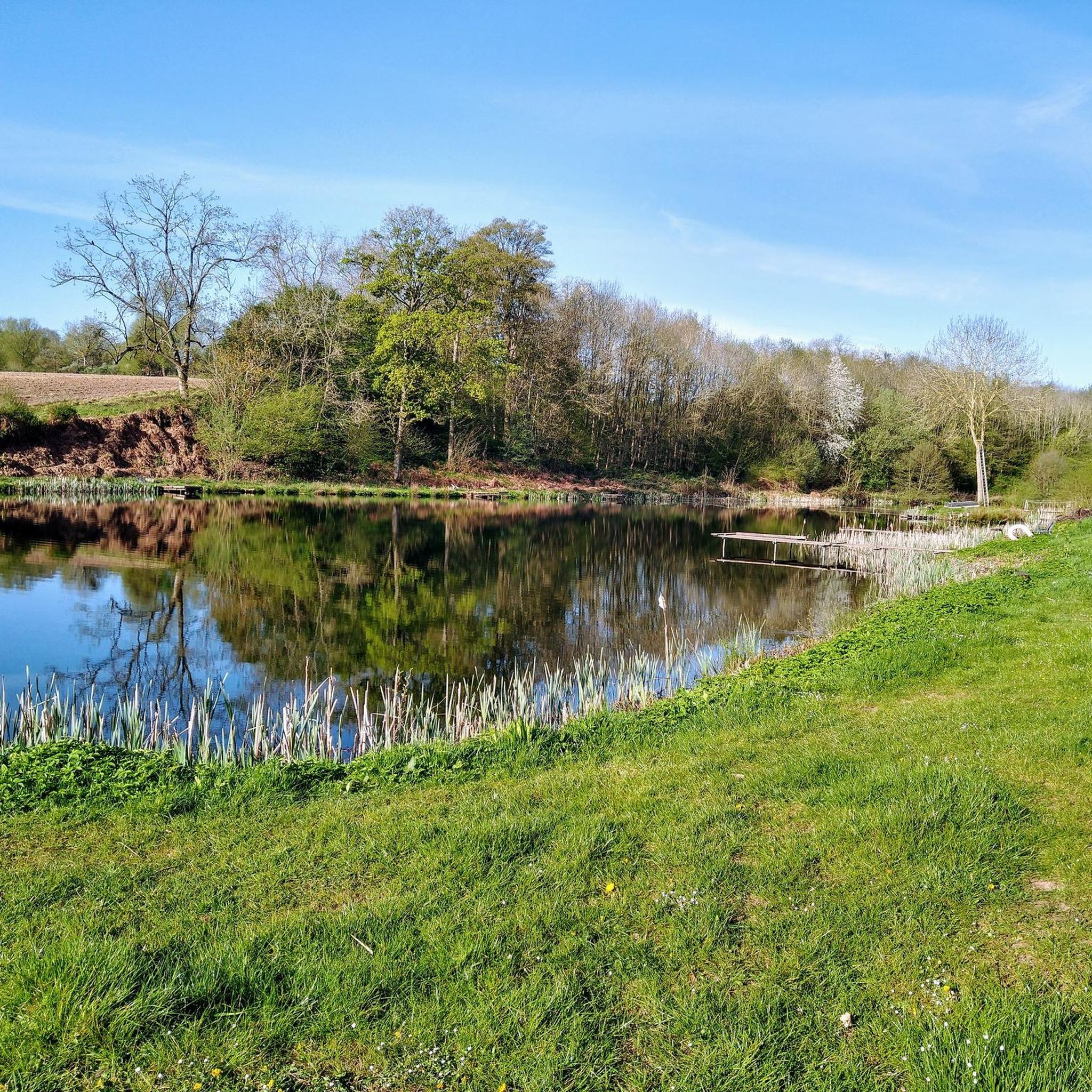
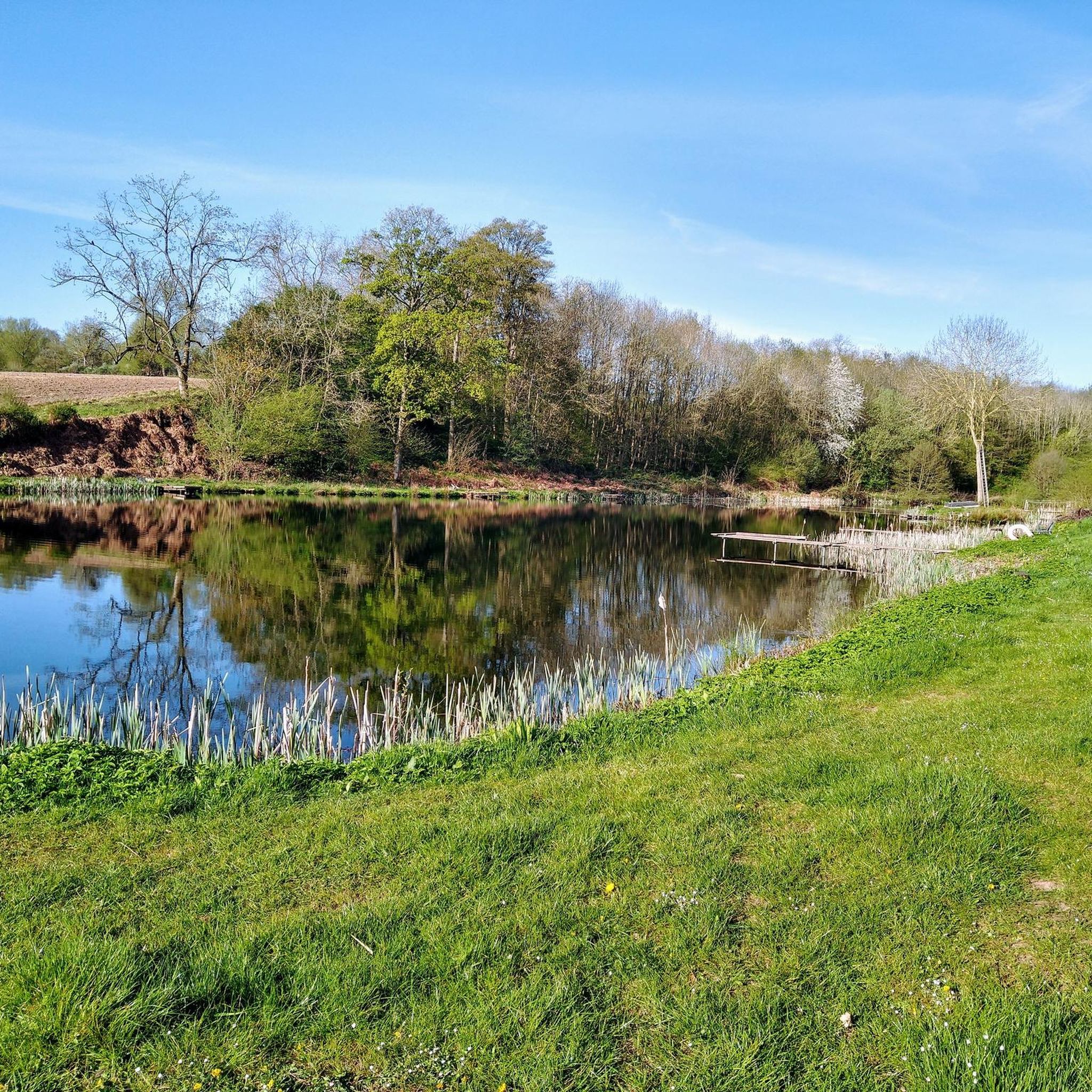
Seggy pool is the smallest of the three lakes on the Dudmaston estate at around 5 acres, with depths from just a few inches to around 4ft and heavily wooded around its banks.
0
0

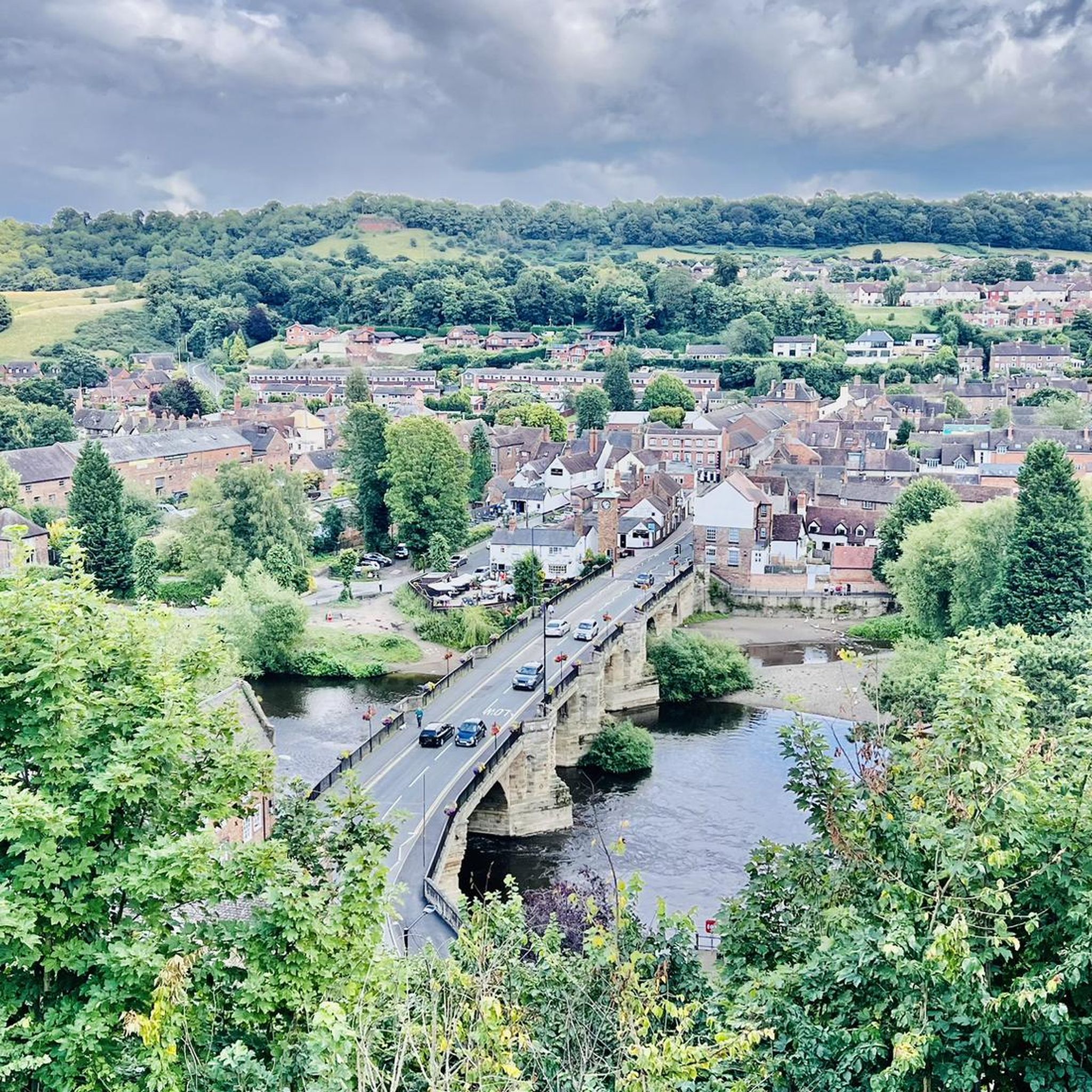
A pretty village with parts dating back to medieval times. The name has nothing to do with badgers, but is a combination of the Anglo-Saxon words 'Bæcg', which was a name, and 'ofer', which signifies a hill spur.
1
0
Frequently Asked Questions
What are some popular lakes to visit around Morville?
Visitors often enjoy Dudmaston Comer Woods and Lake, known for its open paths and mature trees, making it popular with dog walkers. Another favorite is Badger Village Ponds, set within a charming village with parts dating back to medieval times. Dudmaston Hall also features a vast lake within its historical estate and landscaped gardens.
Are there good opportunities for walking or hiking around Morville's lakes?
Yes, the area offers various walking opportunities. For instance, Dudmaston Comer Woods and Lake provides nice woods with good open paths. The Dudmaston Estate, home to Dudmaston Hall's Big Pool, has scenic walks through 'The Dingle' woodland. You can also find easy hikes around Morville, such as the River Severn Riverside Walk, which is part of the Easy hikes around Morville guide.
Which lakes near Morville are suitable for families?
Several lakes are family-friendly. Dudmaston Hall and its lake offer natural play areas for children within the estate. Badger Village Ponds and Neenton Village and Lily Pond are also listed as family-friendly, providing picturesque settings for a day out.
Can I bring my dog to the lakes around Morville?
Yes, Dudmaston Comer Woods and Lake is particularly popular with dog walkers, offering open paths and mature trees for exploration. Always ensure dogs are kept under control and follow any local signage regarding leash requirements or restricted areas.
Are there any historical sites or notable landmarks near the lakes?
Absolutely. Dudmaston Hall is a significant historical site, a 17th-century National Trust property with an art collection, themed gardens, and managed woodlands overlooking its vast lake. Badger Village Ponds are also located within a charming village with parts dating back to medieval times.
What kind of fishing opportunities are available at the lakes near Morville?
The lakes around Morville offer excellent fishing. Dudmaston Hall's Big Pool is renowned for tench fishing, also hosting roach, rudd, pike, and eels. Hurst Farm Lakes, located in Morville, consist of three mature lakes: two coarse fishing lakes stocked with carp, tench, perch, roach, rudd, and crucian carp, and one dedicated trout lake for fly fishing for rainbow and brown trout.
Is wild swimming possible in any of the lakes around Morville?
Boyne Water Lake is mentioned as a potential wild swimming spot, especially during warmer months. It's a tranquil little lake tucked away in the Shropshire Hills. Always exercise caution and check local conditions before attempting wild swimming.
What is the best time of year to visit the lakes around Morville?
The lakes around Morville offer beauty year-round. Spring and summer are ideal for enjoying walks, picnics, and outdoor activities when the weather is milder. Autumn brings vibrant foliage, particularly in wooded areas like Dudmaston Comer Woods. Winter walks can also be picturesque, though some facilities might have reduced hours.
Are there accessible paths for wheelchairs or strollers near Morville's lakes?
While specific details on all accessible paths are limited, Hurst Farm Lakes offer solid stoned pegs, including four with wheelchair access, for fishing enthusiasts. For walks, the National Trust property of Dudmaston Estate may have some accessible routes, but it's advisable to check their official website for the most current accessibility information.
Where can I find refreshments or accommodation near the lakes?
The village of Morville and nearby Bridgnorth offer various options for refreshments and accommodation. While specific establishments aren't detailed for each lake, you'll find pubs, cafes, and self-catering cottages in the surrounding area. Hurst Farm Lakes, for example, provides self-catering cottages on-site.
What kind of wildlife can I expect to see around the lakes?
The lakes and surrounding woodlands are rich in wildlife. You can expect to see various bird species, including waterfowl on the lakes. The wooded areas, such as those around Dudmaston Hall's Big Pool and Dudmaston Comer Woods, provide habitats for small mammals and diverse plant life. Anglers at Dudmaston Hall's Big Pool report seeing pike, tench, roach, rudd, and eels.
Are there any cycling routes near the lakes around Morville?
Yes, there are several cycling routes in the vicinity. You can explore options for gravel biking and touring bicycles. For example, the Cycling around Morville guide includes routes like the Severn Valley & Ironbridge loop from Bridgnorth, offering diverse terrain and scenic views.
How can I get to the lakes around Morville using public transport?
Public transport options to the immediate vicinity of all lakes might be limited, as Morville is a rural village. However, Bridgnorth, a larger town nearby, serves as a hub for local buses. From Bridgnorth, you might find local services or need to consider taxis to reach specific lake locations like Dudmaston Estate or Hurst Farm Lakes. Planning your journey in advance is recommended.
Most popular attractions around Morville

Get inspired with the komoot mobile app


Explore more
Still not found your perfect lake around Morville? Check out the guides of these regions to see even more beautiful places.
