Top 5 Castles around Clun
Best castles around Clun are situated in the Shropshire countryside, close to the Welsh border. This region is historically significant for its role in Anglo-Welsh conflicts, featuring numerous Marcher Lord castles. The area's rolling hills and river valleys provide a scenic backdrop for exploring these historic fortifications. Clun is a historic town with a rich past.
Best castles around Clun
- The most popular castles is Clun Castle, a viewpoint and historical site that is a Grade I-listed Norman fortress…
Last updated: October 3, 2026
Clun Castle
Highlight • Viewpoint
Tip by

Hopton Castle
Highlight • Historical Site
Tip by

Sign up now to discover places like this
Get recommendations on the best single tracks, peaks, & plenty of other exciting outdoor places.
Brampton Bryan Village
Highlight • Monument
Tip by

Lingen Motte-and-Bailey Castle Earthworks
Highlight • Historical Site
Tip by

Start today with a free account
Your next adventure awaits.
Popular around Clun
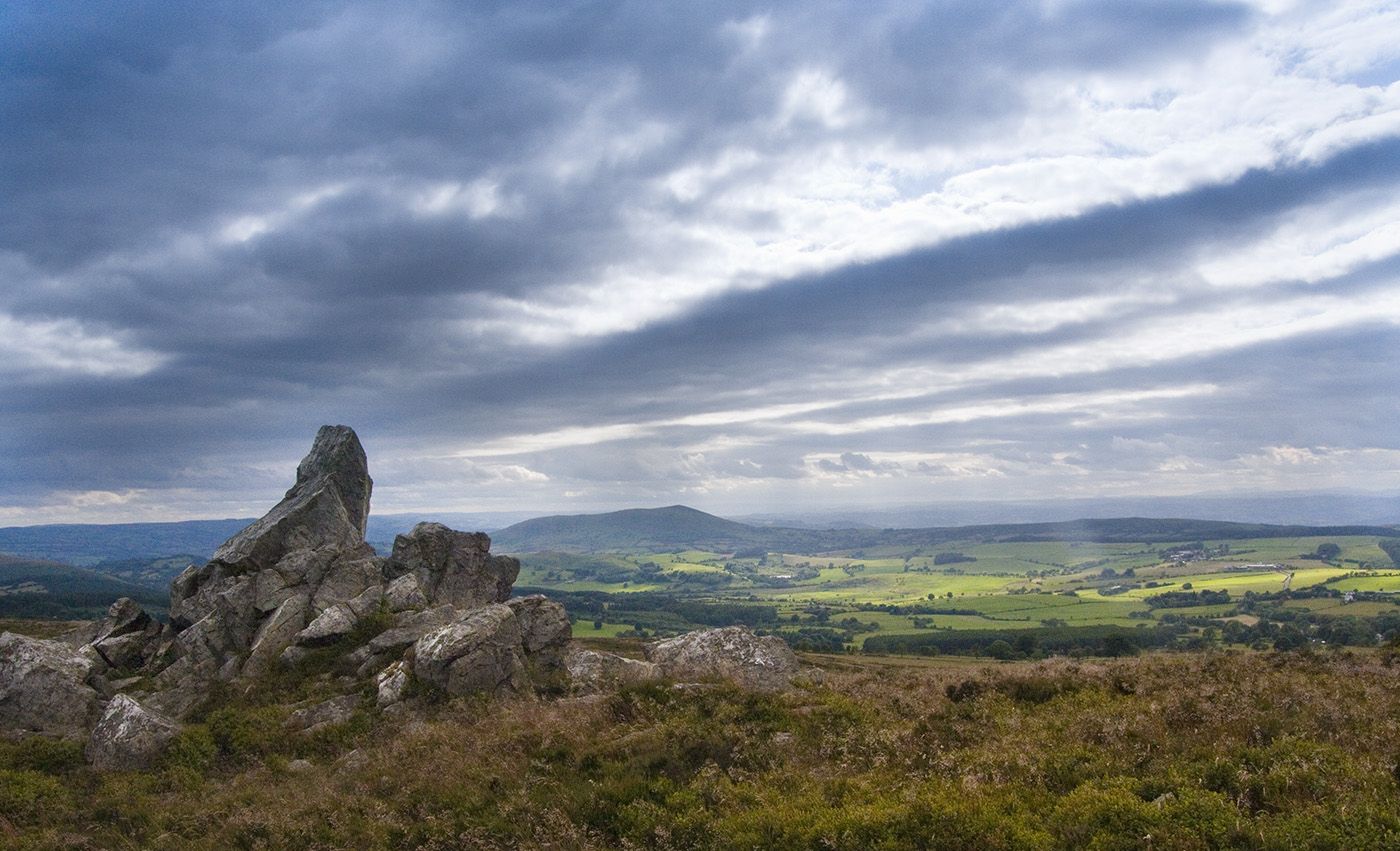
Hike Shropshire's historic hills — Wild Edric's Way
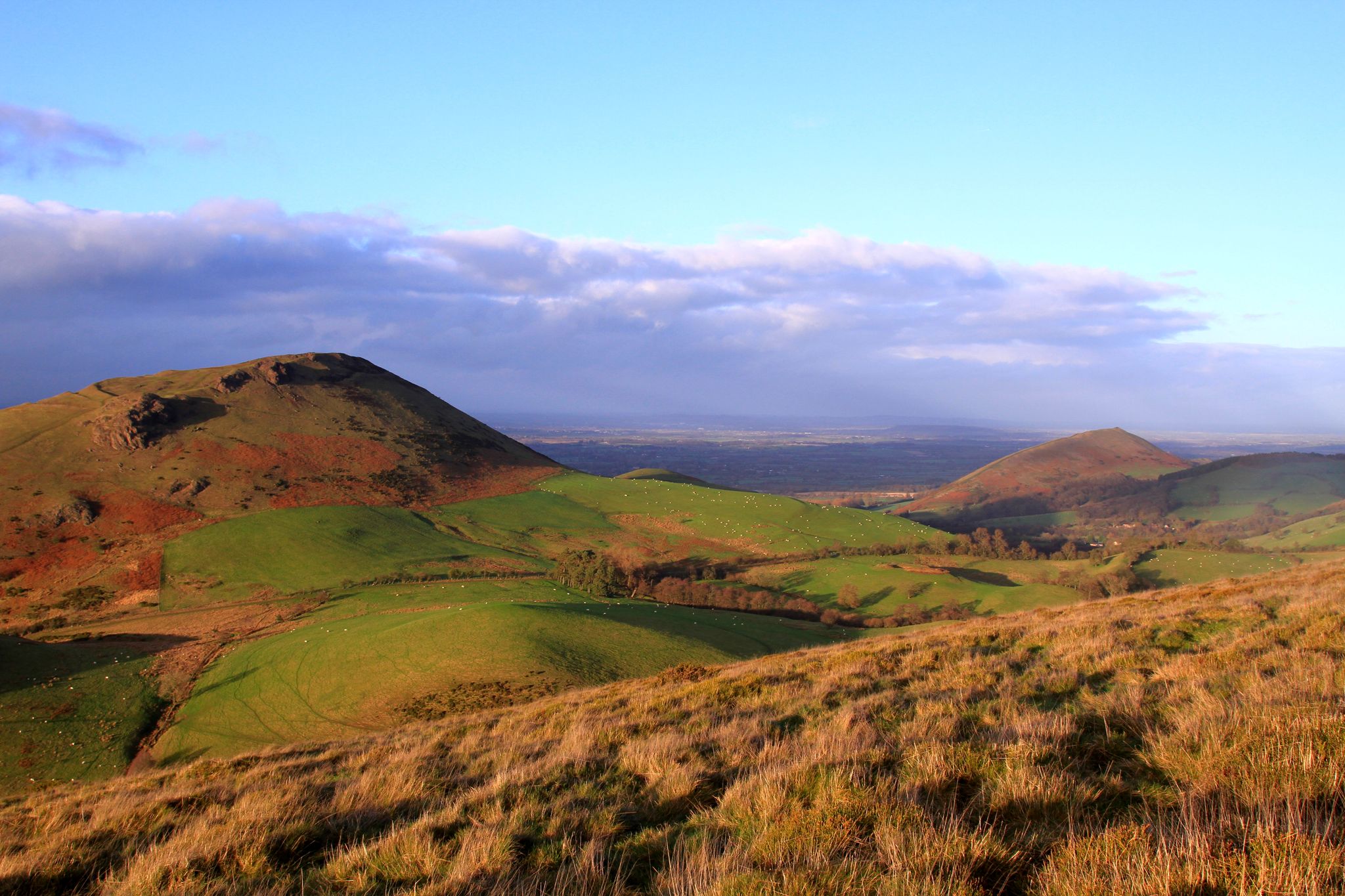
Legends, history and hills — hikes in the Shropshire Hills
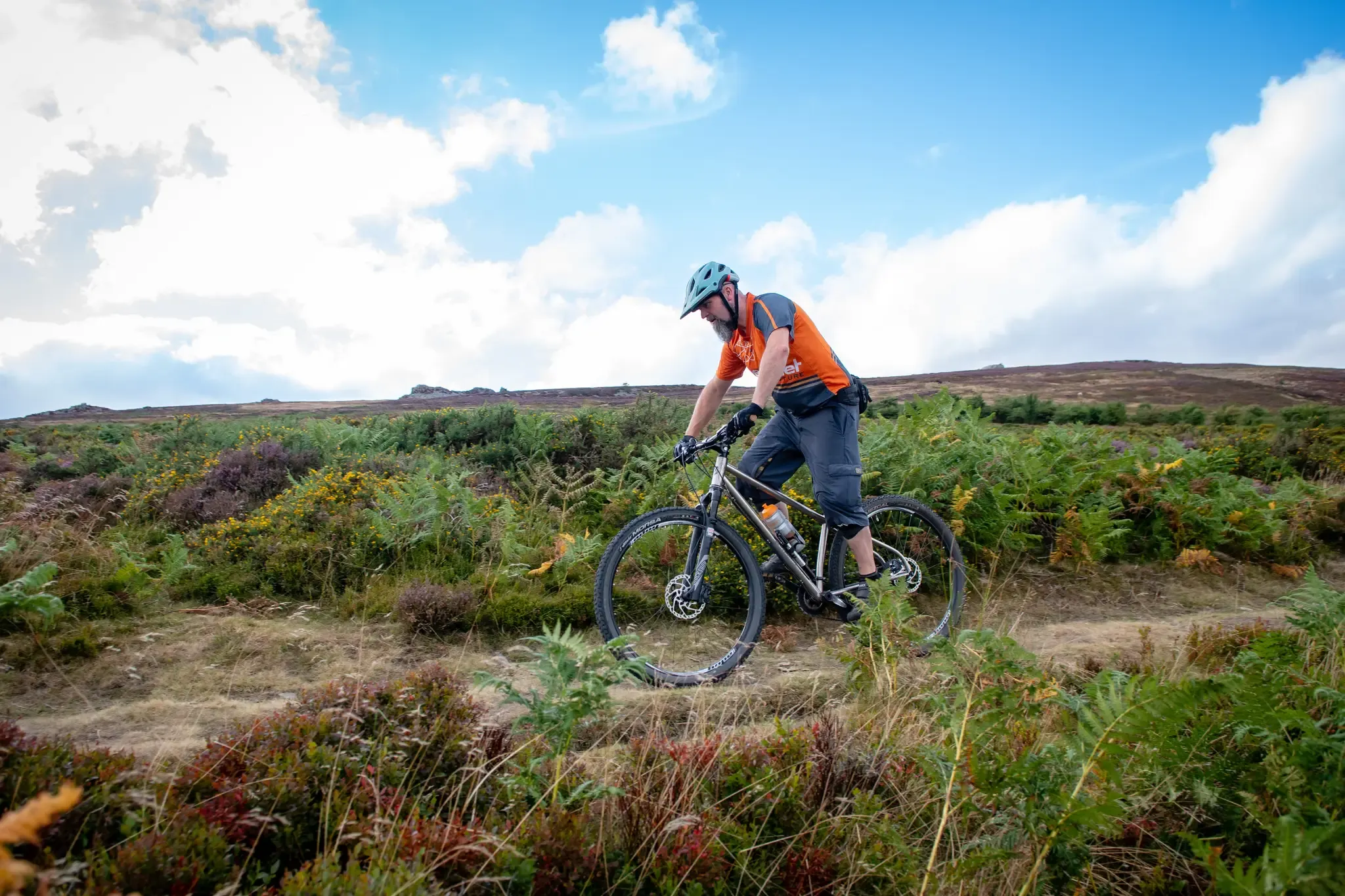
Shropshire's singletrack secrets — mountain biking on the Welsh border
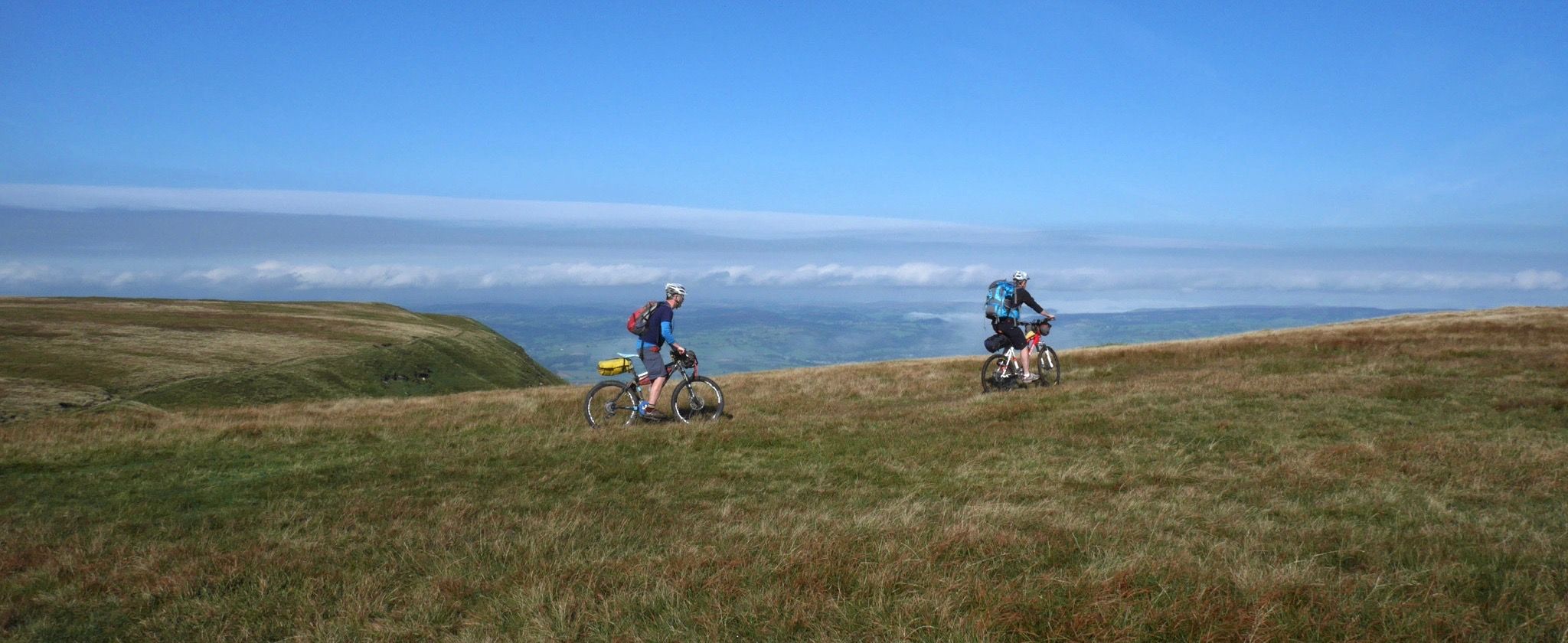
Trans-Wales bikepacking in 4 days
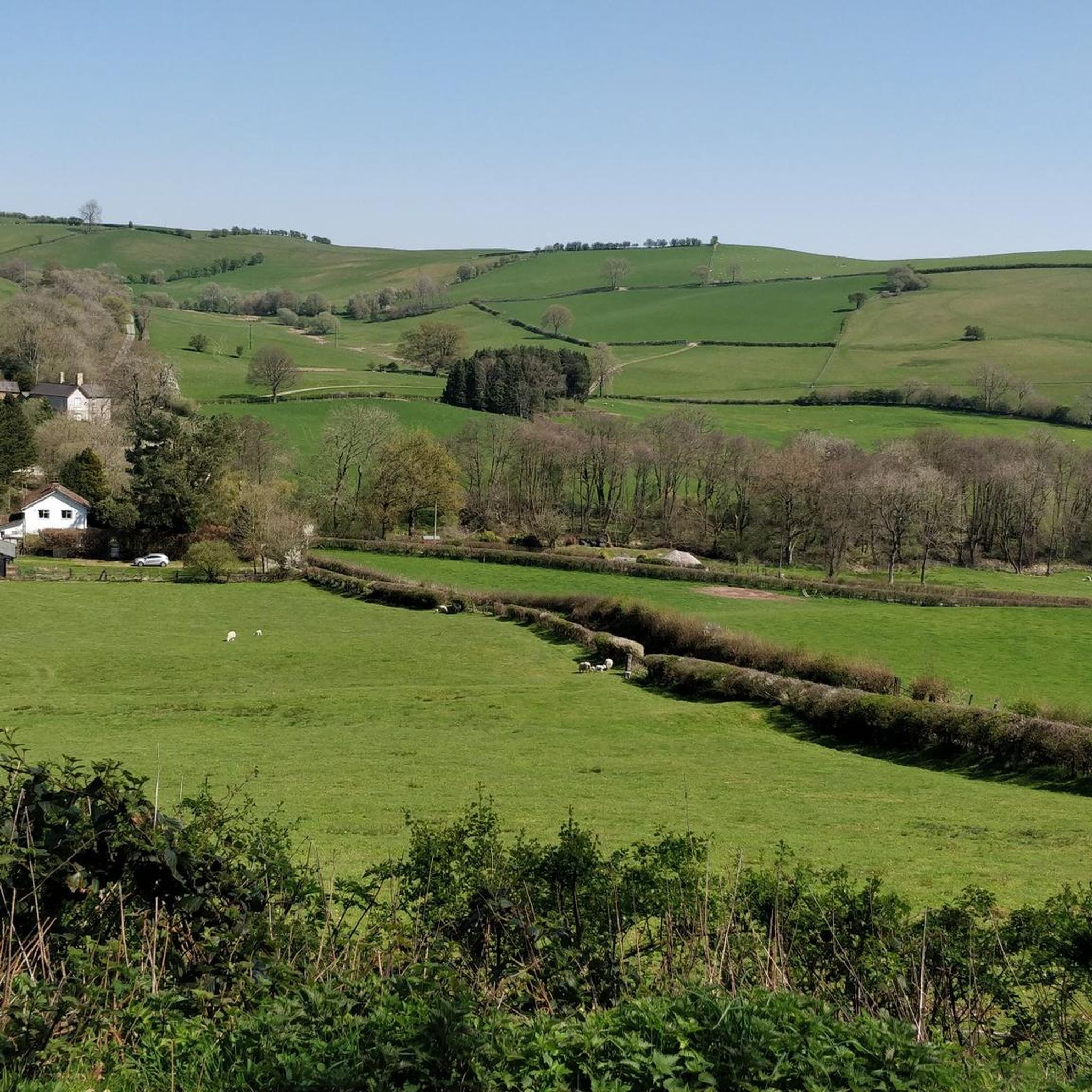
Hiking around Clun
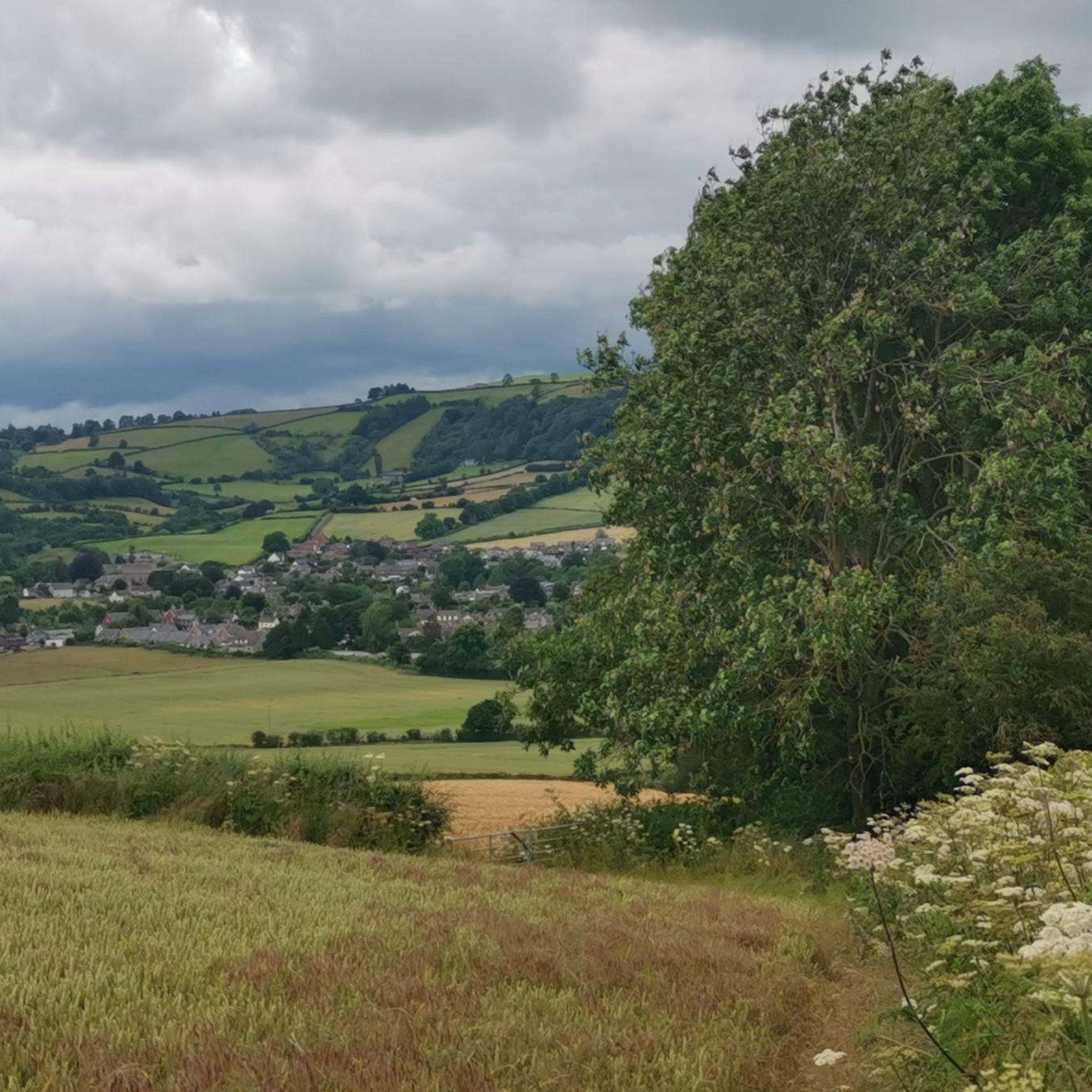
MTB Trails around Clun
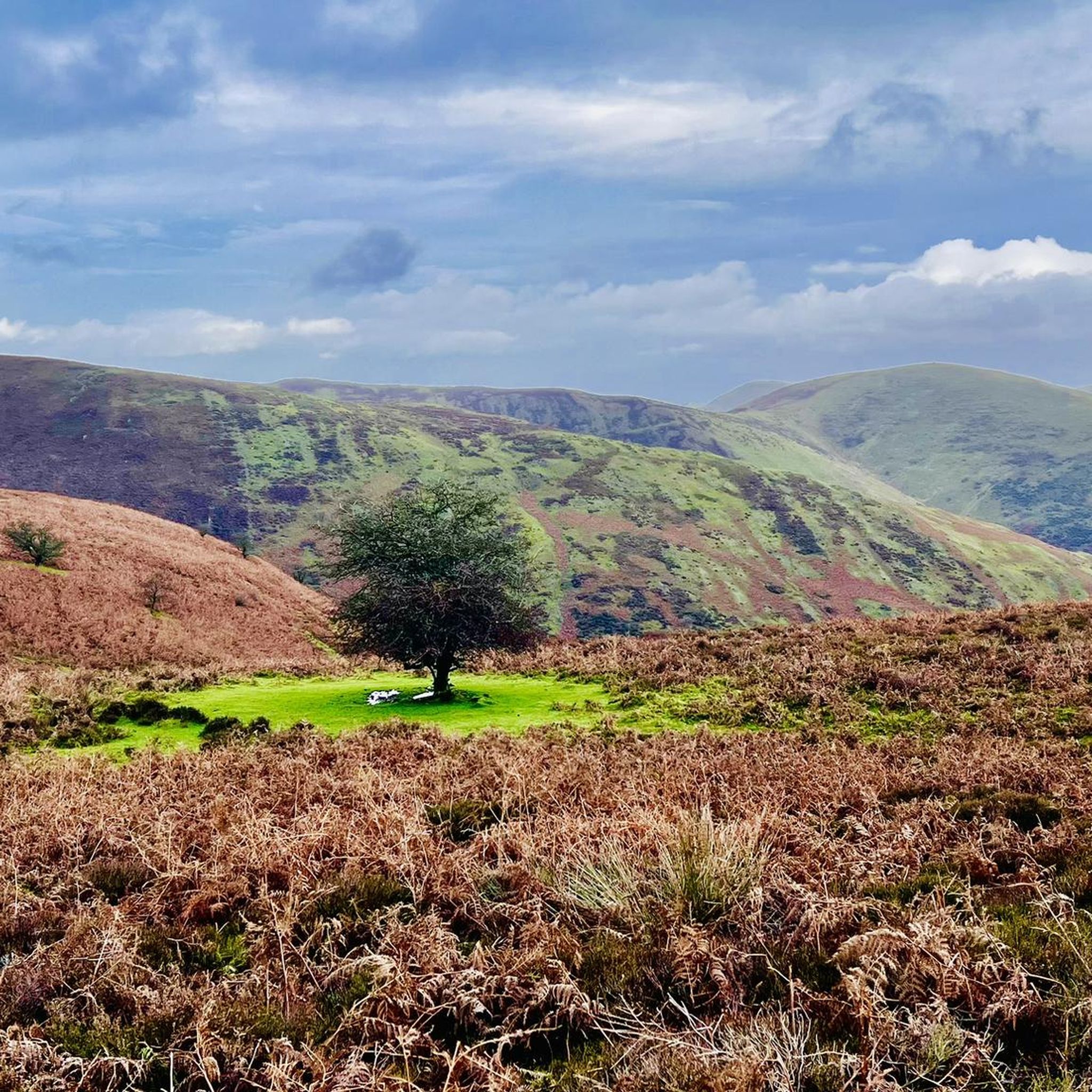
Running Trails around Clun
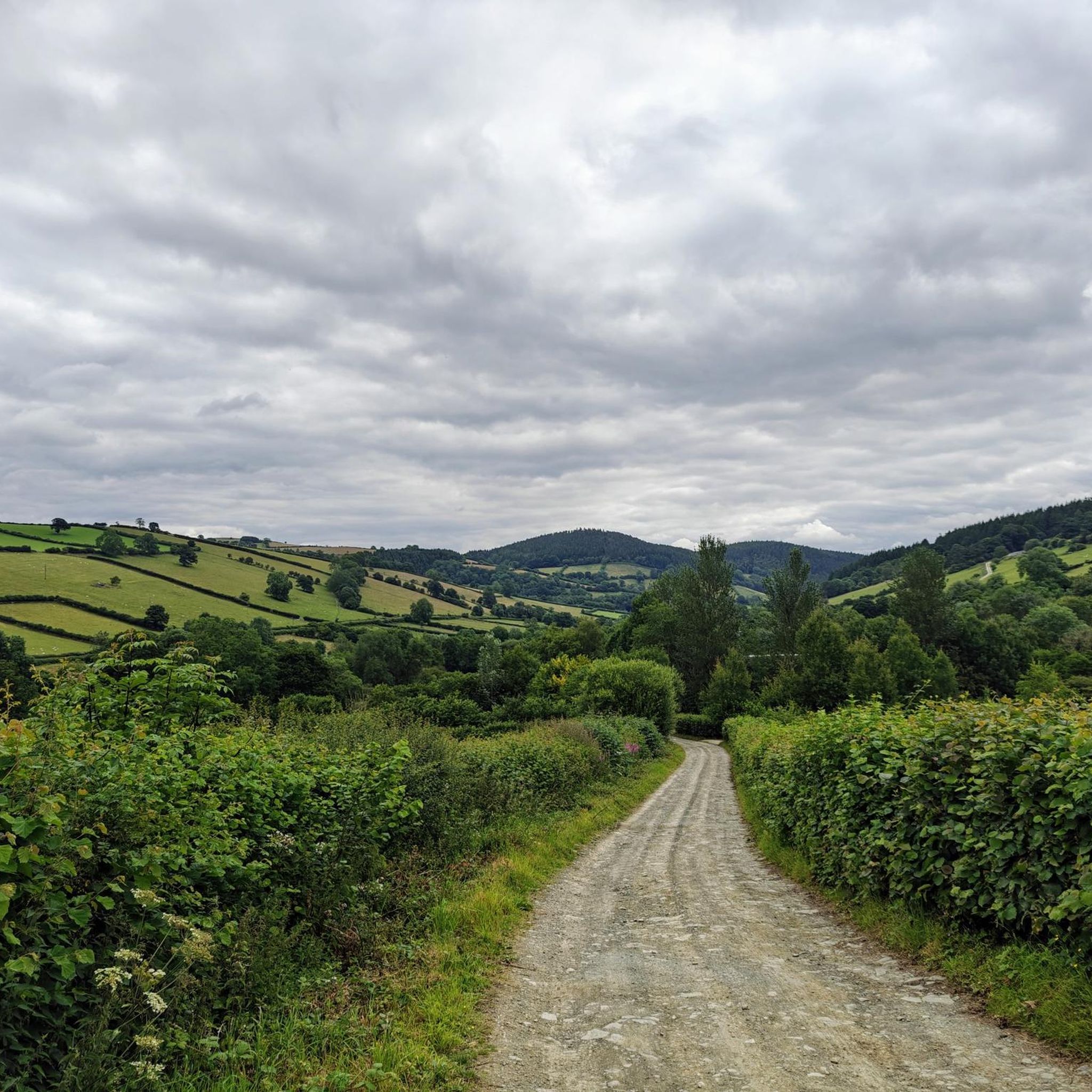
Road Cycling Routes around Clun
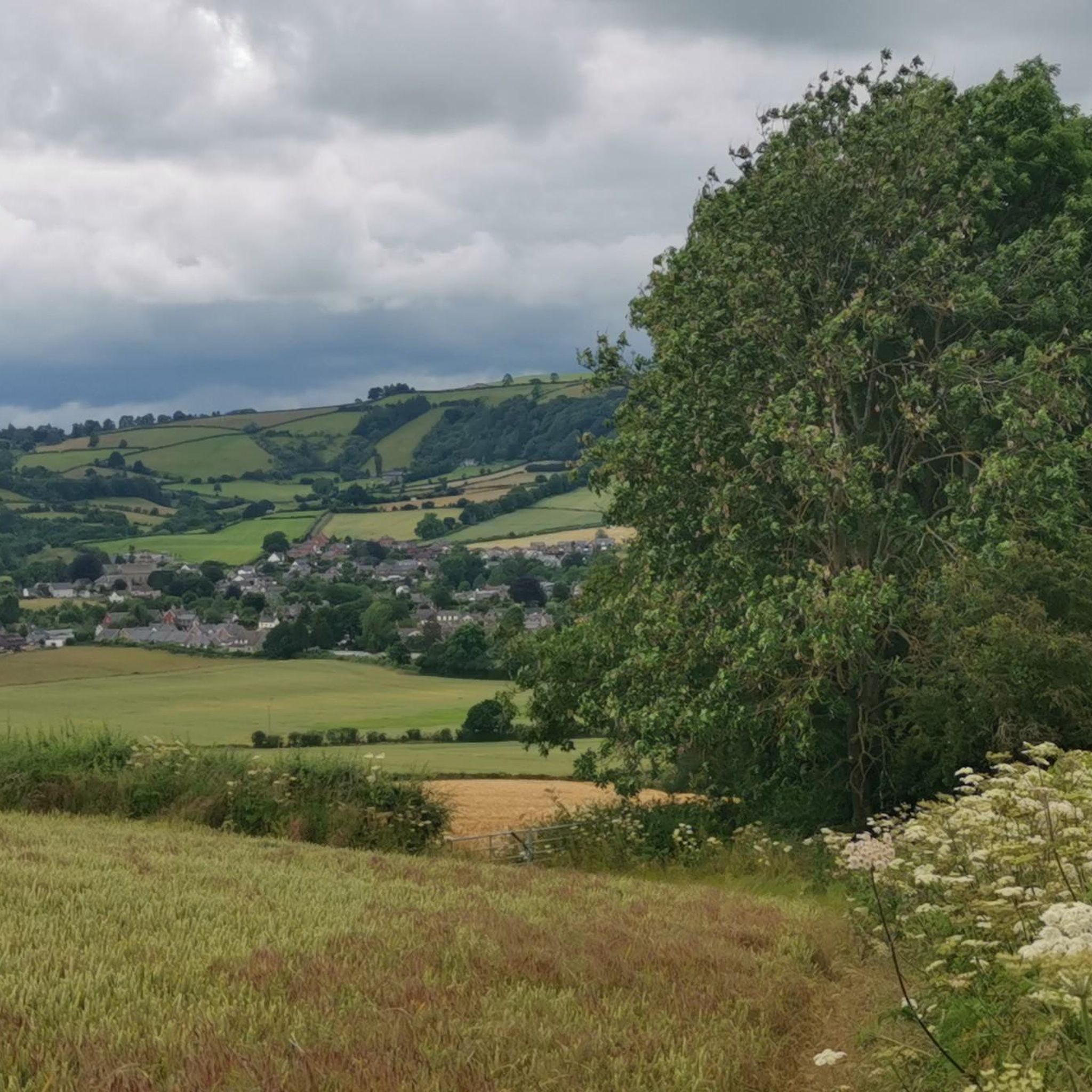
Cycling around Clun

Gravel biking around Clun
Other adventures around Clun


Tips from the Community

If there’s no room in the castle car park, there’s better space around the corner in the village
0
0

A little place with a lot of history, and a spectacular hedge!
0
0

Hopton Castle, located in Shropshire, is a historic fortification that dates back to the 12th century. This medieval castle played a significant role in the English Civil War and was the site of a famous siege in 1644. The castle is surrounded by beautiful countryside making it a great location for a stroll or picnic.
3
0

Hopton Castle refers to a village and a castle of the same name, hidden in the rolling Shropshire countryside between Craven Arms and Knighton. The castle itself has been a ruin since the 18th century, and is a wonderfully atmospheric place to wander around. Grade I listed, it's looked after by the Hopton Castle Preservation Trust, which has overseen recent restoration work and an appearance on Time Team in 2010.
1
0

The run circumnavigates the ruin so you get the full experience of the castle from all sides
0
0

A little village that lies close to the boarder of Wales in the NW corner of Herefordshire. There is a castle but rarely open (scarecrow Sunday). It also has 16 building/ monuments that are listed on the National Heritage List. The white thatch cottages on the green, probably C17 to early C18. And the drinking fountain, mid C19. Cast iron. Fluted column with iron mask to front. It no longer works! Are just 2 of the 16. A remarkable lumpy free-form yew hedge dominates the village. At approximately half a mile in length is reputed to be the longest free-form or cloud yew hedge in England. Saving the best till last if it’s fresh coffee and homemade cake you like then don’t miss Aardvark Books. Closed on a Monday otherwise open from 10:00-16:00.
0
0

Nestled in the rolling countryside of the Marches, Lingen is a pleasant little Herefordshire village. Like many in the region, it was home to a Norman motte-and-bailey castle. All that remains are the earthworks. There is a wealth of hiking potential in the surrounding wooded hills. Real ales, log fires and traditional home cooked food can be sought at the Royal George, the village's pub. It is worth noting that it is only open for lunches on Sundays.
0
0

Clun Castle is a Grade I-listed Norman fortress dating back to the 11th century. A vital line of defence in case of an attack from the Welsh, the castle then lost its importance to Arundel Castle. This historic building was ruined by the 16th century and today is managed by English Heritage and owned by the Duke of Norfolk. Despite its ruined state, it remains very impressive and is free to enter.
1
0
Frequently Asked Questions
What is the historical significance of castles around Clun?
The castles around Clun, such as Clun Castle and Hopton Castle, are historically significant as Marcher Lord castles. They played a crucial role in the Anglo-Welsh border conflicts, serving as defensive strongholds and symbols of feudal power. Their history reflects centuries of conflict and the evolution of fortifications in the region.
Are there any specific architectural features unique to Clun Castle?
Clun Castle is notable for its 13th-century keep, which is unusually set on the sloping side of the castle mound rather than directly on top. This allowed it to function as both a flanking tower for defense and a space for habitation. Despite being largely in ruins, its strategic planning and massive earthworks are still evident.
What role did Hopton Castle play in history?
Hopton Castle is particularly known for its significant role in the English Civil War. It was the site of a famous siege in 1644, highlighting its strategic importance during that period.
Is Clun Castle free to enter?
Yes, Clun Castle is free to enter. It is managed by English Heritage and owned by the Duke of Norfolk, making it accessible to the public for exploration.
How long does it typically take to explore Clun Castle?
While there's no set time, most visitors spend 1-2 hours exploring the ruins of Clun Castle and its extensive earthworks. This allows time to appreciate the dramatic riverside setting and the views from the mound.
Are the castles around Clun family-friendly?
Yes, several castles in the area are considered family-friendly. Hopton Castle is noted as a family-friendly historical site. Clun Castle, with its open grounds and picnic opportunities, is also suitable for families.
Are there dog-friendly options near Clun Castle?
The open grounds of Clun Castle are generally dog-friendly, allowing for walks around the ruins. Many of the nearby walking routes, such as those found in the easy hikes around Clun guide, are also suitable for dogs, though always check local signage for specific restrictions.
What is the best time of year to visit the castles in Clun?
The castles around Clun can be visited year-round. Spring and summer offer pleasant weather for exploring the ruins and surrounding countryside. Autumn provides beautiful foliage, while winter visits can offer a stark, atmospheric experience, though paths might be muddy. Always check weather conditions before your visit.
Is there parking available near Clun Castle?
Yes, parking is available in the town of Clun, within walking distance of Clun Castle. Specific car parks can be found in the village, offering convenient access to the site.
What kind of terrain can I expect when visiting Clun Castle?
Clun Castle is situated on a rocky mound overlooking the River Clun. Visitors can expect uneven ground, grassy slopes, and paths around the ruins. Sturdy footwear is recommended, especially if exploring the earthworks.
What outdoor activities can I do near these castles?
The Clun area offers a variety of outdoor activities. You can find numerous easy hikes, including loops around Clun Castle and through the Shropshire Hills. There are also options for gravel biking and running trails, many of which pass by scenic viewpoints and historical sites.
Are there any easy walking routes that include the castles?
Yes, there are several easy walking routes that incorporate the castles. For example, the Easy hikes around Clun guide features routes like the 'Clun Castle Ruins – Clun Castle Ruins loop from Clun' which allows you to explore the castle and its surroundings.
What are some notable natural features or viewpoints near the castles?
The castles are set amidst the rolling hills and river valleys of the Shropshire countryside, offering many scenic viewpoints. Clun Castle itself provides dramatic views over the River Clun and towards the Welsh border. The surrounding area is rich in natural beauty, perfect for combining historical exploration with nature walks.
Most popular attractions around Clun

Get inspired with the komoot mobile app


Explore more
Looking for the best castles somewhere else? Discover other guides around Clun:
