Top 6 Castles around Wallington Demesne
Best castles around Wallington Demesne is a region in Northumberland known for its historical country house, Wallington Hall, and surrounding parkland. The estate, encompassing nearly 13,500 acres, features diverse habitats including woodlands and a walled garden. While Wallington Hall itself is a country house, its historical foundation includes remnants of an ancient pele tower, contributing to the area's historical allure. The region offers extensive walking trails and opportunities to explore historical sites.
Best castles around Wallington Demesne
- The most popular castles is Elsdon Village, a settlement that features an ancient parish church, a tower house, and the remains of an old motte and bailey castle. It is the largest settlement within the National Park boundaries and a starting point for walks.
- Another must-see spot is Mitford Castle Ruins, a castle site dating back to the late 12th century. The site includes a motte and bailey, with the motte converted into a shell keep, a rare type of Norman fortification.
- Visitors also love Belsay Castle, a 14th-century castle. It was abandoned as a residence in the 19th century when Belsay Hall was built nearby.
- Wallington Demesne is known for motte and bailey castles, shell keeps, and 14th-century castles. Visitors can explore a variety of historical structures, from ruins to well-preserved tower houses.
- The castles around Wallington Demesne are appreciated by the komoot community, with 14 upvotes and 12 photos shared by visitors.
Last updated: May 18, 2026
St Mary Magdalene Church
Highlight • Other
The parish church dates back to the late 12th century and was remodeled in the 13th century, likely after the village was burned by King John in 1216. The 14th century saw the addition of transepts. Major restoration and the addition of a south aisle, west tower, clerestory, and porch were carried out by R.J. Johnson of Newcastle in 1874-5.
Exterior:
The church features a mix of medieval squared stone and 19th-century ashlar with red tile roofs. Key elements include a west tower with an octagonal southwest stair turret, a south aisle with stepped angle buttresses and lancet windows, and a projecting southwest porch. The north nave wall has 13th-century masonry and a blocked door. The chancel’s south wall includes a 12th-century priest’s door and lancet windows, while the transepts have trefoiled ogee lights.
Interior:
Inside, the 12th-century south arcade features round moulded arches on round piers with scalloped capitals. The north transept and south transept have foliage-carved capitals and a small piscina, respectively. The chancel arch and tower arch are 19th-century, and the chancel includes triple sedilia and eastern lancets with 12th-century outer shafts. Fittings include a 1622 Revely monument, a Romanesque wall monument, a medieval bell, and various 19th-century items like the font, pulpit, and reredos with figures of Saints Aidan and Cuthbert.
Tip by

Mitford Castle Ruins
Highlight • Castle
Tip by

Sign up now to discover places like this
Get recommendations on the best single tracks, peaks, & plenty of other exciting outdoor places.
Sign up for free
Elsdon Village
Highlight • Castle
The houses which gather round the teardrop-shaped village green make it the largest settlement within the boundaries of the National Park.
It’s a great starting point for many walks, runs and other activities into the surrounding countryside.
Tip by

Remains of the West Curtain Wall
Highlight • Monument
The inner ward features a tall curtain wall on a stepped plinth, with remnants visible on the west side, including a large round arch that possibly led to a balcony. On the east side, a section of wall with a round arch leading to the outer ward is mostly a 19th-century reconstruction.
Keep:
The keep remains up to the first floor but has had its external facing stones removed. The basement is divided by an axial cross wall into two barrel-vaulted chambers. These chambers have an impost band at the spring of the vault, internal stone spouts that likely brought in rainwater, and were probably intended as cisterns. There is a segmental-arched doorway leading to a mural stair.
The first floor of the keep features a chamfered plinth and is accessed via a lobby from an external stair. To the west of the keep are the footings of a possibly earlier 'blockhouse' with splayed arrow loops.
Tip by
Belsay Castle
Highlight • Historical Site
Tip by

Sign up for free to discover even more castles around Wallington Demesne.
Sign up for free
Already have an account?
Start today with a free account
Your next adventure awaits.
Login or Signup
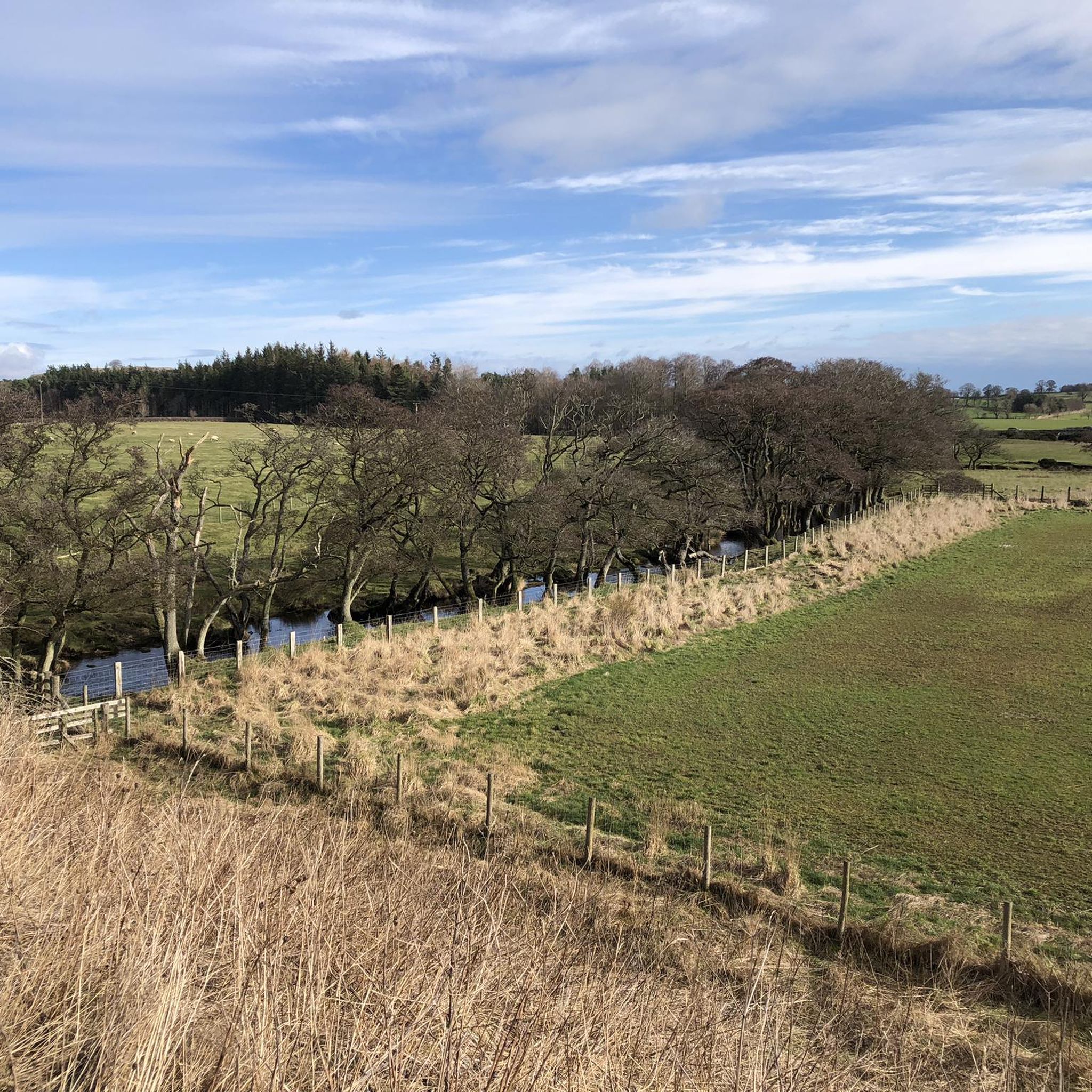
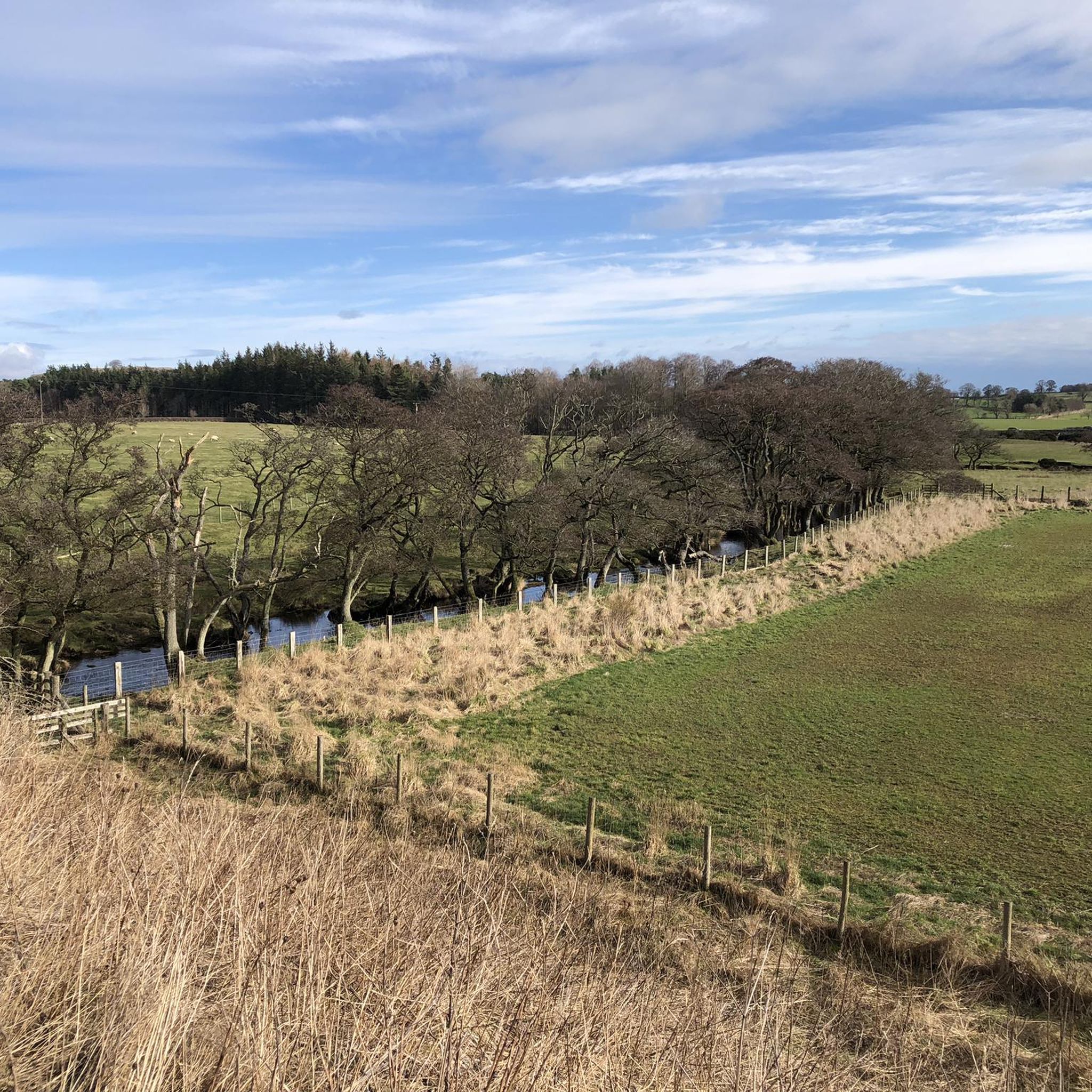
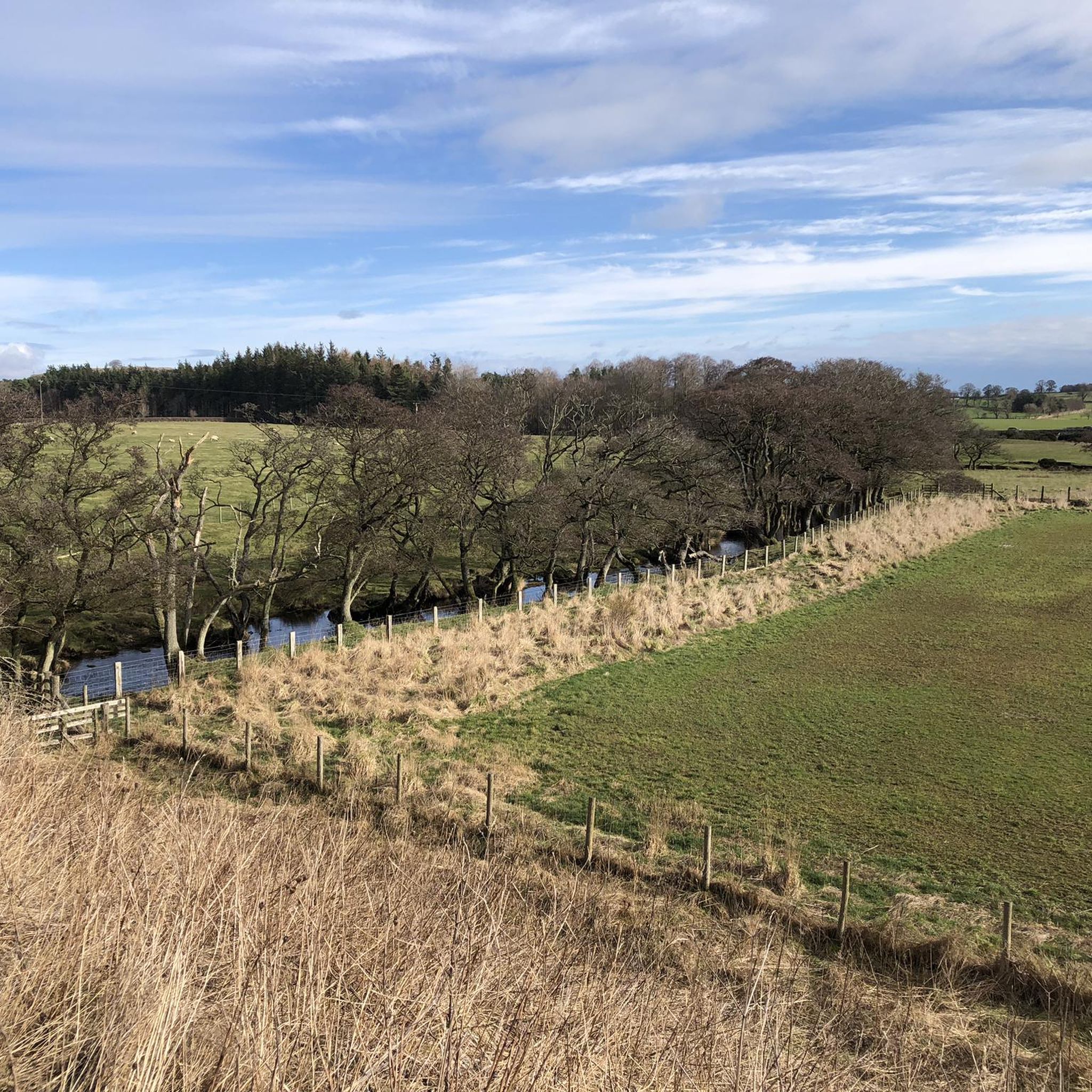
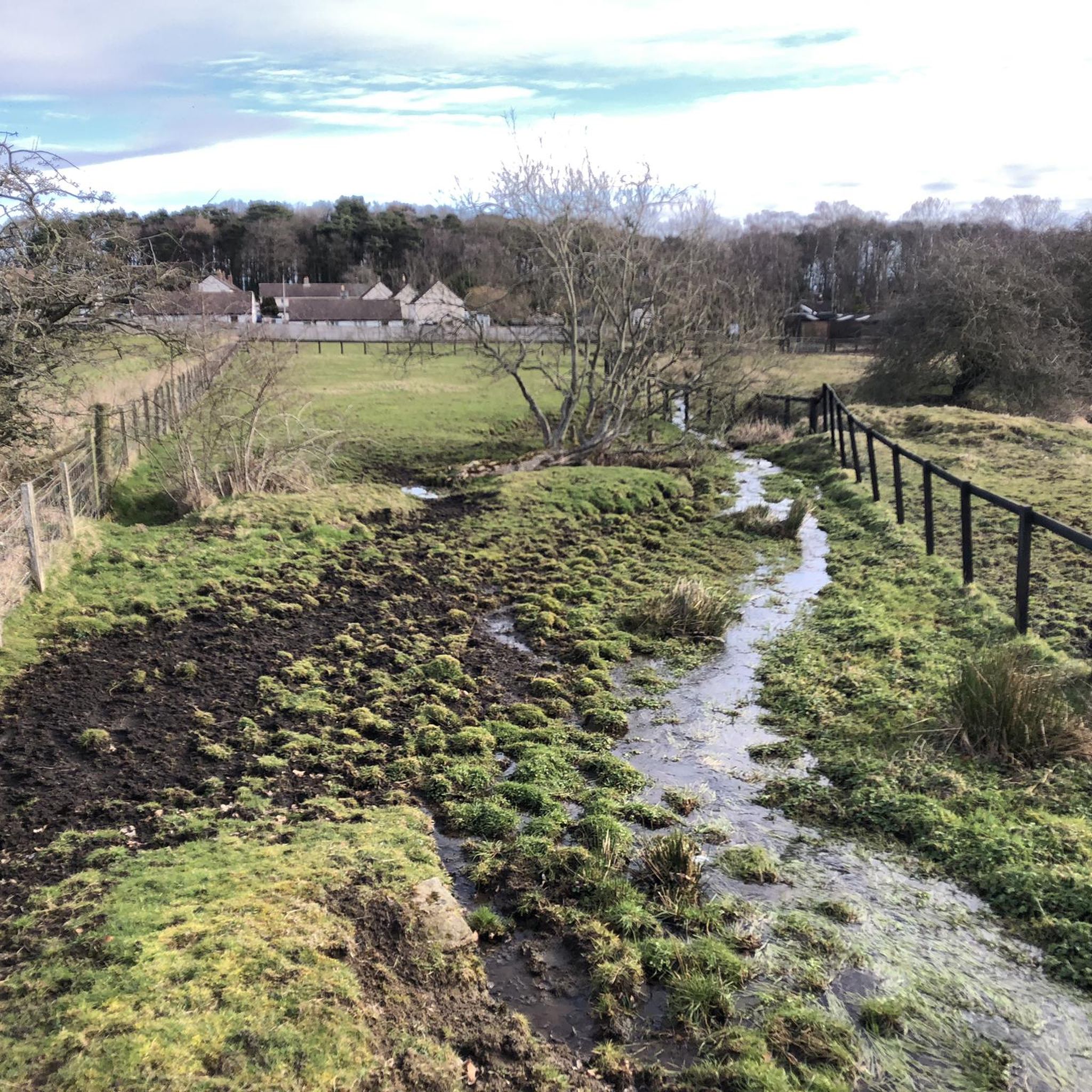
Tips from the Community

History: Mitford Castle dates back to the late 12th century, initially documented in 1138. It served various strategic roles, including being seized by King John in 1215 and later occupied by the Scots. By 1323, it was abandoned due to extensive damage. The site includes a motte and bailey, with the motte later converted into a shell keep—a rare type of Norman fortification with only about 60 known examples in Britain. Exterior: Situated on a hillock above the River Wansbeck, the castle's remains include a substantial earthen motte and a surrounding ditch. An oval bailey, defended by a series of outworks and ditches, occupies the summit of the hill. The southern half of the bailey features remnants of a curtain wall, enclosing an outer ward, while the northern half retains an earthen bank. Interior: Within the shell keep are the remains of a central tower from the early 13th century, divided into two barrel-vaulted chambers likely used for water storage. Foundations of earlier structures are also present. Adjacent to the shell keep are the ruins of a 12th-century chapel and associated graveyard, adding to the site's historical significance. The well-preserved earthworks and stone structures provide valuable insights into medieval defensive architecture.
0
0
History of the Church: The parish church dates back to the late 12th century and was remodeled in the 13th century, likely after the village was burned by King John in 1216. The 14th century saw the addition of transepts. Major restoration and the addition of a south aisle, west tower, clerestory, and porch were carried out by R.J. Johnson of Newcastle in 1874-5. Exterior: The church features a mix of medieval squared stone and 19th-century ashlar with red tile roofs. Key elements include a west tower with an octagonal southwest stair turret, a south aisle with stepped angle buttresses and lancet windows, and a projecting southwest porch. The north nave wall has 13th-century masonry and a blocked door. The chancel’s south wall includes a 12th-century priest’s door and lancet windows, while the transepts have trefoiled ogee lights. Interior: Inside, the 12th-century south arcade features round moulded arches on round piers with scalloped capitals. The north transept and south transept have foliage-carved capitals and a small piscina, respectively. The chancel arch and tower arch are 19th-century, and the chancel includes triple sedilia and eastern lancets with 12th-century outer shafts. Fittings include a 1622 Revely monument, a Romanesque wall monument, a medieval bell, and various 19th-century items like the font, pulpit, and reredos with figures of Saints Aidan and Cuthbert.
0
0
Dating from the 12th and 13th centuries, the curtain wall and adjacent structures are made of squared stone. The wall comprises three sections, each showcasing different construction styles and types of masonry. The northern section features a postern leading into the motte ditch, with a shouldered lintel beneath a pointed relieving arch. The southern section has partially exposed footings of an adjacent range of buildings on the east side.
0
0
Dating from the 12th and 13th centuries, the curtain wall is constructed from squared stone. The north-east section, featuring a gateway to the barmkin, is fragmentary. In contrast, the south-east section is better preserved and includes mural chambers, a garderobe, and a round arch with an uncertain function.
0
0
Inner Ward: The inner ward features a tall curtain wall on a stepped plinth, with remnants visible on the west side, including a large round arch that possibly led to a balcony. On the east side, a section of wall with a round arch leading to the outer ward is mostly a 19th-century reconstruction. Keep: The keep remains up to the first floor but has had its external facing stones removed. The basement is divided by an axial cross wall into two barrel-vaulted chambers. These chambers have an impost band at the spring of the vault, internal stone spouts that likely brought in rainwater, and were probably intended as cisterns. There is a segmental-arched doorway leading to a mural stair. The first floor of the keep features a chamfered plinth and is accessed via a lobby from an external stair. To the west of the keep are the footings of a possibly earlier 'blockhouse' with splayed arrow loops.
0
0

Elsdon is the charming historic capital of Redesdale. It is the perfect Northumbrian village. It has an ancient parish church, a tower house and even the remains of an old motte and bailey castle. The houses which gather round the teardrop-shaped village green make it the largest settlement within the boundaries of the National Park. It’s a great starting point for many walks, runs and other activities into the surrounding countryside.
0
0

A 14th century castle built in the village of Belsay. It was abandoned from a residency in the 19th century when the Sir Charles Monck built Belsay Hall right next door.
0
0

Frequently Asked Questions
What types of historical structures can I expect to see around Wallington Demesne?
The Wallington Demesne area offers a variety of historical structures. You'll find remnants of ancient pele tower houses, such as the foundation of Wallington Hall, along with motte and bailey castles, and rare shell keeps like those at Mitford Castle Ruins. There are also 14th-century castles like Belsay Castle, and historical village settlements like Elsdon Village, which features a tower house and castle remains.
Are there family-friendly castles or historical sites to visit near Wallington Demesne?
Yes, several sites are suitable for families. Mitford Castle Ruins offers a short walk that's brilliant for families. Elsdon Village, with its historic green and castle remains, is also family-friendly. Wallington Hall itself, while a country house, has extensive grounds with play areas and cycle trails designed for all ages.
What is the best time of year to visit the castles and historical sites for walking around Wallington Demesne?
The Wallington Demesne area is beautiful year-round. For walking, spring and autumn offer pleasant temperatures and scenic views, with vibrant foliage or blooming gardens. Summer is also ideal for exploring the extensive grounds and trails. Even in winter, many sites remain accessible, offering a different, often quieter, experience.
What outdoor activities can I do near these castles?
Beyond exploring the castles, the region offers numerous outdoor activities. You can enjoy easy hikes, such as the River Walk at Wallington or the Wallington Garden Pond loop. For cyclists, there are road cycling routes like the Bolam Lake – Kirkley Café loop. Runners can find trails like the Wallington Hall – Dragon Head Sculptures loop. You can find more details on these activities in the easy hikes, road cycling, and running trails guides for the area.
Are there any hidden gem castles or historical sites in the Wallington Demesne region?
While not a traditional 'hidden gem' castle, Wallington Hall itself is a significant historical site. Its origins include an ancient pele tower, and its grounds feature Rothley Castle, a folly designed to be viewed from the hall. Exploring the extensive parkland of Wallington can reveal many historical layers beyond the main house.
What makes Wallington Hall historically significant, even though it's a country house?
Wallington Hall is historically significant because it was rebuilt in 1688 around the ancient pele tower house of the Fenwick family, with its medieval cellars still remaining. It was later substantially rebuilt in Palladian style. The house also features impressive 19th-century Pre-Raphaelite murals by William Bell Scott depicting Northumberland's history and hosted notable literary and scientific figures, making it a cultural hub.
Where can I find parking when visiting castles and historical sites in the Wallington Demesne area?
Parking availability varies by site. For National Trust properties like Wallington Hall, dedicated parking facilities are usually provided. For other sites like Elsdon Village, parking can often be found within the village or at designated visitor spots. It's advisable to check specific site information before your visit.
Are there cafes or pubs near the castle walking trails around Wallington Demesne?
Yes, you can find amenities near many of the historical sites and walking trails. Wallington Hall, as a National Trust property, has cafes on-site. For other areas, villages like Elsdon Village often have local pubs or cafes. The nearby routes also mention places like Kirkley Café and Bolam Café, which can be found along cycling and running trails.
What should I wear for castle walks near Wallington Demesne?
For walks around the castles and historical sites, comfortable walking shoes or boots are recommended, as paths can be uneven or muddy, especially after rain. Layered clothing is also advisable to adapt to changing weather conditions, and a waterproof jacket is always a good idea in Northumberland.
What do visitors enjoy most about the historical sites and castles in the Wallington Demesne region?
Visitors appreciate the rich history and art found in places like Wallington Hall, with its architectural blend and Pre-Raphaelite murals. The extensive grounds offer opportunities for walking, cycling, and wildlife spotting, including red squirrels. The blend of well-preserved sites and atmospheric ruins, along with the family-friendly activities, are frequently highlighted.
Can I visit Rothley Castle, and what is its significance?
Rothley Castle is primarily a folly, designed in the 1730s-1740s to be viewed from Wallington Hall rather than a functional defensive castle. While dragon heads from Rothley were moved to Wallington, its significance lies in its role as part of the broader Wallington estate's designed landscape. It is not typically a standalone visitor attraction but can be appreciated as part of the historical context of Wallington Demesne.
Most popular routes around Wallington Demesne
Most popular attractions around Wallington Demesne

Get inspired with the komoot mobile app


Explore more
Looking for the best castles somewhere else? Discover other guides around Wallington Demesne:
