Top 3 Castles around Shotley Low Quarter
Castles near Shotley Low Quarter offer a diverse range of historical sites for exploration. This region, situated in the North East of England, provides access to various historical structures, from medieval fortresses to grand estates with castle elements. Visitors can explore sites that showcase centuries of architectural evolution and historical significance. The area around Shotley Low Quarter is characterized by its rich heritage and varied landscapes, making it a notable destination for those interested in historical landmarks.
Best castles around…
Last updated: June 30, 2026
Gibside Estate
Highlight • Viewpoint
Tip by

Old Hollinside Manor Ruins
Highlight • Castle
Tip by

Sign up now to discover places like this
Get recommendations on the best single tracks, peaks, & plenty of other exciting outdoor places.
Sign up for free
Bywell Castle
Highlight • Historical Site
Tip by

Dilston Physic Garden
Highlight • Natural
Tip by

Start today with a free account
Your next adventure awaits.
Login or Signup
Tips from the Community

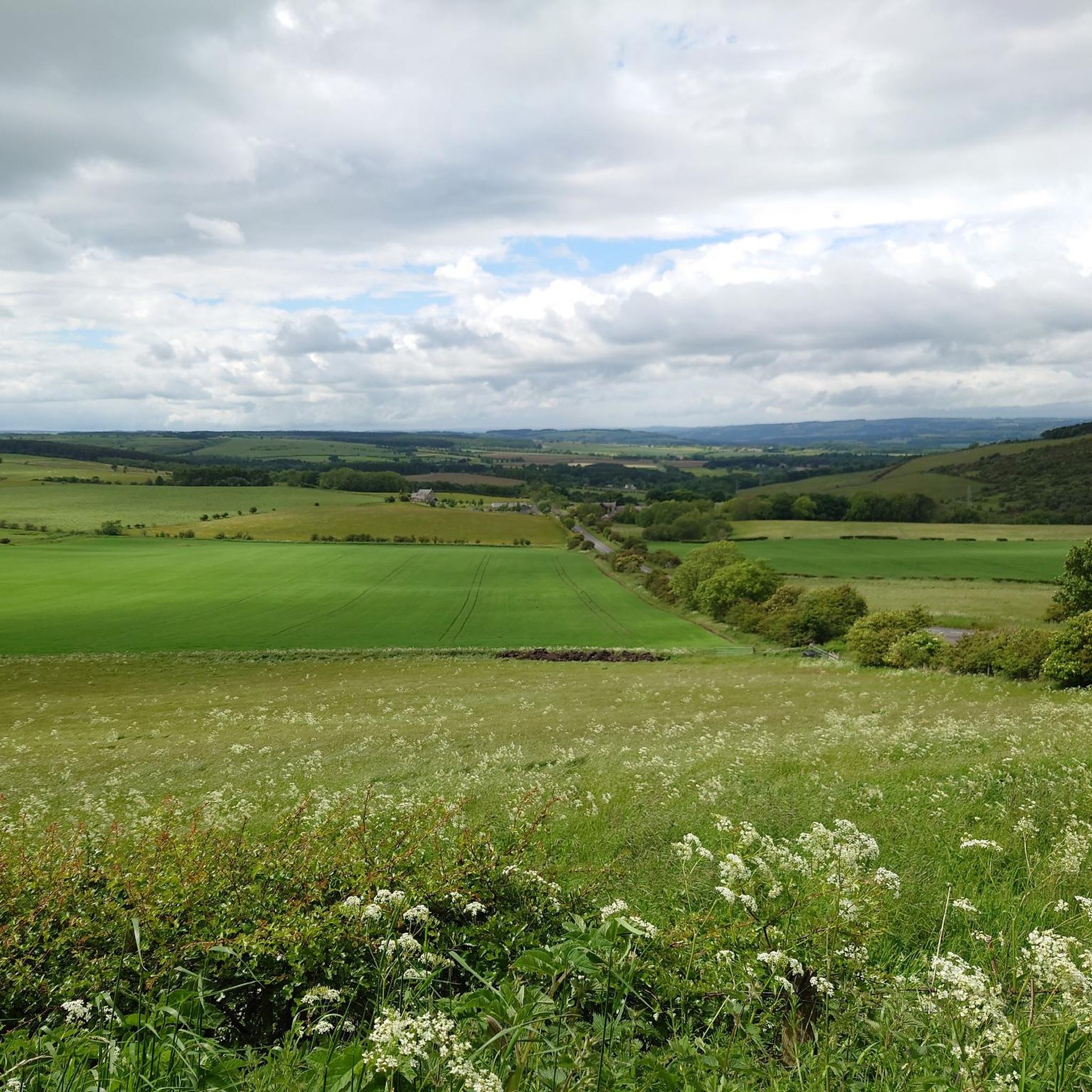
This is a 2-acre physic garden set in natural habitat featuring 700 signposted European medicinal plants.
0
0


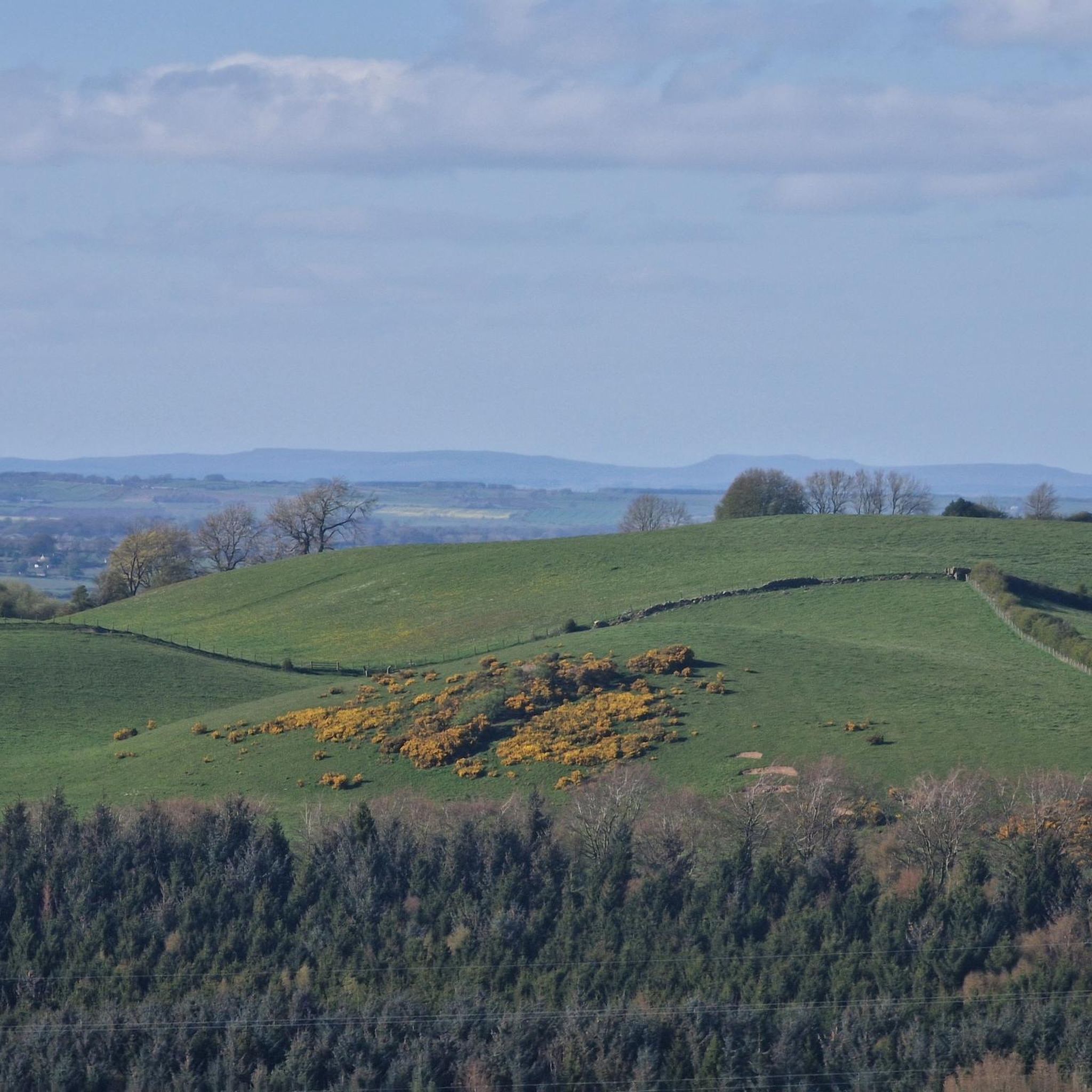
The 600-acre Gibside Estate was built between 1603 and 1620. It's an excellent example of a landscaped Georgian garden with some areas achieving SSSI status. The house was left empty in 1920 and partly demolished - the shell is now a listed building on the property in danger list. The National Trust owns and manages the house and garden now. It's paid entry unless you're a NT member. As a runner there are a few miles of safe and well-maintained trails around the estate. You can extend a run by following the River Derwent trails which connect Gibside to Newcastle.
0
0

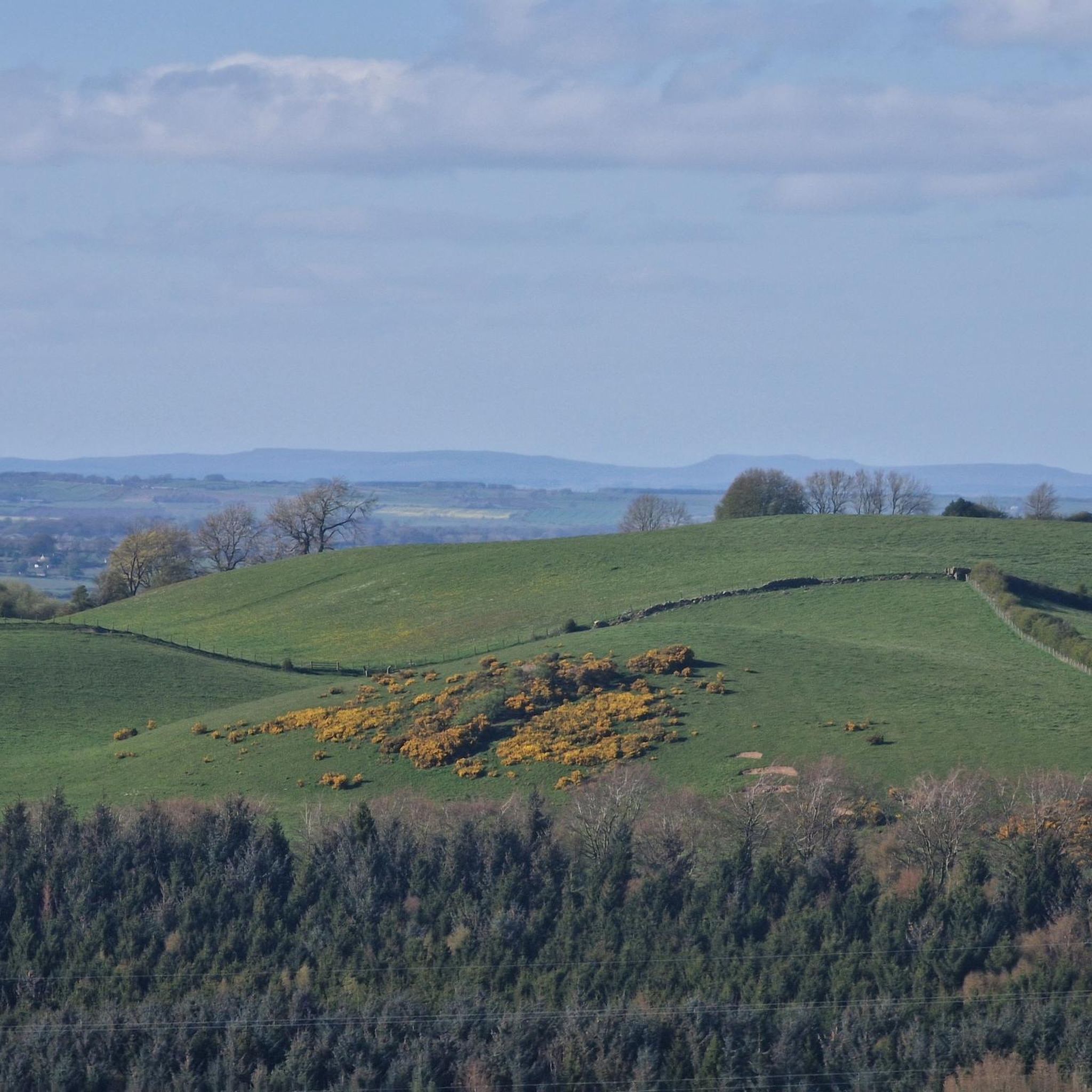
Hollinside Manor is a 13th century manor house situated east of the Nine Arches Viaduct, on the edge of a steep brow with commanding views of Derwenthaugh Country Park and the surrounding countryside. It was the home of the Harding family for two centuries during which time the manor became known as the ‘Giant’s Castle’ since the men folk were very tall. The estate passed on to George Bowes of Gibside in 1730 for the sum of £10,000;
4
0

Highly recommended, the light show at Christmas was spectacular. A family can spend hours here.
0
0


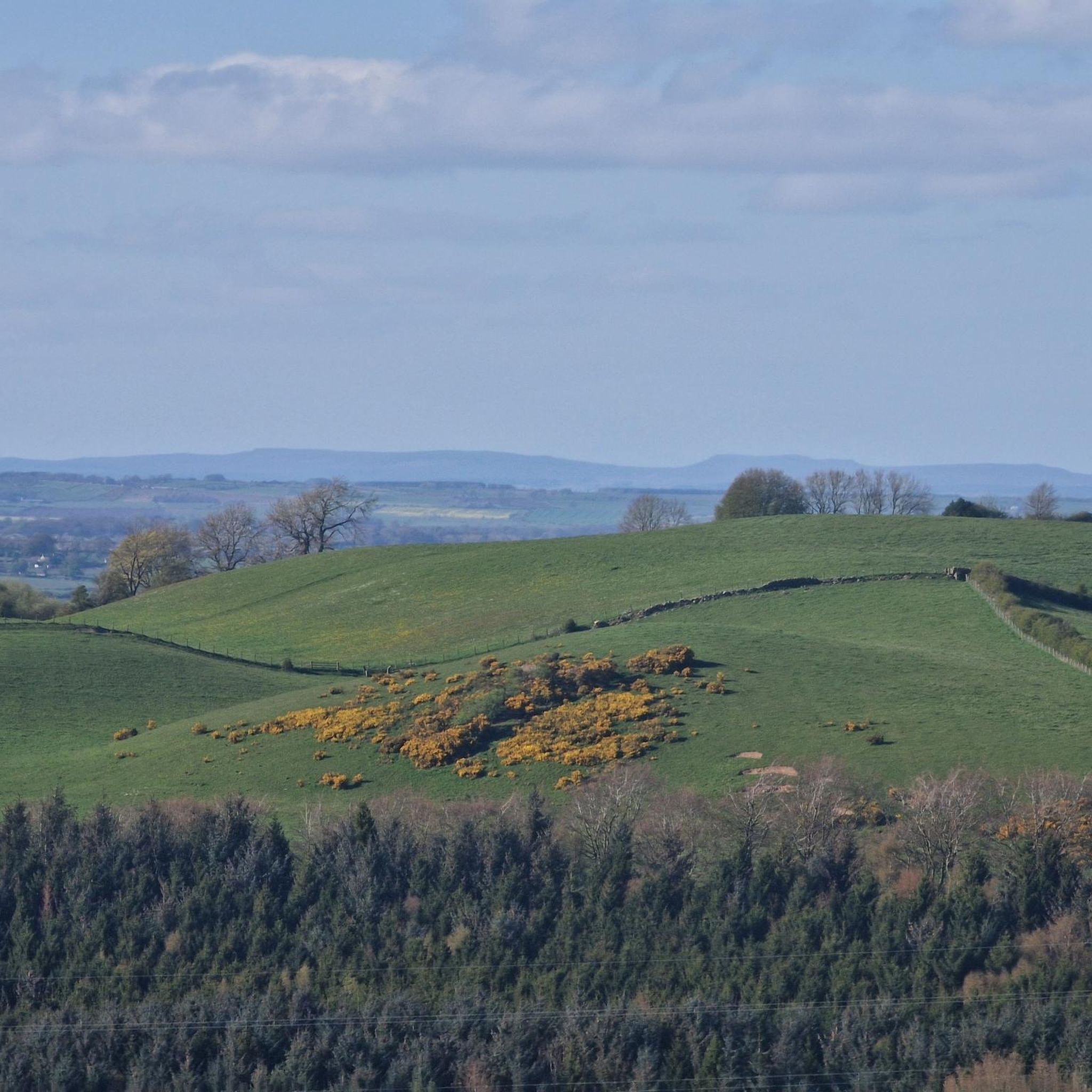
Overlooking the River Tyne, Bywell Castle was built by the Neville family in 1430, but never completed. Although now ruined, you can still visit the three-storey gatehouse and curtain wall. In 1464, the castle provided refuge to King Henry VI after the Battle of Hexham. Today, it is a grade I listed building.
1
0

Frequently Asked Questions
What types of historical sites and castles can I explore near Shotley Low Quarter?
The area offers a diverse range of historical sites, from medieval fortresses to grand estates. You can visit the impressive 14th-century Bywell Castle, which provided refuge to King Henry VI, or the atmospheric Old Hollinside Manor Ruins, a 13th-century manor house with commanding views. Further afield, you'll find UNESCO World Heritage Site Durham Castle, the medieval and Greek Revival combination of Belsay Hall, Castle and Gardens, the grand Raby Castle, and the coastal Tynemouth Priory and Castle.
Are there family-friendly castles or estates to visit in the region?
Yes, several locations are great for families. Gibside Estate is highly recommended, featuring a 600-acre landscaped Georgian garden with miles of trails and often hosting family events. Belsay Hall, Castle and Gardens offers a unique combination of a medieval castle, a 19th-century hall, and enchanting gardens, making it engaging for all ages. Raby Castle also has an extensive deer park that children often enjoy.
Which castles offer significant historical insights or unique architecture?
For deep historical insights, Durham Castle, a UNESCO World Heritage Site, showcases Norman origins and has been continuously occupied for over 1,000 years. Raby Castle is an impressive medieval fortress with nine towers and rich interiors. Tynemouth Priory and Castle offers a 2000-year history, evolving from an Anglo-Saxon settlement to a coastal defence, with medieval priory ruins and World War history displays. Bywell Castle, though ruined, features a notable three-storey gatehouse from 1430.
Can I find castles with extensive gardens or natural features nearby?
Absolutely. Gibside Estate is renowned for its 600-acre landscaped Georgian garden. Belsay Hall, Castle and Gardens boasts 30 acres of stunning Grade I listed gardens, including a unique Quarry Garden where exotic plants thrive. Raby Castle is set within a sprawling 200-acre deer park with ornamental lakes and a recently remodelled 18th-century Walled Garden. Additionally, Dilston Physic Garden, though not a castle itself, is a 2-acre physic garden set in natural habitat featuring 700 signposted European medicinal plants.
What outdoor activities can I combine with a castle visit in this area?
The region around Shotley Low Quarter is excellent for outdoor activities. You can find numerous hiking trails, such as those around Derwent Reservoir, with options ranging from easy to moderate. For cycling enthusiasts, there are gravel biking routes like the Derwent Walk. Runners can also enjoy trails along the River Derwent. You can explore more options on the Hiking around Shotley Low Quarter, Gravel biking around Shotley Low Quarter, and Running Trails around Shotley Low Quarter guide pages.
What is the best time of year to visit castles around Shotley Low Quarter?
Spring and summer generally offer the most pleasant weather for exploring both the indoor and outdoor aspects of castles and their gardens. The gardens at places like Gibside and Belsay are particularly vibrant during these seasons. Autumn also provides beautiful scenery with changing foliage. While some castles may have reduced hours in winter, a visit during this time can offer a unique, quieter experience, especially if you enjoy crisp walks.
Are there any castles that are particularly accessible for visitors with mobility considerations?
While specific accessibility details vary by site, many historical properties, including castles, have made efforts to improve access. It's always recommended to check the individual castle's official website for the most up-to-date information on accessible routes, facilities, and any specific provisions for visitors with mobility needs. For example, English Heritage provides detailed access information for sites like Belsay Hall, Castle and Gardens on their website.
What do visitors enjoy most about the castles and historical sites near Shotley Low Quarter?
Visitors frequently appreciate the rich history and architectural beauty of the sites, from the ancient ruins to well-preserved estates. The extensive gardens and natural surroundings, such as those at Gibside Estate and Belsay, are also highly praised. Many enjoy the opportunity to combine historical exploration with scenic walks and outdoor activities, often highlighting the unique blend of heritage and nature.
Are dogs allowed at any of the castles or their grounds?
Policies regarding dogs vary significantly between different historical sites. Some estates, like Gibside, often welcome well-behaved dogs on leads in designated outdoor areas, while others may have stricter rules or only allow assistance dogs. It is always best to check the specific castle's official website or contact them directly before your visit to confirm their current dog policy.
How long should I plan for a visit to these castles?
The duration of a visit can vary depending on the site and your interest. For a comprehensive experience at larger sites like Durham Castle, Belsay Hall, Castle and Gardens, or Raby Castle, you could easily spend half a day to a full day exploring the interiors, grounds, and any exhibitions. Smaller sites or ruins like Old Hollinside Manor Ruins or Bywell Castle might only require an hour or two, especially if combined with a walk in the surrounding area.
Are there cafes or refreshment options available near these castle sites?
Many of the larger castle estates, such as Gibside, Belsay Hall, and Raby Castle, typically have on-site cafes or refreshment facilities for visitors. For smaller or more remote ruins like Old Hollinside Manor Ruins or Bywell Castle, you might need to plan to bring your own refreshments or find nearby pubs and cafes in the closest villages or towns.
Most popular routes around Shotley Low Quarter
Most popular attractions around Shotley Low Quarter

Get inspired with the komoot mobile app


Explore more
Looking for the best castles somewhere else? Discover other guides around Shotley Low Quarter:
