Top 5 Castles around Arkholme-With-Cawood
Best castles around Arkholme-With-Cawood offer insights into centuries of English history and medieval defense. The area features a variety of historical fortifications, including the earthwork remains of Norman motte and bailey castles, as well as fortified tower houses. These sites provide a direct connection to the region's past, showcasing different architectural styles and strategic importance. Exploring these locations reveals how communities developed around ancient defensive structures.
Best castles around Arkholme-With-Cawood
- The most popular castles is Hazelslack Tower, a historical…
Last updated: October 3, 2026
Hazelslack Tower
Highlight • Historical Site
Tip by

Borwick Hall
Highlight • Other
Tip by

Sign up now to discover places like this
Get recommendations on the best single tracks, peaks, & plenty of other exciting outdoor places.
St Michael the Archangel Church
Highlight • Historical Site
Tip by
Castle Stede Motte and Bailey Earthworks
Highlight • Castle
Tip by
Hornby Castle
Highlight • Historical Site
Tip by
Start today with a free account
Your next adventure awaits.

Tips from the Community

Hazelslack Tower was a Peel (Pele) Tower ( small fortified keeps or tower houses, built along the English and Scottish borders in the Scottish Marches and North of England). Thought to built late 14th Century.
2
0
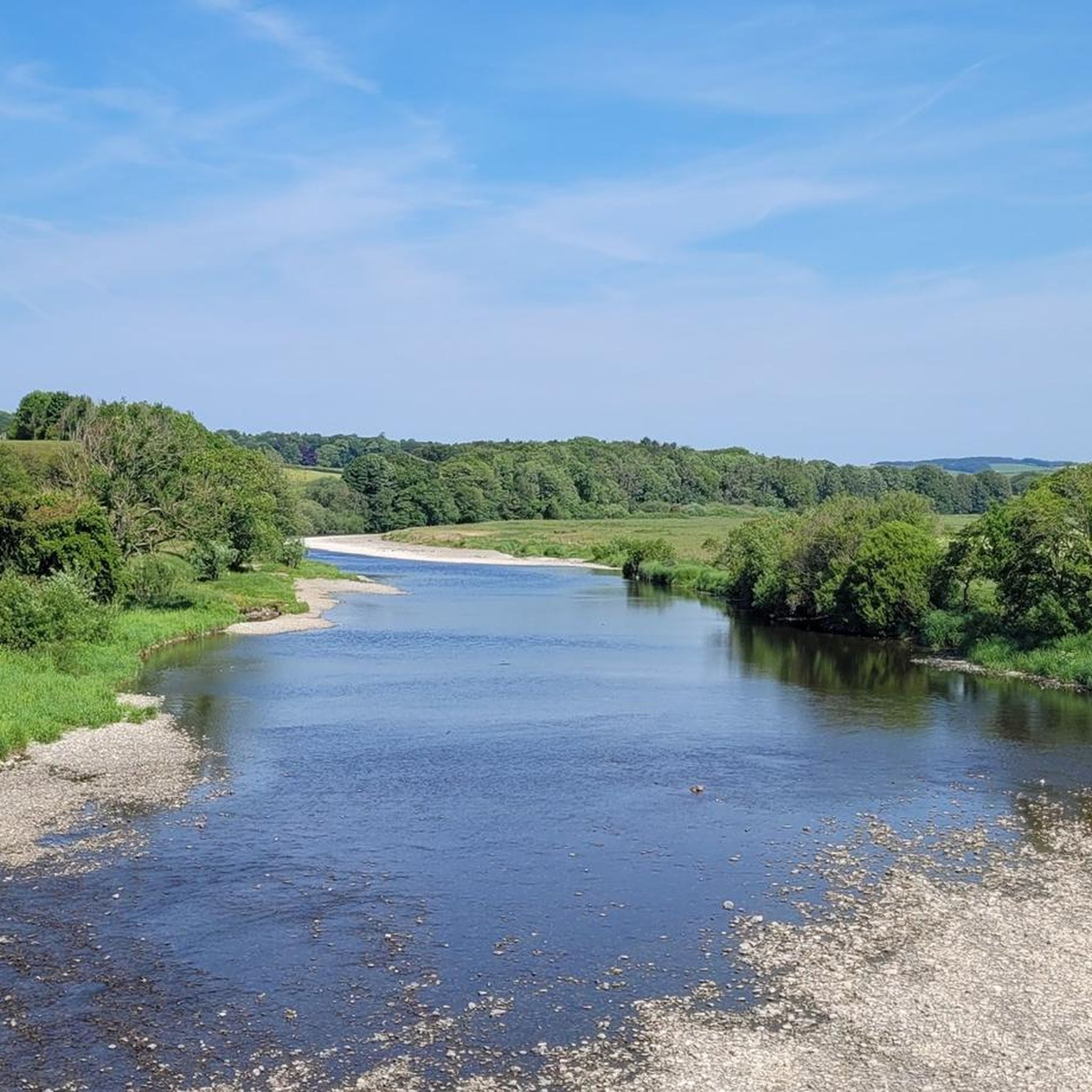
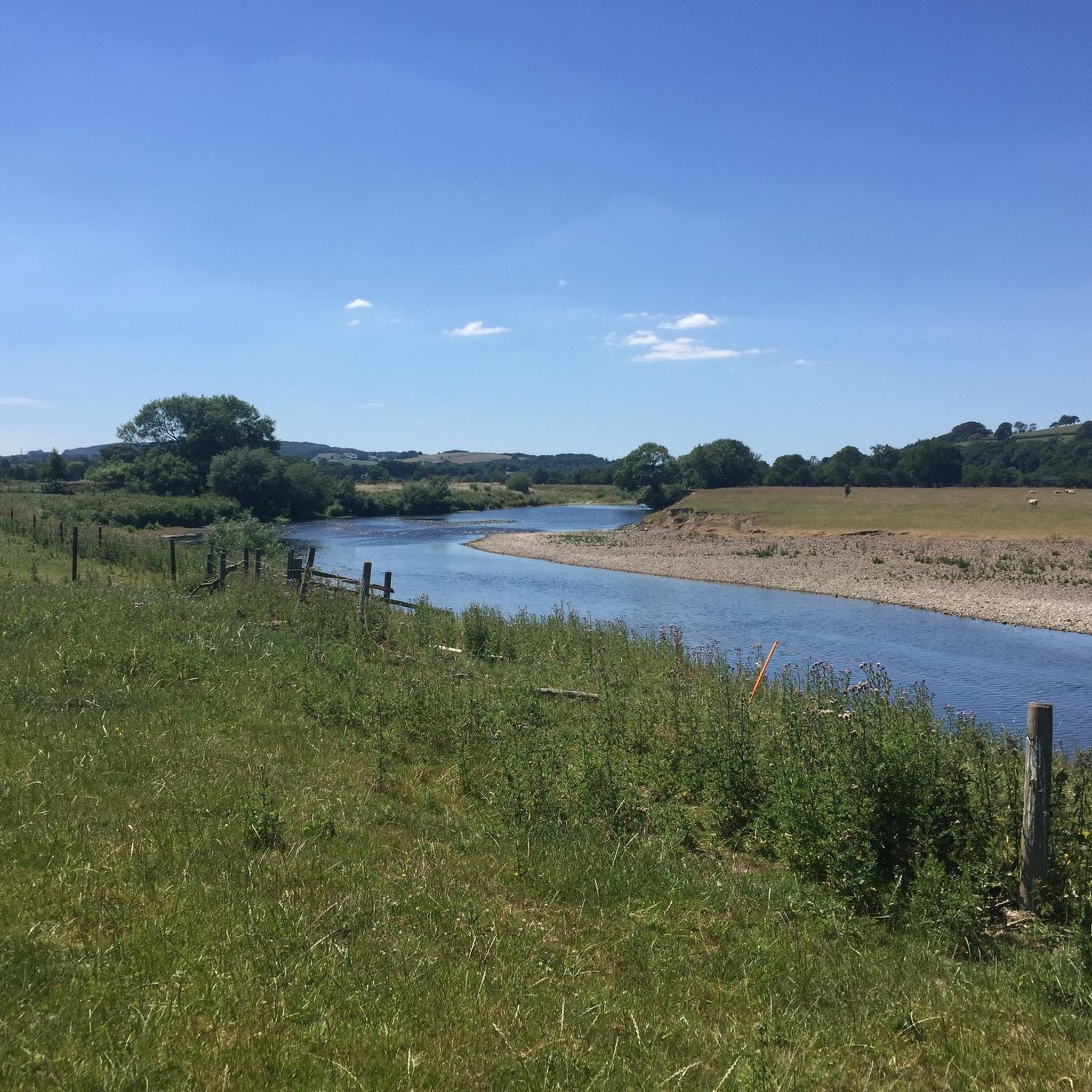
Castle Steed was deserted at the beginning of the 13th century after the construction of the castle at nearby Hornby. The earthworks of Castle Stede remain visible and is a great example of a motte and Bailey. It was built to oversee a fording point of the river and its strategic importance was shown nine centuries later with the construction of a pill box during the Second World War.
2
0

Hazelslack Tower is visible from the footpath and is a small, medieval pele tower (a fortified tower house) that dates back to the 14th century. It was built as a defensive structure during a time of border conflicts and raids between England and Scotland.
1
0
The church stands within the bailey of a former castle. It is thought that a church has been on this site since 1200. The oldest part of the present church is the tower, which dates from the early 16th century. The rest of the church was largely rebuilt in 1875.
0
0

Borwick Hall is a beautiful 16th-century manor house originally owned by aristocrat Roger of Poitou. The hall belonged to various MPs and elite through the centuries before falling into disrepair by the beginning of the 19th century. In 1910, the building was leased to music critic John Alexander Fuller Maitland providing he restore the building. During WWII, the hall was used as a military base before being sold to Lancashire County Council who now run the hall as an outdoor education and conference center.
0
0
A medieval castle dating back to the 13th century, this an impressive overlooking Hornby Village and the River Wenning. Originally built for the Neville family, the castle passed to various artistocratic families. In the 16th century it was home to Elizabeth and Edward Parker whose son became famous as the peer to be warned about the 1605 Guy Fawkes Gunpowder Plot. Today, the house is privately owned, but you can visit the gardens on certain weekends. You can find out when the next open day is on their website: http://www.hornbycastle.com/hornby-castle-gardens/
0
0
Frequently Asked Questions
What types of historical fortifications can I explore around Arkholme-With-Cawood?
The area around Arkholme-With-Cawood offers a diverse range of historical fortifications. You can find remnants of Norman motte and bailey castles, such as the Castle Stede Motte and Bailey Earthworks, as well as later medieval structures like the defensive Hazelslack Tower, a Pele Tower. There are also impressive manor houses with long histories, such as Borwick Hall, and the significant Hornby Castle.
Which castles offer insights into early medieval defensive architecture?
For a glimpse into early medieval defensive architecture, visit the Castle Stede Motte and Bailey Earthworks. These visible earthworks are an excellent example of a Norman motte and bailey castle, strategically built to oversee a river fording point. Additionally, the Arkholme Castle Motte, located in the grounds of the church on Chapel Hill, provides a clear example of a motte, a key component of Norman castles.
Can I visit Hornby Castle, and what is its historical significance?
Hornby Castle is a significant medieval castle dating back to the 13th century. While it is privately owned, its gardens are occasionally open to the public. Historically, it was built for the Neville family and later housed Elizabeth and Edward Parker, whose son was famously warned about the 1605 Guy Fawkes Gunpowder Plot. Visiting offers a glimpse into centuries of English aristocracy and medieval architecture.
What is a Pele Tower, and where can I see one near Arkholme-With-Cawood?
A Pele Tower is a small, fortified keep or tower house commonly built along the Anglo-Scottish borders during periods of conflict. You can see a notable example at Hazelslack Tower, which is thought to have been constructed in the late 14th century. It offers insight into the need for fortified homes in a historically volatile region.
Are there any historical sites near Arkholme-With-Cawood that combine religious and castle history?
Yes, St Michael the Archangel Church is a fascinating site. It stands within the bailey of a former castle, with its oldest part dating from the early 16th century. This location allows visitors to see how the village developed around an ancient defensive structure, with the church now occupying the former bailey area.
What is Borwick Hall, and what is its current use?
Borwick Hall is a beautiful 16th-century manor house with a rich history of aristocratic ownership. After serving various purposes, including a military base during WWII, it is now run by Lancashire County Council as an outdoor education and conference center.
Are there walking or cycling routes near these historical sites?
Yes, the area around Arkholme-With-Cawood offers several outdoor activity options. You can find various cycling routes, including touring, road, and gravel biking. For example, there are routes like the 'Lune Millennium Bridge – Lune Aqueduct loop' for touring bicycles or the 'Borwick Village Centre – Sunnybank Climb loop' for road cycling. You can explore more options on the Cycling around Arkholme-With-Cawood guide or the Road Cycling Routes around Arkholme-With-Cawood guide.
What kind of natural features or viewpoints can I expect to see when visiting these castles?
Many of these historical sites are situated in scenic locations. For instance, Hornby Castle overlooks Hornby Village and the River Wenning, offering picturesque views. The Castle Stede Motte and Bailey Earthworks were strategically built to oversee a river fording point, providing a historical landscape to explore.
Are there any hidden gem castles or lesser-known historical sites worth discovering?
While not a fully intact castle, the Arkholme Castle Motte, located on Chapel Hill within Arkholme-with-Cawood itself, is a well-preserved motte. It's a direct connection to the early medieval history of the village and offers a clear example of a key Norman castle component, often overlooked compared to larger ruins.
What is the best time to visit the castles and historical sites in this region?
The best time to visit is generally during the spring and summer months (April to September) when the weather is milder and more conducive for exploring outdoor sites and earthworks. This period also offers the best chance for the gardens of privately owned sites like Hornby Castle to be open.
Are the castles and historical sites around Arkholme-With-Cawood suitable for families?
Many of the sites, particularly the earthworks and tower ruins, are suitable for families who enjoy exploring history outdoors. Sites like Castle Stede Motte and Bailey Earthworks offer space for children to imagine medieval life. Borwick Hall, as an outdoor education center, also caters to younger visitors through its programs.
Where can I find more detailed historical information about Arkholme Castle (Motte)?
For more detailed historical information about the Arkholme Castle Motte and other local archaeology, you might find resources from local historical societies helpful. For example, the Lancaster Archaeological and Historical Society has published research on the area, which can be found at archaeologyuk.org. Additionally, ecastles.co.uk provides information on Arkholme's castle history at ecastles.co.uk.
Most popular routes around Arkholme-With-Cawood
Most popular attractions around Arkholme-With-Cawood

Get inspired with the komoot mobile app


Explore more
Looking for the best castles somewhere else? Discover other guides around Arkholme-With-Cawood:
