Top 5 Castles around Stainmore
Best castles around Stainmore are situated in a historic area of the Pennines, offering insights into centuries of history. This region features a landscape shaped by Roman military outposts, medieval strongholds, and later renovations. The sites provide a factual look at architectural remains and their historical significance.
Best castles around Stainmore
- The most popular castles is Bowes Castle Ruins, a historical site that consists of the magnificent ruins of a 12th-century keep built by Henry II. This English Heritage-owned…
Last updated: June 30, 2026
Pendragon Castle ruins
Highlight • Castle
Tip by

Bowes Castle Ruins
Highlight • Historical Site
Tip by

Sign up now to discover places like this
Get recommendations on the best single tracks, peaks, & plenty of other exciting outdoor places.
Sign up for free
Wharton Hall
Highlight • Historical Site
Tip by

Ruins of Lammerside Castle
Highlight • Historical Site
Tip by
Brough Castle Ruins
Highlight • Historical Site
Tip by
Start today with a free account
Your next adventure awaits.
Login or Signup
Tips from the Community

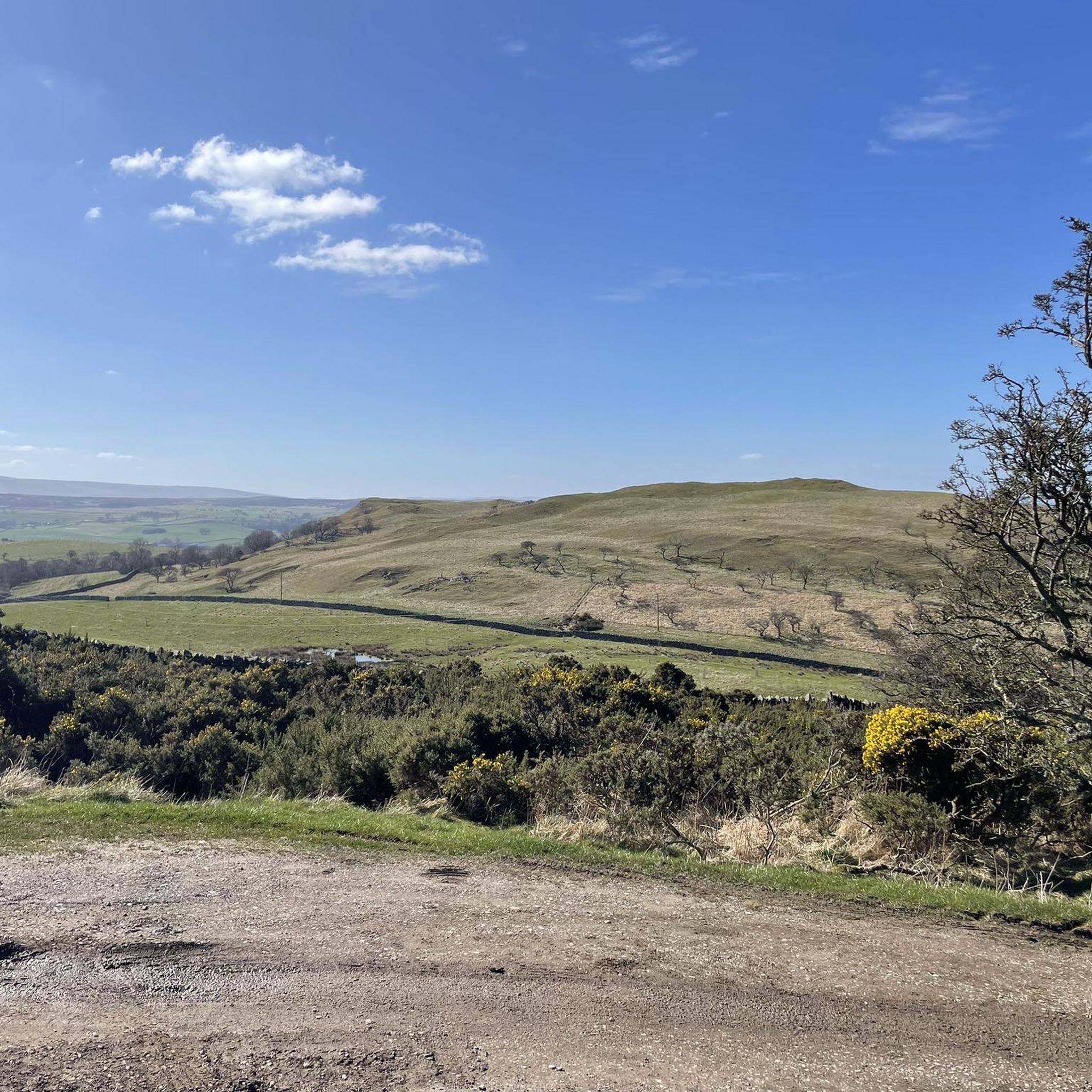
These are the ruins of a 12th century building, which was subsequently rebuilt in the 14th century as a Pele tower (a small fortified tower) to protect against Scots raiders. The castle was occupied by some of the Wharton family (there is Wharton Hall in the area, south-west of Kirkby Stephen), but abandoned in the 17th century. Myself, I always wonder about day-to-day life in the past in places such as these, now overtaken by grass and the natural world. Some say I am too sentimental...
1
0
This was a fortified house, built around 1415 by the Wharton family. The family extended the property in the mid-16th century. A deer park was established, requiring the relocation of an entire village nearby. This is a Grade-I protected building these days, as well as a scheduled monument. Appreciate from the outside: this is a private property (the north and west side of it is used nowadays as a farm; the rest is ruins).
1
0

These impressive Bowes Castle ruins are free to visit. Although not much of the fort is left standing, you can visit the interior of the castle and imagine yourself back in time. The current castle dates from 1187 but was built on what was once the foundations of a Roman fortification. For more information visit: https://www.english-heritage.org.uk/visit/places/bowes-castle/history/
1
0
Pendragon castle ruins. These are the remains of a typical Norman defensive fort in a tactical location, now free to visit.
1
0

A lovely stop of to Bowes Castle, this is open and free to the public so no cost to worry about when popping in.
2
0


Brough Castle commands a strategically important position at the foot of the Stainmore Pass. The Romans built a fort here to protect their military road across the Pennines. 1,000 years later, the Normans built a castle on the site, which was later destroyed by the Scots in 1174 and hastily rebuilt before the end of the century. Like so many in the region, the castle was renovated by the prolific Lady Anne Clifford in the 17th century, before falling into ruin following her death. It is now under the protection of English Heritage and entry into its grounds is free.
0
0
Frequently Asked Questions
What types of historical sites can I explore in the Stainmore area?
Beyond traditional castles, Stainmore offers a rich tapestry of historical sites. You can visit the magnificent ruins of Bowes Castle Ruins, a 12th-century keep built on a Roman fort, or the romantic Pendragon Castle ruins with its Arthurian legends. The area also features fortified houses like Wharton Hall, Pele towers such as the Ruins of Lammerside Castle, and even well-preserved Roman military outposts like Maiden Castle Roman Fortlet.
Are there any castles in Stainmore with free entry?
Yes, several castles in the Stainmore area offer free entry. You can visit the grounds of Brough Castle Ruins, which is protected by English Heritage. Similarly, Bowes Castle Ruins, also an English Heritage site, is free to enter during reasonable daylight hours. Pendragon Castle ruins are also free to visit.
Which castles in Stainmore are family-friendly?
Both Bowes Castle Ruins and Brough Castle Ruins are considered family-friendly. Their open grounds and historical significance provide an engaging experience for visitors of all ages. Exploring these sites offers a tangible connection to the region's past.
What outdoor activities can I do near the castles in Stainmore?
The Stainmore area offers a variety of outdoor activities. You can find numerous hiking trails, such as the easy 'View of Brough Castle – Swindale Beck loop from Brough', or more challenging routes like the 'Sleightholme and Whaw Bridge loop from Tan Hill Inn'. For cyclists, there are routes like the 'Swale Trail – Dales Bike Centre & Café loop from Keld'. You can explore more options on the hiking, cycling, and running guides for Stainmore.
Are there any castles in Stainmore with connections to Arthurian legends?
Yes, Pendragon Castle ruins are famously associated with Arthurian myth. Legend claims it was once the fortress of Uther Pendragon, King Arthur's father, with tales of his death there by a poisoned well. Its romantic ruined state in the scenic Vale of Mallerstang adds to its legendary appeal.
Which castles in Stainmore were built on Roman fort sites?
Both Brough Castle Ruins and Bowes Castle Ruins were constructed on the sites of former Roman forts. Brough Castle was built by Normans on a site originally used by Romans to protect a military road, while Bowes Castle, a 12th-century keep, also stands on a Roman fort that guarded the approach to the Stainmore Pass.
What is a Pele tower and where can I see one in Stainmore?
A Pele tower is a small fortified tower designed to protect against Scottish raiders. You can see the ruins of a Pele tower at Lammerside Castle. Originally a 12th-century building, it was rebuilt in the 14th century as a Pele tower and offers insight into defensive architecture of the period.
When is the best time to visit the castles in Stainmore?
The castles in Stainmore can be visited year-round. However, for the most comfortable experience, late spring to early autumn (May to September) generally offers milder weather for exploring the outdoor ruins and surrounding landscapes. Winter visits can be picturesque, but be prepared for colder temperatures and potentially wet conditions.
Are there any castles in Stainmore that were renovated by Lady Anne Clifford?
Yes, Lady Anne Clifford, a notable figure in the region's history, oversaw renovations at both Pendragon Castle ruins and Brough Castle Ruins in the 17th century. Her efforts helped preserve these significant historical structures, though they eventually fell into ruin after her passing.
Can I visit the interior of all the castles in Stainmore?
Many of the castles in Stainmore are ruins, meaning you can explore their grounds and remaining structures rather than fully intact interiors. For example, Bowes Castle Ruins allows you to visit the interior of the keep. Wharton Hall is a private property, so it can only be appreciated from the outside.
What natural features can I see near the castles in Stainmore?
The castles in Stainmore are often set amidst beautiful natural landscapes. Pendragon Castle ruins are nestled in the scenic Vale of Mallerstang, offering picturesque views. The area is part of the Pennines, providing a backdrop of rolling hills and valleys, ideal for combining historical exploration with nature walks.
Most popular attractions around Stainmore

Get inspired with the komoot mobile app


Explore more
Looking for the best castles somewhere else? Discover other guides around Stainmore:
