The 20 Most Amazing Peaks in the Gore Range
Best mountain peaks in the Gore Range are known for their rugged, unroaded, and pristine mountain landscape, offering opportunities for hiking and experiencing true wilderness. This region, largely within the Eagles Nest Wilderness, features dramatic scenery, jagged peaks, and numerous alpine lakes. The topography is characterized by sharp ridges and U-shaped valleys, sculpted by glacial activity. It provides a destination for those seeking a wilderness experience away from crowds.
Best mountain peaks in the Gore Range
- The most popular mountain…
Last updated: July 1, 2026
Peak Eight Summit
Highlight • Summit
Tip by

Mount Democrat Summit
Highlight • Summit
Tip by
Sign up now to discover places like this
Get recommendations on the best single tracks, peaks, & plenty of other exciting outdoor places.
Sign up for free
Mount Bross
Highlight • Summit
Tip by
Shrine Mountain
Highlight • Summit
Tip by

Mount Sherman
Highlight • Summit
Tip by
West Buffalo Peak
Highlight • Summit
Tip by
Dyer Mountain
Highlight • Summit
Tip by
Peak One
Highlight • Summit
Tip by
Chalk Mountain
Highlight • Summit
Tip by
Horseshoe Mountain Summit
Highlight • Summit
Tip by
Sign up for free to discover even more peaks in the Gore Range.
Sign up for free
Already have an account?
Start today with a free account
Your next adventure awaits.
Login or Signup
Popular around Gore Range
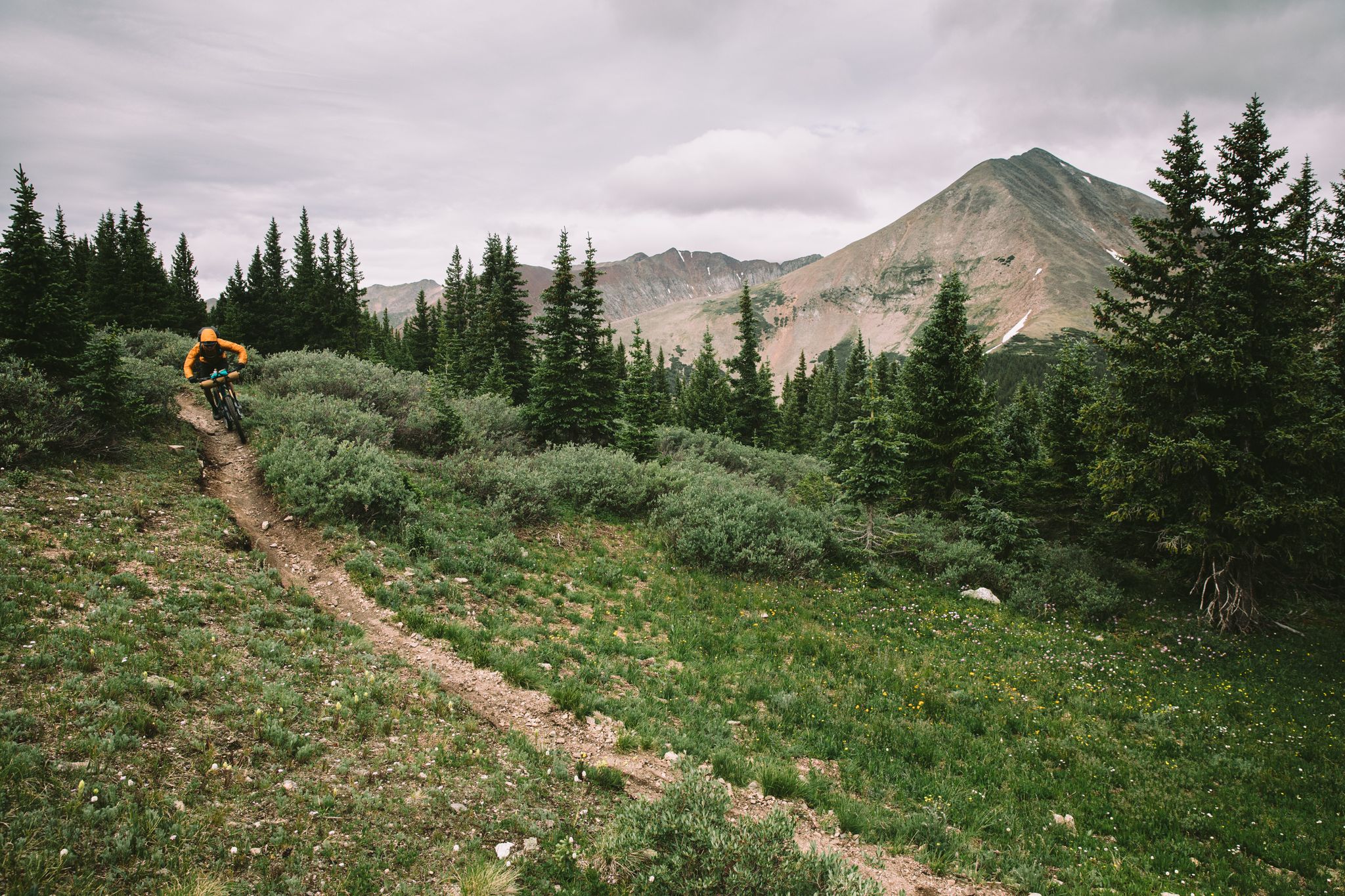
The Colorado Trail — Ten incredible days in the Rocky Mountains
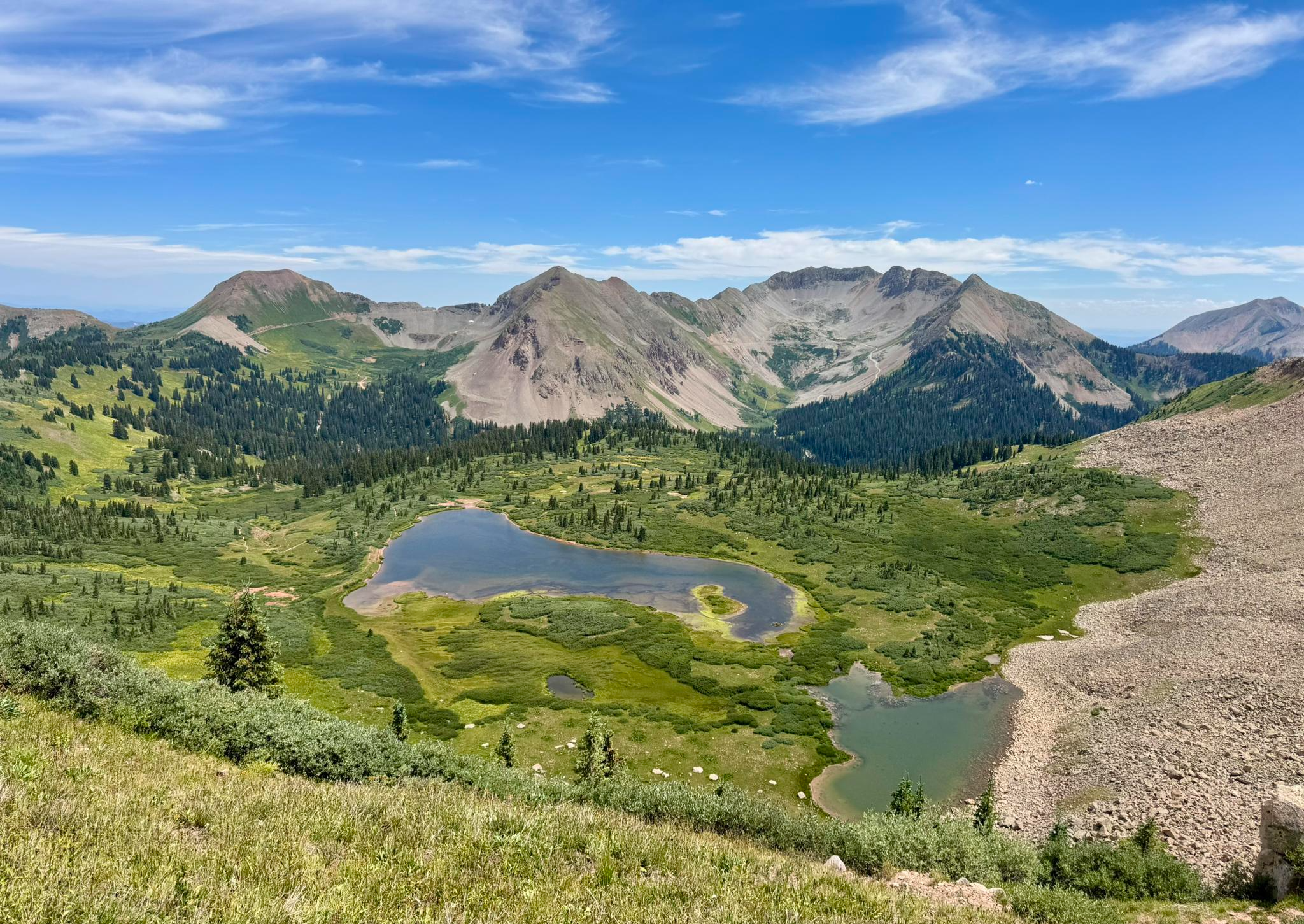
Colorado Trail — The pinnacle of wild Colorado
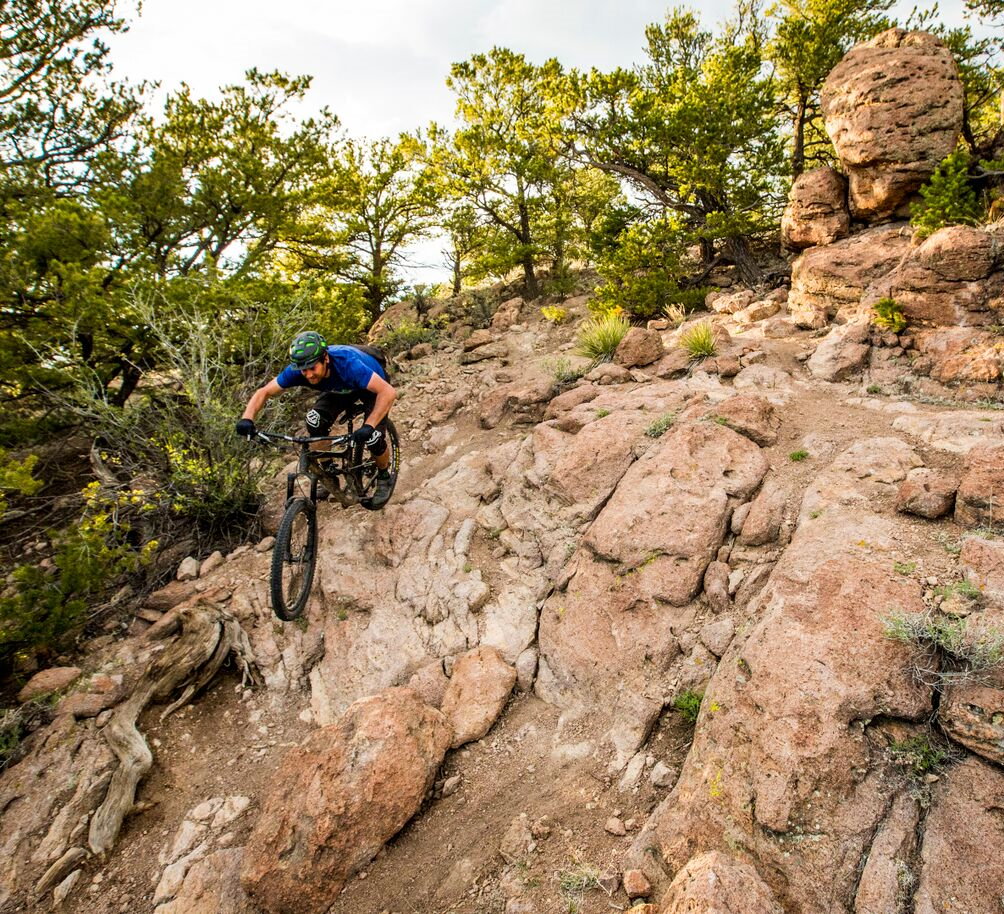
Mountain bike paradise around Salida in Colorado
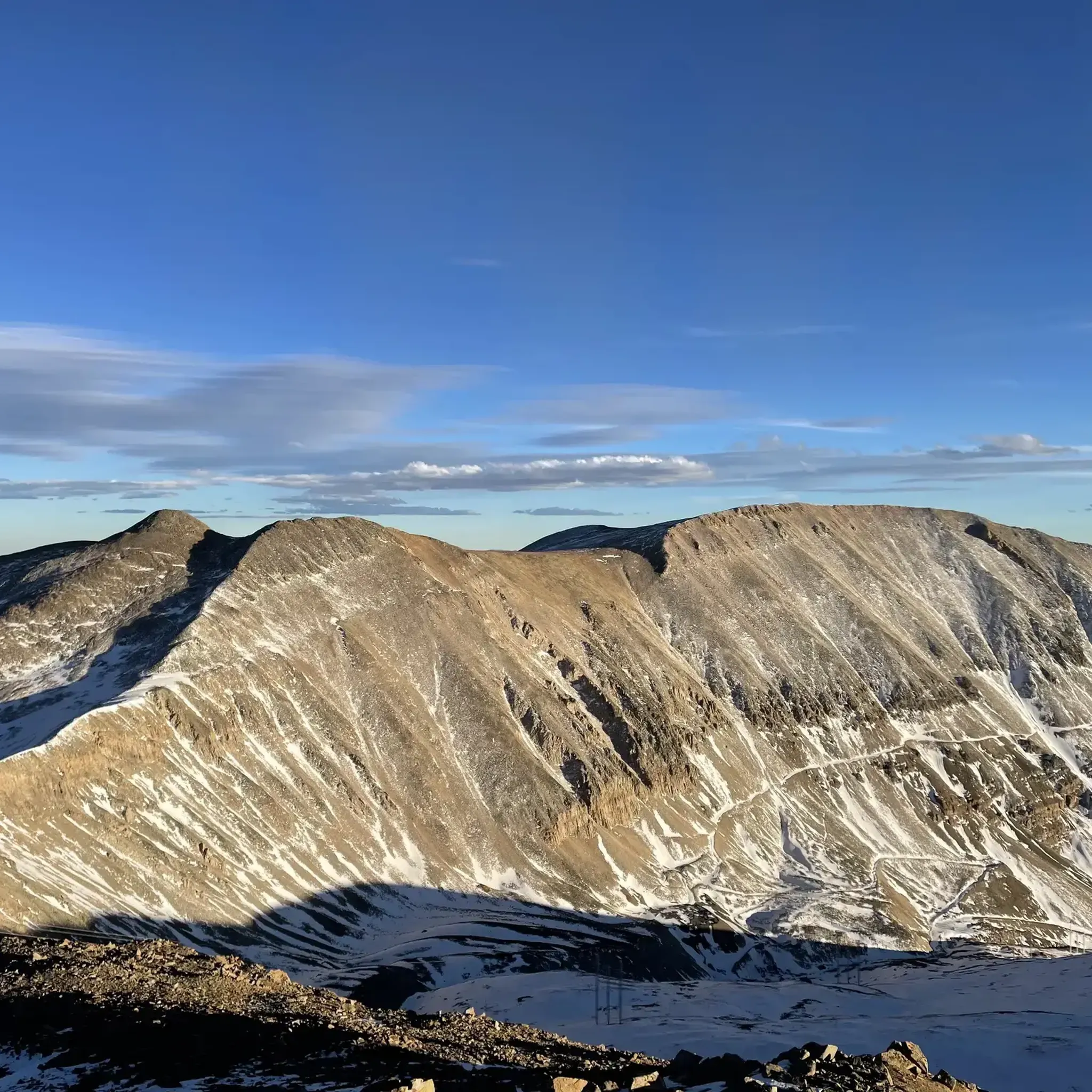
Hiking in the Gore Range
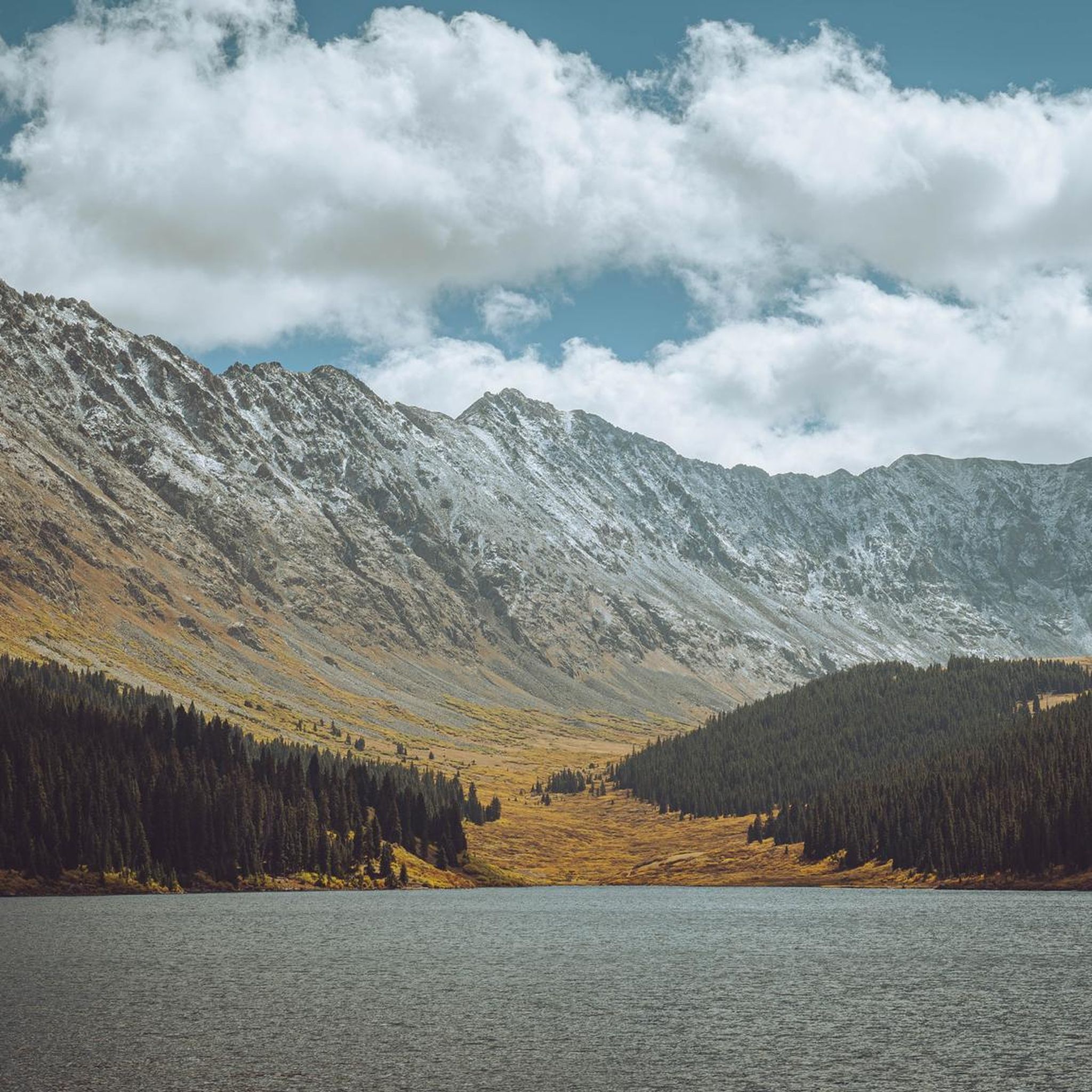
Road Cycling Routes in the Gore Range
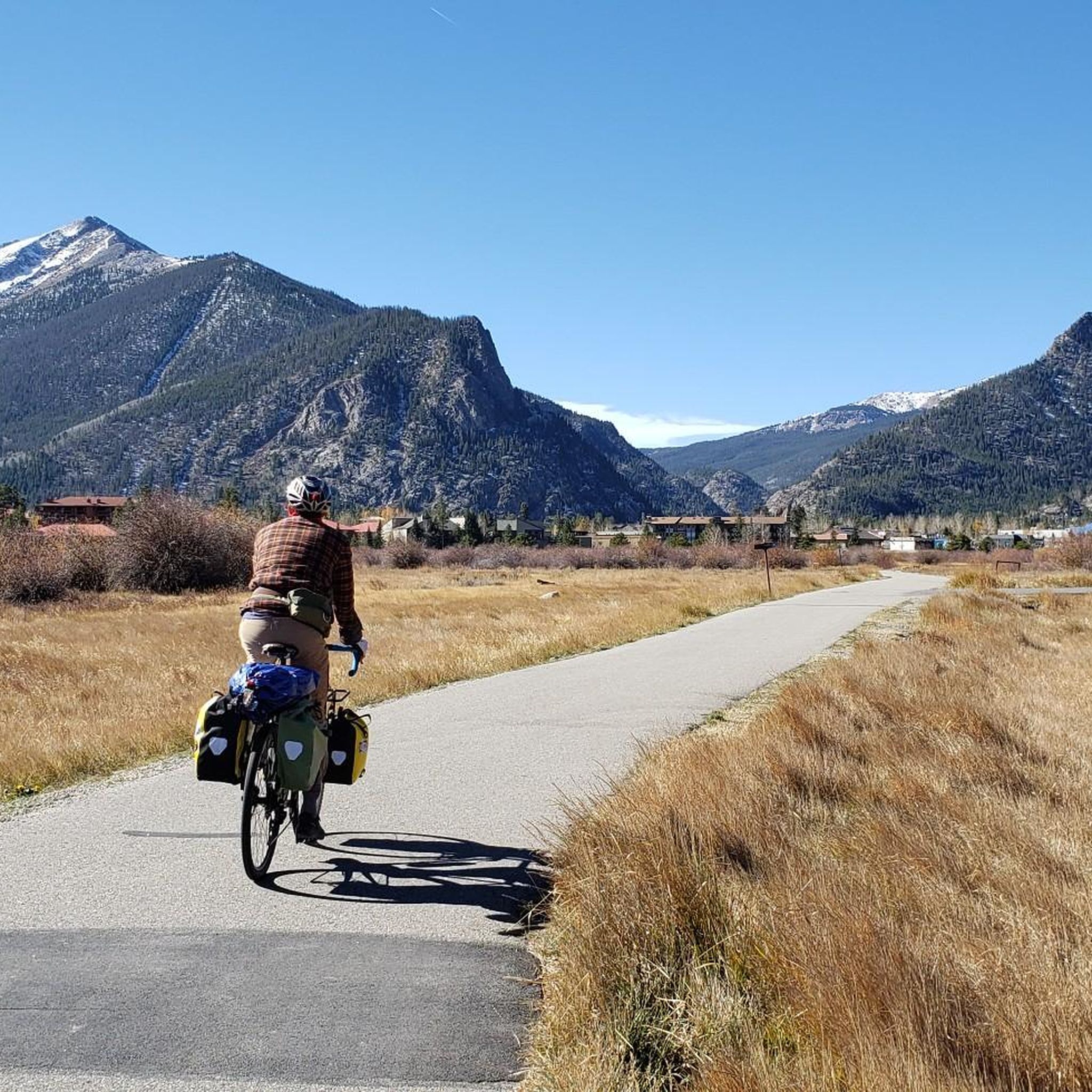
Cycling in the Gore Range
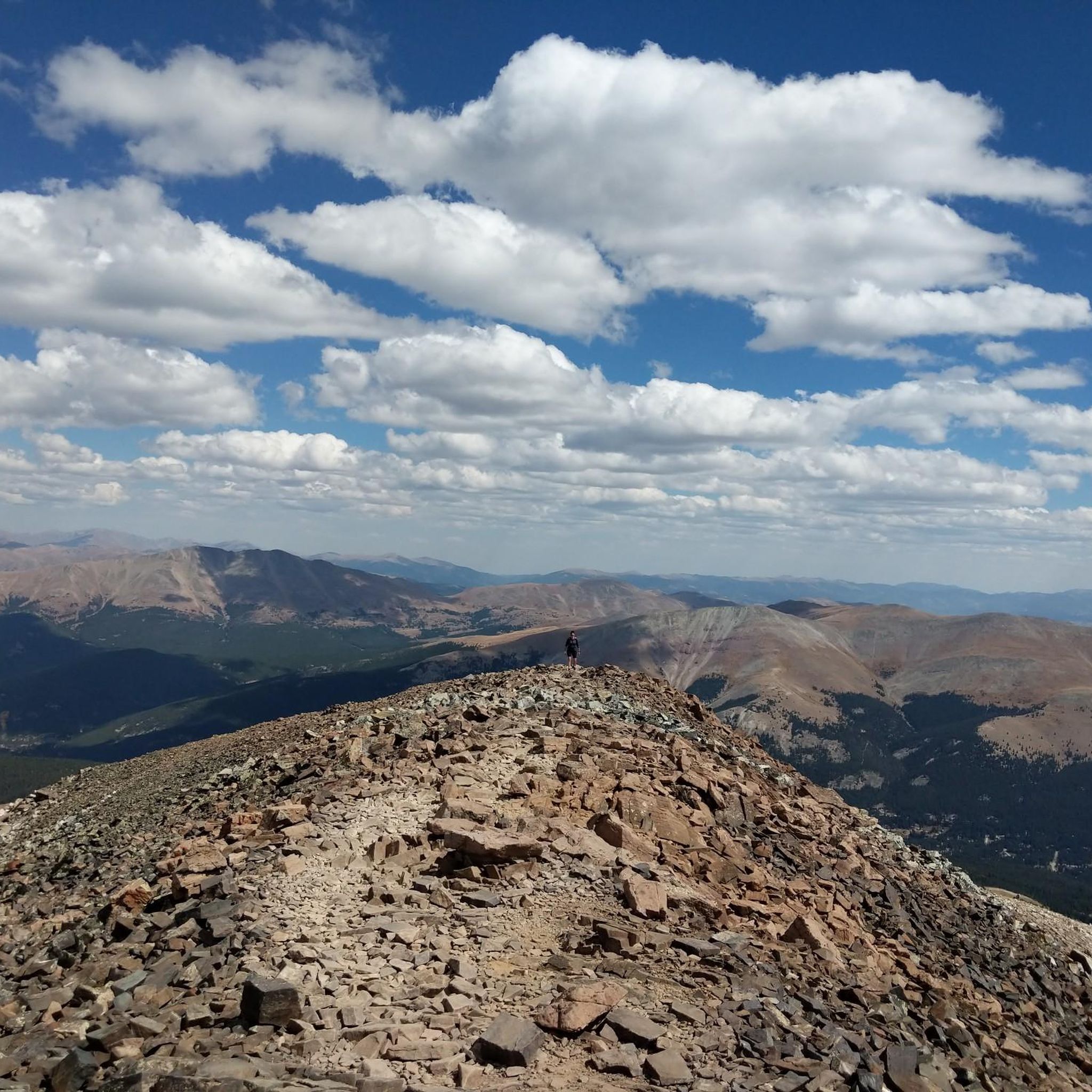
MTB Trails in the Gore Range
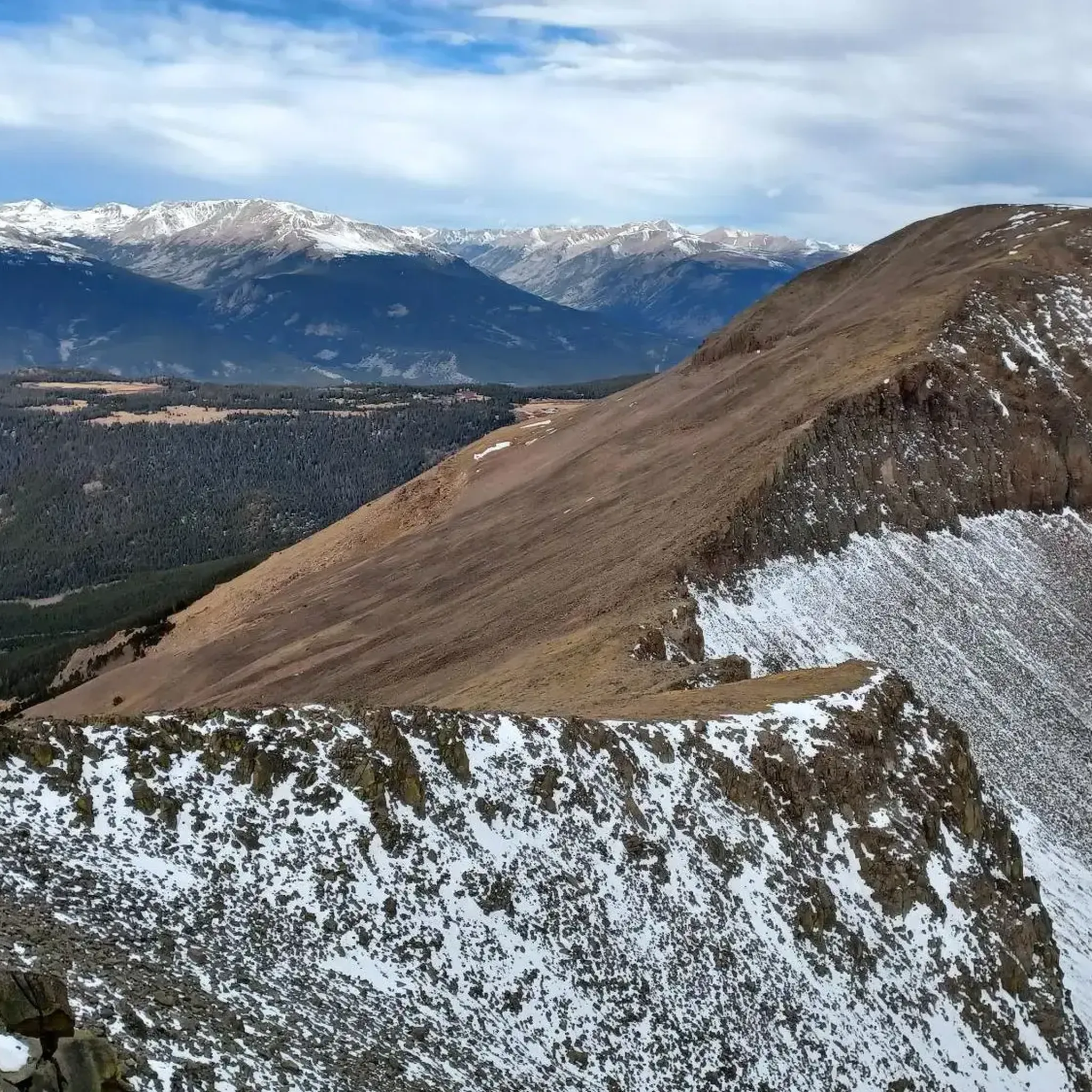
Running Trails in the Gore Range
Gravel biking in the Gore Range


Tips from the Community

A wonderful hike in the "tundra", for a long time above the 4000m mark, former mines are falling into disrepair along the way; often visited but always nice conversations at the summit; be careful with the thunderstorm warning! Open mountain flank!
0
0

Chalk Mountain is the western summit looming 500 feet above Fremont Pass off of Highway 91. At 12,017 feet, Chalk Mountain is not the highest mountain in the area, but because it's above treeline, it offers great 360 degree views. The summit proper is in a wide open alpine meadow and offers views of the Climax Molybdenum Mine, Mount Democrat (14,155 feet), Mount of the Holy Cross (14,009 feet), and much of the Mosquito range running down the northern Arkansas River Valley.
0
0

Popular for its scenic alpine beauty and its impressive rock formations, Shrine Mountain offers multiple hiking trails with breathtaking views of wildflowers and the surrounding mountains. Shrine Mountain is particularly attractive during the summer months when the alpine meadows come alive with vibrant colors.
0
0
Traveling to the top of Peak Eight, the Imperial chair lift at Breckenridge Ski Resort is the highest chairlift in North America. It tops out at 12,840 feet, which is over 1,000 feet above treeline. The summit sees snow for much of the year, but it is an exposed talus field in the summer months.
0
0
Reaching up to 12,805 feet, Peak One marks the beginning of the true ridge scramble across the Tenmile Range. Many people choose to come up to this summit from the town of Frisco and then just return to town, but others tackle this peak and many others as they work their way along the ridge to the town of Breckenridge. This ridge traverse should only be attempted if you have serious mountain experience.
0
0
A seldom visited peak, Horseshoe Mountain sits at 13,898 feet and is easily combined with other peaks on the same ridge in the Mosquito Range. There is a summit registry at the top accompanied by 360 degree views over Weston Pass, Horseshoe Pass, and into the Buffalo Peaks Wilderness. The approach to the peak is very doable, but it's really rocky, and the trail seems to disappear at times. On your way to the summit, don't forget to stop at Horseshoe Pass and take in the views down into California Gulch.
0
0
At 14,043 feet, Mount Sherman is one of the highest peaks in the Mosquito Range. Like the other peaks in the grouping, Sherman is a rocky pile of talus. The trails reaching the summit ridge are steep, and the ridge itself is a mess of scree and sandy trails. With its short and straightforward approaches, Mount Sherman is one of the most frequently climbed 14ers in the state. There is limited running up the steep slopes to the peak, but the ridge itself and the way down serve as a fun, rocky trail run.
0
0
At 13,861 feet, Dyer Mountain registers just under the classification of a 14er. There are no real trails on this summit, but the ridges and slopes leading to the summit are pretty straight forward. That being said, this peak should only be tackled by those with alpine route finding experience. Dyer, with its multiple humps, is an easily recognizable mountain from the town of Leadville and is the mountain often blocking the view of the 14er Mount Sherman. There is limited actual running once you get up to the summit, but the ridges leading to Dyer can offer some fun, alpine jogging and scrambling.
0
0
Frequently Asked Questions
What is the general difficulty of hiking mountain peaks in the Gore Range?
The Gore Range is known for its rugged and challenging terrain, with many peaks requiring significant elevation gain and advanced scrambling or climbing skills. Peaks like Mount Powell and those along the Grand Traverse are serious undertakings best suited for experienced adventurers. However, there are also intermediate options available.
Are there any beginner-friendly mountain peaks in the Gore Range?
While many peaks in the Gore Range are challenging, some offer more accessible experiences. For instance, Copper Mountain provides lift access during summer, making it easier to reach hiking and biking trails. Buffalo Mountain is also often considered one of the more accessible summits for a day trip, offering rewarding views for those looking for a significant but achievable climb.
What are some of the most notable mountain peaks to visit in the Gore Range?
The Gore Range features several prominent peaks. Mount Powell is the highest at 13,534 feet, offering panoramic views. The Grand Traverse, encompassing peaks like East Partner Peak and West Partner Peak, provides a highly regarded alpine scrambling experience. For a unique experience, Peak Eight Summit is accessible via North America's highest chairlift, topping out at 12,840 feet.
What natural features can I expect to see when visiting the Gore Range peaks?
The Gore Range is characterized by unspoiled wilderness, rugged topography, sharp ridges, and U-shaped valleys sculpted by glacial activity. You'll find dramatic scenery, jagged peaks, and numerous pristine alpine lakes such as Eaglesmere Lakes, Gore Lake, Pitkin Lake, and Deluge Lake, which are popular destinations for hikers.
What is the best time to visit the Gore Range for hiking and climbing?
The summer months are generally the best time for hiking and climbing in the Gore Range, especially for higher elevations where snow can persist for much of the year. During summer, the exposed talus fields are more accessible. However, always be prepared for changing weather conditions, including potential thunderstorms at high altitudes.
Are there family-friendly activities or hikes near the Gore Range peaks?
While many of the highest peaks are challenging, areas like Copper Mountain offer family-friendly options. During summer, its ski lifts provide access to hiking and biking trails suitable for various skill levels. Exploring the lower elevation trails and alpine lakes can also be a rewarding experience for families.
What outdoor activities can I do near the mountain peaks in the Gore Range?
Beyond peak bagging, the Gore Range offers excellent opportunities for hiking, rock climbing, and mountain biking. You can explore various trails, including the challenging Quandary Peak Trail or segments of the Colorado Trail. For mountain biking, routes like the Midland Bike Trail or the Peaks Trail and Blue River Recpath Loop are popular. Find more details on these activities in the Hiking, MTB, and Cycling guides for the Gore Range.
Are there any specific challenges or considerations for hiking in the Gore Range?
Yes, the Gore Range presents several challenges. Access can be difficult due to a lack of extensive road networks, and the terrain is often rugged with loose scree and talus fields, especially on peaks like Mount Sherman. Some areas, such as parts of the DeCaLiBron loop involving Mount Democrat Summit and Mount Bross, may have private property restrictions or closures, so it's essential to check current access conditions.
What makes the Gore Range unique compared to other Colorado mountain ranges?
The Gore Range stands out for its largely unspoiled wilderness character. Unlike many other Colorado ranges, it has been spared from extensive mining roads, preserving its wild and undeveloped nature. This makes it an ideal destination for those seeking a true wilderness experience away from crowds, with exceptional opportunities for experiencing pristine mountain landscapes.
What do visitors enjoy most about the mountain peaks in the Gore Range?
Visitors appreciate the Gore Range for its dramatic scenery, the challenge of its rugged peaks, and the sense of true wilderness. The panoramic views from summits like Mount Powell and the exhilarating experience of alpine scrambles like the Grand Traverse are highly valued. The presence of numerous pristine alpine lakes also adds to the scenic appeal and provides opportunities for rest and reflection.
Are there any specific peaks known for their viewpoints?
Many peaks in the Gore Range offer incredible viewpoints due to their elevation and prominence. Peak Eight Summit provides expansive views from its 12,840-foot perch. Other summits like Mount Democrat Summit, Mount Sherman, and Shrine Mountain are also noted for their scenic vistas.
Can I find any trails that are suitable for dog walking near the Gore Range peaks?
The Eagles Nest Wilderness, which encompasses much of the Gore Range, generally allows dogs on trails, but they must be kept on a leash. It's always recommended to check specific trail regulations before heading out, as conditions and rules can vary. Ensure your dog is prepared for the rugged terrain and high altitudes.
Most popular routes in the Gore Range
Most popular attractions in the Gore Range

Get inspired with the komoot mobile app


