Top 8 Lakes around Central Maryhill
Best lakes around Central Maryhill are primarily associated with the area's significant waterways, including the Forth and Clyde Canal and the River Kelvin. Maryhill, located in north-west Glasgow, features a landscape shaped by historical industrial use and natural river valleys. While traditional large natural lakes are not prominent, the region offers several man-made reservoirs and nature reserves with water bodies. These areas provide opportunities for outdoor activities and a connection to the area's heritage.
Best lakes around Central Maryhill
- The…
Last updated: June 30, 2026
Darnley Reservoir Pavilion
Highlight (Segment) • Lake
Tip by

The Claypits Local Nature Reserve
Highlight • Trail
Originally the home of …
Tip by

Sign up now to discover places like this
Get recommendations on the best single tracks, peaks, & plenty of other exciting outdoor places.
Sign up for free
Mugdock Reservoir
Highlight • Viewpoint
Built in the late 1800's, …
Tip by

Hogganfield Loch
Highlight • Natural
Tip by

Milngavie Reservoirs
Highlight • Lake
Tip by

Sign up for free to discover even more lakes around Central Maryhill.
Sign up for free
Already have an account?
Start today with a free account
Your next adventure awaits.
Login or Signup


Tips from the Community

The final point of the Katrine Aqueducts as the water travels from The Trossachs to Milngavie to serve drinking water to the people of Glasgow. Built in the late 1800's, these reservoirs are a beautiful spot for a walk or cycle with good tracks following the perimeter.
1
0

I visited The Dykes in Darnley Park and was struck by the beauty of its banks. The waters of the rivers flowed calmly, creating an atmosphere of peace and serenity. Walking in nature gives a sense of freedom, relaxation and energy, while time spent online https://kasyna-neteller.com/ often makes one tired and dissatisfied.
0
0

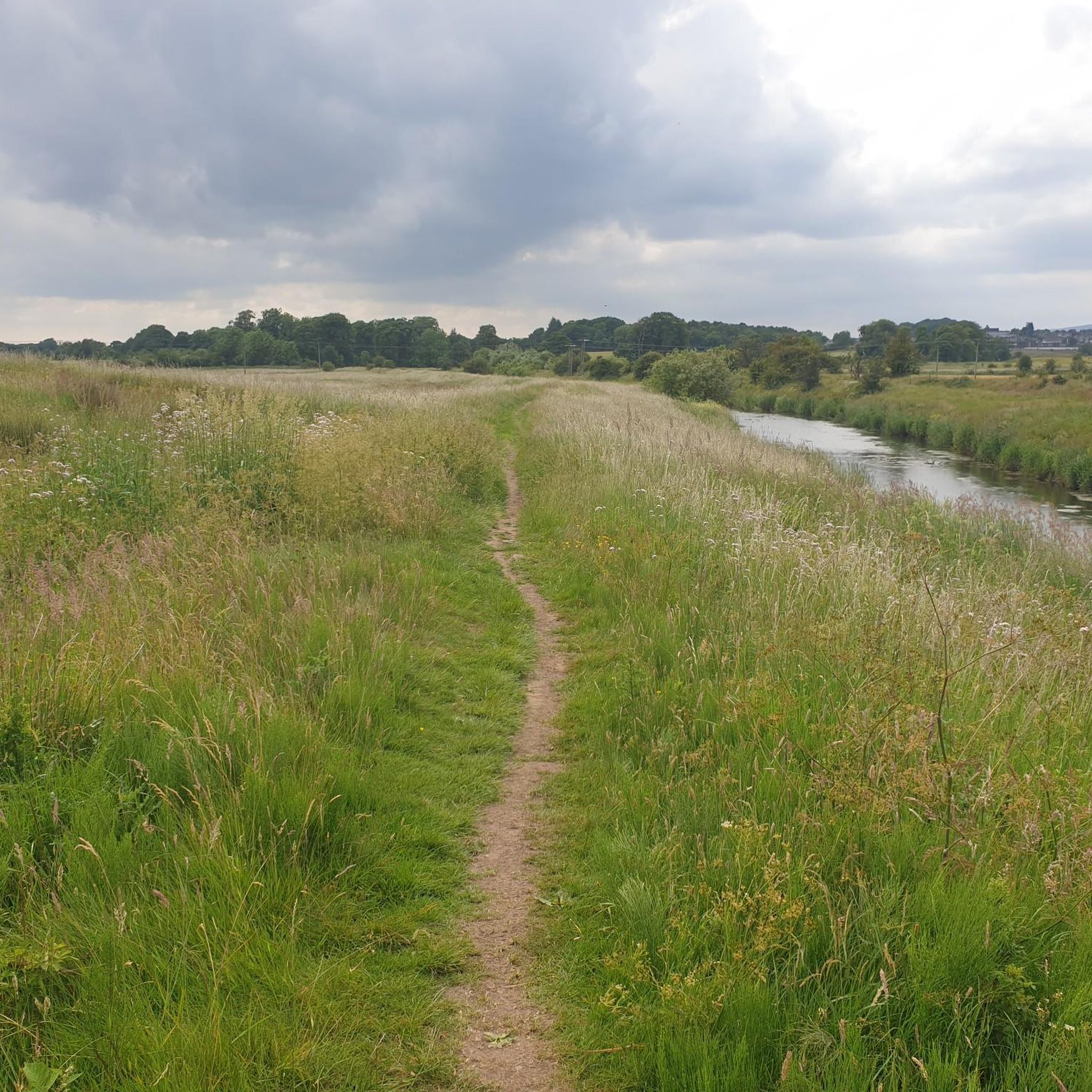
This location is a breathtaking testament to nature's beauty, where lush greenery blankets rolling hills and vibrant flowers dot the landscape like splashes https://casinoromana.ro/ of paint on a canvas. The serene waters mirror the sky, creating a peaceful harmony that captivates all who visit. Towering trees stand as ancient guardians of the land, their leaves whispering secrets of the wild in the gentle breeze. Here, every sunrise and sunset paints a unique masterpiece, reminding us of the ever-changing yet enduring splendor of the natural world.
0
0

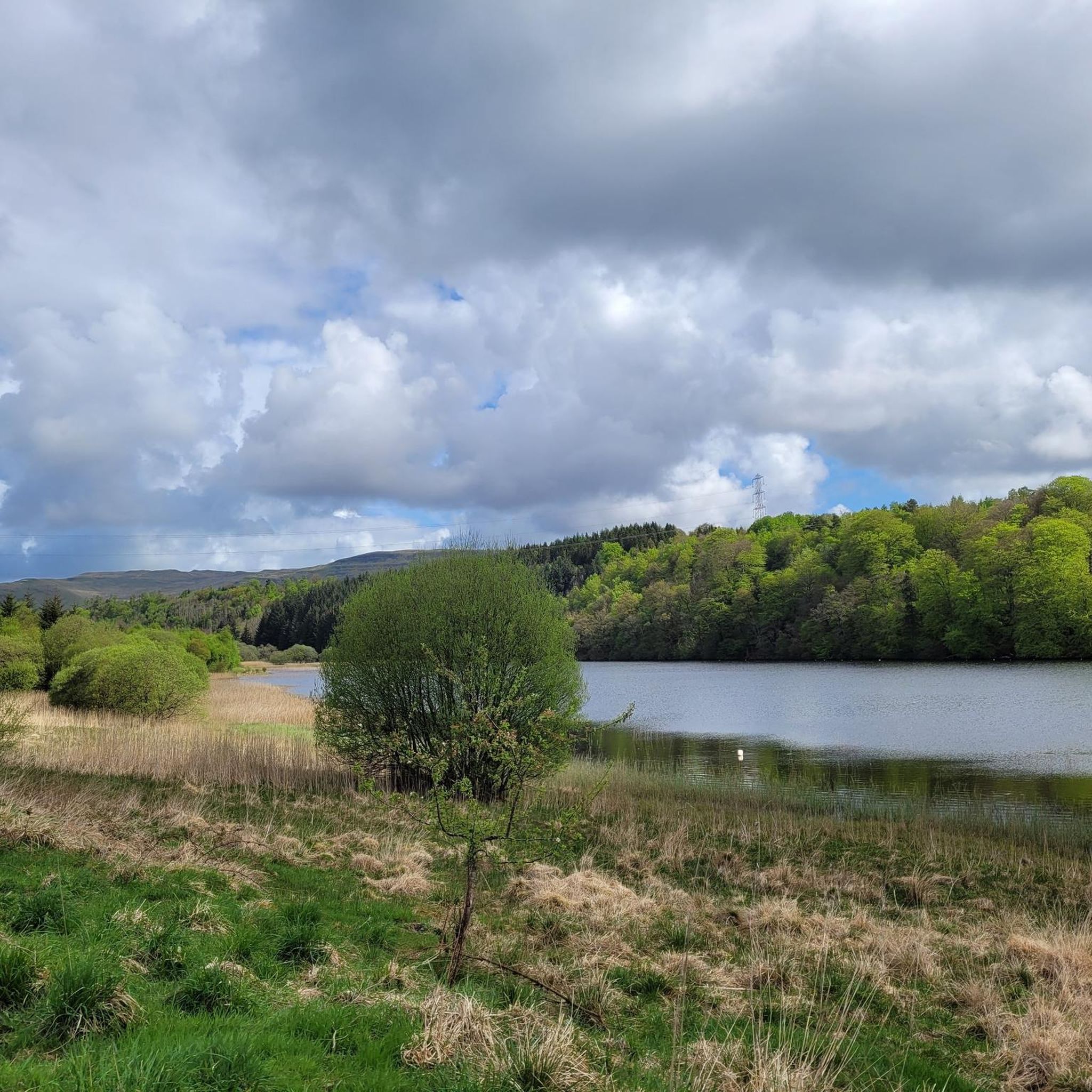
Hogganfield Loch is the main feature of this local nature reserve. It's a large, shallow loch with a wooded island. It's a great place to watch birds and other wildlife. The perimeter track is flat and well maintained, making access easy for, most people.
0
0

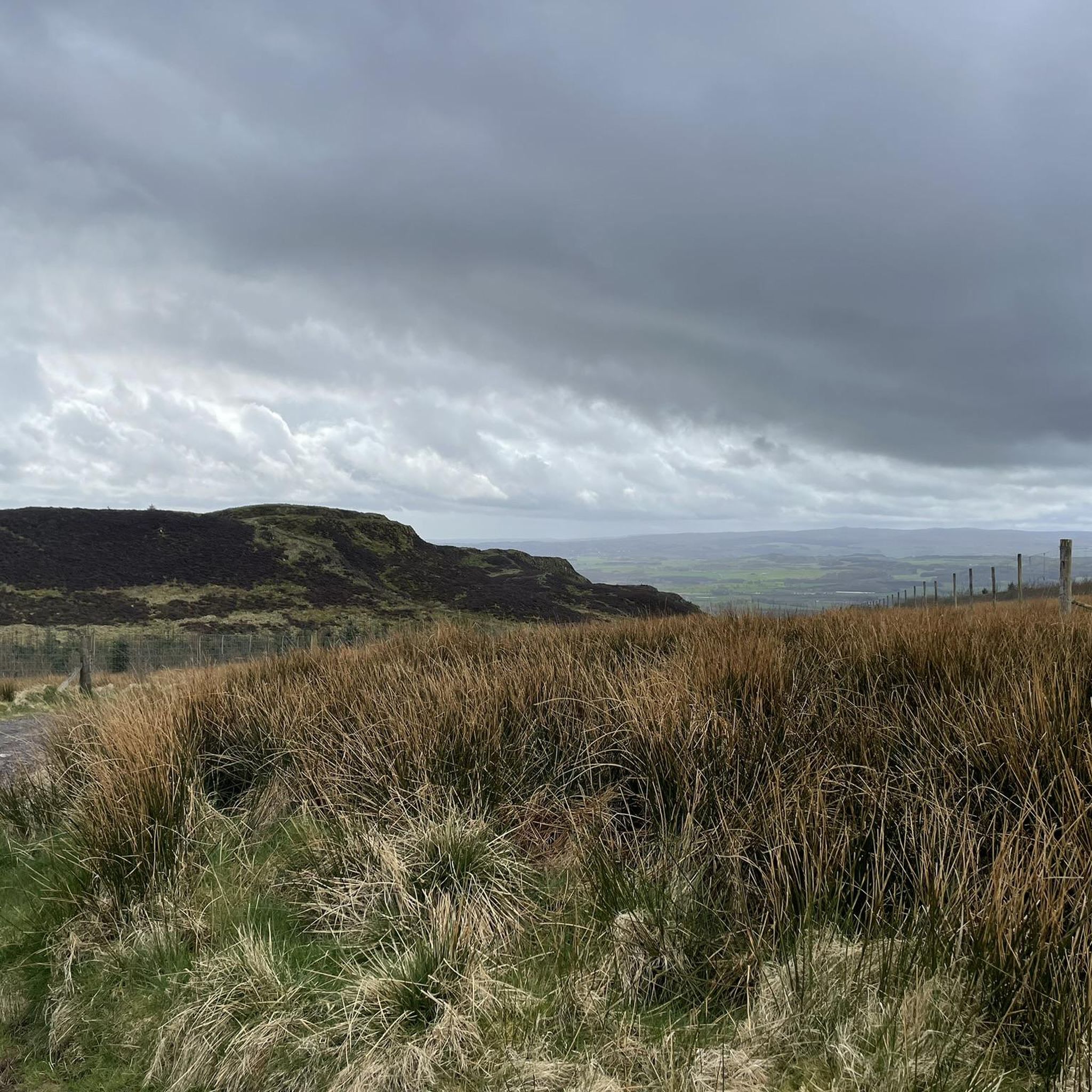
Two large reservoirs supplying Glasgow with fresh water. Lovely area for a walk with stunning views over Glasgow.
0
0

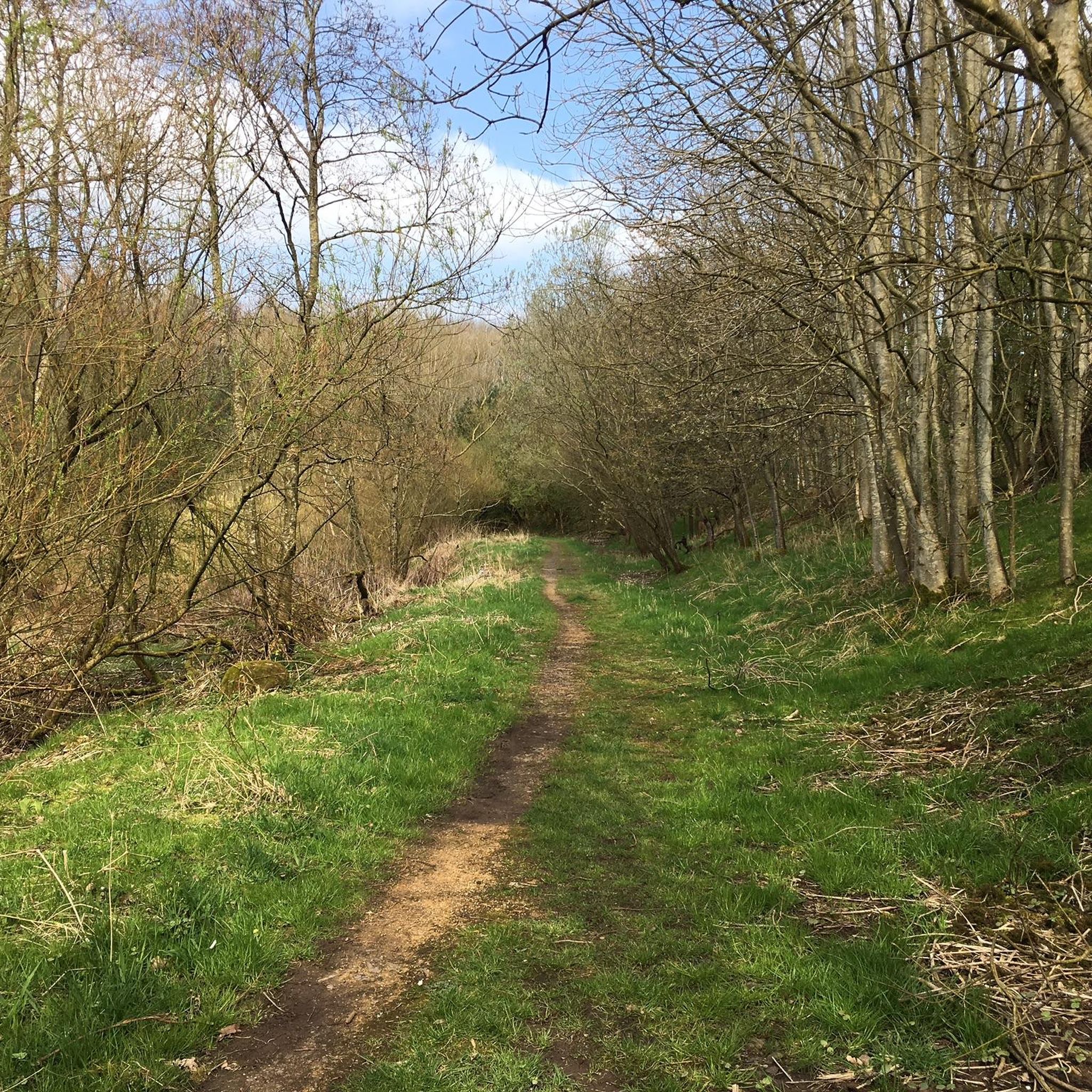
Just one mile from the hustle and bustle of the city centre lies the green space of Glasgow’s only inner-city Local Nature Reserve – The Claypits. Originally the home of a clay quarry used when the Forth & Clyde Canal was first built in the late 1700s, it was also the site of a foundry, glassworks and boat-building yard. These industries are long gone but the historic canal buildings, the oldest in Scotland, still dot the banks.
0
0

Closed road that's doable on a road bike, but with a couple of slightly rough sections.
0
1

Great park with some easy gravel, some mixed terrain and great views. Ideal for a chill ride. Probably not training, there's lots of people around.
0
0
Frequently Asked Questions
What types of water bodies can I explore around Central Maryhill?
Around Central Maryhill, you'll primarily find significant waterways like the Forth and Clyde Canal and the River Kelvin, alongside man-made reservoirs and nature reserves with water features. These include sites like Darnley Reservoir Pavilion and Milngavie Reservoirs, which were historically important for water supply, and natural lochs such as Hogganfield Loch.
Are there family-friendly water areas near Central Maryhill?
Yes, several locations are suitable for families. Darnley Reservoir Pavilion and Milngavie Reservoirs are both categorized as family-friendly. Additionally, The Claypits Local Nature Reserve offers a green space with historical interest that families can explore.
Which locations offer historical insights into the area's waterways?
The Forth and Clyde Canal, particularly around the Maryhill Locks and Stockingfield Junction, is rich in history, showcasing 18th-century engineering. The Claypits Local Nature Reserve was originally a clay quarry for the canal and later hosted a foundry and boat-building yard. Craigendinnie Measuring Pond is also a notable historical site with Victorian architecture.
Are there accessible paths for walking or cycling around the water bodies?
Yes, the Forth and Clyde Canal offers pleasant walking and cycling paths, especially around the Maryhill Locks and Stockingfield Junction. Hogganfield Loch features a flat and well-maintained perimeter track, making it easily accessible for most people, including those using wheelchairs.
What kind of wildlife can I expect to see at these locations?
Many of the water bodies are excellent for wildlife observation. Hogganfield Loch, for instance, is a local nature reserve particularly known for birdwatching due to its large, shallow waters and wooded island. The River Kelvin also supports various local wildlife along its banks.
What outdoor activities can I do near these lakes?
You can enjoy a variety of outdoor activities. The area is popular for cycling, with routes like the 'Stockingfield Junction Bridge – Forth and Clyde Canal Towpath loop' available. Running trails, such as the 'View of Firhill Stadium – Forth & Clyde Smart Canal loop', are also common. For those seeking more rugged terrain, gravel biking routes like the 'Craigallian Loch – Burncrooks Reservoir loop' are nearby. You can find more details on these activities in the Cycling around Central Maryhill, Running Trails around Central Maryhill, and Gravel biking around Central Maryhill guides.
Are there good spots for views or photography?
Yes, several locations offer scenic views. Darnley Reservoir Pavilion and Milngavie Reservoirs are both highlighted as viewpoints, with the latter offering stunning views over Glasgow. The Forth and Clyde Canal, especially around Stockingfield Junction, provides picturesque settings for photography.
What do visitors enjoy most about the water bodies around Central Maryhill?
Visitors appreciate the blend of natural beauty and historical significance. Many enjoy the peaceful atmosphere and opportunities for walks, such as those along the Forth and Clyde Canal or around Hogganfield Loch. The impressive engineering of the canal locks and the serene waters of the reservoirs are also frequently mentioned highlights.
Are there any nature reserves featuring water bodies in Central Maryhill?
Yes, The Claypits Local Nature Reserve is Glasgow’s only inner-city Local Nature Reserve, featuring a lake and historical industrial sites. Hogganfield Loch is also the main feature of a local nature reserve, known for its birdlife and accessible paths.
Is there public transport available to reach these water areas?
Maryhill is well-connected within Glasgow. While specific routes vary, public transport options like buses are generally available to reach areas such as the Forth and Clyde Canal and locations like Hogganfield Loch. It's advisable to check local transport schedules for the most current information.
Can I find cafes or facilities near these water bodies?
While specific cafes directly adjacent to every water body may vary, The Claypits Local Nature Reserve is listed as having facilities. Given Maryhill's urban setting, amenities are generally accessible within a short distance from the main waterways and reserves.
What is the best time of year to visit the water bodies around Central Maryhill?
The water bodies around Central Maryhill can be enjoyed year-round. Spring and summer offer lush greenery and warmer weather ideal for walking and cycling. Autumn brings vibrant colors, while winter provides a different, often tranquil, beauty, especially along the canal paths and around the lochs.
Most popular routes around Central Maryhill
Most popular attractions around Central Maryhill

Get inspired with the komoot mobile app


Explore more
Still not found your perfect lake around Central Maryhill? Check out the guides of these regions to see even more beautiful places.
