Top 4 Caves around Royal Burgh Of Pittenweem And District
Best caves around Royal Burgh Of Pittenweem And District are primarily associated with the region's coastal landscape and historical significance. The area is known for its natural caverns and rock formations, many of which are found along the Fife Coastal Path. These geological features often hold historical and cultural importance, reflecting centuries of human interaction with the natural environment. The caves offer insights into both natural erosion processes and past human uses.
Best caves around Royal Burgh Of Pittenweem And…
Last updated: May 18, 2026
Elie Chainwalk
Highlight • Climb
Tip by

St. Monans Caves and Rock Formations
Highlight • Natural Monument
Tip by

Sign up now to discover places like this
Get recommendations on the best single tracks, peaks, & plenty of other exciting outdoor places.
Sign up for free
Stone Arch Cave
Highlight • Monument
Tip by
Cave of the Old Man
Highlight • Natural Monument
Tip by

St Adrian's Cave and Rock Arches, Fife Coastal Path
Highlight • Cave
Tip by

Start today with a free account
Your next adventure awaits.
Login or Signup
Tips from the Community


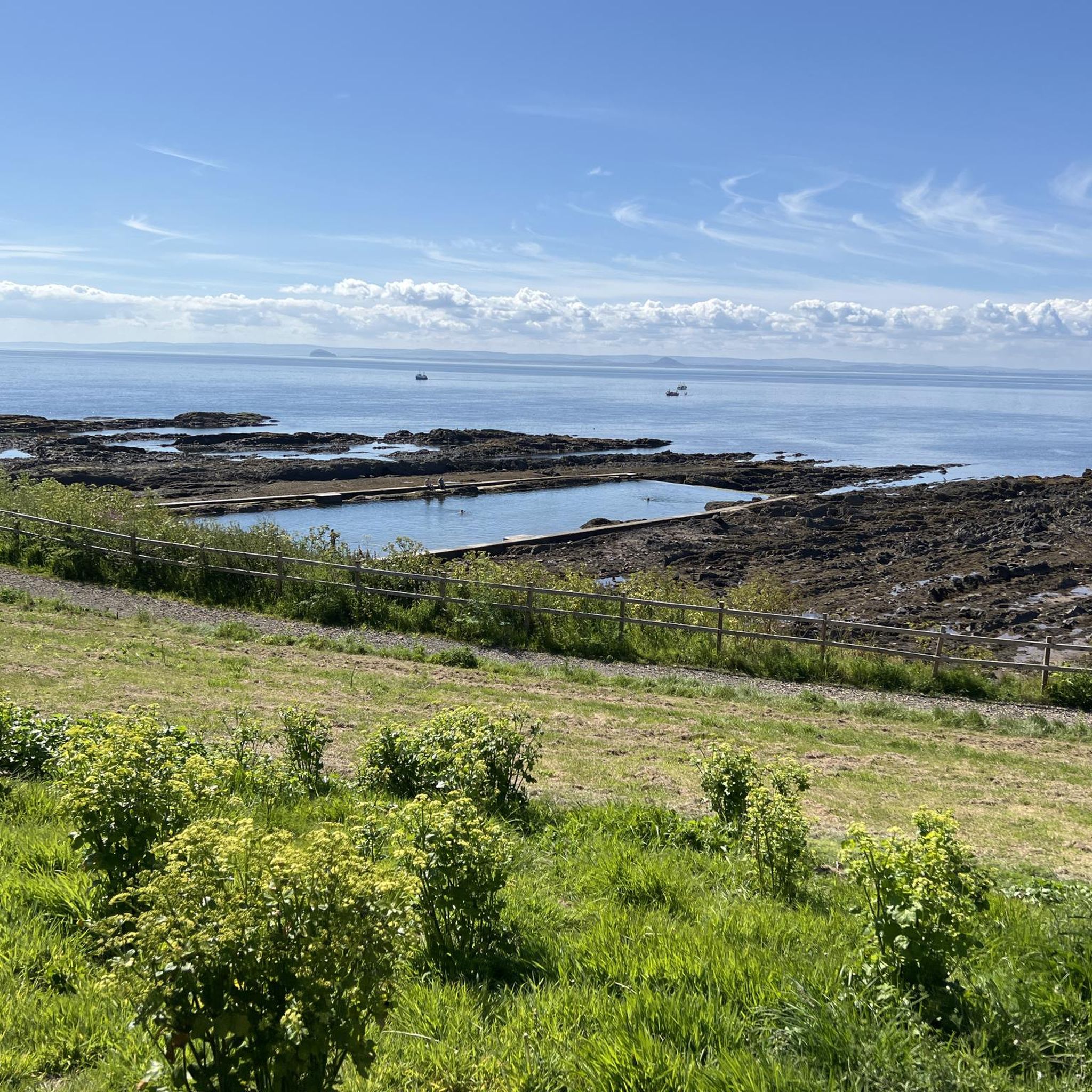
The cave is easy to come across on the Fife costal path and a short walk down from the golf club.
0
0
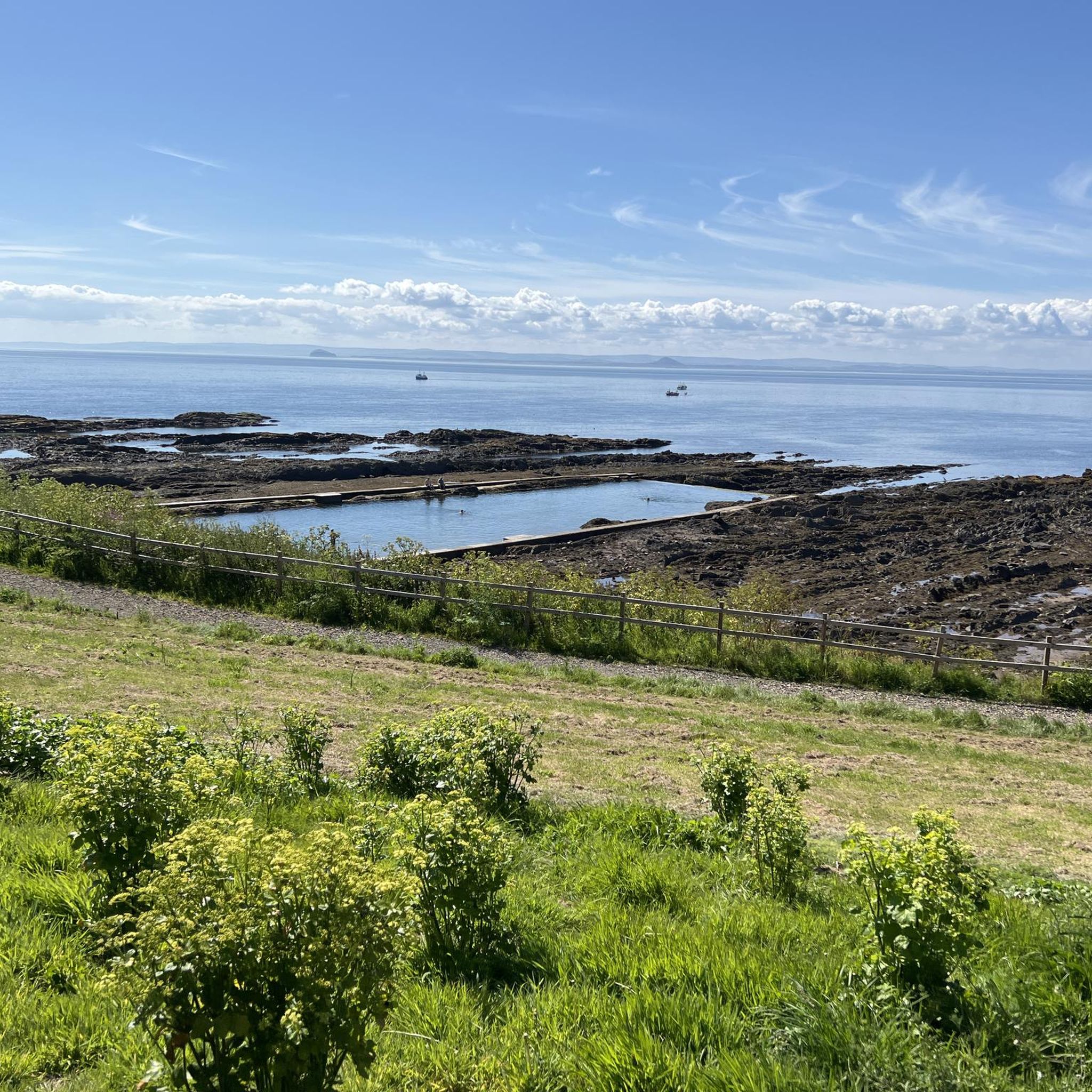
Easy to miss this little man made structure, head down to the beach to the east of the tower, and it is much easier to spot.
0
0


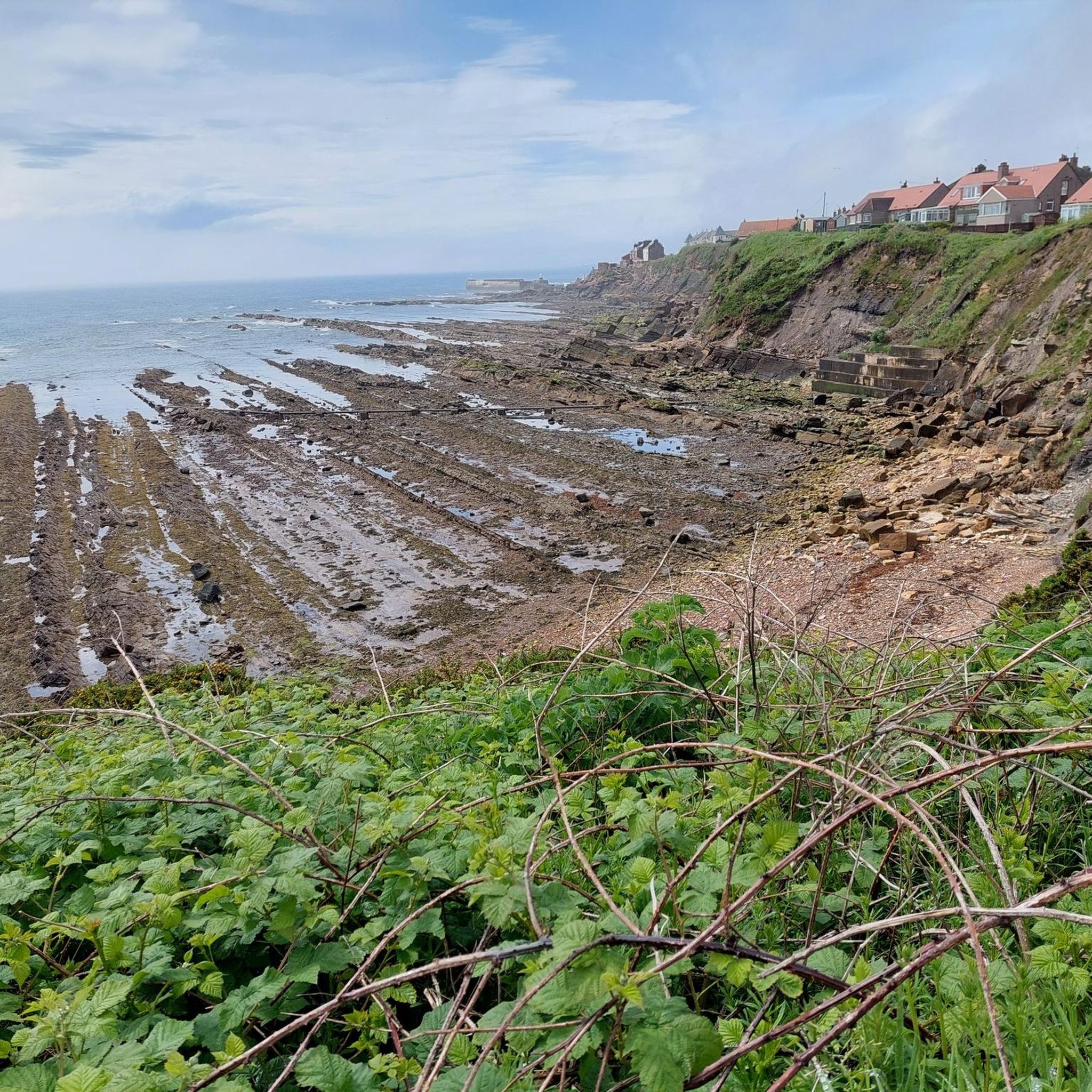
One of the unique features of the Fife Coast is the Elie Chain Walk. Chains are built into a section of the cliff west of Elie village, hugging the cliffs towards Kincraig Point and Shell Bay.
0
0

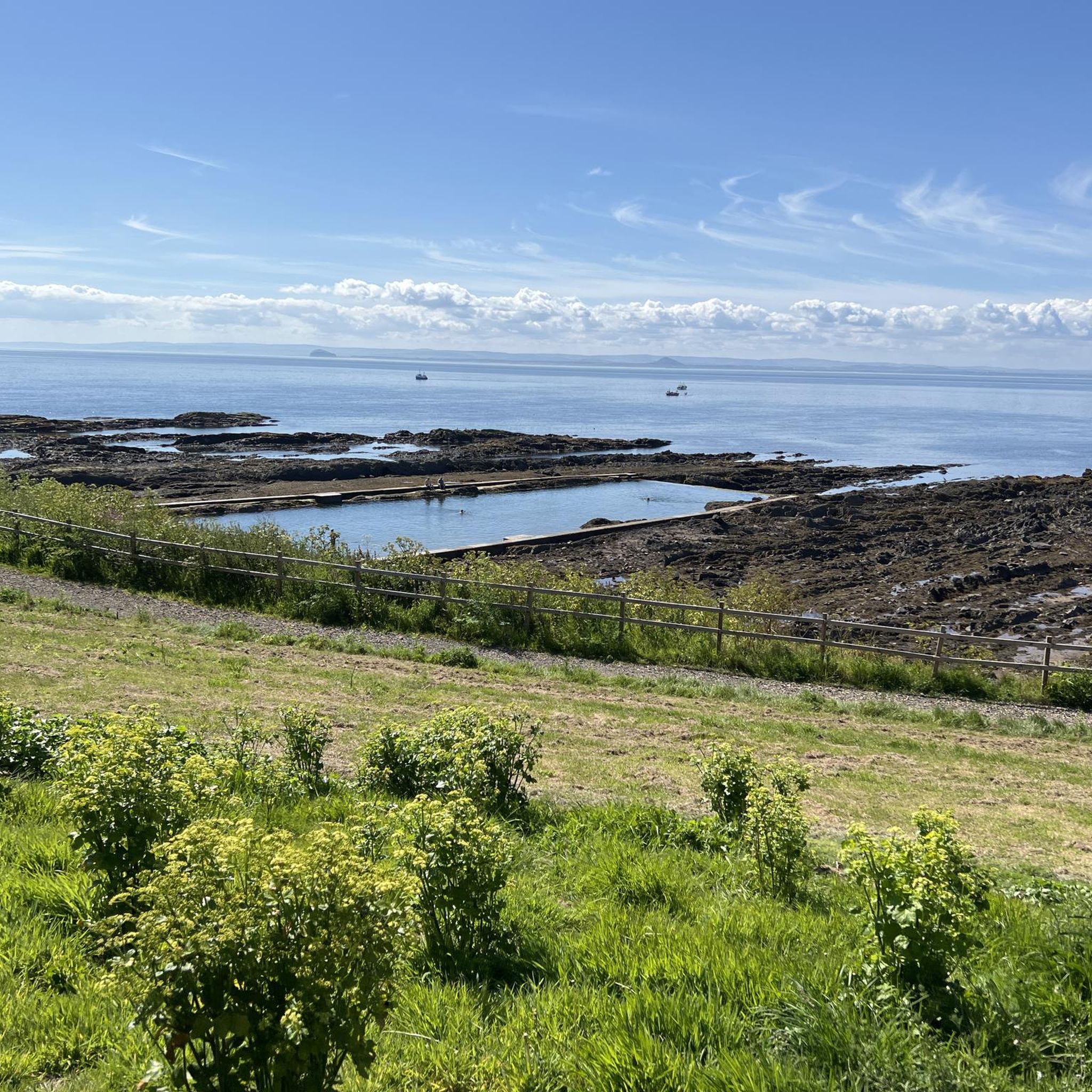
This immaculate ‘cave’ provides the perfect shelter from the howling coastal winds on a chilly day
0
0

A short uphill walk from Constantine's cave takes you to Crail Golfing Society clubhouse. A perfect stop for Sunday lunch. https://crailgolfingsociety.co.uk/restaurant-bar
0
0
Frequently Asked Questions
What makes the caves around Royal Burgh Of Pittenweem And District unique?
The caves in this region are unique due to their blend of natural geological formations and rich historical significance. Many are found along the Fife Coastal Path, showcasing natural erosion processes. Notably, St. Monans Caves and Rock Formations offer incredible natural beauty, while St. Fillan's Cave in Pittenweem holds deep religious and historical importance, having served as a dwelling for a 7th-century saint and later as a smuggler's den.
Are there any historically significant caves in the area?
Yes, the region is home to several historically significant caves. St. Fillan's Cave in Pittenweem is perhaps the most prominent, believed to have been inhabited by St. Fillan, a 7th-century Irish missionary. It has also been used as a prison and a smuggler's hideout. Further along the coast, St Adrian's Cave is said to have housed St. Adrian, with crosses carved into its rock walls.
How can I access St. Fillan's Cave in Pittenweem?
St. Fillan's Cave is accessible to the public. You typically need to obtain a key from a local establishment in Pittenweem, such as the Pittenweem Chocolate Company or Cocoa Tree Cafe. The cave features a 17th-century doorway and has undergone restorations to make it suitable for visitors.
What kind of geological features can I expect to see in the caves?
You can expect to see a variety of geological features shaped by natural erosion, particularly along the coastline. These include impressive rock formations, sea-carved caverns, and natural arches. Examples include the St. Monans Caves and Rock Formations and the raised sea caves like St Adrian's Cave, which show how land levels have changed over time.
Are the caves around Royal Burgh Of Pittenweem And District suitable for families?
Many of the caves are accessible and can be explored by families, especially those along the Fife Coastal Path. For example, Cave of the Old Man is easily accessible from the path. However, some areas, like the Elie Chainwalk, involve scrambling and require a good level of agility and awareness of tides, making them more suitable for adventurous families with older children.
What should I consider regarding tides when visiting coastal caves?
When visiting coastal caves, especially those on beaches or at the base of cliffs, it is crucial to be aware of tide times. Some areas, like the Elie Chainwalk, become submerged at high tide and can be dangerous. Always check local tide tables before setting out to ensure your safety and avoid being cut off by the incoming water.
Can I combine a cave visit with other outdoor activities like hiking or cycling?
Absolutely. The caves are often located along the Fife Coastal Path, making them ideal for combining with hiking. You can find numerous hiking routes in the area, such as the easy 'Seashell Beach – Anstruther Fish Bar loop from Pittenweem' or the moderate 'Newark Castle Ruins – Lady's Tower loop from Pittenweem'. For cycling enthusiasts, there are also many routes, including the 'Elie and Earlsferry Beach – St Monans Harbour loop from Anstruther'. You can explore these and more on the hiking guide or cycling guide for the region.
When is the best time to visit the caves around Pittenweem?
The best time to visit depends on the specific cave and your planned activities. For coastal caves, visiting during low tide is essential for safe access and exploration. Generally, spring and summer offer milder weather, which is more pleasant for outdoor exploration along the coast. Always check local weather and tide forecasts before your visit.
Are there any man-made cave structures in the area?
Yes, in addition to natural formations, the region features some man-made cave structures. The Stone Arch Cave is a notable example. This structure provides shelter from coastal winds and is found by heading down to the beach east of the tower, offering a unique blend of natural setting and human modification.
What do visitors particularly enjoy about exploring the caves in this region?
Visitors particularly enjoy the blend of natural beauty and historical intrigue. The opportunity to explore incredible rock formations and caverns right alongside the coastal path is a highlight. Many appreciate the spiritual ambiance of St. Fillan's Cave and the rich history embedded in sites like St Adrian's Cave. The ease of access to many caves directly from the Fife Coastal Path also makes them a popular stop for walkers.
Is there parking available near the caves?
Parking availability varies by specific cave location. For caves accessible from the Fife Coastal Path, you can often find parking in nearby towns or designated car parks along the route. For St. Fillan's Cave in Pittenweem, parking is available within the town. It's advisable to check local parking options for your specific destination before your visit.
Most popular routes around Royal Burgh Of Pittenweem And District
Most popular attractions around Royal Burgh Of Pittenweem And District

Get inspired with the komoot mobile app


Explore more
Extend your search for the best caves by checking out these guides of the top ones around Royal Burgh Of Pittenweem And District:
