Top 6 Castles around Drylaw/Telford
Best castles around Drylaw/Telford offers a selection of historic sites primarily located in the Edinburgh area of Scotland. This region features diverse landscapes, from the ancient volcanic peak of Arthur's Seat to the shores of the Firth of Forth. Visitors can explore significant historical landmarks and architectural heritage. The area provides opportunities to engage with Scotland's past through its royal residences and historic estates.
Best castles around Drylaw/Telford
- The most popular castles is Holyrood Palace, a historical site that…
Last updated: June 29, 2026
Arthur's Seat
Highlight • Summit
Tip by

Holyrood Palace
Highlight • Historical Site
Tip by
Sign up now to discover places like this
Get recommendations on the best single tracks, peaks, & plenty of other exciting outdoor places.
Sign up for free
Grassmarket, Edinburgh
Highlight • Settlement
Tip by

Bronze Horse Statue at Dalmeny House
Highlight • Monument
Tip by

Cold Town House
Highlight • Monument
Tip by

Sign up for free to discover even more castles around Drylaw/Telford.
Sign up for free
Already have an account?
Start today with a free account
Your next adventure awaits.
Login or Signup
Tips from the Community

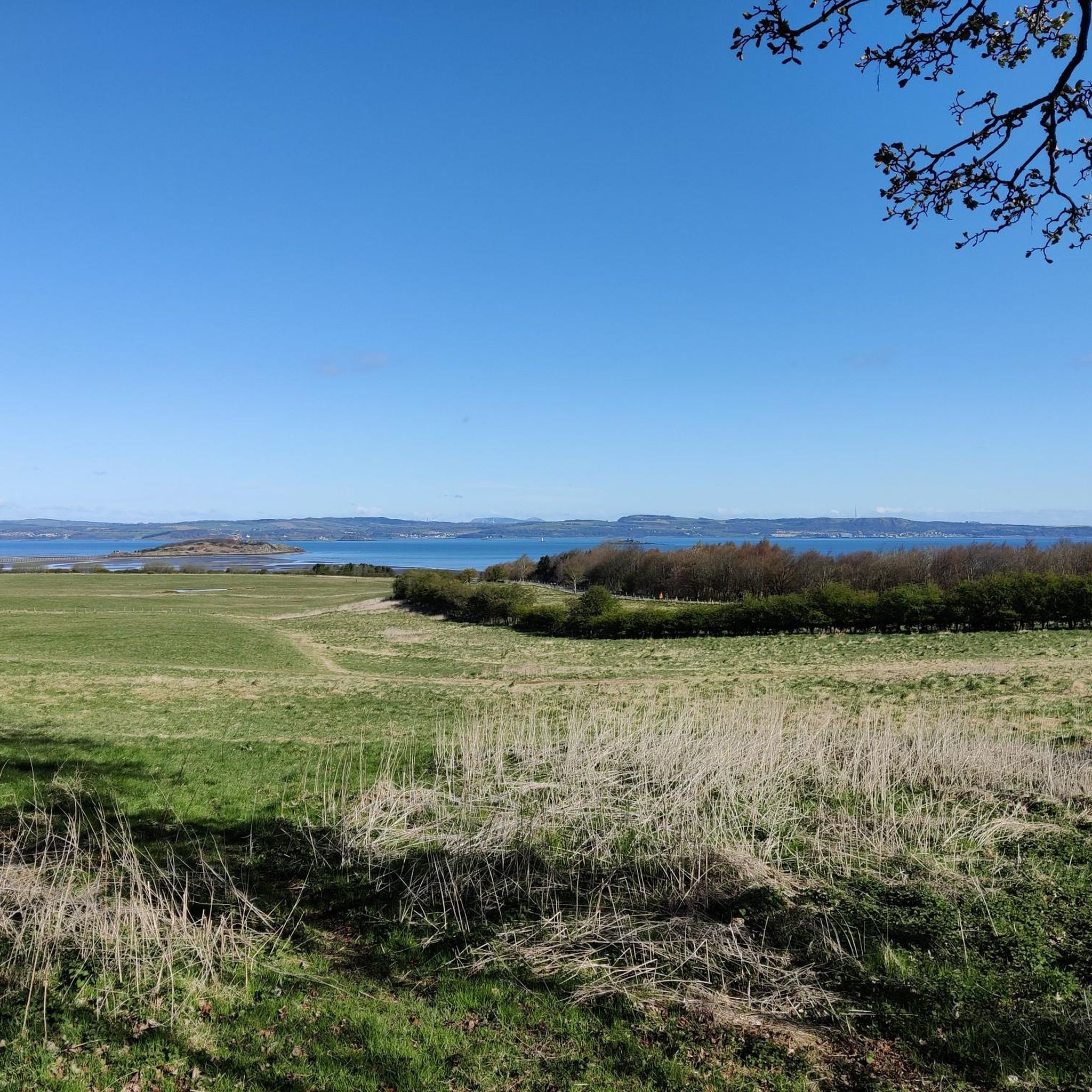
An excellent base for visiting Scotland's mystical capital city.
1
0

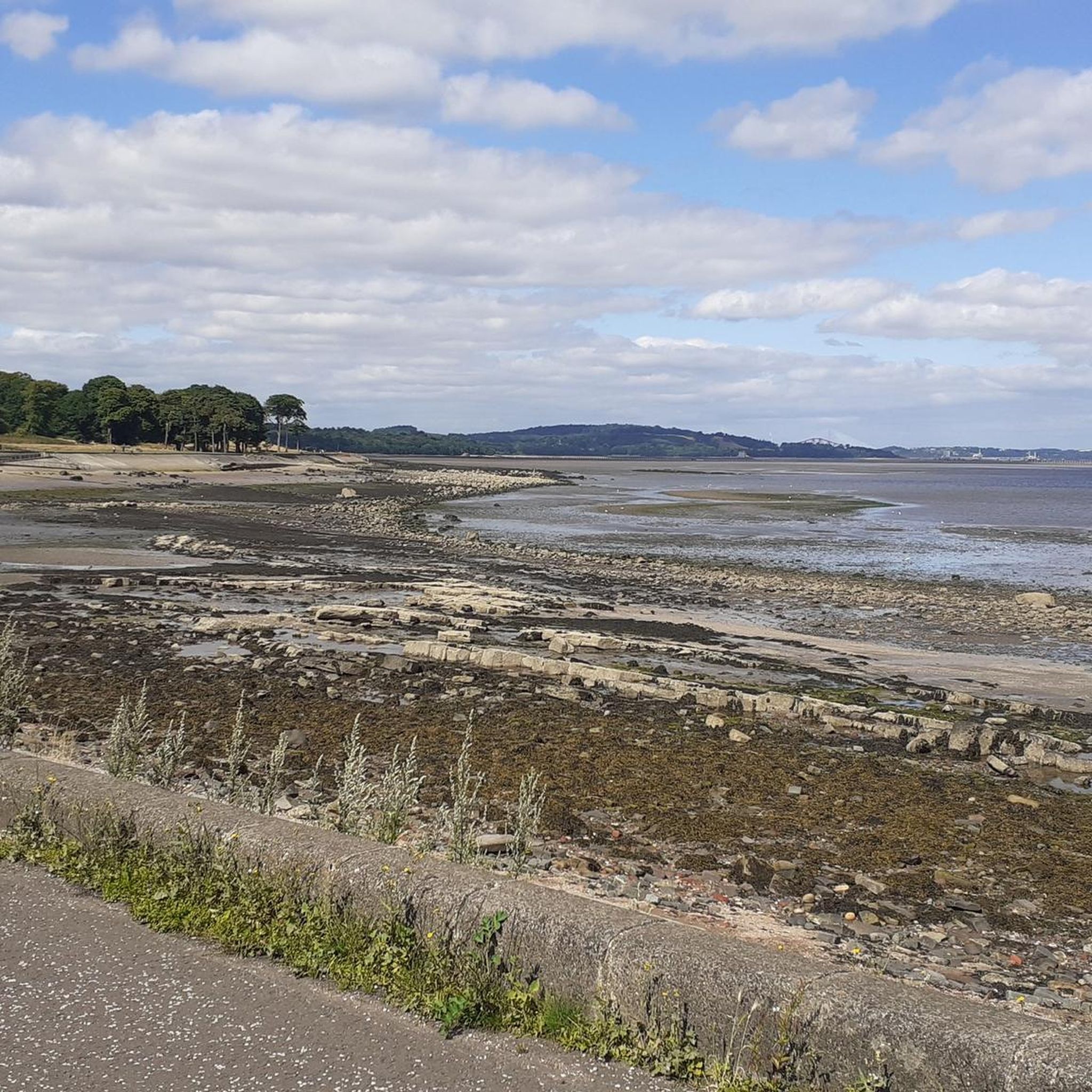
A lively place, with good pubs...
0
0

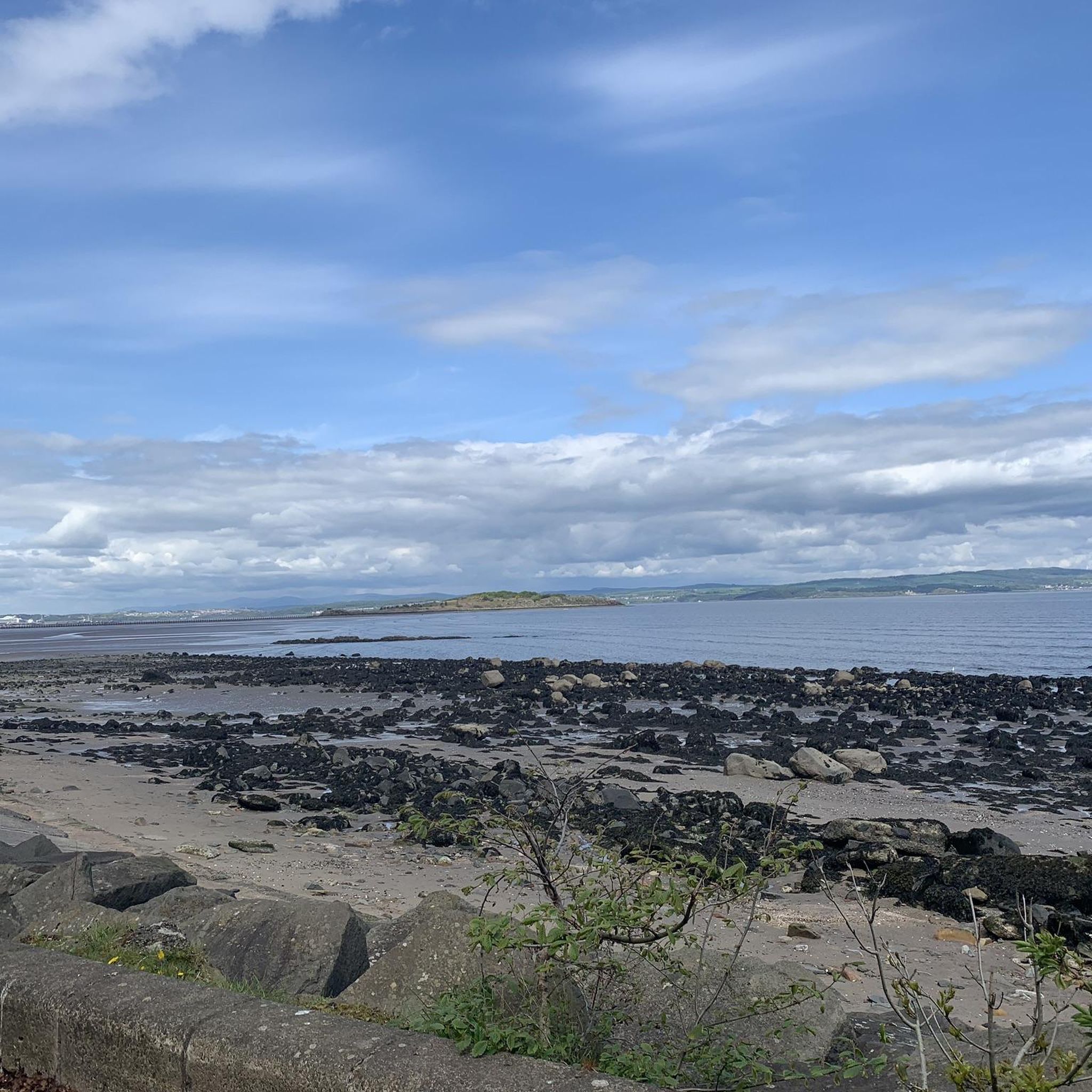
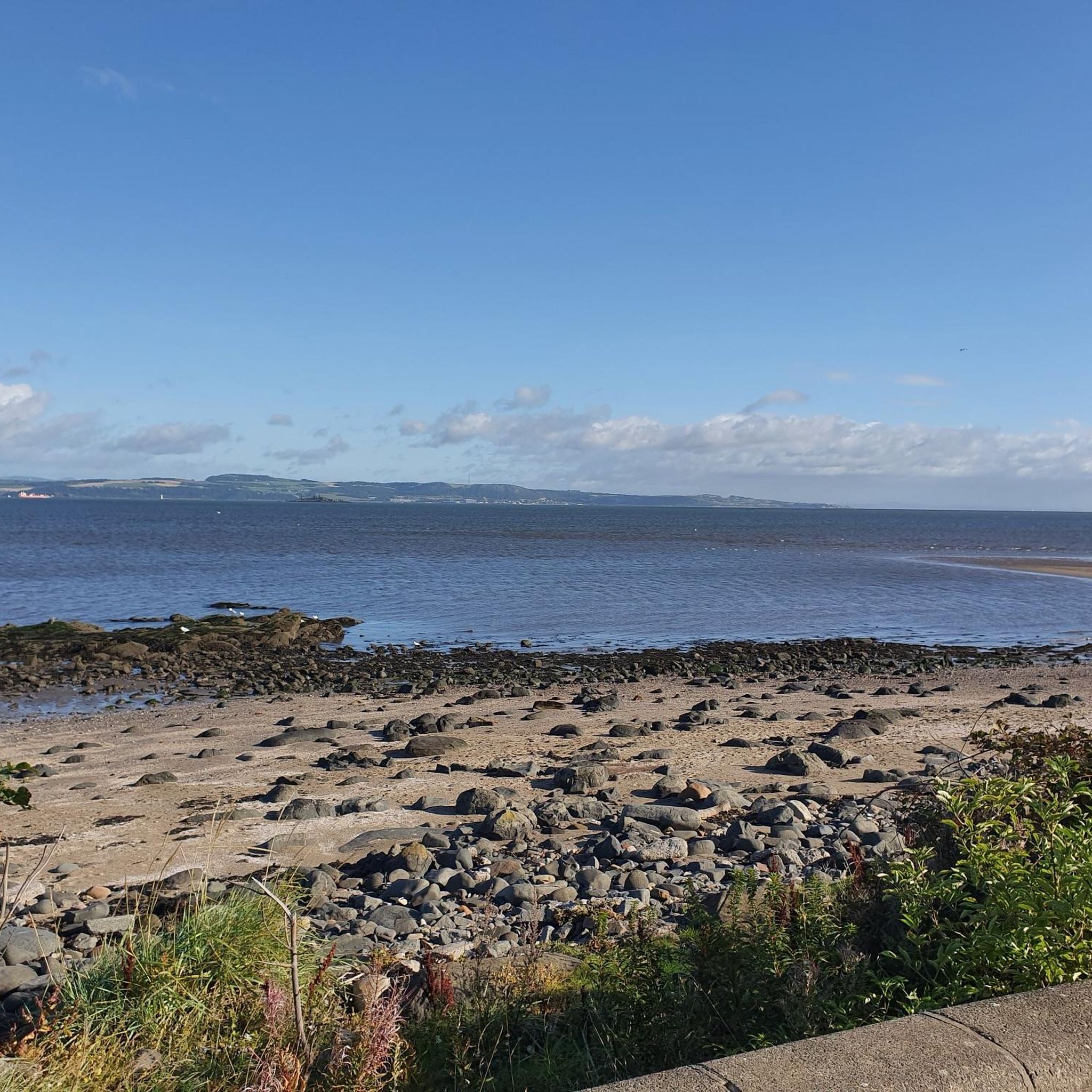
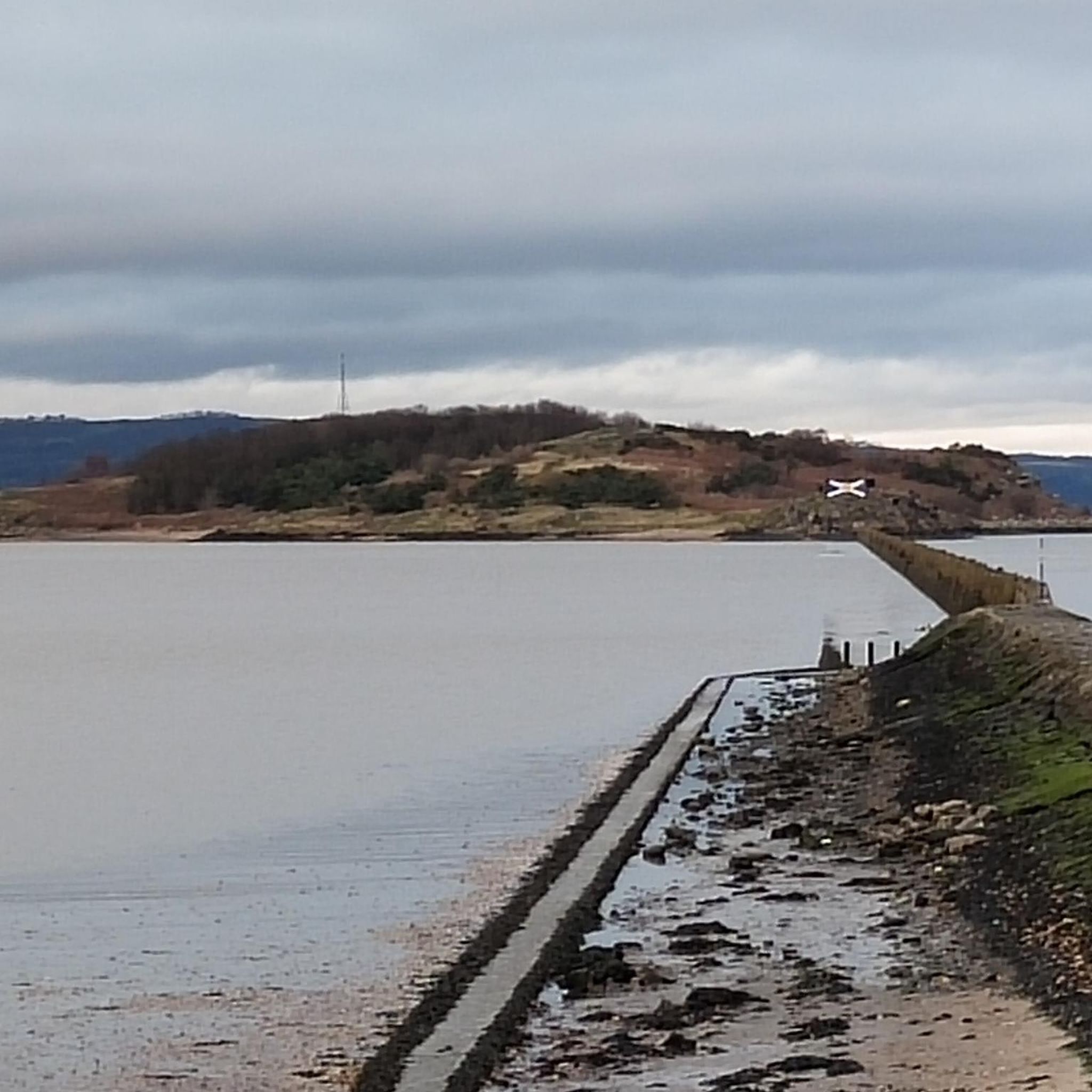
Some lovely, quiet gravel trails around the edge of the estate.
0
0

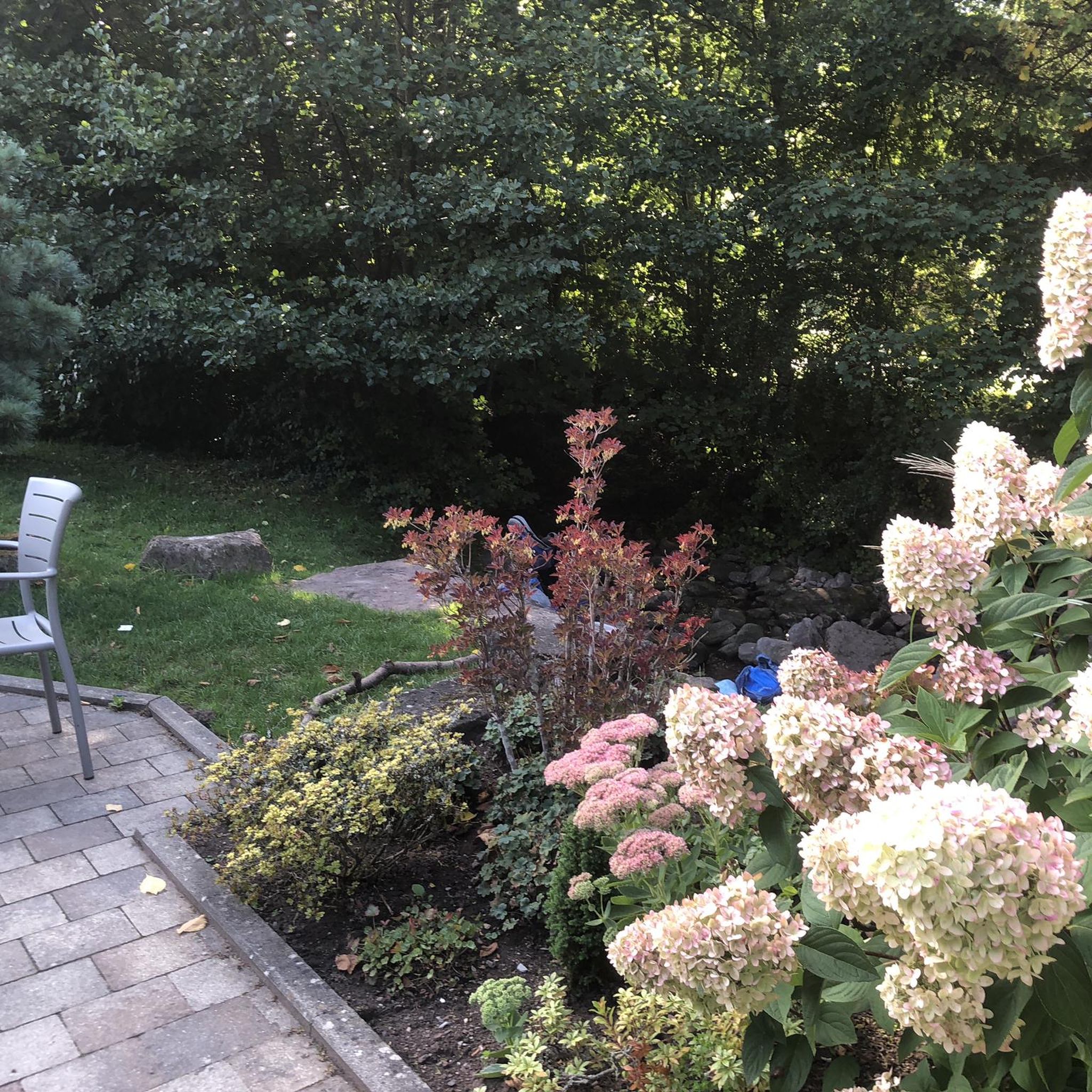
"Great drinks, great food, great vibes. Fun on all 3 floors – not just the iconic Roof Terrace." - see https://coldtownhouse.co.uk
1
0

The official residence of the British monarchy in Scotland, this impressive palace is deeply rooted in the country's history and offers visitors a unique insight into royal life and Scottish history. Designed and built between 1671 and 1678 by Sir William Bruce, the palace exemplifies the splendor and architectural elegance of the 17th century. Holyrood Palace stands on the foundations of a monastery dating back to 1128 and has witnessed many historical events over the centuries. It is closely linked to the history of the Stuart dynasty and witnessed many pivotal moments in Scotland's past. When you enter the palace you are immediately transported to another time. Every room, hall and corridor tells its own story, from the magnificent state apartments used for official occasions to the private apartments of the royal family. The finely appointed rooms, rich in art and antiques, offer a fascinating insight into Scotland's royal history and heritage. One of the highlights of a visit is the palace's beautiful gardens, which offer an oasis of calm in the middle of the bustling city. The contrast between the ancient walls of the palace and the modern Scottish Parliament building nearby highlights the unique connection between past and present that characterizes Edinburgh. Holyrood Palace is not just a place for history lovers. During the annual Holyrood Week in the summer, when the Queen traditionally makes her official visit to Scotland, the palace becomes the center of national celebrations and events. Although the palace is not open to the public during the royal visit, any other time of year offers the opportunity to explore this magnificent building and its gardens.
1
0

Holyroodhouse is the official residence of the King in Scotland. Today King 🤴 and Queen 👸 were present for a week. Of course you can't visit there.
5
1


The Palace of Holyroodhouse is the official residence of the Monarchy in Scotland. Founded as a monastery in 1128 at the end of the Royal Mile in Edinburgh, the Palace of Holyroodhouse has a close association with the History of Scotland. Today, the Palace is a close focus for national celebrations and events in Scotland, most notably The Queen's ‘Holyrood Week’, which usually runs from the end of June to the beginning of July every year. (https://www.royal.uk/royal-residences-palace-holyroodhouse)
6
0
Frequently Asked Questions
What historical sites and castles can I explore around Drylaw/Telford?
The area, primarily focused on Edinburgh, offers several significant historical sites. You can visit Holyrood Palace, the official British royal residence in Scotland, which has a rich association with Scottish history. Another notable site is Cammo House Ruins and Tower, the remains of a 17th-century estate now part of a Wilderness Park. Additionally, the Bronze Horse Statue at Dalmeny House refers to a historic estate featuring Gothic Architecture.
Are there family-friendly castles or historical attractions in the area?
Yes, several attractions are suitable for families. Holyrood Palace is a family-friendly historical site, offering an immersive experience into Scottish royal history. The area around Dalmeny House, marked by the Bronze Horse Statue, is also considered family-friendly, providing a fascinating day out with its antiques and Gothic architecture.
What natural features or viewpoints can I find near these castles?
For natural features and commanding views, Arthur's Seat is a must-visit. This ancient volcano dominates Holyrood Park and offers spectacular panoramas across Edinburgh and the Firth of Forth. The area around Dalmeny House also provides scenic viewpoints.
Can I combine a castle visit with outdoor activities like cycling or walking?
Absolutely. The region offers various outdoor activities that can be combined with historical visits. You can find numerous road cycling routes around Drylaw/Telford, such as the 'Cramond Brig – Elizabeth Yard Climb loop'. For off-road adventures, there are gravel biking options like the 'Auld Reekie ride out from Edinburgh', and MTB trails including the 'Forth Bridge – Dalmeny Shoreline Singletrack loop'. You can explore more routes on the respective guides: Road Cycling Routes, Gravel Biking, and MTB Trails.
What do visitors enjoy most about the castles and historical sites in this area?
Visitors appreciate the rich history and architectural heritage. Highlights like Holyrood Palace are valued for their deep association with Scottish history and royal connections. The ruins of Cammo House offer a unique experience within a wilderness park, inspiring visitors with its historical significance. The area's blend of well-preserved palaces and ancient ruins, often set against diverse landscapes, is highly rated by the komoot community, with over 1200 upvotes and 800 photos shared.
Are there any less crowded historical sites to visit?
If you're looking for a quieter experience, consider visiting the Cammo House Ruins and Tower. As the remains of a former estate now part of a Wilderness Park, it offers a more serene and reflective atmosphere compared to more bustling attractions, allowing for peaceful exploration of its historical grounds.
What are the public transport options for reaching castles near Drylaw/Telford?
For castles primarily located in the Edinburgh area, public transport options are generally good. Edinburgh has an extensive bus network operated by Lothian Buses, which can take you to many historical sites. For example, Holyrood Palace is at the end of the Royal Mile, easily accessible by bus from the city centre. For specific routes and schedules, it's best to check the Lothian Buses website or a journey planner.
Are there cafes or pubs near the castles for refreshments?
Yes, especially in Edinburgh. For example, near the city centre and within reach of some historical sites, you can find places like Cold Town House. This establishment offers pizza, prosecco, and craft beer, with a vibrant atmosphere and an iconic roof terrace. Many other cafes and pubs are available throughout Edinburgh, particularly around major attractions.
What is the best time of year to visit the castles in this region?
The spring (April-May) and autumn (September-October) months are often considered ideal. During these periods, the weather is generally milder, and the crowds are typically smaller than in the peak summer season. Summer (June-August) offers longer daylight hours and warmer temperatures, but attractions can be busier. Winter can be charming, especially around the holidays, but some sites may have reduced opening hours, and the weather can be cold and wet.
What should I wear when visiting castles and historical sites in the Edinburgh area?
Given Scotland's often unpredictable weather, it's advisable to dress in layers. Comfortable walking shoes are essential, especially if you plan to explore ruins like Cammo House or climb Arthur's Seat. A waterproof jacket or umbrella is recommended year-round, and in cooler months, a hat, scarf, and gloves will be beneficial, particularly for exposed locations.
Are there any historical houses or ruins in the immediate Drylaw area of Edinburgh?
While the Drylaw area of Edinburgh doesn't feature traditional castles, it does have historical significance. There are mentions of Old Drylaw House, a ruinous small mansion from the early 17th century, and Drylaw House, a classical mansion built in 1718. These are more historic houses than defensive castles and their current accessibility for visitors may vary. For more information on local heritage, you might consult resources like Wikipedia's page on Drylaw.
Most popular routes around Drylaw/Telford
Most popular attractions around Drylaw/Telford

Get inspired with the komoot mobile app


Explore more
Looking for the best castles somewhere else? Discover other guides around Drylaw/Telford:
