Attractions and Places To See around Aldeia De São Francisco De Assis - Top 14
Attractions and places to see around Aldeia De São Francisco De Assis include a blend of historical sites, cultural landmarks, and natural features. This village is situated on the southern slopes of the Serra da Estrela mountain range, close to the Zêzere River, and is characterized by traditional granite and schist houses. The region's rich history, including its mining heritage, offers a unique destination within the Covilhã municipality. Visitors can explore several historical villages and natural viewpoints.
Best attractions and…
Last updated: June 28, 2026
Historical Village of Piódão
Highlight • Settlement
The town (village) of Piódão, the urban center and the parish headquarters, has been classified as a Property of Public Interest since 1978.[3]
Pedestrian trails of extraordinary beauty.👍🥾🦯
Translated by Google •
Tip by

Chãs d'Égua Historical Village
Highlight • Historical Site
Translated by Google •
Tip by

Sign up now to discover places like this
Get recommendations on the best single tracks, peaks, & plenty of other exciting outdoor places.
Sign up for free
Piódão Parish Church
Highlight • Religious Site
Translated by Google •
Tip by

View of Piódão
Highlight • Viewpoint
Translated by Google •
Tip by
São Jorge da Beira
Highlight • Settlement
Translated by Google •
Tip by
Sign up for free to discover even more attractions around Aldeia De São Francisco De Assis.
Sign up for free
Already have an account?
Start today with a free account
Your next adventure awaits.
Login or Signup
Popular around Aldeia De São Francisco De Assis

Tips from the Community

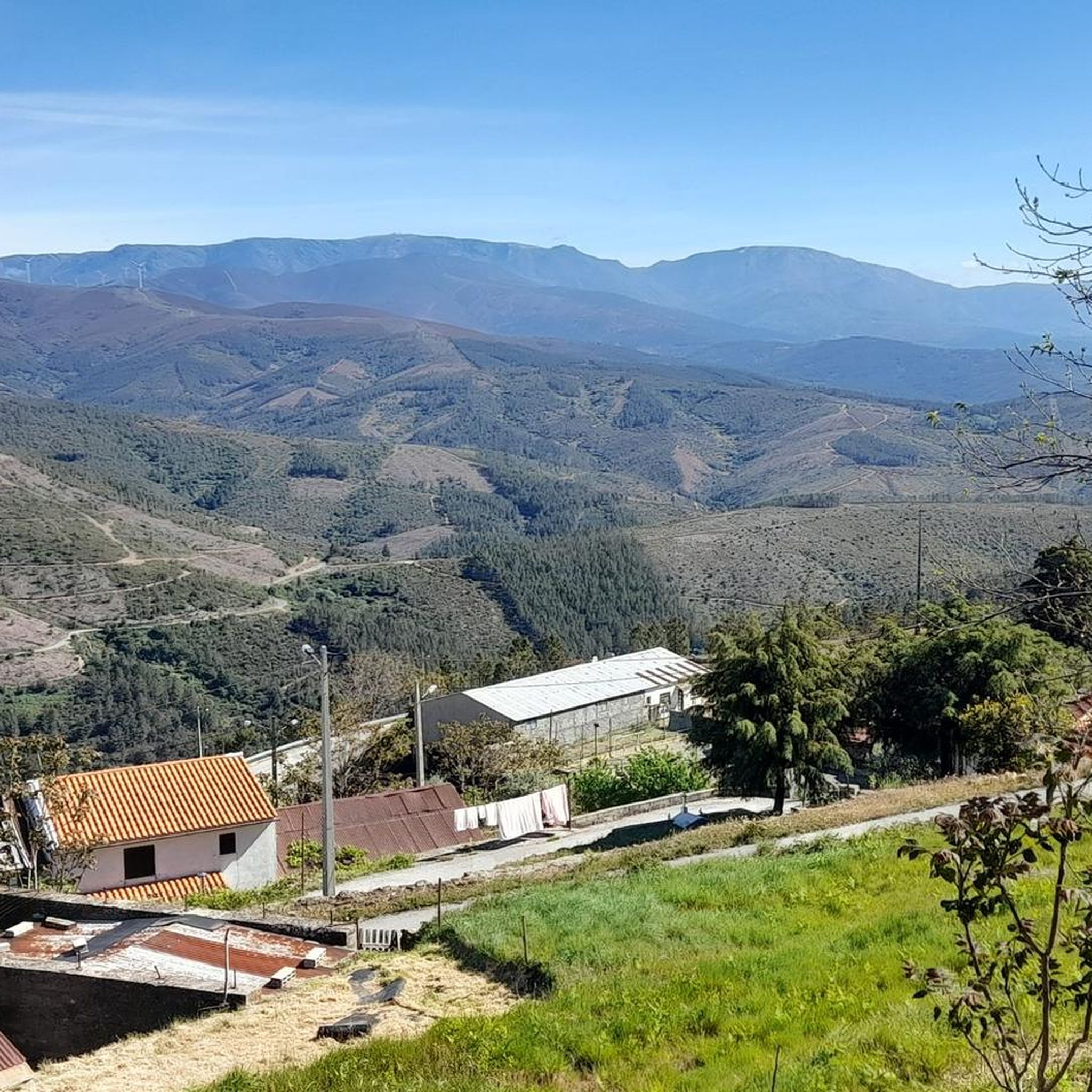
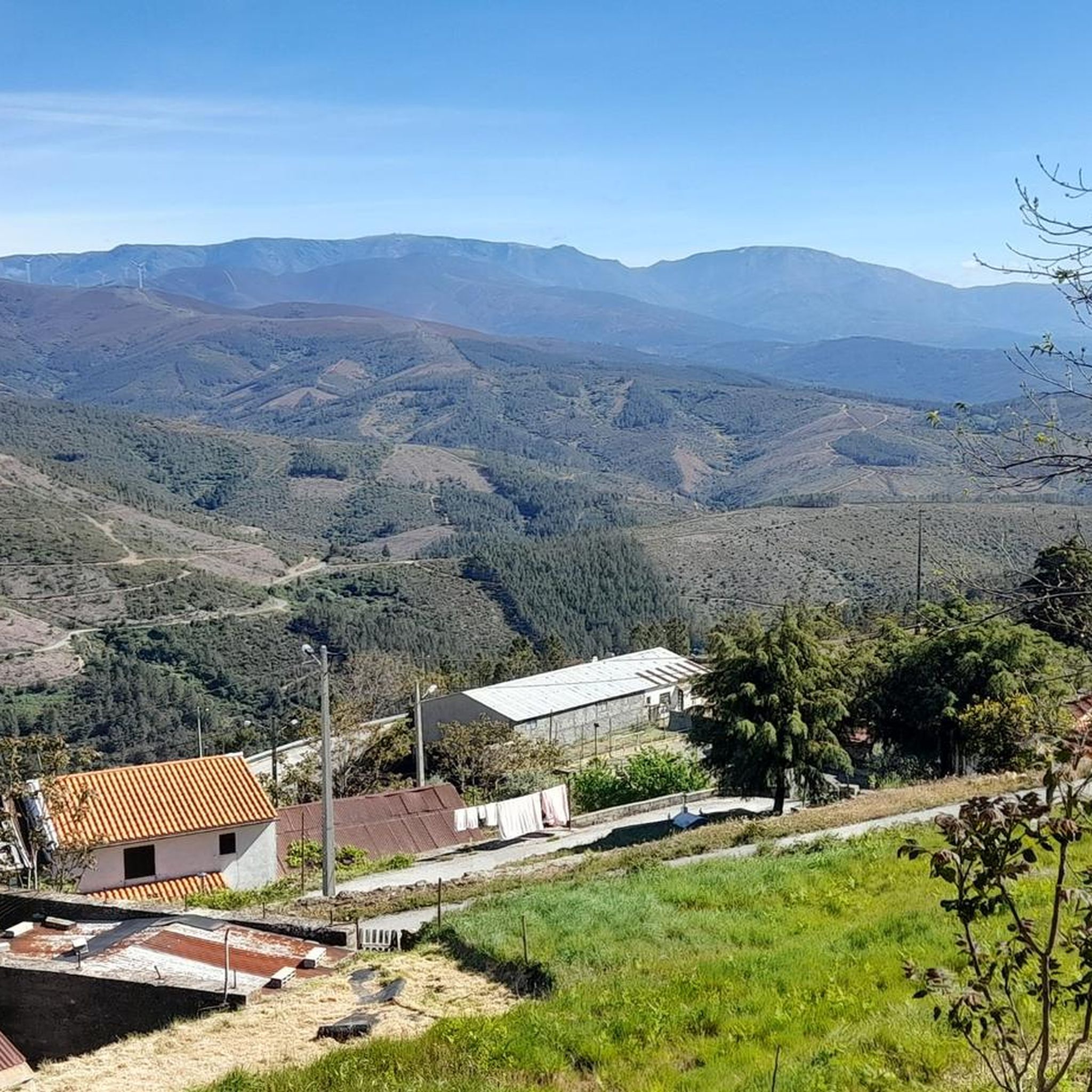
José Saramago described São Jorge da Beira as a village "thrown up the hillside," and perhaps there's no better image to convey the spirit of its people. Once called Cebola (Onion), after the neighboring peak, it was a land of shepherds, miners, and blacksmiths, until gaining autonomy in the 19th century and, later, the name of its patron saint. Amidst memories of tungsten and chestnut trees, the village has reinvented itself countless times and today keeps its identity alive, visible in the Museum and in the cultural associations that preserve the heritage of schist and the mountains.
1
0

Piódão belongs to the network of Historic Villages of Portugal. The town (village) of Piódão, the urban center and the parish headquarters, has been classified as a Property of Public Interest since 1978.[3] Pedestrian trails of extraordinary beauty.👍🥾🦯
4
0

This area has been hit by a serious forest fire in recent weeks.
2
2

The hallmark of this mountain village with its narrow, winding streets is slate. This material, abundant in the region, is used in the construction of both the houses and the streets, giving rise to the town's characteristic color, interrupted only occasionally by the vibrant blue of the windows and doors of some houses.
5
1
The church stands out in the village due to its contrast with the traditional houses. The interior altar is carved from gilded wood, and the walls are tiled. The mother church, dedicated to the Immaculate Conception, stands out from the small, two-story houses. Completely whitewashed and with its unique cylindrical buttresses, it was built by the locals in the 19th century using their own financial resources.
5
0
Piódão is a particularly well-preserved, historic village worth a visit. If you're looking for peace and quiet and enjoy hiking, you've come to the right place. Although the historic village of Piódão doesn't hold any particular significance in Portugal's history, it has recently become an increasingly popular tourist attraction, perhaps due to its beautiful location in the Serra do Açor.
5
2
Chãs d’Égua, a historic village with ancient origins, stands in a valley where the ancient inhabitants would call out to each other for protection. The region holds an archaeological treasure: more than 100 rocks engraved with cave art from the Neolithic to the Iron Age, testimonies of ancient rituals and symbolism. This wealth led to the creation of the Rock Art Interpretation Centre, making Chãs d’Égua an essential point for anyone wanting to explore prehistory between the Tagus and the Lower Côa.
5
0

Piodao, the village made of slate with the blue doors, there are still around 170 residents living in the village. Why only blue doors: because at the time there was only blue as a color to choose from, the whole village decided that all the doors would be painted blue. There is a restaurant in the village and on the village square there is also a small café with busy waiters. Parking is outside (there are around 50 parking spaces), there is a public toilet right on the village square, so perfect conditions for visitors.
15
4
Frequently Asked Questions
What historical villages can I visit near Aldeia De São Francisco De Assis?
You can explore several historical villages. The Historical Village of Piódão is famous for its unique schist architecture and blue doors. Another significant site is Chãs d'Égua Historical Village, known for its ancient origins and over 100 rocks engraved with cave art. Also consider São Jorge da Beira, a village with a rich mining heritage and schist architecture.
Are there any significant religious sites in Aldeia De São Francisco De Assis or nearby?
Yes, the village and surrounding area have several religious landmarks. In Aldeia de São Francisco de Assis itself, you'll find the main church, Igreja de São Francisco de Assis (Matriz), and the Igreja Nova (Paroquial). Other sites include the Capela de São João Baptista and the Ermida das Alminhas. Nearby, the Piódão Parish Church stands out with its whitewashed facade and unique cylindrical buttresses.
What natural attractions are there to see around Aldeia De São Francisco De Assis?
The region is rich in natural beauty. You are on the southern slopes of the Serra da Estrela Mountain Range, offering stunning scenery. The Rio Zêzere flows nearby, providing picturesque riverside views. For waterfalls, consider visiting Poco da Broca Falls and Cascata da Fraga da Pena. The broader Serra da Estrela Nature Park also offers extensive opportunities for nature observation.
Where can I find scenic viewpoints in the area?
A highly recommended spot is the View of Piódão, which offers breathtaking perspectives of the unique mountain village and its characteristic slate architecture. The entire Serra da Estrela region also provides numerous elevated points with panoramic vistas.
What outdoor activities can I do near these attractions?
The area is excellent for outdoor enthusiasts. You can find various cycling routes, including touring bike options like the 'Bike loop from Erada' or more challenging road cycling routes such as the 'View of the Zêzere River loop'. Mountain biking is also popular, with trails like the 'Ring route around the Santa Luzia dam'. For detailed routes and more options, explore the Cycling around Aldeia De São Francisco De Assis, Road Cycling Routes around Aldeia De São Francisco De Assis, and MTB Trails around Aldeia De São Francisco De Assis guides.
Are there any family-friendly attractions or activities?
Many of the historical villages, such as the Historical Village of Piódão, are considered family-friendly for exploration. The natural features like the Zêzere River and nearby river beaches (Praias Fluviais) offer opportunities for outdoor enjoyment suitable for families. Exploring the traditional architecture of Aldeia de São Francisco de Assis itself can also be an engaging activity for all ages.
What is the significance of the mining history in this region?
The mining industry, particularly the Panasqueira Mines (known for tungsten extraction), profoundly shaped the local landscape and culture. The Monumento ao Cristo Operário in Aldeia de São Francisco de Assis reflects this deep connection. The mining complex in Barroca Grande is a testament to the region's industrial heritage, highlighting its importance as one of Europe's most significant tungsten exploration sites.
Can I go wild swimming or visit river beaches nearby?
Yes, the region offers opportunities for enjoying natural waters. Several river beaches, known as Praias Fluviais, are mentioned in the broader area. Examples include Praia Fluvial de Janeiro de Cima and Praia Fluvial Paul, which are great spots to relax and swim in natural settings.
What kind of traditional architecture can I expect to see?
Aldeia de São Francisco de Assis is characterized by its beautiful traditional granite and schist houses, often covered with slate. This distinct mountain appearance is a hallmark of the region. The nearby Historical Village of Piódão is another prime example, known for its unique schist architecture and the striking blue doors that contrast with the dark stone.
What do visitors enjoy most about the attractions around Aldeia De São Francisco De Assis?
Visitors particularly appreciate the unique charm of the historical villages, especially Piódão, for its well-preserved architecture and peaceful atmosphere. The stunning natural scenery of the Serra da Estrela and the opportunities for hiking and exploring the rich cultural and mining heritage are also highly valued. The region offers a blend of history, culture, and nature that captivates many.
Are there any hidden gems or less-known spots worth exploring?
While the historical villages are popular, exploring the smaller hamlets and their traditional architecture off the main routes can reveal charming, less-crowded spots. The archaeological treasures and cave art at Chãs d'Égua Historical Village, with its Rock Art Interpretation Centre, offer a unique glimpse into prehistory that might be considered a hidden gem for those interested in ancient history.
Most popular routes around Aldeia De São Francisco De Assis

Get inspired with the komoot mobile app


Explore more
Still not found the Highlight you’re looking for? See guides of the top attractions in other regions:
