Attractions and Places To See in the Clearwater Range - Top 19
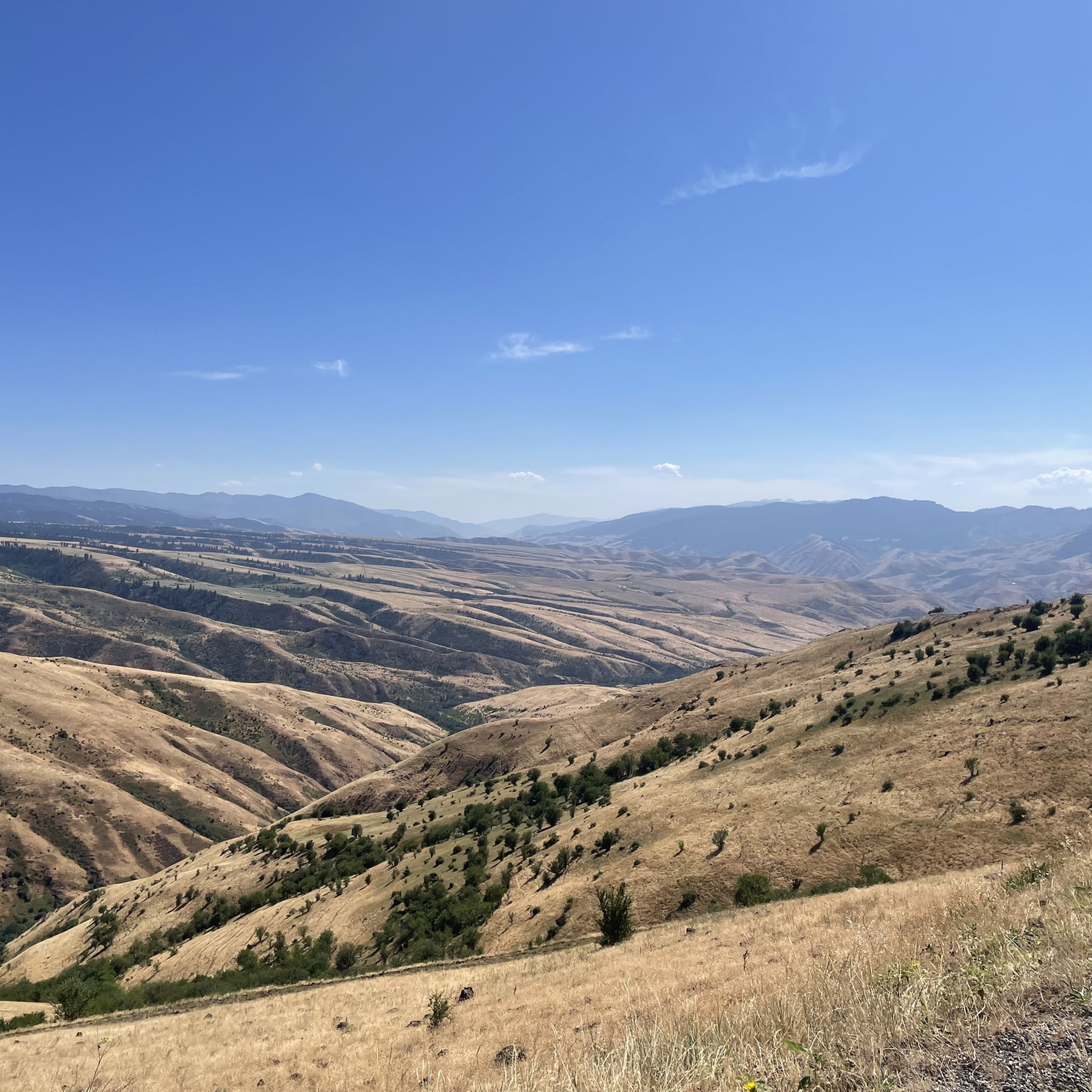
Best attractions and places to see in the Clearwater Range, a significant subrange of the Rocky Mountains in north-central Idaho, offer a diverse natural landscape. This region is characterized by rugged wilderness, vast mountainous terrain, and deep river canyons carved by tributaries of the Clearwater and Salmon rivers. It holds profound cultural significance as the ancestral homeland of the Nez Perce (Nimiipuu) people. The Clearwater Range encompasses diverse ecosystems and is home to abundant wildlife.
Best attractions and places to…
Last updated: October 4, 2026
Riggins
Highlight • Settlement
Tip by

Hydraulic Mining Historical Marker
Highlight • Historical Site
Tip by

Sign up now to discover places like this
Get recommendations on the best single tracks, peaks, & plenty of other exciting outdoor places.
Middle Fork Clearwater River
Highlight • River
Tip by

Grangeville
Highlight • Settlement
Tip by
Time Zone Bridge & Salmon River
Highlight • Bridge
Tip by
Heart of the Monster
Highlight • Natural Monument
Tip by

Salmon River Canyon
Highlight • Canyon
Tip by
Jerry Johnson Hot Springs
Highlight • Natural Monument
Tip by

Big Eddy Trail
Highlight (Segment) • Trail
If someone in the group has …
Tip by
Wilderness Gateway Campground
Highlight • Rest Area
Tip by
Sign up for free to discover even more attractions in the Clearwater Range.
Already have an account?
Start today with a free account
Your next adventure awaits.
Popular around Clearwater Range
Tips from the Community

For 31 miles the route traces the wild and scenic Middle Fork Clearwater River, with the road hugging the valley as forested ridges rise steeply on both sides. The ride is a mix of shade and sunlight, with constant river views and the sound of rushing water beside you. It’s one of the most scenic stretches of the journey.
0
0

The city of Grangeville is the largest city in Idaho County and a popular winter destination for recreation. You can navigate the slopes of Snowhaven Ski & Tubing Area with one of the largest tubing hills in the West. The city's history goes way back to the 1860’s and early seventies, when prospectors and gold seekers had to cross a large meadow on the Camas Prairie to get to the Gold Fields near Florence and Elk City. It was that meadow that later became the incorporated City of Grangeville in 1897.
2
0
At this point you can learn and see some of Idaho's gold mining history. In the 1860s, gold – lots of it – was discovered and a mining boom startet. Even miner from California made all the way up here to the town of Florence. Today, there is not much left of Florence, but on the other side of the river, you can still see the "scars" of the mining operations. Huge nozzles, so-called "hydraulic giants" took water from the river and shot it against the pre-historic river bed to expose gold. The pit is still visible today.
4
0

Take some minutes to get to this place to learn interesting facts of the mining era around the Salmon River. There are two information boards that tell you more about the former town of Florence and the hydraulic mining that took place in the 1860's.
4
0
Riggins is a small town located at the confluence of the Salmon River and Little Salmon River. The location makes it a great basecamp ideal to explore the major national forests and scenic areas around the rivers and mountains. The Seven Devils Mountains and the Hells Canyon National Recreation Area and the Frank Church–River of No Return Wilderness are nearby. The town offers adventures like kayaking, whitewater rafting, fishing, hiking, skiing and much more. There is a good amount of accommodation and places to grab a bite.
3
0
Around 15 million years ago, the majestic Salmon River made its way through Miocene lava beds a carved a gorge. Later in time, the area rose, mountain developed and the river carved an even deeper canyon into the hard rock below and created Salmon River Canyon. A stunning place to take a break.
3
0
When you cross this bridge over the majestic Salmon River, you also cross the border between the Mountain Time Zone (south) and the Pacific Time Zone (north). There is a parking lot close to the bridge, so you can embrace this moment a little longer.
5
0

According to the nimíipuu creation story, Iceye’ye (Coyote) killed a large monster along the Clearwater River near present day Kamiah, Idaho, thus creating different tribes in the region, including the nimíipuu. A rock formation in the area is said to represent the heart of the monster described in the legend. It is sacred to the nimíipuu people.
0
0
Frequently Asked Questions
What natural features define the Clearwater Range?
The Clearwater Range is characterized by its vast mountainous terrain, including prominent peaks like Stripe Mountain, and deep river canyons carved by tributaries of the Clearwater and Salmon rivers. You'll find diverse ecosystems, from moist cedar woodlands to rugged canyons, and significant wilderness areas such as the Selway-Bitterroot and Gospel Hump Wildernesses. The region also features alpine cirques and lake basins, particularly visible in the Mallard-Larkins Pioneer Area.
What kind of wildlife can I expect to see in the Clearwater Range?
The Clearwater Range supports diverse ecosystems, making it home to abundant wildlife. Visitors might spot moose, black bears, cougars, bald eagles, and mountain goats, among other species.
What is the cultural significance of the Clearwater Range?
The Clearwater Mountains hold profound cultural significance as the ancestral homeland of the Nez Perce (Nimiipuu) people for over 10,000 years. The landscape contains sacred sites integral to their spiritual practices, oral histories, and seasonal migrations. The historic Lolo Trail, known to the Nez Perce as 'buffalo trail,' was used for centuries to access hunting grounds.
Can I learn about the mining history of the Clearwater Range?
Yes, you can explore the region's mining history. A notable spot is the Hydraulic Mining Historical Marker, where information boards detail the mining era around the Salmon River, including the former town of Florence and the hydraulic mining operations of the 1860s. You can still see the 'scars' of these operations across the river.
Are there opportunities for hiking in the Clearwater Range?
Absolutely. The Clearwater Range offers extensive hiking opportunities, with numerous trails winding through its vast wilderness areas. For specific routes, you can explore options like the easy Jerry Johnson Hot Springs trail or the moderate Boulder Creek Trail. The Selway-Bitterroot Wilderness alone offers approximately 1,800 miles of trails.
When is the best time to visit the Clearwater Range for outdoor activities?
The best time to visit for outdoor activities generally depends on the specific activity. The hiking season typically runs from late spring through early fall, after snowmelt. Summer offers warm weather for river activities, while winter provides opportunities for snow-based recreation. Always check local weather conditions and trail status before your visit.
Are there any hot springs in the Clearwater Range?
Yes, the Clearwater Range is home to natural hot springs. One popular spot is Jerry Johnson Hot Springs, offering a unique natural experience amidst the wilderness.
Are there family-friendly attractions or activities in the Clearwater Range?
Yes, several attractions cater to families. The Time Zone Bridge & Salmon River is a fun stop where you can literally cross time zones. The town of Riggins serves as a basecamp for various outdoor activities suitable for families, and the Wilderness Gateway Campground provides a family-friendly setting for camping and river access.
Are there any wheelchair-accessible points of interest?
The city of Grangeville is noted for having wheelchair-accessible features, making it a good option for visitors seeking accessible points of interest in the region.
What towns are good bases for exploring the Clearwater Range and offer amenities?
The town of Riggins is an excellent basecamp, located at the confluence of the Salmon and Little Salmon Rivers. It offers accommodation and dining options, and is close to major national forests and scenic areas. Grangeville, the largest city in Idaho County, also provides amenities and is a popular winter destination.
What is the Salmon River Canyon like?
The Salmon River Canyon is a stunning geological feature carved by the majestic Salmon River through Miocene lava beds. Over time, as the area rose, the river incised an even deeper canyon into the hard rock below, creating a dramatic landscape perfect for scenic breaks and observing geological formations.
Where can I experience the Clearwater River?
You can experience the Clearwater River at various points, including the Middle Fork Clearwater River. This area is part of the larger Nez Perce-Clearwater National Forests, offering opportunities to enjoy the river's natural beauty.
Most popular routes in the Clearwater Range
Most popular attractions in the Clearwater Range

Get inspired with the komoot mobile app


Explore more
Still not found the Highlight you’re looking for? See guides of the top attractions in other regions:
