The 20 Most Amazing Peaks in China
Best mountain peaks in China offer diverse landscapes, from the world's highest summits to sacred Buddhist and Taoist mountains. The country's vast terrain includes snow-capped ranges, dramatic granite formations, and ancient volcanic peaks. These mountains hold significant cultural and spiritual importance, attracting visitors seeking both natural beauty and historical sites. China's mountain regions provide a wide range of experiences for outdoor enthusiasts.
Best mountain peaks in China
- The most popular mountain peaks is Mt. Qixing — Main Peak (Cising Main…
Last updated: July 5, 2026
Shek O Peak
Highlight • Summit
This was my last day in HK and it was a half …
Tip by

Teapot Mountain
Highlight • Summit
Translated by Google •
Tip by

Sign up now to discover places like this
Get recommendations on the best single tracks, peaks, & plenty of other exciting outdoor places.
Sign up for free
Tai Mo Shan Summit
Highlight • Summit
Being the highest point in HK Tai Mo Shan was supposedly a …
Tip by
Banpingshan Ridge
Highlight • Summit
Translated by Google •
Tip by
Qixing Main Peak (1,120 m)
Highlight • Summit
Translated by Google •
Tip by
Moon Hill
Highlight • Natural Monument
Tip by

Mt. Qixing — Main Peak (Cising Main Peak)
Highlight • Summit
Translated by Google •
Tip by
Lantau Peak (Fung Wong Shan)
Highlight • Summit
Translated by Google •
Tip by
View of Taipei 101 from Elephant Mountain
Highlight • Viewpoint
Translated by Google •
Tip by

View of Hong Kong Skyline from Victoria Peak
Highlight • Viewpoint
Translated by Google •
Tip by
Sign up for free to discover even more peaks in China.
Sign up for free
Already have an account?
Start today with a free account
Your next adventure awaits.
Login or Signup
Popular around China
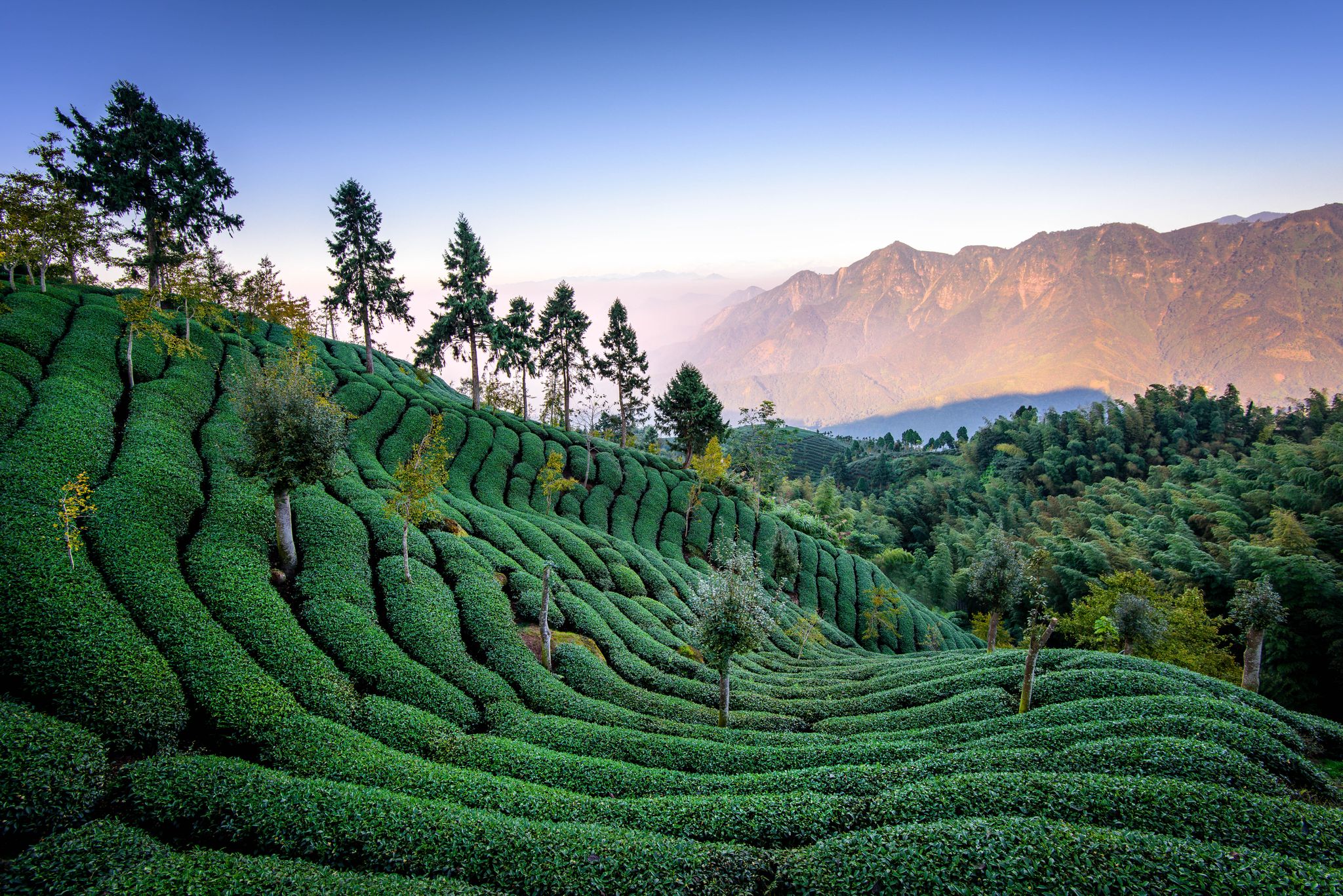
Nature at its best – hiking holidays in Taiwan

Around the World in 80 Days
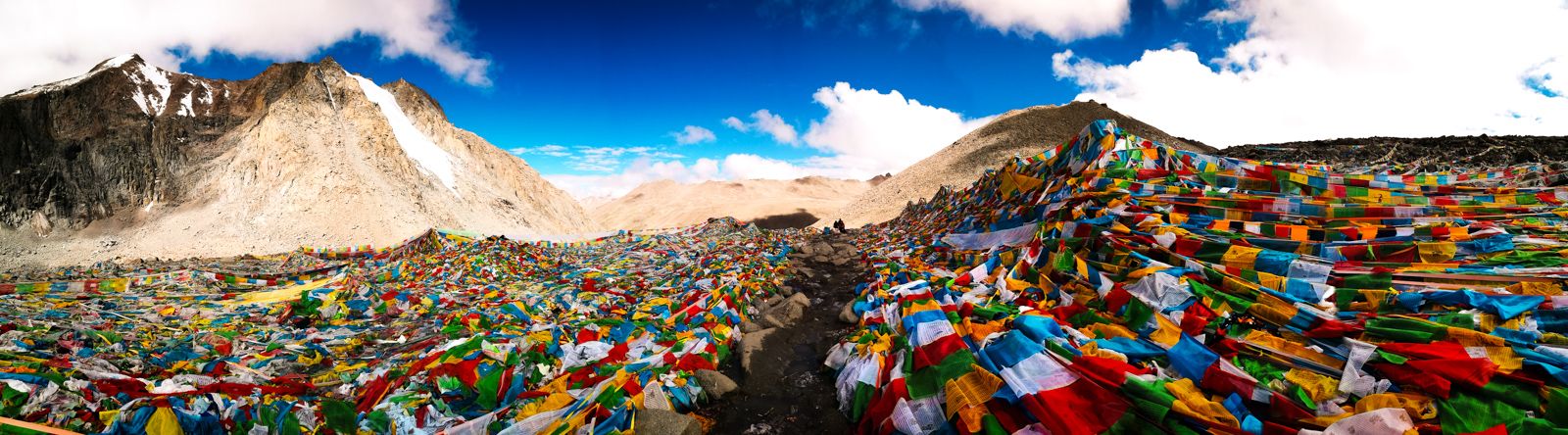
Kailash — trekking on the Path of the Enlightened
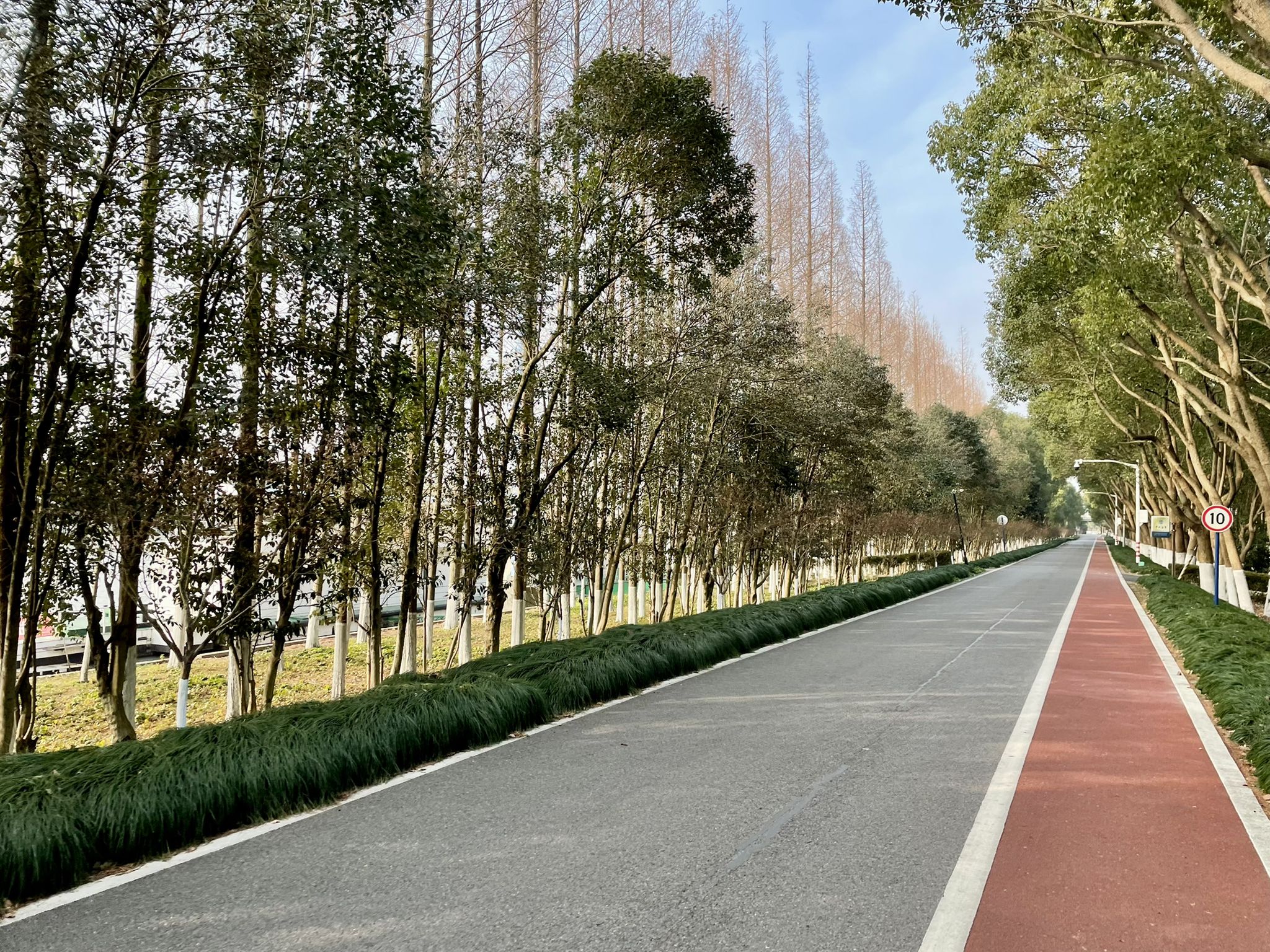
Downtown riding and day tripping — Shanghai's cycling essentials

At the roof of the world — mountain biking in China's Yunnan province
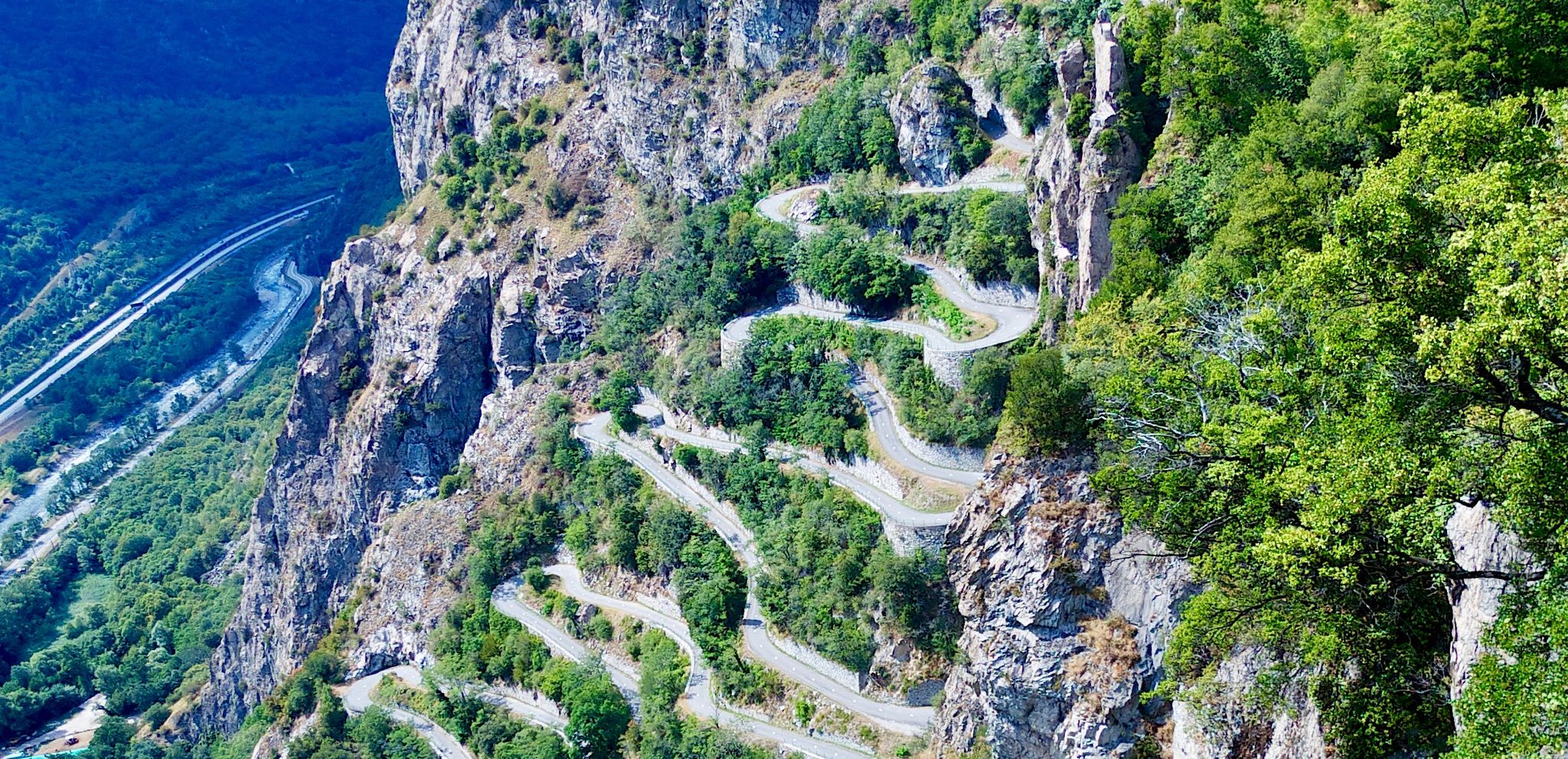
The world's most epic cycling roads
Running Trails in China
Road Cycling Routes in China
Cycling in China
Mountain Hikes in China
Other adventures in China


Tips from the Community

Access to the starting point by bus or taxi (easier). Beautiful, well-maintained, and marked trails. Impossible to get lost. Pay attention to the weather; if it's cloudy, you won't see anything... frustrating. Don't do the loop; finish at the visitor center, you'll find it easier to get transport.
0
0

Awesome route! Hällarna Visättra ängar looks like a fantastic adventure with those scenic views. Tip: Pack a lightweight rain jacket, as the weather in this area can shift quickly, especially in open meadows. As a travel blogger at www.urbanchats.com I love discovering guides like this for outdoor adventures thanks for sharing such a great trail!
1
0


If you frequently plan routes in Komoot and work with a variety of maps and PDF documents, you may find that your files become too heavy to easily handle and send. In such a case, a PDF compression service like PDFGuru can be a useful tool. It allows you to compress large PDF files without losing quality, which will make them much easier to share and store, especially when you need to work with a lot of information, such as when planning a route.
0
2

The climb is strenuous, but worth it. From here you can see the Taipei 101 perfectly. If you like, you can let off steam in the outdoor fitness studio at the summit.
0
0

Great view at the peak there are two very good restaurants with extremely delicious dishes
0
0
the peak in hongkong great view awesome restaurant must visit
3
1

Glow slow as you look up. It gets very busy with tourists here!
0
0
Frequently Asked Questions
Which mountain peaks in China are known for their cultural or spiritual significance?
China is home to several sacred mountains. Mount Kailash in Tibet is revered by followers of Hinduism, Buddhism, Jainism, and Bon, considered the 'Axis of the Universe.' Huangshan (Yellow Mountain) is a UNESCO site famous for its natural beauty and ancient villages. Mount Emei is one of China's Four Sacred Buddhist Mountains, blending natural beauty with deep spiritual significance and numerous ancient temples. Mount Hua is one of China's Five Great Mountains, attracting Taoist pilgrims with its temples and shrines.
What are some of the most challenging mountain peaks or trails in China?
For those seeking a challenge, K2 (Chogori) on the border with Pakistan offers a remote and dramatic trekking experience on its steep north side. Mount Hua (Huashan) is renowned for its perilous, steep, and narrow paths, including the famous Plank Walk. Within the guide's highlights, Teapot Mountain and Banpingshan Ridge are categorized as challenging climbs. Sharp Peak (Nam She Tsim) and Lantau Peak (Fung Wong Shan) also offer challenging routes.
Can I visit Mount Everest from the Chinese side?
Yes, you can visit Mount Everest from the Chinese side. The north slope of Mount Everest, known as Qomolangma, is located in Tibet, China. An asphalt highway leads directly to the North Base Camp at Rongbuk Monastery (5,180 meters / 17,000 feet), making it the most accessible way to get a close view of the peak by vehicle. The Everest Base Camp highlight in this guide refers to this experience.
Which mountain peaks offer the best scenic views in China?
Many peaks in China are celebrated for their stunning vistas. Huangshan (Yellow Mountain) is famous for its 'Four Wonders': strangely shaped granite peaks, ancient pine trees, a sea of clouds, and hot springs, with spectacular sunrises and sunsets from peaks like Bright Summit. Mount Emei's Golden Summit offers amazing views, especially at sunrise, and a chance to witness the 'sea of clouds.' Jade Dragon Snow Mountain provides a unique combination of snow-capped peaks, an ancient town, and blue waters. From the guide's highlights, Shek O Peak, Teapot Mountain, and Tai Mo Shan Summit are all noted for their great views.
Are there family-friendly mountain peaks or trails in China?
While some peaks are challenging, many offer accessible sections or cable car options suitable for families. Huangshan has extensive flagstone-lined trails and cable cars, making it easier to explore. Jade Dragon Snow Mountain also features cable cars that take visitors to high elevations to view glaciers and alpine lakes. For specific highlights, Mt. Qixing — Main Peak is categorized as intermediate, and its well-maintained, marked trails make it a good option for those looking for a moderate hike.
What kind of natural features can I expect to see in China's mountain regions?
China's mountain regions boast incredible natural diversity. You can find snow-capped peaks like Mount Everest and Jade Dragon Snow Mountain, dramatic granite formations and 'sea of clouds' at Huangshan, and volcanic landscapes with hot springs and fumaroles at Mt. Qixing — Main Peak. Mount Emei is known for its rich biodiversity, earning it nicknames like 'Kingdom of Plants' and 'Paradise of Animals.'
When is the best time to visit mountain peaks in China?
The best time to visit largely depends on the specific mountain and your desired activity. Generally, spring (April-May) and autumn (September-October) offer pleasant temperatures and clearer skies for hiking and sightseeing. Summer can be hot and rainy, especially in southern regions, but also brings lush greenery. Winter offers unique snowy landscapes, particularly in higher altitude areas like Huangshan, but some trails may be closed or require special gear.
What outdoor activities can I do near mountain peaks in China?
Beyond hiking and climbing, China's mountain regions offer a variety of outdoor activities. You can find numerous cycling opportunities, including touring bicycle and road cycling routes, as well as running trails. For instance, there are many cycling routes listed in the Cycling in China guide and running trails in the Running Trails in China guide, which are often located near scenic mountain areas.
Are there any specific permits required for climbing or visiting certain peaks in China?
Yes, permits are often required for visiting certain sensitive or high-altitude areas, especially in Tibet. For example, visiting the Chinese side of Mount Everest (Qomolangma) requires special permits for Tibet and the Everest Base Camp area. Sacred mountains like Mount Kailash are generally off-limits for climbing due to their spiritual significance, with pilgrims undertaking circumambulations instead. It's crucial to research specific permit requirements for your chosen destination well in advance.
What do visitors enjoy most about the mountain peaks in China?
Visitors frequently praise the breathtaking natural beauty, the sense of spiritual connection, and the unique cultural experiences. Many enjoy the challenge of the trails and the rewarding panoramic views from summits like Shek O Peak and Teapot Mountain. The blend of stunning landscapes with ancient temples and rich history, as found at Mount Emei and Huangshan, also leaves a lasting impression. The komoot community has shared 67 photos and given 186 upvotes across the highlights, indicating a strong appreciation for these natural wonders.
How accessible are China's mountain peaks for general tourists?
Accessibility varies greatly. Some major peaks like Huangshan and Jade Dragon Snow Mountain are highly developed with cable cars, paved trails, and good infrastructure, making them accessible to a wide range of visitors. The Chinese side of Mount Everest offers an asphalt highway directly to North Base Camp. However, remote peaks like K2 require extensive trekking and are only suitable for experienced adventurers. Many highlights, such as Mt. Qixing — Main Peak, have well-maintained and marked trails, making them relatively easy to navigate.
Most popular routes in China
Most popular attractions in China

Get inspired with the komoot mobile app


Didn’t find what you were looking for?
Discover China’s best peaks and summits by region:
Explore more
See even more amazing summits in China with these guides:
