The best road cycling routes in Capitol Reef National Park
5.0
(1)
21
riders
4
rides
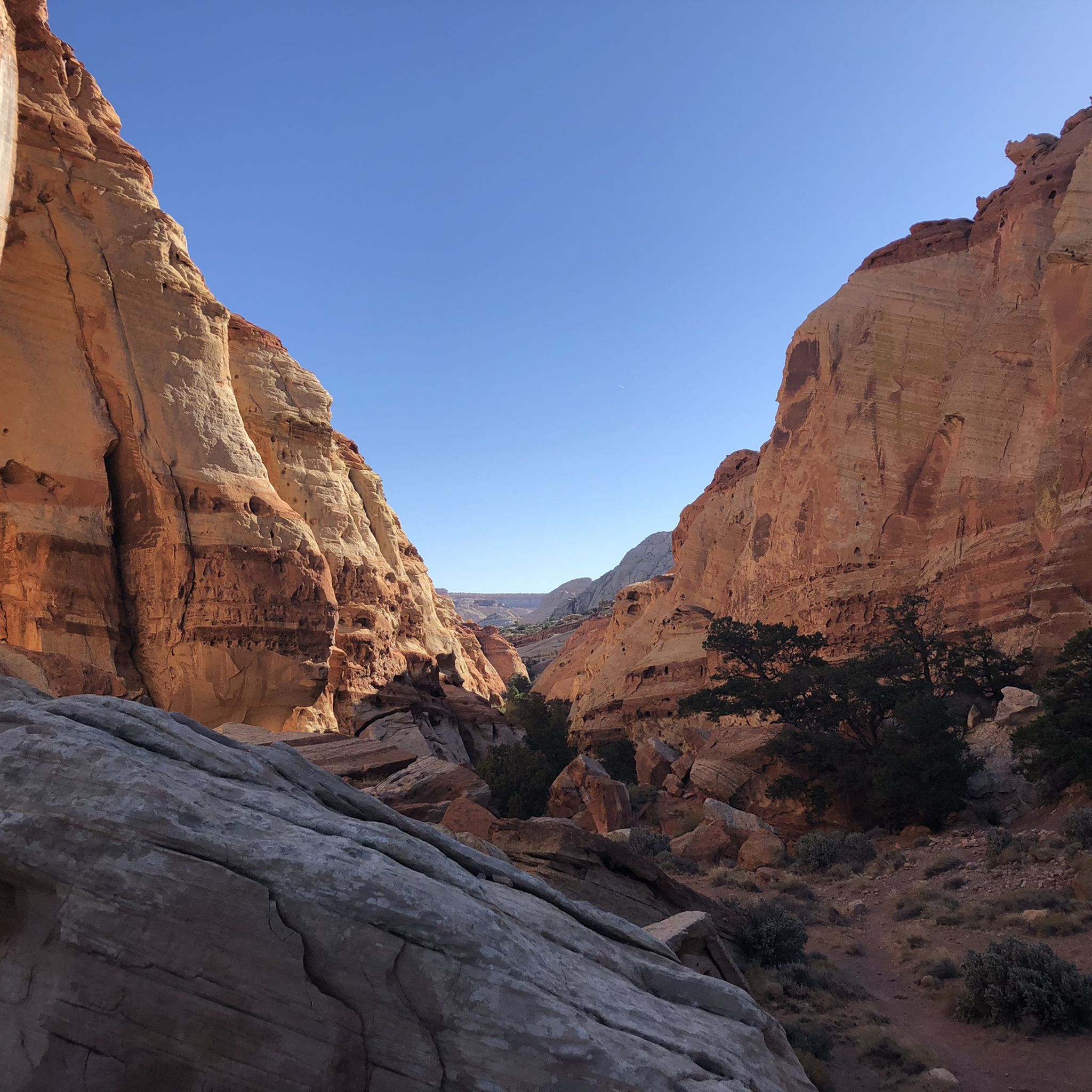
Road cycling routes in Capitol Reef National Park traverse a landscape shaped by the Waterpocket Fold, a geological monocline featuring cliffs, canyons, and domes. The park offers varied terrain, from paved scenic drives to designated unpaved roads, providing diverse cycling experiences. Cyclists can navigate routes through colorful sandstone formations and along the Fremont River. The region's geology creates a backdrop of towering monoliths and expansive views.
Best road cycling routes in Capitol Reef National Park
- The most popular road cycling…
Last updated: September 1, 2026
4
riders
32.0km
01:30
420m
420m
Moderate road ride. Good fitness required. Mostly well-paved surfaces and easy to ride.
4
riders
51.4km
02:39
910m
910m
Hard road ride. Very good fitness required. Mostly well-paved surfaces and easy to ride.

Sign up for free
5
riders
38.6km
01:58
580m
580m
Moderate road ride. Good fitness required. Mostly well-paved surfaces and easy to ride.
5.0
(1)
8
riders
109km
05:59
2,250m
2,250m
Hard road ride. Very good fitness required. Some segments of this route may be unpaved and difficult to ride.
Our route recommendations are based on thousands of hikes, rides, and runs completed by other people on komoot.
Start today with a free account
Your next adventure awaits.
Login or Signup
Popular around Capitol Reef National Park
Tips from the Community

The Anasazi State Park Museum preserves the ruins of an ancient Ancestral Puebloan village once home to nearly 200 people. You can explore a life-sized replica of a six-room pueblo and walk among partially excavated structures dating back to A.D. 1050–1200. The museum showcases over 1,000 artifacts that paint a picture of the daily life and craftsmanship of the Anasazi people.
0
0

A beautiful paved road that climbs up from the desert & over Boulder mountain. 🏔️
0
0

You drive through gigantic birch forests and finally, at 2896 m, you have an overwhelming view of the plain shining in all colors.
0
0

This green, shaded picnic area really stands out in contrast to the red-rock landscape around you. Consider picking up a pie from the nearby Gifford House to enjoy before (or after) you head out on an adventure.
2
0

This is where the routes to explore Capitol Reef Park start.
0
0

The campground itself could be your base for longer than day-ride exploration of the area, or you can simply use its parking and water (though it's always recommended to come with plenty of extra water in case of contingencies like a campground tap being unavailable).
0
0

A great experience. You should just drive there and enjoy.
0
0

This park, created on the basis of plate tectonics, offers many opportunities for hiking. Whether different rock formations or petroglyphs; there is something for everyone.
2
0
Frequently Asked Questions
How many road cycling routes are available in Capitol Reef National Park?
There are 5 road cycling routes available in Capitol Reef National Park, ranging from moderate to difficult. You can find options like the View of The Castle – Capitol Reef National Park loop from The Castle for a moderate ride or more challenging tours like the Larb Hollow Overlook – Point Lookout loop from Cocks Comb.
What is the best time of year for road cycling in Capitol Reef National Park?
Spring and fall offer the most pleasant conditions for road cycling in Capitol Reef National Park, with milder temperatures. Summer can be very hot, making early morning or late evening rides preferable. During peak seasons, roads like the Scenic Drive can experience heavy traffic, so consider riding during off-peak hours.
What scenic viewpoints or landmarks can I expect to see while road cycling in Capitol Reef National Park?
Capitol Reef National Park offers stunning geological features. Along your rides, you can encounter dramatic sandstone cliffs, colorful canyons, and towering monoliths. Notable viewpoints include Goosenecks Overlook and Sunset Point, offering expansive views of the park's unique topography. You might also spot natural arches like Cassidy Arch.
Are there any specific rules or restrictions for road cyclists in Capitol Reef National Park?
Yes, bicycles are restricted to designated roads within Capitol Reef National Park. They are not permitted off-road or on hiking trails to protect the fragile desert environment. The Scenic Drive is a popular paved option, and sections of the Burr Trail are also suitable. Always be aware of traffic, especially on narrower roads.
Is parking available for road cyclists in Capitol Reef National Park?
Parking is generally available at the Visitor Center and at various pull-offs along the Scenic Drive. If you're starting a route from outside the park, such as from Torrey, you'll find parking options in town. Always check park signage for specific parking regulations.
Are there family-friendly road cycling options in Capitol Reef National Park?
The paved 8-mile Scenic Drive within Capitol Reef National Park is generally considered easy to moderate and can be a good option for families, though it does have some hills and can experience heavy traffic. For a longer ride, consider combining it with a trip from Torrey. Always assess the traffic and your family's cycling ability before embarking on a route.
Where can I find food or refreshments near the road cycling routes?
The Fruita Historic District, located within the park, offers the Gifford Homestead, known for its pies and local produce during harvest season. The nearby town of Torrey, just outside the park, also provides various options for cafes, restaurants, and accommodation.
What is the difficulty level of road cycling in Capitol Reef National Park?
The road cycling routes in Capitol Reef National Park vary in difficulty. Our collection includes 3 moderate routes, such as the Capitol Reef National Park – Chimney Rock Trail loop from Torrey, and 2 difficult routes, like the Larb Hollow Overlook loop from Torrey. The Scenic Drive is generally easy to moderate, but some routes involve significant elevation gain.
Are there any circular road cycling routes in the park?
Yes, several routes offer a circular experience, allowing you to return to your starting point. Examples include the View of The Castle – Capitol Reef National Park loop from The Castle and the Roadbike loop from The Rim Rock Inn.
What do other road cyclists enjoy the most about road cycling in Capitol Reef National Park?
The area is highly rated by the komoot community, with an average score of 5.0 stars. Reviewers often praise the stunning and unique geological landscapes, the sense of solitude compared to other national parks, and the challenging yet rewarding climbs that offer panoramic views.
Can I access historical sites or unique attractions by road bike?
Yes, the Fruita Historic District, with its historic buildings like the Gifford Homestead and ancestral orchards, is easily accessible by road bike within the park. You can also find ancient petroglyph panels along Highway 24 near the visitor center, offering a glimpse into the region's past.
Most popular routes in Capitol Reef National Park
Most popular attractions in Capitol Reef National Park

Get inspired with the komoot mobile app


