The best gravel rides around Saint-Denœux
16
riders
2
rides
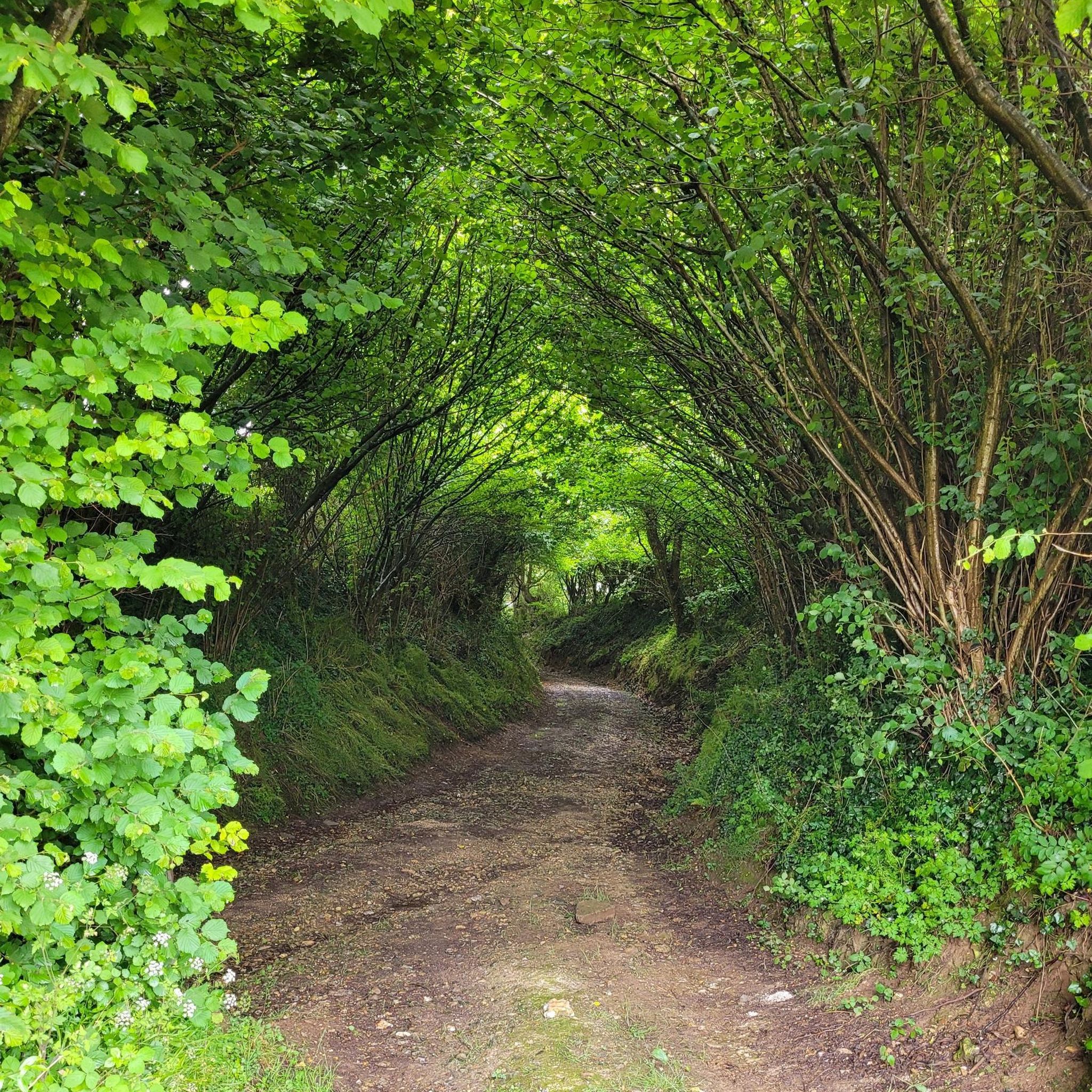
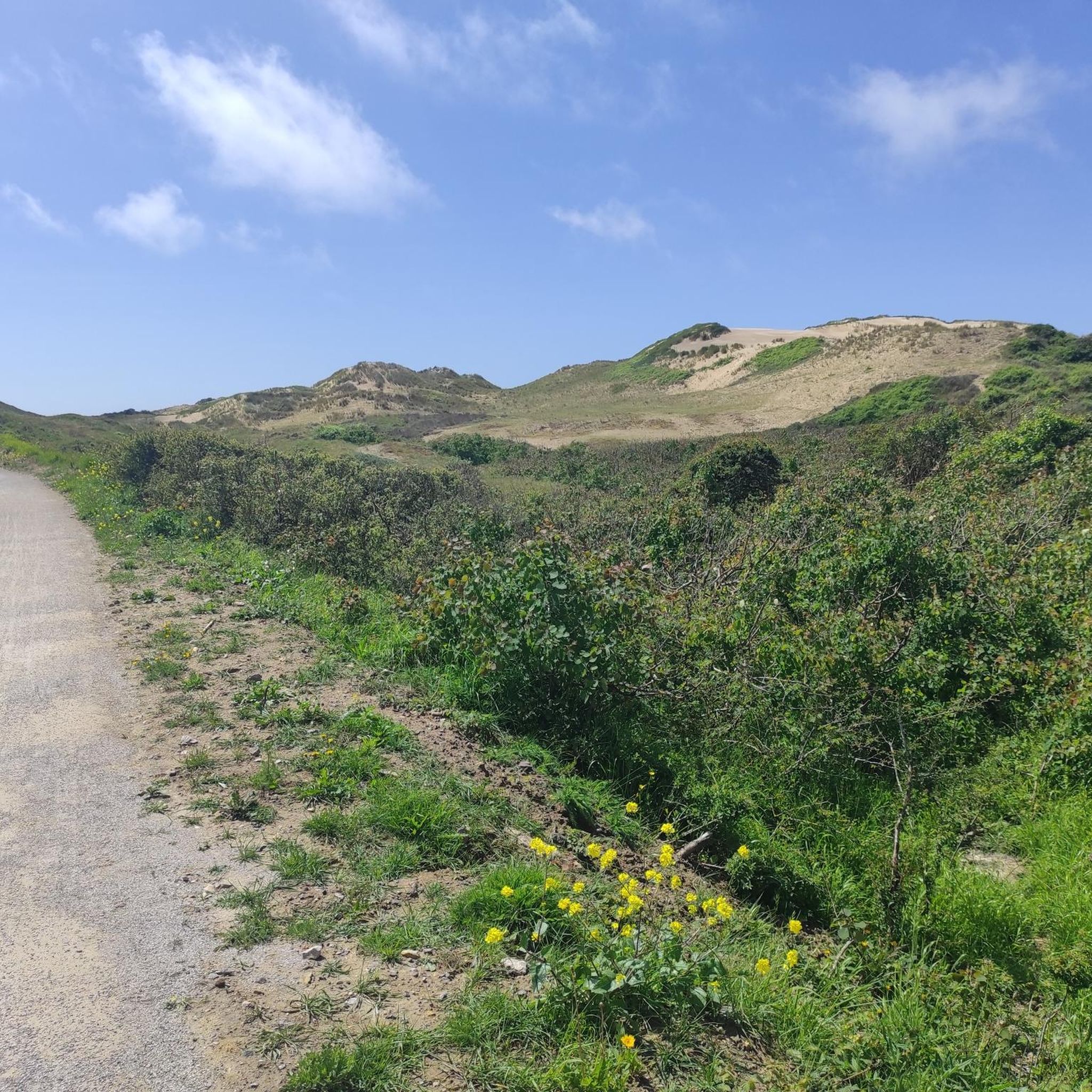
Gravel biking around Saint-Denœux offers diverse terrain across the Pas-de-Calais department, blending rural countryside with river valleys and coastal influences. The region features a mix of forest roads, quiet country lanes, and unpaved paths, providing varied surfaces for gravel cyclists. Riders can explore the lush Canche Valley, which offers riverine landscapes, or venture towards the nearby Côte d'Opale. The area's topography includes gentle hills and varied elevations, suitable for different skill levels.
Best gravel bike trails around Saint-Denœux
- The most…
Last updated: July 13, 2026
5
riders
51.5km
03:37
570m
570m
Hard gravel ride. Very good fitness required. Mostly paved surfaces. Suitable for all skill levels.
3
riders
48.6km
03:27
670m
670m
Hard gravel ride. Very good fitness required. Mostly paved surfaces. Suitable for all skill levels.

Sign up for free
1
riders
53.2km
03:36
570m
570m
Hard gravel ride. Very good fitness required. Mostly paved surfaces. Suitable for all skill levels.
3
riders
21.5km
01:24
200m
200m
Moderate gravel ride. Good fitness required. Mostly paved surfaces. Suitable for all skill levels.
1
riders
24.5km
01:36
250m
240m
Moderate gravel ride. Good fitness required. Mostly paved surfaces. Suitable for all skill levels.
Our route recommendations are based on thousands of hikes, rides, and runs completed by other people on komoot.
Start today with a free account
Your next adventure awaits.
Login or Signup


Tips from the Community

Somewhat remote, but very worth seeing
0
0

A pretty cobbled street that goes up, or down, depending on your point of view!
0
0

The Hôtel-Dieu was founded in the 13th century by Gauthier de Maintenay. The hospital and chapel have been run by the Augustinian sisters since 1252 and were badly affected by the mysterious natural disaster of 1467. The sanctuary was rebuilt and consecrated in 1475. All that remains from the 15th century is the flamboyant portal.
8
0


The Bras de Bronne, a tributary of the Canche that crosses the city, once served as a natural border. While part of the village was in Artois, the bell tower was in Boulogne: the parish came under the diocese of Boulogne. The patron saint is the founder of the neighboring diocese, Firmin, first bishop of Amiens. In the choir is a beautiful effigy of the saint, sculpted in the 16th century. Marles-Sur-Canche and its parish church dedicated to Saint Firmin contain treasures such as the statue of Saint Nicolas from the 16th century, the bronze bells from 1805 or the Altar from the 18th century. Despite its humble appearance, its history is set in stone. The building combines a sober nave with a beautiful choir in Flamboyant Gothic style, more slender. This contrast between the two sides is astonishing. The Saint Firmin church is thus strongly marked by the architectural heritage of the 15th century. The Marlois are attached to their church which, despite regular work since 1812 and the numerous renovations, shows a worrying state of health, visible by the numerous deteriorations: cracks, detachment of the cladding, broken stones, crumbling, weakened masonry of the buttresses, decaying structural wood.
1
0
The Porte de Boulogne is a historic gate in Montreuil-sur-Mer, a commune in the Pas-de-Calais department in the Hauts-de-France region of northern France. The gate was rebuilt in 1828.
8
0
The chapel of the former hospital now belongs to Best Western Hotel Hermitage. It was rebuilt in 1874 by Clovis Normand, a pupil of Violet-le-Duc and architect of the Neuville Carthusian monastery. The portal in Flamboyant Gothic (15th century) is still there. The chapel is notable for its high spire.
8
0
The Église Saint-Omer is a church in Estrée, a commune in the Pas-de-Calais department in the Hauts-de-France region of northern France. The church was built in 1869 according to plans by the architect Clovis Normand from Hesdin. This chalk construction is inspired by the medieval style of the 13th century. It consists of a front bell tower surmounted by a spire, an elongated nave and a choir with three sides. The furniture is in keeping with the architecture and was made by local craftsmen such as sculptor Victor Morel from Bernieulles and furniture maker Jean-Baptiste Durant from Recques-sur-Course. The church was listed as a historical monument in 1908.
5
0
Frequently Asked Questions
What kind of terrain can I expect on gravel bike trails around Saint-Denœux?
The region around Saint-Denœux offers a diverse mix of terrain, blending coastal scenery with rural countryside. You'll encounter forest roads, quiet country lanes, and unpaved paths. The area features gentle hills and varied elevations, providing a range of surfaces for gravel cyclists to enjoy.
Are there any challenging gravel bike routes for experienced riders?
Yes, for experienced riders seeking a challenge, routes like the Banks of the Canche – Montreuil and its citadel loop from Montreuil-sur-Mer offer a more demanding experience. This 26.2-mile (42.2 km) path explores the scenic Canche Valley and passes by the historic Montreuil citadel, featuring significant elevation changes.
What natural features can I expect to see along the gravel bike routes?
Gravel biking around Saint-Denœux allows you to experience a blend of natural beauty. You can explore the lush, riverine landscapes of the Canche Valley, or venture towards the nearby Côte d'Opale for breathtaking views of the Atlantic Ocean and dramatic cliffs. The region also features tranquil forest roads and, further afield, unique sand dune ranges.
Are there any family-friendly gravel bike routes near Saint-Denœux?
While specific family-friendly routes are not detailed, the region offers circuits for various skill levels, including moderate rides on mostly paved surfaces. These can be suitable for families looking for a peaceful experience away from car traffic. Always check the route's difficulty and length to ensure it matches your family's capabilities.
What historical landmarks or attractions can I visit along the gravel trails?
Many routes incorporate historical sites. For instance, the Citadel of Montreuil – Le Touquet-Paris-Plage loop from Montreuil-sur-Mer connects historical sites with coastal views. You can also visit the 16th-century Citadel of Montreuil, or the 11th-century Saint Saulve Abbey Church, which are prominent landmarks in the area.
Are there any circular gravel bike routes available?
Yes, many of the gravel bike routes around Saint-Denœux are designed as loops. Examples include the Citadel of Montreuil – Le Touquet-Paris-Plage loop from Montreuil-sur-Mer and the Inxent – Banks of the Canche loop from Montreuil-sur-Mer, allowing you to start and finish at the same point.
What is the best time of year for gravel biking in this region?
The Hauts-de-France region, including Saint-Denœux, is enjoyable for gravel biking across multiple seasons. Spring and autumn offer pleasant temperatures and beautiful scenery. Summer is also popular, especially for combining rides with coastal visits. Winter rides are possible, but be prepared for cooler, potentially wetter conditions.
What do other gravel bikers say about the trails around Saint-Denœux?
The gravel biking routes in Saint-Denœux are highly rated by the komoot community, with an average score of 4.8 stars. Riders often praise the varied terrain, the blend of coastal and countryside views, and the peaceful experience away from traffic.
Are there options for parking near the gravel bike trailheads?
While specific parking locations for each trailhead are not detailed, areas like Montreuil-sur-Mer, a common starting point for many routes, typically offer parking facilities. It's advisable to check local parking options in towns and villages near your chosen starting point.
Can I find cafes, pubs, or accommodation near the gravel bike trails?
Yes, towns and villages near the trails, such as Montreuil-sur-Mer, offer various amenities including cafes, pubs, and accommodation options. Upscale coastal resorts like Le Touquet, located about 22 km away, also provide further attractions and amenities for cyclists.
Are there any routes that offer panoramic viewpoints?
The region is known for its scenic vistas. The nearby Côte d'Opale offers exceptional views of the Atlantic Ocean and dramatic steep cliffs, providing breathtaking backdrops for rides. You can also enjoy views of the Canche valley from places like Montreuil-sur-Mer. For more inspiration on panoramic landscapes, you might find this resource helpful: Hauts-de-France Tourism.
Most popular routes around Saint-Denœux
Most popular attractions around Saint-Denœux

Get inspired with the komoot mobile app


Explore more
Browse the best Gravel rides in other regions.
