Top 19 Mountain Passes around Abfaltersbach
Mountain passes near Abfaltersbach provide access to routes in the surrounding Alpine region of East Tyrol. This village serves as a base for exploring various passes in Austria and across the Italian border. The area features diverse terrain, from high alpine crossings to routes with historical significance. Its location offers opportunities to experience different natural landscapes.
Best mountain passes around Abfaltersbach
- The most popular mountain passes is Demutspassage (Stoneman Dolomiti Trail), a trail that features challenging sections at over…
Last updated: September 29, 2026
Demutspassage (Stoneman Dolomiti Trail)
Highlight (Segment) • Trail
to call it flowing, maybe you have to
Your name is Danny MacAskill? A good MTB‘ke
will be half the distance for sure …
Translated by Google •
Tip by

Stoneman checkpoint Passo Silvella
Highlight • Mountain Pass
Translated by Google •
Tip by

Sign up now to discover places like this
Get recommendations on the best single tracks, peaks, & plenty of other exciting outdoor places.
Tilliacher Pass (Forcella Dignas)
Highlight • Mountain Pass
Translated by Google •
Tip by

Puster Valley - Kartitsch Saddle
Highlight (Segment) • Mountain Pass
Translated by Google •
Tip by

Pfannspitze Peak
Highlight • Summit
Translated by Google •
Tip by

Sign up for free to discover even more mountain passes around Abfaltersbach.
Already have an account?
Start today with a free account
Your next adventure awaits.
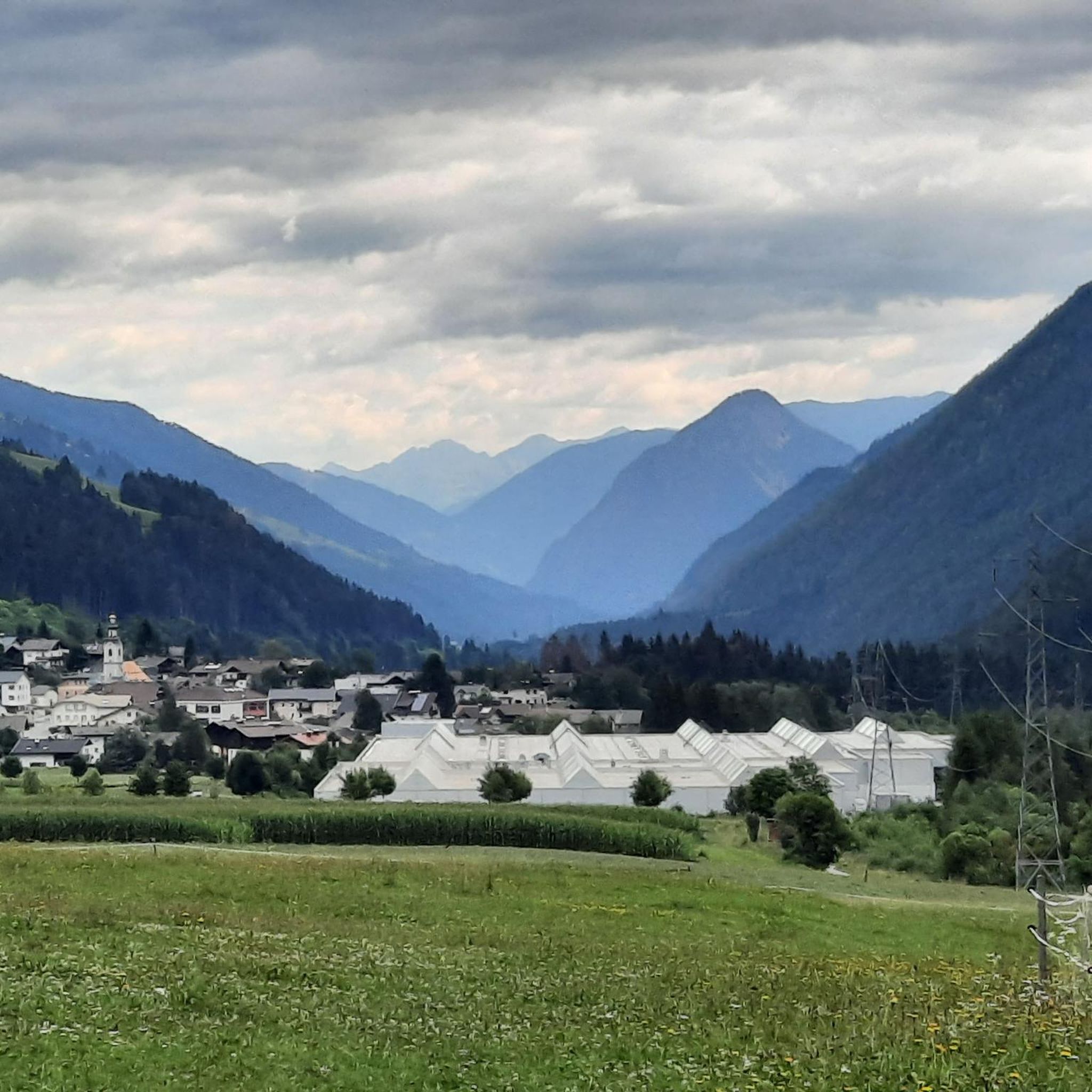
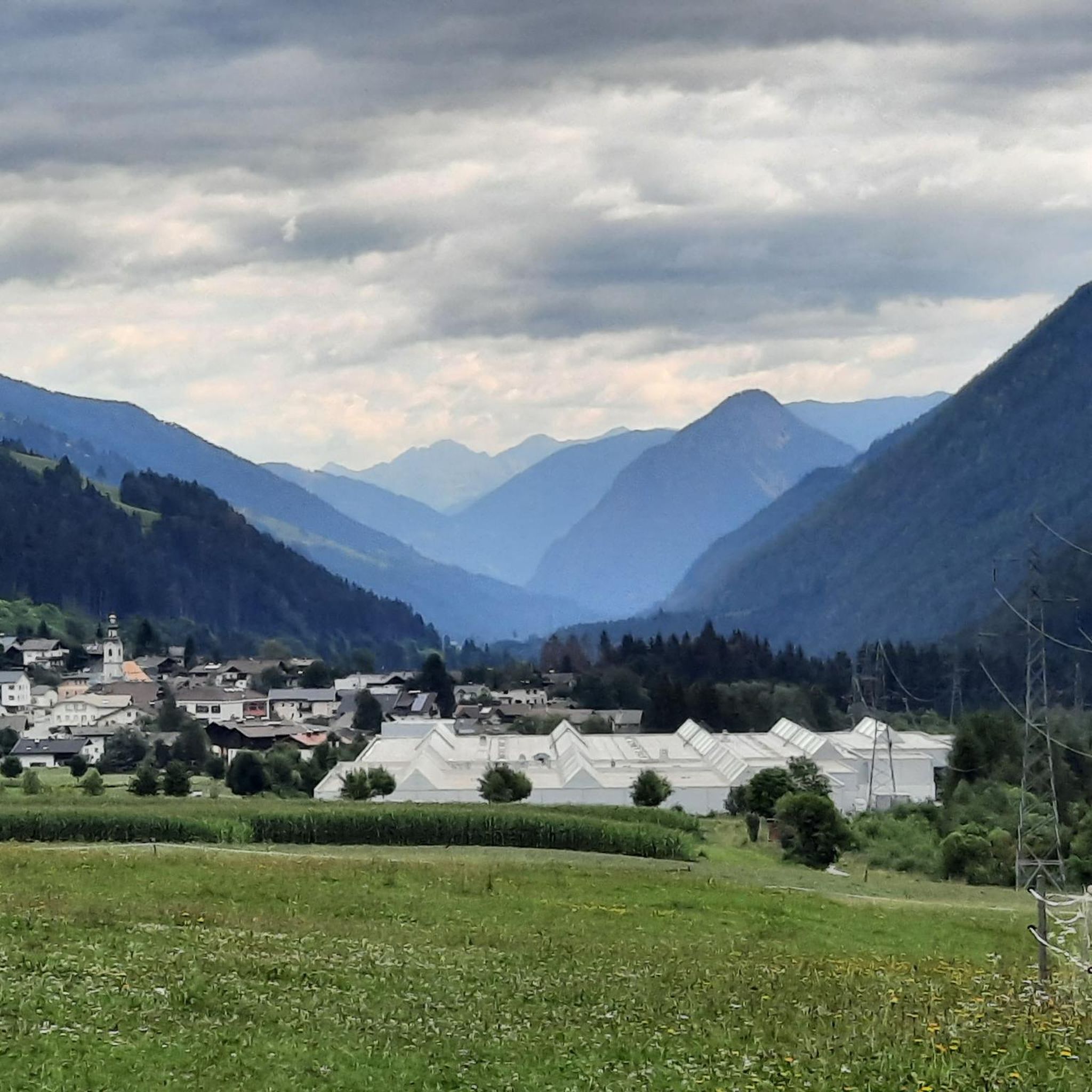
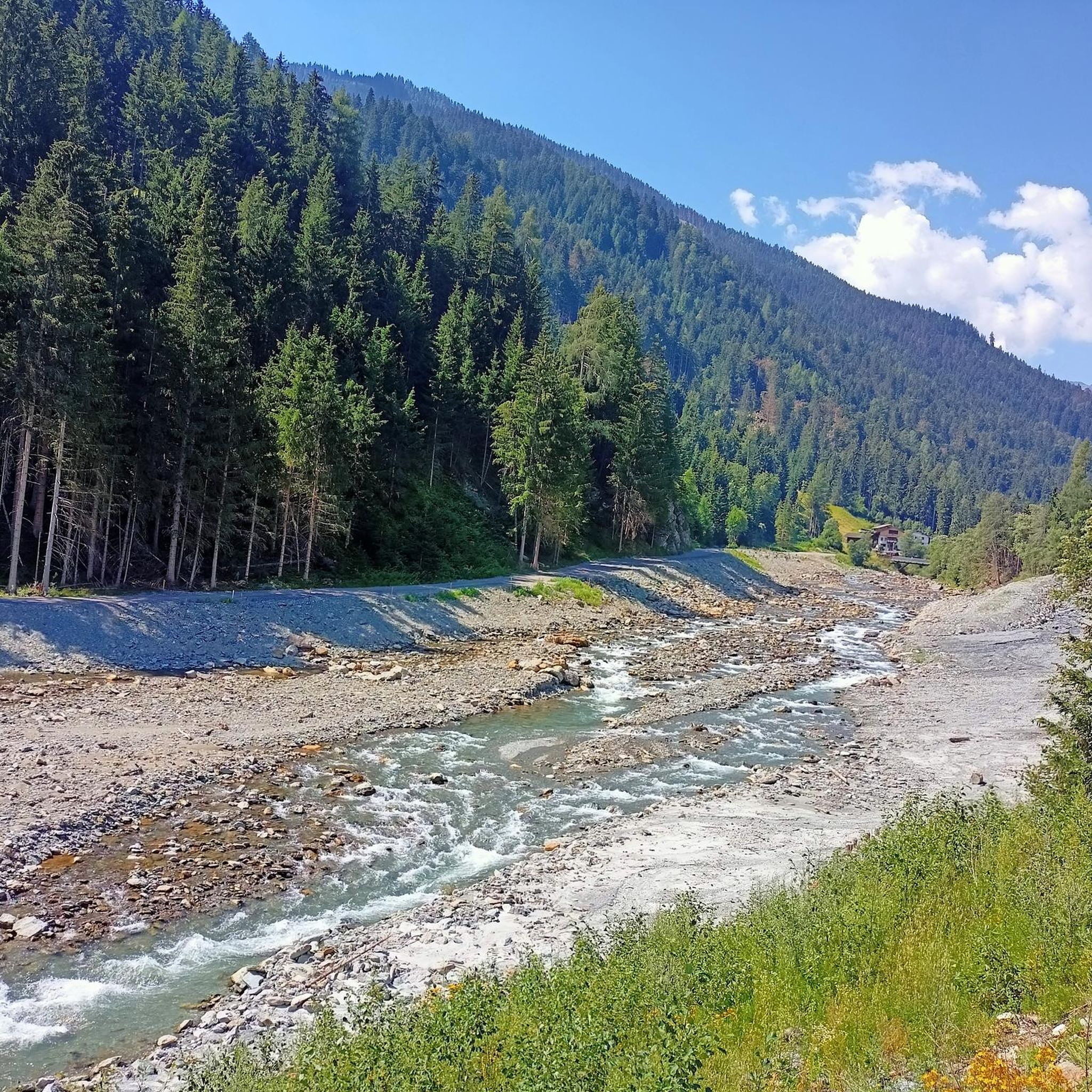
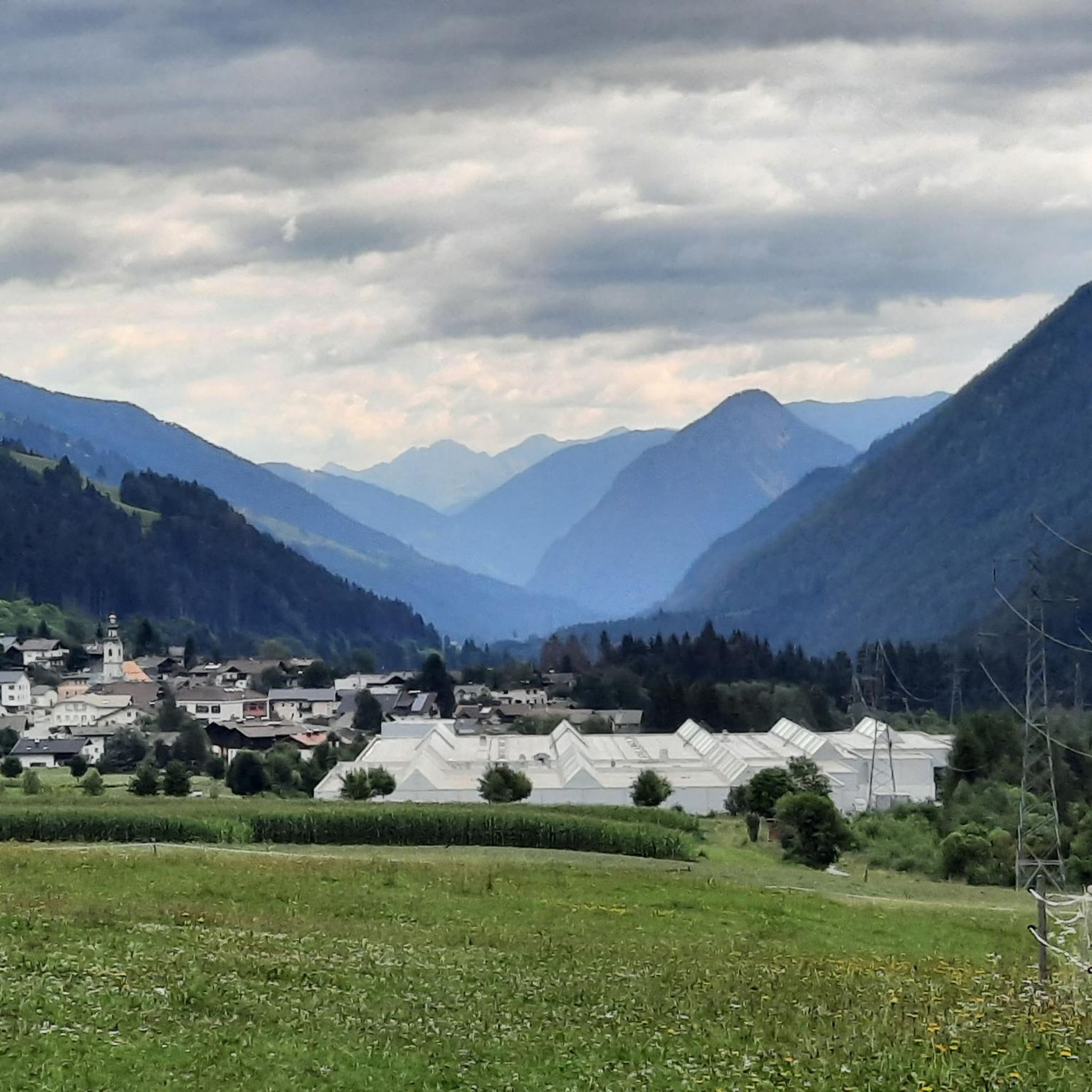
Tips from the Community

Übergang zwischen dem Lesachtal und dem Val Visdende. Ab hier kann man sich entscheiden, ob man über den Höhenrücken zum Hochweißstein wandert oder die entspanntere Variante über die Malghen macht.
0
0

Spectacular view, very pleasant road although quite steep
2
0

Anyone who thinks the climb is over here is wrong. Now there is another climb with quite loose ground... most people will probably have to push - me too 😉
3
0

The Tilliacher Joch was already an important crossing point in 1822, where a lively timber trade took place between the Italians and the people of Obertilliach. The timber was used at the time for fortifying Venice, for building houses and bridges, as well as for gondolas and ships. In 1915, the Tilliacher Joch was occupied by the Lesachtal Standschützen Company and the Porzescharte opposite was occupied by the Italians. The Carnic High Route has made the two crossings more important again in modern times.
2
0

On the Tilliacher Joch I always have to be quiet when I see witnesses to senseless wars.
1
0

One of the Stoneman control stations at 2,320 m. Take a breather, recharge your batteries and enjoy the view before continuing over the scree field.
7
0

From the pass you can continue towards Col Quaternà and then conclude with the beautiful descent of Monte Spina; alternatively, go down to the right towards Malga Nemes / Col Trondo for a forest road to be done at full speed, very fun, then the possibilities to go down to the Montecroce Pass are many. Continuing straight instead you head towards Val Digon.
4
0

From Kartitsch to Kötschach the asphalt is terrible. You're constantly stuck on the brakes and have to be extremely careful and constantly slaloming to avoid hitting holes or longitudinal cracks. I really felt sorry for my bike on the piste. It also tends to be downhill, as there are often short, sharp climbs in between, which give you another 400m of uphill climbing to Kötschach. All in all, the descent is not much fun.
0
1
Frequently Asked Questions
What are some notable mountain passes accessible from Abfaltersbach?
From Abfaltersbach, you can easily reach several impressive mountain passes. The Staller Saddle connects Austria and Italy with unique one-way traffic. For challenging high-alpine routes, consider the Klammljoch Pass. The Kartitsch Saddle is a great starting point for local hikes, and the iconic Grossglockner High Alpine Road, though a bit further, offers unparalleled panoramic views of Austria's highest mountain.
Are there mountain passes near Abfaltersbach with unique driving conditions?
Yes, the Staller Saddle (Staller Sattel / Passo di Stalle) is known for its distinctive traffic regulation. The Italian side features a narrow road with a one-way system controlled by traffic lights. Traffic from Austria is permitted during the first 15 minutes of every hour, while traffic from Italy is allowed during minutes 30-45 past the hour. This offers a unique cross-border driving experience.
What kind of hiking opportunities are available near the mountain passes around Abfaltersbach?
The area around Abfaltersbach offers a wide range of hiking opportunities, from easy strolls to challenging mountain ascents. For instance, near the Kartitsch Saddle, you can find easy routes like the Beehive – View of the Tannwiesen loop. More challenging mountain hikes, such as the Obstansersee Hut loop, are also accessible, providing diverse terrain for all skill levels.
Are there challenging routes for experienced hikers or mountain bikers?
Absolutely. The Klammljoch Pass, at 2,295 meters, is ideal for experienced hikers and mountain bikers seeking demanding high-alpine environments, though some sections may require carrying bikes. Additionally, the Demutspassage (Stoneman Dolomiti Trail) is a challenging trail with sections over 2,000 meters, offering dramatic scenery within the Dolomites.
Do any mountain passes near Abfaltersbach have historical significance?
Yes, the Tilliacher Pass (Forcella Dignas) is particularly rich in history. It marks the Austrian-Italian border and features well-preserved World War I positions, as it was fiercely contested during the war. It was also an important crossing point for timber trade as early as 1822.
Where can I find the best panoramic views among the mountain passes?
For breathtaking panoramic views, the Staller Saddle offers stunning vistas in all directions, complemented by the picturesque Obersee lake. The Grossglockner High Alpine Road is renowned for its unparalleled high-alpine scenery. Additionally, the Pfannspitze Peak, accessible from the Carnic High Trail, provides a sensational 360-degree panorama of the Sexten Dolomites and the Central Alps.
What is the best time to visit the mountain passes around Abfaltersbach?
Most mountain passes in the region, such as the Staller Saddle, are typically open from May to October. This period generally offers the best weather conditions for driving, cycling, and hiking, allowing full access to the high-alpine routes and their stunning scenery. Always check local conditions before planning your trip, especially in early spring or late autumn.
Are there any easy or beginner-friendly mountain passes for cycling or driving?
The Kartitsch Saddle offers a pleasant and smooth climb from Sillian, making it a good option for cyclists looking for a less strenuous ascent. The road is well-paved, and it's a scenic route to enjoy the Tyrolean Gailtal. For drivers, the Felbertauern Road is highlighted for its convenience and stunning views without heavy traffic, providing a comfortable journey through the Alps.
What do visitors enjoy most about the mountain passes near Abfaltersbach?
Visitors frequently praise the dramatic scenery, the unique cross-border experiences, and the challenging yet rewarding trails. Many appreciate the opportunity to switch off and immerse themselves in the high-alpine environment, with highlights like the Demutspassage being described as an 'absolute highlight' and a 'dream to drive'. The combination of natural beauty and historical context also adds to the appeal.
Can I find places to rest or enjoy views along the mountain passes?
Yes, many passes offer designated spots for rest and enjoying the scenery. For example, the Stoneman checkpoint Passo Silvella serves as a control station at 2,320 meters, providing a perfect spot to take a breather and enjoy the views before continuing your journey. The Staller Saddle also features the picturesque Obersee lake, ideal for a walk and relaxation.
Are there any mountain passes that connect East Tyrol with other regions?
Yes, several passes serve as important connections. The Staller Saddle links East Tyrol, Austria, with South Tyrol, Italy. The Klammljoch Pass connects Sand in Taufers in South Tyrol with St. Jakob in Defereggental. Additionally, the Felbertauern Road provides a convenient and scenic route connecting East Tyrol with Salzburg, making it easy to travel between these regions.
Most popular routes around Abfaltersbach
Most popular attractions around Abfaltersbach

Get inspired with the komoot mobile app


Explore more
See even more epic mountain passes by checking out these guides around Abfaltersbach:
