Top 10 Castles around Châtillon
Best castles around Châtillon are located in the Aosta Valley, Italy, a region characterized by its mountainous landscape and historical architecture. This area features numerous medieval castles, often strategically positioned on hills or rocky spurs, providing views over the Dora Baltea river valley. The castles reflect centuries of history, from defensive strongholds to noble residences, integrated into the natural environment.
Best castles around Châtillon
- The most popular castles is Fénis Castle, a castle that features an abundance of towers…
Last updated: October 10, 2026
Fénis Castle
Highlight • Castle
Combining …
Showing Translation
Tip by

Bovaye - Castello Gamba
Highlight • Castle
Translated by Google •
Tip by

Sign up now to discover places like this
Get recommendations on the best single tracks, peaks, & plenty of other exciting outdoor places.
Verrès Castle
Highlight • Castle
Translated by Google •
Tip by
Ussel Castle
Highlight • Castle
Showing Translation
Tip by

Castello di Issogne
Highlight • Castle
Translated by Google •
Tip by
Sign up for free to discover even more castles around Châtillon.
Already have an account?
Start today with a free account
Your next adventure awaits.
Popular around Châtillon
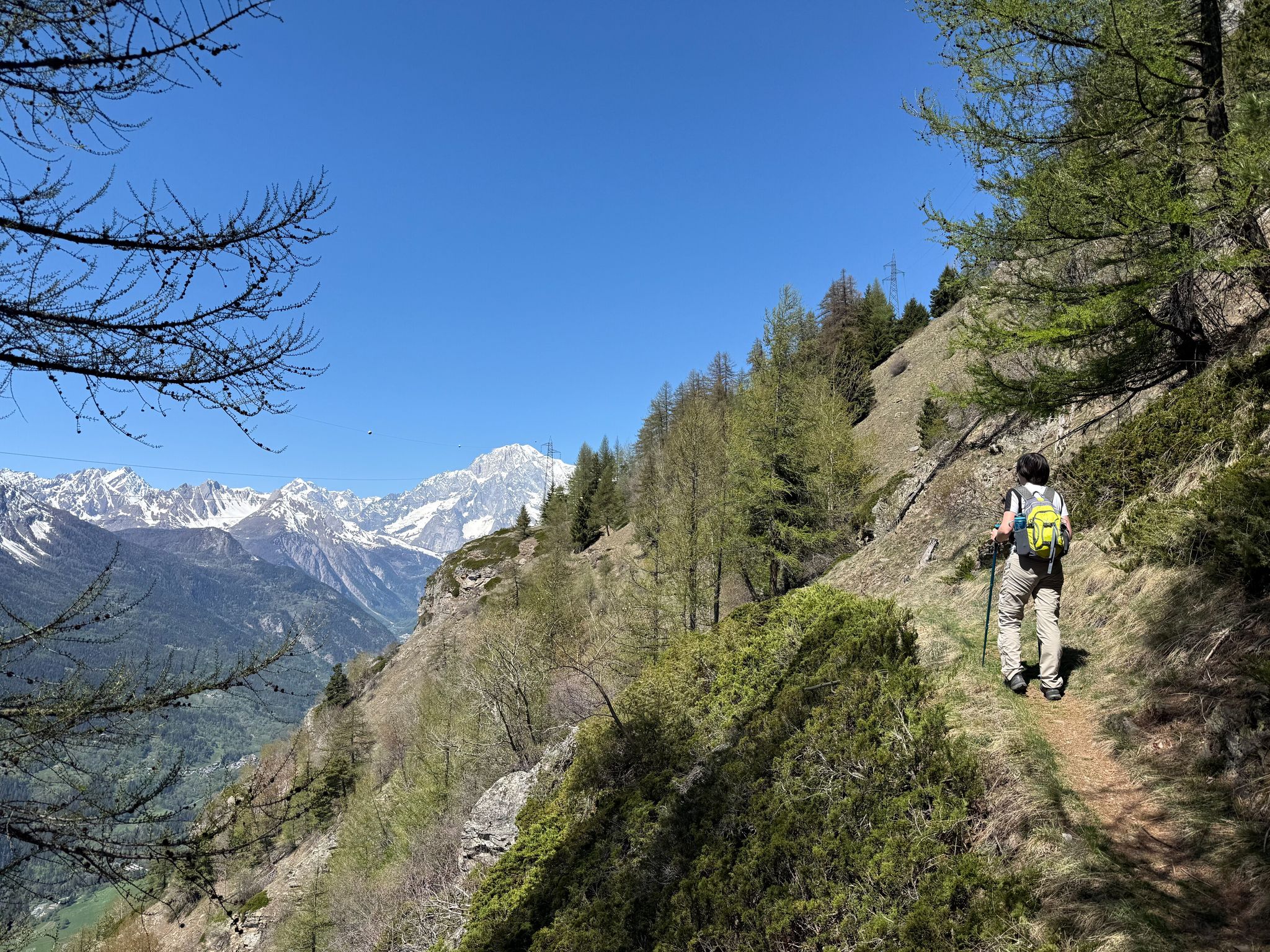
Cammino Balteo – castles, vineyards and trails of the Aosta Valley
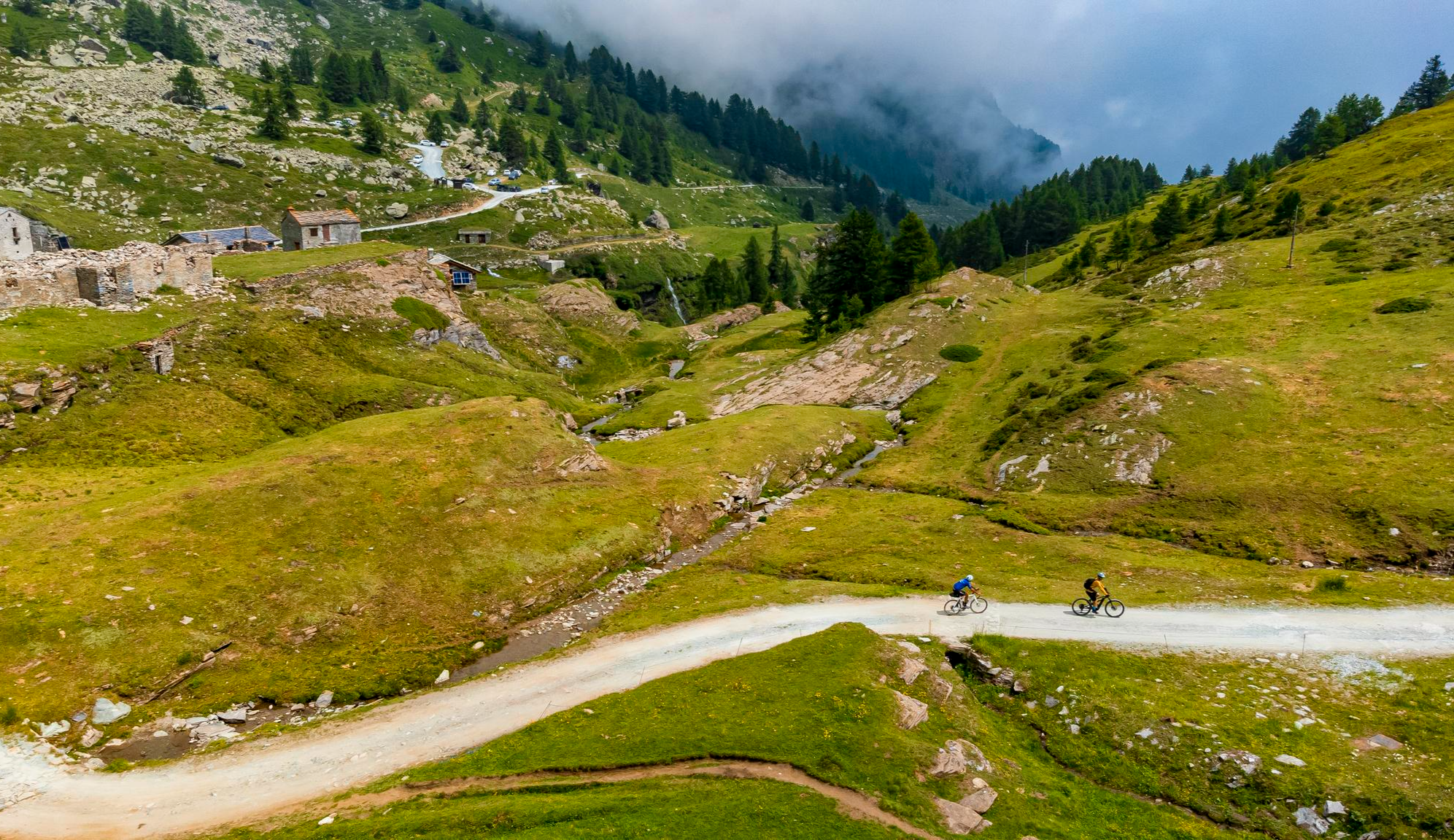
Must-do gravel routes in the Aosta Valley – the heart of the Italian Alps
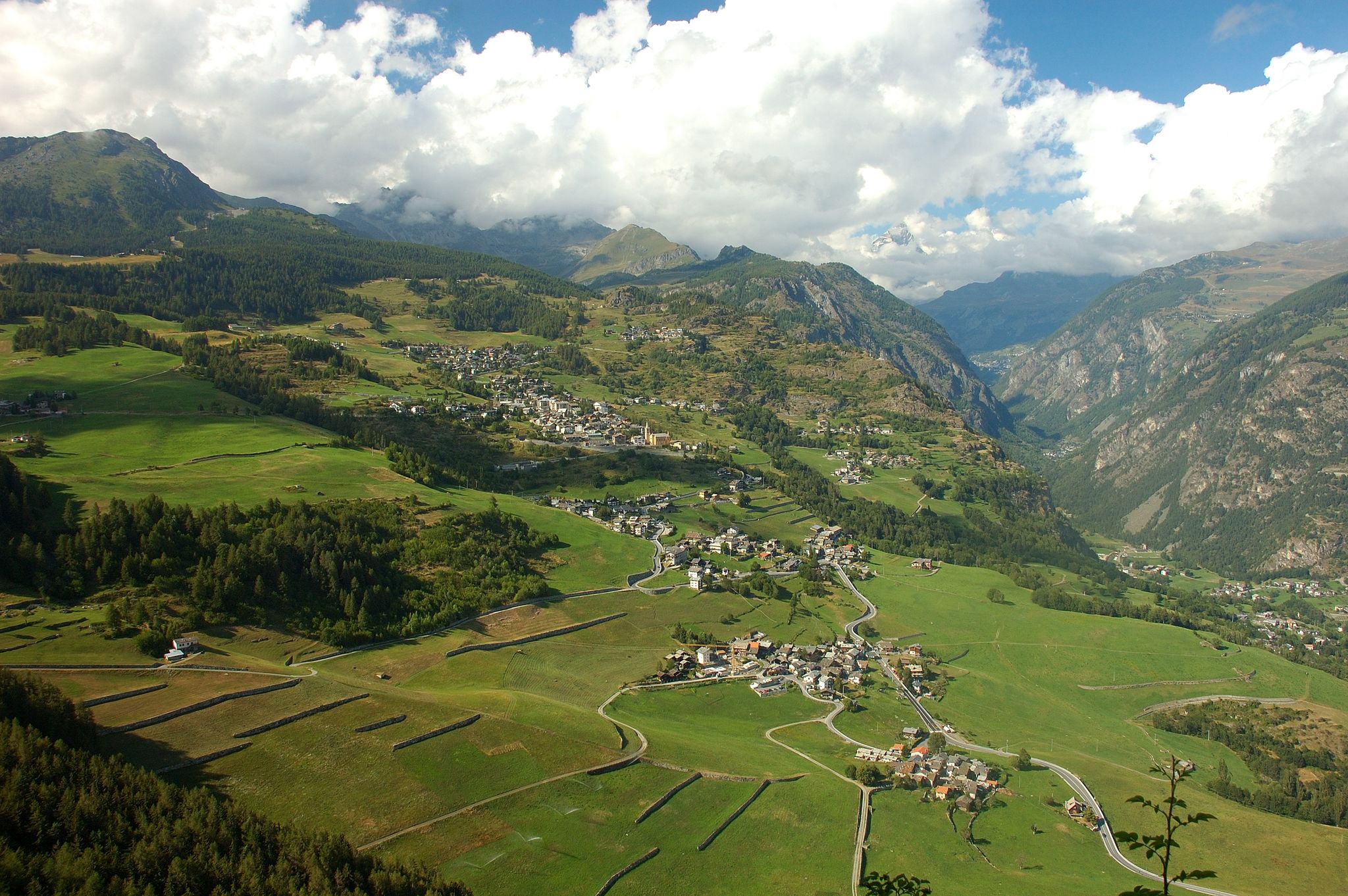
Paths, castles and views of Italy’s Aosta Valley – Cammino Balteo
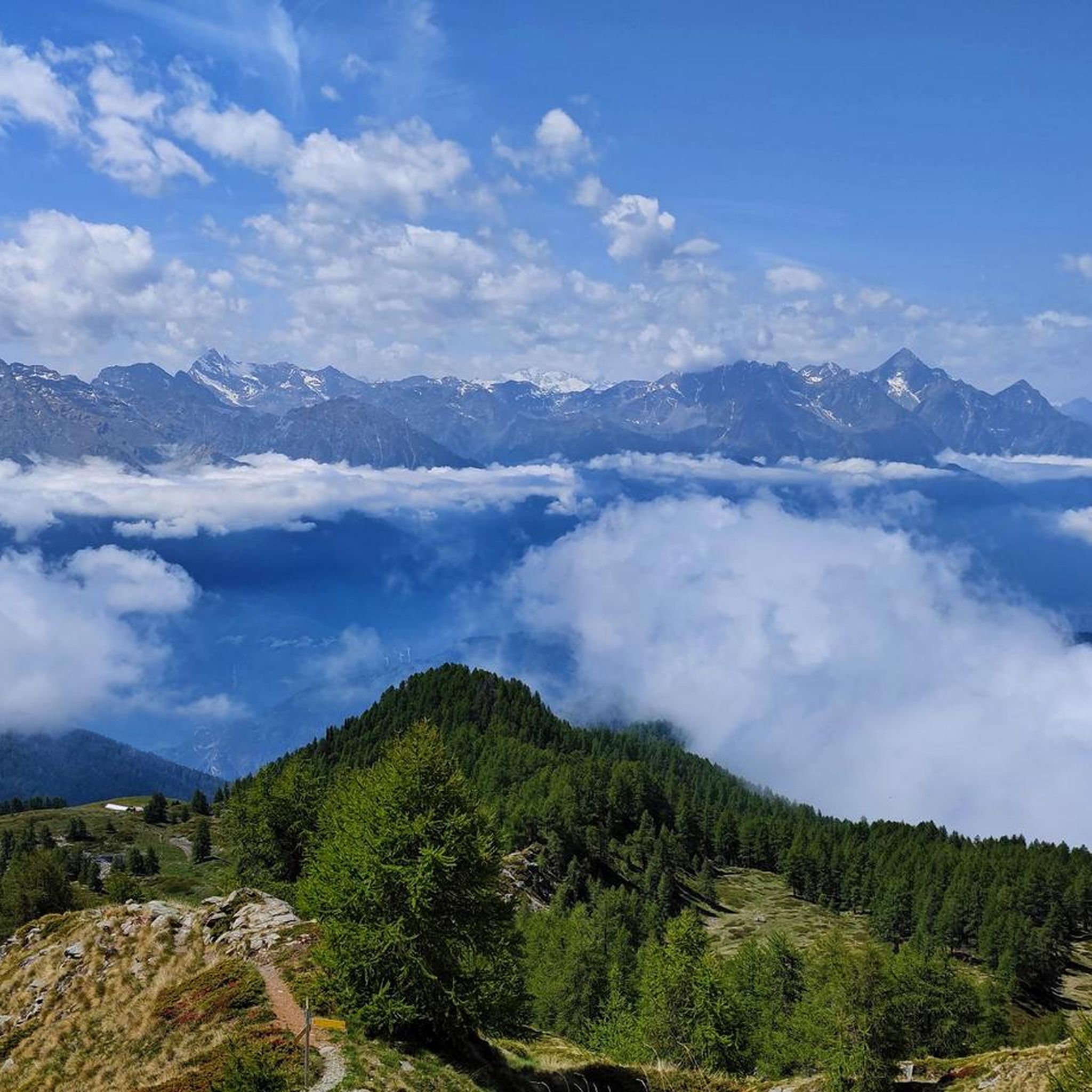
Hiking around Châtillon
Road Cycling Routes around Châtillon

Gravel biking around Châtillon
Cycling around Châtillon
Running Trails around Châtillon
MTB Trails around Châtillon

Mountain Hikes around Châtillon
Other adventures around Châtillon


Tips from the Community

The Ussel Castle, built around 1343 by the Challant family, is one of the first examples of a single-block castle in the Aosta Valley. From its dominant position, it offers a splendid view of the Châtillon plain and can be visited during the summer season for exhibitions and guided tours organized inside.
0
0

Great parking area for the start of the route
0
0

The Ussel Castle is a fortress that dominates the Aosta Valley and marked an era. Built in the mid-14th century by Ebalo II of Challant, it is not the classic castle with many towers, but a single, large, and imposing compact structure. Its position is incredible: it is located at an altitude of 650 meters, on a rocky promontory that seems made specifically to control the entrance to the Valtournenche and the entire plain of the Dora Baltea. From its walls, you have a breathtaking view that spans the entire valley. After centuries of abandonment and ruin, in the late 1980s the castle had a second life thanks to a restoration funded by Baron Marcel Bich (yes, the one from BIC pens). Today it is owned by the Region and, after hosting several exhibitions, it is a magnificent panoramic viewpoint that tells a story of power, architecture, and rebirth, uniting nature and history in a single glance.
0
0


The Castello di Issogne is one of the most famous castles in the Aosta Valley and is known for its Renaissance style that contrasts with the nearby, more austere Castello di Verrès. The castle has a remarkable courtyard with a fountain in the shape of a pomegranate tree and a colorful portico, a rare example of medieval Alpine painting, with frescoes depicting scenes from everyday life in the late Middle Ages. The castle's history dates back to a papal bull in 1151, and it has a rich history that includes its transformation from an episcopal fortress into an elegant princely residence. The castle is open to visitors and offers a unique look at the culture and architecture of the region.
6
0
The Castello di Verrès is an impressive medieval castle in the Aosta Valley, built in the 14th century by Yblet de Challant. The castle is known for its unique monolithic structure, which resembles a solid cube and differs from most other castles of the time which consisted of multiple buildings within a walled enclosure. Dominating the town of Verrès and the entrance to the Val d'Ayas, the castle has a military character that merges with elegant stone details that adorn the windows, doors and monumental mantelpieces. The castle has no corner towers nor a keep.
7
0
The Castello Gamba, also known as Castello Baron Gamba, is a palazzo of 20th century origins in the town of Châtillon, located on a hill in the western region of the city, near the regional hotel school. Surrounded by a park open to the public all year round, the castle offers spectacular views over the valley. It was built as a summer residence and is named after its owner, the Turin baron Carlo Maurizio Gamba. The building's architecture, influenced by the medieval revival style of the time, includes two symmetrical wings that protrude slightly from the front of the castle. Located on the rocky cliff of Crêt-de-Breil, the castle overlooks the Dora Baltea and was originally built as a declaration of love by Baron Gamba to his beloved wife, Angélique Passerin d'Entrèves, originally from Châtillon. Inside, the castle houses the Museo di Arte Moderna e Contemporanea della Valle d'Aosta, with a permanent exhibition of more than 150 works, including those of the famous Romantic painter J.M. William Turner and other artists of the 19th and 20th centuries.
6
0
The worked wooden furniture in this imposing fort is typical of the Aosta Valley. In the courtyard and in the chapel, frescoes from the Gothic workshop of Giacomo Jacquerio depict the lives of the most important saints and those of many wise men and philosophers.
6
0
Frequently Asked Questions
What types of castles can I expect to see around Châtillon in the Aosta Valley?
The Châtillon area in the Aosta Valley, Italy, is rich in historical architecture. You'll find a variety of structures, from medieval fortresses like Fénis Castle, known for its towers and battlements, to noble residences and even 20th-century palazzos such as Bovaye - Castello Gamba, which now houses a museum of modern art. Many are strategically positioned on hills or rocky spurs overlooking the Dora Baltea river valley.
Are there family-friendly castles to visit near Châtillon?
Yes, several castles around Châtillon are considered family-friendly. Both Fénis Castle and Bovaye - Castello Gamba are categorized as family-friendly. Fénis Castle's impressive medieval architecture can spark imagination, while Castello Gamba offers a park and an art museum that might appeal to different age groups.
What are some of the most historically significant castles in the Châtillon area?
Fénis Castle is highly significant, originally built as a prestigious residence for the Challant family, featuring a unique semi-circular stone staircase and 15th-century frescoes. Verrès Castle, built in the 14th century by Yblet de Challant, is notable for its monolithic, cube-like structure, a departure from typical medieval castle designs. Ussel Castle, perched on a steep rocky cliff, served as an important defensive stronghold overlooking the Dora Baltea valley.
What kind of views can I expect from the castles around Châtillon?
Many castles in the Aosta Valley are situated to offer spectacular views. From Bovaye - Castello Gamba, you can enjoy panoramic views over the valley. Ussel Castle, located on a steep rocky cliff, provides a dominant perspective over the Dora Baltea valley. Even the ruins of Chenal Castle, along the Via Francigena, offer scenic glimpses of the surrounding settlement and landscape.
Are there outdoor activities or routes near the castles?
Absolutely. The region around Châtillon is excellent for outdoor activities. You can find numerous cycling routes, such as the 'Dora Baltea Cycle Path' or the 'Châtillon Cycle Path', which can take you past some castles. For mountain biking, there are trails like the 'Aosta Valley Cycle Path – Fénis Castle loop'. Gravel biking options are also available, including the 'Monterosa Gravel Experience'. You can explore more options on the Cycling around Châtillon, MTB Trails around Châtillon, and Gravel biking around Châtillon guide pages.
What do visitors enjoy most about the castles in the Châtillon area?
Visitors frequently appreciate the unique architecture and historical significance of these castles. For instance, Fénis Castle is loved for its abundance of towers and battlements, and its well-preserved interior with wooden furniture and frescoes. The strategic locations of castles like Ussel Castle, offering commanding views, are also highly valued. The overall integration of these historical sites into the stunning mountainous landscape of the Aosta Valley is a major draw.
How long should I plan for a visit to a castle?
The duration of a visit can vary depending on the castle and your interest. For a comprehensive castle like Fénis Castle, with its detailed interiors and frescoes, you might want to allocate 1.5 to 2 hours. For ruins or smaller sites like Chenal Castle, a shorter visit of 30-60 minutes might suffice, especially if combined with a walk or cycle in the surrounding area. Bovaye - Castello Gamba, with its art museum and park, could easily fill 2-3 hours.
Are there any less crowded castles to visit near Châtillon?
While Fénis Castle is very popular, you might find Chenal Castle, which is reduced to ruins, to be a quieter spot, especially as it's located along walking routes like the Via Francigena. Verrès Castle, though impressive, might also offer a less crowded experience compared to the most famous sites, depending on the season.
What is the best time of year to visit the castles around Châtillon?
The spring and autumn months generally offer pleasant weather for exploring the castles and their surroundings, with fewer crowds than peak summer. The Aosta Valley's mountainous setting means that winter can be cold and some access might be limited by snow, though the castles can look particularly dramatic in a snowy landscape. Always check specific opening hours and accessibility before your visit, especially outside of peak season.
Can I find cafes or restaurants near the castles or trails?
Yes, Châtillon and the surrounding towns in the Aosta Valley offer various dining options. While specific cafes might not be directly adjacent to every castle ruin, you'll typically find establishments in the nearby villages. For example, the village of Châtillon itself, or towns like Verrès near Verrès Castle, will have places to eat and drink. It's always a good idea to check local listings for options closest to your chosen castle.
Are there any castles that are particularly good for photography?
Many castles in the region offer fantastic photographic opportunities. Fénis Castle, with its distinctive towers, battlements, and internal courtyard, is highly photogenic. Ussel Castle, perched dramatically on a cliff overlooking the valley, provides stunning landscape shots. The park surrounding Bovaye - Castello Gamba also offers picturesque settings for photography.
Most popular routes around Châtillon
Most popular attractions around Châtillon

Get inspired with the komoot mobile app


Explore more
Looking for the best castles somewhere else? Discover other guides around Châtillon:
