Attractions and Places To See in the Ruby Mountains - Top 11
Best attractions and places to see in the Ruby Mountains, often called the "Alps of Nevada," offer a diverse landscape of glaciated peaks, alpine lakes, and unique ecosystems. This region, largely protected within the Humboldt-Toiyabe National Forest, features extensive glacial formations like U-shaped canyons and moraines. Visitors can explore numerous natural features and historical points of interest across the range.
Best attractions and places to see in the Ruby Mountains
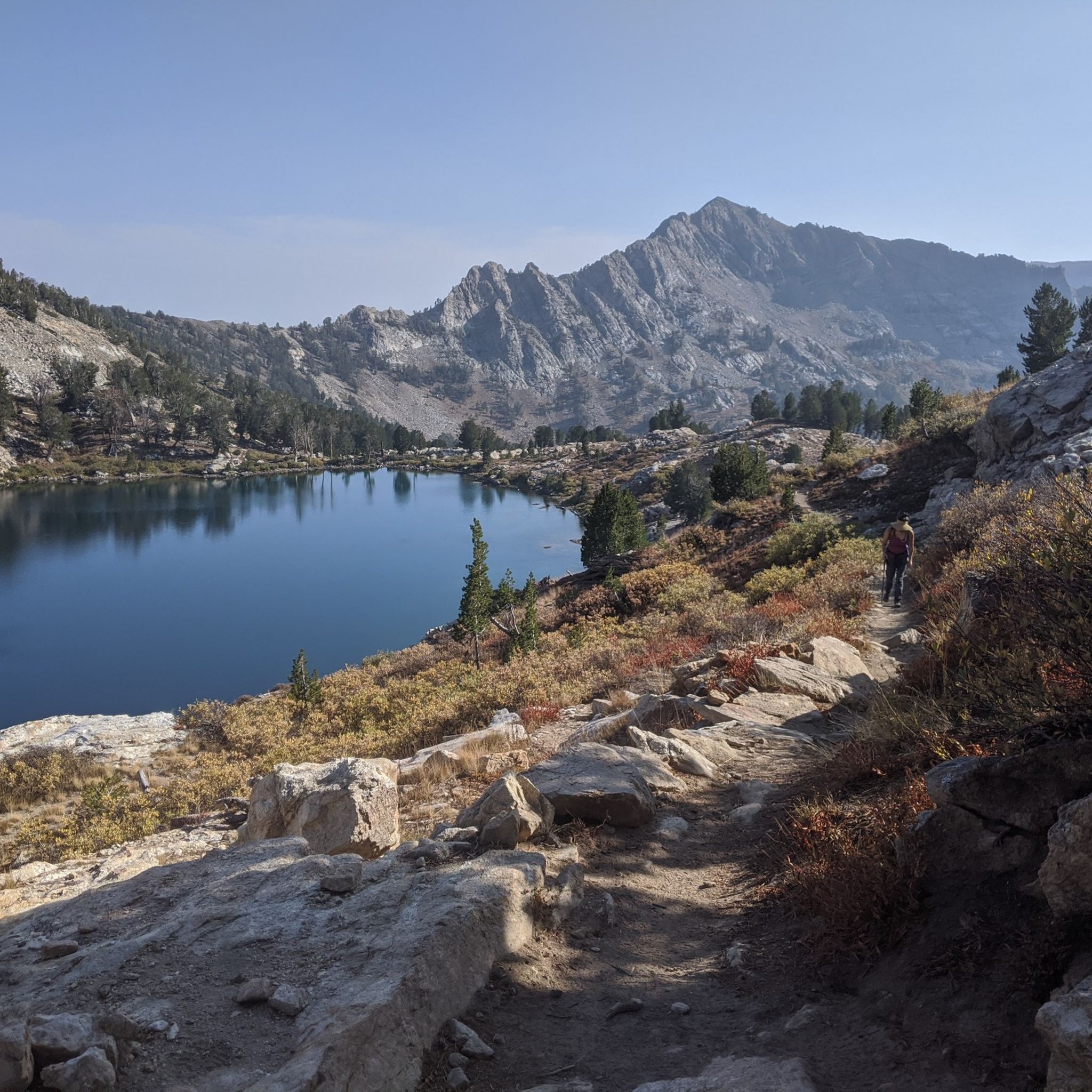
- The most popular attractions is Liberty Lake, a lake that sits at over 10,000 feet above sea level, surrounded by mountainous peaks and deep canyons. The Nevada Department of Wildlife stocks it with different trout species.
- Another must-see spot is North Furlong Lake, a challenging lake destination. An overnight trip is often recommended for this memorable location.
- Visitors also love Castle Lake, a lake accessible via a steep, unmaintained route. The challenging ascent is considered rewarding for its views.
- Ruby Mountains is known for its alpine lakes, glaciated peaks, and historical sites. The region offers a variety of natural features and points of interest to see and explore.
- The attractions in the Ruby Mountains are appreciated by the komoot community, with 1 upvote and 4 photos shared.
Last updated: October 2, 2026
Dollar Lakes
Highlight • Lake
Tip by

Lamoille Lake
Highlight • Lake
Tip by
Sign up now to discover places like this
Get recommendations on the best single tracks, peaks, & plenty of other exciting outdoor places.
Liberty Lake
Highlight • Lake
Tip by
Wells, Nevada
Highlight • Settlement
For biking the freeway is legal to use, and may be the most direct East-West option. The Great Basin Road heading north to Idaho is a good bike route, roughly along the historic emigrant trail.
Tip by

North Furlong Lake
Highlight • Lake
Tip by

Wells Historic Peservation Society
Highlight • Historical Site
Tip by
Castle Lake
Highlight • Lake
Tip by
Historic “dungeon” jail used until 1973
Highlight • Historical Site
Tip by
Thomas Creek
Highlight • River
Tip by
Wells City Park
Highlight • Rest Area
Tip by
Sign up for free to discover even more attractions in the Ruby Mountains.
Already have an account?
Start today with a free account
Your next adventure awaits.
Popular around Ruby Mountains
Tips from the Community

Originally just a small stop along the California emigrant trail from 1849 onwards, the railroad made Wells a more strategic location, later followed by the highway. For biking the freeway is legal to use, and may be the most direct East-West option. The Great Basin Road heading north to Idaho is a good bike route, roughly along the historic emigrant trail.
0
0
Nice large urban park stretching across several city blocks, forming a green oasis in the austere landscape around town. There are shaded picnic areas, benches, restrooms, drinking water fountains, and sports fields.
0
0
Wells preserves many historic relics without much information. Locals Kocalscab explain the history of this small jail that was used by the sheriff until 50 years ago
0
0

Moderate hike with plenty of views and chance of wildlife
0
0

Liberty Lake sits at over 10,000 feet above sea level. This high-alpine body of water is surrounded by mountainous peaks and deep canyons. Frigid winters make it difficult for fish species to survive, so The Nevada Department of Wildlife stock Liberty Lake with different trout species.
0
0
Thomas Creek is known for its many waterfalls within its flow, as well as the tributaries from the surrounding granite cliff sides. You can follow it all the way to its origins at the base of Mt. Fitzgerald.
0
0
Dollar Lakes are a group of three glacial lakes in the Ruby Mountains. Along with Lamoille Lake they are the primary sources of Lamoille Creek.
0
0
Frequently Asked Questions
What are the most prominent natural features to explore in the Ruby Mountains?
The Ruby Mountains are renowned for their stunning natural beauty. A must-see is Liberty Lake, a high-alpine lake situated over 10,000 feet above sea level, surrounded by dramatic peaks. The glacier-carved Lamoille Canyon, often called the "Yosemite of Nevada," offers breathtaking vistas, waterfalls, and wildflower meadows, accessible via the Lamoille Canyon National Scenic Byway. You can also find extensive glacial formations like U-shaped canyons, moraines, and cirques throughout the range.
Which alpine lakes are popular destinations for hiking and fishing?
The Ruby Mountains are dotted with over two dozen alpine lakes. Besides Liberty Lake, which is stocked with various trout species, Lamoille Lake is a popular spot for day hiking and fishing at 9,747 feet. North Furlong Lake and Castle Lake are challenging but rewarding destinations, often recommended for overnight trips or for those seeking spectacular views after a steep ascent. Dollar Lakes are also a group of three glacial lakes worth visiting.
Are there any historical or cultural sites in or near the Ruby Mountains?
While the Ruby Mountains are primarily known for their natural attractions, the surrounding Ruby Valley holds historical significance. It played a role in westward expansion, serving as a path for the Pony Express and witnessing the signing of the 1863 Treaty of Ruby Valley with the Western Shoshone. The nearby town of Wells, Nevada, offers a glimpse into the past with sites like the Wells Historic Preservation Society and a historic "dungeon" jail.
What kind of outdoor activities can I do in the Ruby Mountains?
The Ruby Mountains offer a wide range of outdoor activities throughout the year. In summer, popular activities include hiking, backpacking, fishing, horseback riding, picnicking, and wildlife viewing. During winter, the area transforms into a playground for heli-skiing, backcountry skiing, snowboarding, snowshoeing, and snowmobiling, thanks to its dry, fluffy snow. You can find more details on specific routes for these activities in the Hiking in the Ruby Mountains guide.
Are there specific hiking trails recommended for different difficulty levels?
Yes, the Ruby Mountains offer trails for various skill levels. For an easy hike, consider the route to Dollar Lakes. Moderate options include the Liberty Lake Trail and the Thomas Creek Trail. For challenging and advanced backpacking experiences, the Castle Lake Loop and the multi-day Ruby Crest National Recreation Trail are excellent choices. You can explore these and more in the Hiking in the Ruby Mountains guide.
What is the best time of year to visit the Ruby Mountains?
The best time to visit depends on your desired activities. Summer (roughly June to September) is ideal for hiking, backpacking, fishing, and exploring the alpine lakes when trails are clear of snow. For winter sports like skiing and snowshoeing, the colder months from late fall to early spring offer excellent conditions with abundant snow. The Lamoille Canyon National Scenic Byway is typically open from late spring through fall, offering stunning scenic drives.
Is the Ruby Mountains area family-friendly?
Yes, the Ruby Mountains offer several family-friendly options. Scenic drives like the Lamoille Canyon National Scenic Byway provide easy access to beautiful views and picnic spots without strenuous hiking. There are also designated campgrounds, such as Thomas Canyon Campground, suitable for family stays. For a relaxing stop, Wells City Park in the nearby town of Wells offers facilities for families.
Where can I experience scenic drives in the Ruby Mountains?
The premier scenic drive in the Ruby Mountains is the Lamoille Canyon National Scenic Byway. This 12-mile paved road winds through the glacier-carved Lamoille Canyon, offering spectacular views of waterfalls, avalanche chutes, and wildflower meadows. It provides easy access to various trailheads, campgrounds, and picnic areas, making it a perfect way to experience the range's beauty from your vehicle.
What kind of wildlife can I expect to see in the Ruby Mountains?
The Ruby Mountains are home to diverse wildlife. Visitors often spot large herds of mule deer, mountain goats, and bighorn sheep. The area is also a haven for various bird species, including the introduced Himalayan snowcock. The Ruby Lake National Wildlife Refuge, located in the Ruby Valley, is a vital wetland area for migratory birds and other wildlife, offering excellent viewing opportunities.
Are there any unique geological features to observe in the Ruby Mountains?
Absolutely. The Ruby Mountains are a geological marvel, showcasing extensive evidence of past glaciation. You can observe prominent U-shaped canyons, moraines (deposits of glacial debris), hanging valleys, and steeply carved cirques (amphitheater-like valleys). These features are particularly evident in the central core of the range and along the Lamoille Canyon, earning the area its nickname, the "Alps of Nevada."
What is Ruby Dome, and can I visit it?
Ruby Dome is the highest peak in the Ruby Mountains, reaching an elevation of 11,387 feet (3,471 meters). It is a glaciated peak that offers expansive views of the surrounding range. While it's a significant landmark, reaching the summit typically involves challenging mountaineering or advanced backpacking, making it a destination for experienced hikers and climbers rather than a casual visit.
Most popular routes in the Ruby Mountains
Most popular attractions in the Ruby Mountains

Get inspired with the komoot mobile app


Explore more
Still not found the Highlight you’re looking for? See guides of the top attractions in other regions:
