Attractions and Places To See around Janeiro De Baixo - Top 13
Best attractions and places to see around Janeiro De Baixo include a blend of natural beauty and cultural heritage in Portugal's Central Region. This charming Schist Village, located in the municipality of Pampilhosa da Serra, is nestled amidst the picturesque meanders of the Zêzere River. It is known for its various parks, including a river park, and features traditional schist houses. The region offers opportunities to explore dedicated hiking routes and cultural landmarks.
Best attractions and places to see around…
Last updated: June 28, 2026
Passadiços do Orvalho
Highlight (Segment) • Trail
Translated by Google •
Tip by

Fraga de Água d'Alta Waterfall
Highlight • Waterfall
Translated by Google •
Tip by
Sign up now to discover places like this
Get recommendations on the best single tracks, peaks, & plenty of other exciting outdoor places.
Sign up for free
Amazing trail at Mosqueiro
Highlight (Segment) • Trail
Translated by Google •
Tip by
Fajão
Highlight • Settlement
Translated by Google •
Tip by

São Jorge da Beira
Highlight • Settlement
Translated by Google •
Tip by
Sign up for free to discover even more attractions around Janeiro De Baixo.
Sign up for free
Already have an account?
Start today with a free account
Your next adventure awaits.
Login or Signup
Tips from the Community

José Saramago described São Jorge da Beira as a village "thrown up the hillside," and perhaps there's no better image to convey the spirit of its people. Once called Cebola (Onion), after the neighboring peak, it was a land of shepherds, miners, and blacksmiths, until gaining autonomy in the 19th century and, later, the name of its patron saint. Amidst memories of tungsten and chestnut trees, the village has reinvented itself countless times and today keeps its identity alive, visible in the Museum and in the cultural associations that preserve the heritage of schist and the mountains.
1
0

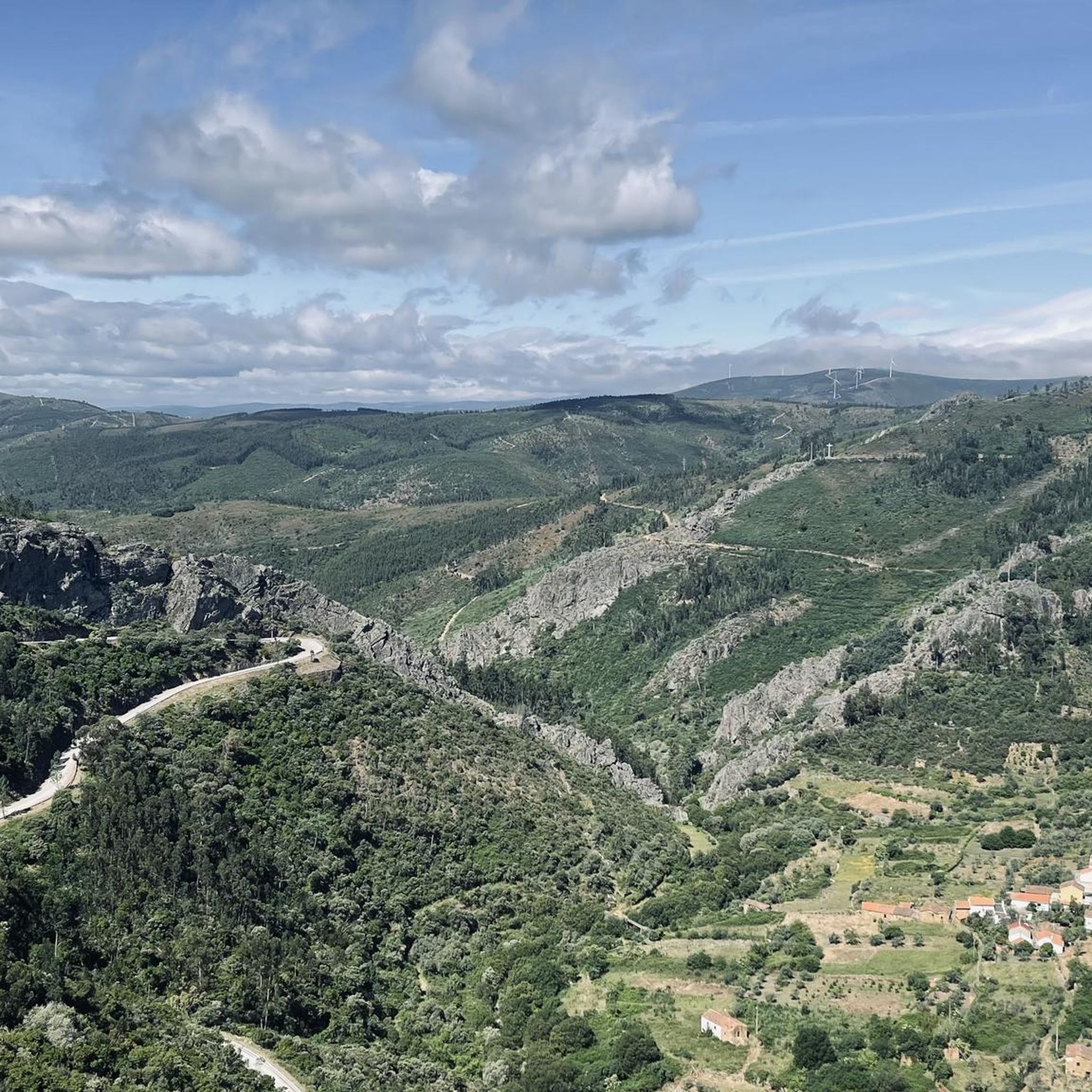
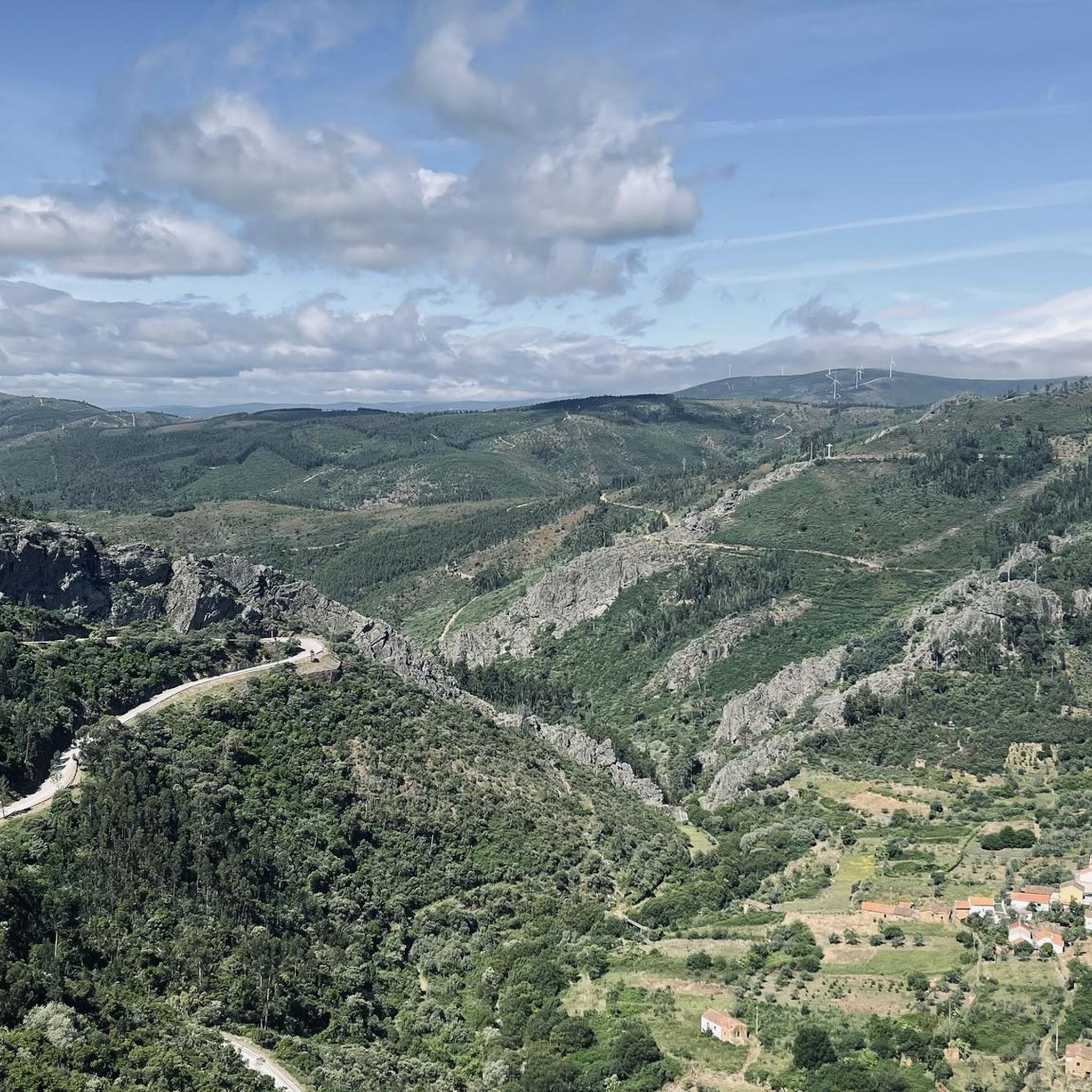
Fajão is nestled between the Serras del Açor and de la Lousã, and stands out for its unique architecture, made mainly of schist (xisto), the local stone that gives it a dark color and a characteristic appearance, making it one of the famous "schist villages" of the region. Fajão also has a parish museum that exhibits sacred art and objects of daily life, and boasts a history linked to the Resistance during the Salazarist regime.
1
0
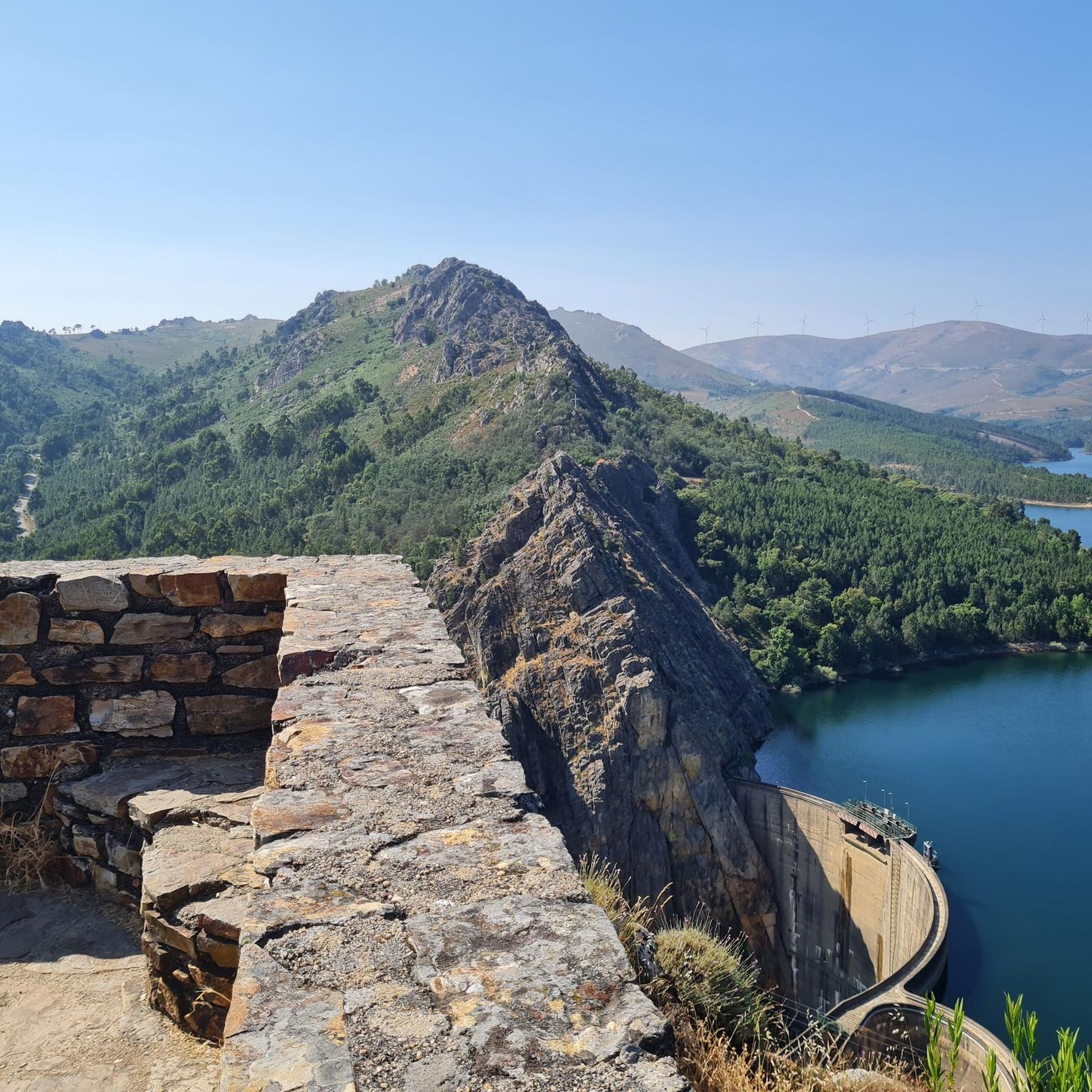
The climb up the walkways to the Cabeço do Mosqueiro viewpoint can be challenging, but every step is worth it. Along the way, traces of the past peek out from the surrounding nature: a stretch of Roman road, old watermills and the Forno das Mouras. Take a break, take a deep breath and let yourself be amazed by the landscape that unfolds around you. This final stretch of the Orvalho Walkways is even more magical at dusk, when the golden light of the sun caresses the slopes. At the top of the cliff, the viewpoint offers an unforgettable view over the Chapel of Nossa Senhora da Confiança and the vast landscape.
3
0
In the heart of Beira Baixa, in the heart of the Naturtejo Geopark, lies one of the most stunning walkways in Portugal. The Orvalho Walkways, part of the PR3 Orvalho GeoRoute, take you along a route where nature and geology intertwine in magnificent settings. Here, you can not only explore UNESCO-listed geomonuments, such as the imposing Fraga de Água d'Alta Waterfall and Cabeço do Mosqueiro, but also admire some of the region's most breathtaking and iconic landscapes.
3
0
Hidden at the base of the Orvalho Walkways, the Fraga de Água d’Alta Waterfall slides down 10 metres of rock, forming a small crystal-clear pool around it. It is a true natural refuge, where a refreshing dip becomes even more irresistible in the scorching summers of Beira Baixa. When the place is calm, the sensation of swimming under the waterfall becomes magical. It is no coincidence that this is considered one of the most beautiful waterfalls in Portugal. And the highest in the region!
3
0
Frequently Asked Questions
What are the main natural features to explore around Janeiro de Baixo?
Janeiro de Baixo is rich in natural beauty, particularly along the Zêzere River. You can enjoy the picturesque meanders of the river, relax at the River Beach of Janeiro de Baixo, or visit the nearby Barragem de Santa Luzia. For hiking, the Passadiços do Orvalho offer a route where nature and geology intertwine, leading to the stunning Fraga de Água d'Alta Waterfall.
What cultural and historical sites can I visit in Janeiro de Baixo?
The village itself is a cultural highlight, known for its traditional Schist Houses built from local stone. You can explore the narrow streets to admire these unique homes. Other notable sites include the Mother Church, featuring 17th and 18th-century altarpieces, and the historical 'Tronco de Ferrar' where animals were shod. Nearby, the village of Fajão also showcases distinctive schist architecture and a parish museum.
Are there family-friendly activities available in Janeiro de Baixo?
Yes, Janeiro de Baixo offers several family-friendly options. The River Beach of Janeiro de Baixo provides a safe sandy area for swimming and picnicking, with canoes available for rent. The village also has a dedicated Janeiro de Baixo Playground for children. Exploring the traditional Schist Houses and the natural surroundings can also be an engaging activity for families.
What kind of hiking trails are available near Janeiro de Baixo?
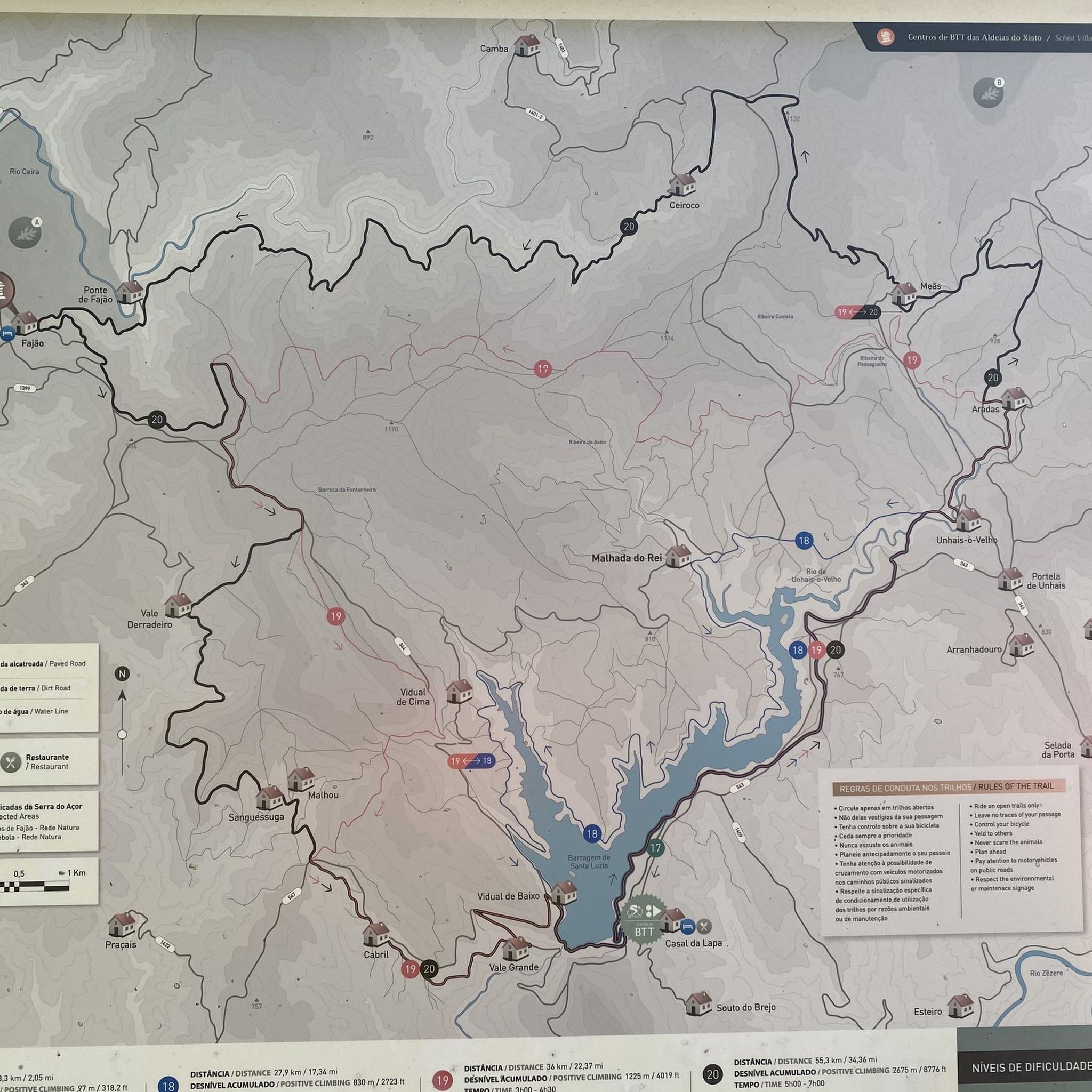
The area around Janeiro de Baixo is excellent for hiking. The Caminho do Xisto de Janeiro de Baixo (Schist Path) is a dedicated route, part of the PR4 PPS. You can also explore the Passadiços do Orvalho, which includes the challenging but rewarding Amazing trail at Mosqueiro leading to a viewpoint. For more options, you can find various hiking routes in the region, including the GeoRota do Orvalho (PR 3) and loops around the Zêzere River. You can find detailed hiking routes at Hiking around Janeiro De Baixo.
Are there any accessible attractions in Janeiro de Baixo?
The River Beach of Janeiro de Baixo is noted for its accessibility, offering a wide sandy area along the Zêzere River suitable for various visitors. While many of the traditional village streets can be narrow and uneven, the main natural features often provide more accessible viewing points.
What outdoor activities, besides hiking, can I do near Janeiro de Baixo?
Beyond hiking, the Zêzere River offers opportunities for canoeing, especially at the River Beach of Janeiro de Baixo where rentals are available. The region is also popular for cycling. You can explore various road cycling routes, such as those offering views of the Zêzere River, or touring bicycle routes that include sights like the Barragem de Santa Luzia. Detailed cycling routes can be found at Road Cycling Routes around Janeiro De Baixo and Cycling around Janeiro De Baixo.
Where can I find wild swimming spots near Janeiro de Baixo?
The River Beach of Janeiro de Baixo on the Zêzere River is an excellent spot for swimming. Additionally, the Fraga de Água d'Alta Waterfall forms a small, crystal-clear pool at its base, offering a refreshing dip, especially during warmer months. It's considered one of the most beautiful waterfalls in Portugal.
What is the best time to visit Janeiro de Baixo for outdoor activities?
The region is particularly appealing during warmer months for outdoor activities like swimming at the river beach or waterfall. The natural environment is vibrant, and the opportunity for a refreshing dip under the Fraga de Água d'Alta Waterfall is highlighted as especially enjoyable in the scorching summers of Beira Baixa. Spring and autumn also offer pleasant temperatures for hiking and exploring the trails.
What makes Janeiro de Baixo a unique destination?
Janeiro de Baixo stands out as a charming Schist Village, characterized by its traditional houses built from local stone, reflecting a unique architectural heritage. It's also known as the 'village of five parks' (camping, children's, sports, river, and leisure parks), offering a diverse range of recreational opportunities. Its setting amidst the picturesque meanders of the Zêzere River further enhances its appeal as a tranquil escape blending nature and culture.
Are there any viewpoints offering scenic landscapes?
Yes, the area boasts several scenic viewpoints. The Amazing trail at Mosqueiro leads to the Cabeço do Mosqueiro viewpoint, which offers an unforgettable view over the Chapel of Nossa Senhora da Confiança and the vast surrounding landscape. The picturesque meanders of the Zêzere River also provide stunning scenic views throughout the region.
What are some lesser-known but interesting places to visit near Janeiro de Baixo?
Beyond the main attractions, exploring the nearby Schist Villages like Fajão offers a deeper dive into the region's unique architecture and history. Fajão, nestled between the Serras del Açor and de la Lousã, has a parish museum and a history linked to the Resistance. Another interesting village is São Jorge da Beira, known for its history as a land of shepherds, miners, and blacksmiths, with a museum preserving its heritage.
What should I wear for hiking in Janeiro de Baixo?
For hiking in Janeiro de Baixo, it's advisable to wear comfortable, sturdy footwear suitable for varied terrain, as trails can range from easy paths to more challenging climbs. Layered clothing is recommended to adapt to changing weather conditions, especially if you plan to hike near the Fraga de Água d'Alta Waterfall or higher viewpoints. Don't forget sun protection and plenty of water, particularly during warmer months.
Most popular routes around Janeiro De Baixo

Get inspired with the komoot mobile app


Explore more
Still not found the Highlight you’re looking for? See guides of the top attractions in other regions:
