The best gravel rides around Soutiers
4.0
(2)
36
riders
10
rides
Gravel biking around Soutiers France offers routes through the peaceful, rural landscapes of the Deux-Sèvres department. The region is characterized by rolling farmland, wooded valleys, and riverbanks, including those of the Sèvre Nantaise and Sèvre Niortaise. Riders can expect a mix of quiet country roads, farm tracks, and greenways, providing varied terrain for gravel cycling. The Gâtine region, which includes Soutiers, is particularly recognized for its hilly bocage landscape.
Best gravel bike trails around Soutiers
- The most popular gravel bike…
Last updated: July 5, 2026
7
riders
99.9km
06:16
770m
770m
Hard gravel ride. Very good fitness required. You may need to push your bike for some segments of this route.
4
riders
88.8km
05:03
600m
600m
Hard gravel ride. Very good fitness required. Mostly paved surfaces. Suitable for all skill levels.

Sign up for free
4.0
(2)
3
riders
34.7km
02:10
280m
280m
Moderate gravel ride. Good fitness required. Mostly paved surfaces. Suitable for all skill levels.
3
riders
69.2km
03:58
500m
500m
Hard gravel ride. Very good fitness required. You may need to push your bike for some segments of this route.
3
riders
90.1km
05:25
600m
600m
Hard gravel ride. Very good fitness required. Mostly paved surfaces. Suitable for all skill levels.
Get access to more routes and recommendations from other explorers.
Sign up for free
Already have an account?
Our route recommendations are based on thousands of hikes, rides, and runs completed by other people on komoot.
Start today with a free account
Your next adventure awaits.
Login or Signup


Tips from the Community

The Church of Notre-Dame de La Peyratte was built in the early 12th century by the monks of the Abbey of Sainte-Croix de Talmont in the Diocese of Luçon. Its austerity, simplicity, and choice of building materials make it a fine example of the churches of Gâtine. The work involves the general restoration of the church in five phases, beginning with the exterior and then the interior. The project management was entrusted to the Marie-Pierre Nigués agency, a heritage architect. A diagnostic study conducted in 2016 by the Niguès firm estimated the total cost of the work at €1,619,783 excluding tax. Prior to the start of work, the church underwent an archaeological assessment in 2018 and a study of the painted decorations in September 2019. The Nouvelle-Aquitaine Regional Directorate of Cultural Affairs is subsidizing the first phase of exterior work, 45% in 2017, 50% in 2021, and 40% in 2022. The municipality is benefiting from an exceptional Local Investment Support Grant of €120,000 for the entire exterior work. The Nouvelle-Aquitaine Region and the Deux-Sèvres Departmental Council are financial partners in the project. A subscription is also open on the Heritage Foundation's website. The Regional Conservation of Historic Monuments – Poitiers site and the Deux-Sèvres Departmental Architecture and Heritage Unit of the DRAC are providing scientific and technical oversight for this restoration.
0
0

The "Filles de Bressuire," monumental sculptural works by Franck Ayroles, adorn the Bressuire train station square. Installed in 2021, they welcome travelers as an artistic nod to the city.
0
0
The old Clécé train station marks a stop on the old railway line converted into a greenway. The disused building, with its simple lines and exposed timbers, is a perfect resting spot for a break.
1
0

The Church of Saint-Généroux is a site well worth a visit during a hike. It dates back to the 10th century and is considered one of the oldest churches in France, as it features pre-Romanesque architecture found nowhere else. The church is located on the banks of the Thouet River. You can also admire the Romanesque bridge (13th century).
0
0
The Château de la Roche-Faton, located in Lhoumois (Deux-Sèvres) in Nouvelle-Aquitaine, is an elegant castle listed as a Historic Monument, dating from the medieval period and enriched during the Renaissance. 🏰 History & Architecture Mentioned as early as 1179, burned down in 1417, it was rebuilt starting in 1544 by Mathurin Pidoux. It comprises three buildings around a courtyard, round towers, a gatehouse with drawbridges (now lost), and outbuildings built in the 17th century. The fortified entrance is flanked by machicolations, while the central building includes a 15th-16th-century main building, crowned by an authentic spiral staircase. 🖼️ Interiors & Decor Several intact fireplaces from the 15th and 18th centuries, as well as a large living room decorated with 18th-century stucco. The Saint-Nicolas Chapel contains the tombstones of Charles-Marie-Auguste de Beaumont, Marquis d'Autichamp, and his wife. 🌳 Gardens & Park An English-style landscaped park and French gardens – designed in the 17th century by the Lords of Vassé – surround the château. A pond from the former moat also remains. 🛡️ Protection & Visits Listed as a Historic Monument: facades and roofs of the main building registered in 1973, wings of the outbuildings in 1993. A private property belonging to the du Dresnay family, the château is open for guided tours of the exterior and for events such as European Heritage Days.
2
0
Things to See & Do Ramparts: With approximately 30 semicircular towers, the granite walls symbolize medieval urban robustness. Ruined Castle: All that remains of the castle is a round tower (perhaps the keep) and sections of walls restored since the 1980s. Panoramic Walk: The rampart path offers splendid views of the Thouet Valley and the Saint-Paul district.
1
0
History & Architecture Medieval Construction: Built in the early 13th century under the aegis of John Lackland, the citadel rests on a natural promontory reinforced by three defensive walls, towers, and ramparts. Castle and Bastion: Its original, isolated castle included towers such as the Powder Tower and the Harcourt Tower. In the 15th century, Arthur de Richemont added the bastille and an artillery boulevard. Citadel Gate (or Clock Gate): The gatehouse is flanked by two almond-shaped towers and topped with a clock tower. A granite staircase provides access to the guardroom and the patrol path.
1
0
The citadel of Parthenay, nicknamed the "little Carcassonne of the West", is one of the city's heritage jewels, perched on a rocky spur overlooking the bend of the Thouet River.
1
0
Frequently Asked Questions
How many gravel bike trails are available around Soutiers?
There are 12 gravel bike routes available around Soutiers. The majority of these, 10 routes, are classified as difficult, while 2 are moderate. This area is best suited for experienced riders looking for a challenge.
Are there any easy or family-friendly gravel bike routes in Soutiers?
While the majority of routes around Soutiers are challenging, the wider Deux-Sèvres region does offer extensive cycling routes, including greenways (voies vertes) that are car-free and ideal for leisurely rides. These might be more suitable for families or beginners, though specific easy gravel routes directly in Soutiers are limited in this guide.
What kind of terrain can I expect on gravel bike trails around Soutiers?
Gravel biking around Soutiers features peaceful, rural landscapes characterized by rolling farmland, wooded valleys, and riverbanks, including those of the Sèvre Nantaise and Sèvre Niortaise. You'll encounter a mix of quiet country roads, farm tracks, and greenways, offering varied terrain with significant elevation changes on many routes.
What are some of the longer and more challenging gravel routes in the area?
For experienced riders seeking a challenge, routes like the Vasles – Village of Sheep – View of the Citadel loop from Saint-Pardoux-Soutiers cover nearly 100 km with significant elevation gain. Another demanding option is the Gourgé bridge – Airvault loop from Parthenay, which explores river valleys and offers extensive views.
Are there any circular gravel bike routes around Soutiers?
Yes, many of the gravel routes around Soutiers are designed as loops. For example, the View of the Citadel – Stream Along the Voie Verte loop from Parthenay is a 89.1 km circular trail through varied terrain, typically completed in about 7 hours 10 minutes.
What landmarks or scenic viewpoints can I expect to see on these trails?
The routes often pass by interesting sights. You might encounter the View of the Citadel Bridge in Parthenay, enjoy views from the View of the Citadel itself, or ride Along the Thouet river. The region's rolling farmland and wooded valleys also offer many scenic vistas.
Is there parking available near the gravel bike trails in Soutiers?
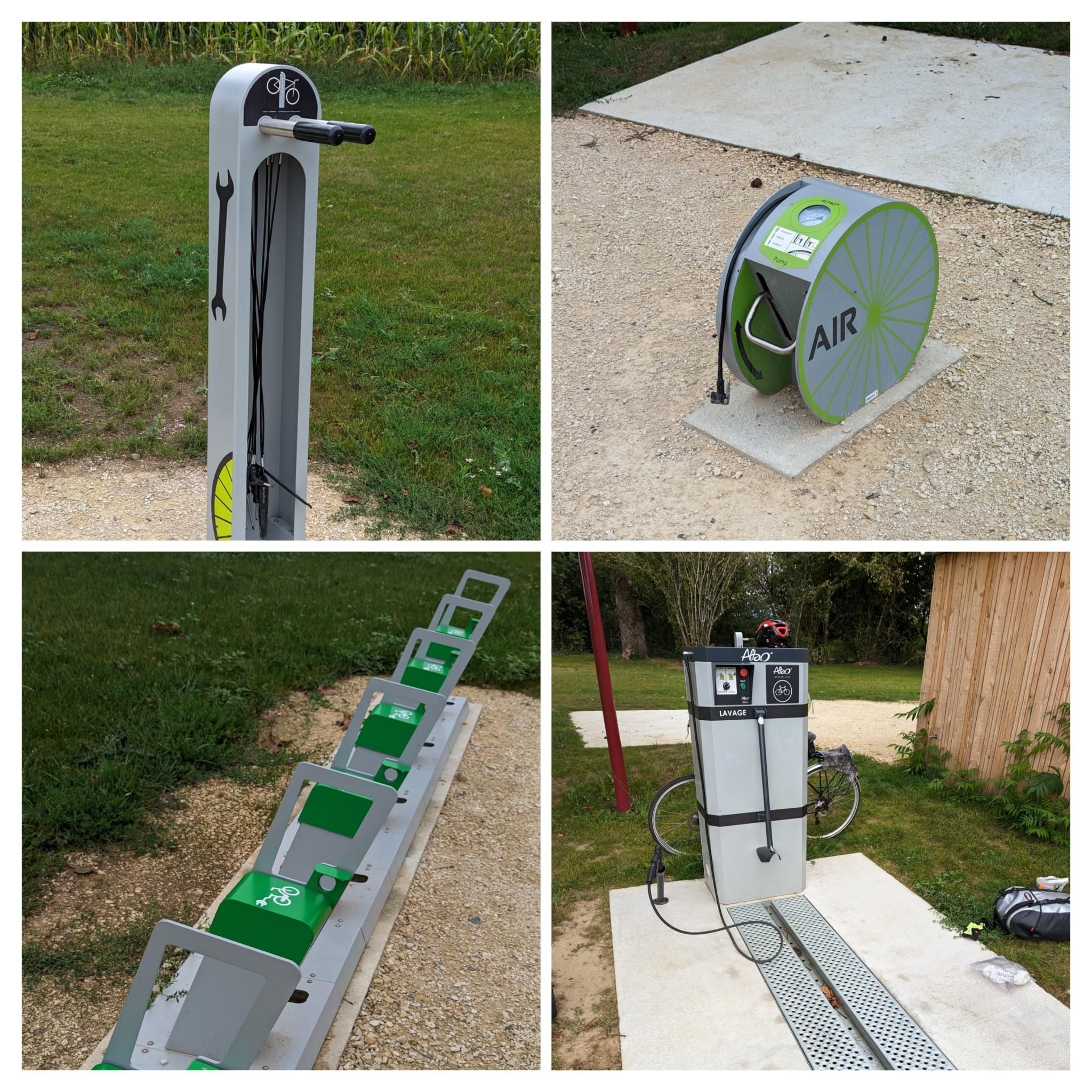
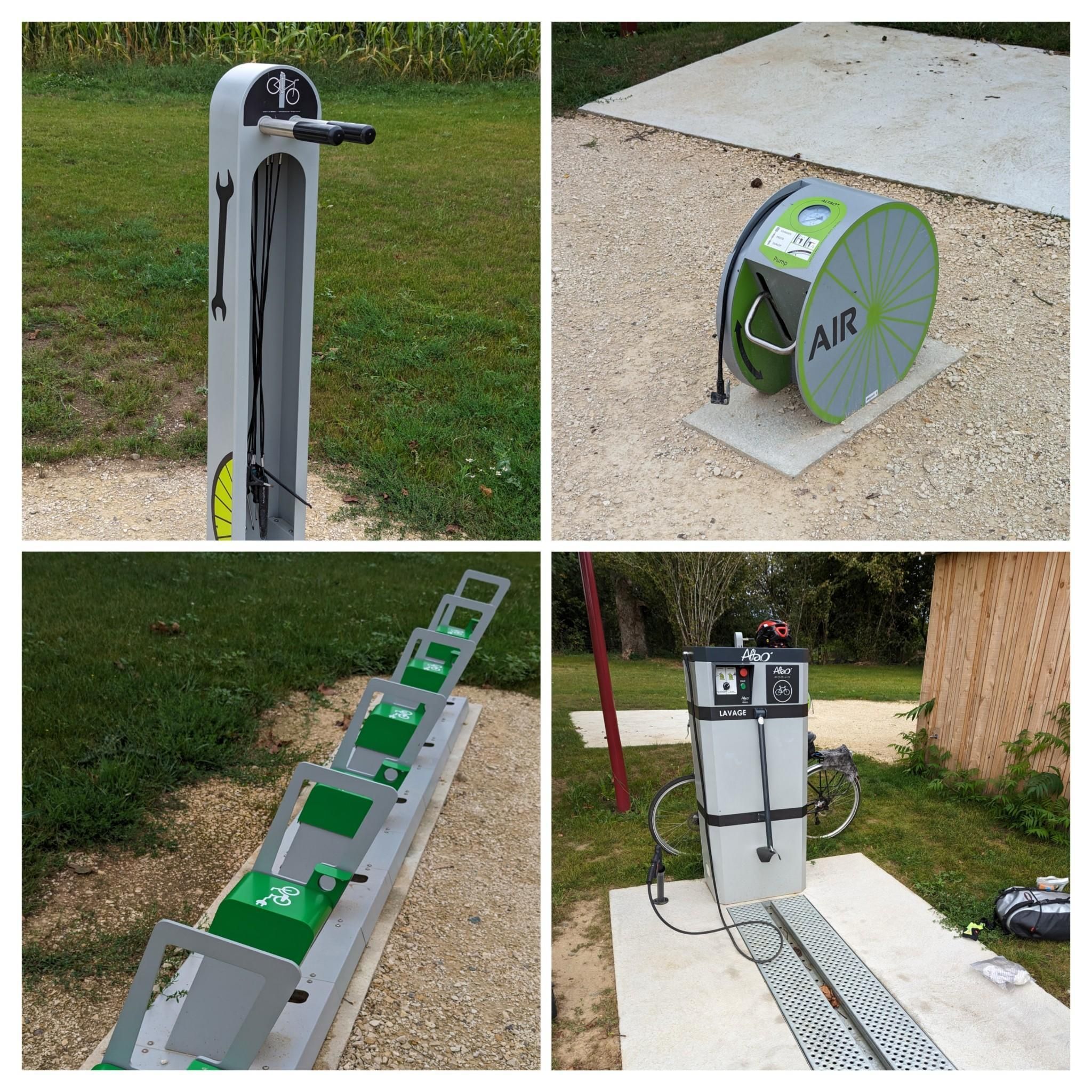
While specific parking details for each trailhead are not provided, the region is generally rural. Many routes start from towns like Parthenay, where public parking is typically available. For longer routes, consider starting points with amenities like the "Halte vélo Francette" in Soutiers, which offers repair tools, charging points, and picnic areas.
What is the best time of year for gravel biking around Soutiers?
The Deux-Sèvres department, where Soutiers is located, is known for its pleasant rural landscapes. Spring and autumn generally offer the most comfortable temperatures for cycling, with less extreme heat than summer and fewer muddy conditions than winter. The Valensole Plateau, though not directly in Soutiers, is famous for lavender fields in late spring/summer, suggesting the broader region is beautiful during these times.
Are there any facilities or cafes along the gravel bike routes?
Soutiers itself has amenities for cyclists, such as a "Halte vélo Francette" which provides repair tools, charging points, picnic areas, and sanitary facilities. Larger towns like Parthenay, which serve as starting points for several routes, will offer cafes and other services. The Rest area for cyclists is a specific highlight you might encounter.
What do other gravel bikers enjoy most about the trails in Soutiers?
The komoot community appreciates the varied terrain and the challenge offered by the routes around Soutiers. Riders often highlight the extensive views of the surrounding countryside and the exploration of river valleys. The peaceful, rural settings through rolling farmland and wooded areas are also frequently praised.
Can I access these gravel bike trails using public transport?
Information on direct public transport access to specific trailheads in Soutiers is limited. However, the Deux-Sèvres department has a network of cycling routes, including the Vélo Francette, which suggests some areas are designed with cyclists in mind. For specific routes, it's advisable to check local transport options to towns like Parthenay, which serve as common starting points.
Are there any specific attractions or places to explore near the gravel routes?
Beyond the trails, you can explore the Parthenay leisure center for relaxation. The wider Deux-Sèvres region is also home to the Marais Poitevin (Green Venice), a unique wetland area with canals and diverse wildlife, which is suitable for cycling and boating.
Most popular attractions around Soutiers

Get inspired with the komoot mobile app


Explore more
Browse the best Gravel rides in other regions.
