The 12 Most Amazing Peaks around Stavanger
Best mountain peaks around Stavanger offer access to a diverse array of hiking trails suitable for various experience levels. The region is characterized by dramatic fjord landscapes, rugged mountains, and coastal paths. These features provide exceptional outdoor experiences for those exploring southwestern Norway. The area presents a range of summits and viewpoints, from accessible hills to challenging mountain ascents.
Best mountain peaks around Stavanger
- The most popular mountain peaks is Dalsnuten Summit, a summit that offers great views of the Gandsfjord, the greater Stavanger area, and distant snow-capped mountains. The last few hundred meters are quite a climb, making it a rewarding experience.
- Another must-see spot is Bjørndalsfjellet Summit (362 m), an intermediate summit with beautiful views of the Sandnes area and Stavanger in the distance. Visitors can sign the summit book at the top.
- Visitors also love Mattirudlå Summit, an intermediate summit with viewpoints. It can be reached from Gramstad or Lutsivatn/paradisskaret, and detours over Bjørndalsfjellet are recommended.
- Stavanger is known for its summits, viewpoints, and trails through varied terrain. The region offers a variety of mountain peaks to see and explore, from forest paths to open mountain areas.
- The mountain peaks around Stavanger are appreciated by the komoot community, with over 119 upvotes and 90 photos shared.
Last updated: June 30, 2026
Dalsnuten Summit
Highlight • Summit
Translated by Google •
Tip by

Vårlivarden Summit
Highlight • Summit
Tip by

Sign up now to discover places like this
Get recommendations on the best single tracks, peaks, & plenty of other exciting outdoor places.
Sign up for free
Storaberget Summit (342 m)
Highlight • Summit
Grinda waterworks
Sandnes water works did not have the capacity to cover the Germans' need for water. As early as 1941, the Germans therefore planned their own waterworks. The choice fell on the Grinavassdraget, which consists of Grinavatn and Lomstjørn. The capacity was calculated at 800,000 cubic meters a year. The water was of excellent quality and the waterworks had something as rare as an alkalising plant. The stone house that housed the facility still stands today. The water ran through crushed marble so that it became less acidic. The water was taken in a tunnel to a pressure basin above Hogstad, from here in a ten-inch main line to Sandnes. The main line was 10 km long, half of it wooden pipes. This waterworks supplied Sola with water until 1959
Translated by Google •
Tip by
Bjørndalsfjellet Summit (362 m)
Highlight • Summit
Translated by Google •
Tip by

Mattirudlå Summit
Highlight • Summit
Translated by Google •
Tip by
Sign up for free to discover even more peaks around Stavanger.
Sign up for free
Already have an account?
Start today with a free account
Your next adventure awaits.
Login or Signup
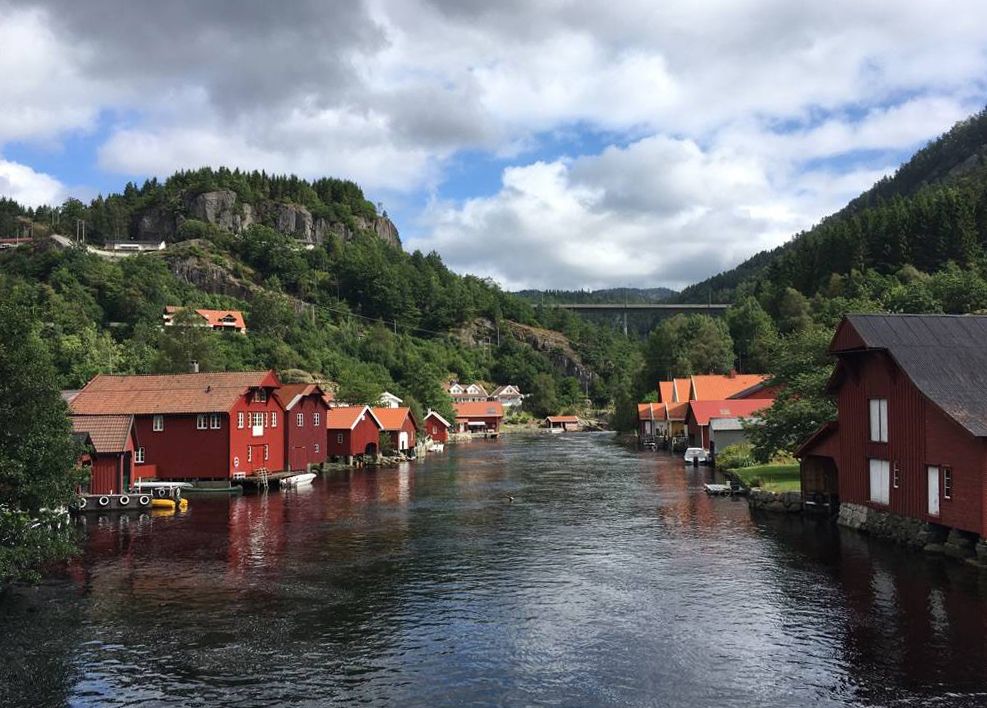
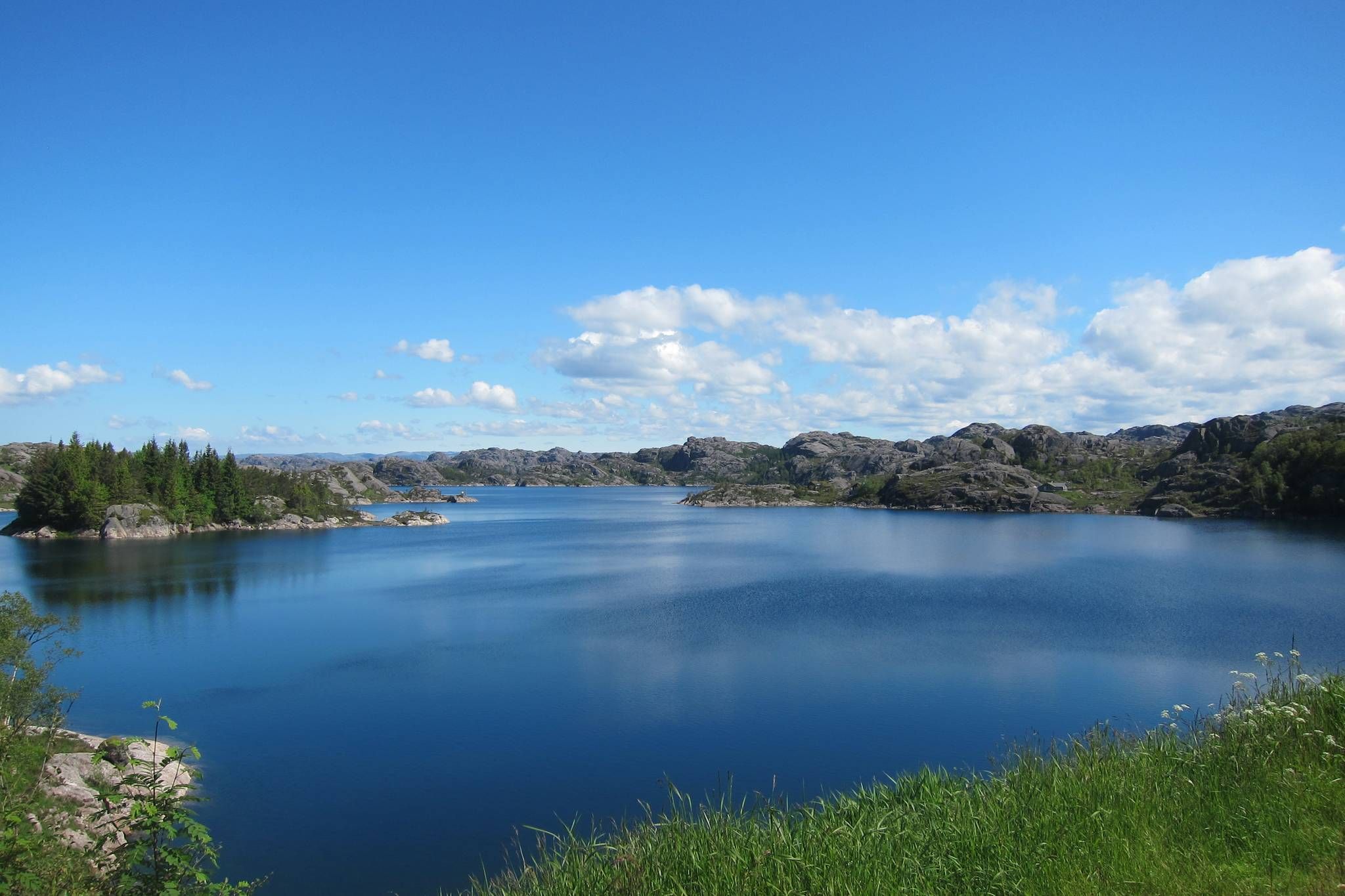
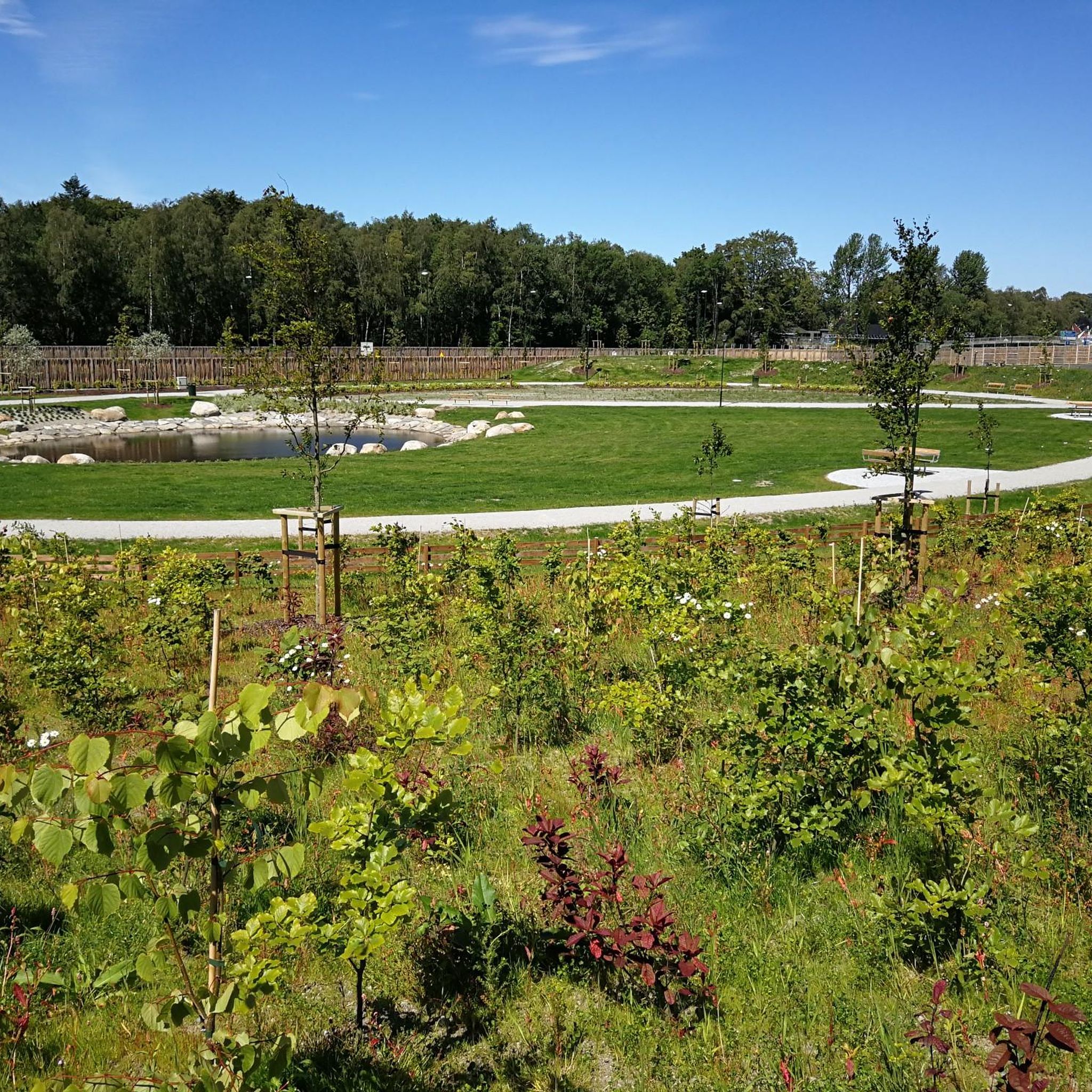
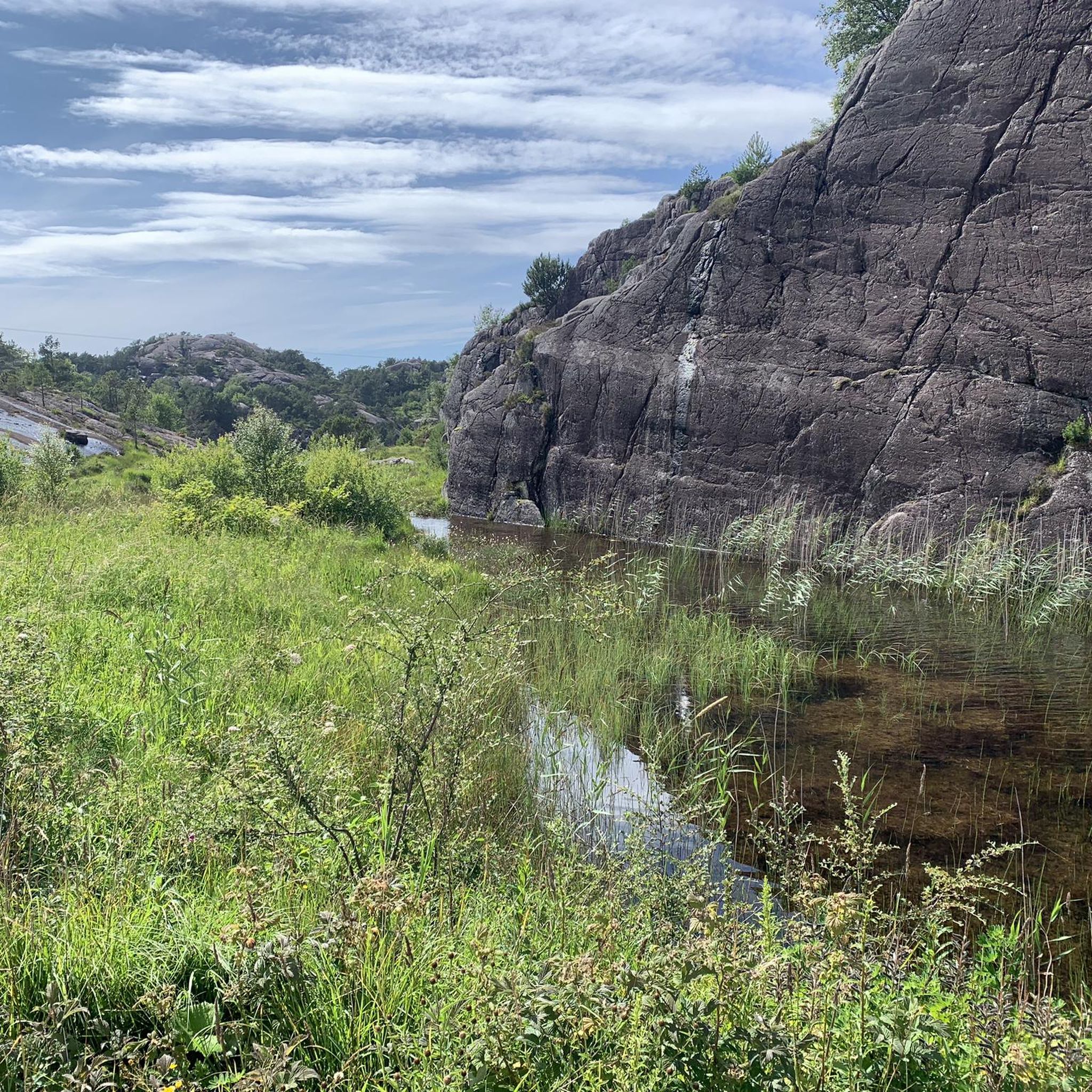

Tips from the Community

The 323-meter-high Dalsnuten mountain is located in the Sandnes region and offers breathtaking views. My experience: What Norwegians call an easy hike, I would classify as moderately difficult. Those who turn off directly at the lake are taking the "easier" option.
0
0

You should definitely do the hike if you are in the area. A really beautiful tour that is not overcrowded.
1
0

Great views of the Gandsfjord, the greater Stavanger area and the snow-capped mountains to the west. It is best to walk the summit circuit anti-clockwise, then you climb the steepest part of the route upwards.
1
0

Can be reached from Gramstad or Lutsivatn/paradisskaret. Recommend detours or round trips over Bjørndalsfjellet!
0
0
Those who choose to go on the trip to Storaberget get both older and newer cultural monuments along the way. Once at the top, a magnificent view opens up in all directions. In good weather, you can see not only Riskalandet and the Lutsivasdraget, but also far out to sea and the Ryfylke Heaths. Storaberget offers challenges and experiences for both young and old walkers. From Hogstad, follow the farm road signposted no. 400-416 to the first farm on the left. From here on a cart road in pasture until the waterworks from the days of the war. Follow the signs for Storaberget further in an easterly direction to the two Lomstjørna. The path continues between the hawthorn and over the voice in the southernmost hawthorn. From here there is a clear path up to the village castle. From the village castle, a clear path continues up to the highest peak on Storaberget. Return the same way. The most eager can extend the trip to a round trip where you can take in Lake Grinavatnet. There is a sign at the inner Lomstjørna. Grinda waterworks Sandnes water works did not have the capacity to cover the Germans' need for water. As early as 1941, the Germans therefore planned their own waterworks. The choice fell on the Grinavassdraget, which consists of Grinavatn and Lomstjørn. The capacity was calculated at 800,000 cubic meters a year. The water was of excellent quality and the waterworks had something as rare as an alkalising plant. The stone house that housed the facility still stands today. The water ran through crushed marble so that it became less acidic. The water was taken in a tunnel to a pressure basin above Hogstad, from here in a ten-inch main line to Sandnes. The main line was 10 km long, half of it wooden pipes. This waterworks supplied Sola with water until 1959
0
0
This is a great hike with magnificent views. The hike is just right for you if you are looking for a moderately difficult trail in varied terrain with magnificent views. Vårlivarden with its 387 meters above sea level, is the highest elevation between Lutsivassdraget and Høgsfjord. The well-marked trail leads through open forest area. On the way you will pass many lakes, ponds and wild creeks. There are also some challenging sections with steep climbs. Once at the top you will have an impressive view of Ryfylke and Stavanger
1
0


Unique area, great house! Top landlord ... Everything done right ...
0
3
Frequently Asked Questions
What are some of the most popular mountain peaks and hikes around Stavanger?
The Stavanger region boasts several iconic mountain peaks. Dalsnuten Summit is a local favorite offering great views of the Gandsfjord. Other highly regarded peaks include Preikestolen (Pulpit Rock) for its dramatic fjord views and Kjerag, known for the Kjeragbolten boulder and challenging ascent.
Which mountain peaks near Stavanger are suitable for beginners or families?
For beginners or families, Dalsnuten Summit is an excellent choice. It's considered more of a hill but provides rewarding 360-degree views and is relatively easy, typically taking 2 to 3 hours round trip. Ullandhaug also offers sweeping views from its 138-meter summit and is a short urban hike.
Where can I find more challenging mountain hikes around Stavanger?
For a significant challenge, Kjerag is the highest peak in the Lysefjord area, offering a demanding trail with steep climbs and requiring 6 to 10 hours to complete. Preikestolen (Pulpit Rock) is moderately challenging, taking 4 to 5 hours round trip, with varied terrain. Bynuten also offers a moderately difficult hike for experienced or fit hikers.
What kind of terrain can I expect on mountain hikes near Stavanger?
The terrain around Stavanger's mountain peaks is diverse. You can expect everything from natural stone staircases and open rock sections on trails like Preikestolen, to bare granite slabs and sections requiring wires on Kjerag. Other peaks like Vårlivarden Summit offer varied terrain through open forest areas, past lakes, and wild creeks, with some challenging steep climbs.
Which mountain peaks offer the best panoramic views of the Stavanger region?
Many peaks offer stunning views. Preikestolen provides breathtaking panoramic views of the Lysefjord. Kjerag offers sweeping views over the Lysefjord from its higher elevation. Dalsnuten Summit gives 360-degree views of Stavanger, Sandnes, and the North Sea. Reinaknuten is known for its expansive, open landscapes and a true 360-degree 'wow effect' view upon reaching the summit.
What natural attractions can I discover while hiking the mountain peaks?
Beyond the peaks themselves, you'll encounter dramatic fjord landscapes, rugged mountains, and coastal paths. Kjerag is famous for the Kjeragbolten, a giant boulder wedged between two cliffs. Trails like Vårlivarden Summit lead past many lakes, ponds, and wild creeks. Flørli 4444 features a record-breaking 4,444-step wooden staircase with spectacular views.
Are there any unique landmarks or cultural sites on the mountain trails?
Yes, some trails offer cultural insights. The route to Storaberget Summit (342 m) passes both older and newer cultural monuments, including the Grinda waterworks from WWII. The Kjeragbolten boulder on Kjerag is a unique natural landmark.
What is the best time of year to hike the mountain peaks near Stavanger?
The best time to hike most mountain peaks around Stavanger is typically from late spring to early autumn. For challenging peaks like Kjerag, the trail is only accessible from late May to September due to snow. Always check local weather conditions before heading out, as the weather can change rapidly in the mountains.
Are there less crowded alternatives to the popular mountain peaks like Preikestolen?
If you're looking for a quieter experience away from the crowds, Reinaknuten offers expansive views and a peaceful atmosphere. Bynuten is another moderately difficult hike that provides a physical challenge and impressive viewpoints while avoiding the crowds of more famous trails.
What outdoor activities can I do near these mountain peaks?
Besides hiking, the Stavanger region offers a variety of outdoor activities. You can find numerous cycling routes, including road cycling and touring bicycle options, around the city. For more details on routes, check out the Hiking around Stavanger, Cycling around Stavanger, and Road Cycling Routes around Stavanger guides.
Are there hiking trails near these mountain peaks?
Absolutely. The region is crisscrossed with hiking trails. For example, near Dalsnuten Summit, you can find various paths. The Hiking around Stavanger guide features routes like the Mosvatnet Lake Loop and the Hafrsfjord Trail, offering diverse experiences from easy walks to moderate challenges.
How long do typical hikes to the major peaks like Preikestolen or Kjerag take?
The hike to Preikestolen (Pulpit Rock) is considered moderately challenging and typically takes 4 to 5 hours round trip. The more demanding Kjerag hike, which includes steep climbs, can take anywhere from 6 to 10 hours for the 10-12 kilometer round trip.
Most popular attractions around Stavanger

Get inspired with the komoot mobile app


Explore more
See even more amazing summits around Stavanger with these guides:
