Top 11 Castles around Forchtenstein
Castles around Forchtenstein are situated in a region characterized by elevated positions, often on dolomite rock, offering views over the Wulka Valley and towards Lake Neusiedl. This area is home to historical fortresses and palaces that chronicle centuries of aristocratic legacy and military importance. Many of these structures have retained their medieval characteristics while incorporating baroque elements. The landscape provides a backdrop for exploring these historical sites.
Best castles around Forchtenstein
- The most popular castles is Forchtenstein Castle, a castle that stands prominently on a dolomite rock 511 meters above sea level. It houses one of the largest private weapon collections in Central Europe and a significant Esterházy family legacy.
- Another must-see spot is Eichbüchl Castle, a historical site. This listed building is often referred to as the birthplace of the Republic of Austria, where the re-establishment of the Second Republic was entrusted in 1945.
- Visitors also love Linsberg Castle, a baroque palace complex with medieval foundations. This privately owned castle, though not publicly accessible, can be viewed from the street and showcases an even, baroque appearance from the 18th century.
- Forchtenstein is known for fortresses, baroque palaces, and medieval foundations. The region offers a variety of castles to see and explore, from imposing strongholds to elegant historical residences.
- The castles around Forchtenstein are appreciated by the komoot community, with over 380 upvotes and 280 photos shared.
Last updated: May 15, 2026
Forchtenstein Castle
Highlight • Castle
Translated by Google •
Tip by

Eichbüchl Castle
Highlight • Castle
Translated by Google •
Tip by

Sign up now to discover places like this
Get recommendations on the best single tracks, peaks, & plenty of other exciting outdoor places.
Sign up for free
Linsberg Castle
Highlight • Castle
The complex has been a listed building under the name Thurnhof zu Linsberg Castle since 1971. The castle and the associated castle park are privately owned and not accessible to the public, but can be seen from the street.
Translated by Google •
Tip by

Mountain Church and Cave Church Pitten
Highlight • Religious Site
A rare cave church with frescoes from the 13th century is hidden directly behind the mountain church. It is believed that the cave church was already used as a place of worship in pre-Christian times. You also have a spectacular view of the surroundings from here.
Translated by Google •
Tip by

Frohsdorf Castle
Highlight • Castle
Translated by Google •
Tip by

Sign up for free to discover even more castles around Forchtenstein.
Sign up for free
Already have an account?
Start today with a free account
Your next adventure awaits.
Login or Signup
Popular around Forchtenstein
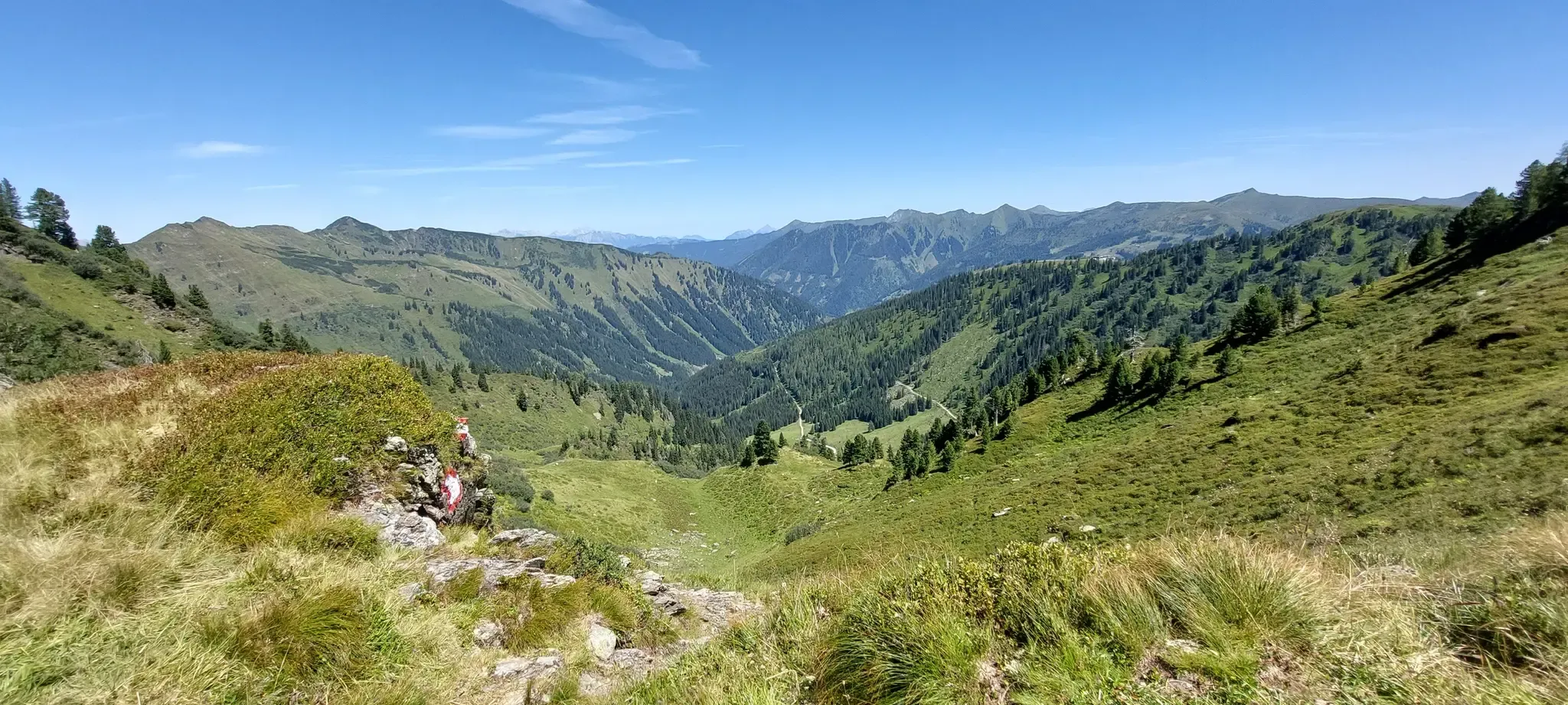
Central Alps Trail Eastern Section – Discover Austria
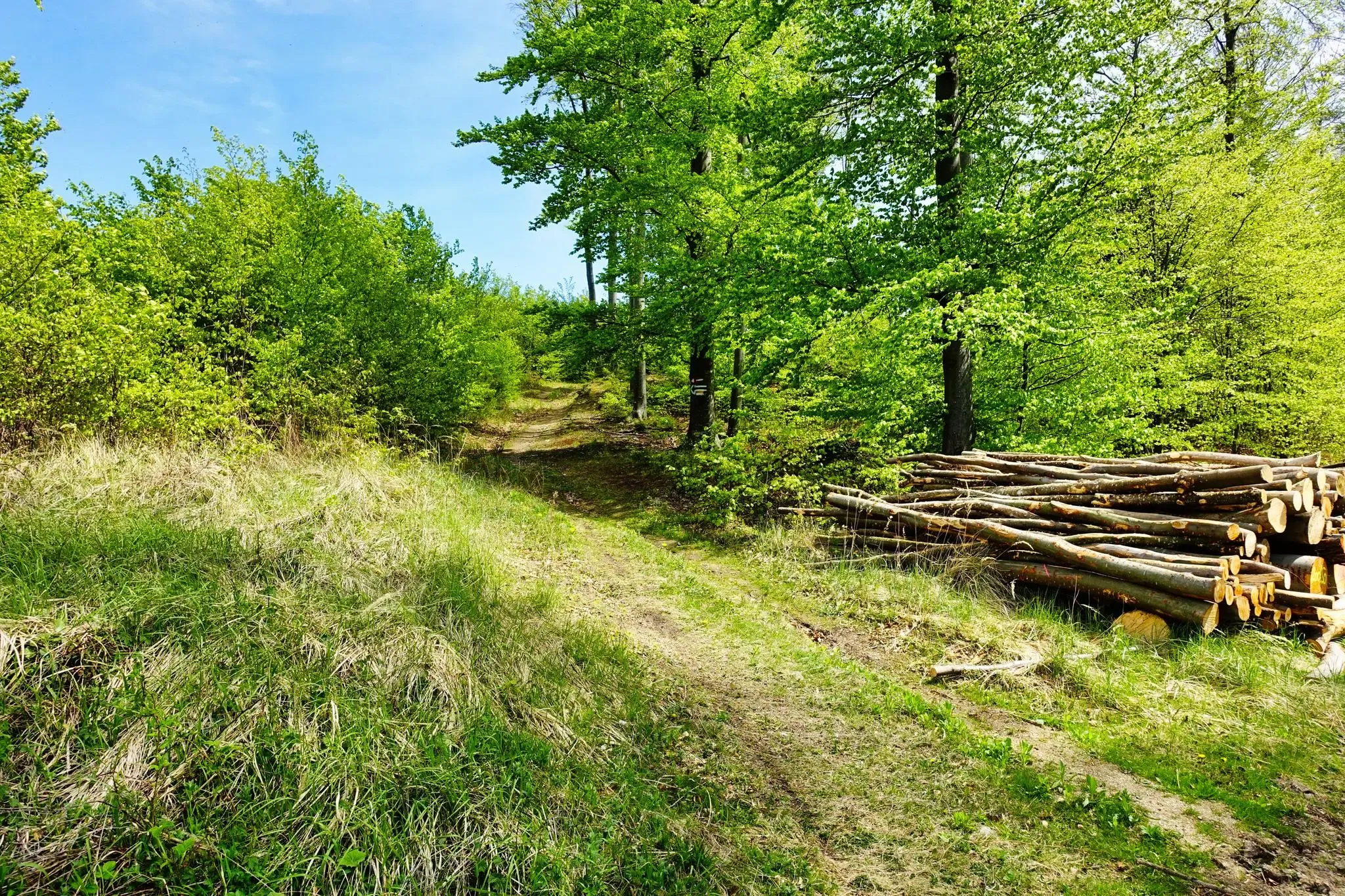
Rosalia Trail Challenge – Running on wonderful Forest paths
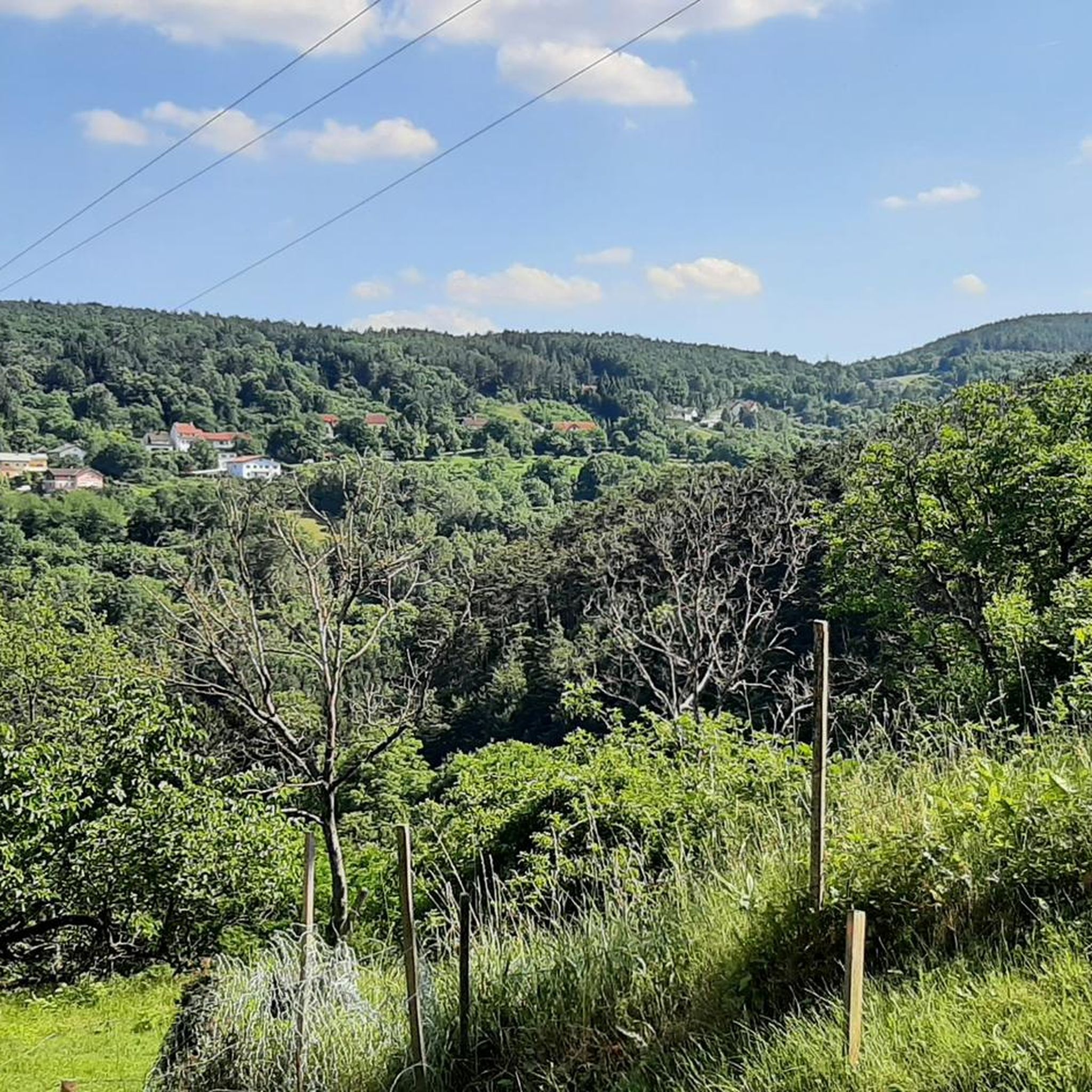
Hiking around Forchtenstein
Road Cycling Routes around Forchtenstein
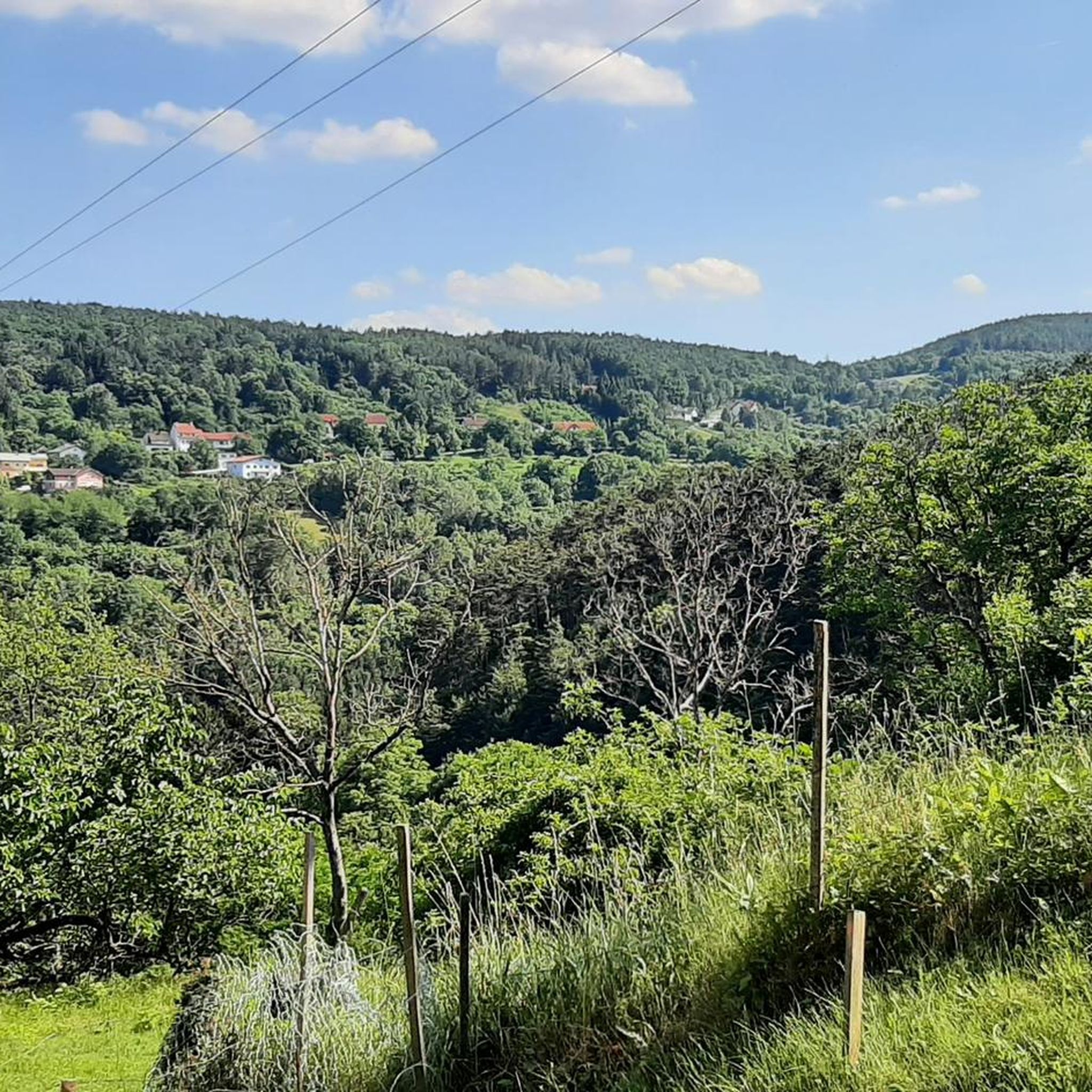
MTB Trails around Forchtenstein
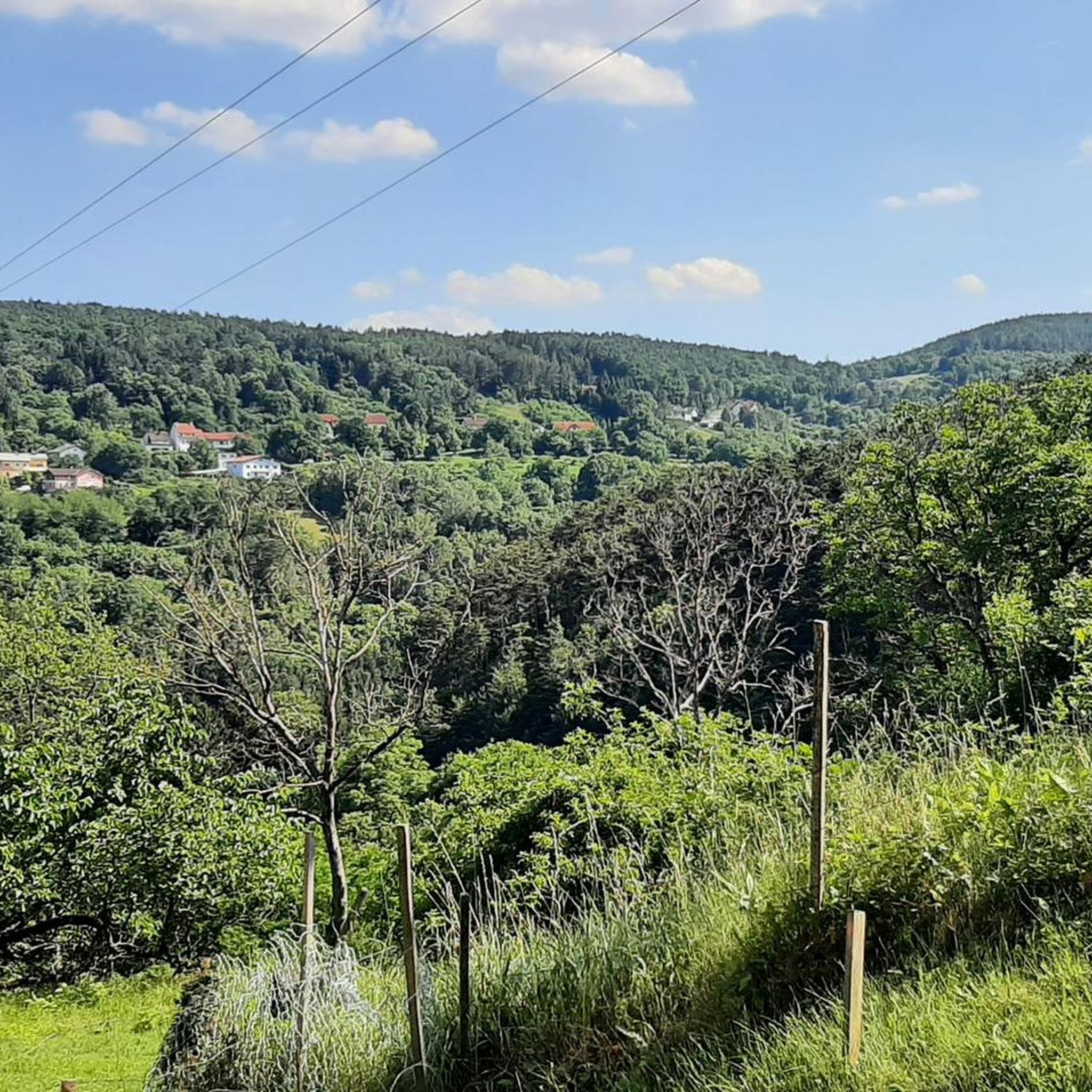
Cycling around Forchtenstein
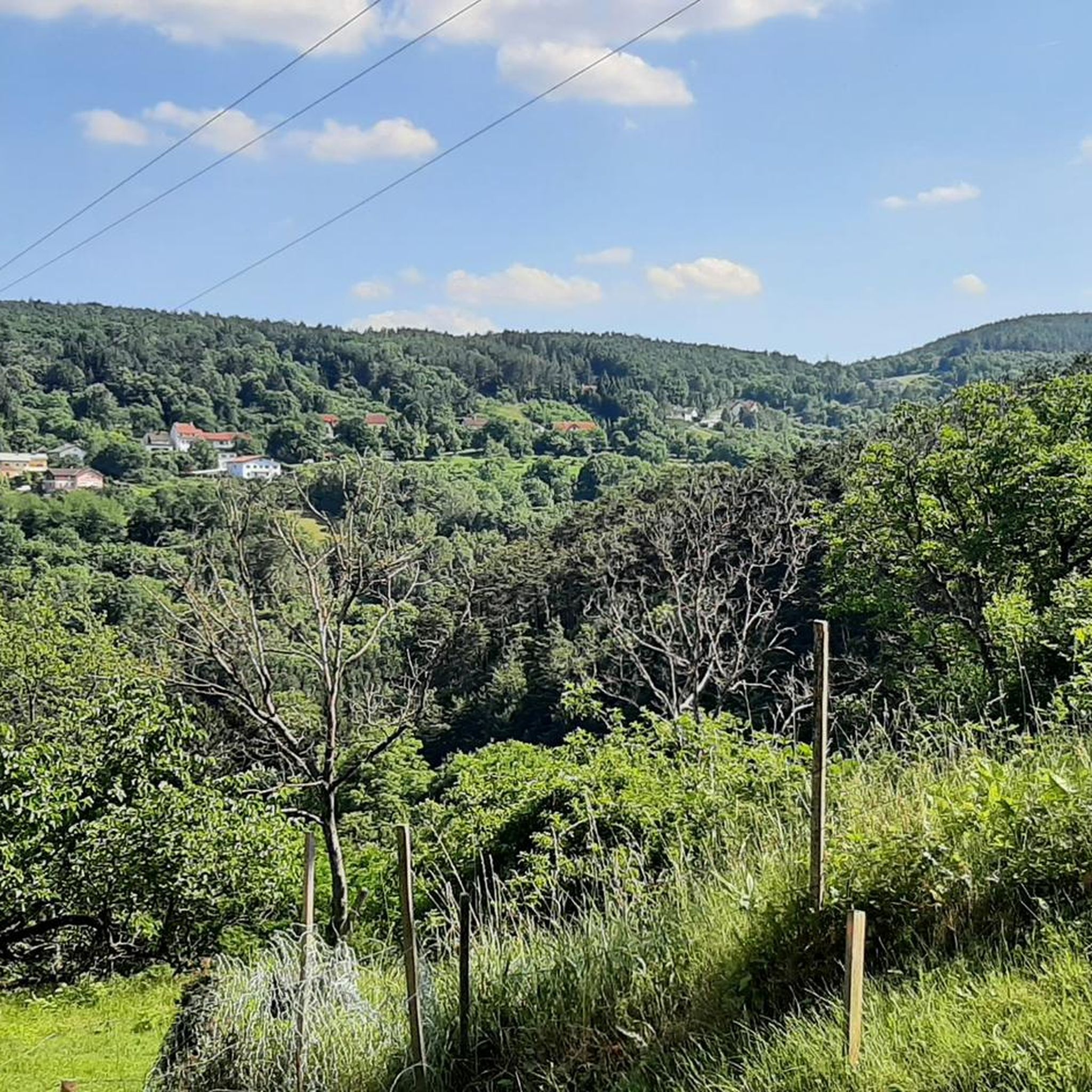
Running Trails around Forchtenstein
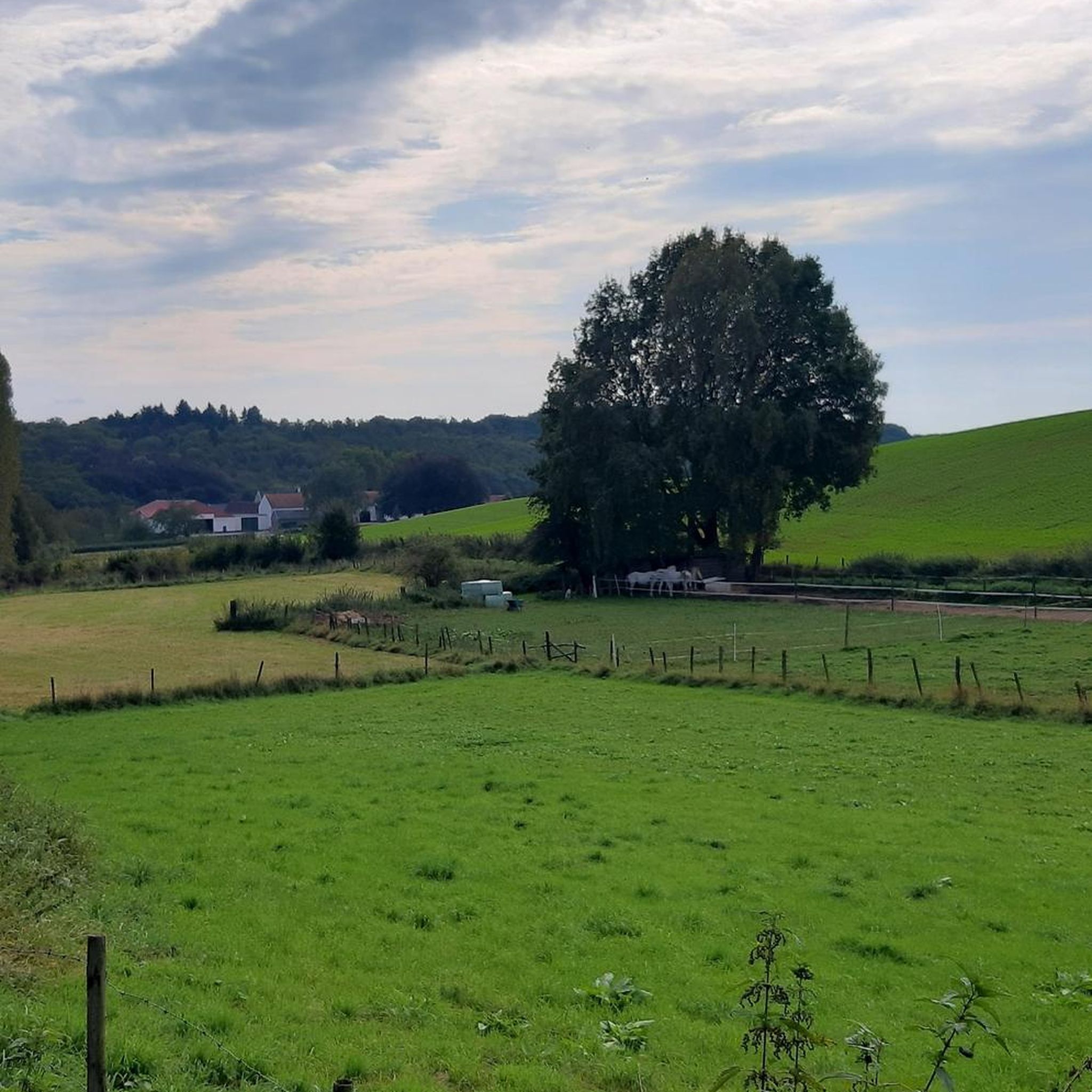
Gravel biking around Forchtenstein


Tips from the Community

A church below the castle ("sub castello") is first mentioned from 1000 AD onwards and is likely to be one of the oldest Christian places of worship in the region. The rock cave behind the mountain church is dedicated to Saints Peter and Paul.
0
0

Frohsdorf Castle was built in 1547-1550 from the burnt-out ruins of the "Krotenhof". The castle was badly devastated during the Turkish wars, and in 1683 the property was rebuilt and renovated in the Baroque style. Today privately owned by Christian Baha More on the history: https://de.wikipedia.org/wiki/Schloss_Frohsdorf
0
0
The castle's history dates back to the 14th century, but it is shaped by the fateful days of April 1945. Commissioned by Stalin, Dr. Karl Renner spent twelve busy days at Eichbüchl Castle developing the basic structures of the Second Republic. At the same time, he prepared the formation of a provisional government, and as its Chancellor, he finally announced Austria's declaration of independence in Vienna on April 27, 1945. Eichbüchl Castle thus found its indelible place in the history books as the birthplace of the Second Republic. More on the history: https://de.wikipedia.org/wiki/Schloss_Eichb%C3%BCchl
0
1
The complex is a medieval foundation that was expanded in the 15th and 16th centuries. In the first half of the 18th century, it was in poor structural condition. Its then owner, a court master of the Bishop of Wiener Neustadt, had it repaired and converted into a castle. He also gave it a uniform, baroque appearance. In the 19th century, various changes in the historicist style followed on both the main house and the complex of outbuildings. The castle and the associated castle park are privately owned. More on the history: https://de.wikipedia.org/wiki/Schloss_Linsberg
0
0

Privately owned castle and winery. It changed hands again in 2012 to an industrialist.
0
0
Built between 1547 and 1550 from the fire ruins of the "Krotenhof" as a castle-like complex. After renewed devastation in 1683, it was rebuilt and decorated in the baroque style by the Counts of Hoyos; Creation of an art garden and construction of a picture gallery. Two-story complex grouped around a courtyard. 1945-1948 the hospital was in the Frohsdorf monastery. Severely damaged by the occupying forces, the castle was restored after 1955 by the Austrian Postal Administration, as the successor to the German Reichspost, and converted into a telecommunications school. The castle has been privately owned since 2004.
1
0

Beautiful castle complex, there are also interesting exhibitions to see.
4
0

Built in the 14th century, the castle acquired its current appearance in 1906 when a Chinese silk importer had it completely remodeled in a confectioner's style. It is also often referred to as the birthplace of the Republic of Austria. In this house in April 1945 after the invasion of the Red Army Dr. Karl Renner, who later became Chancellor and Federal President, was entrusted with the reestablishment of the Second Republic of Austria. The current lord of the castle, Mag. Dietmar Machold, acquired the building in 1997, which he has since regularly made available for concerts and cultural events.
0
1
Frequently Asked Questions
What makes Forchtenstein Castle a significant historical site?
Forchtenstein Castle is a late medieval fortress that has been owned by the Esterházy family since 1622. It is renowned as the treasure vault of the Esterházy family, housing one of the largest private weapon collections in Central Europe and vast collections of baroque treasures, Byzantine and Habsburg artifacts, and an extensive ancestral gallery. The castle itself was never captured, even by the Ottoman Turks, due to its strategic hilltop position and stout defensive walls. You can learn more about this impressive site on its highlight page: Forchtenstein Castle.
Are there any castles around Forchtenstein that are particularly family-friendly?
Yes, Forchtenstein Castle is noted for being family-friendly. Beyond its historical and artistic value, it hosts numerous children's events like "Family Draculade" and "Dragon Festival," as well as seasonal events such as Easter, chestnut, and Advent markets.
What are the best times of year to visit the castles in the Forchtenstein region?
The castles in the Forchtenstein region, particularly Forchtenstein Castle, are generally open from March to early November. This period offers pleasant weather for exploring the castle grounds and enjoying the scenic views. Seasonal events like Easter markets, chestnut festivals, and Advent markets also take place during these times, adding to the visitor experience.
Can I find any unique architectural features or art at the castles near Forchtenstein?
Absolutely. Forchtenstein Castle features stunning Byzantine and Habsburg treasures, equestrian statues, and gorgeous murals in its courtyard, including the largest seccomural paintings north of the Alps. It also boasts one of Europe's finest collections of silver furniture. Additionally, Linsberg Castle, though privately owned, showcases an even, baroque appearance from the 18th century, built upon medieval foundations.
Are there any castles with significant political or national historical importance in the area?
Yes, Eichbüchl Castle is a historically significant site often referred to as the birthplace of the Republic of Austria. It was here in April 1945 that Dr. Karl Renner was entrusted with the re-establishment of the Second Republic of Austria.
What kind of views can I expect from the castles around Forchtenstein?
Many castles in the region are situated on elevated positions, offering magnificent panoramic views. From Forchtenstein Castle, you can enjoy splendid views of the Wulka Valley, Lake Neusiedl, and even as far as Vienna and Hungary from certain vantage points. The Mountain Church and Cave Church Pitten also offer a spectacular view over the surrounding country, including Hohe Wand, Schneeberg, Rax, Semmering, and Hochwechsel.
What outdoor activities can I combine with a visit to the castles?
The region around Forchtenstein offers various outdoor activities. You can find numerous hiking, cycling, and mountain biking routes. For instance, there are moderate hiking loops like the "Rosalia Chapel on Heuberg – Forchtenstein Castle loop" or the "Steinkogel Lookout Tower – Weißes Kreuz Wayside Shrine loop." For cycling, you might consider the "Forchtenstein Castle – Rosalia Chapel on Heuberg loop." You can explore more options on the dedicated guides for hiking, cycling, and MTB trails around Forchtenstein.
Are there any castles that are privately owned and not publicly accessible?
Yes, Linsberg Castle is a privately owned baroque palace complex. While it is not accessible to the public, it can still be admired from the street. Similarly, Eichbüchl Castle is also privately owned and operates as a winery.
What do visitors particularly enjoy about Forchtenstein Castle?
Visitors frequently highlight the impressive views from Forchtenstein Castle over the surrounding villages and the Rosaliengebirge. The castle courtyard is freely accessible, and the castle restaurant is often recommended. Many are also fascinated by the extensive collections, particularly the old guns and military tents, and the unique Esterházy family history.
Are there any unique religious or cave sites near the castles?
Yes, the Mountain Church and Cave Church Pitten offer a unique experience. Located on the Schlossberg high above Pitten, you can visit the artful mountain church dedicated to Saint George. Directly behind it, a rare cave church with frescoes from the 13th century is hidden. It is believed to have been a place of worship since pre-Christian times, and it provides a spectacular view of the surroundings.
Are there dining options available at or near the castles?
Yes, Forchtenstein Castle features the modern café-restaurant Grenadier, which offers regional cuisine in an authentic atmosphere with a terrace providing splendid views. This makes it convenient for visitors to enjoy a meal or refreshment during their visit.
Most popular routes around Forchtenstein
Most popular attractions around Forchtenstein

Get inspired with the komoot mobile app


Explore more
Looking for the best castles somewhere else? Discover other guides around Forchtenstein:
