The best gravel rides around Villers-Faucon
7
riders
4
rides
Gravel biking around Villers-Faucon offers access to a network of cycling paths well-suited for gravel bikes. The region features peaceful natural settings, including Voie Verte networks built on old railway lines and sections of the Somme Valley Véloroute. These routes traverse varied terrain such as towpaths, forest exploitation paths, wetlands, and peat bogs. The landscape provides a mix of unpaved surfaces ideal for gravel cycling.
Best gravel bike trails around Villers-Faucon
- The most popular gravel bike trail is Greenway segment…
Last updated: July 11, 2026
32.3km
02:20
260m
260m
Moderate gravel ride. Good fitness required. Mostly paved surfaces. Suitable for all skill levels.
1
riders
15.6km
01:05
80m
80m
Easy gravel ride. Great for any fitness level. Mostly paved surfaces. Suitable for all skill levels.

Sign up for free
3
riders
Moderate gravel ride. Good fitness required. Mostly paved surfaces. Suitable for all skill levels.
1
riders
10.4km
00:45
90m
90m
Easy gravel ride. Great for any fitness level. Mostly paved surfaces. Suitable for all skill levels.
Our route recommendations are based on thousands of hikes, rides, and runs completed by other people on komoot.
Start today with a free account
Your next adventure awaits.
Login or Signup
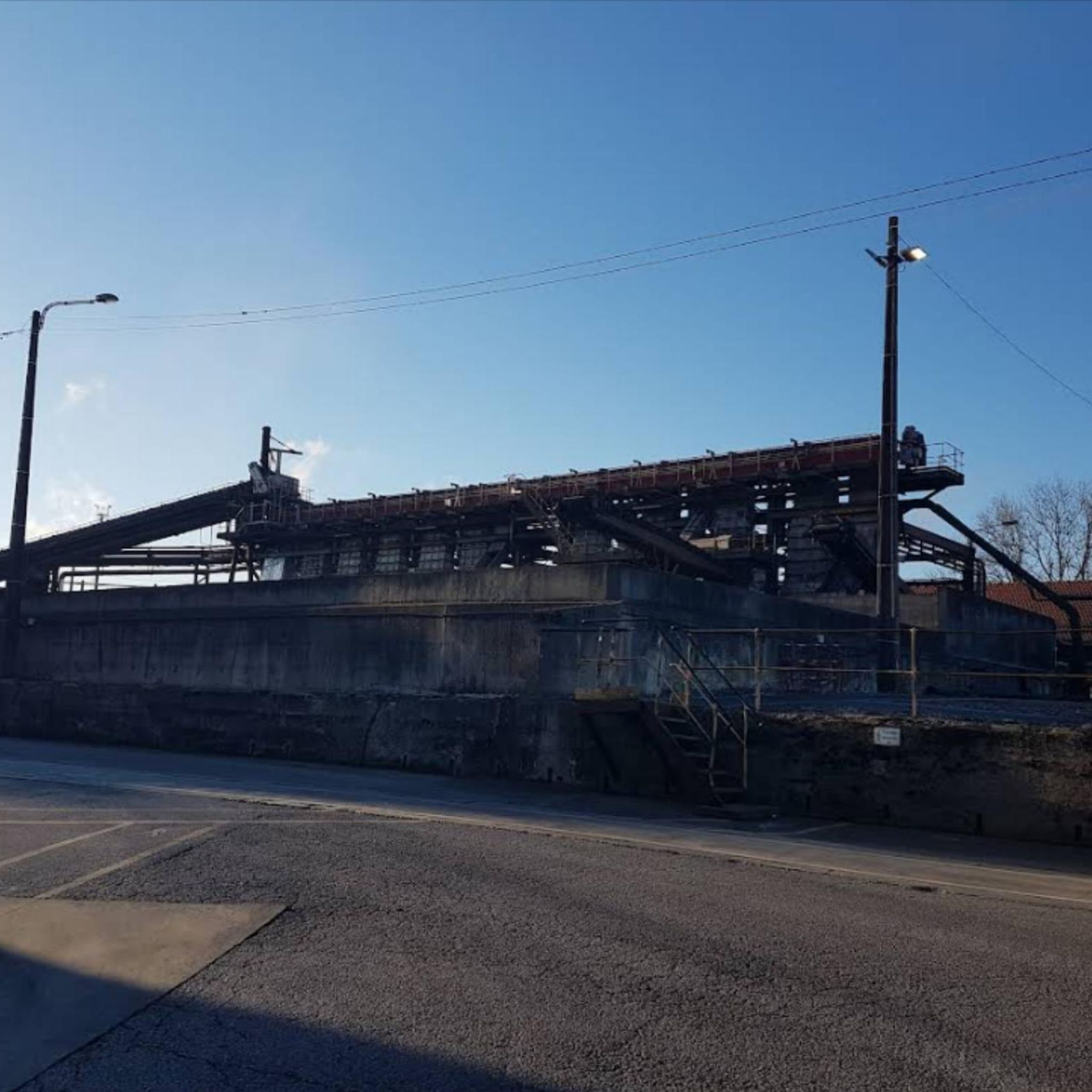
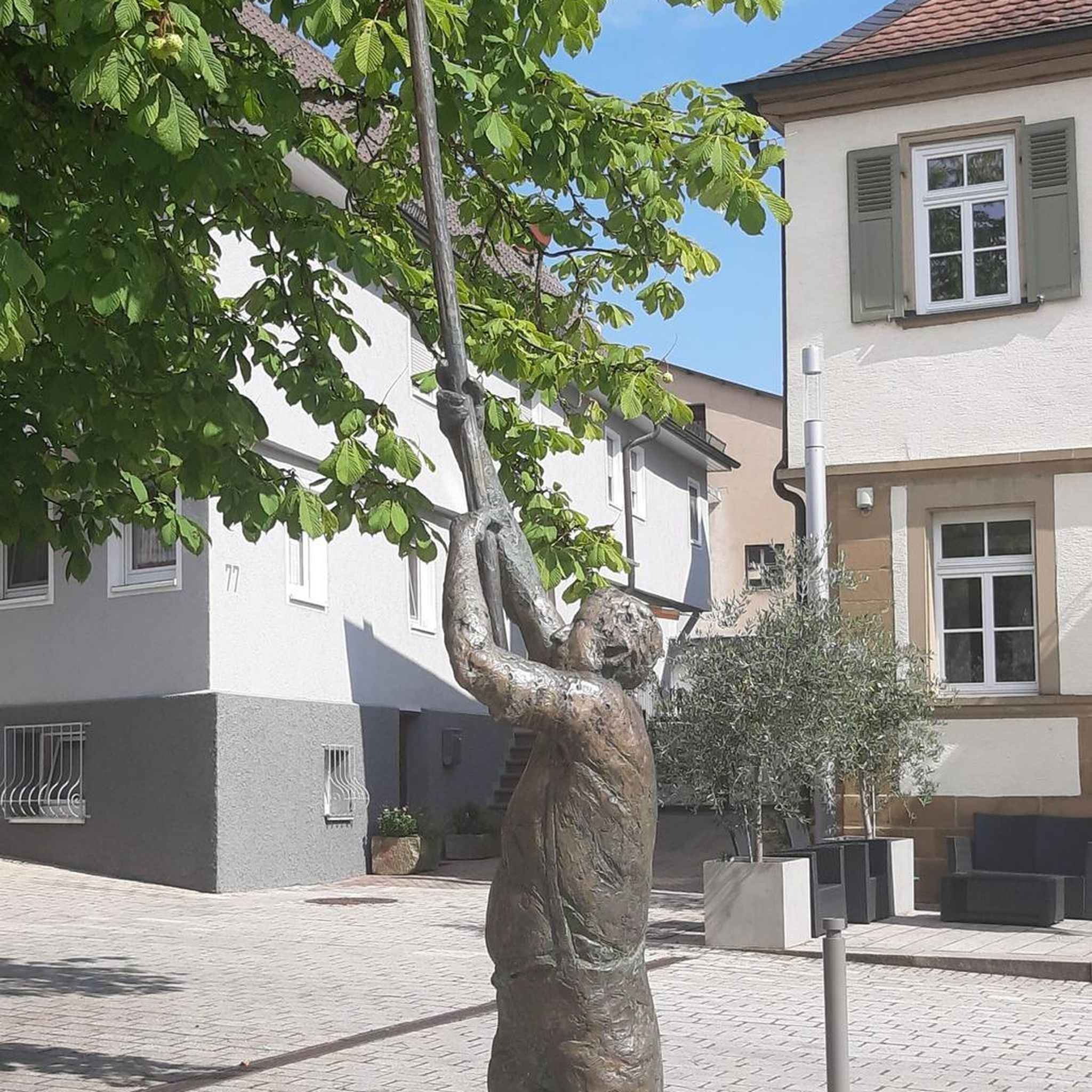
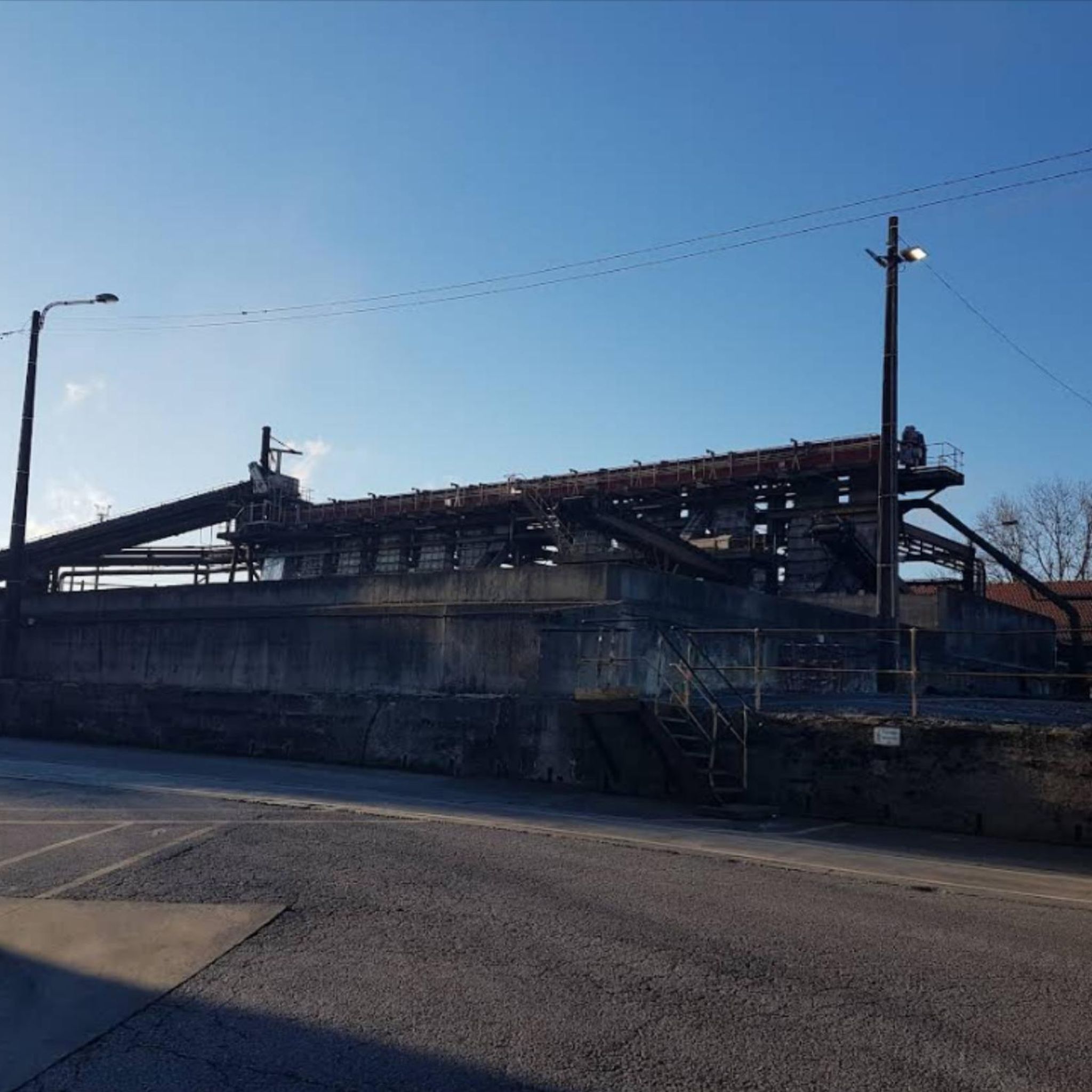


Tips from the Community

Sailly-Saillisel, at the northern end of a ridge, was the objective of French attacks in September and October 1916, and was captured on October 18. The village remained in Allied hands until March 24, 1918, when it was lost during the German advance, but was recaptured by the 18th and 38th (Welsh) Divisions on September 1, 1918. The cemetery now contains 771 burials from isolated graves and several smaller cemeteries nearby. 300 of the graves are unidentified.
0
0
Rancourt Military Cemetery contains 93 graves and commemorations from the First World War (including 20 unidentified graves). There are also 3 graves from the Second World War in the cemetery (crew of the Blenheim IV bomber shot down in May 1940). Rancourt was captured by the French on September 24, 1916, and remained in Allied hands until March 24, 1918, and the German advance. It was recaptured by the 47th (London) Division on September 1, 1918.
0
0
the largest French necropolis in the Somme (8,566 soldiers)
0
0

Church built in stone in the 12th century and fortified in the 15th century. It was completely destroyed during the bombings of the First World War and then rebuilt in the early 1920s. Inside, remarkable stained glass windows and liturgical furniture made by Gérard Ansart and the Tambouret workshops in 1926-1927.
6
0
The Cimetière militaire britannique in Doingt is a military cemetery in the commune of Doingt in the Somme department in northern France. It contains 417 Commonwealth burials of the First World War, only one of which is unidentified, and two graves from the Second World War. The cemetery was opened in September 1918 and is located at the end of Rue Vincent Joubaud, next to the commune's church.
7
0
The Église Notre-Dame De L’Assemption is a Catholic church located in the commune of Doingt, in the east of the Somme department, near Péronne. The church was built in the second quarter of the 20th century and was inaugurated on 26 October 1930. It was designed by the architect Maurice Quentin and is built in the Neo-Romanesque style with a traditional basilica plan. The facade of the church has features of Romanesque art, such as sober and narrow windows, buttresses, a circular portico with a typed sculpture representing the Virgin surrounded by angels, arched folds resting on a column on each side, and a rose window above the portico. The church has a massive and projecting bell tower which is reminiscent of Romanesque bell towers by its structure and sober decoration. The interior of the church is decorated with a mural by Gustave Riquet representing the Assumption of the Virgin. The church was restored in 2016-2017.
6
0
Doingt is a commune on the banks of the River Somme. The settlement was destroyed during the First World War. A Commonwealth cemetery is located just outside the town. The village and its church have been rebuilt and in 2023 a crucifix, rescued from the ruins of the village church by a British military chaplain after the Battle of the Somme and placed in All Saints’ Church, Tinwell in Rutland, England, was returned to the new church.
7
0
Saint-Pierre Church, rebuilt from 1928 to 1932 by the architect Louis Faille, originally from Nurlu. The Stations of the Cross, the mosaic of the high altar and the stained glass windows (twenty-one windows) are the work of Gérard Ansart. The stained glass windows were made by the Cagnart workshop in 1932. The church has organs that have been highlighted by the Association of Friends of the Organs of Péronne, Moislains and Epehy (ADOPME) since 2008.
5
0
Frequently Asked Questions
What kind of terrain can I expect on gravel bike trails around Villers-Faucon?
The gravel bike trails around Villers-Faucon primarily utilize Voie Verte networks, which are often built on old railway lines, and sections of the Somme Valley Véloroute. This means you'll encounter a mix of unpaved surfaces, including towpaths, forest exploitation paths, and paths through wetlands and peat bogs, offering varied and engaging riding.
Are there many gravel bike routes available in the Villers-Faucon area?
Yes, the area around Villers-Faucon offers several dedicated gravel bike routes. Our guide features 4 distinct trails, providing options for both easy and moderate ability levels, allowing you to explore the peaceful countryside and varied landscapes.
What are the difficulty levels of the gravel bike trails near Villers-Faucon?
The trails around Villers-Faucon are generally categorized as easy to moderate. You'll find routes like the Cartigny – Greenway segment loop from Cartigny which is an easy 14.5 km ride, and more moderate options such as the Greenway segment – Doingt loop from Cartigny, which covers 32.3 km.
Are there any family-friendly gravel bike routes in Villers-Faucon?
Absolutely. The region's Voie Verte networks and gentle paths make it suitable for families. Routes like the Cartigny – Sainte-Radegonde Church loop from Cartigny offer an easy 10.1 km ride through the peaceful countryside, perfect for a relaxed family outing.
What kind of natural landscapes and features can I see while gravel biking here?
You'll experience a tranquil natural environment characterized by peaceful countryside, riverine landscapes, and sections through wetlands and peat bogs, particularly along the Doingt Greenway. Some routes also transition into forest exploitation paths, providing a serene, wooded setting.
Are there any historical sites or landmarks along the gravel bike trails?
Yes, the region is rich in history, particularly related to the First World War. While cycling, you might encounter various commemorative monuments and cemeteries. For instance, the route Rancourt british cemetary – Beautiful landscape loop from Aizecourt-le-Haut passes by a significant historical site. You can also find landmarks like the Pont de Riqueval and The Moislains National Necropolis nearby.
What is the best time of year for gravel biking around Villers-Faucon?
The peaceful natural setting of Villers-Faucon makes it enjoyable for gravel biking across many seasons. Spring and autumn generally offer pleasant temperatures and beautiful scenery. However, the varied terrain, including towpaths and former railway lines, can be ridden comfortably for much of the year, weather permitting.
Are there circular gravel bike routes available?
Yes, many of the gravel bike routes in the area are designed as loops, allowing you to start and finish at the same point. Examples include the Greenway segment – Doingt loop from Cartigny and the Cartigny – Greenway segment loop from Cartigny, providing convenient options for exploration.
What do other gravel bikers say about the trails in Villers-Faucon?
Gravel bikers who have explored Villers-Faucon often praise the peaceful countryside and the varied terrain offered by the Voie Verte networks and towpaths. The area is appreciated for its calm escape from urban areas and the engaging mix of surfaces ideal for gravel cycling.
Is the Somme Valley Véloroute suitable for gravel bikes?
Yes, the Somme Valley Véloroute (V30) is explicitly identified as being suitable for gravel bikes. This extensive 160 km cycling route predominantly follows the towpath of the Somme River, offering a journey through the historical and natural richness of the Somme Valley. You can find more information on Somme Tourisme.
Where can I find parking for gravel biking trails in Villers-Faucon?
While specific parking areas for each trail are not detailed, many routes, especially those starting from villages like Cartigny or near historical sites, typically have local parking options available. It's advisable to check the starting point of your chosen route for the most convenient parking.
Most popular routes around Villers-Faucon
Most popular attractions around Villers-Faucon

Get inspired with the komoot mobile app


Explore more
Browse the best Gravel rides in other regions.
