The 3 Most Amazing Peaks around Jülich
Best mountain peaks around Jülich are primarily characterized by elevated features in a region not known for natural mountains. Jülich, situated in the Rur valley in North Rhine-Westphalia, Germany, has a relatively low natural elevation. The most prominent elevated feature is the Sophienhöhe, an extensive artificial mountain created from the overburden of the Hambach open-pit lignite mine. This artificial elevation serves as the highest point in the Jülicher Börde region, offering a unique landscape for outdoor activities.
Best mountain peaks…
Last updated: October 3, 2026
Roman Tower on Sophienhöhe
Highlight • Viewpoint
Translated by Google •
Tip by

Hülsenberg Chapel
Highlight • Religious Site
Translated by Google •
Tip by

Sign up now to discover places like this
Get recommendations on the best single tracks, peaks, & plenty of other exciting outdoor places.
Röher Berg (Top Speed)
Highlight (Segment) • Summit
Translated by Google •
Tip by

Start today with a free account
Your next adventure awaits.
Popular around Jülich
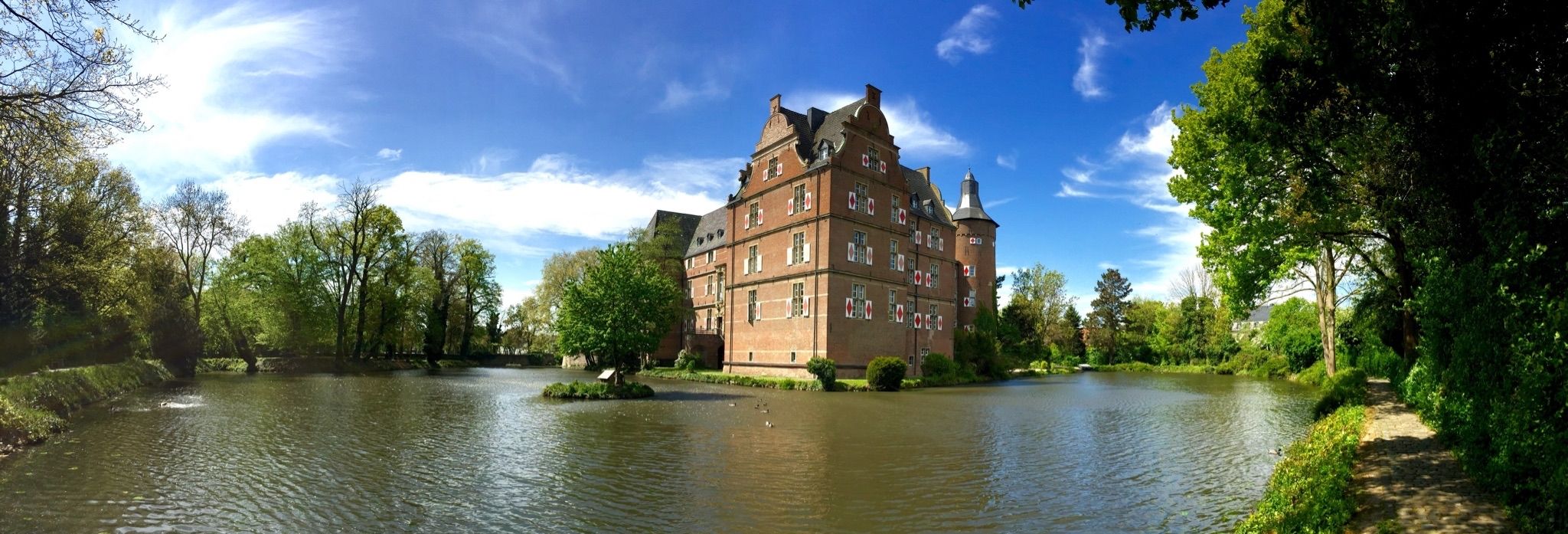
Wasserburgen-Route — A ride through Germany's Castle Country from the Rhine to the Eifel and back
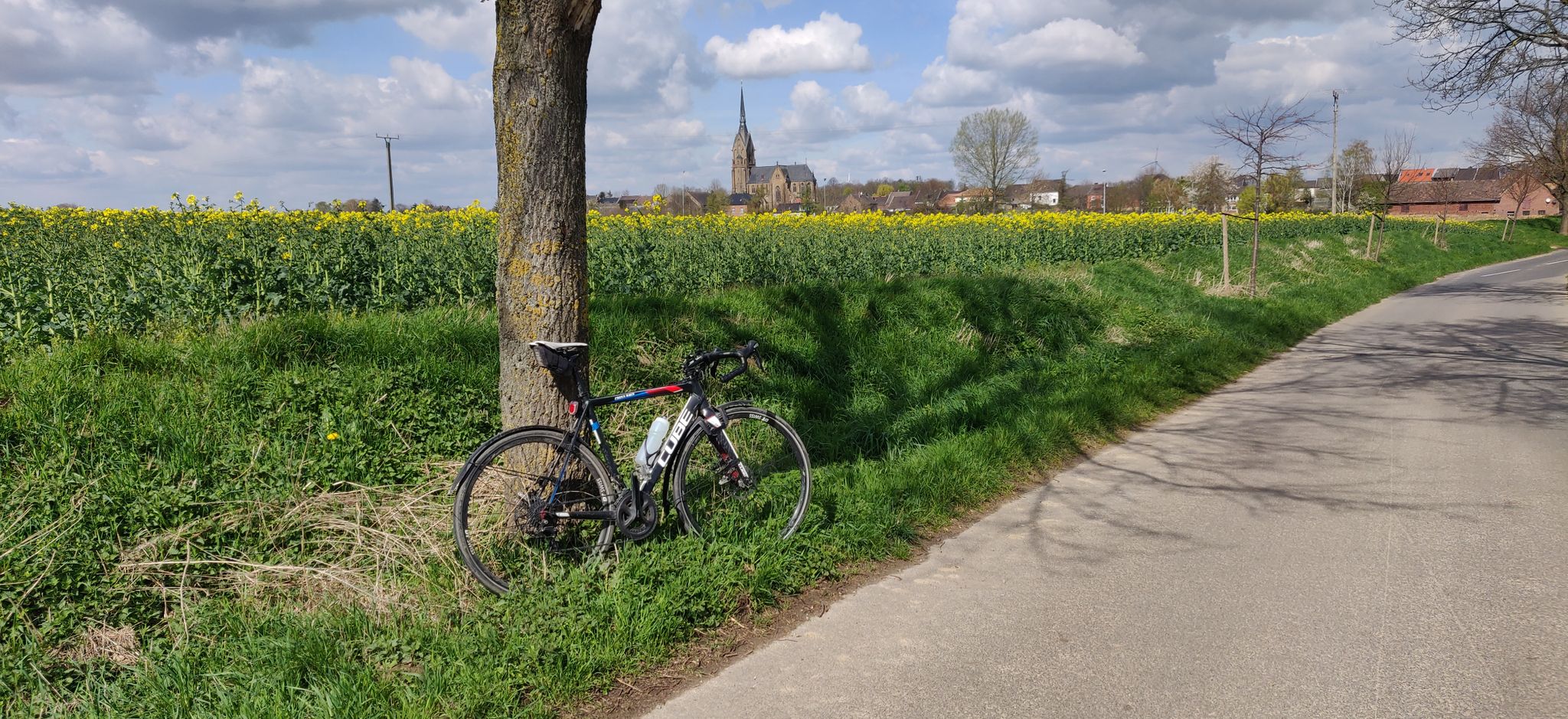
RSC Welldorf 1998 e.V. presents: racing bike tours in Jülicher Börde
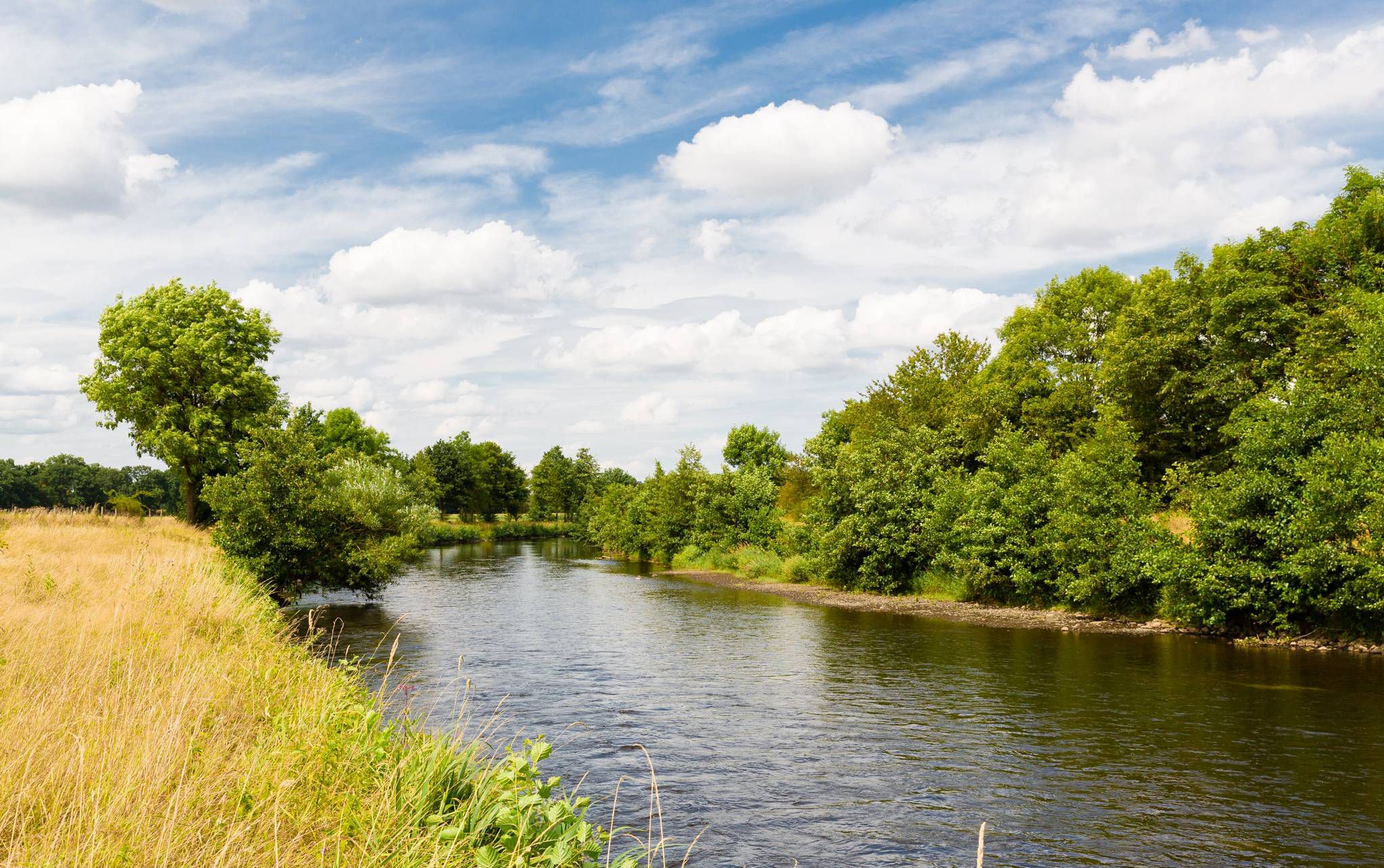
3 days, 3 countries — on the Rur bank cycle path through the Eifel
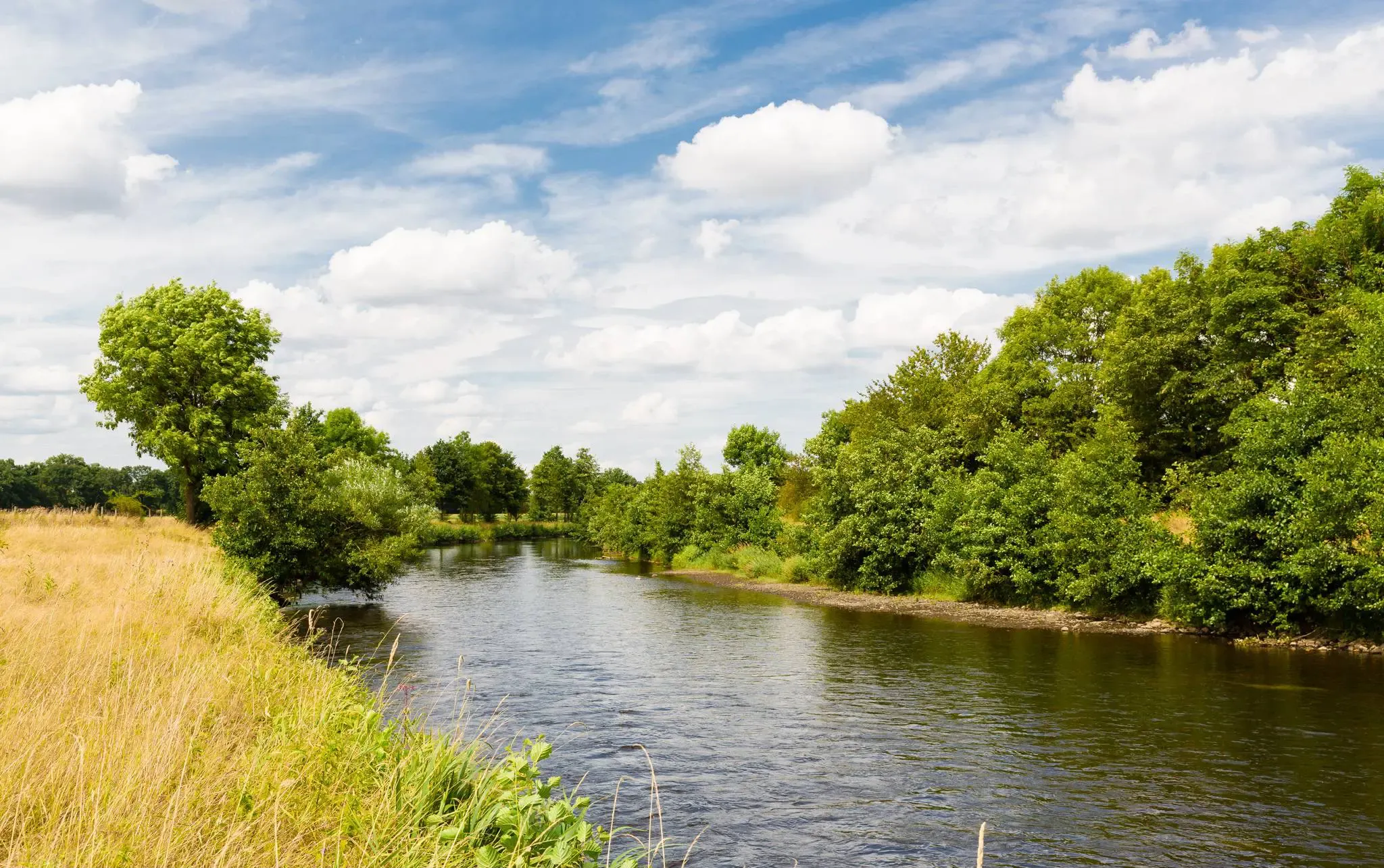
RurUfer-Radweg – 3 Tage, 3 Länder durch die Eifel
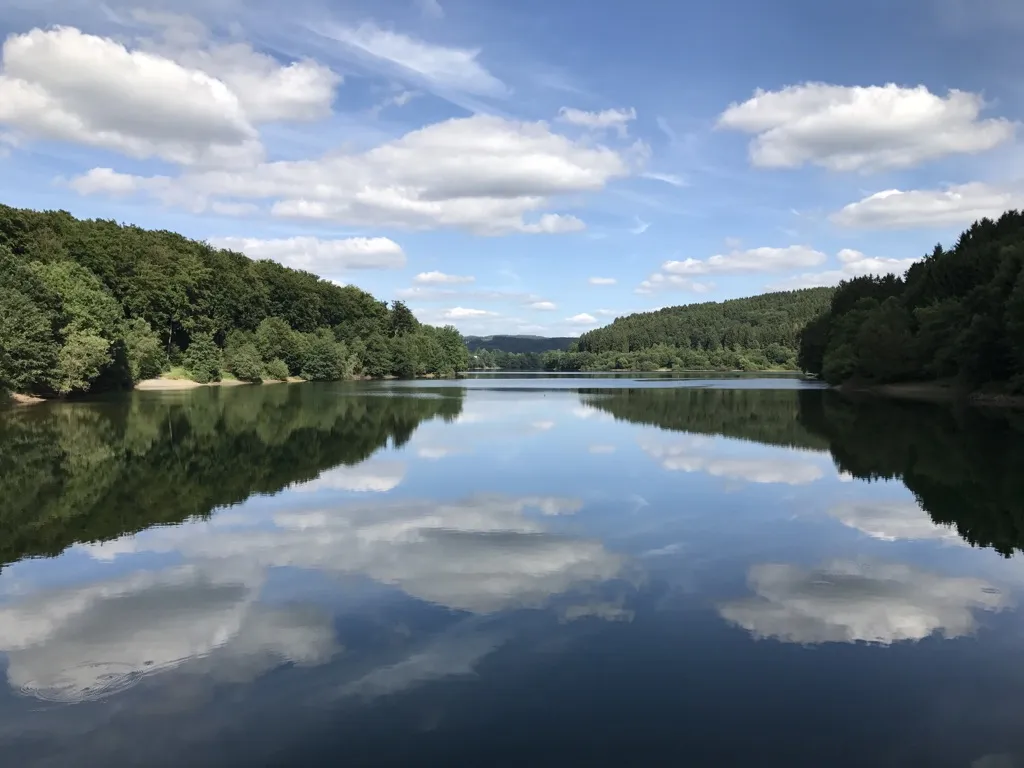
Auszeiten im Grünen – Entspannte Wanderungen im Rheinland
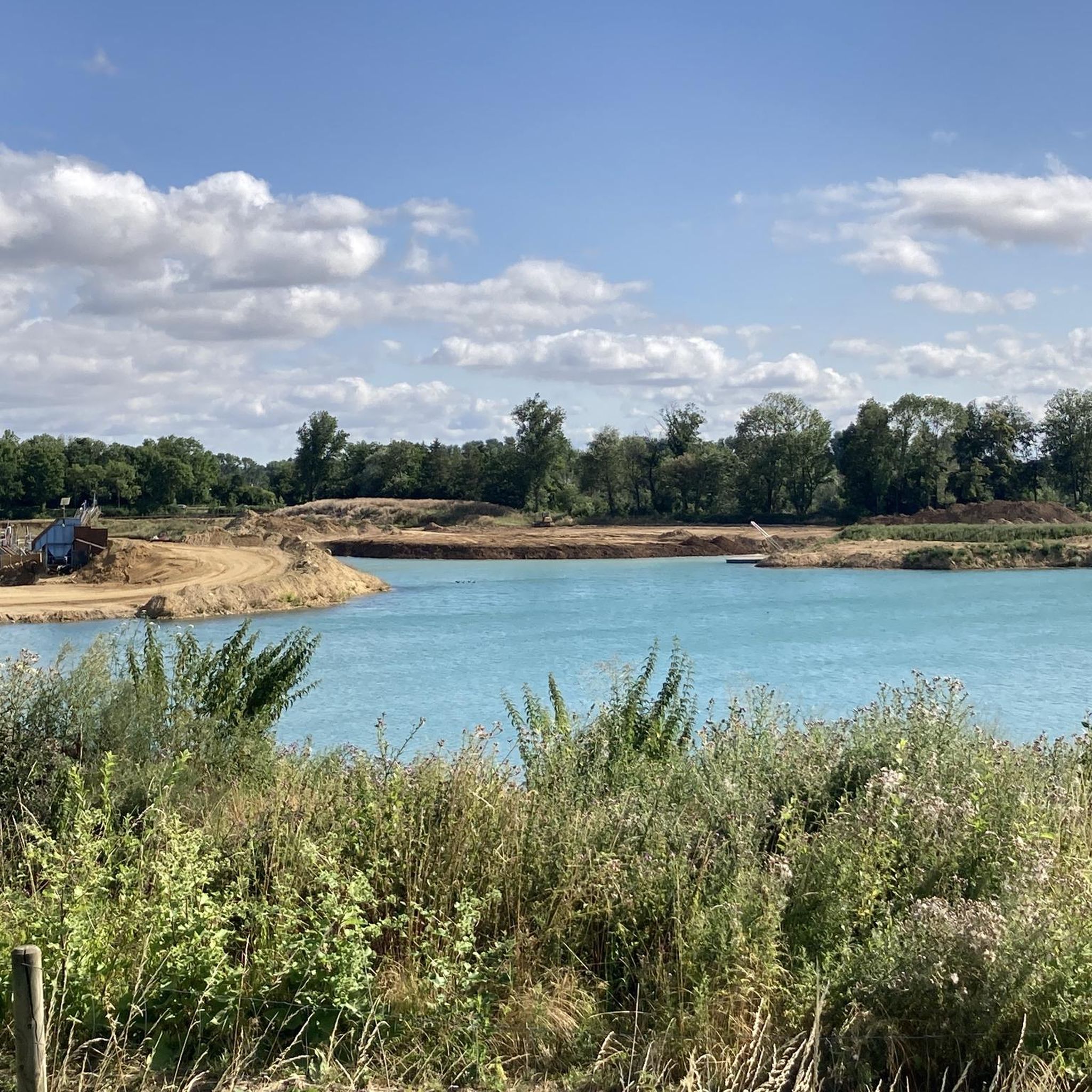
Cycling around Jülich
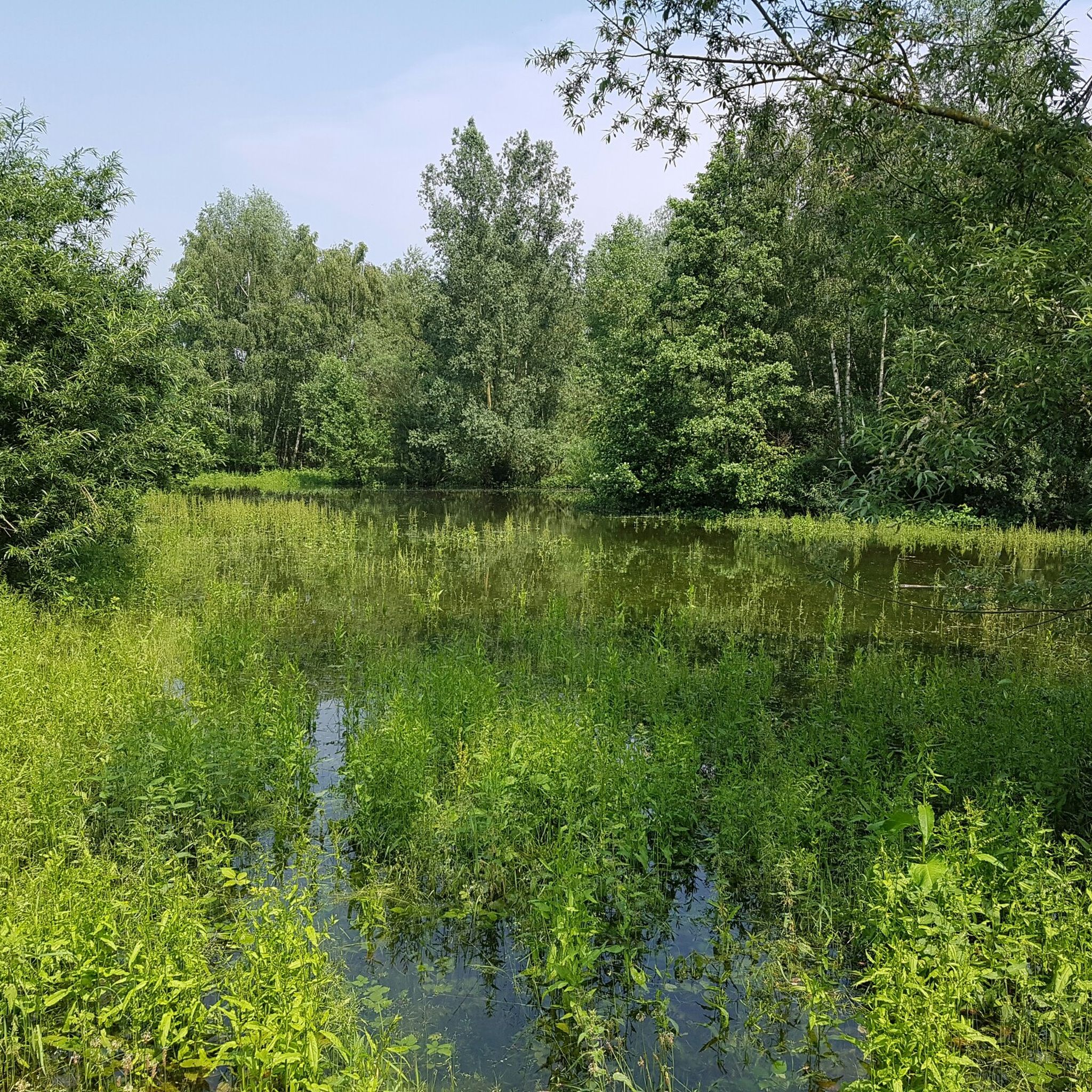
Hiking around Jülich
Road Cycling Routes around Jülich
MTB Trails around Jülich
Running Trails around Jülich
Other adventures around Jülich


Tips from the Community

Hmm, some highlights aren't clear to me. Okay, probably because I was driving up the mountain and wasn't speeding fast ;-)
2
0

Small chapel in the immediate vicinity of the Kammerbusch landscape garden in Langerwehe.
0
0


<< Hülsenberg Chapel >> "This is where the parish goes from the parish church after the Good Friday liturgy. This procession, called the 'Roman journey' in earlier years, is a pious remnant of the earlier Good Friday prayer of the prostrations. (Author: Heinz Wamig) The Hülsenberg Chapel stands on an old Roman road. It dates from the 17th century and is built from quarry stone. In November 1944 it was almost completely destroyed by war. It was rebuilt in 1950 - 1952 in a major reconstruction project and consecrated on Good Friday 1952. The old, superior-sized crucifixion group from the 15th/16th century is now in the Old Church on Rymelsberg. The crucifixion group was replaced by a basalt-lava sculpture by the artist Titus Reinartz in 1990. " (Source: www.dueren.city-map.de) https://gdg-inden-langerwehe.de/pfarreien/st-martin-langerwehe/wir-ueber-uns/kirchen-kapellen/kapellen-bildstoecke-wegekreuze/
0
0


The Sophienhöhe, also known as Monte Sophia, is a recultivated spoil heap created by the mining of lignite seams from the Hambach opencast mine.
14
0

The Roman tower on the Sophienhöhe is a replica of a watchtower that the Romans used to monitor the site in the 1st to 4th centuries.
13
0

A nice leisurely tour, also something to see. Also suitable for children.
3
0
Frequently Asked Questions
What are the most prominent elevated features around Jülich?
While Jülich is not known for natural mountain peaks, the most prominent elevated feature is the Sophienhöhe. This extensive artificial mountain was created from the overburden of the Hambach open-pit lignite mine and stands as the highest elevation in the Jülicher Börde region. Other notable elevated spots include the hill where Hülsenberg Chapel is located and the designated summit of Röher Berg (Top Speed).
What kind of natural features can I expect to see on the elevated areas around Jülich?
The Sophienhöhe, despite its artificial origin, offers a unique landscape with a dense network of hiking and cycling paths. You can explore a wildlife enclosure, a 'mammoth forest,' and enjoy expansive views of the surrounding region. The area provides a distinct experience for nature lovers interested in reclaimed landscapes.
Are there any historical sites on or near the elevated areas in Jülich?
Yes, historical sites are a significant part of the elevated areas. The Roman Tower at Sophienhöhe is a replica of an ancient watchtower, offering a glimpse into the region's past. Additionally, the Hülsenberg Chapel, originally from the 18th century and rebuilt in 1950, is a religious and historical site located on a 203-meter-high hill.
Are the elevated areas around Jülich suitable for families?
Yes, several spots are family-friendly. The Sophienhöhe features various points of interest like a wildlife enclosure and a Celtic tree circle, which can be engaging for children. The Hülsenberg Chapel is also noted as suitable for children, offering a leisurely tour with historical context.
What are some popular viewpoints near Jülich?
The Roman Tower at Sophienhöhe is a highly recommended viewpoint, offering an excellent all-round panoramic view of the area, especially on clear days. The Sophienhöhe itself provides expansive vistas across the Jülicher Börde region.
Can I find challenging routes on the elevated areas around Jülich?
Yes, while many routes are accessible, some sections, particularly around the Sophienhöhe, can be considered intermediate to challenging. For instance, the Roman Tower at Sophienhöhe is categorized as offering both intermediate and challenging experiences, depending on the chosen path.
What outdoor activities can I do near the elevated areas of Jülich?
The region offers a variety of outdoor activities. You can enjoy hiking on the extensive network of paths on Sophienhöhe. There are also numerous routes for running and road cycling. For more specific options, explore guides like Easy hikes around Jülich, Running Trails around Jülich, and Road Cycling Routes around Jülich.
Are there specific hiking trails recommended near these elevated features?
Yes, the Sophienhöhe offers a dense network of designated hiking paths. For easy hikes, you can find options like the 'Barmener Lake – View of the Rur loop from Barmen' or 'Kirchberg Angling Lake – View of the Inden open-pit mine loop from Kirchberg' within the Easy hikes around Jülich guide. Many trails provide views of the elevated areas and surrounding landscapes.
What do visitors particularly enjoy about the elevated areas around Jülich?
Visitors appreciate the unique landscape of the Sophienhöhe, its panoramic views, and the blend of nature with historical elements like the Roman Tower. The opportunity for diverse outdoor activities, from leisurely walks to more challenging routes, is also highly valued by the komoot community.
When is the best time to visit the elevated areas around Jülich for outdoor activities?
The Sophienhöhe and other elevated areas are generally accessible year-round. Spring and autumn offer pleasant temperatures and beautiful scenery for hiking and cycling. Summer is also suitable, though it can be warmer. Winter can provide a different, serene experience, especially if there's snow, but some paths might be less maintained.
Are there options for running or cycling near the peaks?
Absolutely. The Sophienhöhe is popular for both running and cycling, with dedicated paths. You can find routes like 'Hambach Lake – Sophienhöhe loop from Stetternich' in the Running Trails around Jülich guide. For road cycling, routes such as 'Terra Nova Speedway – Terra Nova Asphalt Path loop from Welldorf' are available in the Road Cycling Routes around Jülich guide, often providing views of the elevated landscape.
Where can I find parking for hiking trails near Jülich's elevated areas?
Parking is generally available at various access points to the Sophienhöhe and other popular hiking areas. Specific parking locations are often indicated on local trail maps or can be found by researching the starting points of individual routes you plan to undertake.
Most popular routes around Jülich
Most popular attractions around Jülich

Get inspired with the komoot mobile app


Explore more
See even more amazing summits around Jülich with these guides:
