Parc Naturel Régional Du Mont-Ventoux
Parc Naturel Régional Du Mont-Ventoux
The 7 Most Amazing Peaks in Parc Naturel Régional Du Mont-Ventoux
Best mountain peaks in Parc Naturel Régional Du Mont-Ventoux are characterized by their distinctive white limestone summits and diverse ecosystems. This region, designated a UNESCO Biosphere Reserve, transitions from Mediterranean vegetation at its base to a more alpine environment at higher elevations. It is known for its unique bioclimatic range, supporting a wide variety of flora and fauna. The area offers extensive opportunities for outdoor activities, including hiking and cycling, with panoramic views of the surrounding landscapes.
Best mountain peaks…
Last updated: August 22, 2026
Mont Ventoux summit
Highlight • Summit
Translated by Google •
Tip by

Chalet Reynard to Mont Ventoux Summit
Highlight (Segment) • Climb
Translated by Google •
Tip by
Sign up now to discover places like this
Get recommendations on the best single tracks, peaks, & plenty of other exciting outdoor places.
Sign up for free
Mont Ventoux Ascent from Bédoin
Highlight (Segment) • Climb
Translated by Google •
Tip by

Climbing Mont Ventoux from Malaucène
Highlight (Segment) • Summit
Tip by

Mont Ventoux Ascent from Sault
Highlight (Segment) • Climb
Translated by Google •
Tip by

Sign up for free to discover even more peaks in Parc Naturel Régional Du Mont-Ventoux.
Sign up for free
Already have an account?
Start today with a free account
Your next adventure awaits.
Login or Signup
Popular around Parc Naturel Régional Du Mont-Ventoux
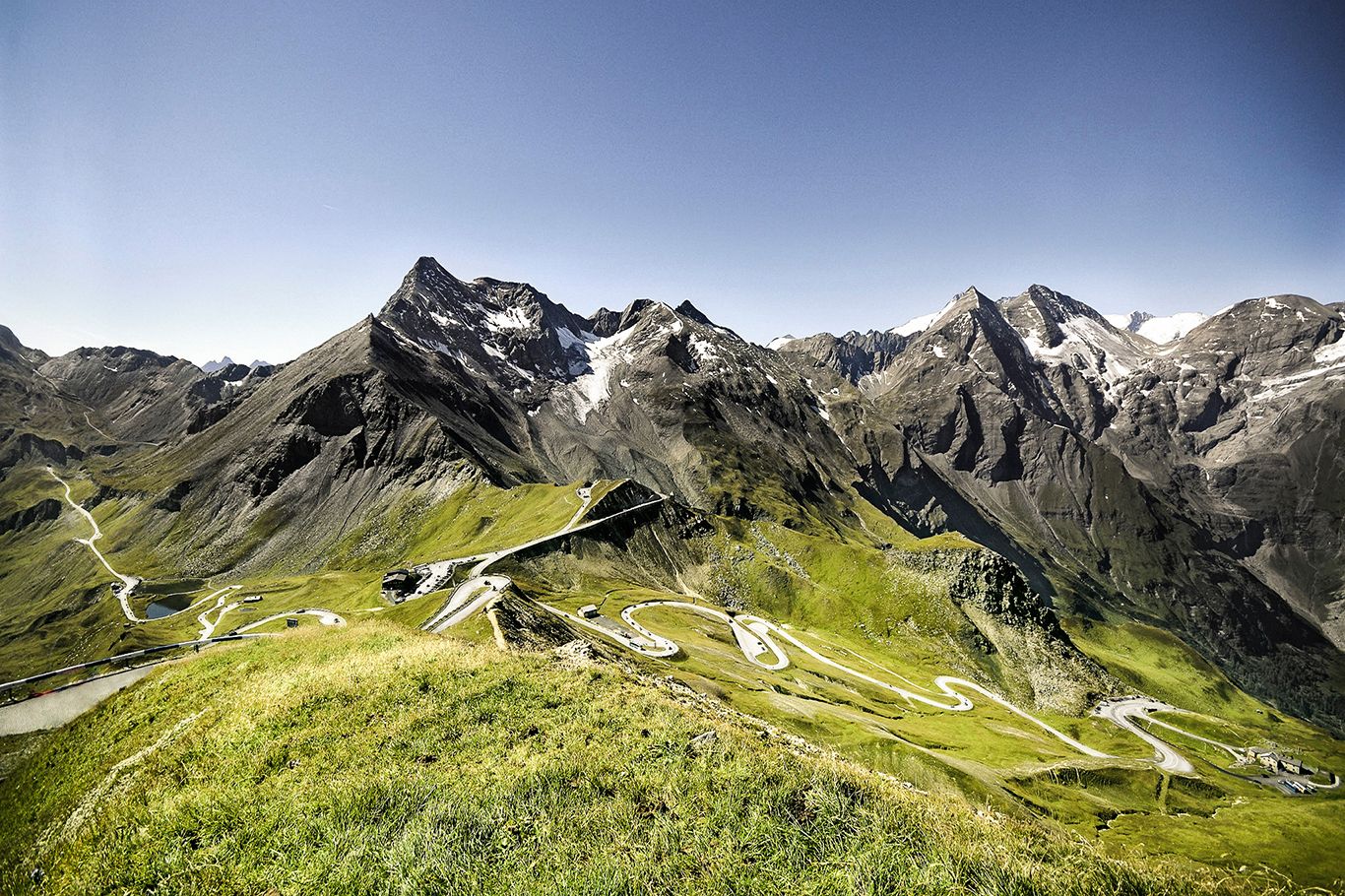
Three Peaks Bike Race — Vienna to Nice
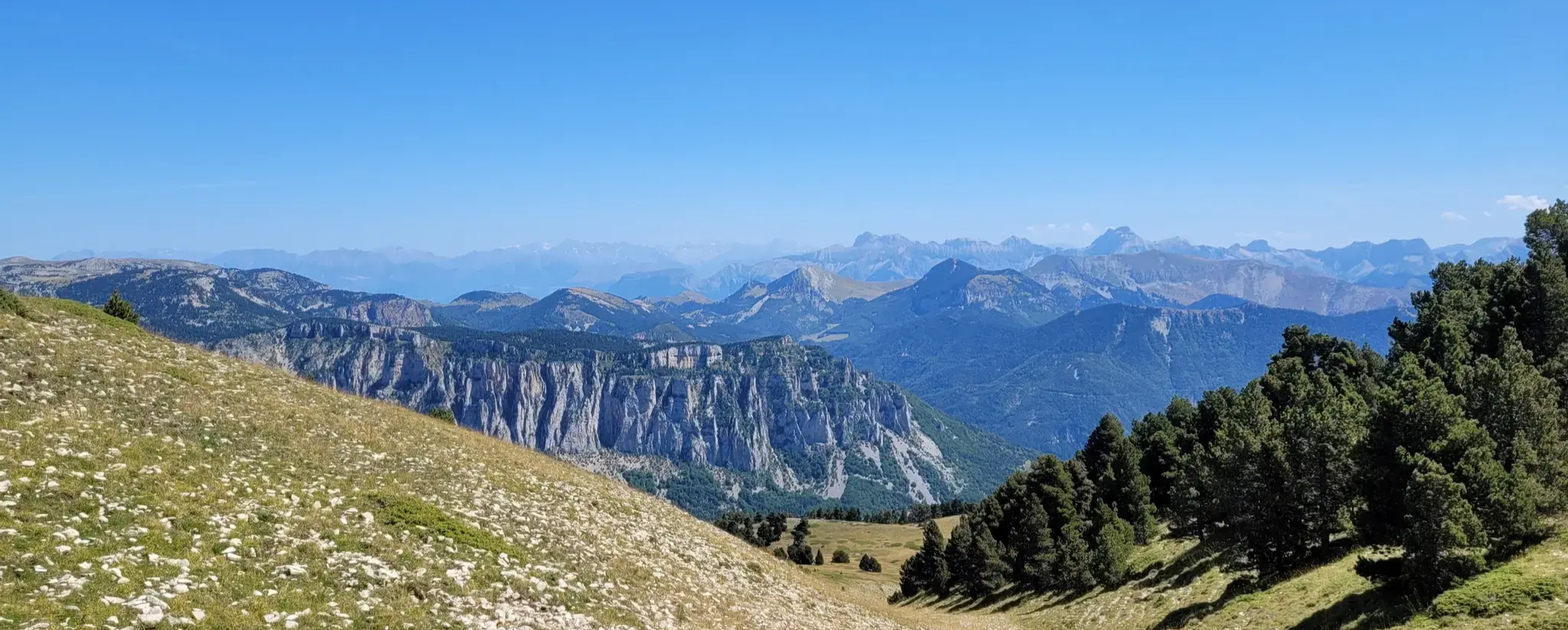
GR 91 - From the Vercors High Plateaux to Provence
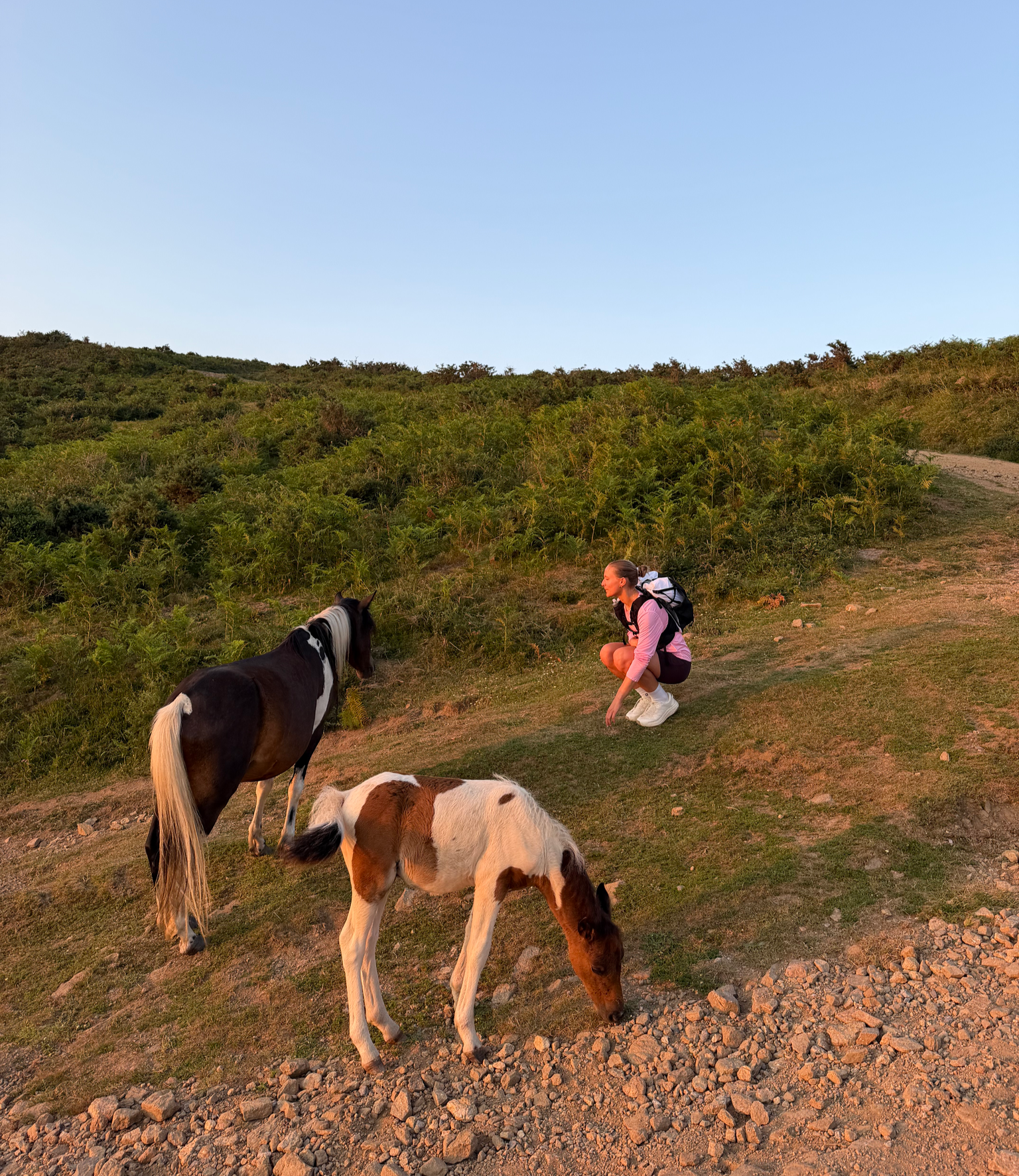
France’s Best Sunrise & Sunset Hikes
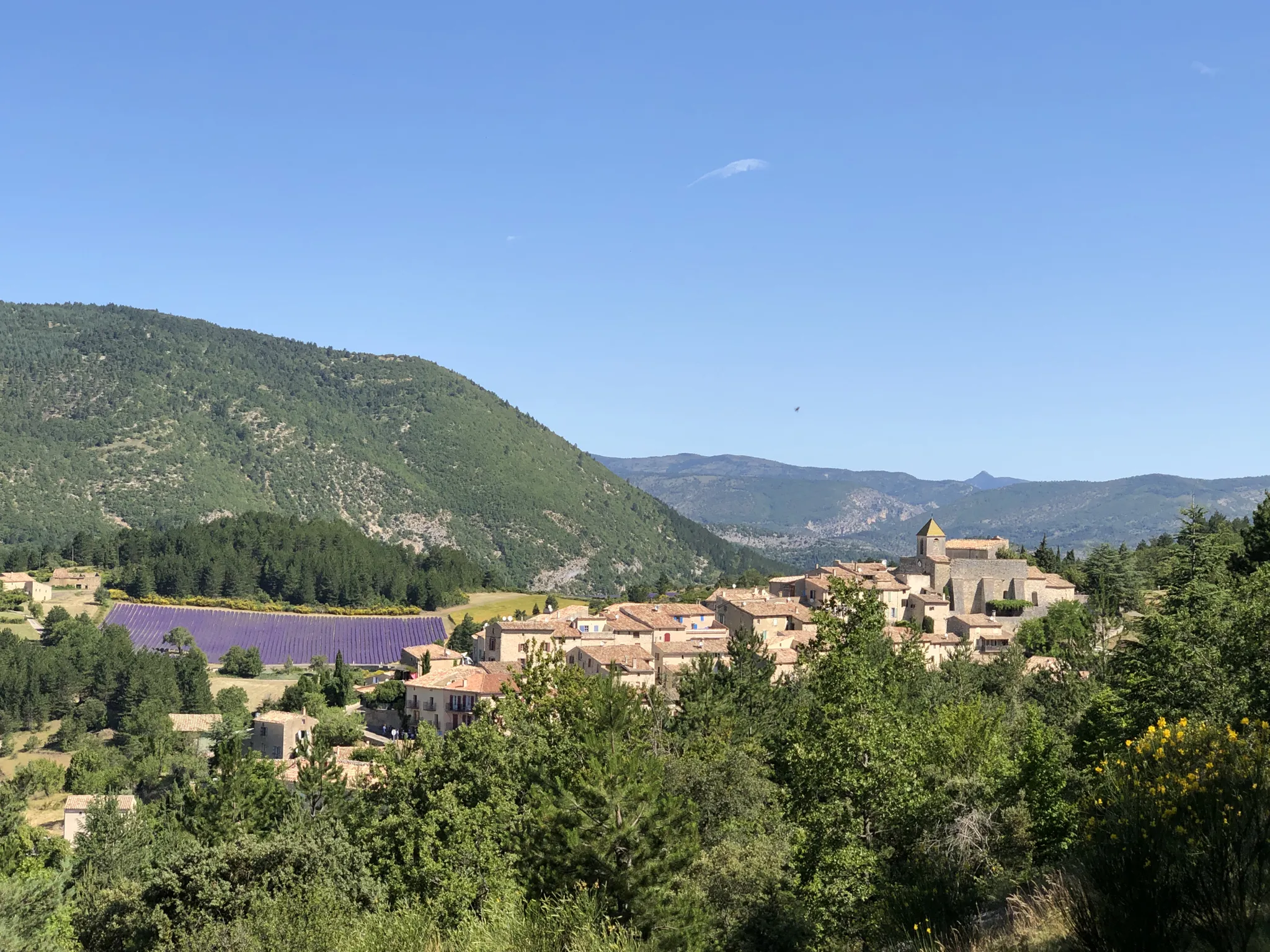
Exceptional natural landscapes — La Grande Traversée de Vaucluse à VTT
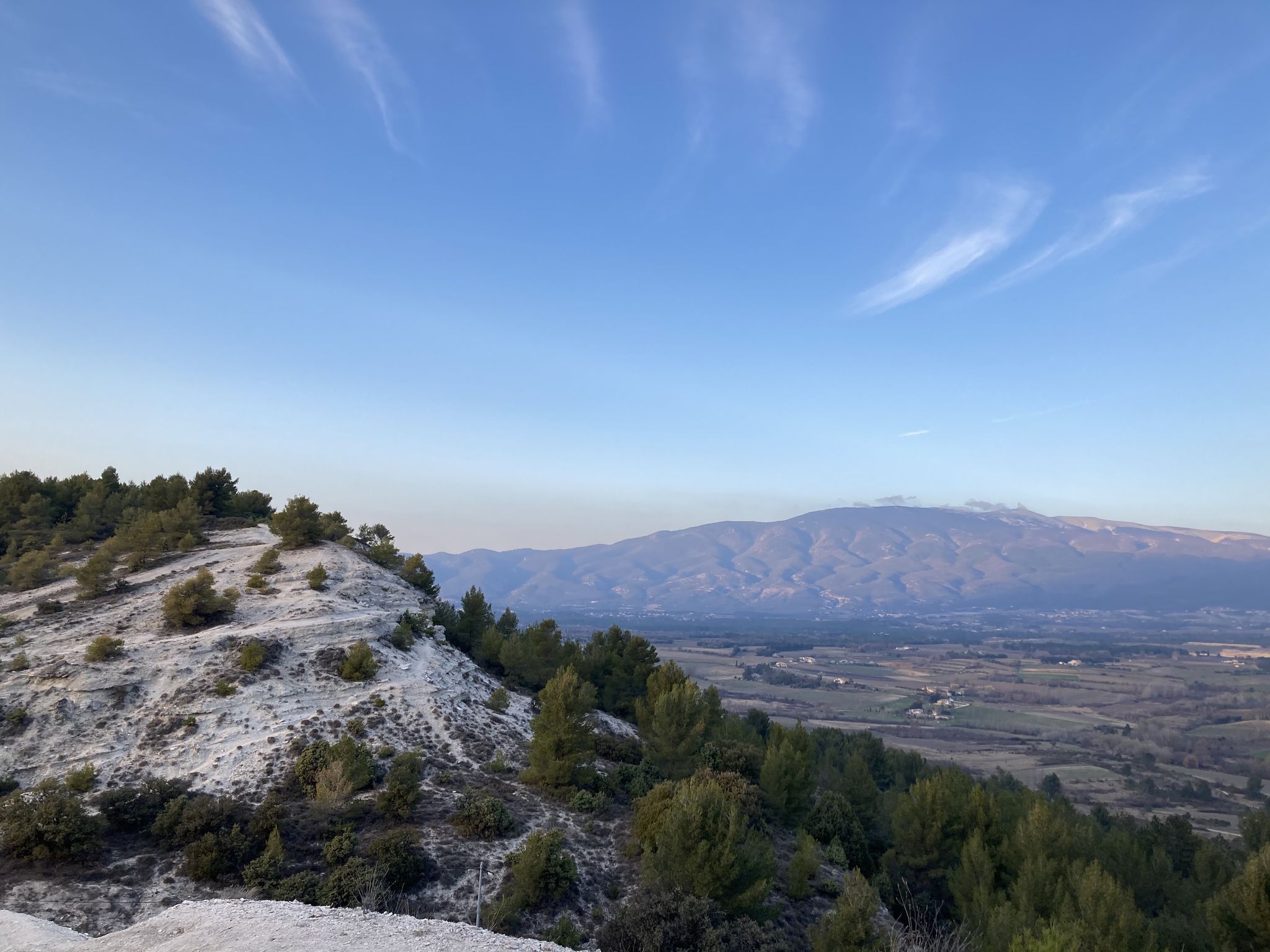
The giant of Provence – Mont Ventoux trail running resort
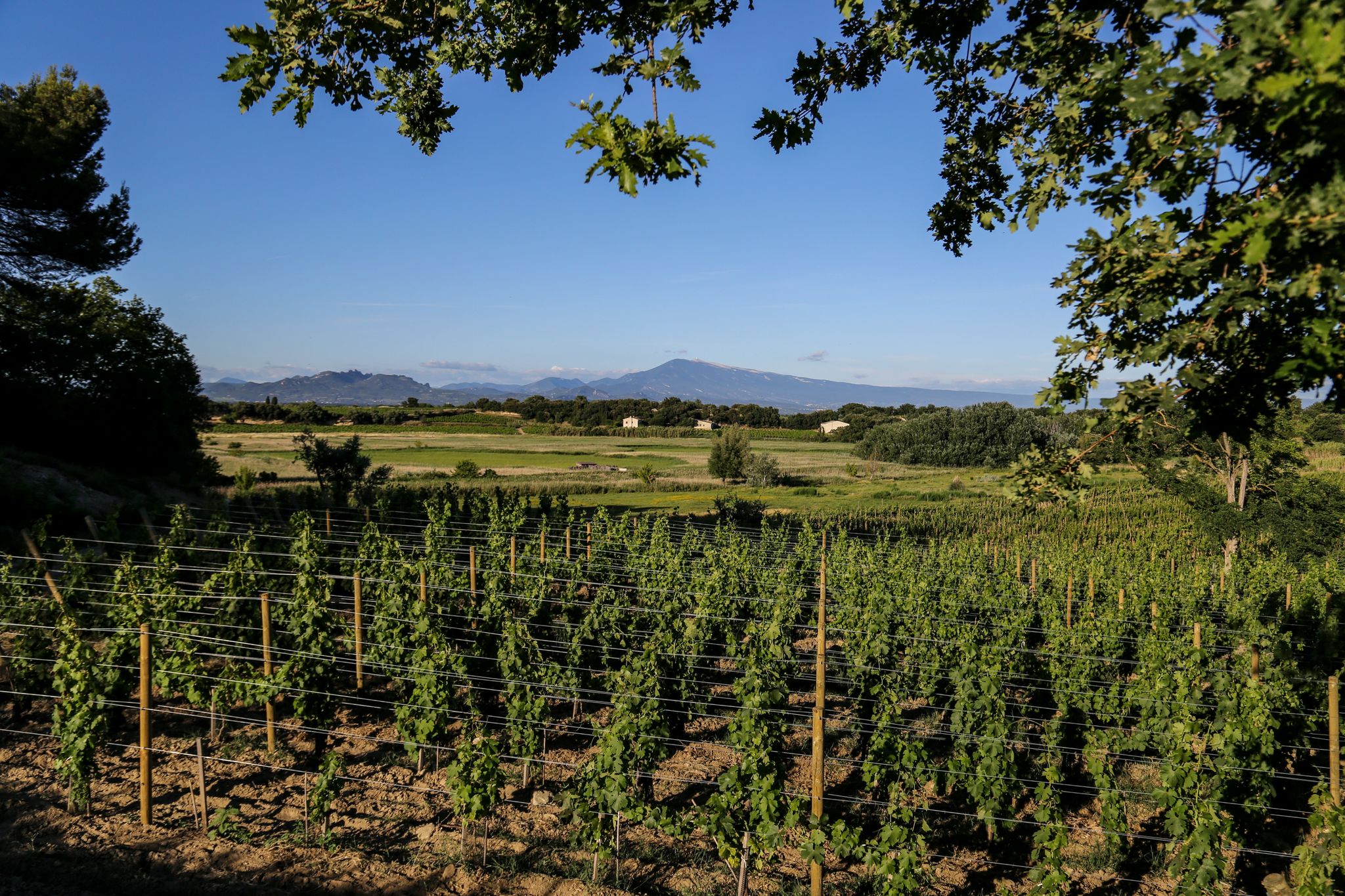
Cycling and wine – Côtes-du-Rhône tour
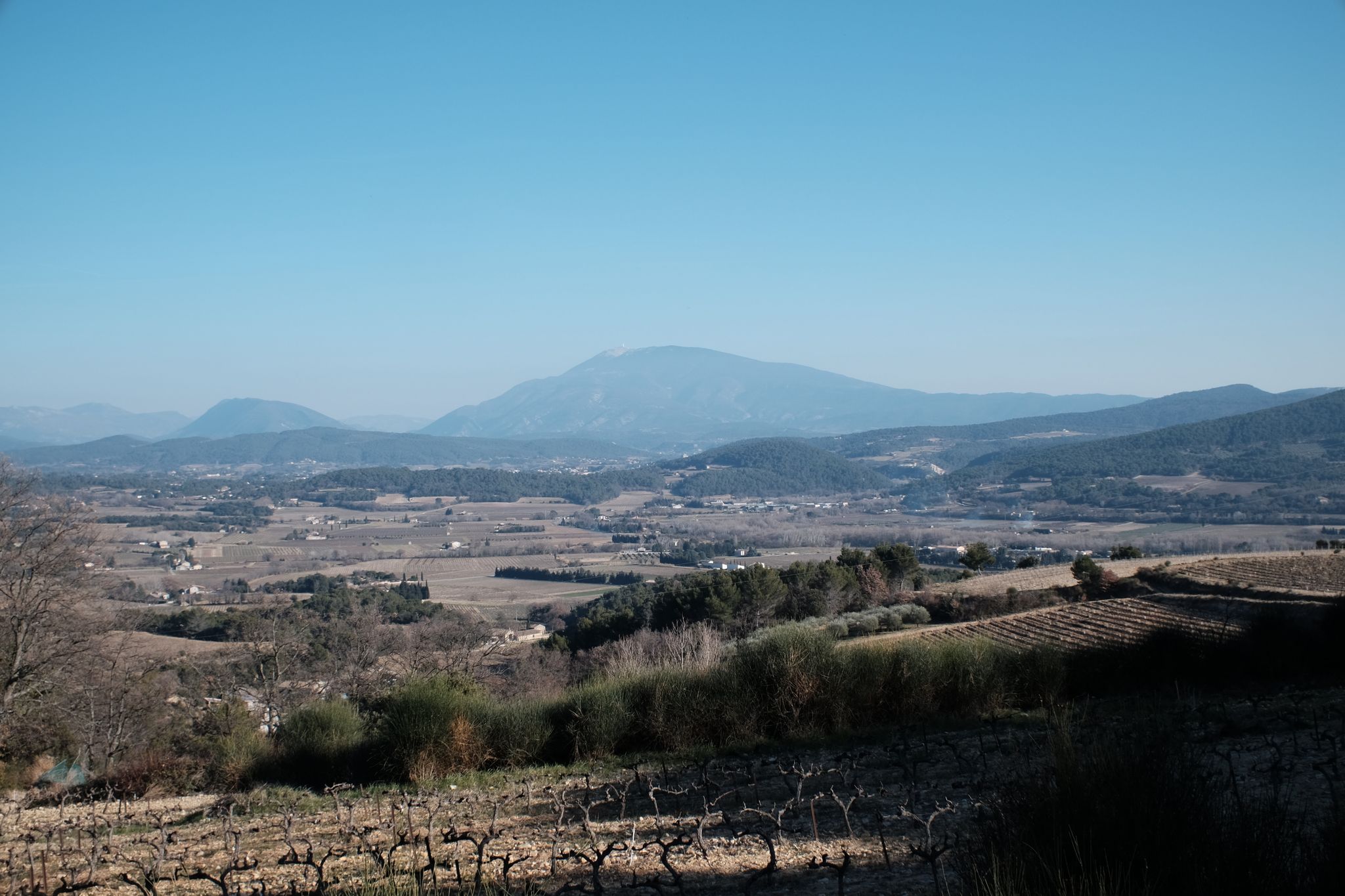
Adventure from north to south – Grande Traversée de Vaucluse
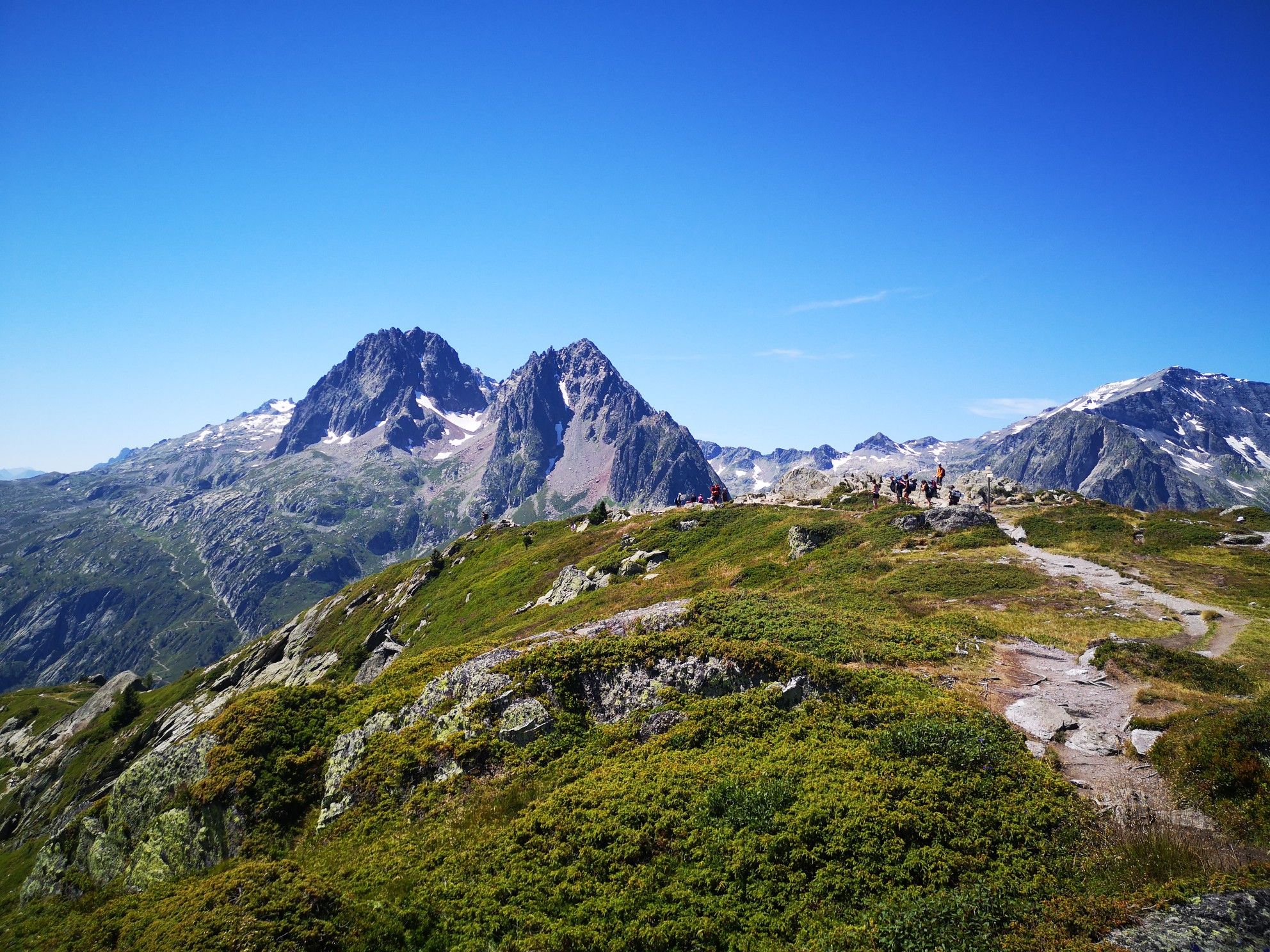
The French Circuit – Golden Trail National Series
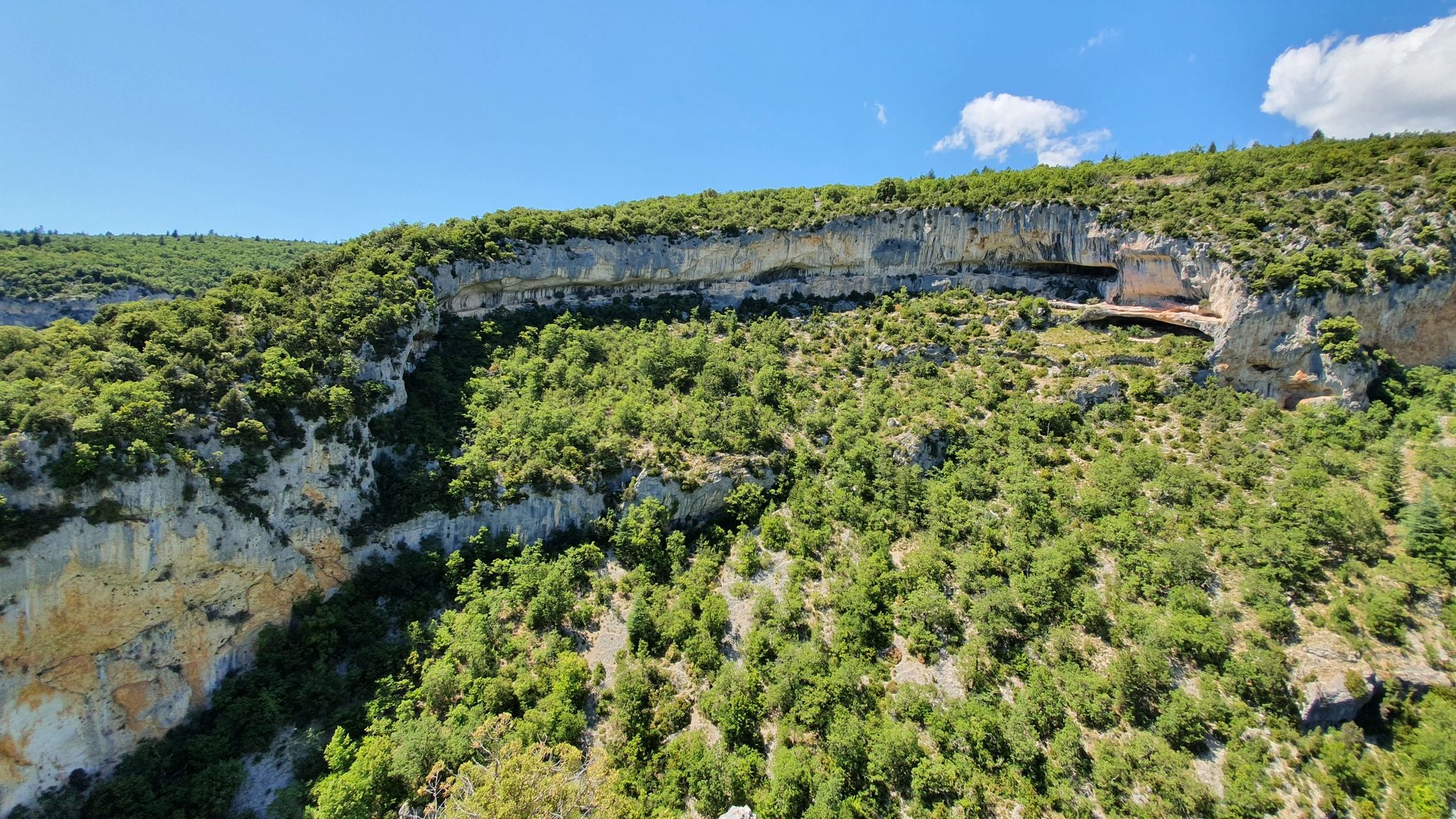
From the Dentelles de Montmirail to the Ventoux - seven hikes in Vaucluse
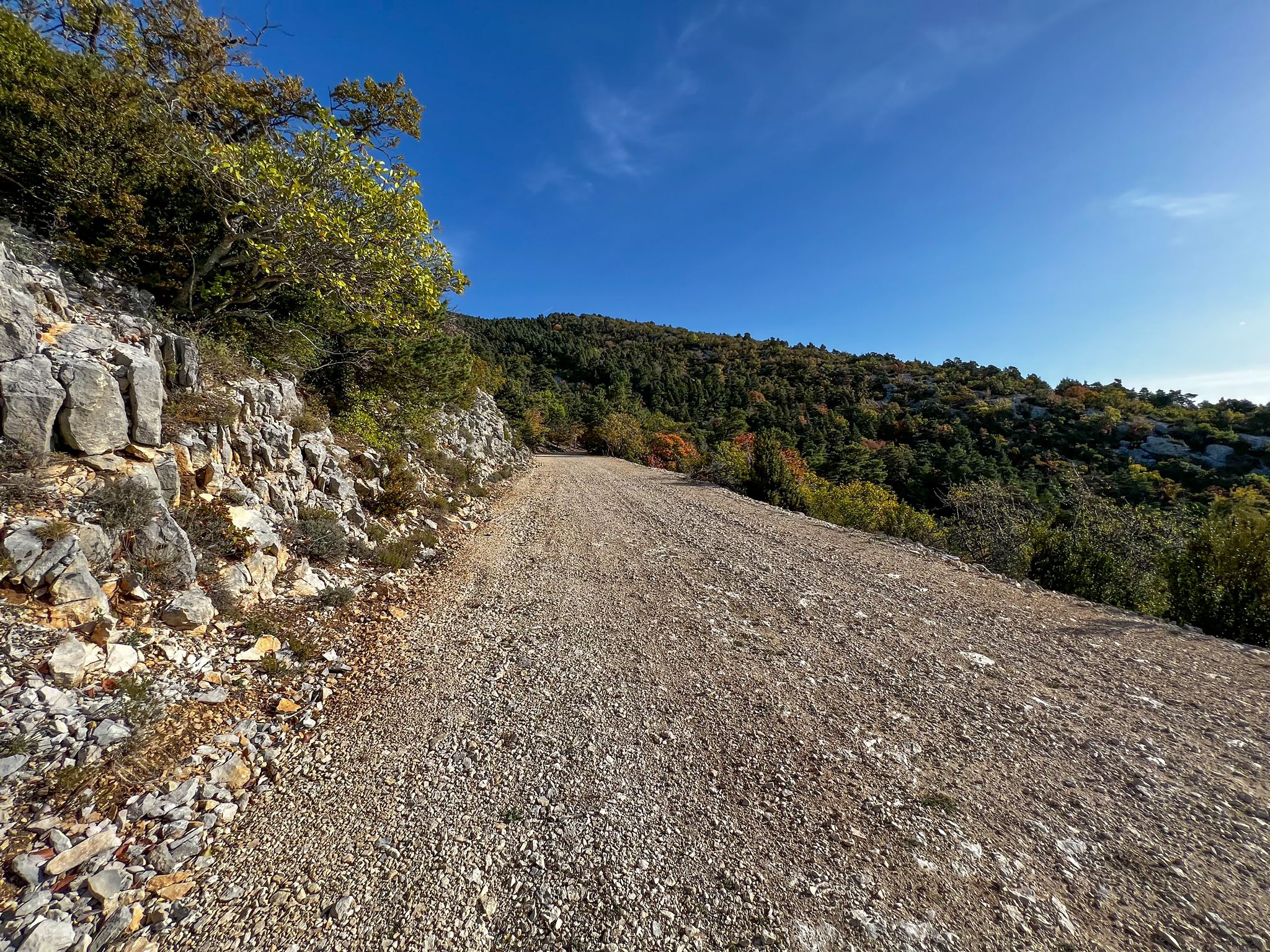
Best gravel routes from Bédoin — Cycling Mont Ventoux
Other adventures in Parc Naturel Régional Du Mont-Ventoux


Tips from the Community

A superb climb on smooth asphalt, even if it's not the most popular climb. Therefore, traffic is very light, which I personally find more important. Up to Chalet Reynard, you're surrounded by trees. Views are rare. Overall, the climb is very pleasant and suitable for those who want to take it easy.
3
0

Arriving up here on my regular touring bike was my personal highlight of 2024. Warm clothing is definitely a plus, at least for the descent. Don't forget it!
3
0

Tough climb, very irregular with gradients up to 14%. Especially the 3.5 km before Mont Serein are very difficult. In 2021 "Covid era" the Cannibale left here in September at 6:30 in the morning when it was still dark. Doing the climb of the Ventoux with thousands of lights and seeing the sun rise was a magical moment.
1
0

Climb with a different character. Sometimes around 5% but also a few kilometers at 12%. Very nice view of the top and the Alps. Less busy than the climb from Bedoin.
3
0

Not as famous as the Bedoin climb used often by the Tour de France, but still a very enjoyable, tough climb with beautiful views of the summit
5
1

Even better as a descent.
1
0
Good asphalt, decent gradient.
2
0

Whatever the weather, always a worthwhile challenge
2
1
Frequently Asked Questions
What are the most prominent mountain peaks in the Parc Naturel Régional du Mont-Ventoux?
The most prominent peaks in the region are Mont Ventoux and Montagne de Lure. Mont Ventoux, known as 'The Giant of Provence,' is the highest peak, reaching 1,912 meters. Montagne de Lure, often called its 'little sister,' stands at 1,826 meters. Both feature distinctive white limestone summits and are part of the UNESCO Biosphere Reserve.
What makes Mont Ventoux a unique destination for outdoor enthusiasts?
Mont Ventoux is renowned for its extreme climate variations, transitioning from Mediterranean to polar-like environments, and its strong Mistral winds. It's a UNESCO Biosphere Reserve with diverse flora and fauna. It's particularly famous among cyclists for its challenging ascents, frequently featured in the Tour de France, and offers numerous hiking trails with panoramic views. The Mont Ventoux summit itself is a must-visit.
Are there different routes to climb Mont Ventoux, and what are their characteristics?
Yes, Mont Ventoux can be climbed from three main routes: Bédoin, Malaucène, and Sault. The ascent from Sault is generally considered the easiest, offering a more gradual incline primarily through forest, as seen in the Mont Ventoux Ascent from Sault. The Climbing Mont Ventoux from Malaucène route is tough but offers beautiful views of the summit and the Alps.
What activities can I enjoy on Montagne de Lure?
Montagne de Lure offers a serene experience with spectacular 360-degree views. It's ideal for hiking, horseback riding, and mountain biking. In winter, the Lure multi-activity station provides options for skiing, sledding, and snowshoeing, while summer activities include grass scooters and tubing. It's also a great spot for birdwatching and observing diverse flora.
What kind of wildlife can be spotted in the Mont Ventoux region?
The Mont Ventoux region, being a UNESCO Biosphere Reserve, is home to a remarkable diversity of wildlife. You might spot chamois, mouflons, and a multitude of insect and bird species. Montagne de Lure also boasts a rich array of fauna, including various birds of prey and mammals like red deer and chamois.
When is the best time to visit the mountain peaks in Parc Naturel Régional du Mont-Ventoux?
The best time to visit depends on your preferred activities. For cycling and hiking, late spring (when lavender fields bloom) and early autumn offer pleasant temperatures. However, be prepared for extreme climate variations on Mont Ventoux, where temperatures can drop significantly at the summit even in spring. Winter offers opportunities for skiing and snowshoeing at resorts like Mont Serein on Mont Ventoux or the Lure multi-activity station on Montagne de Lure.
Are there family-friendly hiking options near these mountain peaks?
Yes, there are several easy hiking routes suitable for families in the region. For example, you can find options like the 'Tolle Schlucht – Combe de Curnier loop' or the 'Lac du Paty – Lake Paty loop'. You can explore more family-friendly routes in the Easy hikes in Parc Naturel Régional Du Mont-Ventoux guide.
What are some challenging hiking routes for experienced trekkers?
For experienced trekkers, the region offers challenging mountain hikes. Routes like the 'Pass of Storms – Grand panorama loop from Chalet Reynard' or the 'View of the Gorges de Véroncle – Moulin Jean de Marre loop from Gordes' provide more demanding experiences. Discover these and other routes in the Mountain Hikes in Parc Naturel Régional Du Mont-Ventoux guide.
What cycling routes are available around Mont Ventoux?
The area around Mont Ventoux is a cycling mecca. You can tackle iconic ascents like the 'Mont Ventoux Loop: Bédoin - Malaucène' or explore scenic rides such as the 'Gorges de la Nesque Loop'. Many routes lead to the summit, offering varying distances and difficulty levels. Find detailed cycling routes in the Cycling in Parc Naturel Régional Du Mont-Ventoux guide.
What cultural or historical sites can be found near the mountain peaks?
Beyond natural beauty, the region has cultural significance. Montagne de Lure, for instance, was an inspiration for writer Jean Giono and features historical sites like the Notre-Dame de Lure Abbey. The foothills of Mont Ventoux also offer a rich culinary scene and vineyards to explore.
What do visitors appreciate most about the mountain peaks in Parc Naturel Régional Du Mont-Ventoux?
Visitors frequently highlight the breathtaking panoramic views from the summits, especially from Mont Ventoux summit, which can stretch to the Rhône Valley, the Vaucluse plateau, and even the Mediterranean Sea on clear days. The challenging yet rewarding climbs, the unique natural environment, and the diverse outdoor activities available are also highly valued.
Is Signal de Saint-Pierre located within the Parc Naturel Régional du Mont-Ventoux?
Signal de Saint-Pierre, at 1,256 meters, is the highest point in the Parc Naturel Régional du Luberon, located in the Vaucluse Mountains. While not directly within the Parc Naturel Régional du Mont-Ventoux, it is recognized as part of the cooperation area of the Mont Ventoux Biosphere Reserve, offering expansive views and access to the GR4 long-distance hiking trail.
Most popular routes in Parc Naturel Régional Du Mont-Ventoux
Most popular attractions in Parc Naturel Régional Du Mont-Ventoux

Get inspired with the komoot mobile app


Explore more
See even more amazing summits in Parc Naturel Régional Du Mont-Ventoux with these guides:
