Attractions and Places To See in Kiebitzholmer Moor Und Trentmoor - Top 8
Best attractions and places to see in Kiebitzholmer Moor Und Trentmoor include diverse moorland ecosystems and varied natural landscapes. This region, recognized as a European Natura 2000 Fauna-Flora-Habitat (FFH) area, features wetlands, sand heaths, and birch-moor forests. Visitors can explore geological features such as inland dunes and the cliff of the Tensfelder Au stream. The area offers opportunities for nature observation and recreation within its protected environment.
Best attractions and places to see in Kiebitzholmer Moor Und Trentmoor
- The most…
Last updated: July 11, 2026
Kiebitzholmer Moor information sign
Highlight • Rest Area
Translated by Google •
Tip by

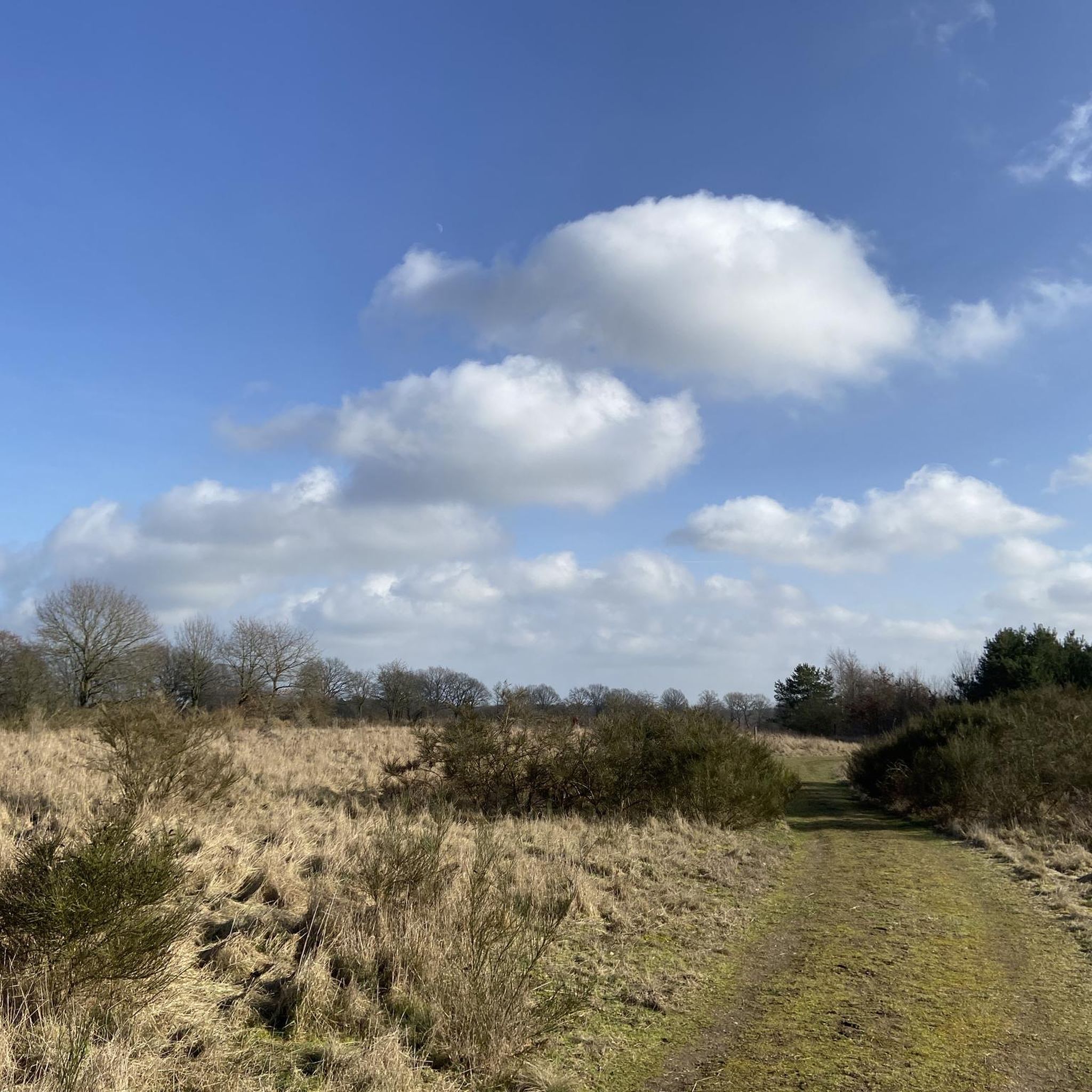
Heathland in Kiebitzholmer Moor und Trentmoor
Highlight • Natural
The water flowing westward deposited sand and carved out the "Trappenkamp Sander."
This allows heather to grow here.
Translated by Google •
Tip by

Sign up now to discover places like this
Get recommendations on the best single tracks, peaks, & plenty of other exciting outdoor places.
Sign up for free
Small Water Bodies in Kiebitzholmer Moor and Trentmoor
Highlight • Natural
Translated by Google •
Tip by
Stone Bridge Over the Rothenmühlenau
Highlight • Bridge
The westward-flowing water deposited sand and carved out the "Trappenkamp Sander."
Translated by Google •
Tip by
Trentmoor
Highlight • Natural
Translated by Google •
Tip by
Sign up for free to discover even more attractions in Kiebitzholmer Moor Und Trentmoor.
Sign up for free
Already have an account?
Start today with a free account
Your next adventure awaits.
Login or Signup
Popular around Kiebitzholmer Moor Und Trentmoor
Tips from the Community

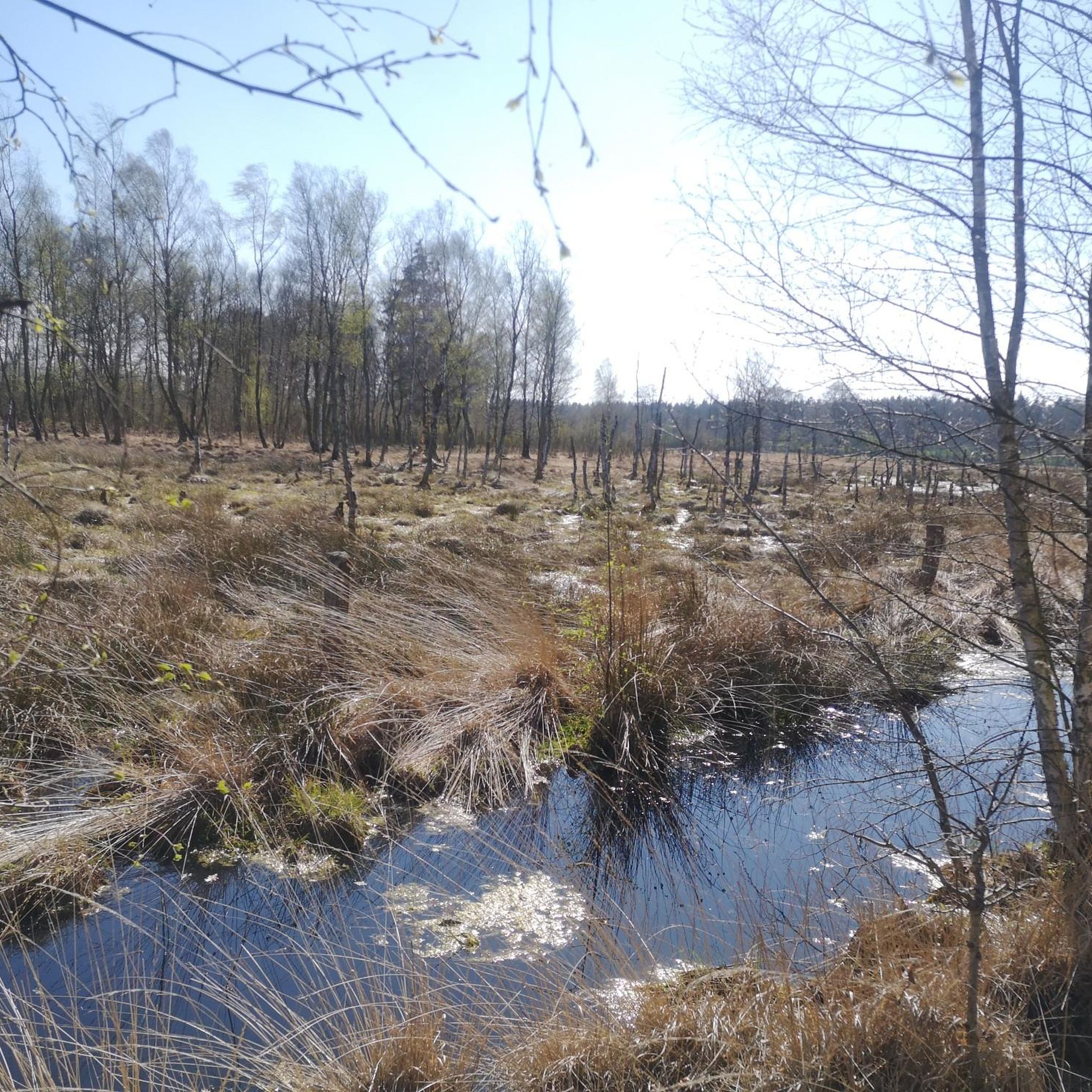
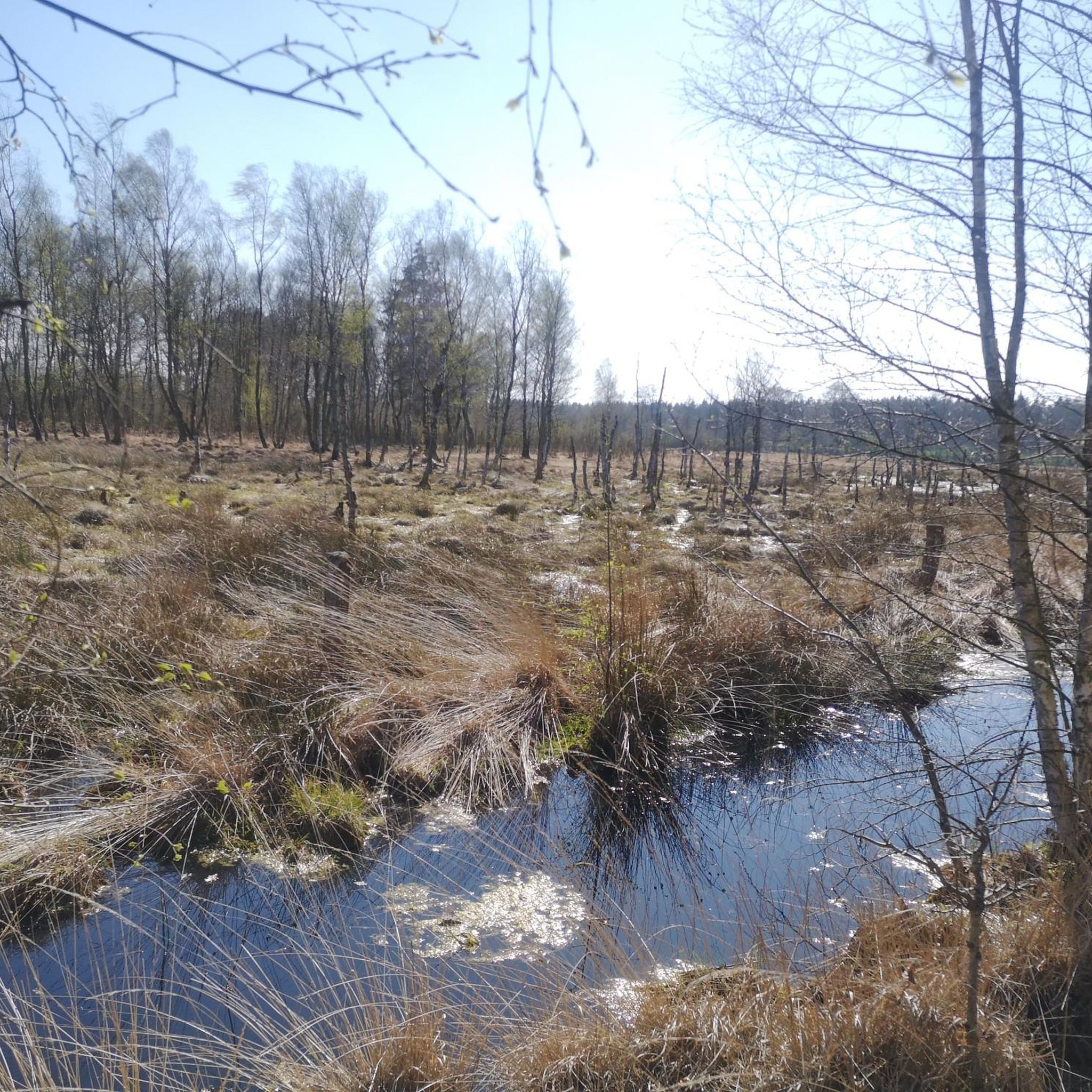
Small bodies of water are valuable habitats that often house rare aquatic and marsh plants as well as numerous animal species – including dragonflies and amphibians, which spend their larval stages here. On the Geest, many of these bodies of water are artificial, such as marl pits or livestock watering holes. Due to landscape change and intensive agriculture, many have disappeared, particularly affecting amphibians. A newly created pond with shallow banks, a sunny location, and nearby woodland now provides favorable conditions for their reproduction.
2
0
The shaping power of glacial meltwater from the area of present-day Lake Plön formed the landscape between Rickling and Daldorf. The westward-flowing water deposited sand and carved out the "Trappenkamp Sander." The present-day watershed between the North Sea and the Baltic Sea runs right through here: the Brandsau River flows toward the Baltic Sea, while the Rothenmühlenau River drains into the North Sea via the Stör River.
2
0
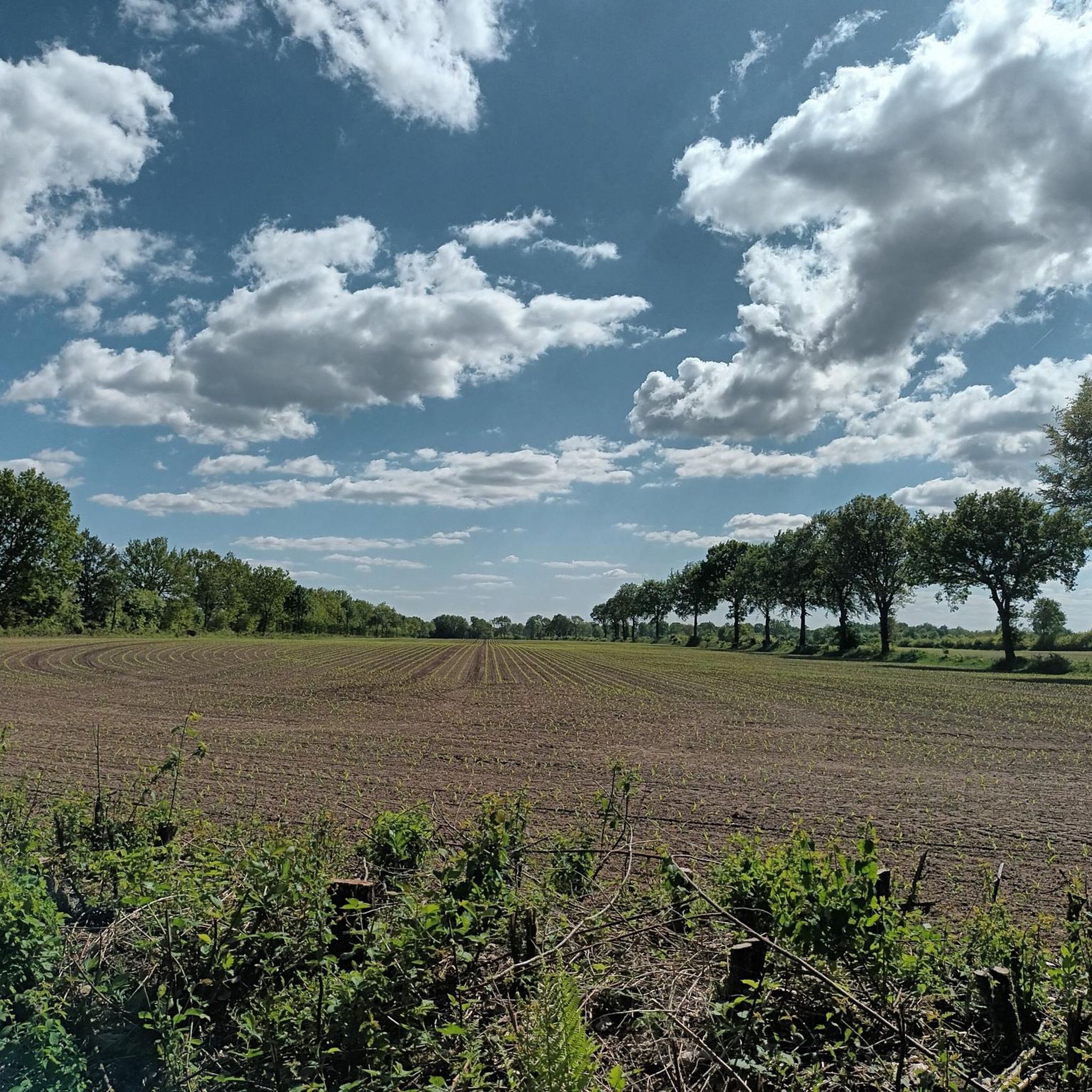
The shaping power of glacial meltwater from the area of present-day Lake Plön shaped the landscape between Rickling and Daldorf. The water flowing westward deposited sand and carved out the "Trappenkamp Sander." This allows heather to grow here. Tip: The heather blooms from August 8th to September 9th.
2
0
This trail leads through the structurally rich wetland of the Kiebitzholmer Moor, formed by glacial meltwater that once deposited sand and gravel between Rickling and Daldorf. The watershed between the North Sea and the Baltic Sea now runs here: the Brandsau River flows to the Baltic Sea, and the Rothenmühlenau River flows via the Stör River to the North Sea. Those who experience nature with open eyes can discover small wonders: • 🐸 Moor frogs, whose males shimmer bright blue for a few days in spring • 🐭 Harvest mice, which build elaborate nests among reeds and grasses • 🪲 Red-necked silphiums, carrion beetles with reddish-brown pronotums – indicators of near-natural habitats.
2
0
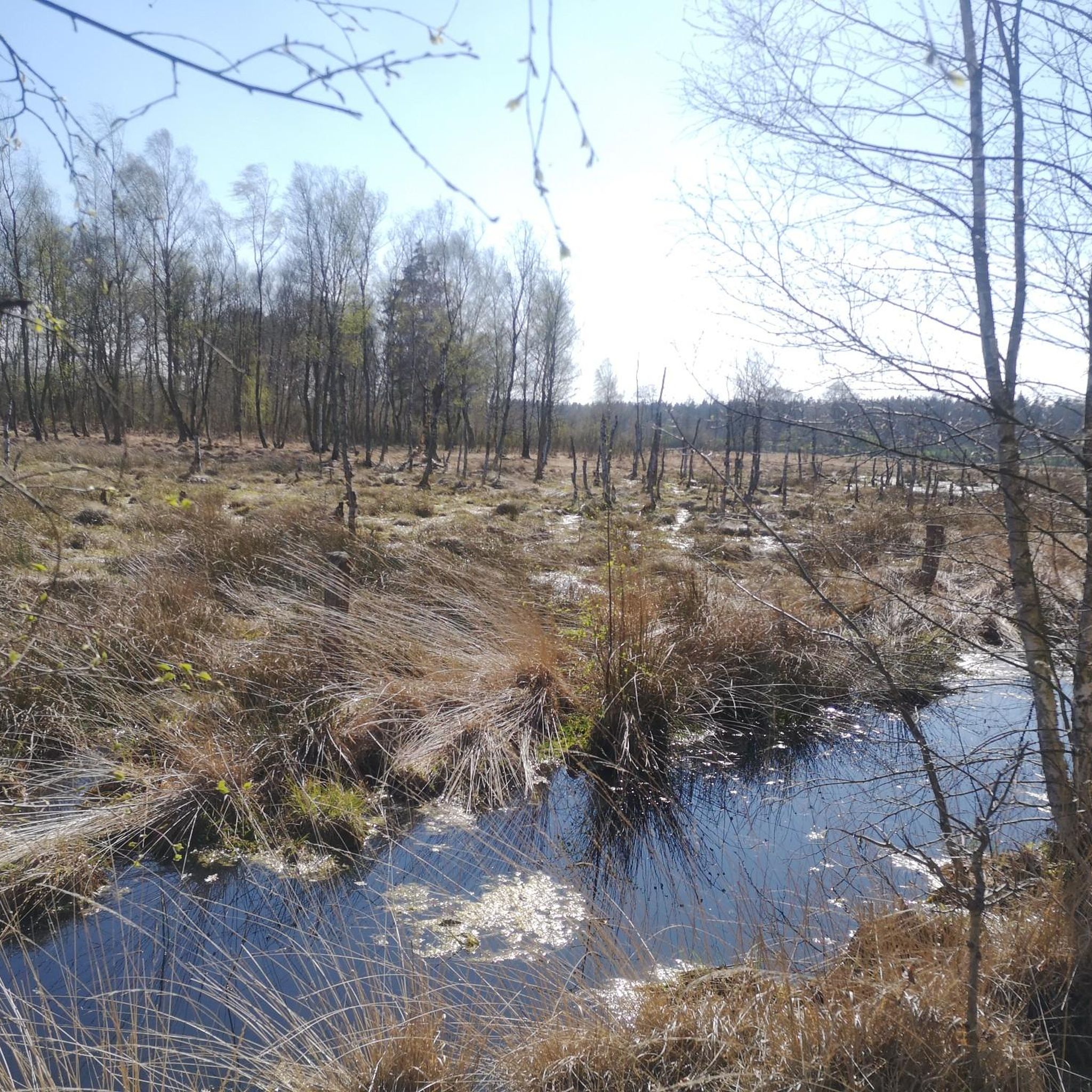
Trentmoor is a protected moorland in Schleswig-Holstein and is part of the Natura 2000 network, which preserves valuable habitats for rare plant and animal species. It is characterized by nutrient-poor raised bogs, wet heaths, and former peat bogs, some of which have been restored. To keep the landscape open, some areas are grazed by Galloway cattle, while large parts of the moor are off-limits for nature conservation reasons.
3
0

The moor has the name: Kiebitzholmer Moor! (Not "Kiebitzholzer" bog) Nice and quiet there - a herd of Galloways is running around freely - similar to the Stellmoorer Tunneltal near Hamburg. Great atmosphere - worth checking out!
0
0

Here is a sign with information about the Kiebitzholmer Moor.
2
0
Frequently Asked Questions
What kind of natural landscapes can I expect to see in Kiebitzholmer Moor Und Trentmoor?
Kiebitzholmer Moor Und Trentmoor is a diverse natural area featuring extensive moorland ecosystems, including remnants of raised bogs and regenerating sand heaths. You'll also find wetlands, wide wet meadows, and picturesque birch-moor forests. Notable geological features include inland dunes and the cliff of the Tensfelder Au stream.
Are there specific natural features or landmarks to look out for?
Yes, the region offers several unique natural features. You can explore the Heathland in Kiebitzholmer Moor und Trentmoor, shaped by glacial meltwater, where heather grows. There are also Small Water Bodies in Kiebitzholmer Moor and Trentmoor, which serve as vital habitats for rare aquatic plants and various animal species. Additionally, you can find geological features like the "Binnendüne bei Kiebitzholm" (inland dune near Kiebitzholm).
What wildlife can I observe in Kiebitzholmer Moor Und Trentmoor?
The Kiebitzholmer Moor is home to free-ranging Galloway cattle, which play a role in maintaining the landscape. The Small Water Bodies in Kiebitzholmer Moor and Trentmoor are crucial breeding grounds for amphibians and dragonflies. Keep an eye out for moor frogs, harvest mice, and red-necked silphiums, which are indicators of the near-natural habitats.
Are there walking or hiking trails available?
Yes, the area is highly regarded for its hiking opportunities. Approximately 5 kilometers of designated paths are available for walking. Popular routes include the moderate 13.9 km "Rundwanderweg ab Daldorf" and the 10.6 km "Rundtour Schutzhütte Stammtisch – Wildtränke Teich ab Kiebitzholmer Moor und Trentmoor." For more options, explore the hiking trails in the region on our Hiking in Kiebitzholmer Moor Und Trentmoor guide.
Can I go cycling or horse riding in the area?
Yes, alongside walking, approximately 5 kilometers of designated paths are also available for cycling and horse riding within Kiebitzholmer Moor Und Trentmoor. For cycling enthusiasts, you can find gravel biking routes in the region on our Gravel biking in Kiebitzholmer Moor Und Trentmoor guide.
Is Kiebitzholmer Moor Und Trentmoor suitable for families with children?
Yes, several attractions within the area are considered family-friendly. The Kiebitzholmer Moor information sign provides educational details about the ecosystem, and exploring the Heathland in Kiebitzholmer Moor und Trentmoor or observing wildlife around the Small Water Bodies can be engaging for children.
What is the best time of year to visit Kiebitzholmer Moor Und Trentmoor?
The region offers beauty throughout the year, but for specific experiences, consider visiting between August 8th and September 9th to witness the heather in full bloom at the Heathland in Kiebitzholmer Moor und Trentmoor. Spring is also a good time to potentially see moor frogs, whose males shimmer bright blue for a few days.
Are there any easy walking trails for a shorter visit?
Yes, if you're looking for an easier and shorter option, the "Moorfrosch-Rundweg ab Hoheluft" is a 3.1 km trail that takes approximately 46 minutes and leads through characteristic moor landscapes. You can also find easy hiking routes like the 7.08 km "Forest Path – The Stammtisch Shelter loop from Rickling" in our Hiking in Kiebitzholmer Moor Und Trentmoor guide.
What is the significance of Trentmoor within the region?
Trentmoor is a protected moorland and a significant part of the European Natura 2000 network. It's recognized for its near-natural state, important vegetation zones, nutrient-poor raised bogs, wet heaths, and restored peat bogs. For nature conservation reasons, large parts of Trentmoor are off-limits to visitors.
Where can I find information about the moor's ecosystem and geological history?
The Kiebitzholmer Moor information sign is an excellent starting point. It provides details about the moor's unique ecosystem, its formation by glacial meltwater, and its significance as a watershed between the North Sea and the Baltic Sea. You'll learn how glacial forces shaped the landscape, including features like the "Trappenkamp Sander" and the path of the Rothenmühlenau River.
Are there any bridges or river crossings of interest?
Yes, you can find the Stone Bridge Over the Rothenmühlenau. This bridge crosses the Rothenmühlenau River, which drains into the North Sea via the Stör River, highlighting the region's role as a watershed formed by glacial meltwater.
What is the accessibility like for visitors in Kiebitzholmer Moor Und Trentmoor?
While there are designated paths for walking, cycling, and horse riding, it's important to note that a significant portion of the Fauna-Flora-Habitat (FFH) area is not accessible to protect its sensitive ecosystems. Visitors should stick to marked trails.
Most popular routes in Kiebitzholmer Moor Und Trentmoor
Most popular attractions in Kiebitzholmer Moor Und Trentmoor

Get inspired with the komoot mobile app


Explore more
Still not found the Highlight you’re looking for? See guides of the top attractions in other regions:
