Top 9 Castles around Groß Kiesow
Castles around Groß Kiesow, a municipality in Mecklenburg-Vorpommern, Germany, offer insights into the region's rich history. The area is characterized by historical sites, including well-preserved Renaissance palaces and manor houses. These historical landmarks are often nestled within scenic landscapes, providing opportunities for exploration and cultural engagement. Visitors can discover architectural heritage and the stories of former Pomeranian dukes and noble families.
Best castles around Groß Kiesow
- The most popular castles is Ludwigsburg Palace (Western Pomerania), a castle that largely…
Last updated: May 21, 2026
Ludwigsburg Palace (Western Pomerania)
Highlight • Castle
Translated by Google •
Tip by

Wrangelsburg Castle
Highlight • Castle
Translated by Google •
Tip by

Sign up now to discover places like this
Get recommendations on the best single tracks, peaks, & plenty of other exciting outdoor places.
Sign up for free
Quilow Moated Castle
Highlight • Castle
Translated by Google •
Tip by

Schloss Neetzow
Highlight • Castle
Translated by Google •
Tip by

Behrenhoff Manor Ruins
Highlight • Historical Site
Translated by Google •
Tip by

Sign up for free to discover even more castles around Groß Kiesow.
Sign up for free
Already have an account?
Start today with a free account
Your next adventure awaits.
Login or Signup
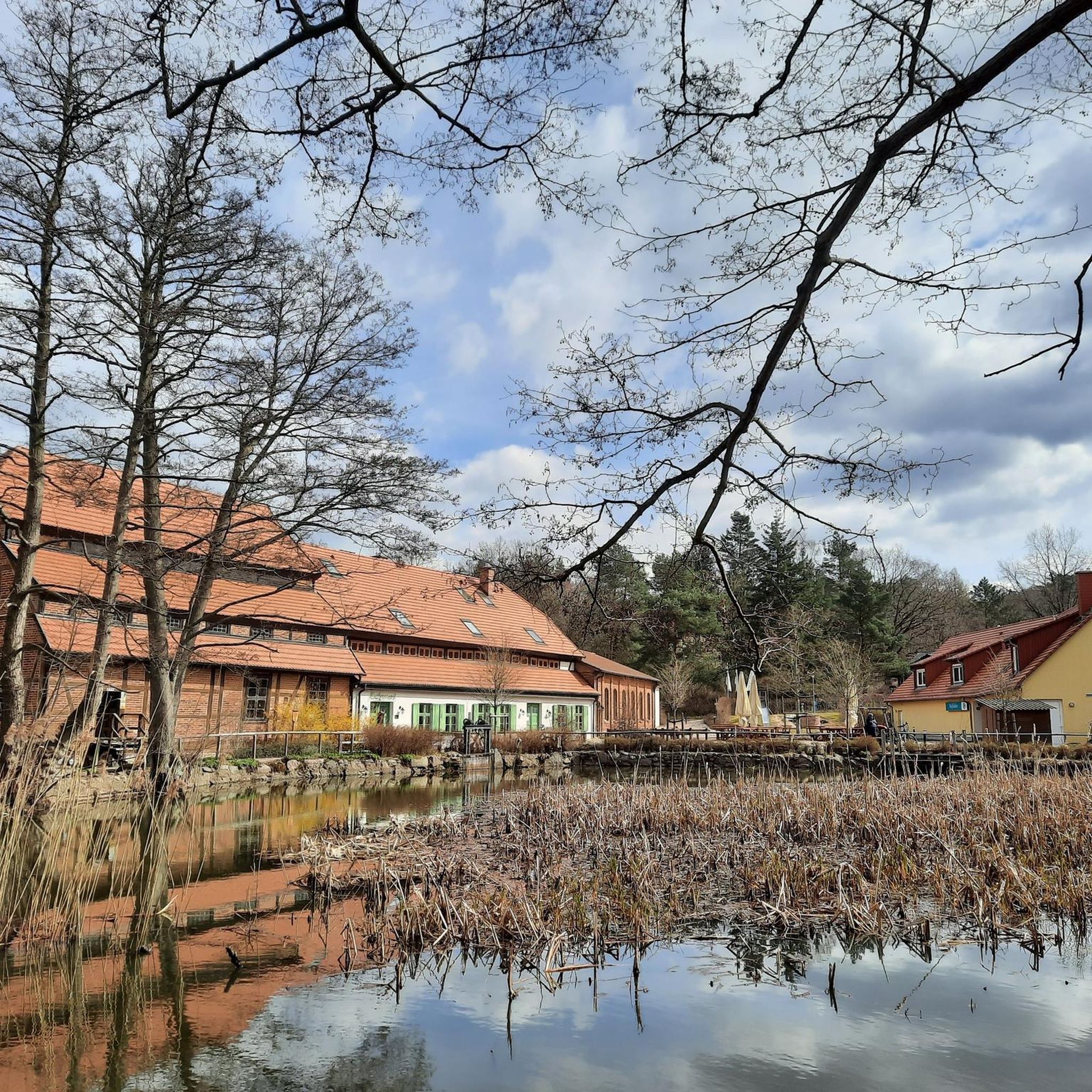
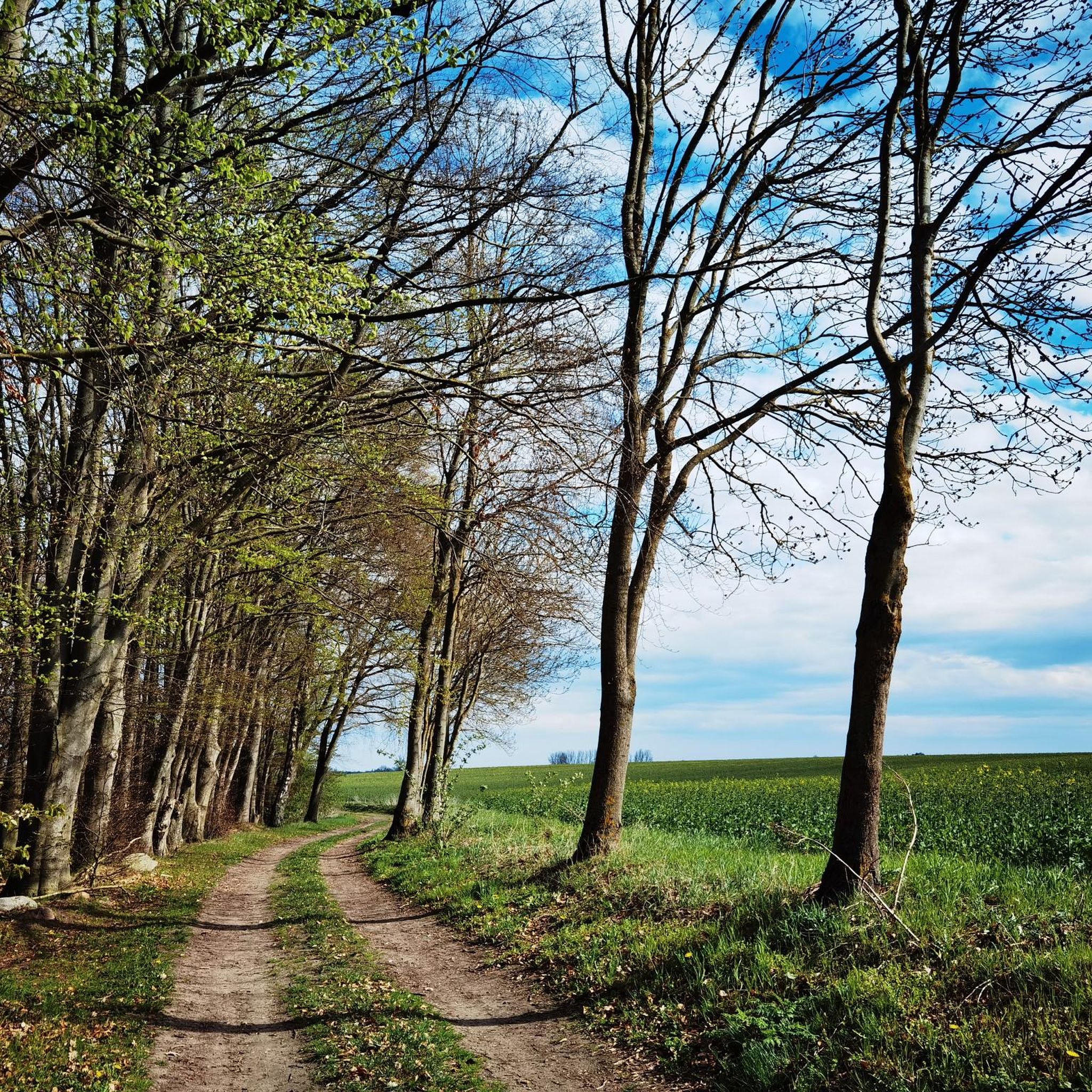
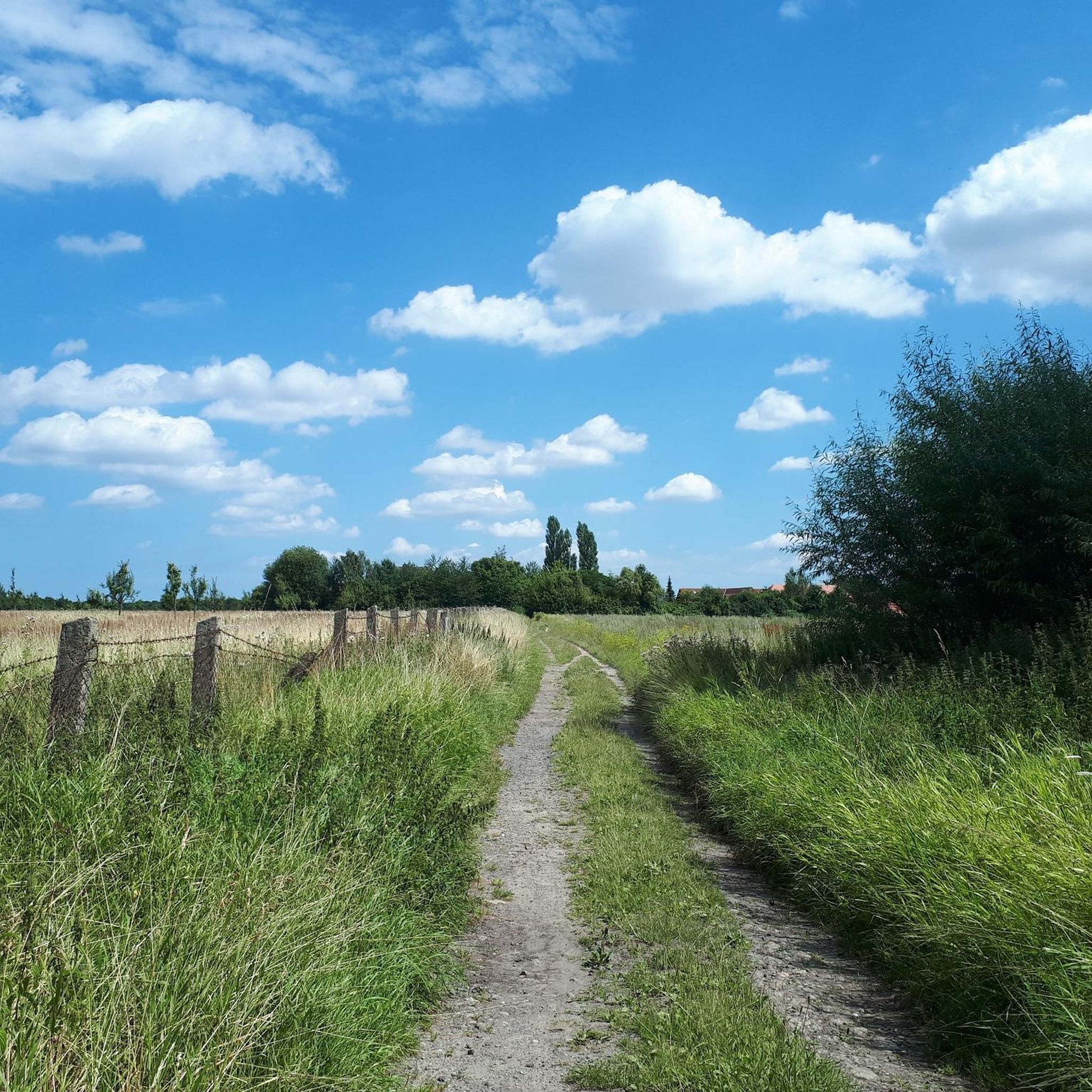
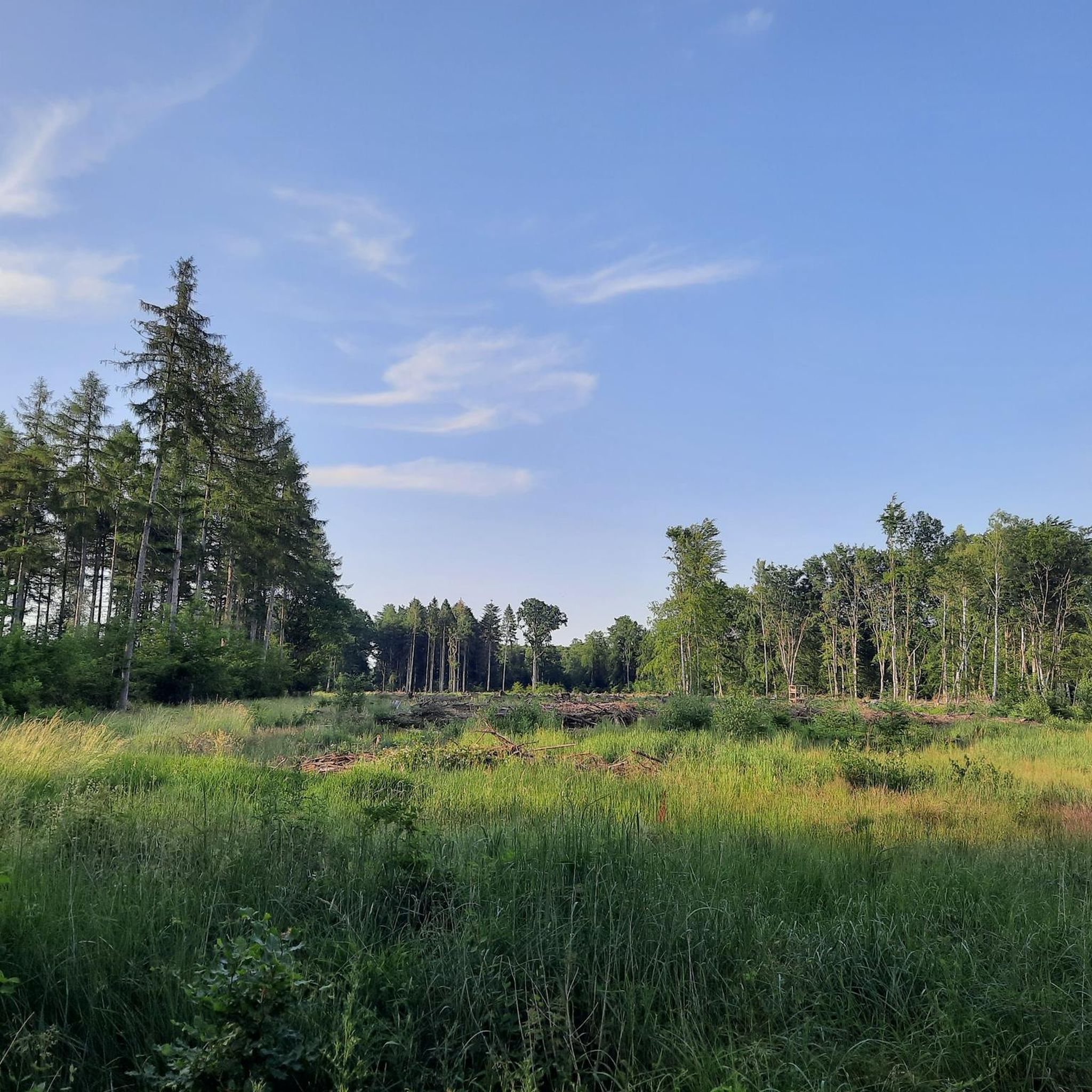

Tips from the Community

We do not operate a public restaurant. Our hotel guests enjoy peace and privacy. Therefore, we kindly request that you refrain from requesting tours of the interior of our property. However, we intentionally keep Lenée Park open to the public; please enjoy our flora and fauna respectfully and with consideration for others. 🙏🏼
0
0

Wrangelsburg Castle is a manor house in Wrangelsburg in the Vorpommern-Greifswald district. It was built in 1880 and has been privately owned since 2017.
0
0

The current castle was built in 1878. The previous building was converted into a baroque castle in 1652 by Carl Gustav Wrangel, the Swedish general governor of Pomerania. In 1945 it was expropriated and occupied by the Soviet military administration. Today it is in private hands.
5
0

No visits possible, but the park around the castle can be enjoyed.
0
0

The castle made of yellow clinker bricks is very beautiful.
0
0

Behrenhoff was called Busdorf until 1804 and had belonged to the von Behr family since the 14th century. On behalf of Carl Felix Georg von Behr, a two-story, late classicist manor house was built in the 1830s to replace the previous baroque manor house. The architect was possibly Friedrich Hitzig. His widow Louise Wilhelmine Gustava von Heyden had a landscape park created in the 1840s based on the plan of Peter Joseph Lenné.[2] Mechthild Countess von Behr, the last noble owner, was granted lifelong usufruct after her husband's death. She was against the National Socialists. Approached by Albrecht Schönherr, from 1936/1937 it offered accommodation on the estate for Confessing Church events. Bible studies and lectures took place during the so-called free periods. In addition to Schönherr, Eberhard Bethge, Günter Jacob, Volkmar Herntrich and Ernst Lohmeyer, among others, gave lectures. It is unclear whether Dietrich Bonhoeffer actually took part in events in Behrenhoff, as stated several times. On May 8, 1945, the mansion burned down. The ruins were later dismantled to produce building materials for new farms. https://de.wikipedia.org/wiki/Landschaftspark_Behrenhoff#Schloss_Behrenhoff
0
0

The castle is private and not accessible, but walking (not cycling) is allowed on the park paths - it's worth it. A very well-kept facility.
0
0

The beautifully restored moated castle now stands in the middle of nature. There were a number of benches and tables outside.
0
0
Frequently Asked Questions
What types of castles can I explore around Groß Kiesow?
The region around Groß Kiesow features a variety of historical castles, including Renaissance palaces like Ludwigsburg Palace (Western Pomerania) and Quilow Moated Castle, as well as neo-Gothic manor houses such as Schloss Neetzow. You can also find castle ruins that offer a glimpse into the past, like the Behrenhoff Manor Ruins.
Which castles offer guided tours or special events?
Ludwigsburg Palace (Western Pomerania) offers guided tours seasonally, typically on Wednesdays in July and August. They also host public events like herb and smoke markets. Quilow Moated Castle operates as a museum and event venue, hosting cultural activities, workshops, and art exhibitions.
Are there family-friendly castles to visit near Groß Kiesow?
Yes, several castles are considered family-friendly. Quilow Moated Castle and Schloss Neetzow are both categorized as family-friendly. Wrangelsburg Castle also has a beautiful lake and castle park that invites lingering, with some areas of the park open to the public.
Can I find cafes or restaurants at the castles?
Yes, Quilow Moated Castle features a cafe and bar on-site. Schloss Neetzow also has a restaurant, offering a pleasant atmosphere within its landscape park.
What are the historical highlights of Ludwigsburg Palace?
Ludwigsburg Palace (Western Pomerania), built in 1592, is a significant example of Renaissance architecture and one of the last remaining castles of the Pomeranian dukes. It's known for its connection to the Romantic art movement and features a well-preserved castle chapel with the oldest functioning church tower clock in Western Pomerania.
What makes Quilow Water Castle unique?
Quilow Moated Castle is a Renaissance manor house from 1575, characterized by its moat. After extensive renovation, it operates as a museum, restaurant, and event venue. Its unique 'glass monument preservation' concept allows visitors to see the various historical layers and repairs, offering a direct understanding of its nearly 500-year evolution.
Are there opportunities for hiking or outdoor activities near the castles?
Yes, the region offers various outdoor activities. Quilow Moated Castle is nestled within the scenic Peenetal River Landscape Nature Park, providing opportunities for hiking. You can find numerous hiking routes around Groß Kiesow, including trails near Wrangelsburg Castle. Explore options like the 'Wrangelsburg Castle – View of Wrangelsburg Lake loop' or 'Wrangelsburg Castle – Hanshagen Watermill loop' on the Hiking around Groß Kiesow guide.
How accessible are the castles by public transport or car?
The castles around Groß Kiesow are generally best accessed by car. For example, Ludwigsburg Palace is about a 17-minute drive from Groß Kiesow, and Quilow Moated Castle is about a 15-minute drive. Wrangelsburg Castle also offers parking facilities.
What is the best time of year to visit the castles around Groß Kiesow?
The warmer months, particularly July and August, are ideal for visiting as Ludwigsburg Palace offers seasonal guided tours during this time. Many castles also host outdoor events and markets in spring and summer. The surrounding nature parks are also most enjoyable during these seasons.
Are there any castles that are less crowded or considered hidden gems?
While Ludwigsburg Palace and Quilow Moated Castle are popular, they offer unique experiences that might feel less crowded outside of major event days. The Behrenhoff Manor Ruins, while not a fully preserved castle, offers a more secluded historical site within a listed landscape park for those seeking a quieter exploration.
What kind of historical significance do the castles in this region hold?
The castles around Groß Kiesow are significant examples of Pomeranian ducal history and Renaissance architecture. They reflect the lives of former dukes and noble families, with sites like Ludwigsburg Palace being one of the last remaining original Renaissance buildings of the Pomeranian dukes. The region also has connections to the Romantic art movement.
Are there any castles with unique architectural features?
Yes, Quilow Moated Castle is notable for its defensive moat, combining residential and defensive elements. Ludwigsburg Palace is a well-preserved example of Renaissance architecture. Schloss Neetzow stands out with its neo-Gothic style, designed by architect Friedrich Hitzig.
Most popular attractions around Groß Kiesow

Get inspired with the komoot mobile app


Explore more
Looking for the best castles somewhere else? Discover other guides around Groß Kiesow:
