Top 20 Lakes in Zealand
Lakes in Zealand, Denmark, are notable for their diverse natural features and historical significance. The region, encompassing parts of the Kongernes Nordsjælland National Park, is home to Denmark's largest and deepest lakes. These bodies of water offer varied landscapes, from hilly shores to dense forests, and support rich bird and aquatic life. Zealand's lakes provide numerous opportunities for outdoor activities and exploration of cultural sites.
Best lakes in Zealand
- The most popular lakes is Frederiksborg Castle, a castle that features a lake and is home to the Danish National Gallery. It is notable for its historical significance and the Neptune Fountain in its outer courtyard.
- Another must-see spot is Damhus Lake, a lake that is a good place to stop and eat, with tables and views. Visitors can expect a beautiful lake environment suitable for relaxation.
- Visitors also love Dronningens Bøge Pier, Esrum Lake, a lake viewpoint with old beech trees forming an avenue towards the water. This spot is special for its historical connection to Frederik IV and its scenic views of Esrum Lake.
- Zealand is known for its large freshwater lakes, deep lakes, and historically significant lakes. The region offers a variety of lakes to see and explore, each with distinct natural characteristics and recreational opportunities.
- The lakes in Zealand are appreciated by the komoot community, with over 230 upvotes and 30 photos shared by visitors.
Last updated: August 16, 2026
Damhus Lake
Highlight • Lake
Tip by

Frederiksborg Castle
Highlight • Castle
The museum dates back to one of the many initiatives of J.C. Jacobsen, the founder of the Carlsberg breweries, in 1878. The collection was expanded a few years ago with an important 20th-century section.
At the founder's request, the museum is also open on Mondays.
The museum is definitely worth a visit.
Source: DetNatMus/YouTube
Translated by Google •
Tip by

Sign up now to discover places like this
Get recommendations on the best single tracks, peaks, & plenty of other exciting outdoor places.
Sign up for free
Dronningens Bøge Pier, Esrum Lake
Highlight • Lake
Probably the avenue has originally continued all the way to the present Gillelejevej. Only a few of these beech stands back along the road, which is today called Frederik IV allé. If the line is extended to the east above the lake, it continues in the baroque hall, which extends from the lake bank up to Fredensborg Castle. It was Frederik IV who was responsible for the construction of Fredensborg Castle and to leave the avenue over the lake and into the forest on the other side. Only built in the early 1720s. King Frederik IV was married to Louise of Mecklenburg in 1695 on fatherly orders. When Queen Luise died in 1721, he married Anna Sophie Reventlow. This caused some fury at the court and it is said that for peace, they went on excursions along Esrum Lake. It is also said that it was her who had the idea of letting the avenue extend west of the lake. Thus, it should be her who has named the Queen's beech.
Translated by Google •
Tip by
Pond in Folkeparken
Highlight • Lake
Translated by Google •
Tip by

Ishøj Beach
Highlight • Beach
ishoj-havn.dk/ishoej-havn/historie
Translated by Google •
Tip by

Kalvebod Fælled and Kalvebodbroen Bridge, Copenhagen
Highlight • Cycleway
Translated by Google •
Tip by

Karlstrup Limestone Quarry
Highlight • Lake
Warning - we were there on one day with many visitors. Since the parking lot was full, we parked on the street. The walk just cost DKK 795 (approx. 110 €) ...
Translated by Google •
Tip by

Academy Park by Lake Sorø
Highlight (Segment) • Lake
Translated by Google •
Tip by

Coastal cycle route along the Præstø fjord
Highlight • Cycleway
Tip by

Seaside Cycle Path Near Copenhagen
Highlight (Segment) • Cycleway
Translated by Google •
Tip by

Sign up for free to discover even more lakes in Zealand.
Sign up for free
Already have an account?
Start today with a free account
Your next adventure awaits.
Login or Signup
Popular around Zealand
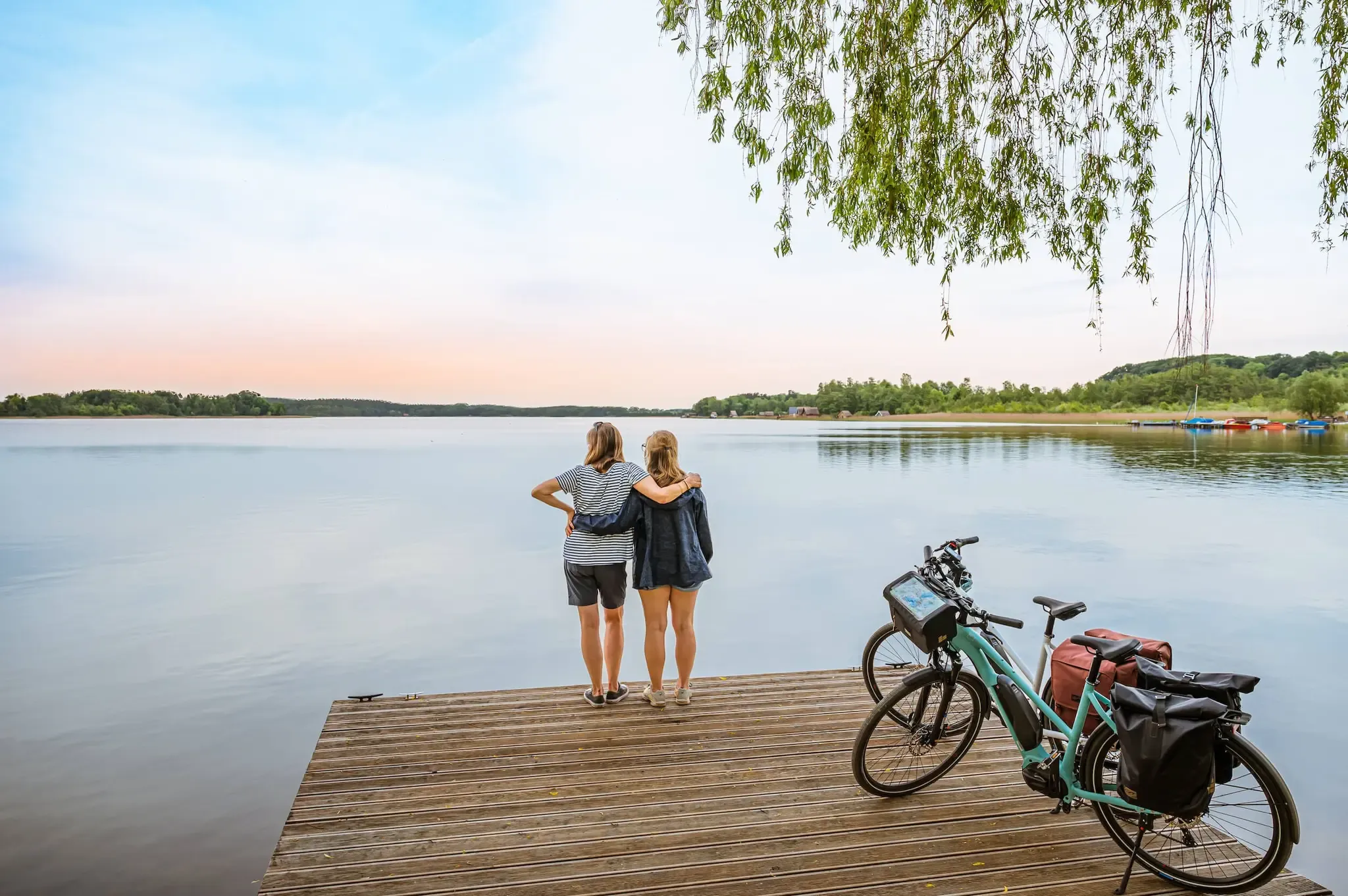
The long distance bicycle route Berlin-Copenhagen
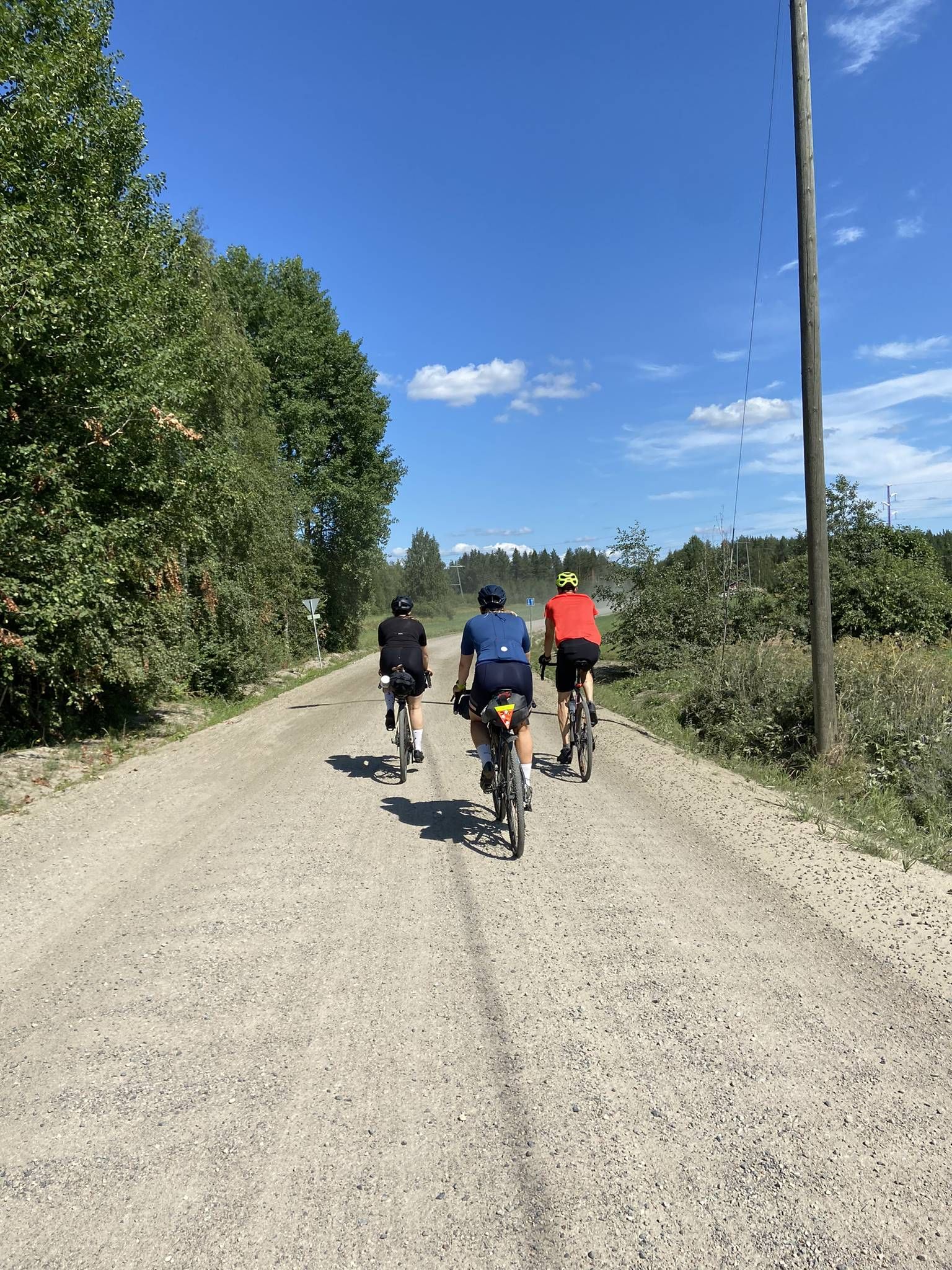
Naples to North Cape — Two friends, one purpose and many scoops of ice-cream
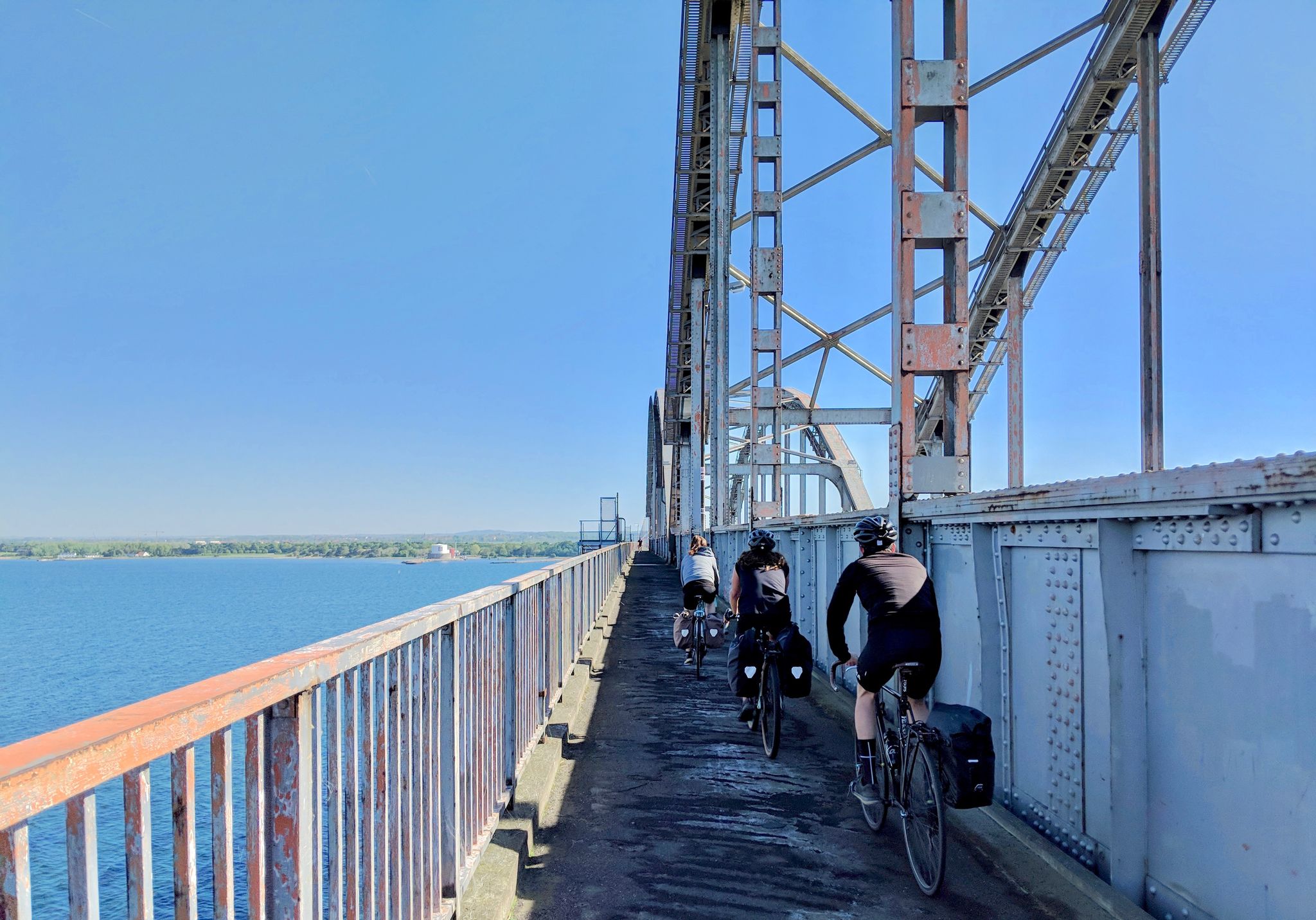
Cycling from Hamburg to Copenhagen – salty air included
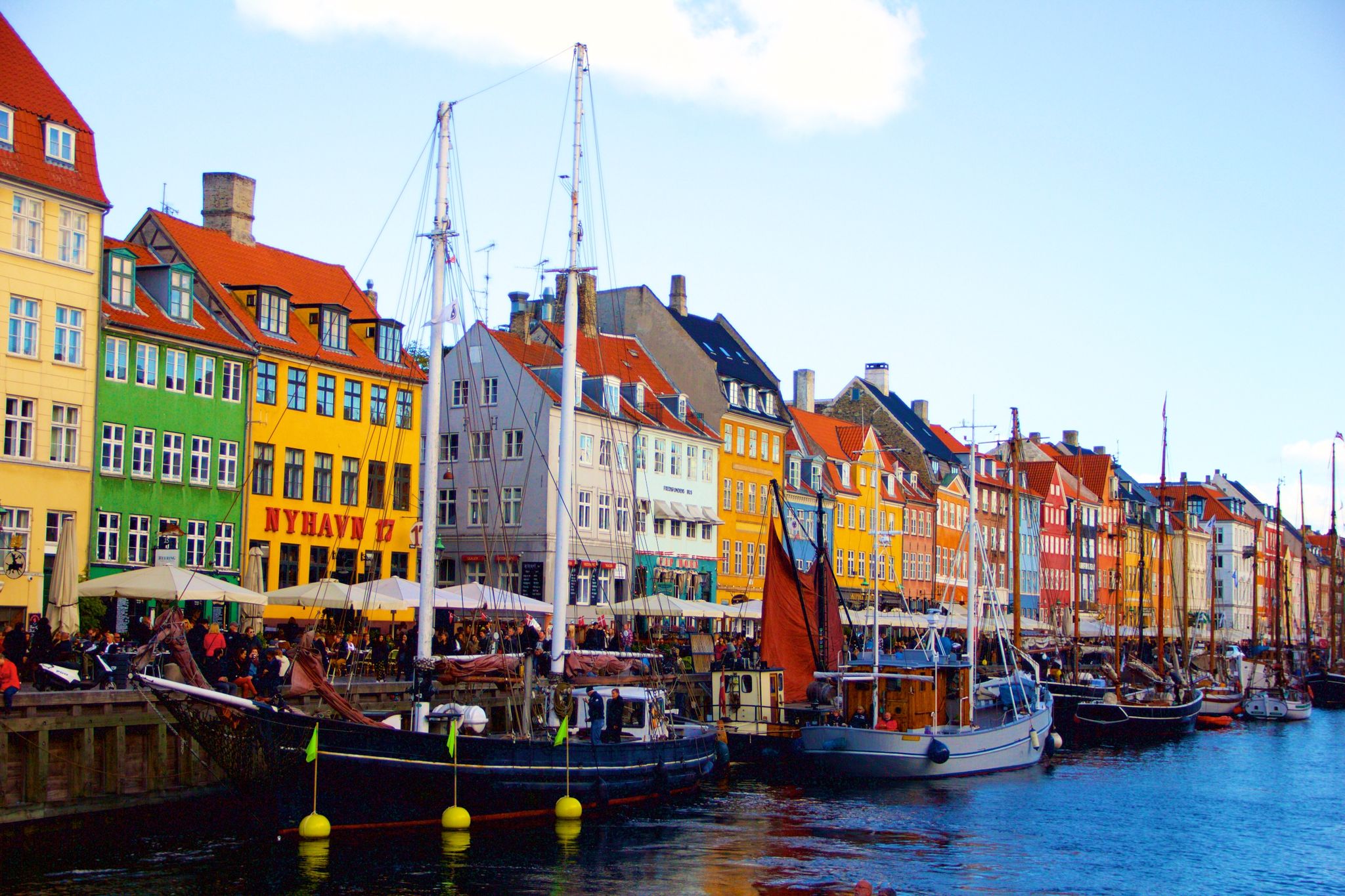
Berlin. Fehmarn. Copenhagen. An adventure on two wheels.
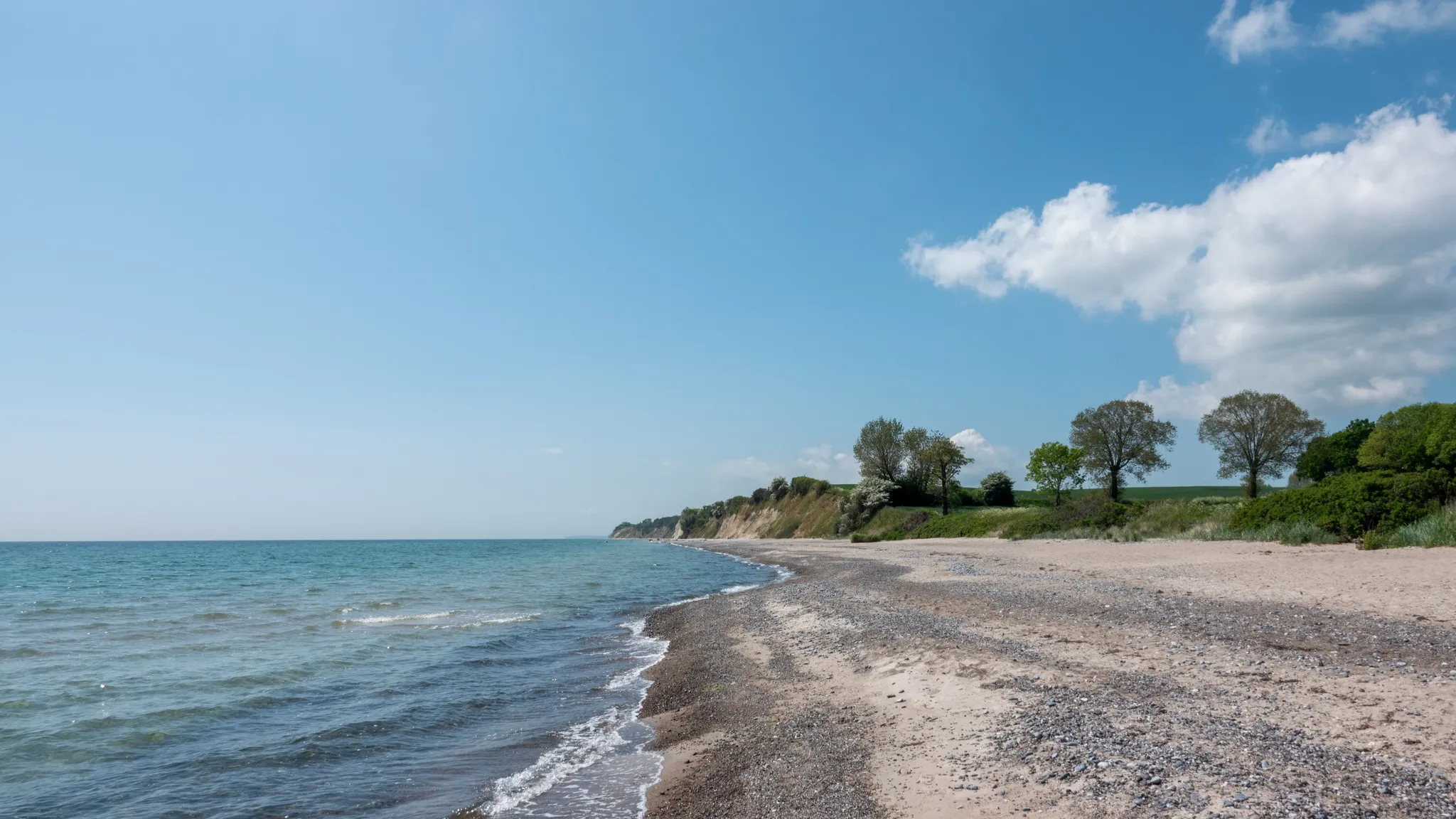
Forests & Cliffs – Camønoen
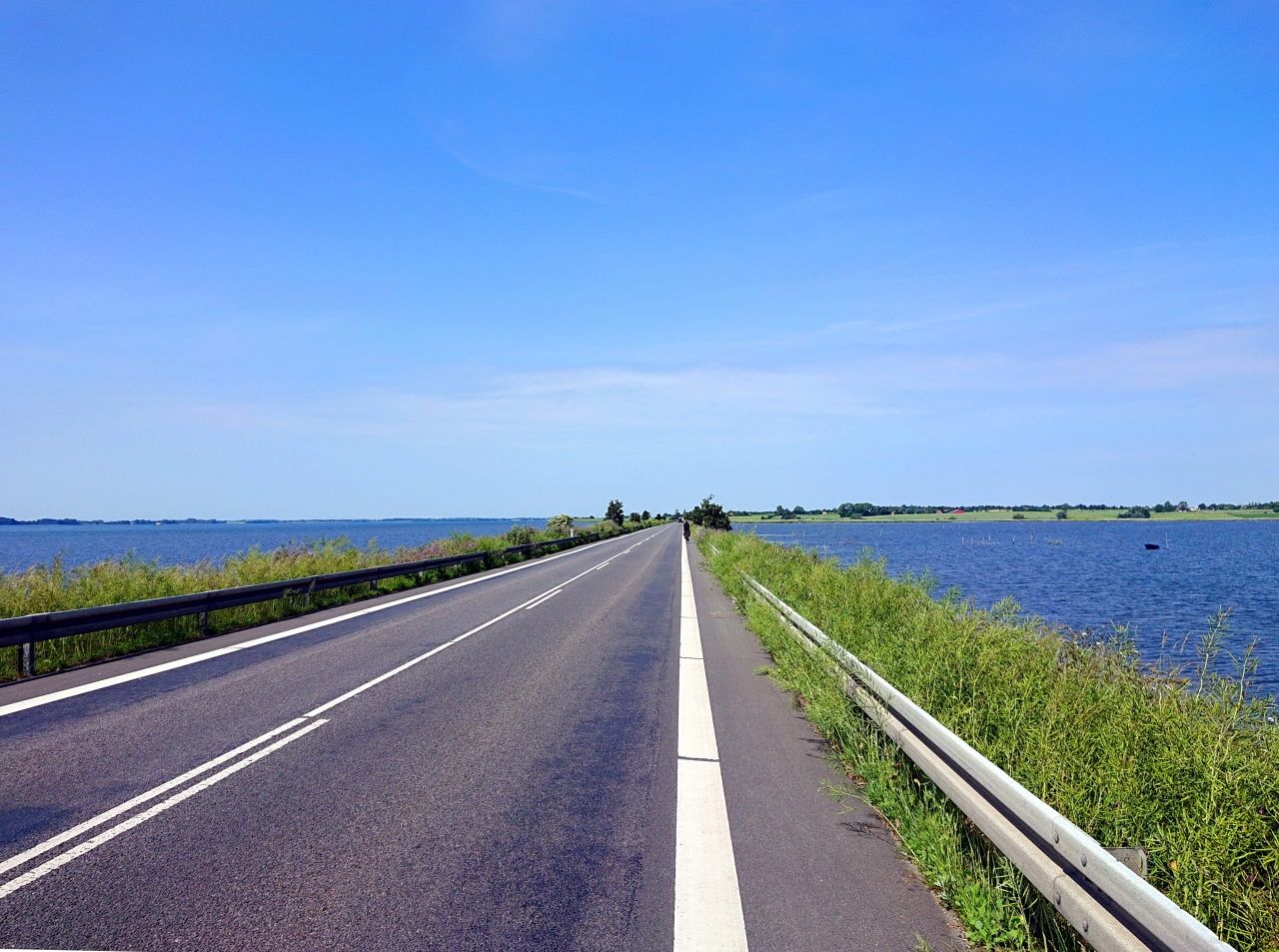
National Cycle Route 9 – Gedser-Helsingør
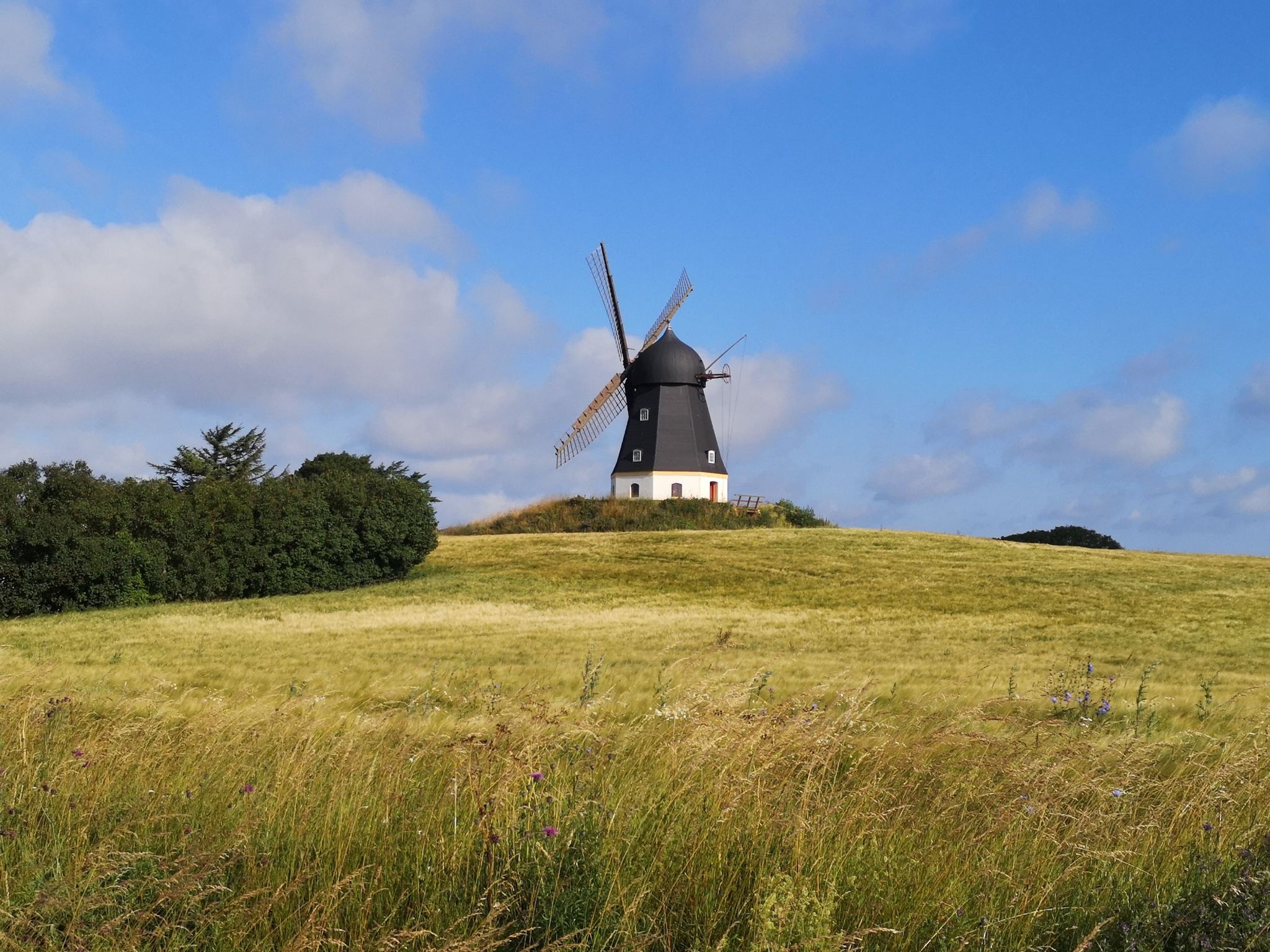
Across Denmark on National Cycle Route 4 – Copenhagen to Søndervig
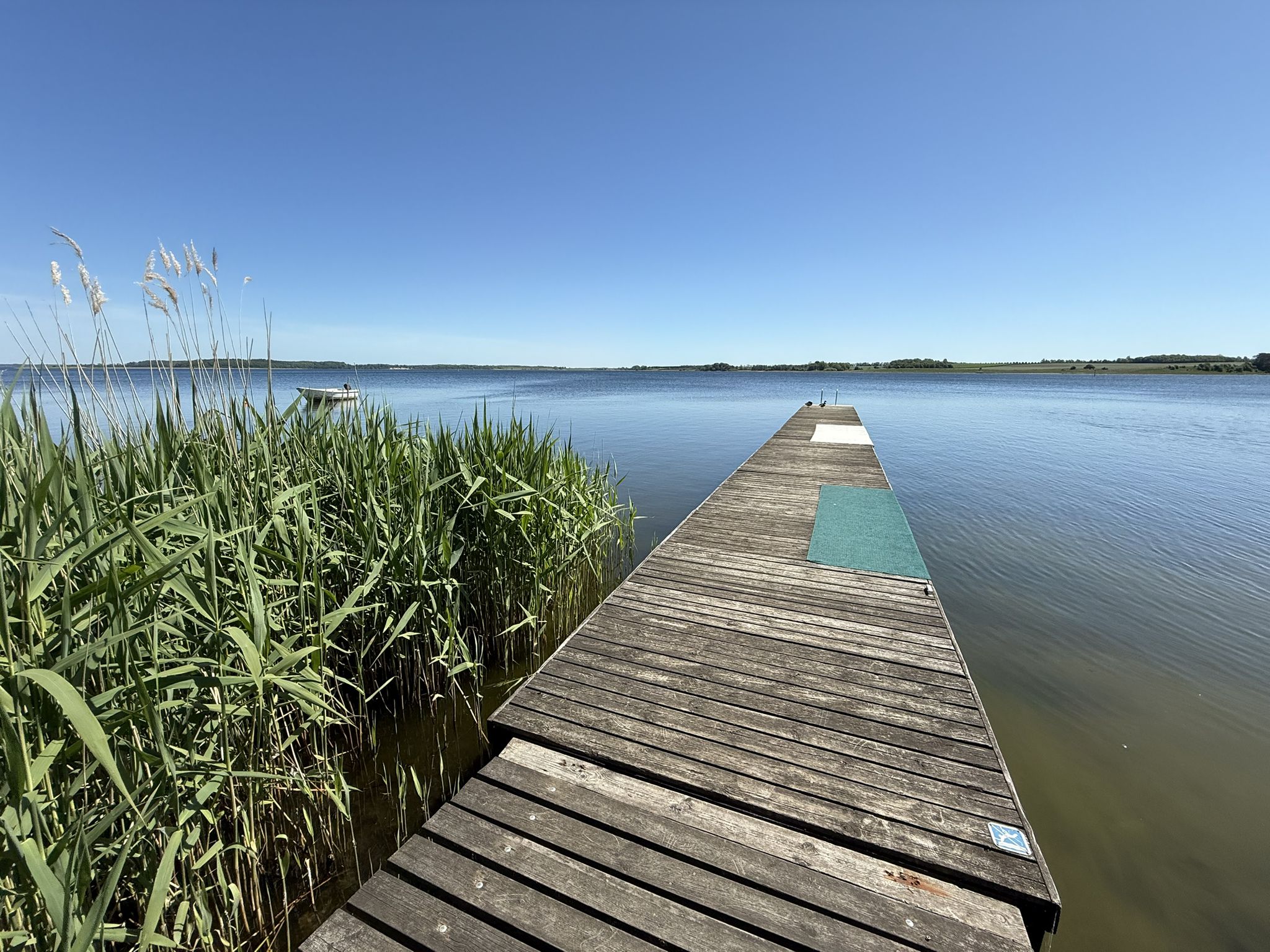
Following the Fjordstien – Cycle Route 40
The North Coast by bike: the wonderful Route 47
From Gedser to Helsingor – discovering Denmark by bike
Other adventures in Zealand


Tips from the Community

Very nice view up here from the bridge. It is very loud here because of the many cars. The bike path is nice and wide, the view is wonderful.
0
0
The road is narrow, but hardly used. You can cycle well here. Wonderful view of the water.
0
0

Fantastic swimming spot and beach. Nearby are toilets and a large barbecue area.
0
0
There can be an insane amount of wind on the bridge, so stop when you want to enjoy the view. Many people cycle fast here, and some on scooters, so be aware.
0
0

A lovely town with good hills
0
0

Nice walk along the beach, harbor and meadows
0
0

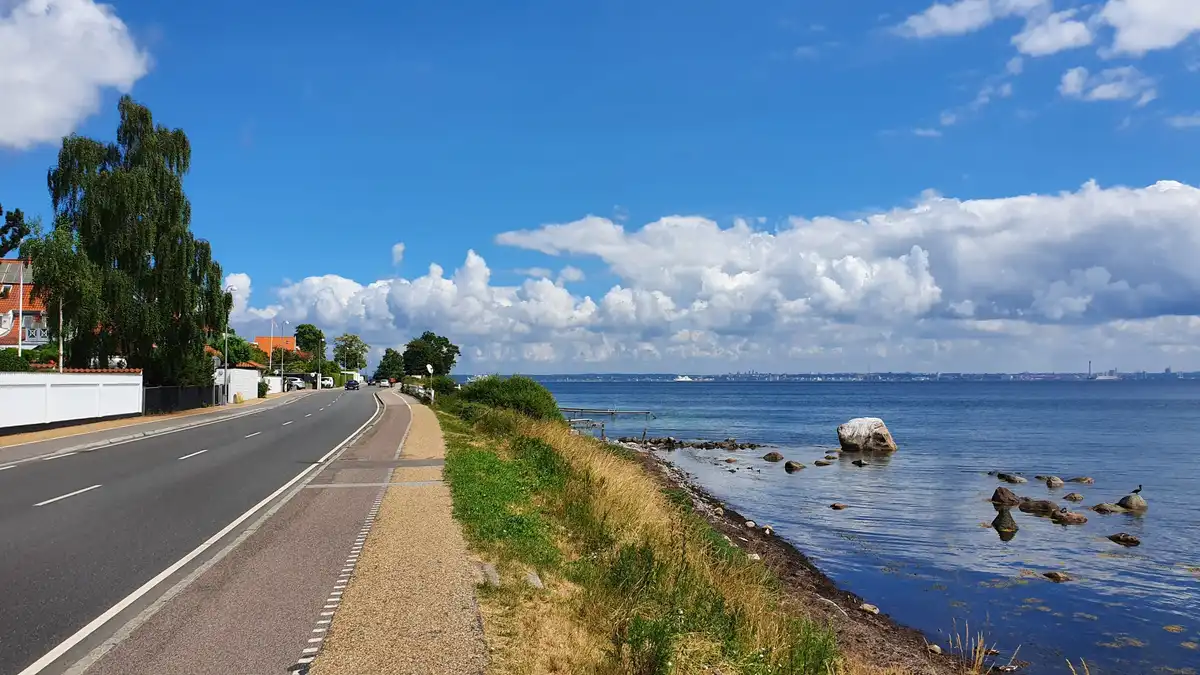
This stretch of cycle path is very scenic. There are dedicated bike lanes, and looking out towards the sea, you will notice a bay: it is a typically Danish blend of land and sky.
0
0

Frequently Asked Questions
What natural features can I expect to see around Zealand's lakes?
Zealand's lakes offer diverse natural features. For instance, Arresø, Denmark's largest lake, boasts rich bird and floral life, including sea eagles and beavers, with hilly landscapes like Arrenakke Hills. Esrum Lake is surrounded by Gribskov, one of Denmark's largest forests, and features pristine waters. Furesø is known for its clear waters and surrounding forests like Hareskoven.
Are there any historical sites or landmarks near Zealand's lakes?
Yes, Zealand's lakes are often intertwined with history. Frederiksborg Castle, a significant historical site, features a lake and houses the Danish National Gallery. Esrum Lake has strong ties to Esrum Abbey, a 12th-century Cistercian monastery, and Fredensborg Palace is located on its shores. You can also find historical connections at Dronningens Bøge Pier, Esrum Lake, known for its old beech trees and connection to Frederik IV.
Which lakes in Zealand are suitable for families?
Many lakes in Zealand are family-friendly. Damhus Lake is a good spot to stop and eat, with tables and views. Furesø is popular for swimming with designated bathing areas like Furesøbad, and offers equipment rentals for water sports. The Pond in Folkeparken provides a large open park with streams, small lakes, and open lawns, suitable for family outings.
What outdoor activities can I do around Zealand's lakes?
Zealand's lakes offer a wide range of outdoor activities. You can enjoy shore and boat fishing, birdwatching, kayaking, canoeing, and SUP boarding. For cycling enthusiasts, there are numerous routes, including those for general cycling, gravel biking, and road cycling. Walking tracks and resting areas are also common, especially around Arresø and Esrum Lake.
Are there good walking or hiking trails around Zealand's lakes?
Yes, you'll find well-maintained walking tracks and paths around many of Zealand's lakes. Arresø has numerous walking tracks and observation towers for birdwatching. Esrum Lake is bordered by Gribskov forest, offering extensive hiking routes. Furesø is encircled by cycling and running paths, and its surrounding forests like Hareskoven also provide trails.
When is the best time to visit Zealand's lakes?
The best time to visit Zealand's lakes largely depends on your preferred activities. For boat tours, such as on the M/S Frederikke on Arresø, the season typically runs from May to September. Summer is ideal for swimming at designated areas like Furesøbad. The spring and autumn months offer beautiful scenery for walking and cycling, with pleasant temperatures and vibrant foliage.
Can I go swimming in Zealand's lakes?
Swimming is popular in some of Zealand's lakes, particularly during summer. Furesø has several designated bathing areas, including Furesøbad. Esrum Lake also permits swimming when water quality allows. However, it's important to note that swimming has been banned in Arresø for several years due to algae growth. Always check local signage for current conditions.
What kind of wildlife can I observe around the lakes?
Zealand's lakes are rich in wildlife. Arresø is known for its diverse bird and floral life, with sea eagles returning as nesting birds and beavers being reintroduced. Esrum Lake and its wetlands support a wide array of birdlife, including ducks, geese, and white-tailed eagles, as well as fish species like pike, perch, and roach. Furesø also supports rich aquatic life and biodiversity.
Are there opportunities for fishing in Zealand's lakes?
Yes, fishing is a popular activity in many of Zealand's lakes. Arresø offers opportunities for shore and boat fishing, with species like roach, bream, zander, and pike. Fishing is also permitted in Esrum Lake, though it typically requires a permit. Anglers at Furesø can find pike, perch, and zander.
What do visitors enjoy most about Zealand's lakes?
Visitors particularly enjoy the serene natural escapes and diverse recreational opportunities. Highlights like Damhus Lake are appreciated as beautiful spots to relax and eat. The historical significance of places like Frederiksborg Castle and the scenic views from Dronningens Bøge Pier, Esrum Lake, are also highly valued. The combination of nature, history, and outdoor activities makes the lakes a cherished destination.
Are there any unique geological features among Zealand's lakes?
Yes, the lakes have interesting geological origins. Arresø was historically a fjord that transformed into a freshwater lake due to land uplift after the last Ice Age. Esrum Lake is believed to have originated from a large ice block that melted during the Ice Age. Furesø, being Denmark's deepest lake, also showcases significant geological formations.
Can I find places to eat or amenities near the lakes?
Yes, many lakes offer nearby amenities. Damhus Lake has tables and spots to sit and eat. Esrum Lake features picnic areas, bathing jetties, and even a café in a former ranger's house. The Pond in Folkeparken includes a café, and Søpavillonen (Lake Pavilion) is a restaurant located by a lake, offering dining options.
Most popular routes in Zealand
Most popular attractions in Zealand

Get inspired with the komoot mobile app


Didn’t find what you were looking for?
Find the best lakes in Zealand per region:
Explore more
Still not found your perfect lake in Zealand? Check out the guides of these regions to see even more beautiful places.
