Attractions and Places To See around Sancheville - Top 5
Best attractions and places to see around Sancheville, a commune in the Eure-et-Loir department of France, offers a tranquil setting. The historic Moulin du Paradis is a notable landmark within the commune, built around 1625. The surrounding Eure-et-Loir region provides opportunities to explore cultural heritage and the natural landscape. This area features a mix of historical sites and religious monuments.
Best attractions and places to see around Sancheville
- The most popular attractions is Château de Cambray, a castle that includes an orangery and features wings built in the late 17th or early 18th century. Its construction showcases a mix of stone and brick around the windows.
- Another must-see spot is Saint Peter's Church, a historic religious monument. This building was registered as a historic monument in 1927 and once had a priory connection.
- Visitors also love Eglise le Gault Saint Denis, a church dating from the 16th and 18th centuries. It is considered a notable architectural gem in the area.
- Sancheville is known for its historical churches and a significant castle. The area offers a variety of attractions to see and explore, including religious monuments and historical sites.
- The attractions around Sancheville are appreciated by the komoot community, with 7 upvotes and 2 photos contributed by visitors.
Last updated: July 4, 2026
Château de Cambray
Highlight • Castle
The place called Cambray, Combarius under the Romans, was to be a camp. Combrée also means "bushy places", or Cambray is located along the Conie, bordered by reedbeds.
The 2 wings of the rear facade were built at the end of the 17th century, beginning of the 18th century by Jacques Lambert, private master of water and forests of the Duchy of Orléans. We note that they were built after the other parts of the castle, with a different aspect of construction, stone on the one hand and bricks around the windows on the other.
Translated by Google •
Tip by

Saint Peter's Church
Highlight • Other
The building was registered as a historic monument in 1927.
Translated by Google •
Tip by

Sign up now to discover places like this
Get recommendations on the best single tracks, peaks, & plenty of other exciting outdoor places.
Sign up for free
Church of Saint Christine
Highlight • Other
In 1835, a hurricane damaged the roof of the bell tower. In 1893, lightning ignited the spire which burned almost entirely. The traces are still visible today. It would take almost 25 years for the church to regain its bell tower, reduced by half to 17 meters in height.
The heritage to be restored is in line with the many religious buildings in this area such as the Saint Sébastien church in Baignolet, listed as a Historic Monument.
Translated by Google •
Tip by
Église Saint Hilaire
Highlight • Other
In the Centre-Val de Loire region, parish churches like Saint-Hilaire played a central role in community life, serving as places of prayer, gatherings, and social organization. Lacking precise data on this monument, it can be assumed that it fulfilled the traditional functions of rural religious buildings: celebrating religious services, administering the sacraments, and maintaining connections among the inhabitants. The dominant agricultural activities of the region often influenced the maintenance and use of these places, although it is not possible to assert a direct link with this particular church.
Translated by Google •
Tip by
Eglise le Gault Saint Denis
Highlight • Other
Translated by Google •
Tip by

Sign up for free to discover even more attractions around Sancheville.
Sign up for free
Already have an account?
Start today with a free account
Your next adventure awaits.
Login or Signup


Tips from the Community

The Church of Saint-Hilaire in Montainville is a religious monument located in the commune of Les Villages Vovéens. This place of worship, whose construction period is not specified in available sources, is an integral part of the local architectural landscape. Its name, Saint-Hilaire, suggests a dedication to a Christian saint, a common practice for medieval and modern churches, but no further information allows us to determine its exact origin or historical specifics. In the Centre-Val de Loire region, parish churches like Saint-Hilaire played a central role in community life, serving as places of prayer, gatherings, and social organization. Lacking precise data on this monument, it can be assumed that it fulfilled the traditional functions of rural religious buildings: celebrating religious services, administering the sacraments, and maintaining connections among the inhabitants. The dominant agricultural activities of the region often influenced the maintenance and use of these places, although it is not possible to assert a direct link with this particular church.
0
0
The Sainte Christine church represents a heritage of the rural and religious world characteristic of Beauce, the "breadbasket" of France since the Middle Ages. The Romanesque nave dates from the 12th century and was given a bell tower in the 18th century. The spire then peaked at 28 meters high, visible from afar from the surrounding countryside. In 1835, a hurricane damaged the roof of the bell tower. In 1893, lightning ignited the spire which burned almost entirely. The traces are still visible today. It would take almost 25 years for the church to regain its bell tower, reduced by half to 17 meters in height. The heritage to be restored is in line with the many religious buildings in this area such as the Saint Sébastien church in Baignolet, listed as a Historic Monument.
0
0
Formerly, the church was the presentation of the abbot of Bonneval because the Saint-Florentin abbey had a priory in Cormainville. A walled arcade, still visible to the south of the choir, represents an ancient communication between the church and the priory. The building was registered as a historic monument in 1927.
0
0

The Cambray orangery is part of the Cambray estate acquired by François Lambert, squire and adviser to the king, auditor in his chamber of accounts, on March 28, 1575 from the nobleman of Oinville, lord of Puiset. The place called Cambray, Combarius under the Romans, was to be a camp. Combrée also means "bushy places", or Cambray is located along the Conie, bordered by reedbeds. The 2 wings of the rear facade were built at the end of the 17th century, beginning of the 18th century by Jacques Lambert, private master of water and forests of the Duchy of Orléans. We note that they were built after the other parts of the castle, with a different aspect of construction, stone on the one hand and bricks around the windows on the other.
0
0

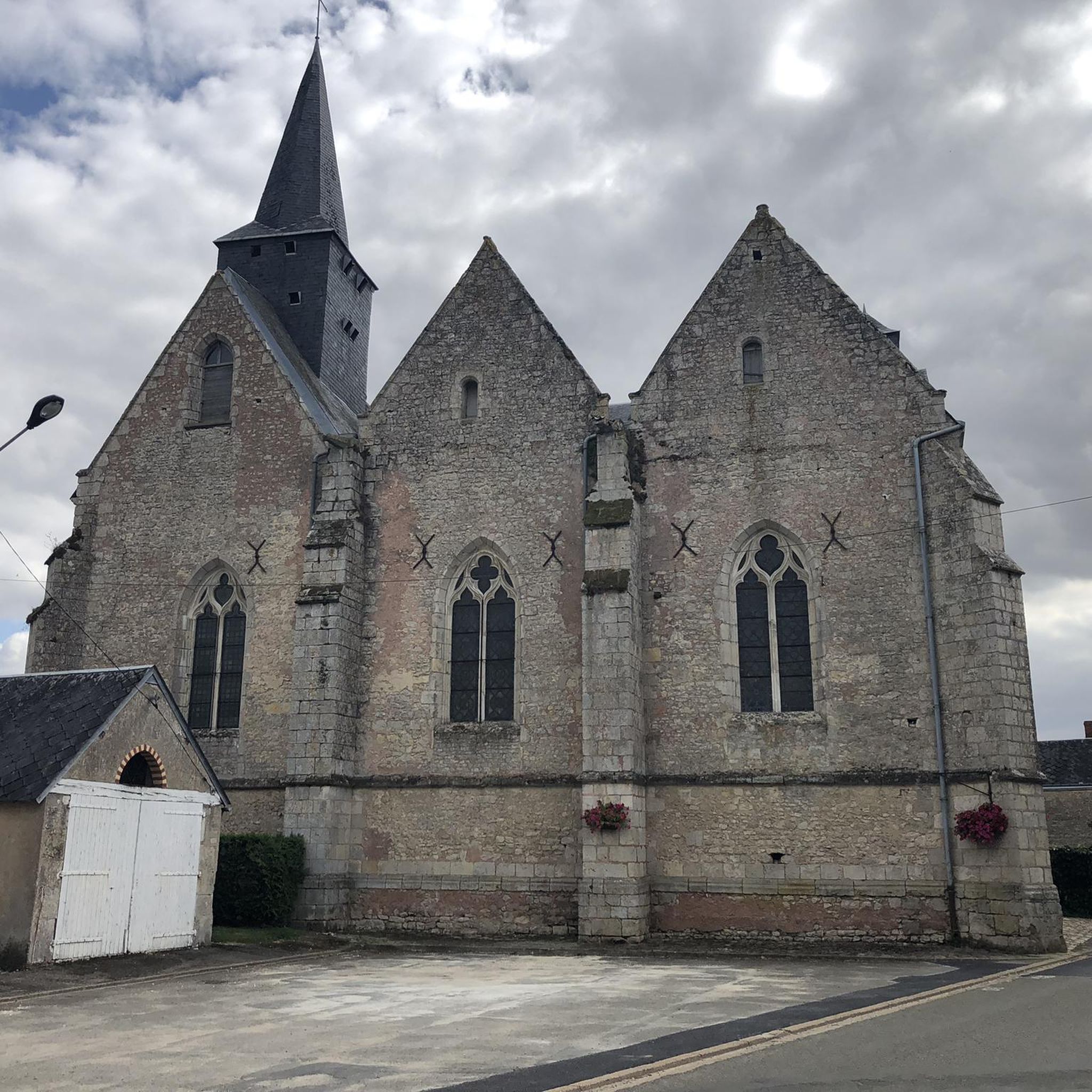
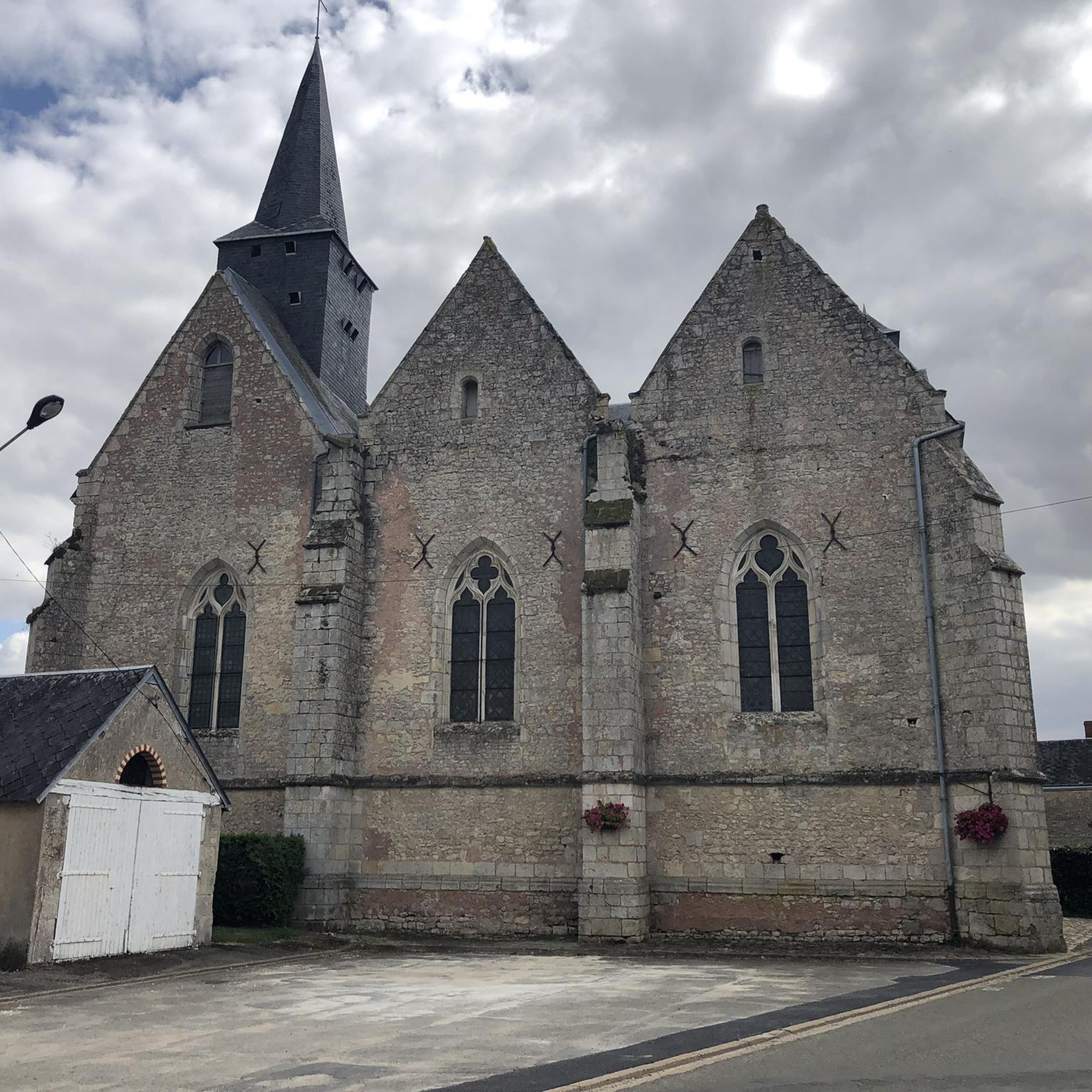
The Saint-Étienne church dates from the 16th and 18th centuries. A beautiful gem to discover without moderation
0
0

Saint-Etienne church dates from the sixteenth and eighteenth centuries.
0
0
Frequently Asked Questions
What is the most significant historical landmark in Sancheville itself?
The most significant landmark within Sancheville is the historic Moulin du Paradis. This 17th-century pivot wind-powered mill, built around 1625, features a unique Berton system. It is inscribed in the inventory of historical monuments and has undergone restoration.
When can I visit the Moulin du Paradis?
The Moulin du Paradis is typically open to visitors on Sundays and public holidays from April to October. It's advisable to check local listings for the most current opening hours before your visit.
What historical churches can I visit near Sancheville?
Several historical churches are worth visiting. You can explore Saint Peter's Church, a historic monument registered in 1927, or Eglise le Gault Saint Denis, dating from the 16th and 18th centuries. Additionally, Église Saint Hilaire in Montainville and the Church of Saint Christine, with its 12th-century Romanesque nave, are also nearby.
Are there any castles or châteaux to visit in the area?
Yes, you can visit Château de Cambray. This castle includes an orangery and features wings built in the late 17th or early 18th century, showcasing a mix of stone and brick around the windows.
What kind of outdoor activities can I do around Sancheville?
The area around Sancheville offers various outdoor activities, particularly cycling and hiking. You can find numerous routes for road cycling and touring bicycles, as well as hiking trails. For detailed routes, explore the Road Cycling Routes around Sancheville, Cycling around Sancheville, and Hiking around Sancheville guides.
Are there hiking trails suitable for beginners near Sancheville?
Yes, there are several easy hiking trails available. For example, you can find routes like the 'Mémillon Castle – Château de Mémillon loop from Saint-Maur-sur-le-Loir' (3.1 km) or a 'Hiking loop from Saint-Maur-sur-le-Loir' (3.4 km). More options are detailed in the Hiking around Sancheville guide.
What natural features or gardens can I explore in the Eure-et-Loir region?
The broader Eure-et-Loir region offers several natural attractions. You can visit Le Pré Catelan or Les Prés-Culand, both remarkable gardens. Further afield, the Parc Floral de la Source in Orléans and the Arboretum des Grandes Bruyères provide vast floral and arboreal experiences. The region also features Regional Natural Parks like the Perche, with ponds, marshes, and forests.
What are some notable religious monuments in the wider Eure-et-Loir area?
Beyond Sancheville, the Eure-et-Loir region is home to significant religious architecture. The renowned Cathédrale de Chartres is approximately 29 km away. Other notable sites include the Collégiale de Saint Martin, Eglise de Saint Basile, and Cathédrale Notre Dame, all located in Étampes.
Are there local markets near Sancheville to experience local life?
Yes, several nearby towns host markets. You can find a Tuesday market in Voves (10 km), a Monday market in Bonneval (14 km), and Thursday and Saturday markets in Châteaudun (23 km). Chartres also has a Saturday market (29 km), offering a glimpse into local produce and life.
What makes the Moulin du Paradis unique?
The Moulin du Paradis is unique due to its 17th-century pivot wind-powered design and its Berton system, which allowed its plank wings to be opened and closed from the inside while the mill was in operation. This innovative feature was quite advanced for its time.
What do visitors appreciate most about the attractions around Sancheville?
Visitors particularly appreciate the historical significance of the churches and the castle, as well as the tranquil setting of the area. The blend of cultural heritage and opportunities to connect with nature through various outdoor activities is also highly valued by the komoot community.
Are there any easy cycling routes around Sancheville?
Yes, there are many easy cycling routes. For example, you can try the 'Roadbike loop from Fontenay-sur-Conie' (10.2 km) or the 'Bike loop from Fontenay-sur-Conie' (10.2 km). The Cycling around Sancheville guide provides more easy options.

Get inspired with the komoot mobile app


Explore more
Still not found the Highlight you’re looking for? See guides of the top attractions in other regions:
